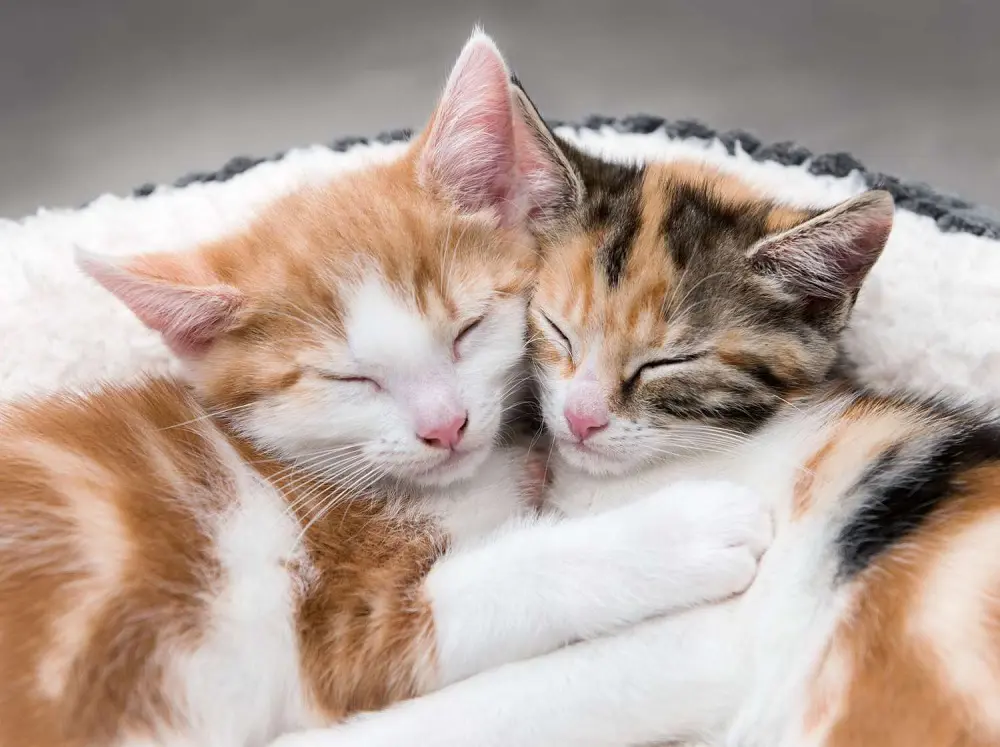


 Ragdoll 2) Siamese 3) Maine Coon 4) Scottish Fold 5) Burmese and more.)
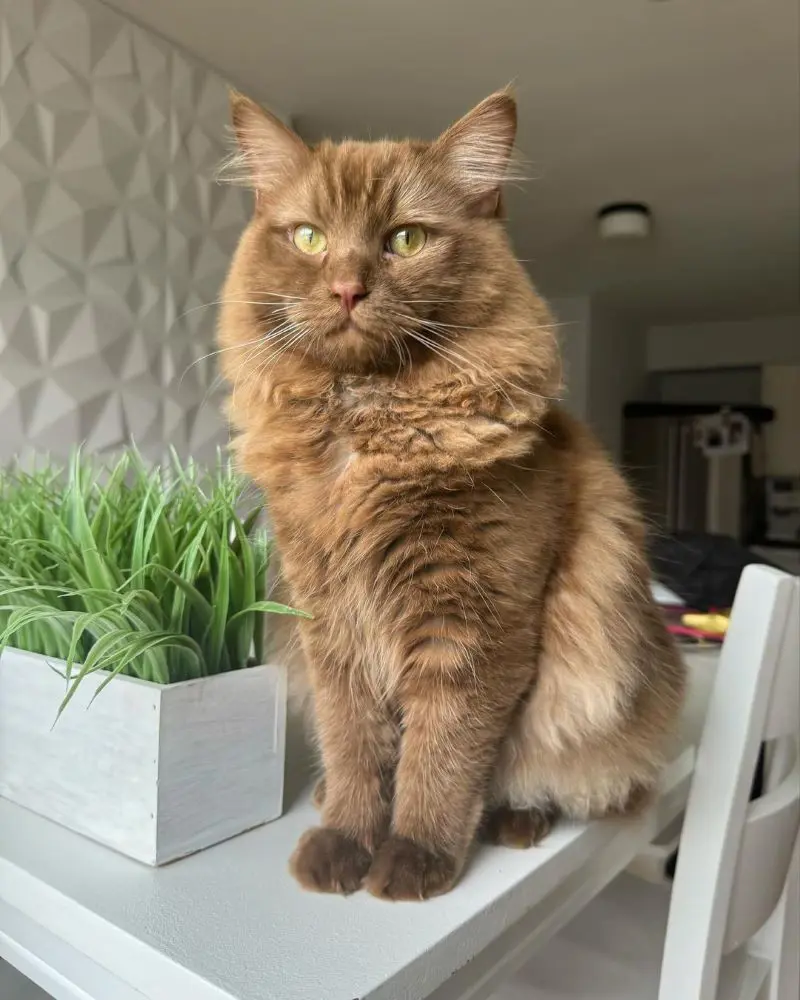
Cats often become the victims of poor stereotypes that show them as cold-hearted beasts with the ultimate ambition of world domination; however, it could not be further from the truth.
In reality, cats have individual personalities that can widely vary based on the cat's upbringing and breed. It's also true that although cats appear less friendly than dogs at first impression, once they trust a person, cats are as cuddly and warm as canines.
For potential pet parents willing to adopt a friendly and affectionate cat, these are some of the best breeds to consider.
1. Ragdoll
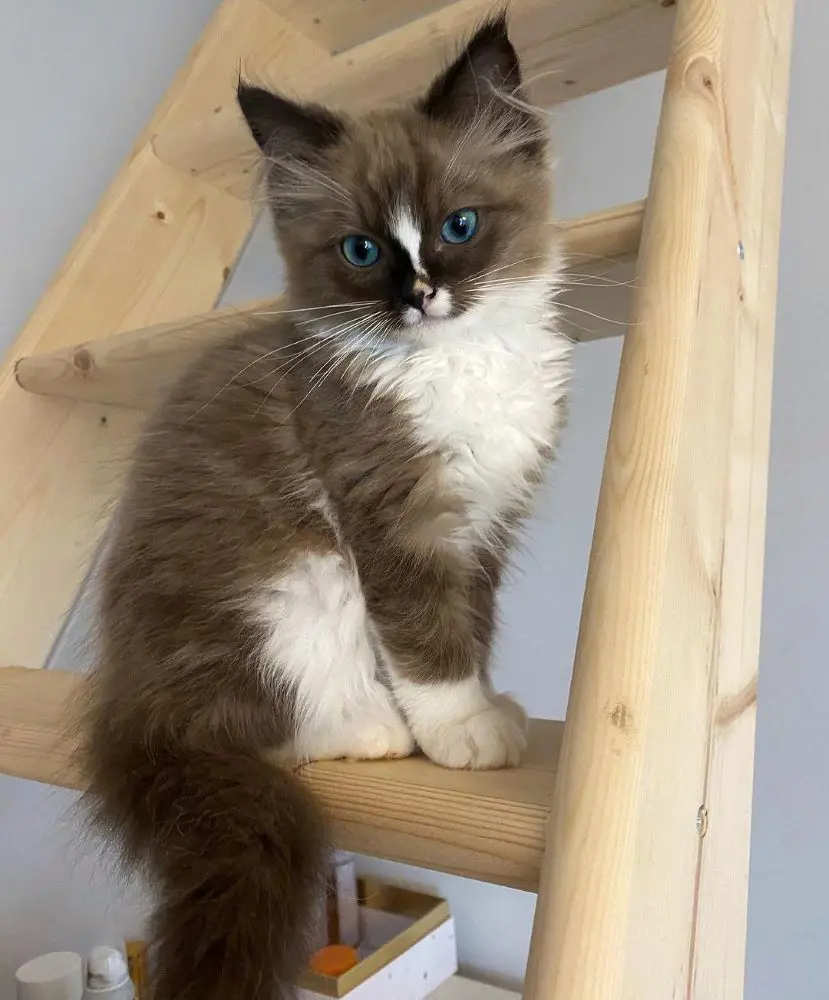
Although not as vocal as some other breeds, Ragdoll cats are friendly and devoted to their family. These felines enjoy rubbing their bodies on the closest confidants and even roll on their backs, showing their trust in you.
Additionally, these kittens are also a highly-trainable breed with can learn litter training and even follow a few commands. But as these cats are prone to weight gaining, make sure never to miss daily exercise and play an hour each day to keep these cats active.
2. Siamese
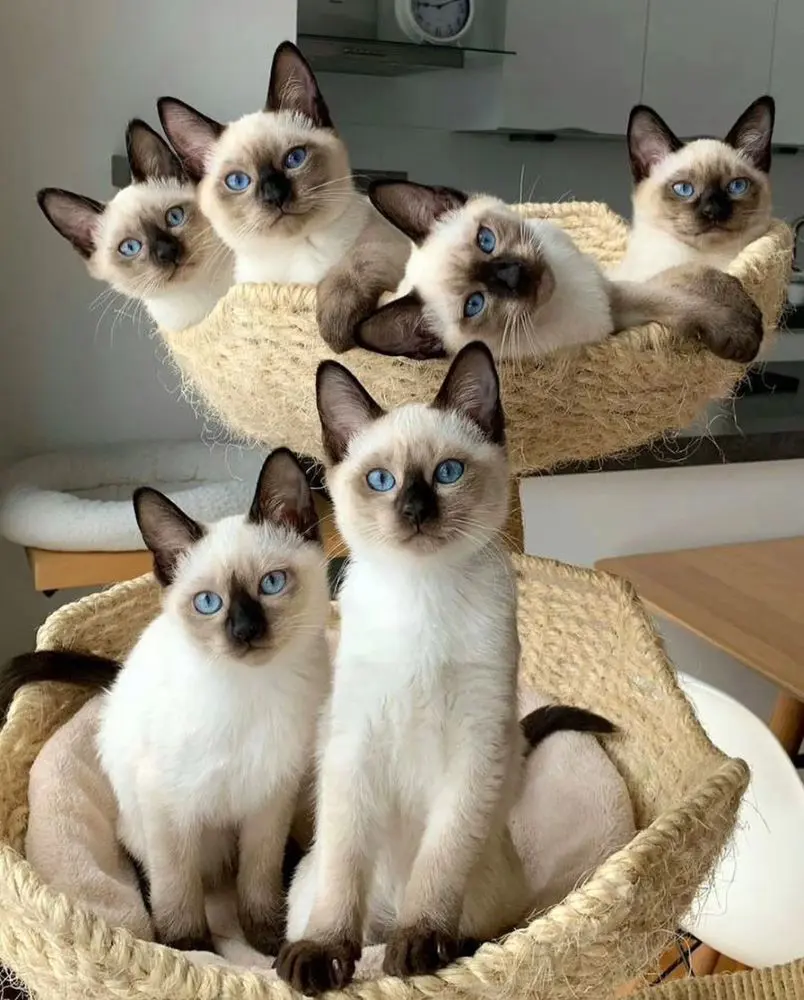
If the Siamese breed was to be described in one word, it would be "extrovert." The Siamese first became a household name in the 1950s when more cat shows became favorable towards its exotic appearance.
Native to Thailand, this breed is widely renowned for its point coloration, these cats are perfect for households with families. Meanwhile, they are also suitable companions for individuals who live alone.
Siamese are often cherished for their relatively passive lifestyle; they love to take a nap in the middle of the day and rarely indulge in hunting like other breeds.
3. Maine Coon
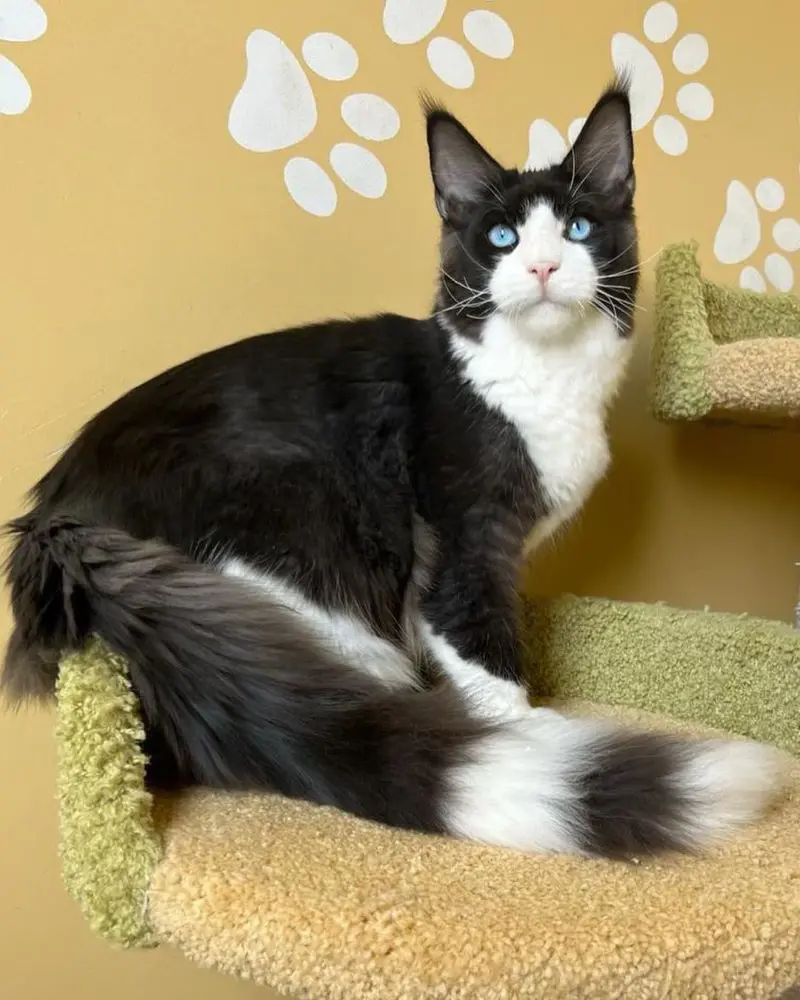
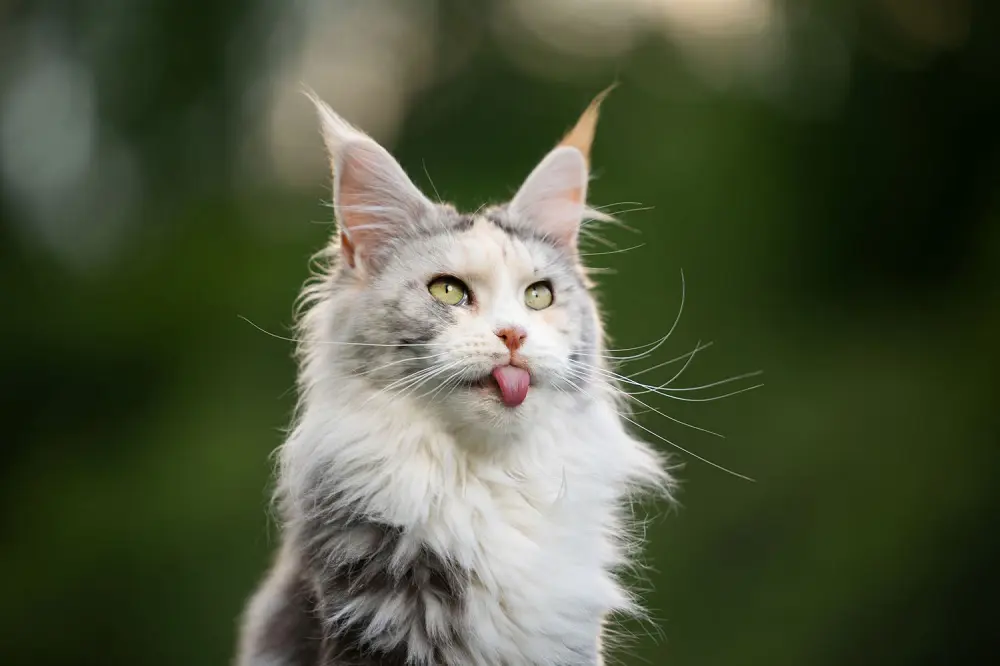
Maine coon is regarded as the weirdest cat breeds due to their stereotype-breaking features. For instance, they love to swim and are frequently described as dog-like in temperament.
The Maine coon breed also holds the record for the largest non-hybrid breed in the world. Despite their large size, their playful behavior and occasional child-like cuteness make them a breed every cat owner should try at least once.
4. Scottish Fold
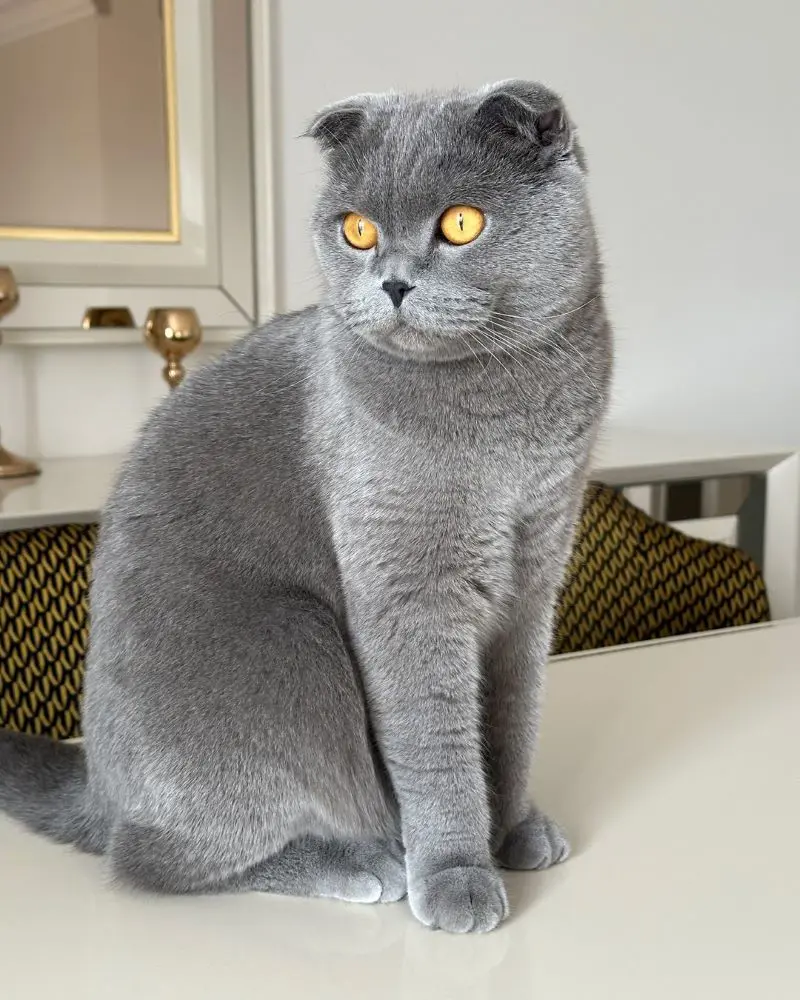
Scottish fold cats get easily attached to their humans and may even appear needy at times. So, unless you are willing to provide your undivided love and attention, don't get this cat.
On the other hand, some folds are impervious to human touch. While they may follow their humans all around the house, touch is a strict "no-no".
Similarly, according to some keen pet owners, female Scottish folds are more affectionate than their male counterparts. However, this claim is yet to be proven scientifically.
5. Burmese
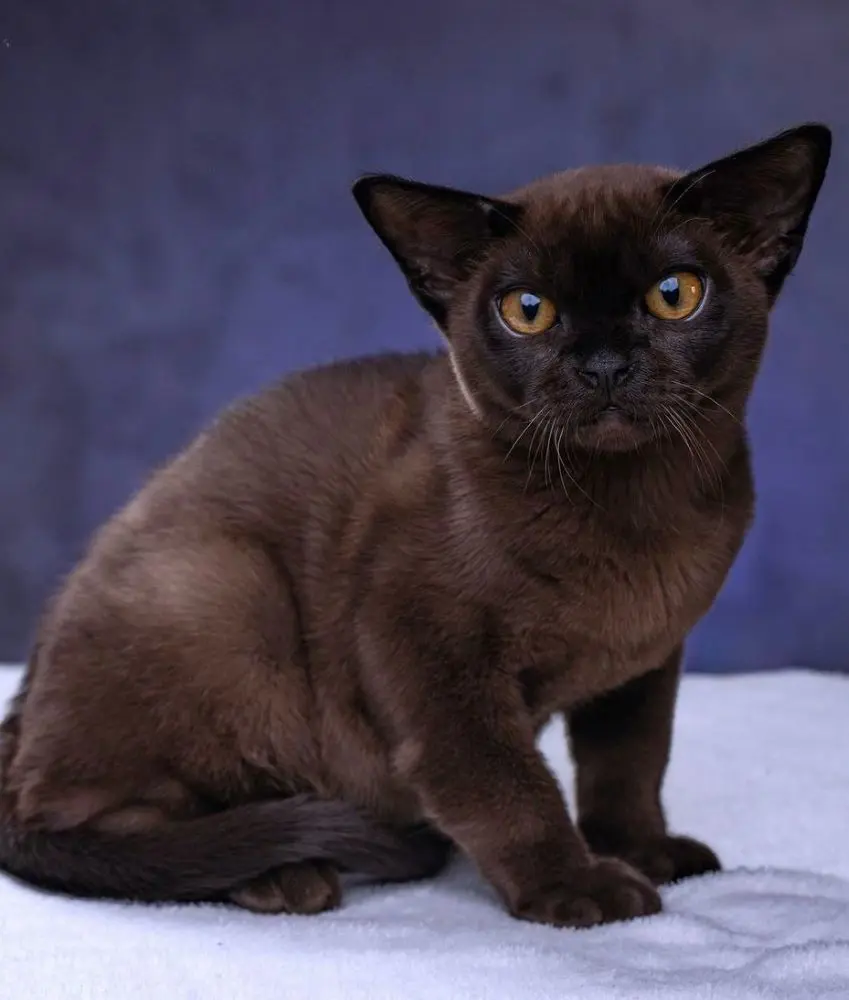
Burmese is a majestic variety which, in times long past, was considered holy and even worshipped in Burmese temples as an embodiment of gods and goddesses. Though those titles have become more of a ceremonial nature at this point, people's craze for this beautiful breed has not diminished.
Burmese cats are extremely energetic and regularly demand your attention. They are also perfect for multi-pet households as well as beginners due to their affectionate but independent nature.
6. Abyssinian
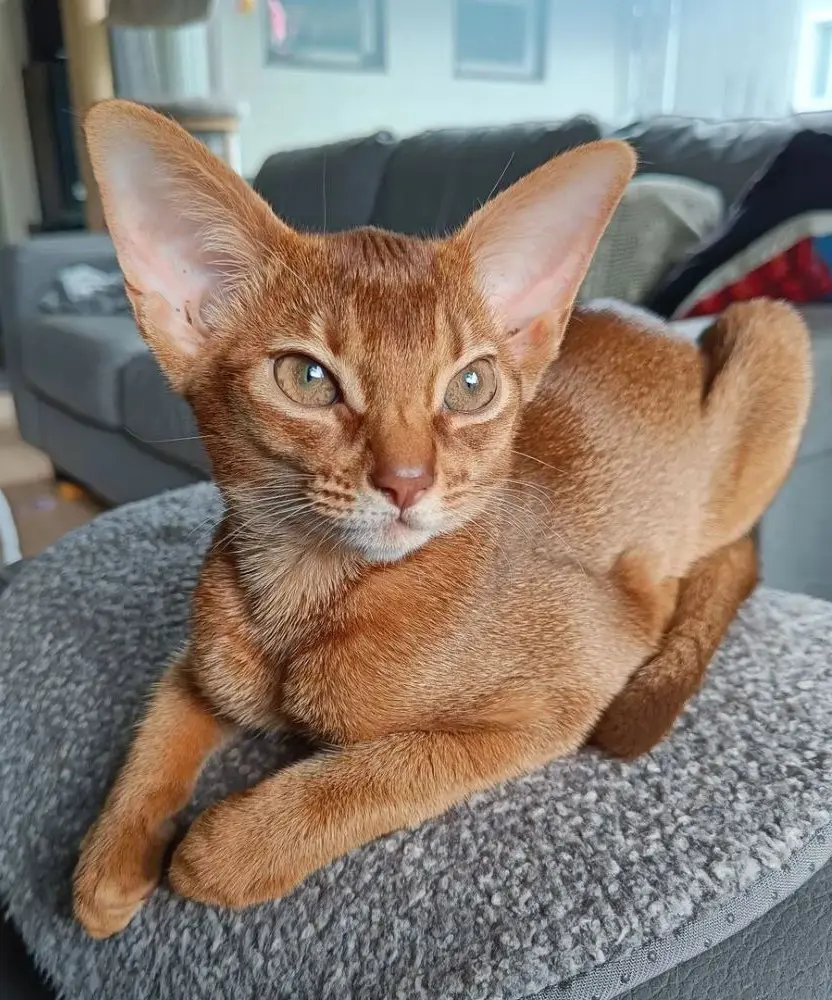
Often known as model cats, Abyssinians resemble wildcat in coat colors but are like dogs when it comes to sharing affection. Curious in nature, they can get clingy, following their owners around the house and, sometimes, even mimicking their body movements.
However, don't mistake them for lap cats. Instead, Abyssinians are constantly moving and may not like being confined to a small place.
While these cats have a darker shade at birth, they get lighter tones as time passes. A unique dominant gene, Ta, is responsible for its unique coat and coloration.
7. Sphynx
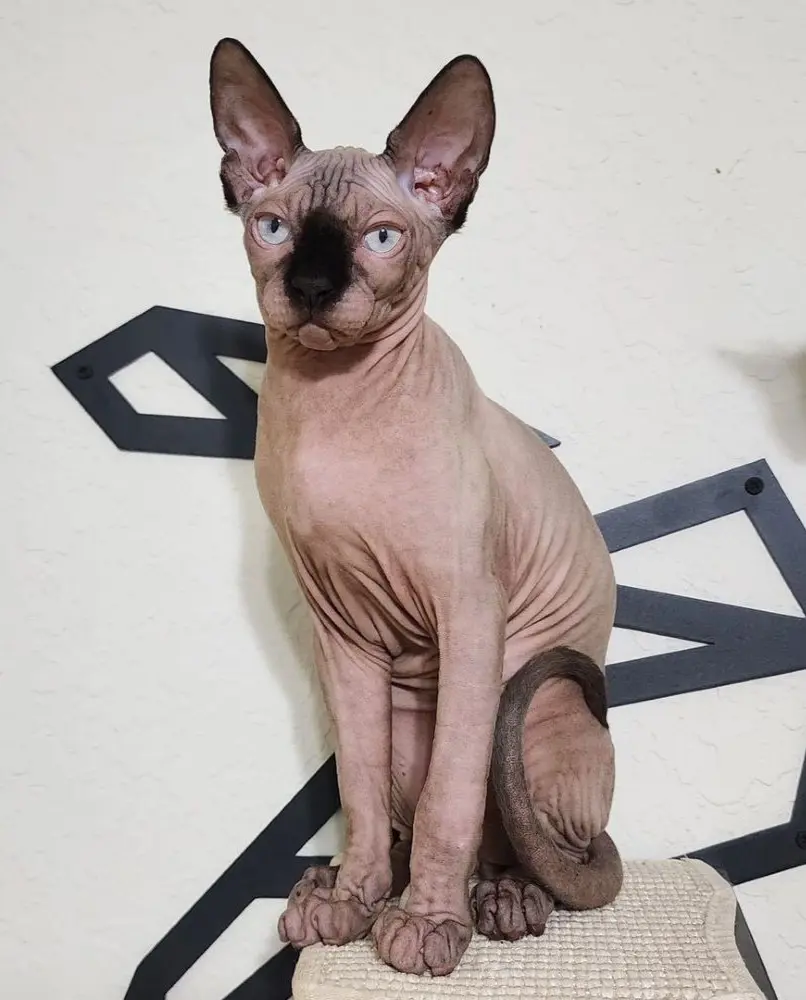
Besides being an extroverted cat breed, Sphynxes are ideal for individuals with cat allergies due to their hypoallergenic nature. These cats have a thin layer of hair, that falls with ease; giving them a hairless look.
One advantage of this hairless trait is that these cats are unable to trap hit like other breeds do with their fur. They are naturally drawn to the warmer bodies of their owners, gifting you a cuddle in the process.
On the contrary, their lack of body hair prevents them from absorbing the oil secreted by their skin. Consequently, they may require more frequent cleaning, compared to other breeds.
8. Persian
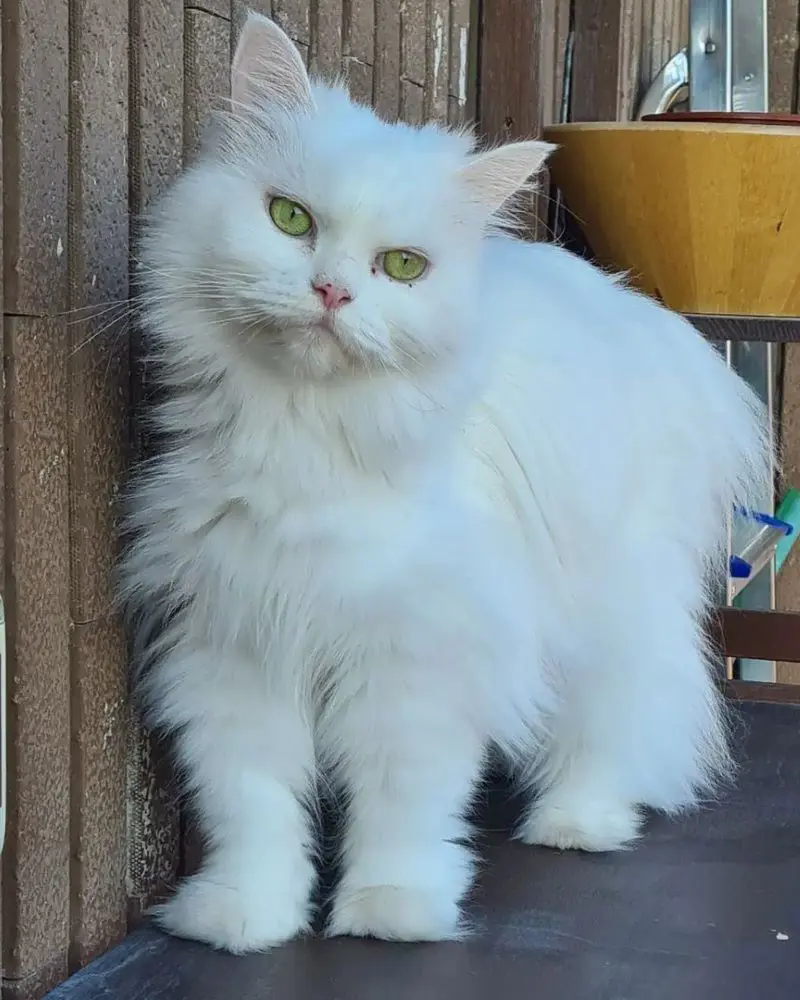
Being one of the most popular varieties of cats, Persian cats are considered a bit high-maintenance as compared to the majority of housecats; however, they are every penny worth it. Moreover, since their association with the British Royal family, their reputation as a breed has only been furthered for kings and queens.
Persians are an extremely lazy breed, but they make up for it by being the best lapcats. These cats can remain in a position for hours and not destroy clothes and furniture like some breeds do.
Their gentle nature also dictates that they don't do well in homes with aggressive pets or small children. So, if you are thinking of getting a Persian in a chaotic home, think again.
9. Birman
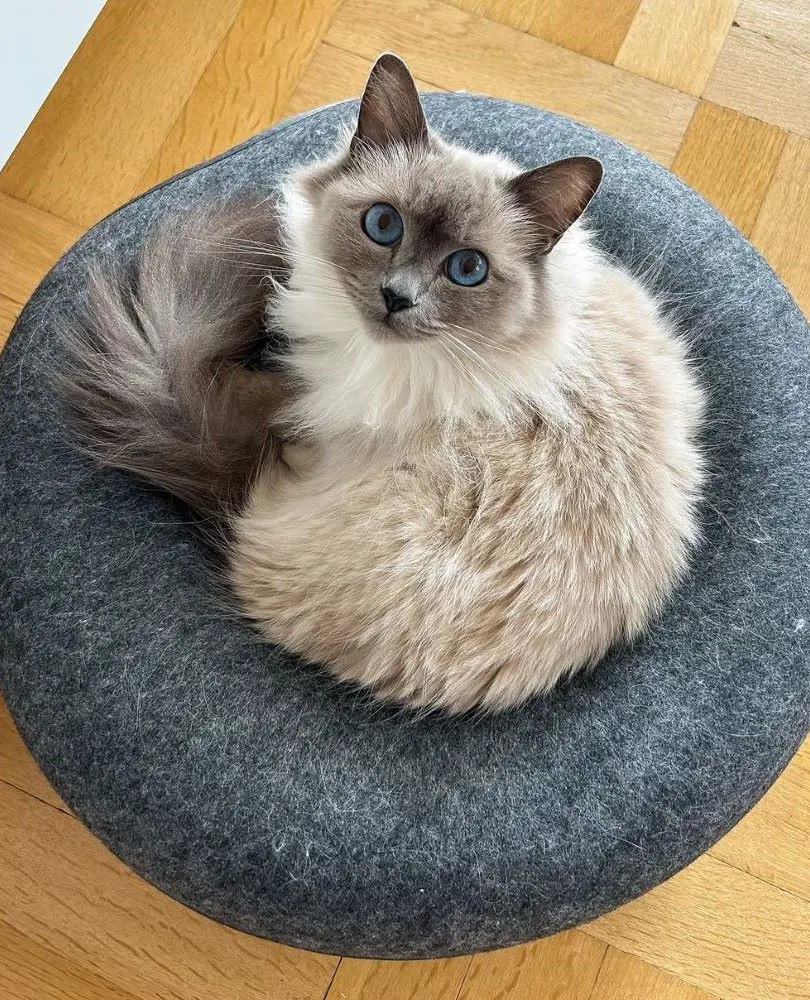
A rare breed, the Birman almost went out of existence during the Second World War. Thankfully, a pair survived who became the foundation of every Birman cat alive today.
Even today, Birmans are pretty rare and may require to be on a waiting list for months before getting to adopt one. They are also not cheap; a kitten can cost up to $3,000, based on the breeder's reputation.
Birmans love spending their day idling by, often spending hours at their master's side. They love interacting with other pets and also serve as protective guardians to young kids.
10. Tonkinese
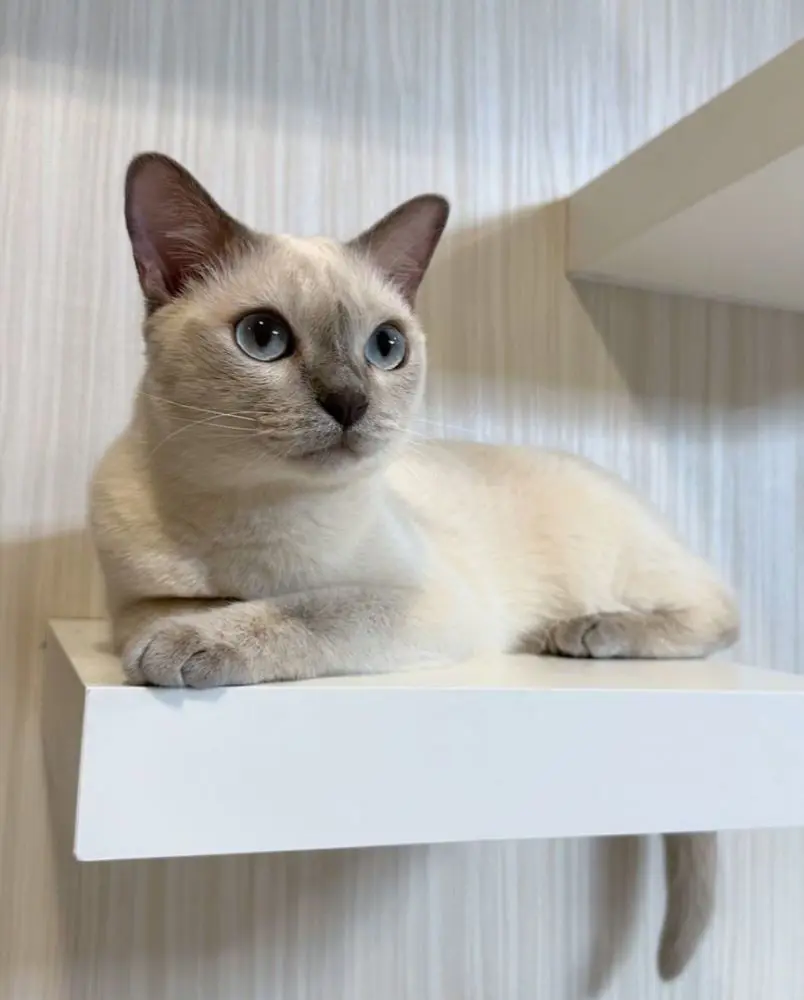
Despite being a dominant breed, Tonkinese cats still retain their playful nature and ability to socialize with multiple pets and humans. However, sometimes they can get over-attached with their owners, even to the point of getting anxious and depressed when they are away from their favorite humans.
Similarly, these cats are also known for their mood swings. While they may not willingly harm their humans, these strong cats can bite you or give you a painful scratch every once in a while.
11. Devon Rex
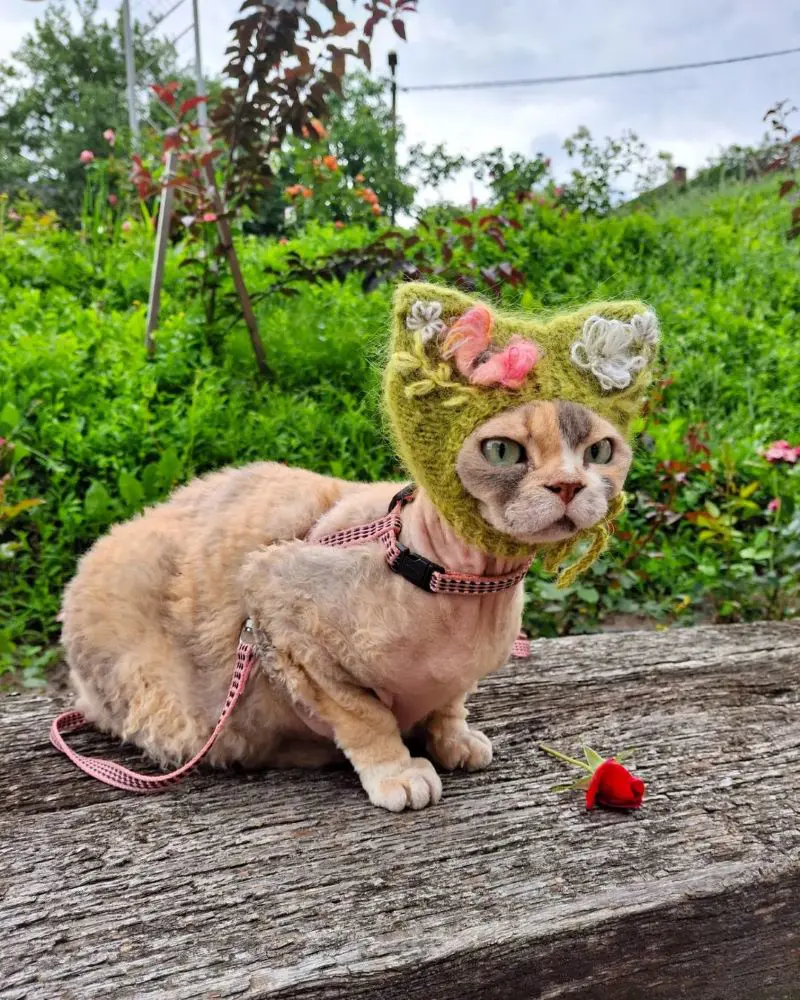
A short-haired breed, the Devon Rex still manages to be uniquely handsome with its pixie-like features. They come in a wide range of colors too, which makes them even more attractive.
Discovered in 1959 and imported to the US in 1968, the cat soon became an attraction due to its ability for long jumps. Another distinctive quality about this breed is its whiskers; unlike most breeds that boast long whiskers, a Devon Rex's whiskers are short but equally effective.
Devon Rexes are made for the indoors; their sensitive fur and absence of a rigid coat make them vulnerable to sunlight. Limit their outdoor visits, especially in the afternoon, to prevent your precious pet from getting sunburned.
12. Cornish Rex
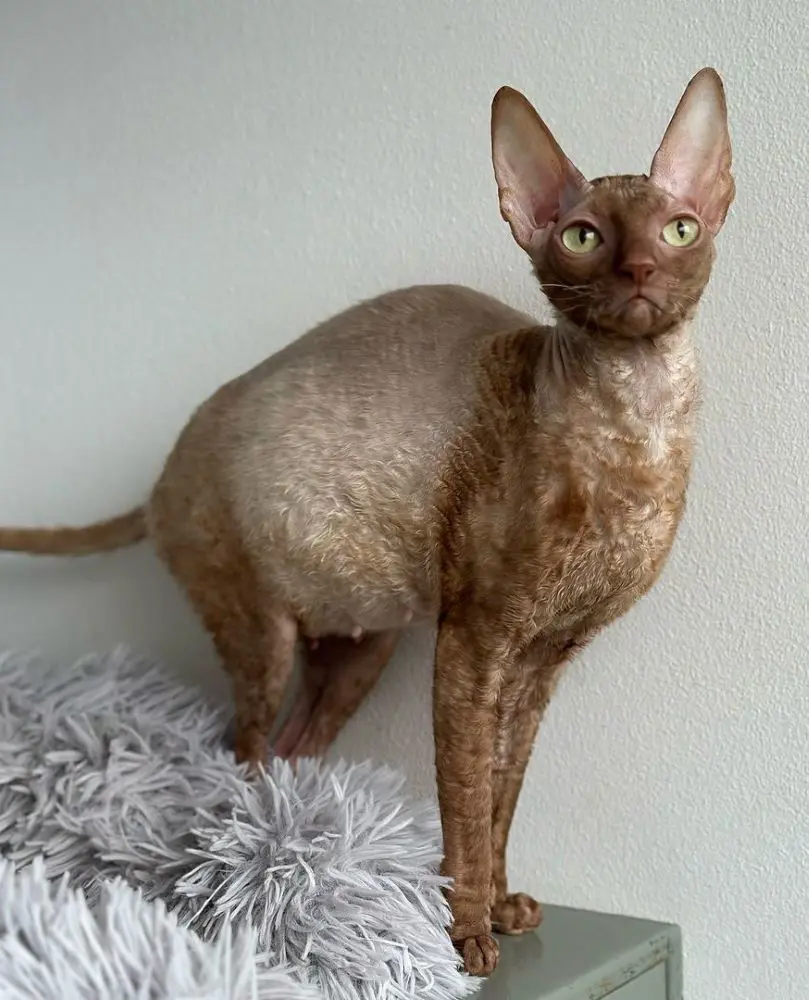
Despite looking and sounding similar to Devon Rex, the Cornish Rex is not related to the former. These cats get their signature curly hair due to a genetic mutation.
While not all are curly-coated, some cats that have straight fur can also produce curly-coated kittens, but only if they are mated with a curly cat. Extremely energetic, affectionate, these cats will burn you down with their constant play.
However, their social nature also makes them vulnerable to isolated living, even if it's for a few hours. Cornish cats don't like to be left alone; they have a high risk of developing separation anxiety if left alone regularly.
13. Oriental Shorthair
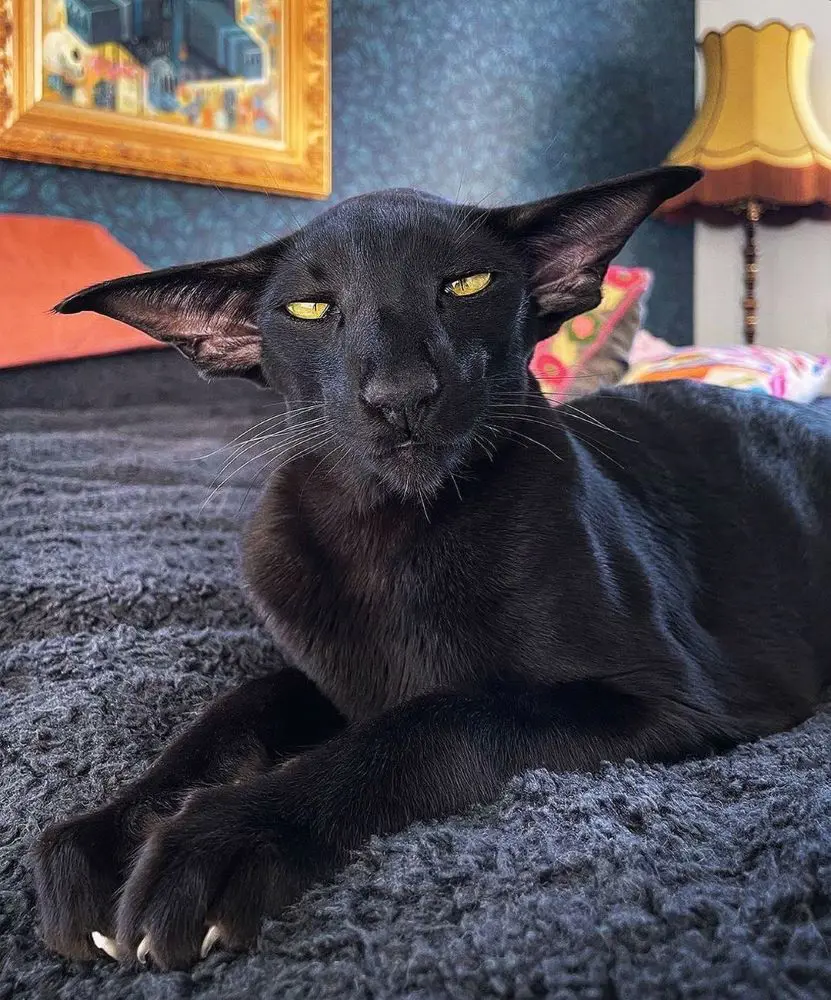
The oriental shorthairs are chatty cats that aren't in the least shy with people. These felines, belonging to a sister breed of Siamese, are intelligent animals that require sufficient stimulation of their minds to combat boredom.
These cats communicate vocally and may even demand food by meowing. Also, these cats love climbing high structures; don't get a shorthair if you're not willing to make a few adjustments to your furnishings.
Create plenty of elevated platforms which the cat will climb as a part of its daily routine. These physical activities are key in keeping the cat engaged and stop destructive behaviors.
14. Himalayan Cat
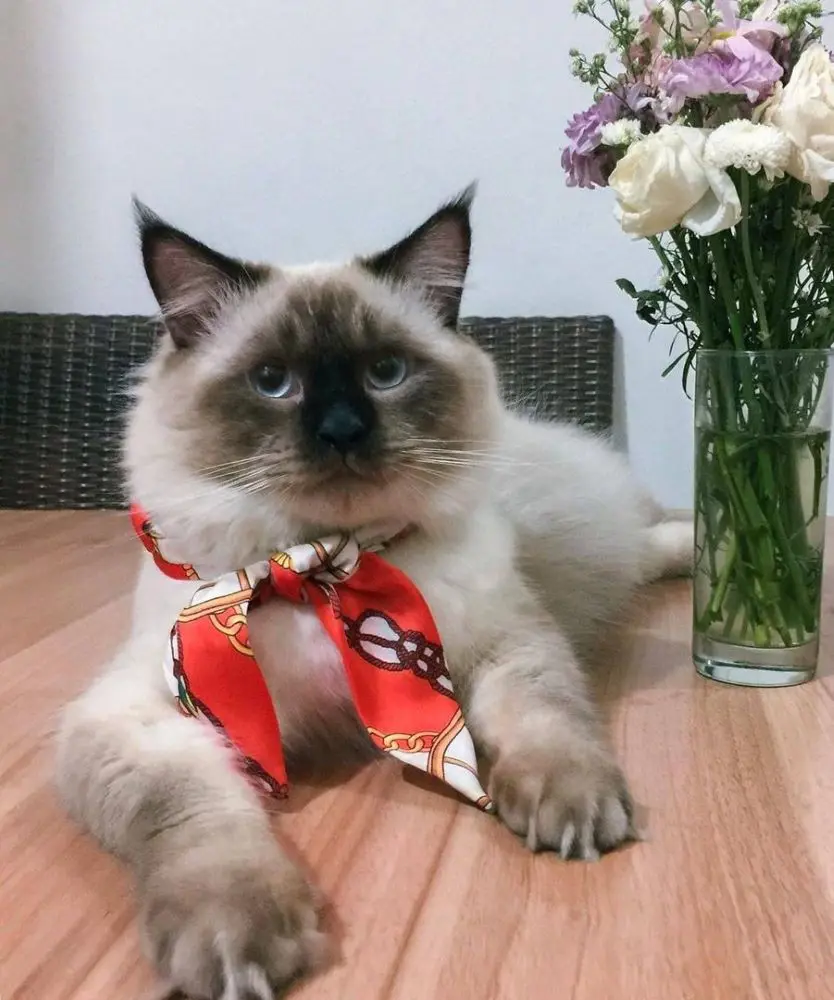
The Himalayan cat breed is not pure but rather a creation of breeding a Persian with a Siamese cat. Also, the name can be misleading as it is not actually from the Himalayas- instead, it is named so due to its resemblance to the Himalayan rabbit.
Unlike other affectionate breeds, the Himalayan cat is not very active and may shy away from strangers. However, once they start trusting their humans, they shower their families with unconditional love and devotion.
The Himalayan breed inherits its flat face from the Persian and its temperament from the Siamese, receiving the best traits of both of its parent breeds.
15. Russian Blue
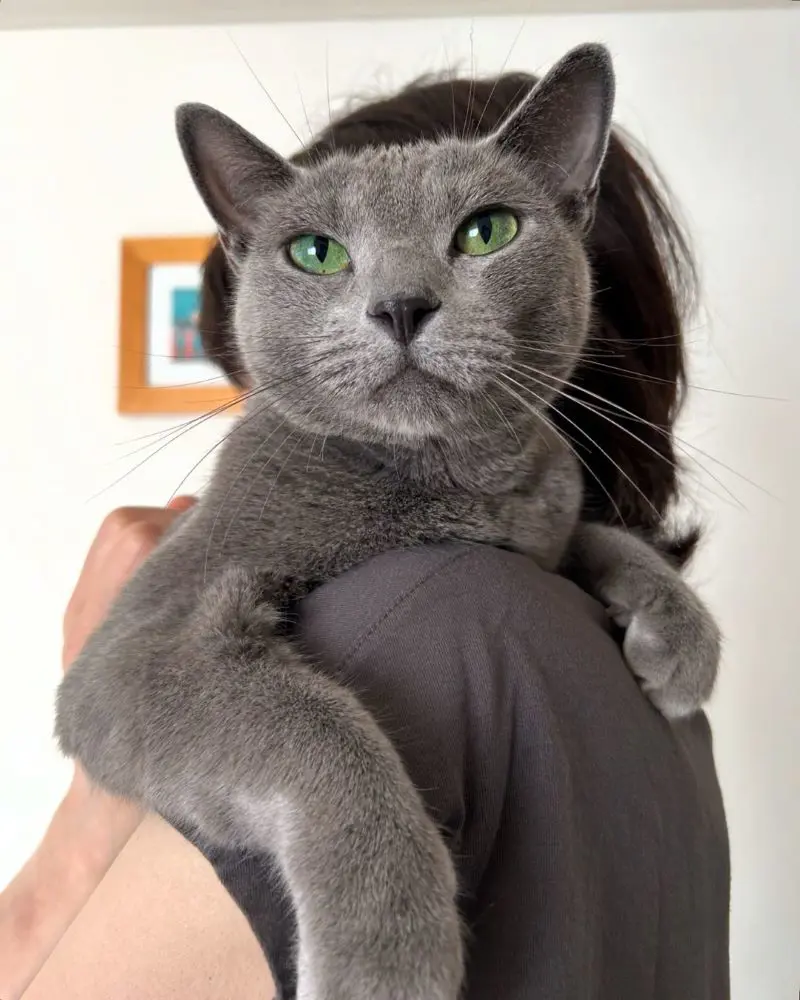
You might have been tempted by the mysterious green eyes of the Russian Blue cat, but did you know that they're not born with that eye color? In fact, these cats have yellow eyes at birth, which get a green shade within the first six months.
Native to the Archangel Isles Russia, these cats were shipped around the world during the 19th century. Along with their friendly attitude, these cats also have a mysterious aura, thanks to their association with Russian folklore.
For a significant part of history, these cats were perceived as healers. As per a folktale, one such cat saves a Russian prince from a strange illness.
16. Ragamuffin
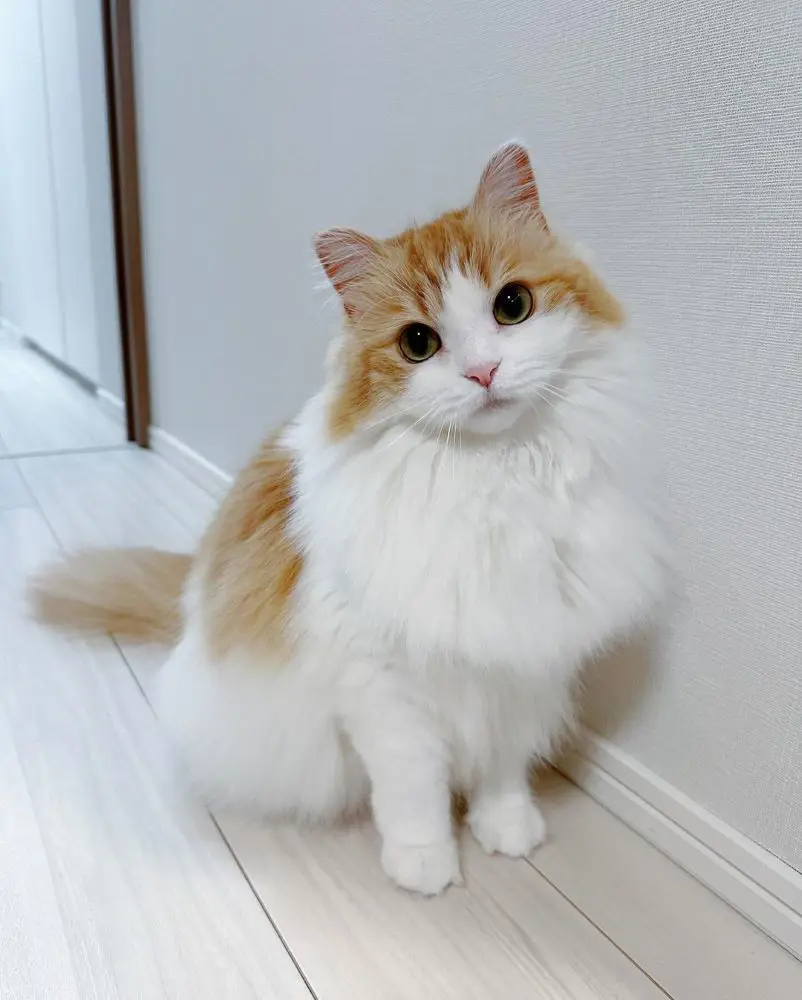
Ragamuffins will take their time before they open up to you- so, don't expect a cuddling companion on the first day. But, these cats will grow on you, eventually forming a life-long bond.
Thanks to their soft fur, they feel incredible while petting. Likewise, these cats are gentle and rarely harm their family members; rather, they love hanging out and bonding with other pets and are also safe to be around kids.
17. Exotic Shorthair
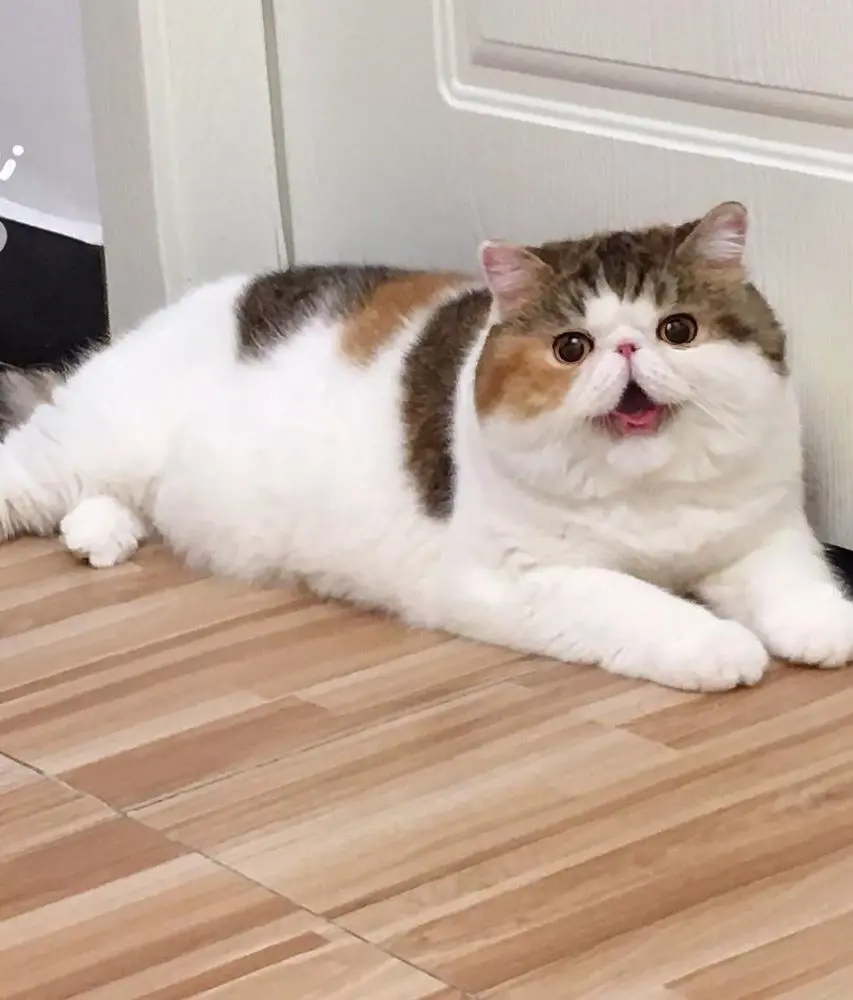
The exotic shorthairs are considered the short-haired variety of the Persian cat. This is a low-energy breed and was developed by crossbreeding the American shorthairs with either the Persian or Russian Blue, and hence is ideal for seniors.
The flat face and short nose of the short hair have been inherited from its ancestor, the Persian cat. However, this distinctive look is not that healthy and advantageous since it may further lead to breathing problems and other medical issues in the long run.
Also, these cats are not exotic in their name only; their nature also makes them a pretty costly cat to purchase. If you wish to buy from a reputed breeder, then prepare to spend anywhere between 1200 to 2400 dollars.
18. American Shorthair
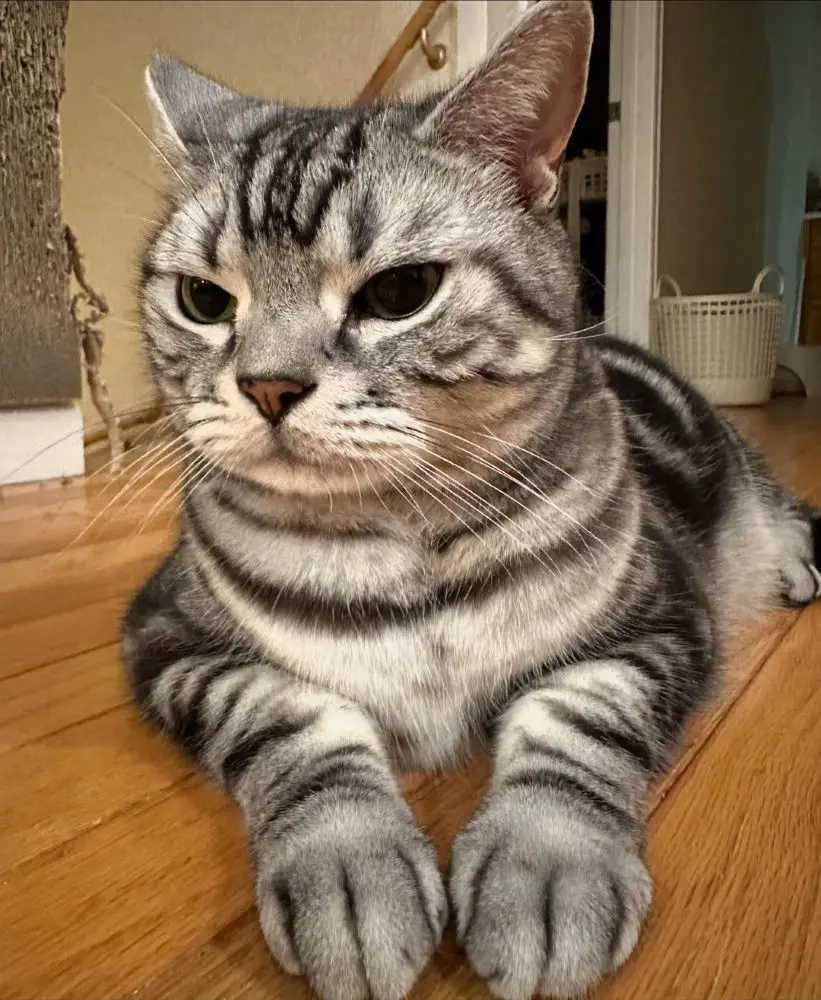
If you're looking for an independent cat that doesn't need constant attention, consider the American shorthair. This breed, often laid back and care free, can show a dual nature.
On the one hand, they are wary of strangers; whereas, at the same time, they are also the best cuddle buddies that every cat lover wants. As they have relatively stronger muscles than most breeds, there remains a possibility of unintentionally hurting small animals and babies. Always socialize with other pets and children before leaving them unsupervised with a vulnerable family member.
19. Balinese
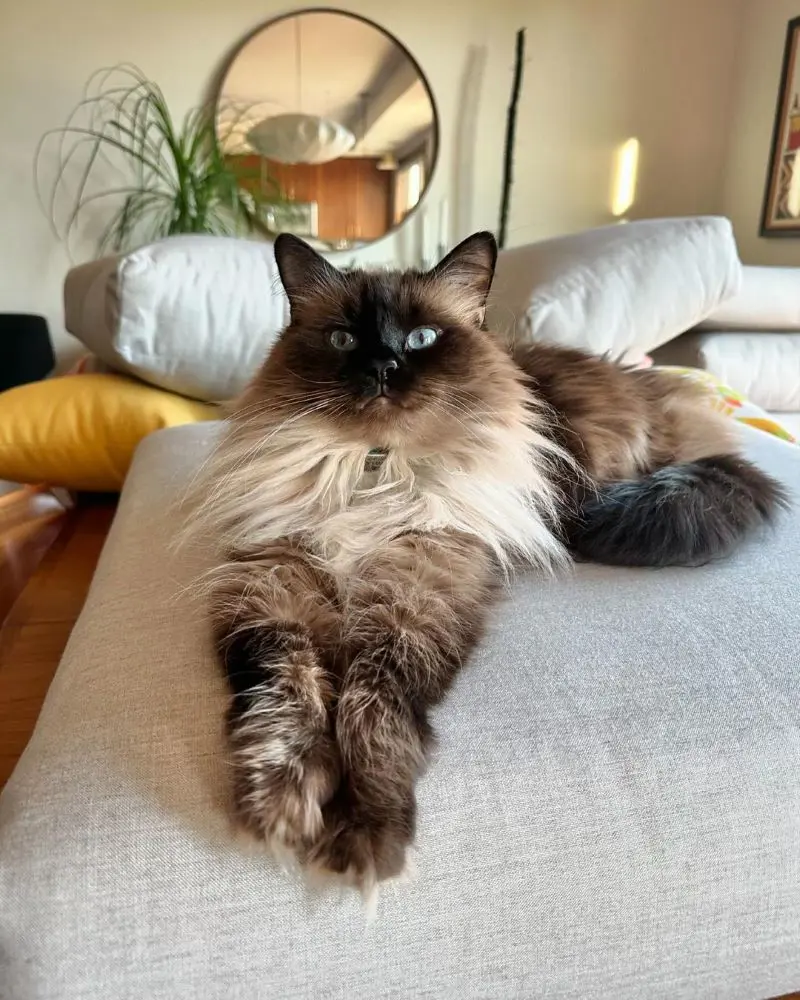
Balinese are outgoing cats; they love getting attention and may get frustrated when ignored by their owners. Their goofy personality has earned them the name "clowns", a befitting name that highlights their temperament.
Easy to train, these cats can learn litter training and, possibly, a few tricks. They are good pets for families, especially households with children or other pets, as they will have someone to keep them company even if left by their owners for a few hours.
20. Manx
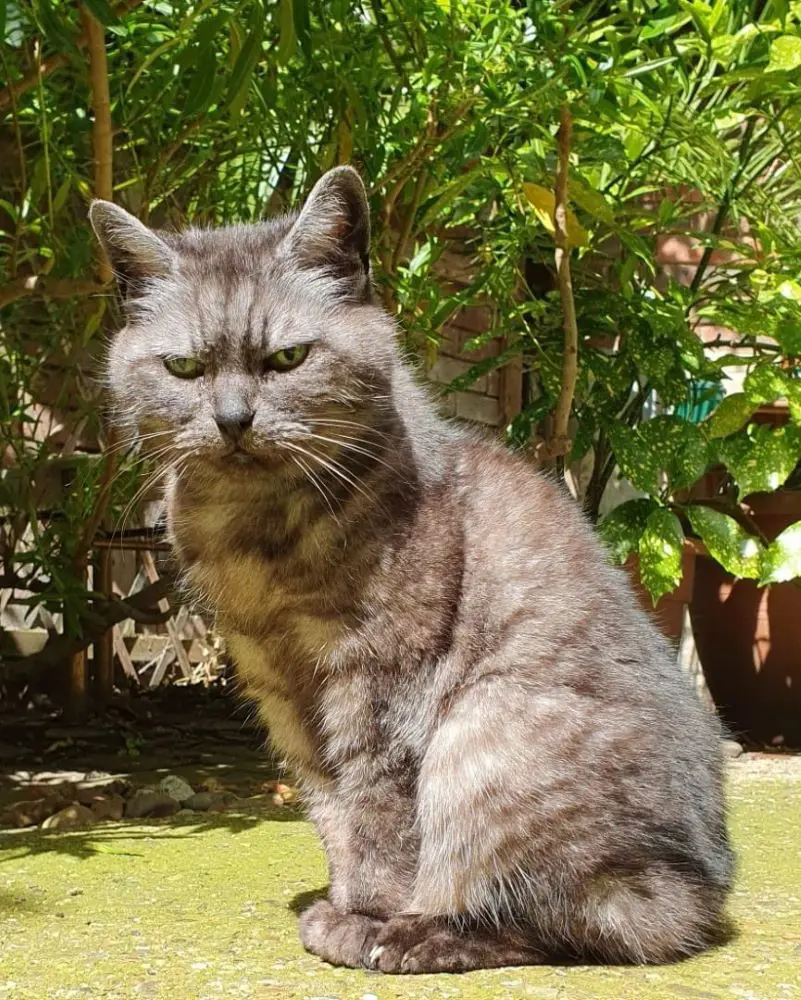
Originating from the Isle of Man, Manx cats have made their transition from being rodent hunters to cherished pets. With their easy disposition and friendly nature, these cats also caught the attention of sailors, who started sheltering them on their ships while traveling around the world.
The most striking feature of the Manx cat is its taillessness, arising because of a natural mutation. While the other version of the folk tale says this happened aboard Noah's ark when the prophet, by mistake, cut it off while shutting a door.
Thanks to the mythology, these cats are getting recognition all over, with more people willing to adopt them.