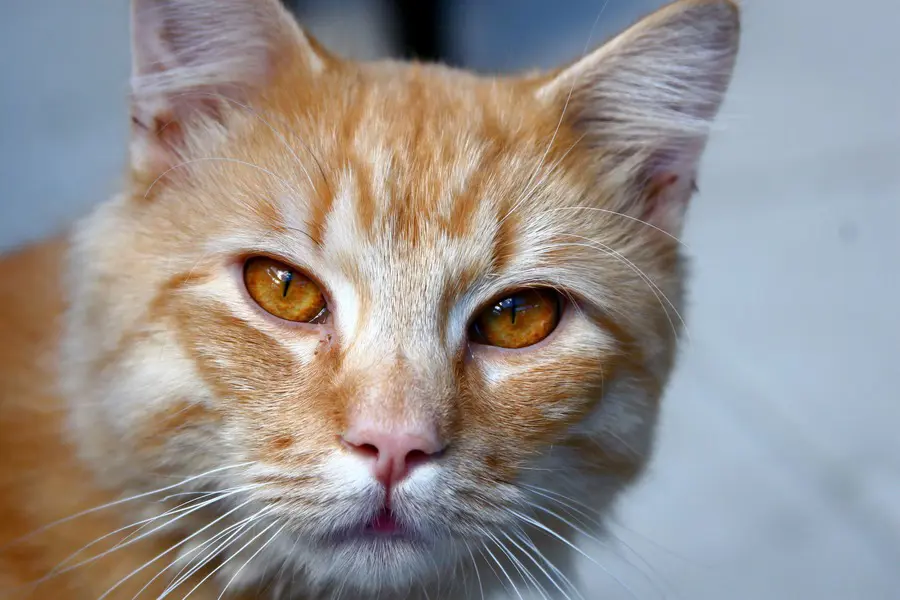


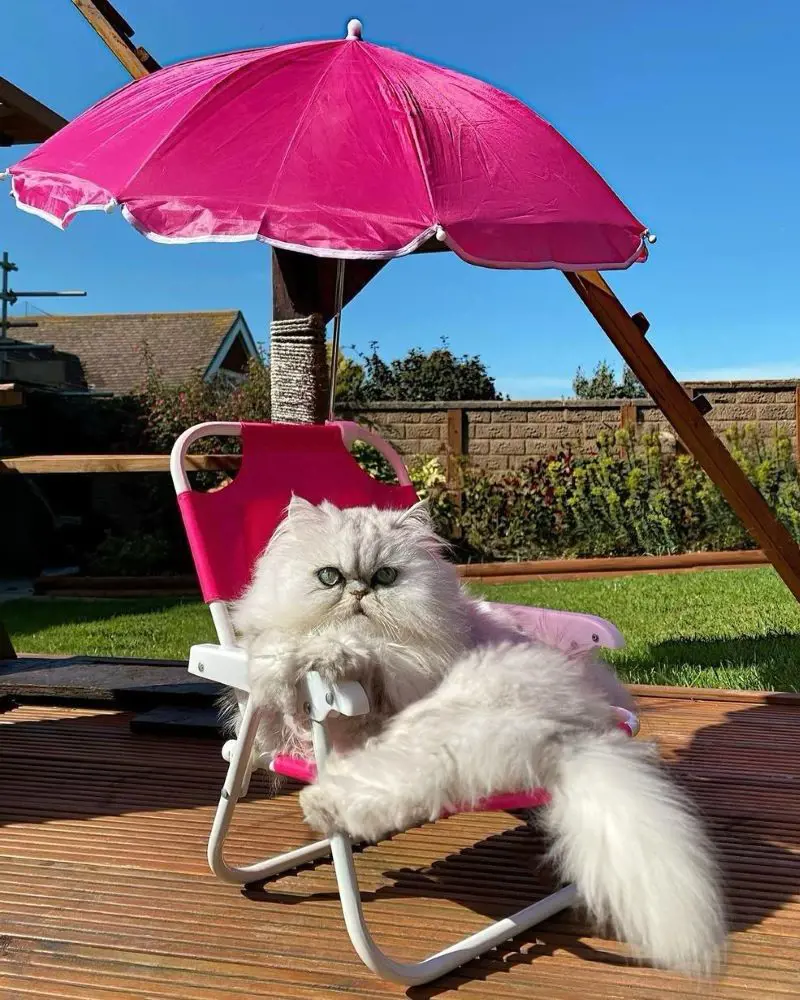
The Persian cat, with its beauty and enchanting personality, has captivated the hearts of cat lovers worldwide. With their long, luxurious coats and expressive round faces, these feline companions make ideal indoor pets as they thrive in a serene and peaceful environment.
Originating from the Middle East, Persian cats boast a rich history that dates back centuries. However, there is much more to these furry creatures than meets the eye. Take a look at some fascinating facts about the breed, shedding light on their unique characteristics and the delightful joys they bring to their owners' lives.
1. Persian Cats Originated In Modern-Day Iran
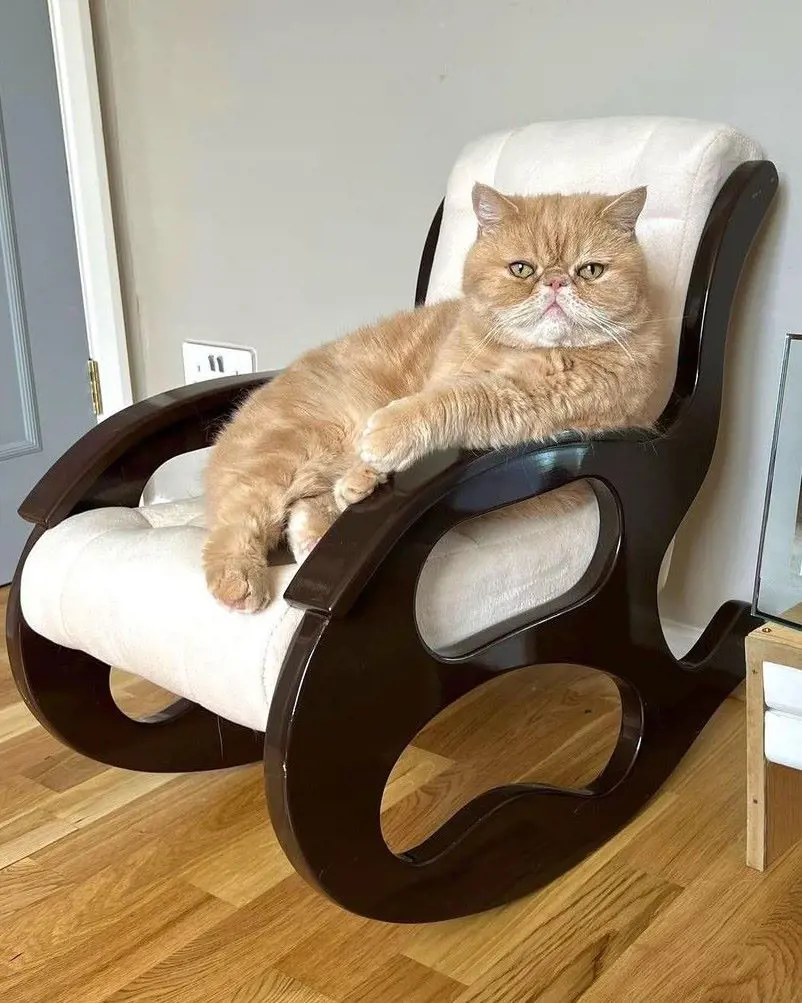
Persian cats' history dates back to ancient Persia (modern-day Iran). They are believed to have originated in the region around 1500 B.C. These cats were highly regarded and valued by Persian nobility and were often found in the palaces and homes of the aristocracy.
The breed was initially brought to Europe in the 17th century by Italian traders, who obtained them from the Middle East. These cats quickly gained popularity among European aristocrats, leading to their widespread distribution across the continent.
2. They Are Grow To Medium Or Large Sizes
The Persian cat is considered to be medium to large cats. Typically, adults stand about 10-15 inches tall at the shoulder and have a body length of around 18-22 inches. These dimensions, combined with their rounded head and short legs, give them a compact and sturdy appearance.
When it comes to weight, Persian cats are generally heavier compared to other cat breeds. Adult males can weigh between 9-14 pounds, while females typically weigh between 7-11 pounds. However, some Persians can exceed these average weights, especially if they are not given proper exercise and diet.
3. They Have A Double-Layered Coat
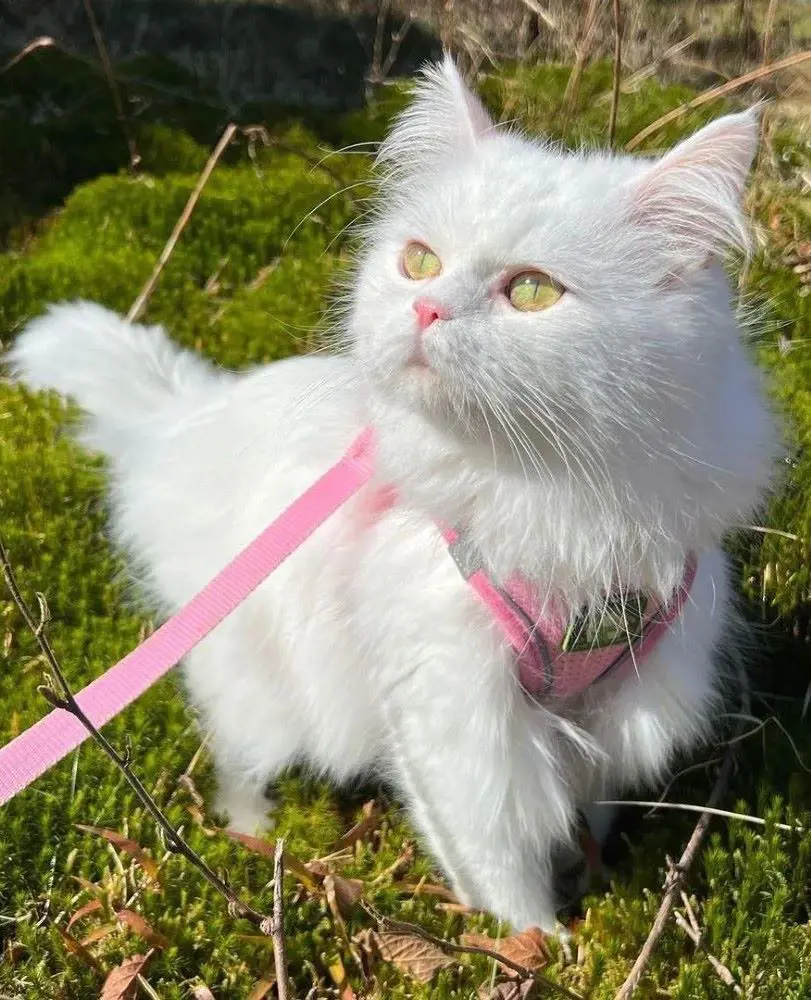
The Persian cat's luxurious coat is often described as its most striking feature. This breed is renowned for its long, dense, and silky fur. The two-layered coat comprises a thick, soft undercoat and a longer outer coat that is shiny and flowing.
The cat's coat comes in a wide range of patterns, including solid, tabby, tortoiseshell, calico, and colorpoint. These patterns can be further enhanced by various markings such as smoke, shaded, or tipped. The coat's length can vary as well, with some Persians having shorter coats known as "Exotic" Persians.
4. They Are Extremely Popular In The US
The Persian cat consistently ranks among the top ten most popular US cat breeds. They are often featured in movies, commercials, and social media, which further contributes to their popularity. Their elegant appearance has made them a sought-after breed for cat shows as well.
The breed's popularity is evident in numerous Persian cat clubs, breeders, and rescue organizations across the country. These organizations work tirelessly to promote the breed, educate potential owners, and ensure the welfare of cats.
5. They Are Known For Their Flat Face
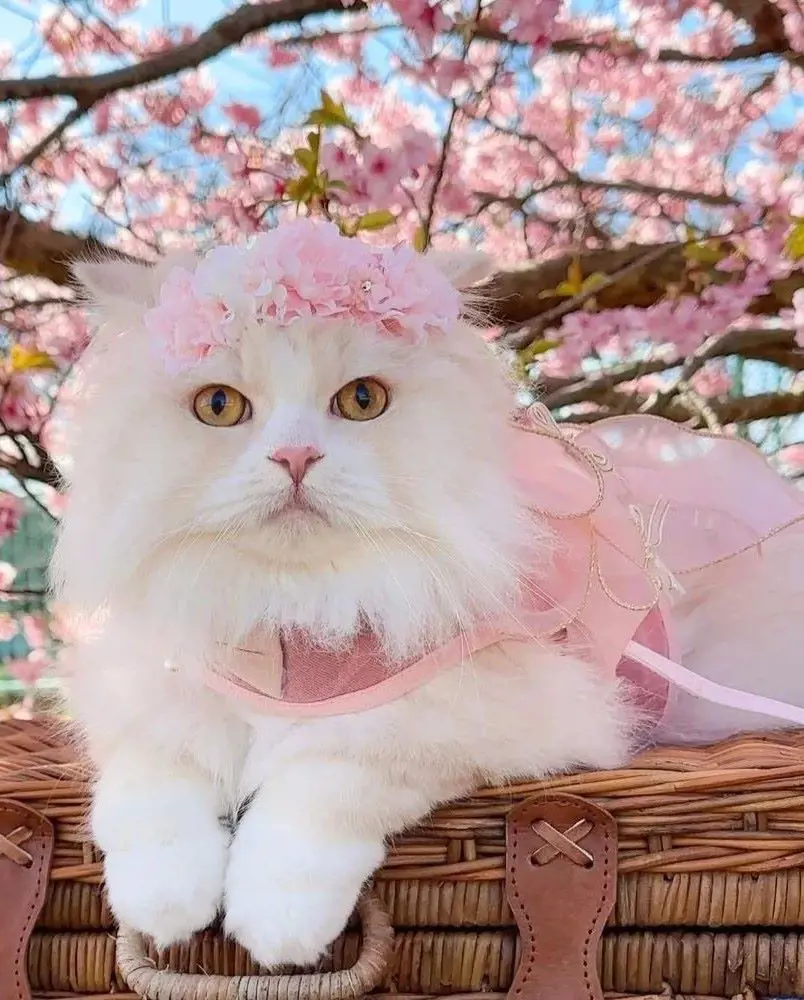
The Persian cat's distinctive feature is its flat face, which gives it a unique and adorable look. It is characterized by a shortened nose and a rounded skull. Its large, expressive eyes are set wide apart, further enhancing its sweet and innocent expression.
Meanwhile, the nose is short and snubbed, with a slight dip between the eyes, adding to the cat's overall flat-faced appearance. Other unique characteristics of the breed include a muscular neck, deep chest, and broad shoulders.
6. Persian Cats Come In Multiple Colors
Persian cats primarily come in a wide range of colors. The most common color is solid white, followed by black, blue, cream, and red. Other popular colors include chocolate, lilac, silver, and orange.
Additionally, there are bi-color Persians, which have a combination of two colors and smoke Persians, which have a solid color with a white undercoat. The variety of colors in the breed is one of the reasons why they are highly sought after and admired by cat enthusiasts.
7. They Are Sociable And Playful
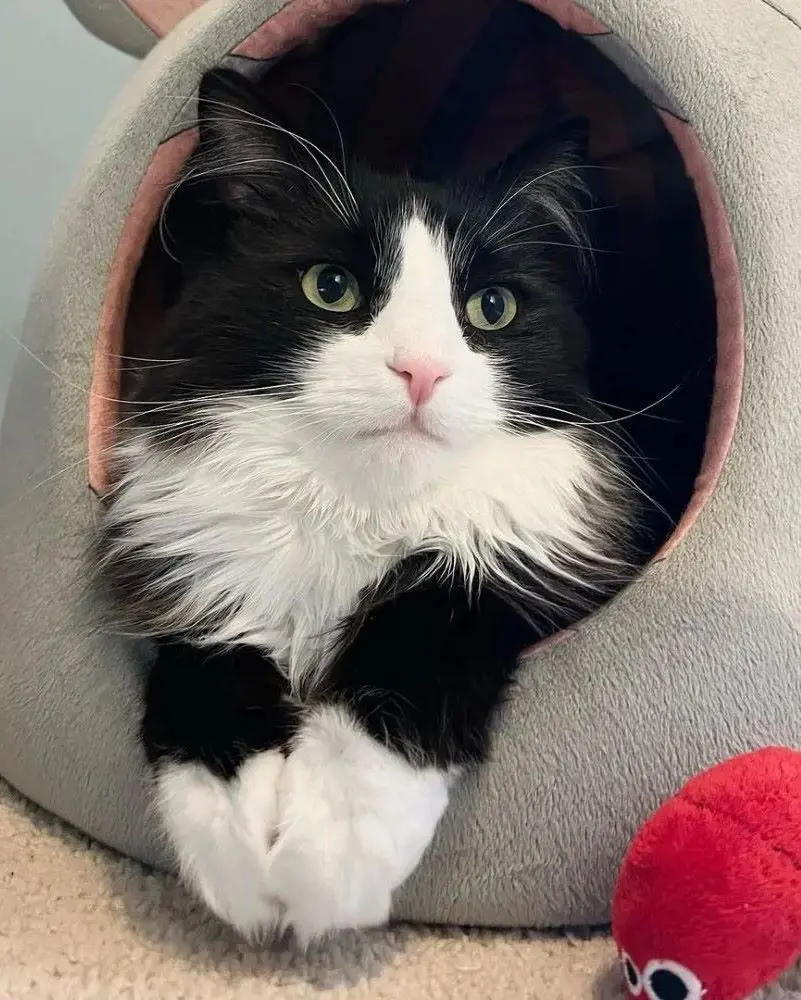
Despite their calm and laid-back nature, Persian cats are still quite playful and enjoy interactive playtime with their owners. They may chase after toys, bat at objects, or even engage in a game of hide-and-seek. While they may not be as active as some other cat breeds, they still have their moments of playfulness.
Moreover, these cats are known to form strong bonds with their human family. They are typically friendly and sociable with other pets as well, including dogs and other cats, as long as proper introductions are made.
8. They Prefer To Live Indoors
Indoor living provides a controlled and safe environment for Persian cats. They are protected from extreme weather conditions, parasites, and potential dangers such as traffic or predators. As these felines are not particularly agile or skilled at defending themselves, they are often vulnerable outdoors.
Additionally, Persian cats have a calm and gentle temperament, making them more suited for the comforts of indoor living. They enjoy the safety and security of their home, where they have access to their favorite spots, toys, and a familiar routine. Living indoors, they can engage in their favorite activities without the risks associated with the outdoors.
9. They Are Prone To Respiratory Problems
Persian cats have a higher probability of suffering from brachycephalic syndrome than other breeds. Due to their flat faces and shortened muzzle, they often have difficulty breathing. This leads to respiratory issues like snoring, wheezing, and even sleep apnea.
Additionally, their facial structure can cause tear duct issues, resulting in excessive tearing around the eyes. Another common health problem in Persian cats is polycystic kidney disease (PKD). This genetic disorder causes the formation of cysts in the kidneys, leading to progressive kidney failure.
10. They Normally Live To The Age Of 16
The Persian cat has an average life expectancy of around 12 to 16 years. However, with proper care and a healthy lifestyle, some Persians have been known to live up to 20 years or more. Like most cats, their lifespan varies depending on factors like genetics, diet, exercise, and overall healthcare.
To ensure a long and healthy life for a Persian cat, regular veterinary check-ups, a balanced diet, proper grooming, and a safe environment are crucial. Responsible breeding practices can also contribute to their overall health and longevity.