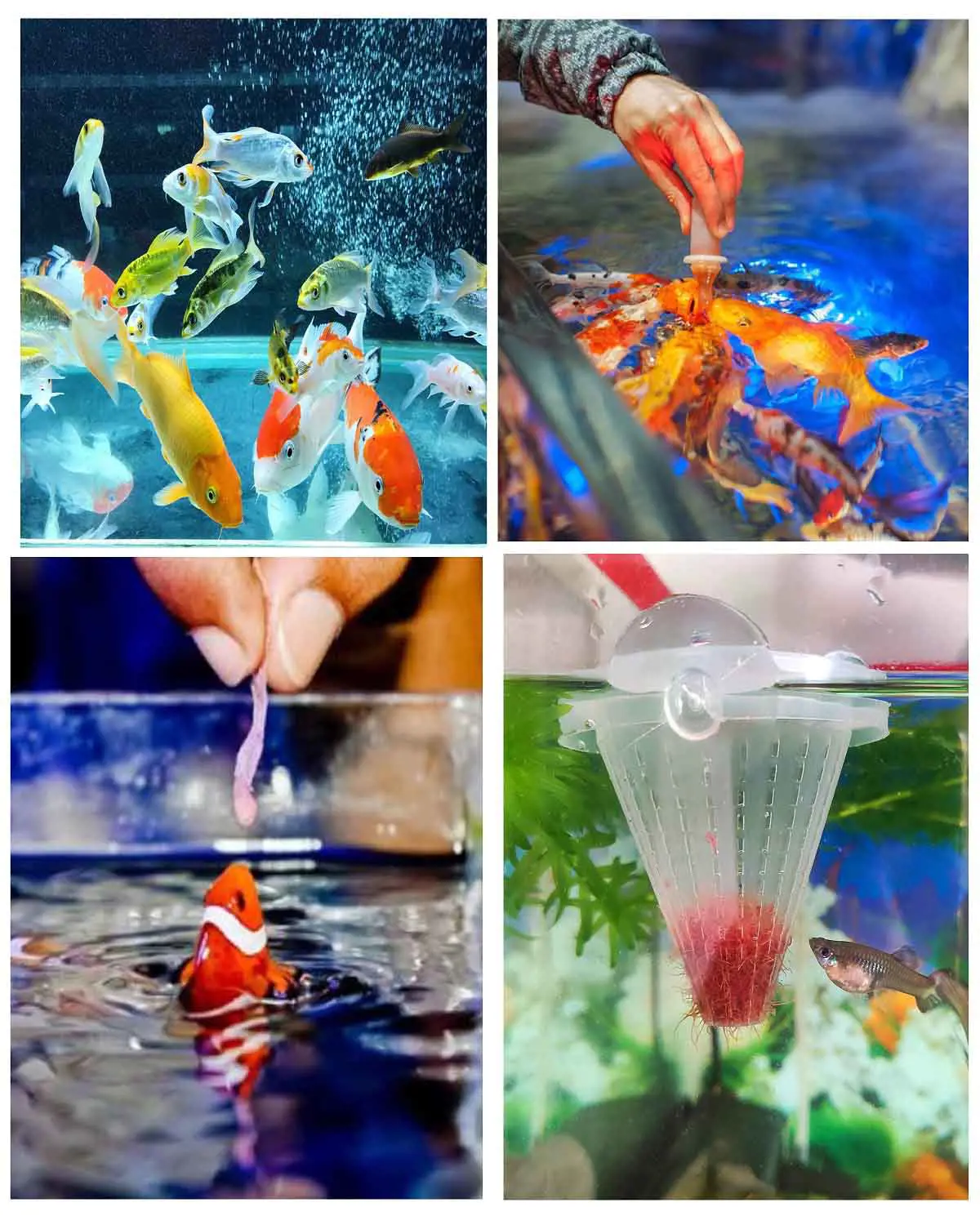


Fish like all living creatures, produce waste that must be expelled from their bodies, and yes, fish do pee. The process differs from what we typically think of with terrestrial animals.
Fish live in water, so their waste management is intricately linked to their aquatic environment. The primary organ involved in this process is the kidney, which filters out waste products from the fish's bloodstream.
In this article, we understand how fish produce and excrete urine from their bodies along with how the quality of their pee can help us monitor their health.
How Do Fish Urinate?
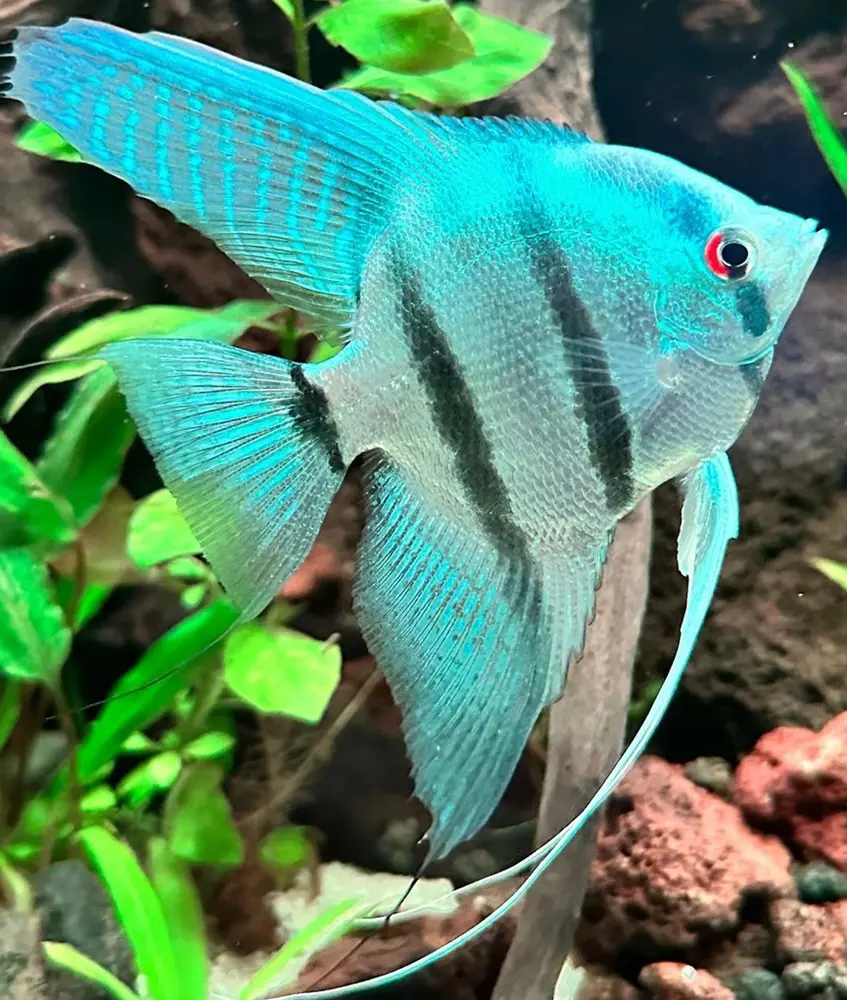
Fish urinate using their kidneys, which play a crucial role in filtering waste from their blood. The kidneys remove excess salts, water, and nitrogenous waste, creating urine. This urine is then transported through a pair of ureters to the urinary bladder.
Once the bladder fills up, the fish excretes the urine through a small opening called the urogenital pore, located near the anal fin. The process begins with blood filtration in the kidneys, where waste materials are separated from essential substances like glucose and electrolytes.
The resulting urine contains ammonia, salts, and water. In freshwater fish, the urine is typically more dilute due to the need to expel excess water, while in saltwater fish, it is more concentrated to conserve water.
Do Fish Pee Out of Their Gills?
Fish do not pee out of their gills. Instead, they excrete urine through their urinary system, specifically via the urogenital opening near the anal fin. The confusion likely arises because fish excrete certain waste products, like ammonia, through their gills.
Gills are essential for respiration; they extract oxygen from water and expel carbon dioxide. Additionally, gills help regulate the balance of salts and other chemicals in the fish's body by excreting ammonia, a byproduct of protein metabolism. Because gills play a role in excreting this nitrogenous waste, it's easy to see why some marine enthusiasts might mistakenly believe that fish urinate through their gills.
How Much Do Fish Pee?
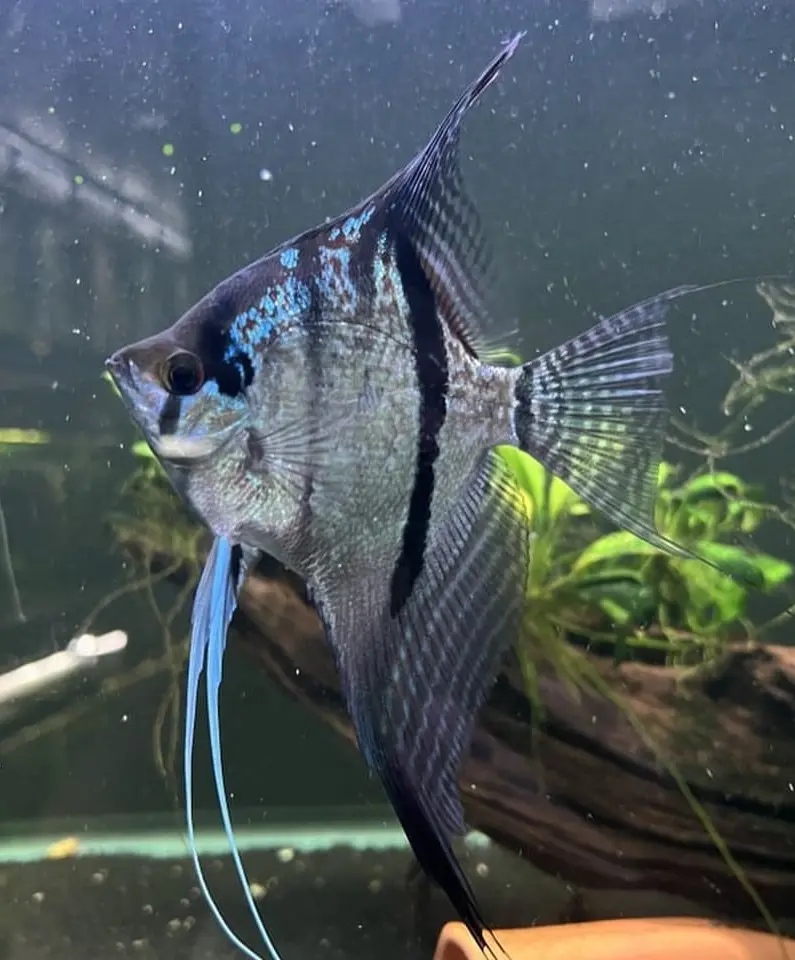
The quantity of urine produced by a fish hugely depends on factors like size, species, and environment. On average, a freshwater fish can excrete about 10% of its body weight in urine daily. This high output is due to the constant intake of water through osmosis, which requires frequent urination to maintain balance.
Larger fish generally produce more urine, but not necessarily at a higher frequency. Their larger kidneys handle a greater volume of blood, resulting in more waste being filtered. However, the frequency of urination depends on the fish's metabolism and the surrounding water conditions.
Fish species that are known to pee more frequently include:
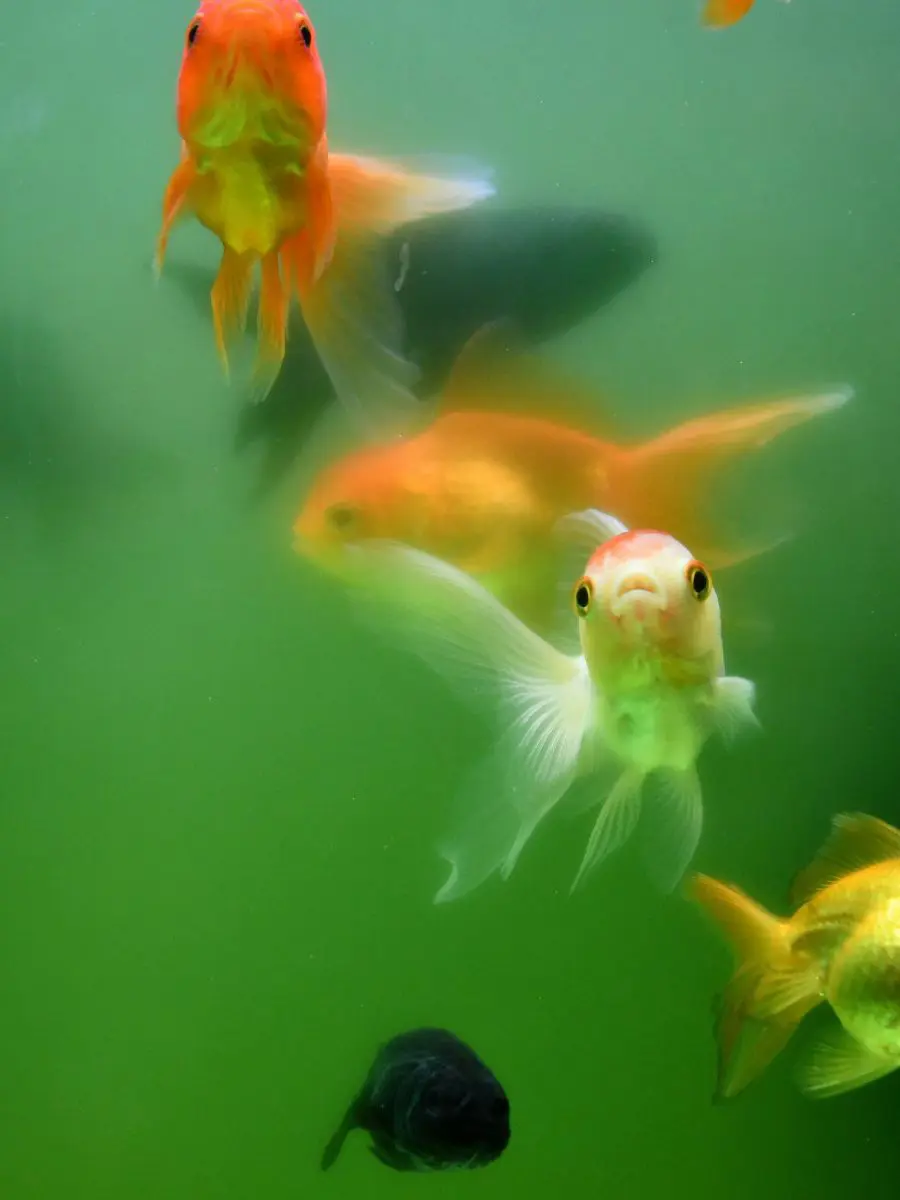
- Goldfish
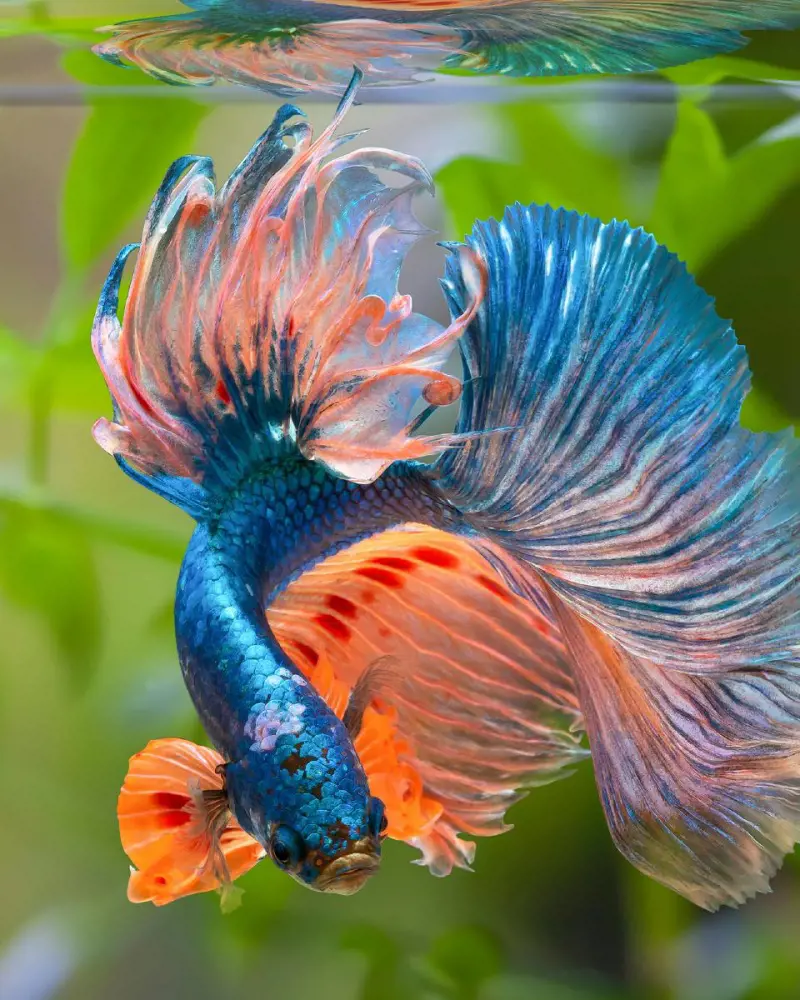
- Betta fish
- Tetras
- Pufferfish
- Guppies
How Much Do Freshwater Fish Pee?
Freshwater fish pee frequently due to the constant influx of water into their bodies through osmosis. On average, a freshwater fish can produce urine equivalent to about 10-20% of its body weight each day.
This high rate of urination helps the fish expel excess water while retaining essential salts. The frequency of urination varies depending on the species, water temperature, and the fish's metabolism, but it typically occurs several times an hour.
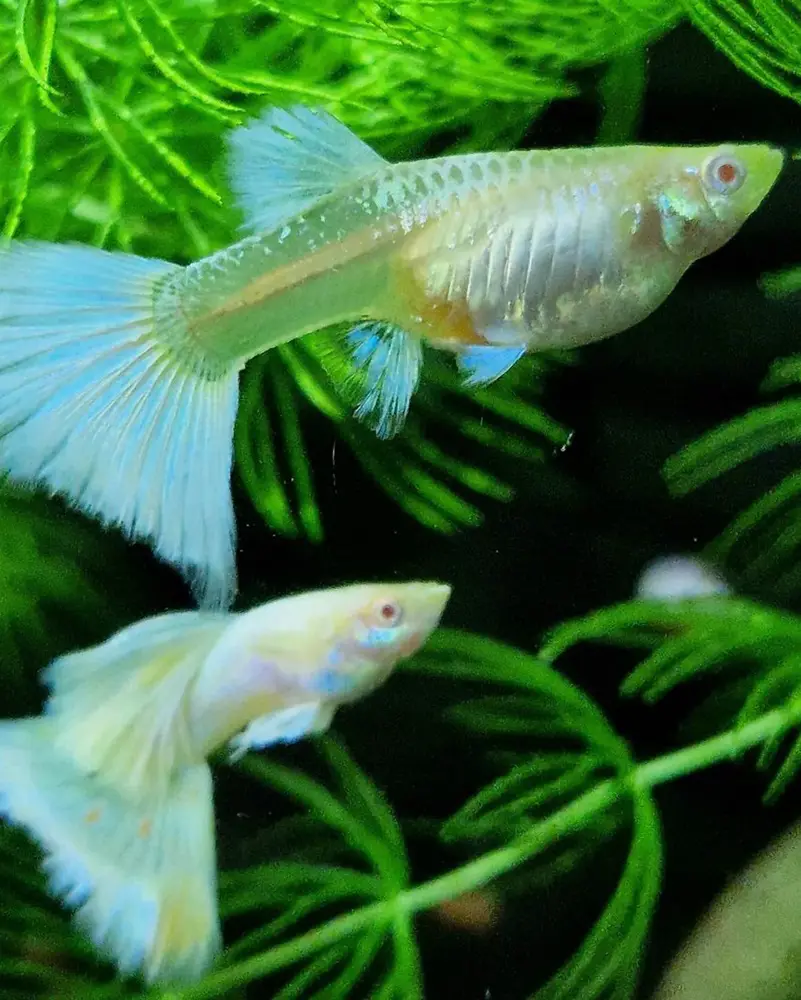
Certain species of freshwater fish, such as goldfish, guppies, and tetras, are known to produce more urine due to their high metabolic rates and the environments they inhabit. These species live in soft, low-salinity water, requiring them to excrete large amounts of dilute urine regularly.
How Much Do Saltwater Fish Pee?
Unlike freshwater fish, fish living in saltwater pee less frequently and in smaller amounts. On average, saltwater fish produce urine that is about 1-5% of their body weight daily. This concentrated urine helps them expel excess salts while retaining as much water as possible.
Similarly, the frequency of urination is lower because they lose water constantly to their salty environment and must carefully manage their hydration levels.
Species like clownfish, pufferfish, and surgeonfish, which inhabit warm, saline waters, are known to produce more concentrated urine to cope with the high salinity. These fish have specialized cells in their gills that actively excrete salts, reducing the need for frequent urination.
Can Fish Pee Contaminate A Tank?
Fish pee can indeed contaminate a tank if not properly managed. Fish urine contains ammonia, which is toxic to fish at high levels. In a well-cycled tank, beneficial bacteria convert ammonia into nitrites and then into nitrates, which are less harmful in small amounts.
However, ammonia levels can rise due to overstocking, inadequate filtration, or infrequent water changes. It can lead to poor water quality, stressing or even killing the fish.
Contaminated water with high ammonia levels can cause a range of health issues for fish, including gill damage, respiratory distress, and weakened immune systems. To prevent this, it's essential to maintain a proper filtration system that supports the nitrogen cycle. Regular water changes (about 20-30% weekly) help dilute the waste, keeping ammonia levels low.
You can also use water conditioners that neutralize ammonia and nitrates. Make sure that the water is cleaned or filtered without causing any shock to the fish.
Identifying Health Problems Through Urine
Analyzing fish urine can help identify underlying health issues, although it's more common in veterinary or research settings than in home aquariums. A vet may recommend a urine test when a fish shows signs of illness, such as abnormal swimming behavior, changes in coloration, or difficulty breathing. Urine analysis can reveal problems like kidney dysfunction, metabolic disorders, or infections.
For instance, high levels of proteins or blood cells in the urine may indicate kidney damage or infection. The presence of glucose could signal metabolic issues, like diabetes, though this is rare in fish. Similarly, abnormal ammonia levels in urine might suggest issues with the fish's ability to process waste, potentially leading to toxicity.
Do Fish Pee In the Ocean?
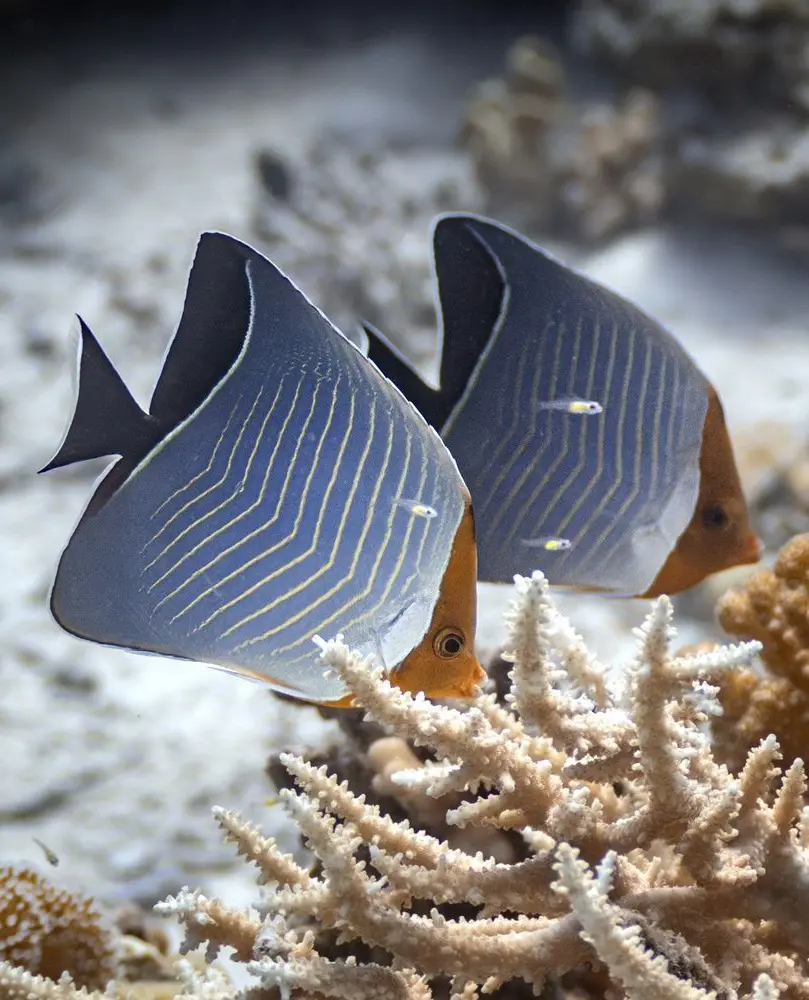
Urinating is a natural bodily function for fish, whether in a tank or an ocean. Though it might seem like a small contribution, fish urine plays a significant role in the marine ecosystem. It’s estimated that fish contribute billions of tons of urine to the ocean annually.
This urine is rich in nitrogen and phosphorus, essential nutrients for the growth of marine plants and algae. These nutrients help sustain the ocean’s food web, supporting everything from tiny plankton to larger predators.
Fish Urine Benefits in Ocean Ecosystem
1. Nutrient Recycling
As fish metabolize food, they excrete urine containing nutrients like nitrogen and phosphorus. These nutrients are essential for the growth of phytoplankton, the microscopic plants that form the foundation of the marine food web.
Phytoplankton absorbs these nutrients and uses them in photosynthesis. It also serves as food for a wide range of marine organisms, including zooplankton, small fish, and larger predators.
Without the input of nutrients from fish urine, many areas of the ocean could become nutrient-poor. This would disrupt the entire food web and affect everything from small fish to apex predators like sharks and whales.
2. Supporting Coral Reefs
Corals rely on a symbiotic relationship with zooxanthellae, tiny algae that live within their tissues. These algae require nutrients like nitrogen and phosphorus to thrive, and fish urine provides a readily available source of these nutrients. When fish swim near or around coral reefs, their urine enriches the surrounding water.
Healthy zooxanthellae are crucial for coral reefs because they provide the corals with energy through photosynthesis. These algae also help in building the calcium carbonate skeletons of coral reefs.
Risks Associated With Fish Urine
1. Eutrophication
Eutrophication occurs when an excessive amount of nutrients accumulate in a body of water, causing an overgrowth of algae and phytoplankton. While fish urine normally supports balanced nutrient cycling, a large fish population in a small area can limit the water circulation and increase the nutrient levels. This nutrient overload causes algal blooms, which can block sunlight from reaching underwater plants and disrupt the balance of the ecosystem.
Eutrophication can lead to the loss of biodiversity as the water becomes less habitable for many marine species. In severe cases, it can create "dead zones" where most marine life cannot survive.
2. Oxygen Depletion
Oxygen depletion, or hypoxia, is a significant risk associated with the nutrient overload from fish urine, particularly when it leads to eutrophication. As algae and phytoplankton thrive due to the abundance of nutrients, their subsequent decomposition consumes large amounts of dissolved oxygen in the water.
This oxygen is crucial for the survival of marine organisms, including fish, invertebrates, and other aquatic life. When oxygen levels drop too low, these organisms can suffocate and die.
Sudden oxygen drops can also have cascading effects throughout the food chain. For example, fish that rely on oxygen-rich waters may migrate or perish, affecting predators that depend on them for food.
Is My Fish Peeing Too Much Or Too Little?
Both excessive and infrequent urination are signs that something might be wrong with the fish’s environment or health. However, determining how often your fish is urinating can be challenging since urine is released directly into the water and isn’t visible.
Some indirect signs and techniques can help assess whether your fish is peeing too often or too little, which can indicate underlying health issues or water quality problems.
- Water Quality Testing:
- Ammonia Levels: Regularly test the ammonia levels in your tank. If ammonia levels are unusually high despite proper maintenance, it could indicate that your fish are producing excessive urine. Possible causes include overfeeding and stress.
- pH and Nitrate Levels: Changes in pH and nitrate levels can also signal irregular urination patterns. Excessive urine can lead to an increase in these levels and affect the overall water quality.
- Behavioral Observations:
- Frequent Visits to the Bottom: If a fish is constantly at the bottom of the tank, it may be attempting to urinate more often. It could indicate stress, infection, or kidney issues.
- Bloated Appearance or Difficulty Swimming: These signs could suggest that your fish is not urinating enough, potentially due to kidney problems or dehydration.
- Water Clarity and Algae Growth: Excessive urination can contribute to cloudy water or unusual algae growth. Monitor water clarity and algae levels to identify possible issues.
- Vet Consultation: For precise diagnosis, a vet can conduct tests, such as bloodwork or water analysis for specific markers. These procedures are usually carried out to determine possible kidney malfunction in fish.
Excessive Fish Peeing
Possible causes of excessive urination in fish include poor water quality, overcrowding, or drastic changes in water temperature or pH. These stressors increase the fish's metabolism, leading to more waste production and frequent urination. Kidney or urinary tract infections may also cause excessive urination as the fish tries to flush out toxins.
Improve water quality by performing regular water changes. Reduce stress by avoiding overcrowding and providing a balanced diet. If an infection is suspected, quarantine the fish and consult a vet for possible antibiotic treatment.
Infrequent Urination
If your fish is peeing too little, it could be a sign of dehydration, kidney dysfunction, or blockages in the urinary tract. Poor water quality, such as incorrect salinity levels or a lack of essential minerals, can lead to dehydration and strain the kidneys. Additionally, dietary issues or infections can cause the kidneys to function improperly.
Address water quality issues by adjusting salinity, adding essential minerals, and maintaining stable water conditions. In severe cases, a vet might recommend adjusting the diet or using specific medications to support kidney function.