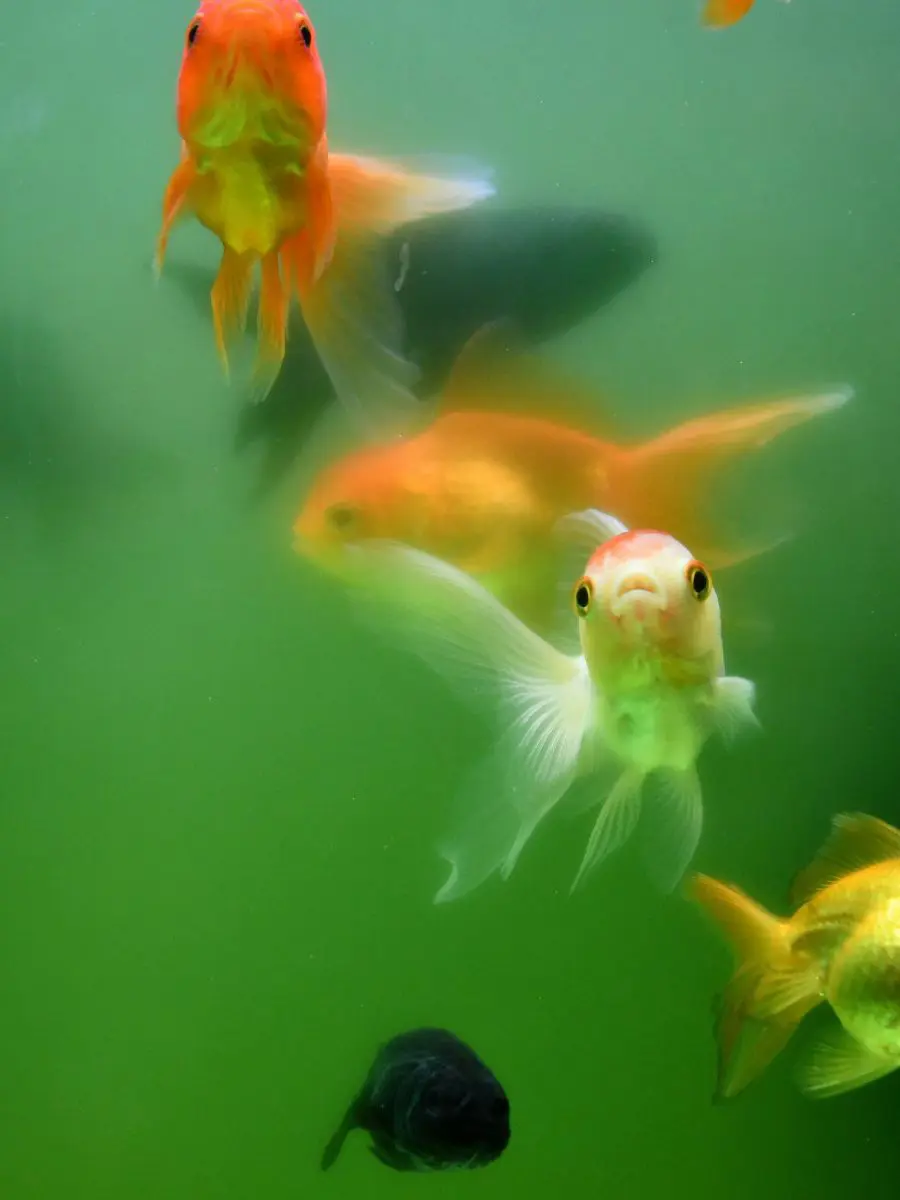


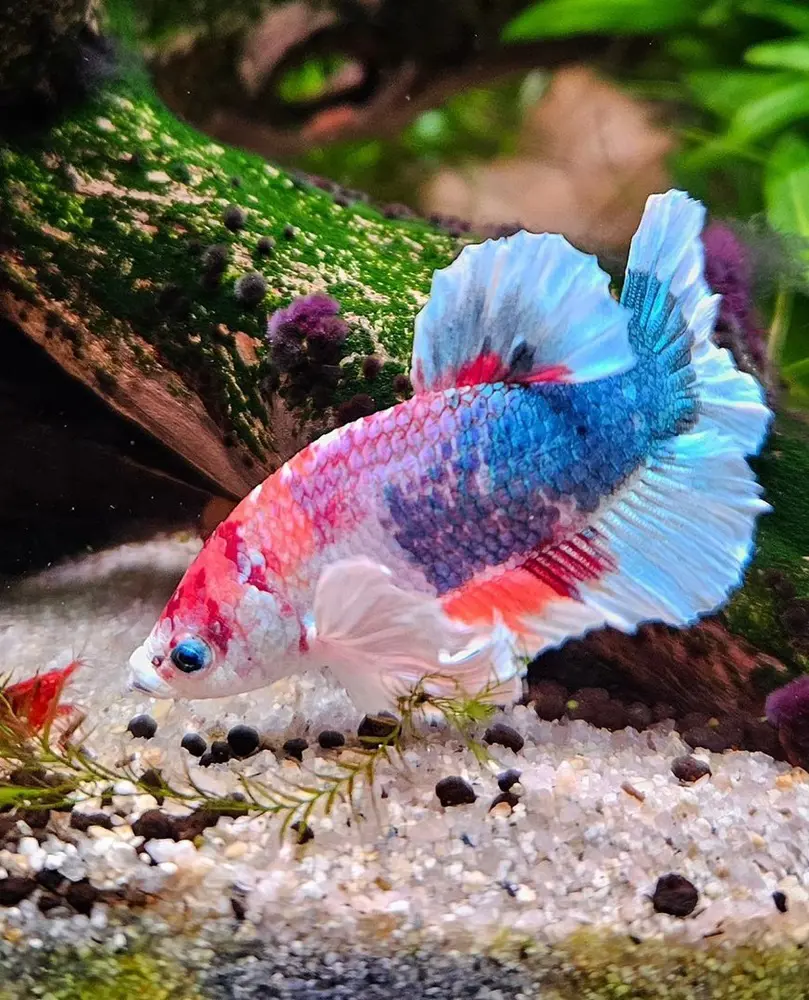
Controlling the water temperature is vital for the survival of betta fish as it directly impacts their health and behavior. Betta fish thrive in relatively warmer water that is slightly above room temperature.
When exposed to irregular or fluctuating water temperatures, bettas often exhibit noticeable behavioral changes. One common sign is lethargy, where the fish becomes less active or starts spending more time at the bottom of the tank.
As the fish's well-being is directly dependent on the water conditions, maintaining a steady temperature in their preferred range becomes a major responsibility of betta fish owners. Here is an extensive guide to the ideal water temperature for a betta fish along with tips on how to effectively regulate the water temperature.
Ideal Water Temperature For Betta Fish
Betta fish prefer to live in water temperatures between 76°F to 82°F (24°C to 28°C). This range mimics their natural habitat in the shallow, warm waters of Southeast Asia, where average temperatures are around 80°F (27°C).
Bettas are ectothermic, meaning their body temperature depends on their environment. The warm water in their native regions supports their metabolism, immune system, and overall vitality. In cooler temperatures, below 74°F (23°C), their metabolism slows, leading to lethargy, weakened immune function, and susceptibility to diseases.
While Betta fish can temporarily survive in room temperature water, especially if the room is warm, prolonged exposure to temperatures below 70°F (21°C) can be harmful. In colder waters, they might survive for a few days to weeks. But their health will deteriorate rapidly. Without a proper heater, the risk of illness and death increases.
Betta Subspecies Water Temperature Preference
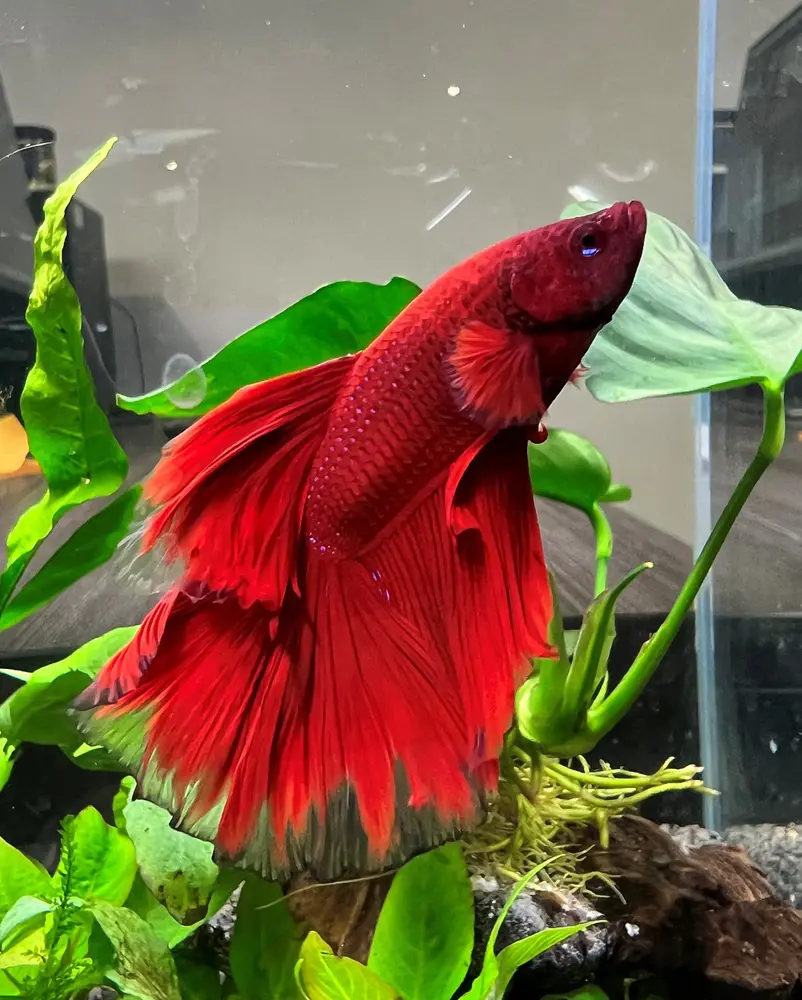
Betta fish varieties generally share similar water temperatures as they all originate from the same warm, tropical regions. However, there can be slight differences in their tolerance based on their specific type or breeding history.
Here are a few common betta fish varieties and their ideal water temperature:
Standard Betta Varieties
- Subspecies: Veil Tail, Crown Tail, Halfmoon, Plakat, etc.
- Temperature Range: 76°F to 82°F (24°C to 28°C)
These common varieties generally thrive within the typical Betta temperature range. They have a higher resistance and do not require special temperature adjustments.
Show Betta Varieties
- Subspecies: Dumbo, Rosetail, Double Tail, etc.):
- Temperature Range: 77°F to 80°F (25°C to 27°C)
These betta fish are often selectively bred and might be more delicate. These pets benefit from slightly warmer and more stable temperatures.
Wild Betta Varieties
- Subspecies: Betta Imbellis, Betta Mahachaiensis, etc.
- Temperature Range: 75°F to 80°F (24°C to 27°C)
Wild species might be more adaptable to slightly cooler temperatures compared to ornamental Betta varieties. They are considered to be the most resilient betta fish with higher resistance to heat and other environmental fluctuations.
Fry and Juvenile Bettas
- Temperature Range: 78°F to 82°F (26°C to 28°C)
Betta fry and juveniles need warmer waters for rapid growth and development. Warmer temperatures boost their metabolism, helping them to absorb nutrients efficiently.
Additionally, stable warm water reduces stress and strengthens their immune system, increasing their chances of survival and healthy development into adulthood.
Best Water Temperature For Breeding Betta Fish
While breeding these fish, maintain a constant temperature of around 78°F to 82°F (26°C to 28°C). Warm water is crucial because it stimulates the Betta's metabolism and energy levels, making them more active and increasing their desire to mate.
Similarly, warmer water mimics the conditions of the rainy season in their natural habitat, which is when Betta fish are most likely to spawn. The elevated temperature triggers the male Betta to build a bubble nest, a key part of the breeding process.
Increased water temperature can also aid in the successful development of the eggs once they are fertilized. It shortens the incubation period, allowing the eggs to hatch within 24 to 36 hours, and supports the rapid growth of the fry.
Water Heater For Controlled Temperature
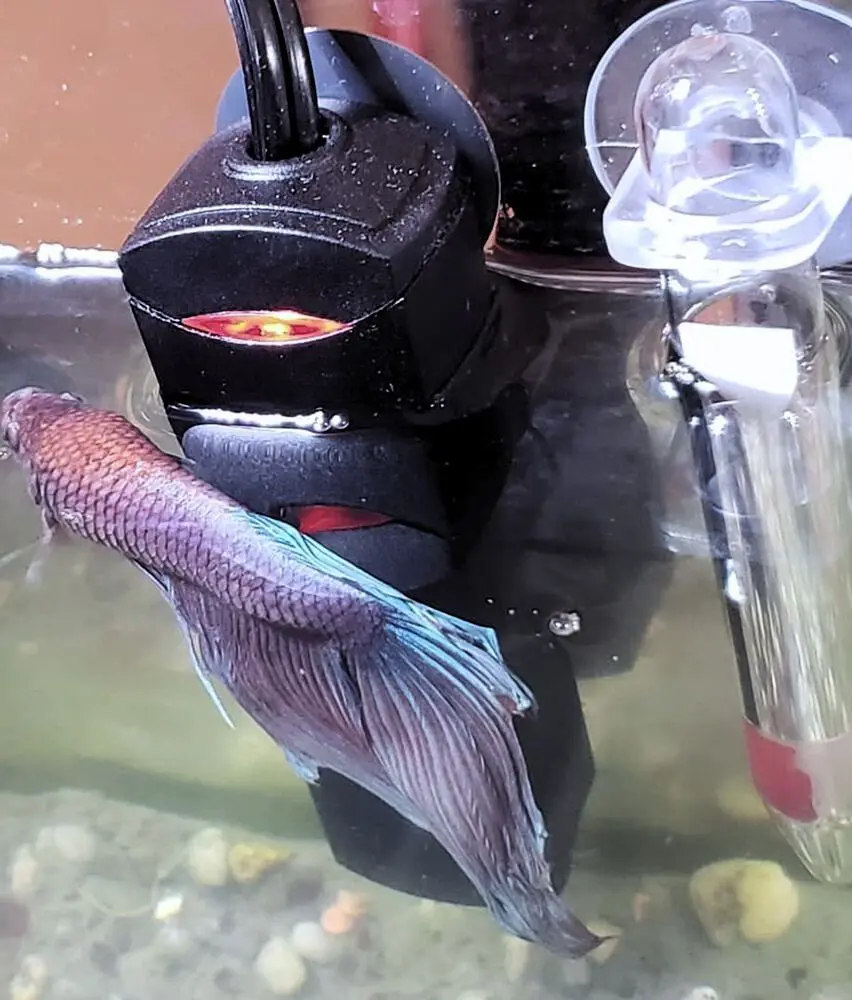
Cool water can slow down a betta fish's metabolism and interrupt its bodily functions. In regions where the water maintains a temperature below the preferred, a water heater is recommended.
Choose a water heater specific to your pet fish's needs. These are some commercial heaters that are extremely popular among fish owners.
Submersible Heaters
As their name implies, these heaters are devices designed to be fully immersed in the water of an aquarium. They consist of a heating element encased in a waterproof tube, often made of glass or shatterproof plastic, and a thermostat that controls the temperature.
When the water temperature drops below the desired setting, the heater automatically activates. These heaters are suitable for Betta fish tanks because they maintain a stable and precise temperature, typically between 76°F and 82°F. The even heat distribution throughout the tank helps prevent temperature fluctuations, which can stress Betta fish and lead to health issues.
In-line Heaters
In-line heaters are external devices connected to the return line of an aquarium’s filtration system. They heat the water as it flows back into the tank after being filtered.
The heater is housed in a tube-like structure and contains a heating element. Similarly, these heaters also contain thermometers to warm the water at a precise temperature.
For Betta fish, in-line heaters offer the benefit of even heat distribution, as the warmed water is circulated throughout the tank by the filter. This setup prevents hot spots and maintains a consistent temperature.
Preset Heaters
These are non-adjustable devices designed to maintain a constant temperature, normally around 78°F. These heaters are user-friendly and perfect for beginners as they require no manual temperature adjustments.
The primary advantage of preset heaters in a Betta tank is their reliability in maintaining a stable temperature. However, the lack of adjustability can be a drawback if the tank's temperature needs to be fine-tuned, especially in fluctuating room temperatures.
Adjustable Heaters
Adjustable heaters allow precise control over the water temperature, maintaining the optimal range of 76°F to 82°F.
These heaters typically feature a built-in thermostat and an adjustable dial or digital interface that lets you set the desired temperature. Some advanced models include LED displays and safety features like automatic shut-off if the water level drops too low.
Compared to preset heaters, adjustable heaters are more versatile and can be fine-tuned based on external factors like room temperature fluctuations or seasonal changes. Many adjustable heaters also have an auto-adjust feature, meaning they can detect changes in water temperature and automatically activate or deactivate to maintain a consistent environment.
Heating Mats or Pads
These heating tools control a fish tank’s temperature by radiating heat from beneath the tank. They are normally placed under the tank and work by gradually increasing the temperature, which then disperses throughout the water. This method of heating is less intense than traditional heaters, making it suitable for small tanks.
For small Betta tanks or bowls, heating mats are often more useful than submersible heaters as they don’t take up space inside the tank. However, they have less control over the exact water temperature and slower heating rates. These pads also may not be sufficient for larger tanks or in colder environments as they provide a more gradual and less consistent heat distribution.
Internal Mini Heaters
These are compact devices designed for small fish tanks or bowls. These heaters are fully submersible and often come with preset temperatures. They work by heating the water directly within the tank, allowing even temperature distribution in smaller volumes of water.
These heaters are particularly suitable for Betta tanks due to their small size. Additionally, they are generally cheaper than average submersible heaters, making them an affordable option. However, their preset nature means less flexibility in temperature control.
Reducing Water Temperature
During summer or in hotter regions, you may need to lower the water temperature to match the betta fish's preferred range of 76°F and 82°F. Higher temperatures can lead to stress, decreased oxygen levels, and an increased risk of diseases due to faster metabolism and bacterial growth.
States like Arizona, Texas, Florida, and Nevada, where summer temperatures can soar, may require extra attention to cooling Betta tanks. These are a few ways you can achieve the betta fish temperature water.
Use a Cooling Fan
The fan is placed near the tank, blowing air across the water’s surface. This increases the rate of evaporation and naturally cools the water.
While this method can lower the temperature by a few degrees, it is most effective in smaller tanks and when used in conjunction with other cooling methods.
Partial Water Changes
Replace a portion of the tank water with cooler, dechlorinated water. This method helps to bring down the overall temperature of the tank, especially during peak heat periods. By changing 10-20% of the water regularly, you can maintain a more stable and cooler environment for your Betta.
The process is simple and effective but should be done gradually to avoid shocking the fish with sudden temperature changes. Also, the new water should not be too cold as this could also stress the Betta.
Avoid Direct Sunlight
Position the tank in a shaded area or use blinds to block direct sunlight. Sunlight can quickly raise the temperature of the tank, especially in the summer or in hot areas.
Use this technique as a preventative measure to avoid the need for more drastic cooling measures. It’s also beneficial for controlling algae growth, which thrives in sunlight.
Use Frozen Water Bottles
Using frozen water bottles is a quick and effective method to cool down a Betta fish tank. Fill plastic bottles with water, freeze them, and then place them in the tank. The ice gradually melts, cooling the surrounding water. This method is particularly useful in emergencies where the water temperature needs to be lowered quickly.
Monitor the tank closely to avoid sudden temperature drops. The bottles should be tightly sealed to prevent leaks, and multiple small bottles can be used for gradual cooling.
Increase Aeration
An air stone, sponge filter, or increasing the flow rate of an existing filter can improve aeration. It is beneficial in warmer water where oxygen levels tend to drop.
While increased aeration doesn’t directly cool the water, it mitigates the effects of higher temperatures by supplying adequate oxygen. It’s a simple and effective way to support the health of your Betta, but make sure to combine it with other cooling methods.
Use a Chiller
An aquarium chiller is the most reliable tool for maintaining consistent betta fish water temperatures. Chillers work by circulating the tank water through a cooling unit that lowers its temperature before returning it to the tank. This method offers precise temperature control; it is ideal for larger tanks or in regions with consistently high temperatures.
While chillers are highly effective, they are also more expensive and may require a more complex setup.
Why Should You Adjust Betta Fish Water Temperature?
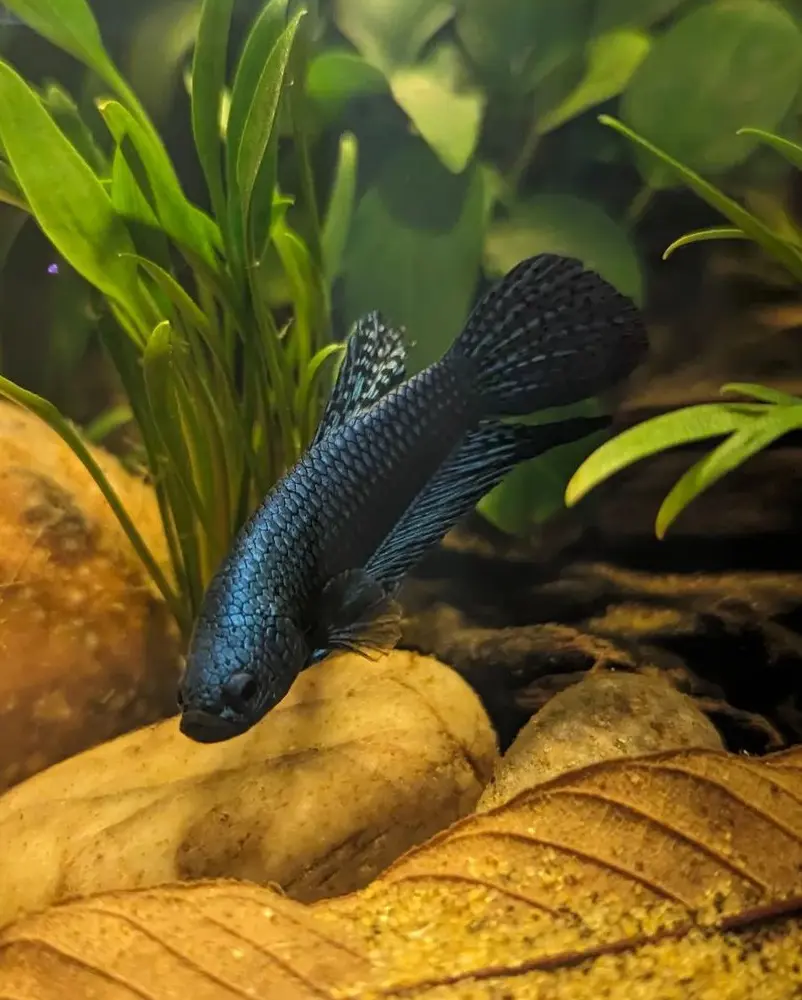
Betta fish are tropical creatures; they need a specific temperature range for prolonged survival and growth. Maintaining a steady temp. of 76°F to 82°F helps support their health.
If the water gets too hot, above 82°F, it can stress the Betta, leading to faster metabolism, decreased oxygen levels, and a higher risk of diseases due to increased bacterial growth. Prolonged exposure to high temperatures can also weaken the Betta’s immune system.
On the other hand, if the water gets below 76°F, the Betta’s metabolism slows down. This can eventually result in lethargy, reduced appetite, and weakened immune function. Cold water can also cause the Betta to become more prone to illnesses like fin rot or ich.
How To Effectively Change Water Temperature?
Adopt a gradual approach of water temperature for a betta fish to avoid stressing or harming the fish. Sudden temperature shifts can shock the Betta, leading to stress, weakened immunity, or even death.
To adjust the temperature, start by using an adjustable heater with a built-in thermostat. If you need to warm or cool the tank, do so incrementally, changing the temperature by no more than 1°F per hour. This slow adjustment allows the Betta to acclimate naturally without experiencing shock.
When performing water changes, ensure the new water matches the tank's current temperature as closely as possible. Use a thermometer to check both the tank water and the new water before adding it to the tank. Gradually introduce the new water in small amounts to avoid sudden changes in the overall temperature.
Additionally, monitor the temperature consistently, especially during extreme weather conditions. Using methods like adjusting the room temperature or adding cooling fans can help maintain stability.