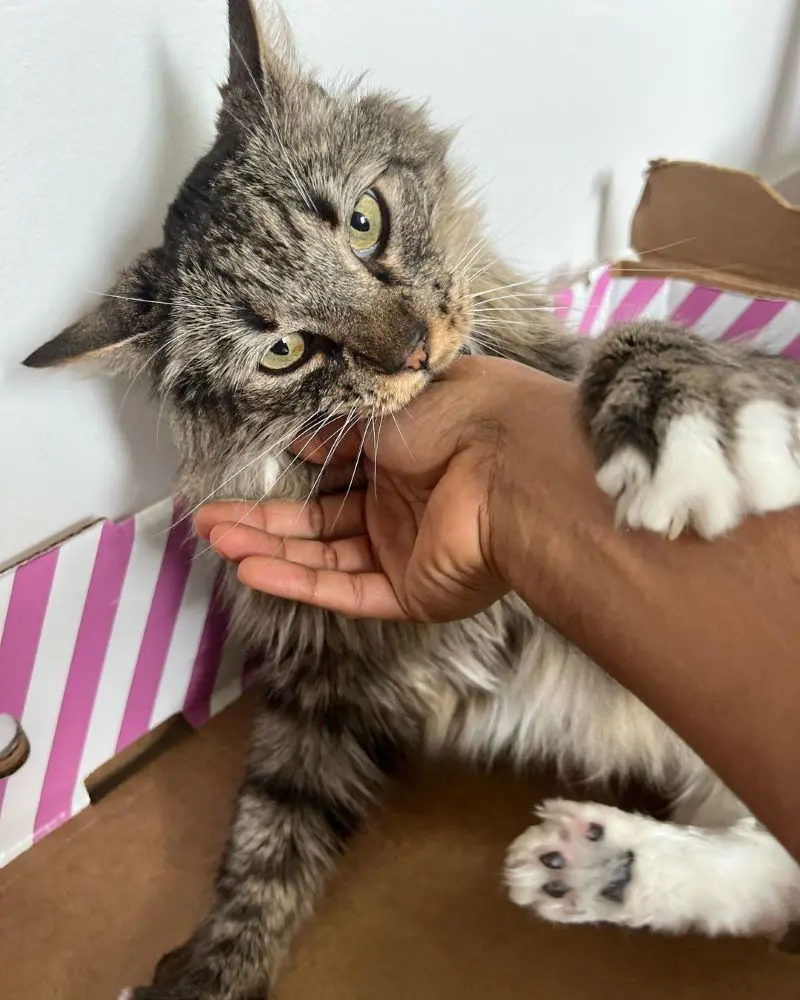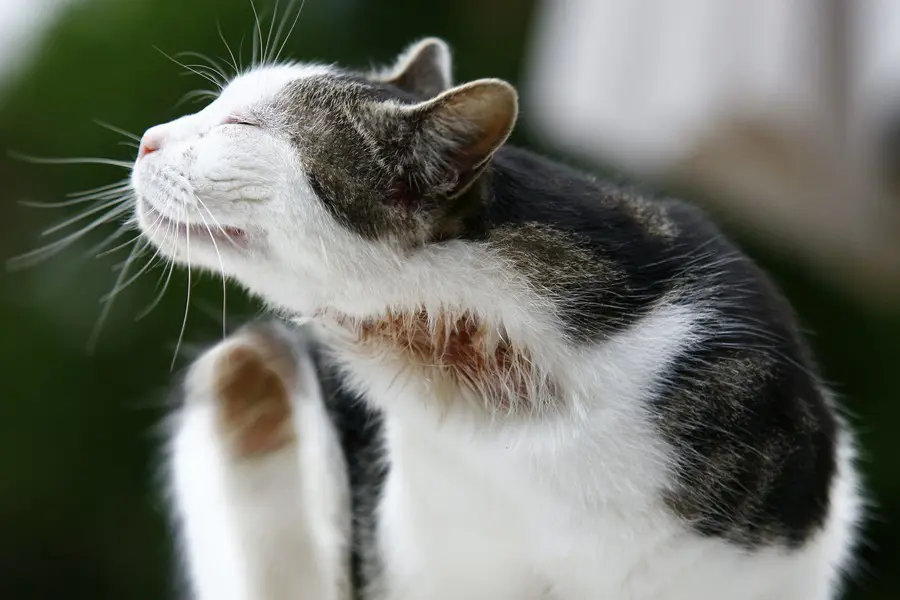


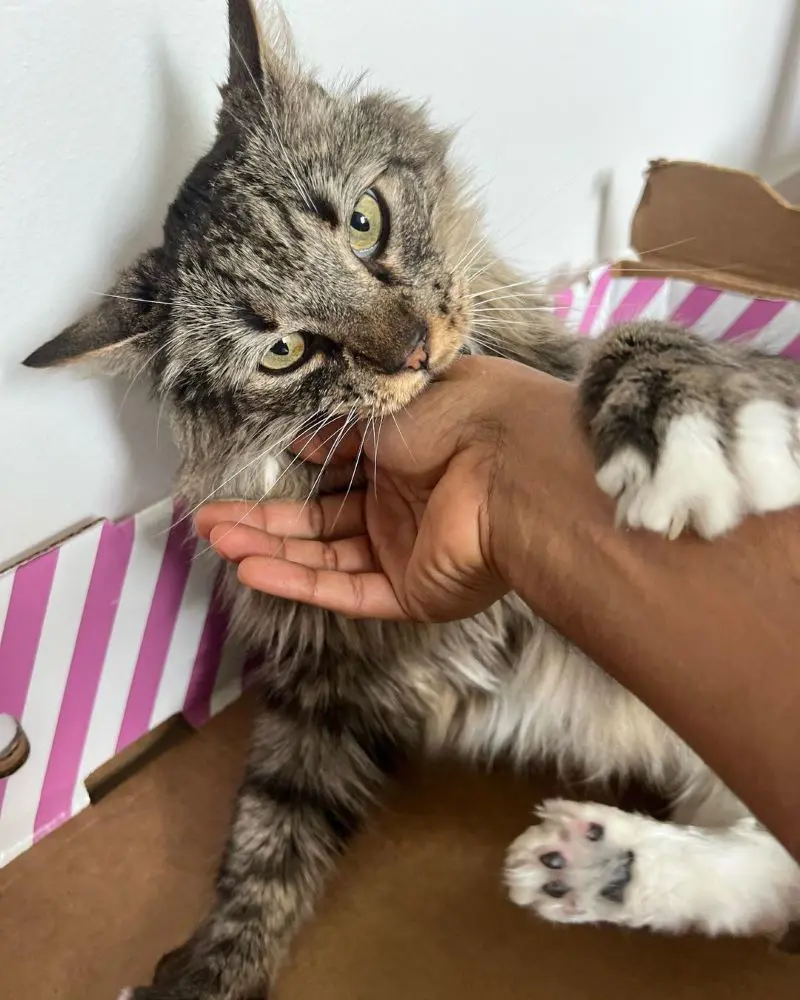
Cats enjoy roughhousing with their owners as it keeps them physically active and prevents boredom. Accidental scratches or bites may happen during the session; however, most pet owners dismiss it as a sign of love from their cats.
Developing late symptoms from a cat bite or scratch that took place weeks ago is a classic sign you may have caught cat scratch fever or cat scratch disease (CSD) from a cat. Only cats infected with CSD can transmit this disease to humans.
Today, let's explore everything there is to learn about cat scratch fever, including its signs, symptoms, causes, and prevention methods.
What Is Cat Scratch Fever?
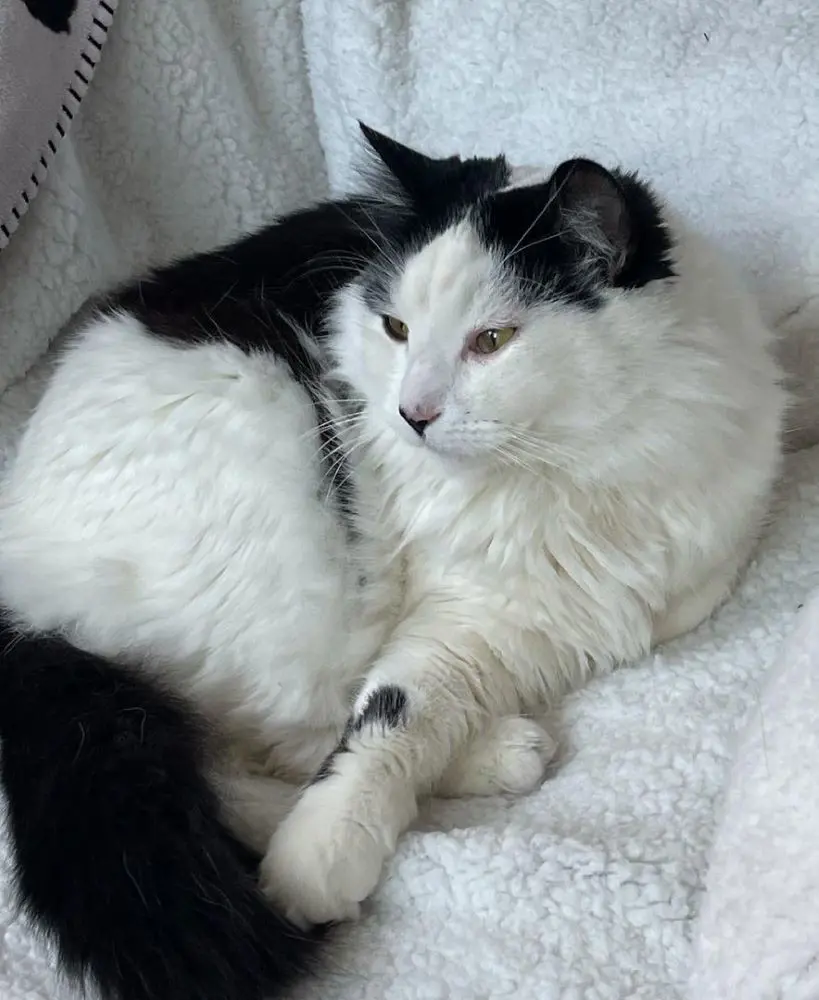
A bacterial infection caused by Bartonella henselae, cat scratch fever, or cat scratch disease develops when a human contracts the spread of this bacteria. Around 40% of all cats are carriers of this bacteria, often getting it from other cats or flea bites.
Normally, this bacteria is harmless to humans, but can be spread through the bite or scratch of a carrier cat. Similarly, the organism can also be transmitted when a cat licks a human's open wound.
Cat Scratch Fever Signs And Symptoms

Cat scratch fever is fairly common in cats but relatively rare in humans; while the bacteria affects nearly 40% of cat population, only about 4 to 5 people in 100,000 contract this disease.. Individuals most prone to this condition include children up to 15 or senior citizens above 60 years old.
Normally, cats with Bartonella henselae don't show any visible signs, so, the victim of the cat scratch might not be concerned by the cat bite or scratch until the full symptoms appear, some of which are explained below:
1. Swollen Lymph Nodes
Also known as lymphadenopathy in cats, a swollen lymph node is a sign that a cat has the said disease. This enlargement appears near or around the spot where the cat was bitten or scratched by another cat.
Lymph nodes are the primary defense of cats against infection and diseases. When they are swollen or enlarged, these organs might not function properly, leading to weakened immunity and loss of energy.
2. Blisters
Blisters are often the first sign of CSD; these fluid pockets can develop a week after the cat or human contracts the disease. Blisters are painful and can't cause significant discomfort to the infected.
In normal cases, blisters are reduced after a few days of their appearance. However, if they continue to appear even after a few weeks, you will want to discuss the issue with your vet.
3. Reproductive Failure
Although the visible symptoms of cat scratch fever make it look like a harmless condition, the internal damage it causes to a cat's system is unprecedented. The disease has been linked to long-term reproductive issues that can cause difficulty in conceiving or getting pregnant.
According to research done to test the effects of CSD on a cat's reproductive health, the presence of Bartonella henselae either delayed the pregnancy of infected cats by a few weeks or stopped it altogether.
On the other hand, cat scratch fever showed no links to dropped fertility in humans.
4. Fever
Cats and humans both develop the symptoms of mild fever as a consequence of CSD. In cats, the fever may be unnoticeable.
However, fever from cat scratching or biting in humans can develop days after the actual incident, adding confusion about the real cause of the fever. This mild fever doesn't usually rise above 102°F, but, in rare cases, it can reach up to 104°F.
5. Bacterial Heart Infection
Like with other bacteria, Bartonella henselae can reach a feline heart through its bloodstream. Though a rare condition, this is particularly dangerous to cats as the symptoms are easy to skip.
A few signs that normally accompany bacterial heart infections include persistent cough, lethargy, and loss of appetite. After the diagnosis, a vet may recommend taking antibiotics for 4 to 6 months. On the other hand, lack of treatment or negligence on the owner's part can have serious repercussions, even causing heart failure.
Cat Scratch Fever Causes
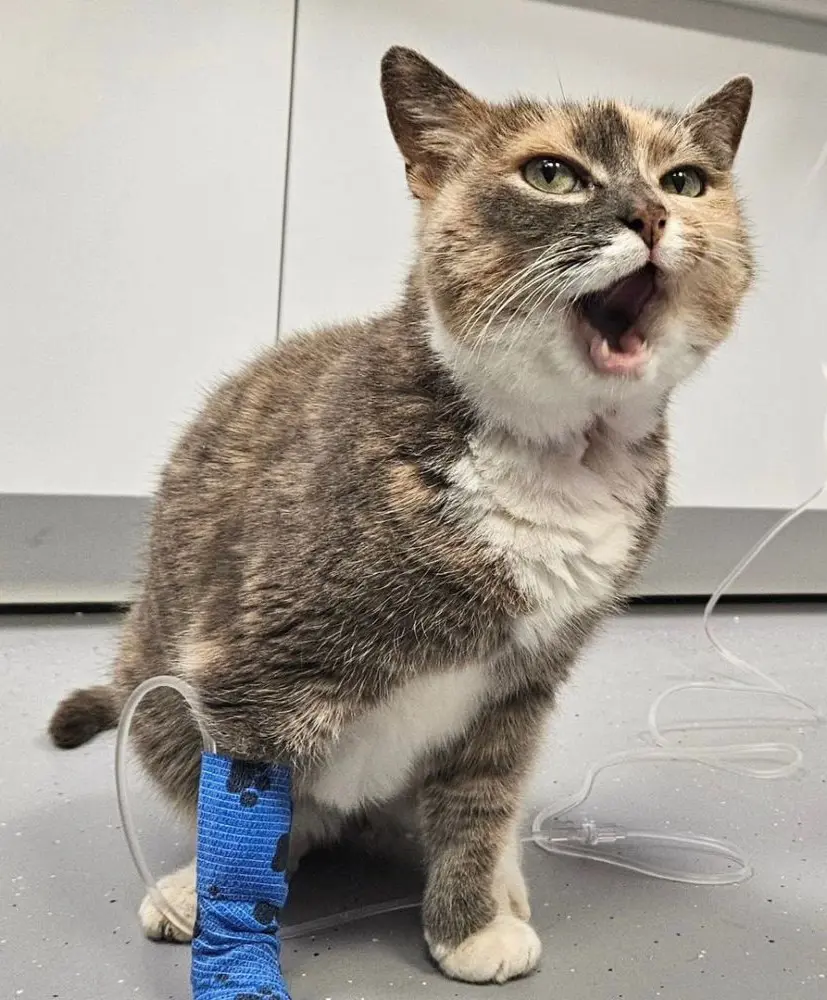
The cat scratch fever is a bacterial condition that normally transmits from fleas to cats, and then from cats to humans. When cats get bitten by a cat flea, or Ctenocephalides felis, that carries the Bartonella henselae, the cat gets infected with cat scratch disease.
Despite around 40% of cats carrying this disease, only a few show severe reactions. In most cases, the cat's body will produce antibodies that will resolve the condition in a few weeks.
Meanwhile, humans get this disease when they are scratched or bitten by an infected cat. As the symptoms take weeks to develop, early detection of the illness is extremely difficult.
According to some data, humans can also get CSD directly from a bite of an infected flea; however, conclusive evidence is not yet available. Similarly, feral cats are more likely to carry the bacteria than indoor cats, so next time you try to pet a feral cat, consider the risks first.
How Vets Diagnose Cat Scratch Disease?
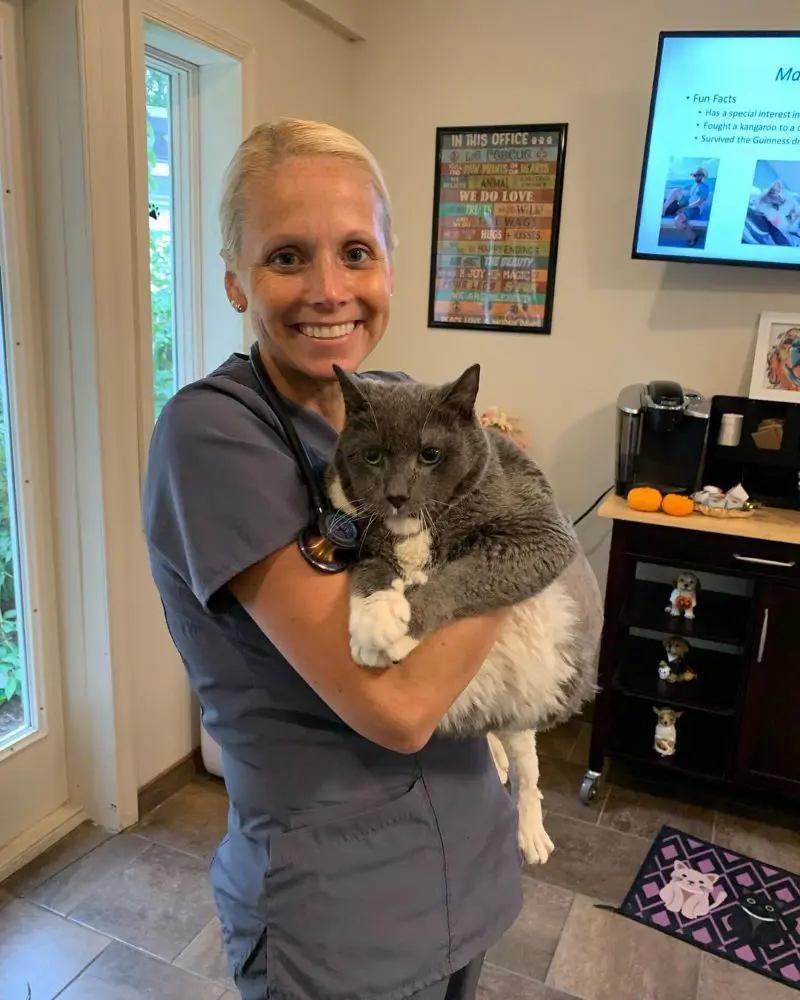
Diagnosing cat scratch fever or cat scratch disease requires a rather complicated process, a vet may have to analyze the cat's medical history, physical examinations, or even check symptoms in humans.
Normally, the diagnosis of CSD is performed as follows:
1. Physical Examination
The vet will eventually start the diagnosis with a thorough physical examination of potential flea bites and the cat's immune reaction to these bites. At the same time, the pet doctor may also ask for the cat's medical history along with any recent changes in their behavior in the last few days.
Instead of pinpointing CSD, this procedure rather rules out unlikely illnesses.
2. Blood Tests
A blood test may be warranted to check for traces of bacterial DNA in the cat's bloodstream. Normally, a PCR test is carried out to detect any sign of bacterial infestation in the blood.
Alternatively, the vet may also suggest serology tests to determine if the cat's body is producing antibodies against an undiagnosed illness or disease.
3. Analysing Symptoms in Humans
If a cat suspected of having CSD recently bit or scratched a human, a vet can check the symptoms of the human to find out if the cat is infected or not. A simple blood test or skin test will tell you whether the cat has infected the human or not.
If the human is showing symptoms consistent with the disease, it's more than likely that the person got it from a cat.
How To Prevent Cat Scratch Fever?
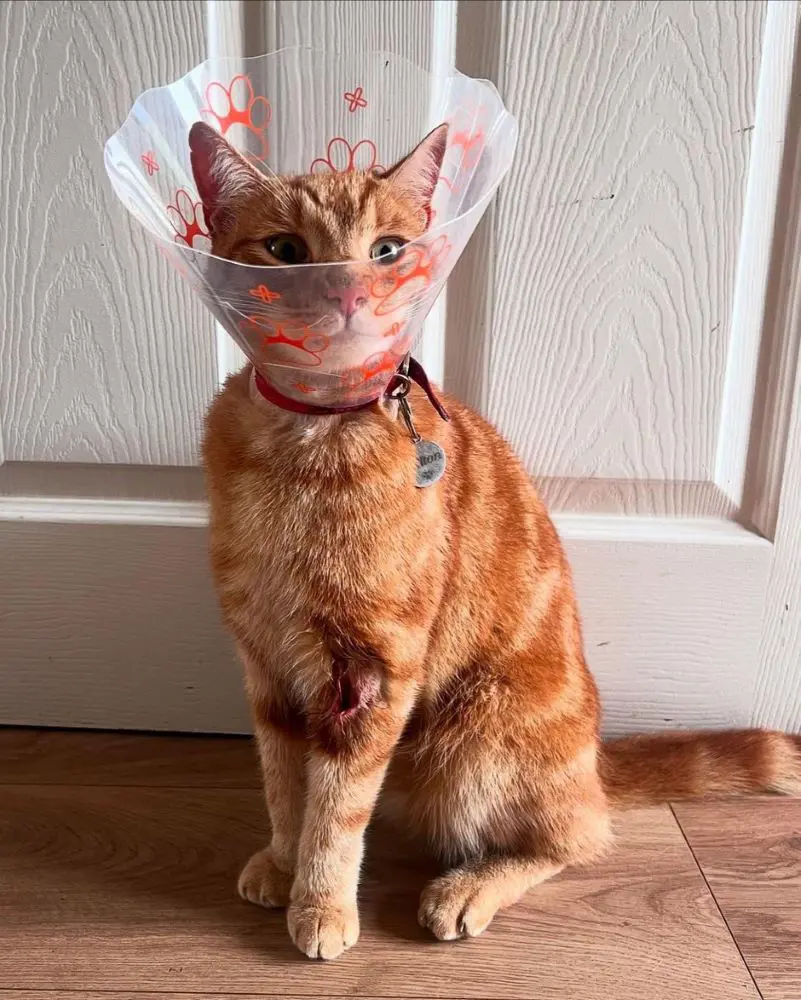
Cat scratch fever is a fully preventable condition, only requiring a few steps on the owner's part to keep them safe from Bartonella, the primary bacteria responsible for this disease.
Preventing Bartonella infestation requires a dutiful pat parent to complete the following tasks:
1. Flea Control
Cats get Bartonella from fleas, particularly the cat flea. So, to protect your cat from this unpredictable illness, you'll first need to keep your pet cat free of fleas.
Use a flea-specialized shampoo to wash your cat or apply topical treatments to keep the flea population in control and prevent it from infesting the cat's body.
2. Keep Cats Indoors
Generally, the risk of cat scratch fever increases significantly with an outdoor cat. Cats with access to the outdoors can catch this bacteria from other cats or animals.
Permanently keeping your cats indoors might not be practical, especially in households with rescued cats. Still, you can reduce the risk of infection by taking preventative measures like limiting the cat's outdoor activities during the peak season of the disease's transmission.
3. Avoid Rough Play
Some kittens like to get rough when playing with their siblings or other pets; this behavior can give rise to biting or scratching each other. When an infected kitten bites another, it passes on the bacteria available in its bloodstream to the other cat.
Practicing gentle play from a young age can come in handy to stop the spread of cat scratch fever. Also, train them to stop on your command, so anytime your dog is engaging in this dangerous behavior, you can always ask them to stop.
More Diseases From Cat Scratches
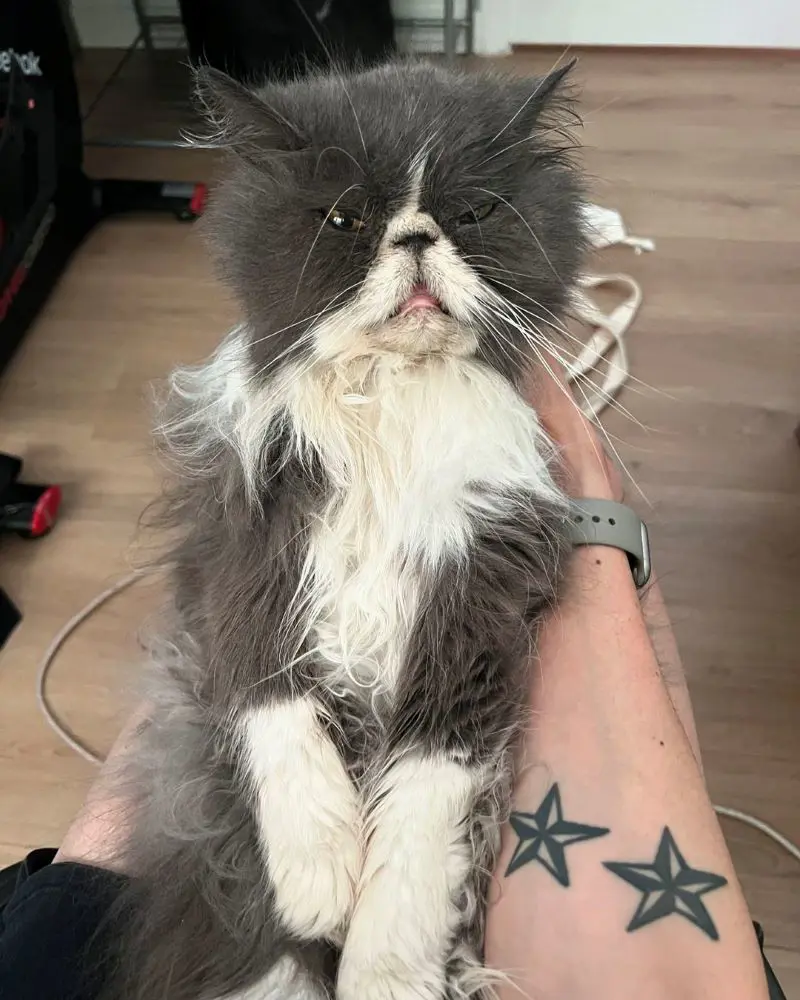
Cat scratch disease isn't the only disease from cat scratches that a human can get. While it is not common to get a serious illness from a cat unless the cat has an underlying disease you may not be aware of.
Some common diseases that may spread from cat scratches in humans include:
1. Tetanus
Caused by a bacteria referred to as Clostridium tetani, tetanus can spread in humans through a feline bite or scratch. If you suspect a cat with tetanus bit you and you haven't had your tetanus vaccine for over five years, it's time to revaccinate with a booster shot.
Tetanus can turn fatal if the person is not vaccinated or hasn't had the booster for more than ten years. Children are more vulnerable to the effects of tetanus, so don't wait for an injury to get the three initial shots to your child.
2. Rose Gardener's Disease
Described as a fungal infection, rose gardener's disease can affect both cats and humans. Usually, cats catch this disease through a fungi called Sporothrix; and, when an infected cat comes in contact with humans, it passes the fungi.
The disease initially emerges as a painless bump on the cat or human skin. With time, the infection starts to spread to other parts of the body.
To avoid catching this disease, always make sure not to leave any open wounds. In some cases, humans even catch the fungal infection when stung by a rose's thorns. So, while approaching the garden or touching thorny plants, wear gloves and additional safety wear to avoid getting cut.
3. Pasteurellosis
Spread by a bacteria called Pasteurella, pasteurellosis highly contagious disease. The bacteria, which normally inhabit a cat's mouth are generally harmless. However, cats can develop a negative reaction towards these bacteria, triggering pasteurellosis.
While a bite or scratch from a cat is the most likely way of catching this disease, in some cases, close contact without physical touch can be enough to spread the contaminants.
A penicillin shot is often employed as the first stage of treatment; this should reduce the symptoms within a few days. However, if the signs persist for months, you should contact a vet and discuss the possible treatments available.