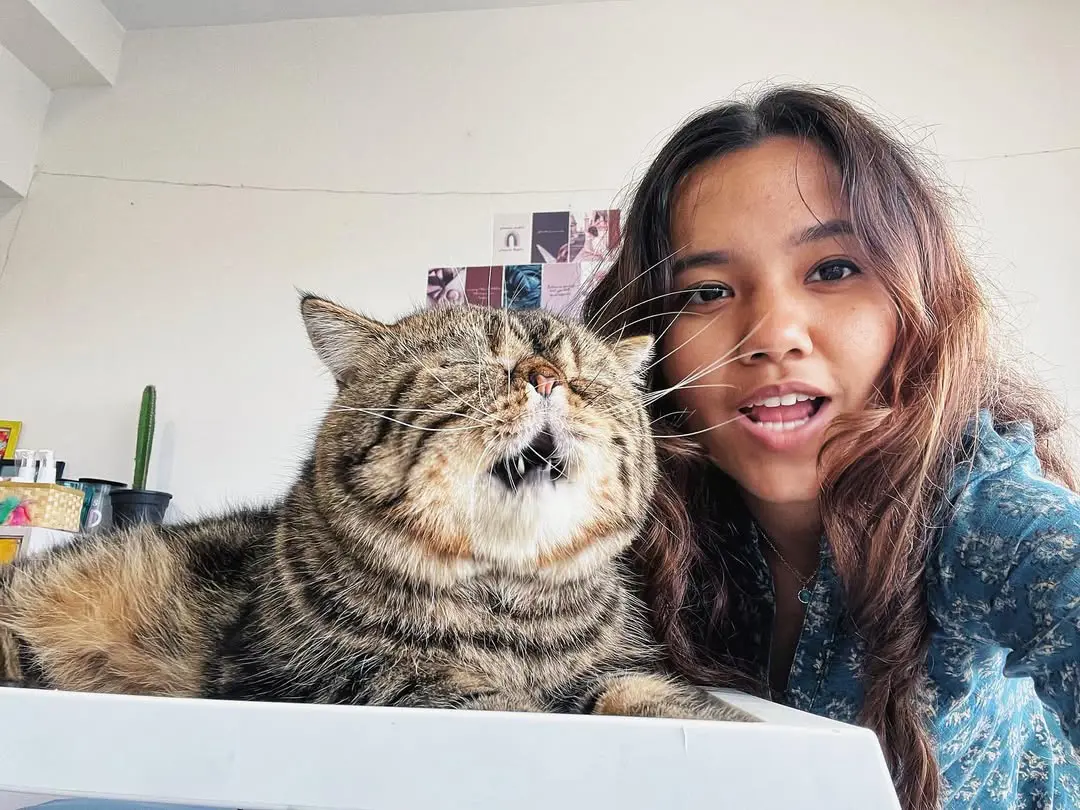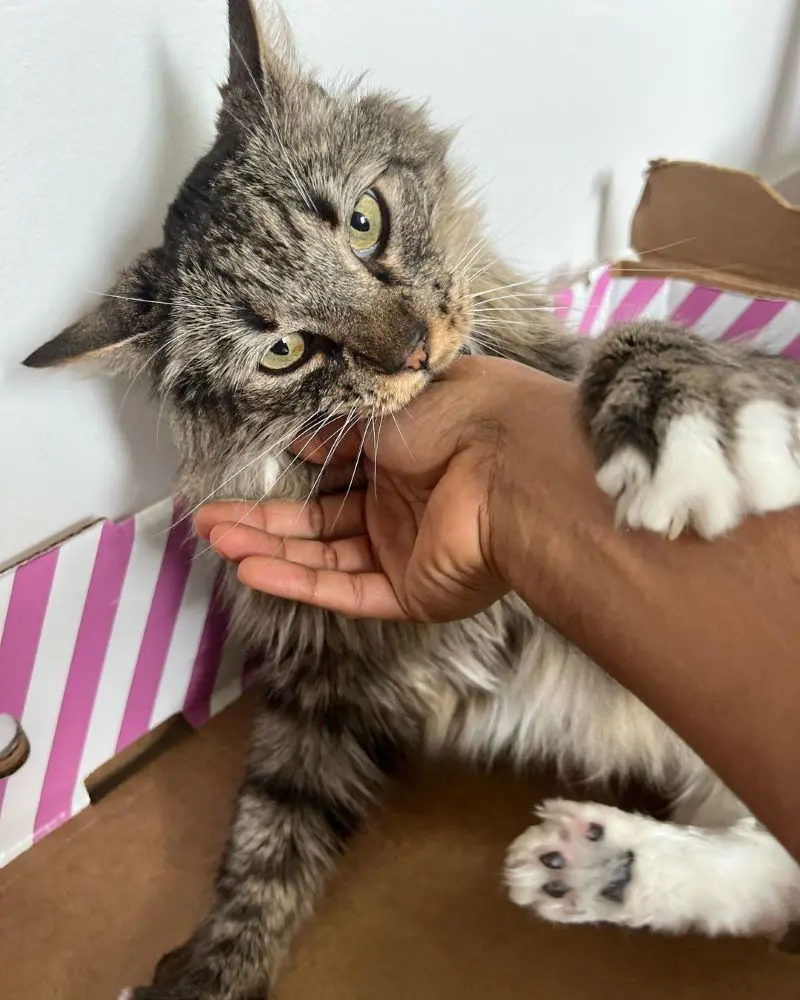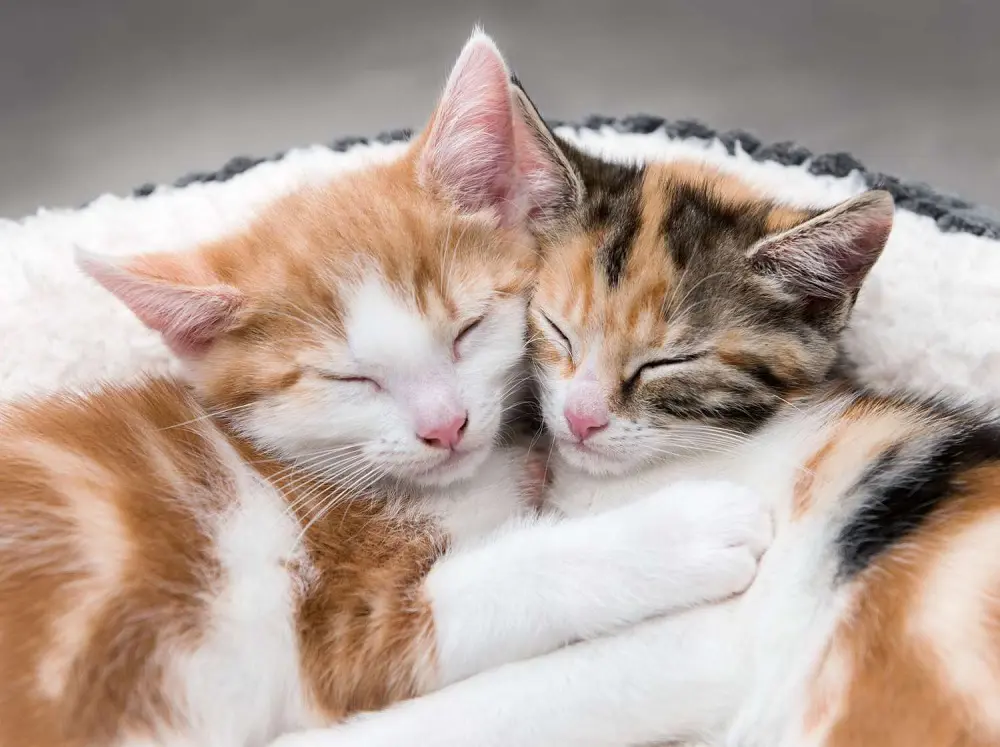


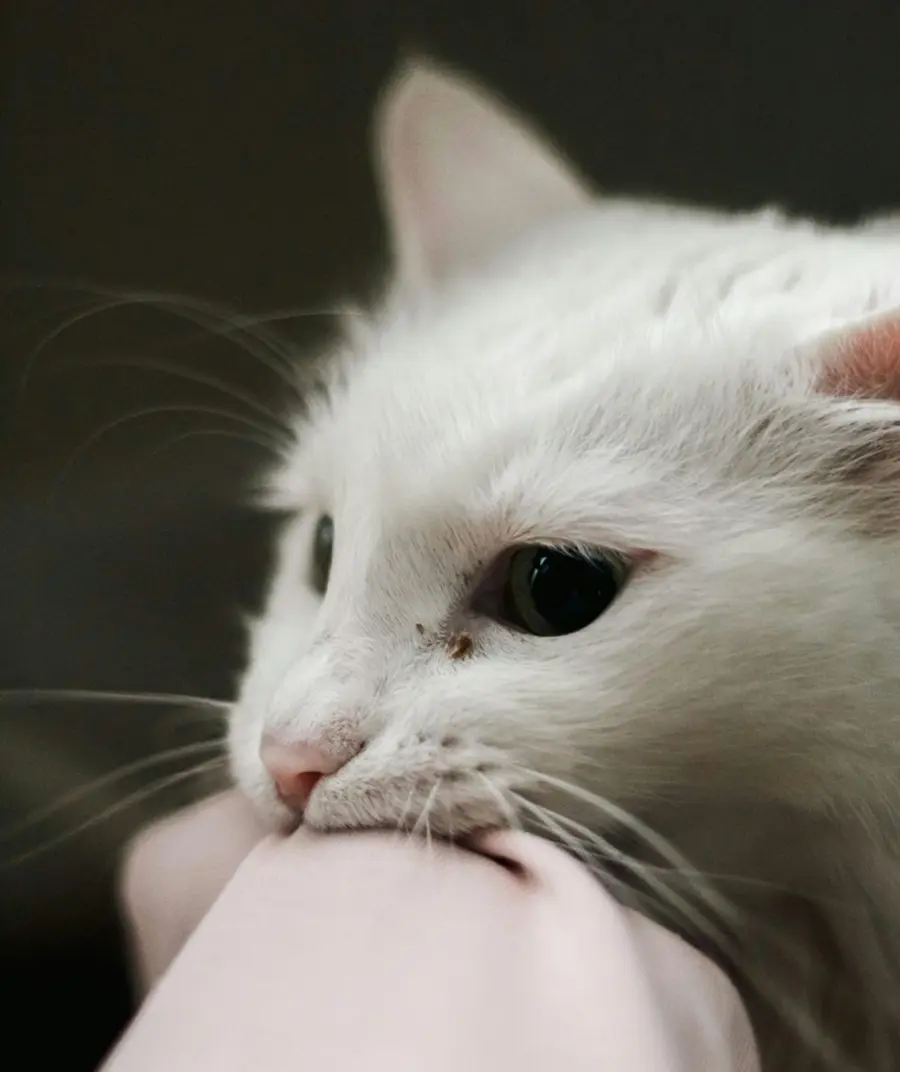
Cats exhibit biting behavior for a multitude of reasons, each tied to their instincts, emotions, and interactions with their environment. If you’re a cat owner, this scenario might seem quite familiar to you.
Well, cats being weird creatures with distinct characteristics and funny habits it really wouldn't prove to be that much overstatement to surmise that they used biting as a means of communication.
Several things can make them bite you and various reasons will be considered for further understanding as to what your furry friend tries to do. Let's find out more about this intriguing world of cats and their biting habits in this article.
1. Playfulness
Cats in their kittenhood learn to play with each other by using their teeth and claws. Sometimes this natural behavior pitches over into adulthood. If your cat play-bites your hand too gently, then that is his meaningful way of saying he wants to play, not hurt.
Their biting during play is quite natural in the way they interact with each other and with their human friends. Just be sure to provide plenty of toys and playtime to channel this playful energy suitably. Engaging with your cat in interactive games can strengthen your bond. Consistent play sessions can also help reduce excessive biting behavior over time.
2. Hunting Instincts

Even when they are well-fed and enjoy comfortable living indoors, good hunting instincts remain in cats. Chasing, pouncing, and biting are enacted to carry out simple stereotypical behaviors that arrange and perform capture of the prey. It's just hardwired into their DNA. If they bite you simply it is their way of self-practice in hunting.
You can give them a few cat toys that mimic the appearance of prey such as feather wands, toy mice, or at least a ball or two. Somehow, it appears that cats found special delight in toys being dragged about vigorously and organically.
Rotate your cat's playthings often so they maintain their interest and excitement. Another good thing is puzzle feeders as they make your cat work just a little bit for their food which lets them exercise hunting instincts in a good way.
3. Overstimulation
Among the common reasons cats bite is overstimulation. Often, excess stroking or handling may mean cat biting serves as a way of telling one to stop because they have had enough. It's often called petting-induced aggression when the cat does this. Just when you were stroking your cat, or vice versa, she turned to bite at you. This means she is overstimulated and would like a break.
Since cat skin is thin and directly connected to nerves, almost everything that feels good initially overstimulates. Watch for signs your cat likely twitches its tail, flattens its ears, or opens up its pupils. These are indications of a cat becoming very uncomfortable, possibly even biting if you continue.
4. Fear Or Anxiety
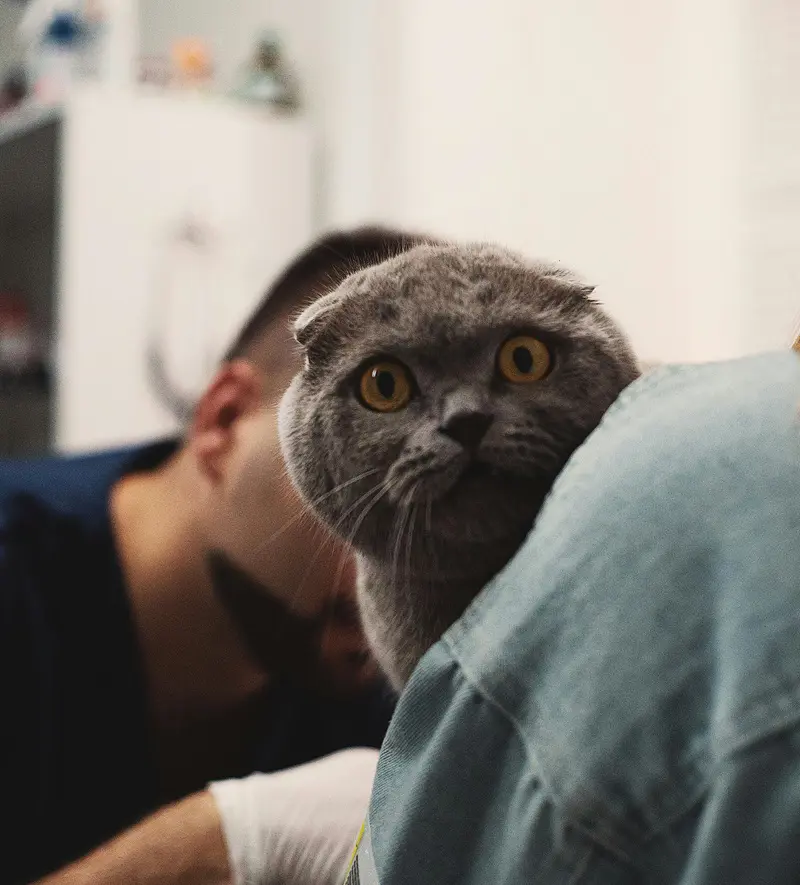
Most cats bite because they get scared or anxious. Picky in the cage, cornered, or being rescued in unwelcoming circumstances and some may bite as a way of defense or to get them out of this encounter. You will also see your cat biting if it gets scared suddenly or in a new environment-just about how they show they are uncomfortable, letting them know to then give them their space.
Maybe they bite just because they feel cornered or threatened. If their fear in some situations is perceived by the cat as threatening causes biting. Now, knowing why the cat does that can help you set up an environment that secures safety and calmness in these cases. Building trust with your cat reduces biting that has its roots in fear. Just be close to them in calm and non-threatening ways.
5. Territorial Behaviour
The most common reasons cats bite are due to territorial behavior. Any cat, whatever its breed, is always defending its space from invasion and may very protectively act about it. The reaction might result in bites if they feel an intrusion into their favorite areas by any particular entity.
Your cat bites when a new pet or person comes to their home or gets too close to places belonging only to them. Naturally, by instinct, they protect places like beds and toys. Provided that they feel danger is directed towards these items or places, they may use biting in defense.
6. Attention Seeking
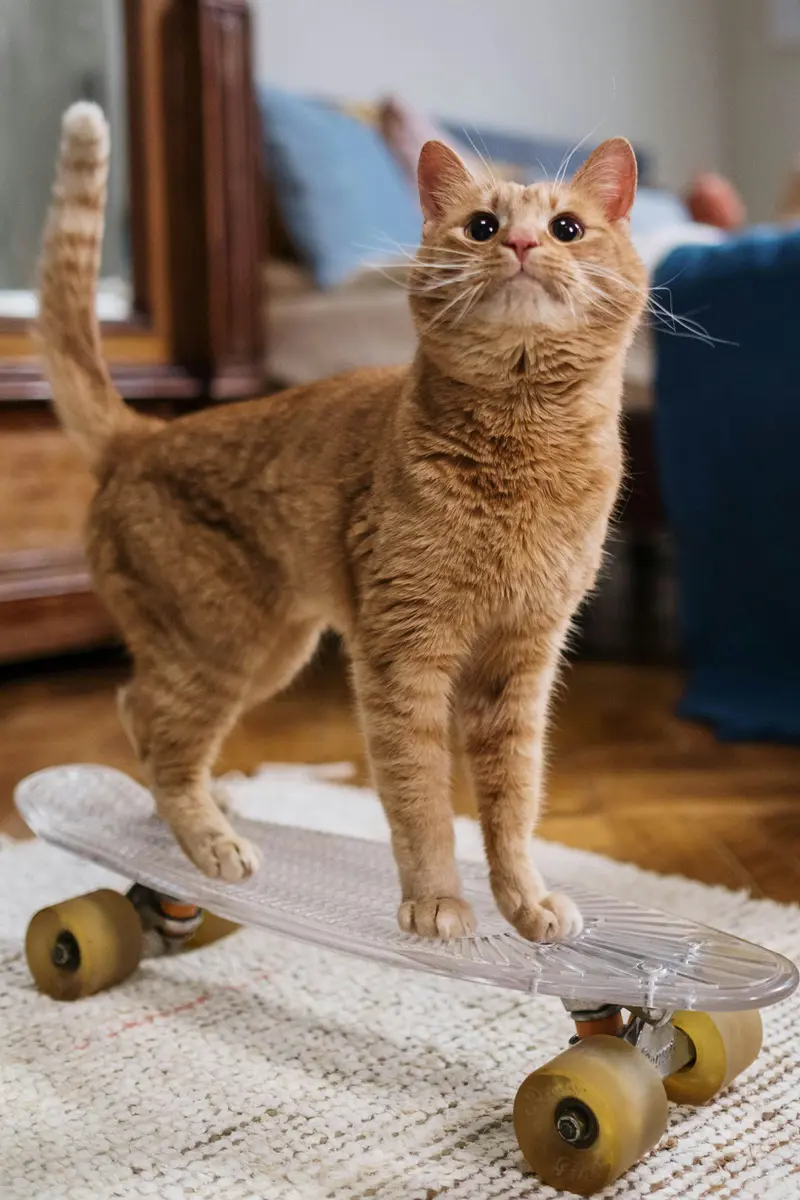
They sometimes bite due to attention needs. Lack of activities may leave your cat lonely or bored at times and end up biting. This resultant behavior solely tells you that they need more exposure to interaction or maybe more playtime.
He might be looking for some play or to scratch alone if he lightly bites or paws at you. Cats, as a result of a lack of things to bite on, groom themselves out of boredom to the point of biting out of activity and seeking some attention from their owners.
7. Health Issues
Health issues can also be the reasons for cats biting. Your cat may be in pain, or he may be ill, so he could bite in an attempt to communicate his feeling of discomfort. Since cats efficiently conceal certain signs of their pain, you may not be able to recognize them most of the time. Tracking such conditions can help you in trying to eliminate possible medical reasons for your cat's biting behavior.
They can even bite if they have some sore places or, at worst, an injury. If their tummy or back is sore, for instance, they try to bite on touching. Other times, even dental problems and infections, which cause different kinds of pain, can be related to biting.
8. Teething In Kittens
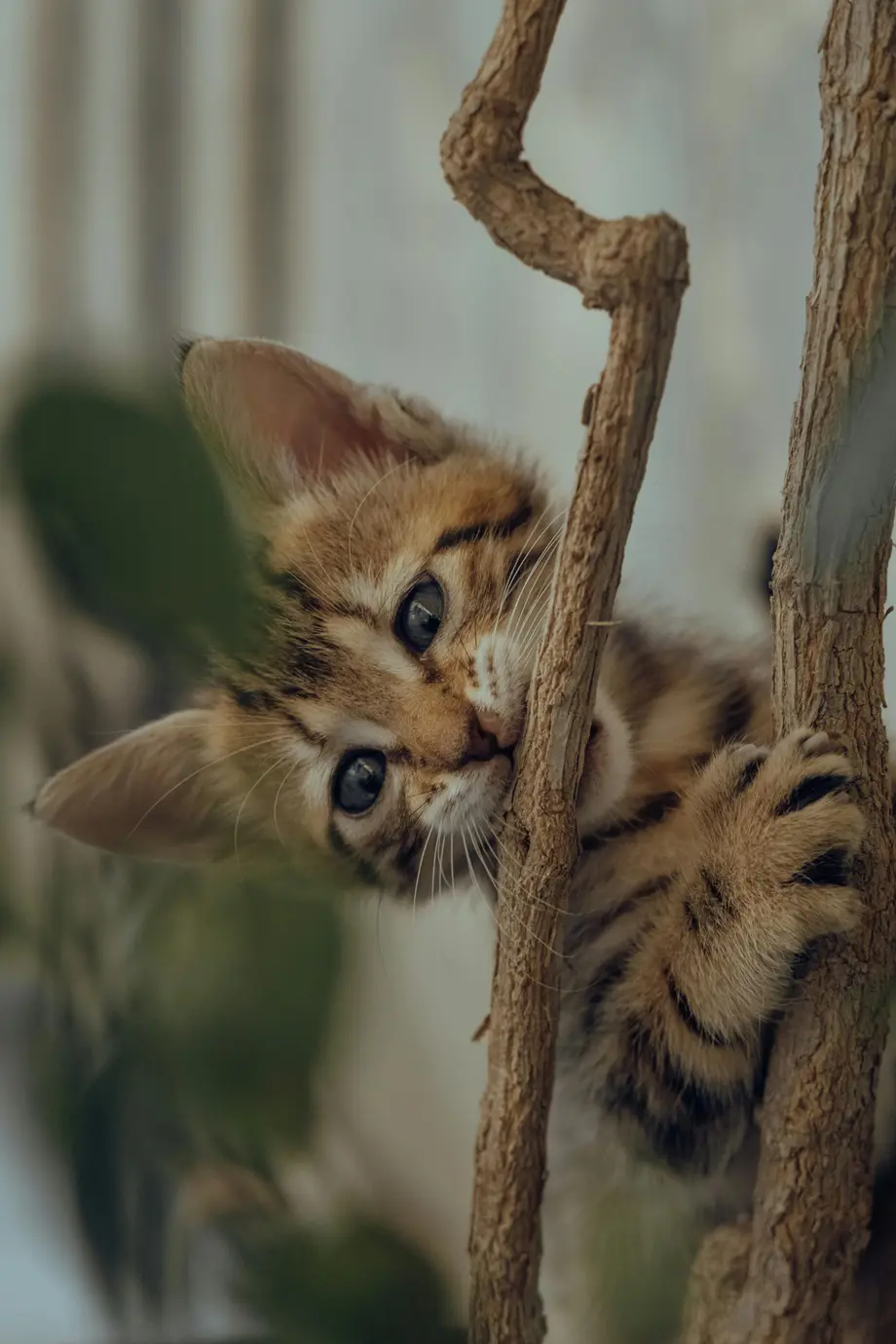
Kittens can bite due to teething similar to human babies, kittens need to go through a form of teething where their milk teeth fall out to make way for the actual ones. This can be somewhat painful, and biting could very well mean managing soreness or just simple discomfort.
In ways of easing themselves from some of the pains in the mouth kittens, in nature's way tend to be a bit more tooth-grinding. You may find your kitten drawing on your fingers, toes, or chair legs while trying to ease some of the pains that come with new teeth finding their way through.
9. Mating Behavior
Cat bites could be its mating behavior and when they are in heat and are looking for a mate. Different behavioral changes react to biting. This holds better for a female cat not spayed and for an un-neutered male cat.
Cats in heat, especially females, can be more aggressive and noisier. They bite due to curiosity or frustration because they do not find a mate. Male cats, so to speak, may behave very aggressively, sometimes biting due to interest or dominance.
10. Lack of Socialization

Lack of socialization could be linked to the poor socialization of cats. Cats not exposed to human beings and other animals at a young age exhibit some behavioral problems later on in life. This, therefore, could be one reason why cats bite if their poor social experience during kittenhood.
Kittens who have not been socialized tend to grow up to be more fearful or even confrontational cats. They will resort to biting to think through a way out of new situations or elements that they do not understand. Socialization programs how a kitten is going to react to others and situations.
11. Establishing Dominance
They occasionally bite to show dominance and position over other animals. In the wild, cats show who might be in charge by many different behaviors that place themselves higher than other animals.
If a cat is looking to find his place within a house, he would test these limits by biting behavior and seeing exactly how much control they have over whatever situation comes their way.
Now, if a cat is biting to dominate, then very often you will realize they are just trying to let people or other animals know who's boss. This can happen to people or other animals. For example, your cat may suddenly bite you in the middle of its play. Most probably, it will mean that they are trying to let you know they are in control.
12. Showing Affection
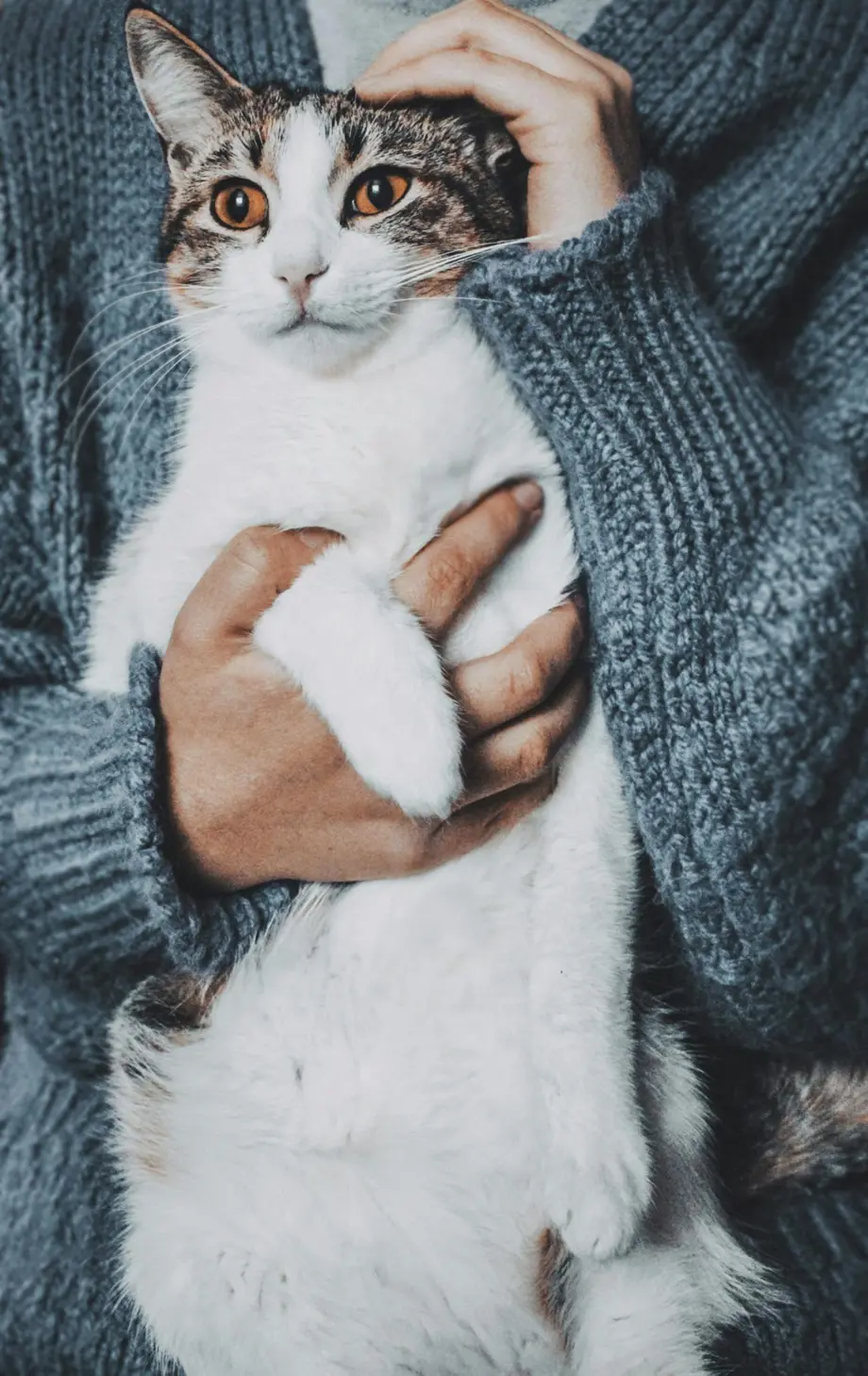
At times, cats do bite to show love. It may sound surprising, but for some cats, light and gentle biting truly is a way of showing off love. More or less, it would mean times when cats nuzzle or purr because they feel extremely happy and very comfortable with you.
Whenever they softly bite, it means that they intend not to hurt. Probably they just want to release their feelings in a very feline way. For instance, after petting the attainment stage of cats reaches where they have light biting on your hand or arm and this gesture is for being thankful.
13. Fear of the Unknown
Cats may bite and it could be that they are afraid of unknown things any time a cat experiences or comes across something new or unfamiliar it may seem to scare them or make them feel quite different. Biting is their natural reaction to that particular fear and if they understand it, you will know how to deal with it.
Your cat might just bite anytime she gets exposed to a new person, object, or strange environment. For example, when they bring new furniture in, the cat gets irritated. and may start biting on something familiar around.
14. Jealousy
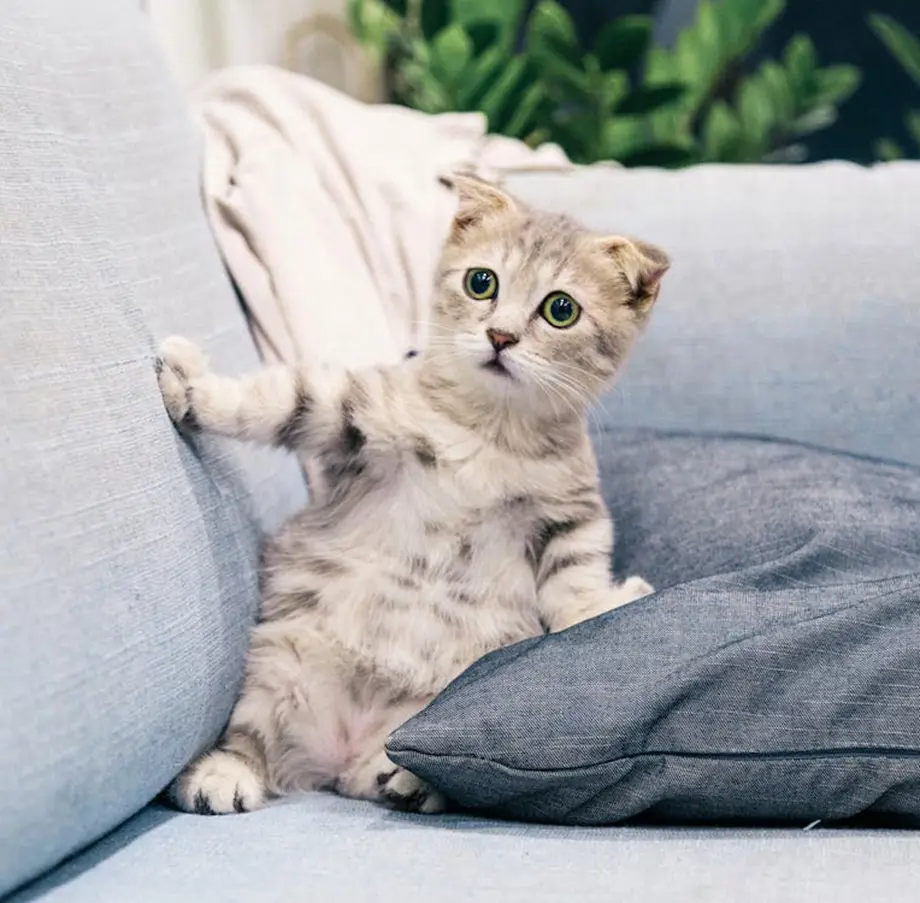
Cats may also bite you due to jealousy. Just like human beings cats will get jealous if they feel they are deprived of a lot of attention. So even when a new person or pet makes an entry into a home a cat may result in biting as a way of claiming some attention that it feels it has lost.
For instance, if you bring a new pet into the home environment, your cat might suddenly act out of character by biting. They may begin to feel that they no longer get your attention as they may have in their earlier years so that may be their way of acting upon it to get your attention back upon them where they think it belongs.
15. Mimicking Other Animals
Imitation/Mimicking is another likely cause of biting in cats. Sometimes they see or hear other animals doing something, and then they will start doing the action since they have learned what other animals do. For instance, some of the other animals are at play or even when communicating with each other.
Perhaps your cat has seen a bird or some other beast outside that is acting, to a large degree, as an enticement for entry into playful behavior. Instinct with a risk of some playful biting as they try to become one with whatever they are watching in the exercise of hunting skills.
They can even imitate other animals' sounds. They act out and bite as if they are talking back to the world like they are talking back when they hear cats meowing or dogs barking. It's their way of voicing out and heading toward their instincts themselves.