

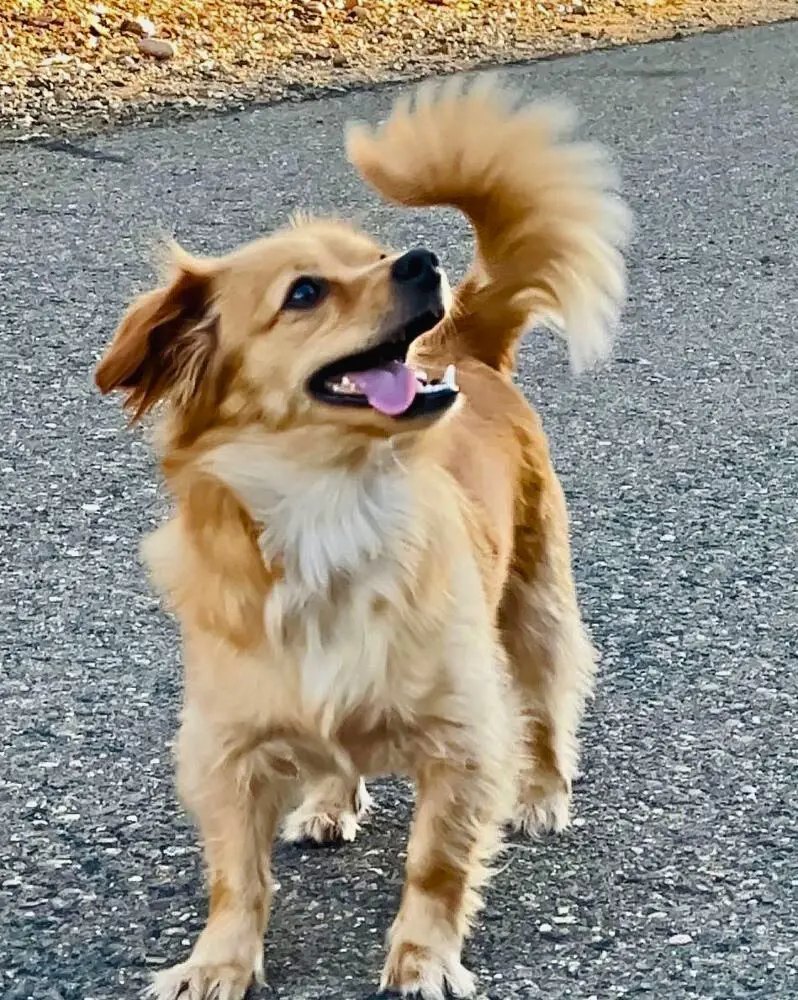
The tail-wagging behavior of dogs is usually associated with happiness or positive emotion. It often goes unnoticed that dogs don't always follow the same pattern of wagging and use this reaction to convey a series of physical or mental states.
In addition to their vocalization ability, dogs also employ various non-verbal methods to communicate. Among these, tail-wagging is considered an effective means to share both positive and negative emotions through this technique.
1. Happiness
When a dog is happy, it often wags its tail vigorously. This behavior is both a physical and psychological reaction. Physically, the wagging tail is controlled by muscles at the base of the tail and spine, responding to signals from the dog's brain.
On the other hand, a happy dog also triggers tail-wagging behavior by releasing neurotransmitters like dopamine, which contribute to feelings of pleasure and excitement. However, not all dogs wag their tails when they are happy. Some dogs might show their happiness through other behaviors, such as jumping, licking, or vocalizing. Factors like breed, individual personality, and past experiences can influence how a dog expresses its emotions.
For instance, certain breeds have naturally short or curly tails, making their tail wagging less noticeable. Additionally, dogs that have experienced trauma or neglect may exhibit more subdued signs of happiness. Therefore, while tail wagging is a common indicator of a happy dog, it is not the sole way they express joy.
2. Excitement
Dogs wag their tails in excitement as a way to express their emotions. This reaction is often a result of heightened arousal and energy. It is usually caused by positive stimuli such as seeing their owner, anticipating playtime, or encountering another friendly dog.
The physical act of tail wagging is a response to the emotional surge in the dog's brain, which sends signals to the muscles at the base of the tail. To determine if a dog is wagging its tail in excitement, observe the speed and manner of the wagging. Excited tail wags are usually fast and vigorous, often involving the entire body in a joyful, wiggly motion.
Likewise, an excited dog may show diverse signs like barking in a high-pitched tone or having an open-mouthed expression.
3. Friendly Greeting
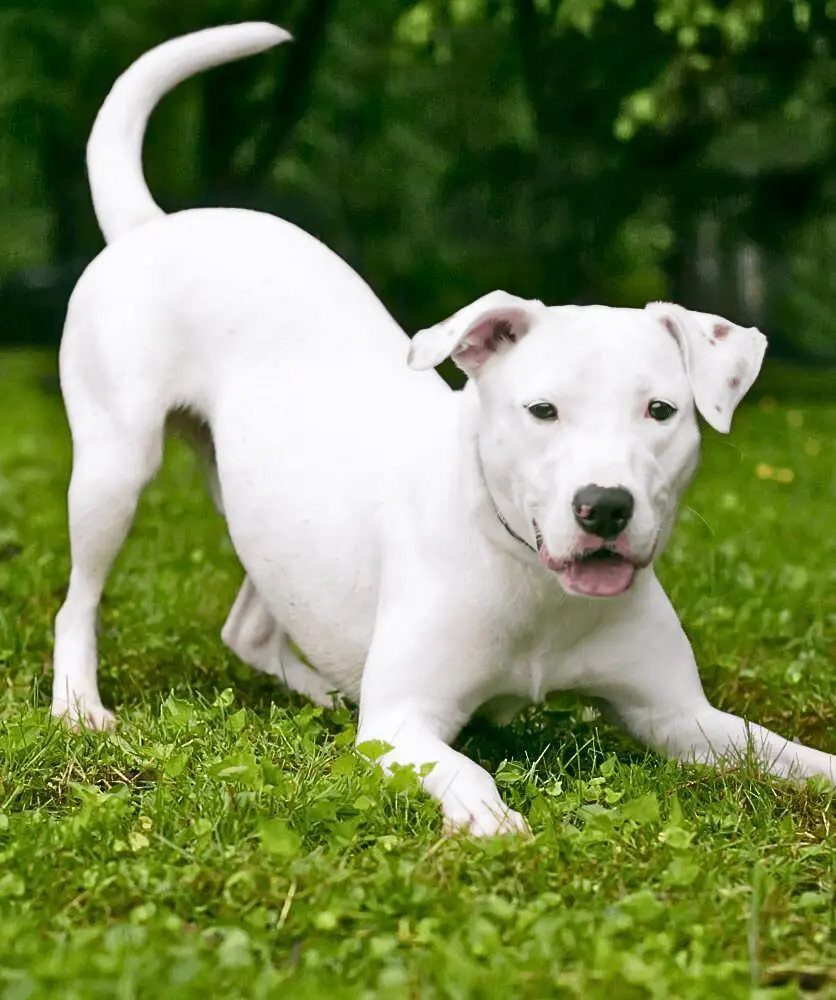
Dogs are affectionate creatures that love to showcase their love for humans. They often shake their tails to greet their owners and family members. It is a natural and instinctive response, stemming from their social nature and desire to bond with their human companions. When a dog sees someone they love, the emotional response triggers the brain to move their tails.
Moreover, tail-wagging is not compulsive in dogs but rather a voluntary, expressive action. While it is an ingrained and automatic response to happiness and excitement, it is not done compulsively or out of habit. Instead, it is a genuine display of joy and sociability, reinforcing the bond between the dog and its family.
4. Affection
When dogs feel affectionate towards their owners or other animals, they often express this through tail wagging. This behavior signals friendliness, excitement, and a desire for social interaction. Tail wagging, combined with other body language cues, helps dogs convey their emotions and intentions clearly.
Not all dogs swing their tails to show affection, as individual personalities and breed characteristics can influence their behavior. For instance, some dogs may show affection through licking, leaning against you, or following you around instead. Observe the context and accompanying behaviors to know if your dog is affectionately wagging their tails. A dog showing affection will usually have a relaxed body posture, a soft facial expression, and may also seek physical contact or initiate play.
Have you noticed how your dog greets you with a wagging tail when you come home? That’s a strong indicator of affection!
5. Curiosity
Curious by nature, canines are driven by their keen senses and inquisitive minds. They love to explore their environment, sniff out new scents, and investigate unfamiliar objects or sounds. Their curiosity is a fundamental aspect of their behavior, helping them learn and adapt to their surroundings.
When dogs are curious, they often swing their tails as part of their investigative behavior. Tail wagging in this context is usually slower and more deliberate compared to the rapid wagging seen in excitement or affection. The wagging tail serves as an indicator of their alertness and interest, signaling their readiness to engage with whatever has caught their attention.
You might have witness your pet tilting its head and wagging its tail while exploring something new. These actions imply that the dog's curiosity has been piqued.
6. Playfulness
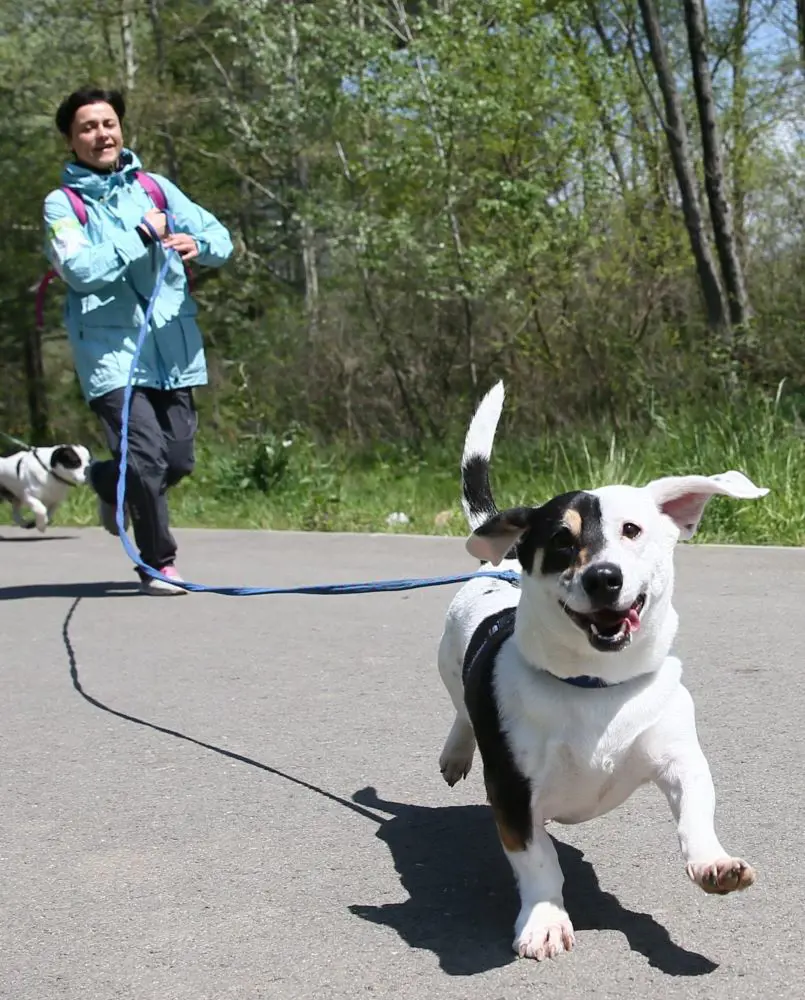
Playfulness is a major cause of a dog wagging its tail. A playful tail wag is usually fast and broad; it involves the whole rear end and often creates a wiggling motion. The tail is typically held at a mid-level height, not too high or low, indicating the dog's relaxed and happy state.
Additionally, you should also observe the dog's overall body language. A playful dog often displays a "play bow," where the front legs are stretched forward and the rear end is up. Their eyes will be bright and focused along with an open mouth, resembling a smile. Playful dogs may also bark in a high-pitched, friendly manner, and they may bounce or jump around with an eager, inviting energy.
7. Nervousness
Unlike the wagging associated with happiness or playfulness, a nervous tail wag is often slower and more tentative. The tail might be held lower than usual, sometimes even tucked between the legs to indicate anxiety or unease.
Several factors can make dogs nervous, including unfamiliar environments, loud noises, new people or animals, and previous negative experiences. They may also become anxious due to changes in their routine or separation from their owners.
To calm a nervous dog, provide a safe and comforting environment. Speak to them in a soothing, gentle tone and offer physical comfort through petting or holding them. Distracting them with their favorite toys or treats can also help. Their anxiety can also be soothed by creating a quiet, secure space for these pooches to retreat when they feel overwhelmed.
8. Submission
Dogs have a naturally submissive side, an instinct rooted in their pack mentality and social hierarchy. Submissive behavior is a way for dogs to show respect and non-aggression to more dominant individuals, whether human or canine.
A submissive dog typically wags its tail low and slow, often accompanied by other body language signals that indicate its intent to avoid conflict.
Similarly, pups display diverse signs to communicate their submission, including lowering their bodies or rolling onto their backs. Submissive dogs might also avoid direct eye contact, flatten their ears against their heads, and expose their belly. They may even lick the other dog's muzzle or the person's hand as a gesture of appeasement.
9. Greeting Other Dogs
Tail-wagging is occasionally used by dogs as a non-verbal request to socialize and play with other dogs. The shaking motion helps convey their eagerness and positive emotions, indicating they’re happy to meet and interact.
A pet owner should be able to tell whether their dog is swing its tail as a friendly gesture or as a form of aggressiveness. Friendly dogs typically wag their tails with a relaxed, wiggly motion and maintain a loose, non-threatening posture. They may also lower their front end and elevant their rear end.
In contrast, when a dog is aggressive, the tail is usually high and stiff, whereas the wagging can be slow and deliberate. The tail movement can signal a warning or a challenge rather than friendliness. Other aggressive signs might include bared teeth, a rigid body posture, and a fixed stare.
10. Attention-Seeking

Dogs moving their tails to seek attention is a a natural and instinctive response. When dogs wag their tails while approaching someone, they are signaling their eagerness for engagement, whether it’s playtime, petting, or simply companionship.
Normally, when dogs are seeking attention, they might also exhibit other behaviors such as pawing at you, nudging you with their nose, or following you around. They often wag their tails vigorously, showing their excitement and anticipation.
11. Relaxation
Dogs are known to gently shake their hind parts when they are relaxed. It normally involves slow, easy movements and reflects their contentment and ease. It’s a sign that the dog feels secure and comfortable in their environment.
However, not all dogs showcase this pattern. Factors like breed, individual personality, and past experiences can influence tail-wagging behavior. Some dogs with naturally shorter or curled tails may not show noticeable tail wagging. Additionally, dogs that have experienced trauma or anxiety might have subdued or altered tail movements.
As a dog parent, you are responsible for providing your dog with a relaxing and stress-free home. Always make sure they have a comfortable personal spot for resting and retreating when needed. Provide consistent routines, offer mental and physical stimulation through toys and activities, and maintain a calm atmosphere.
12. Anticipation of a Treat
When expecting a treat or reward, dogs may eagerly wag their tails. This behavior is a way for them to express their enthusiasm about the upcoming reward, whether it’s a treat, praise, or playtime. While food is a common motivator, dogs can also wag their tails in anticipation of other rewards, like a favorite toy or a fun game.
Dogs are often trained to perform tricks in exchange for a treat. Use a high-value treatment to capture their attention and motivation. Begin by showing the treat and giving the command, rewarding your dog immediately when they perform the desired action. Repeat the process, gradually reducing the frequency of treats as your dog learns the trick.
13. Affection for a Favorite Person
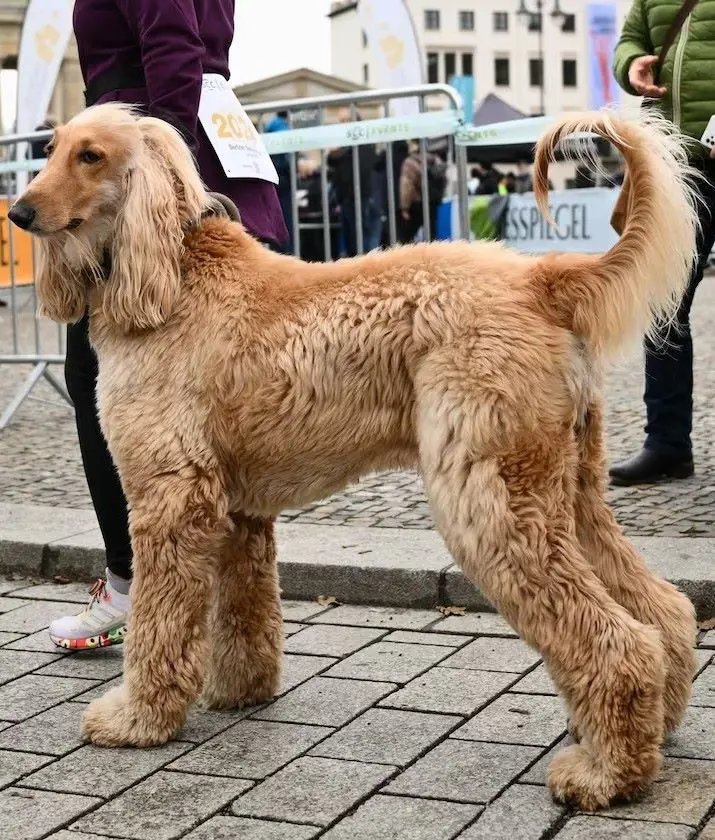
Did you know that dogs tend to have a favorite person in their family? Canines express their gratitude to someone who provides them with the most attention, care, and positive experiences by placing them higher than other family members.
If you are your dog's favorite person, you’ll notice they are happiest and most relaxed around you. They may follow you around, seek your attention frequently, and get excited when you come home. Similarly, if your pet greets you with an enthusiastic tail wag and sticks close by your side, it’s a good sign that you are their favorite.
When dogs are with their favorite person, they might wiggle their tails vigorously as a sign of affection and joy. This tail-wagging is a physical manifestation of their happiness and comfort in your presence. The bond you share is reinforced through consistent interaction, playtime, and positive reinforcement.
14. Following Commands
Dogs might also swing their tails when they are engaged in following commands. After performing a task correctly and receiving a reward, the tail wagging indicates their satisfaction. This action is a form of communication, showing their enjoyment of the interaction.
Tail waging in this context can be both a conscious and non-voluntary response. While dogs may not actively decide to wag their tails, the motion is triggered by their brain's response to positive stimuli and emotions. Thus, the wagging is a natural outcome of their happiness and anticipation.
Next time you give your dog a command, check how it wags its tail. This is a heartwarming reminder of their loyalty and desire to connect with you.
15. Pain or Discomfort
Dogs might move their back ends even when they’re in pain or discomfort, though the tail movement may not be as energetic or joyful. Tail wagging in these situations can be a subconscious response, where the dog’s natural instinct to wag their tail persists despite their discomfort.
To determine the symptoms are caused by pain and not due to excitment, look for other signs of distress. When in pain, a dog’s tail wagging may be slower, more erratic, or less pronounced. Accompanying signs of discomfort include a hunched posture, reluctance to move, whimpering, or sensitivity when touched. Their overall body language may appear tense or withdrawn.
If you notice these symptoms along with tail wagging, it's crucial to consult a veterinarian to address any potential health issues.