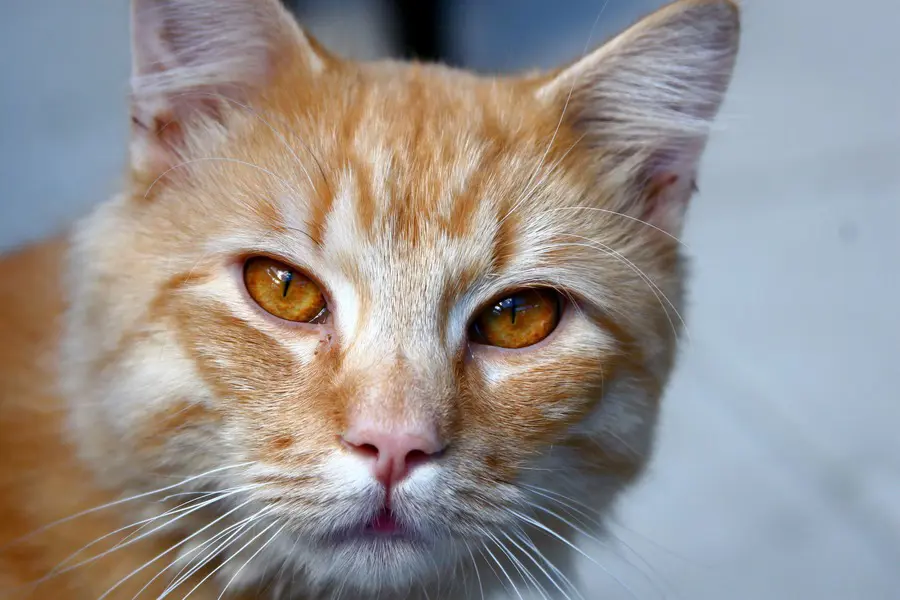


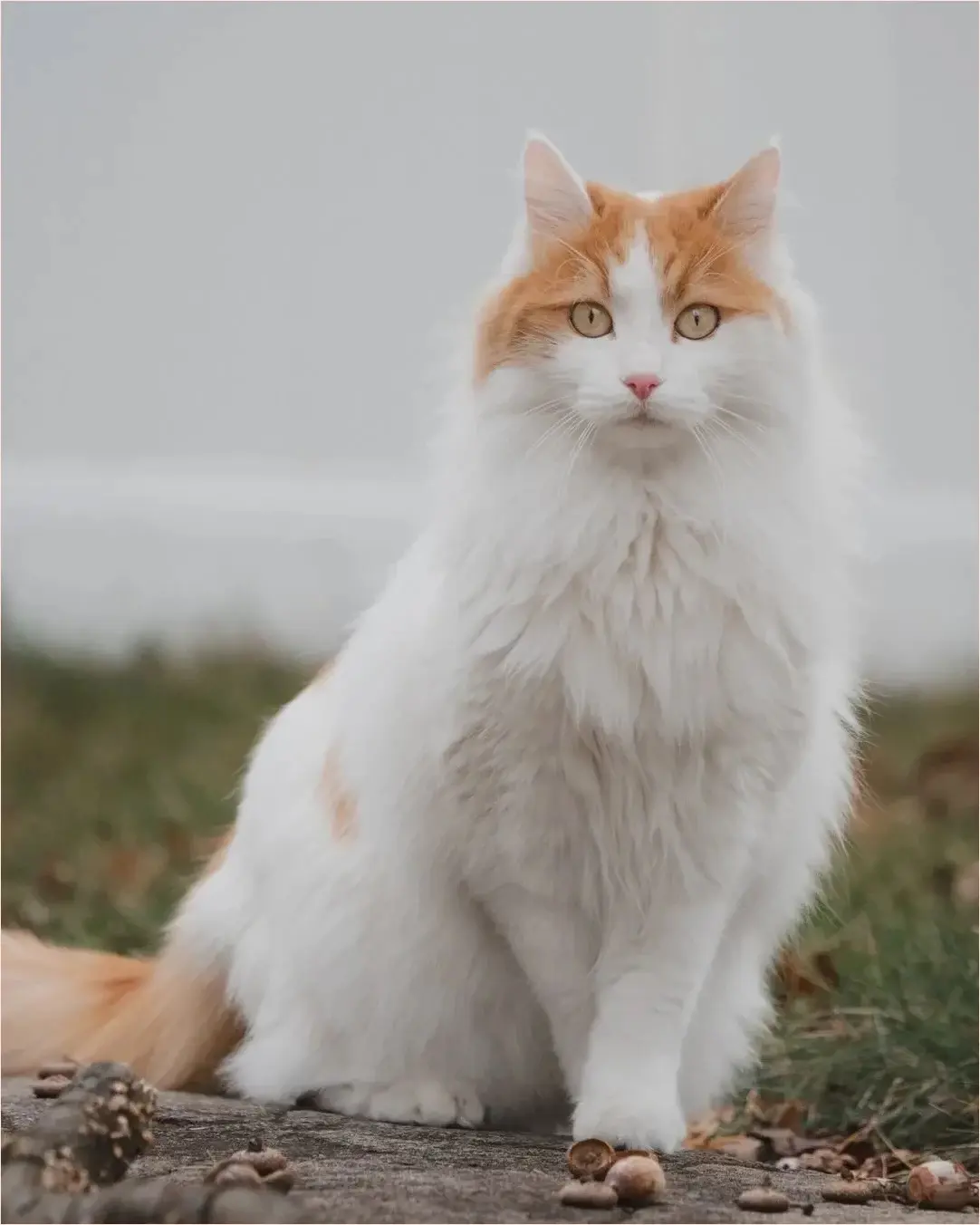
The Turkish Van cat is named after the region where it is believed to have originated - the Lake Van region in Turkey. This breed is also known as the "Turkish Van" or simply the "Van cat."
One of the most distinctive features of the Turkish Van cat is its exceptional beauty and striking appearance, which is mainly due to its van pattern coat and beautiful colored eyes.
In addition to their arresting looks, we will help you discover more about Turkish Van cats' engaging characteristics, making them a beloved addition to any cat lover's home.
Quick Facts
Origin: Lake Van region of Turkey
Size: Large
Weight: 4.5 to 8 kg
Color: White with marks on the head and tail
Lifespan: 13 to 17 years
History Of Turkish Van Cat
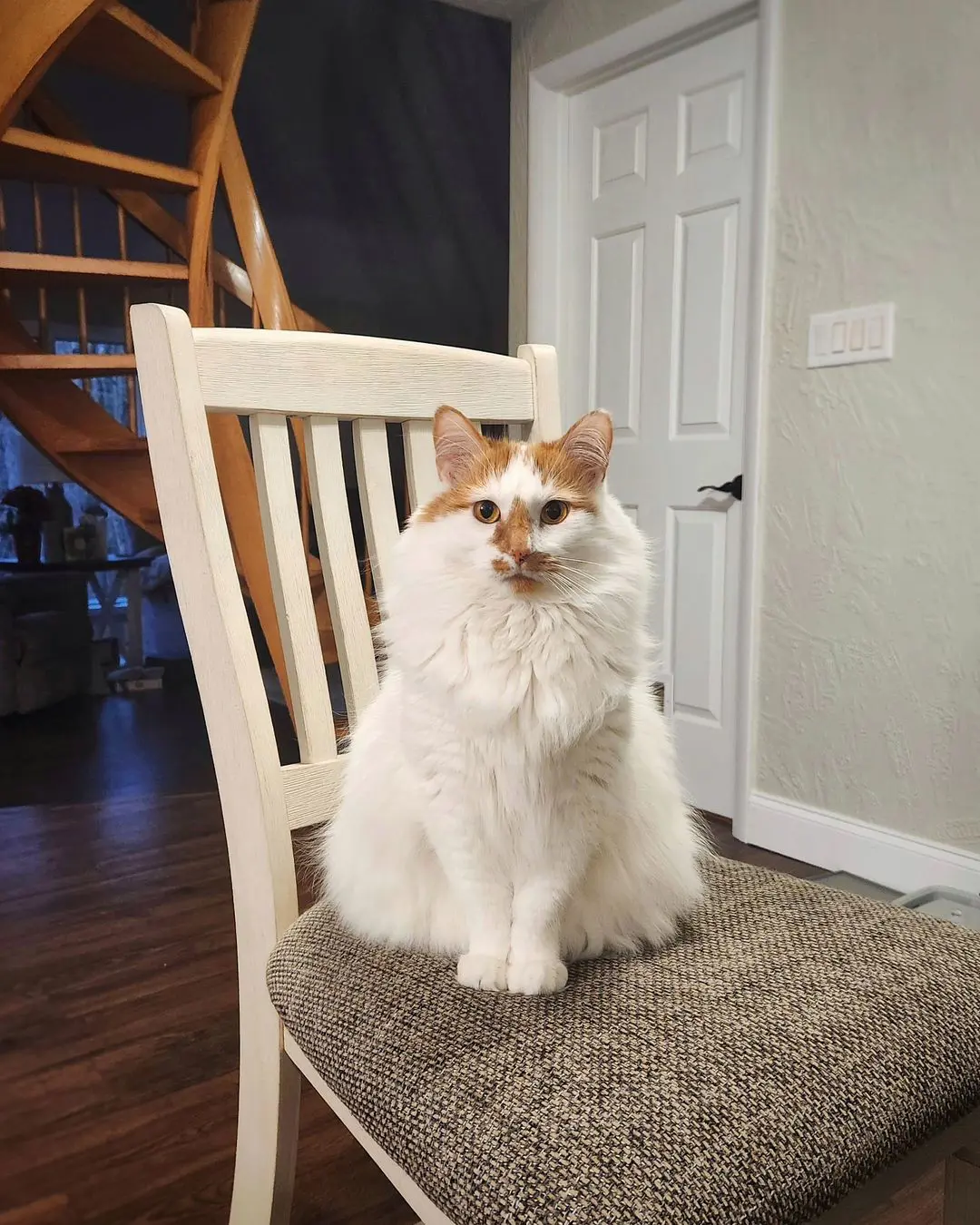
The Turkish Van is considered one of the oldest domestic cat breeds. Its history can be traced back to the areas around Lake Van, a region in Eastern Turkey with a rich cultural and historical background.
The Lake Van region has a diverse climate, including hot summers and cold winters. The cats in this region adapted to these environmental conditions, developing features like a semi-longhair coat for protection against harsh weather conditions.
Turkish Vans gained international attention when they were introduced to Europe in the 1950s. Turkish Vans were later exported to the United States, where they continued to gain popularity. Today, the Turkish Van is appreciated worldwide and considered a relatively rare breed.
Appearance Of Turkish Van Cat
The Turkish Van cat is widely praised and sought after for its truly distinctive appearance. Here are the key aspects of the Turkish Van's appearance:
Van Pattern
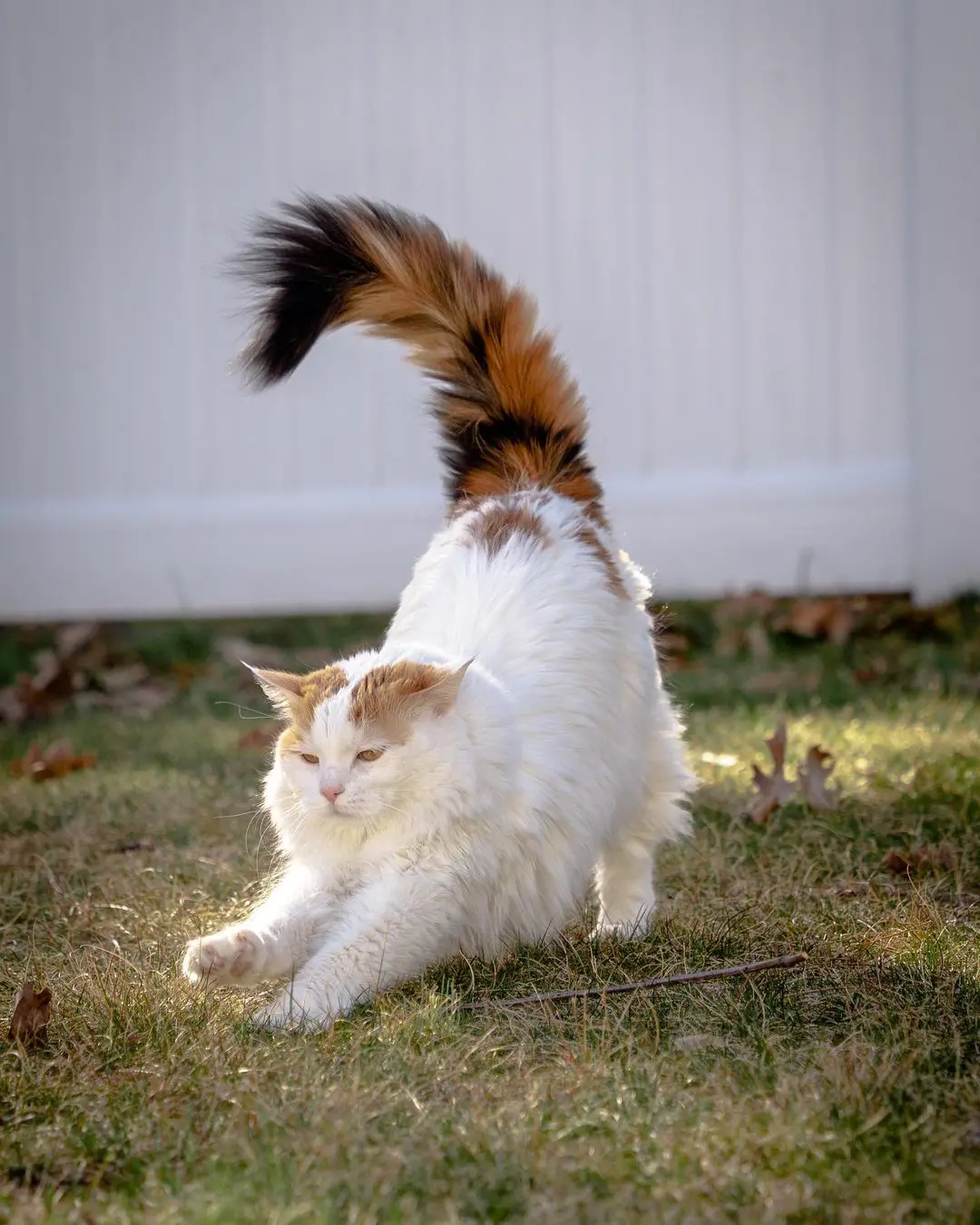
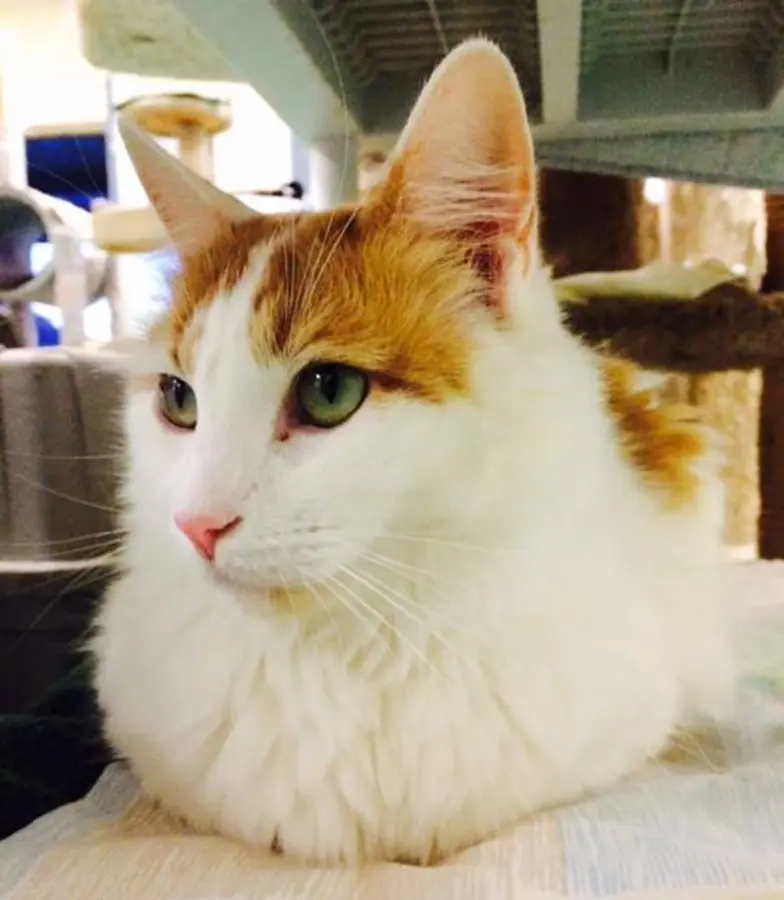
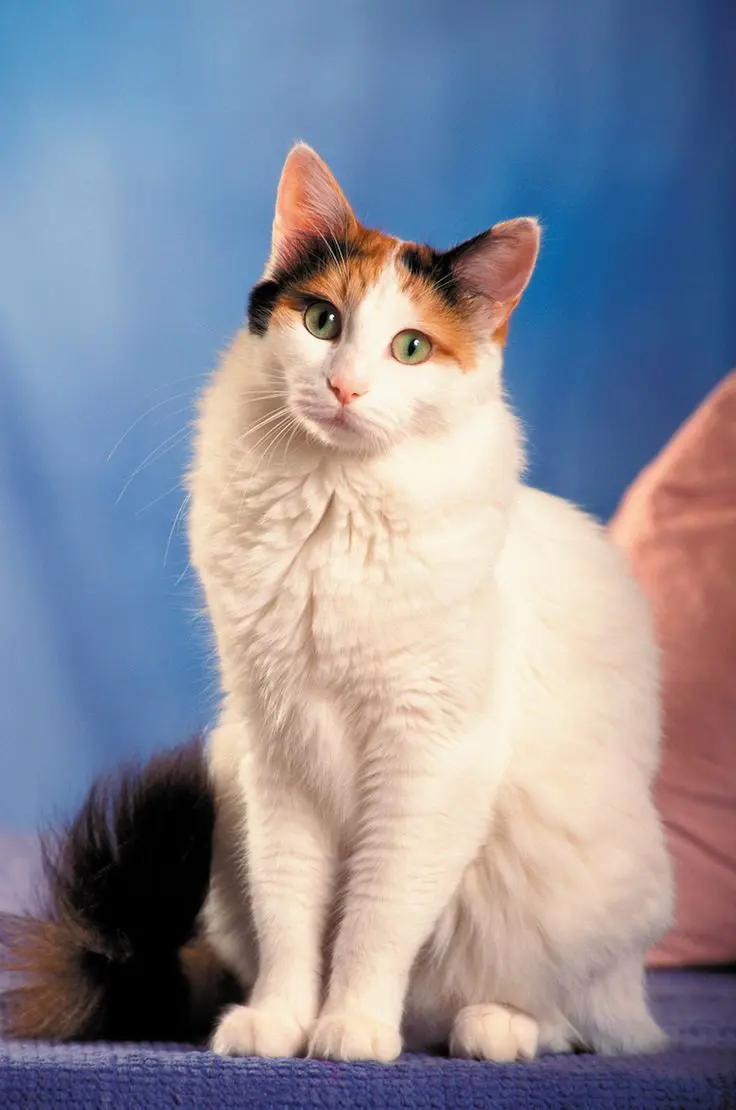
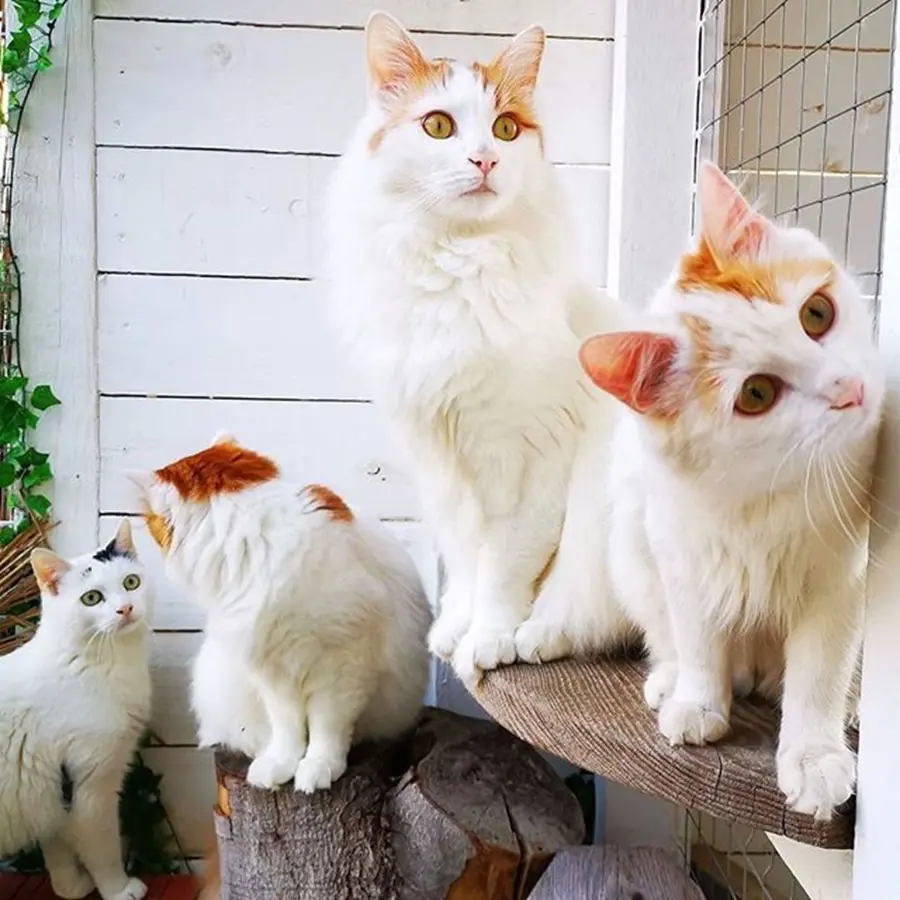
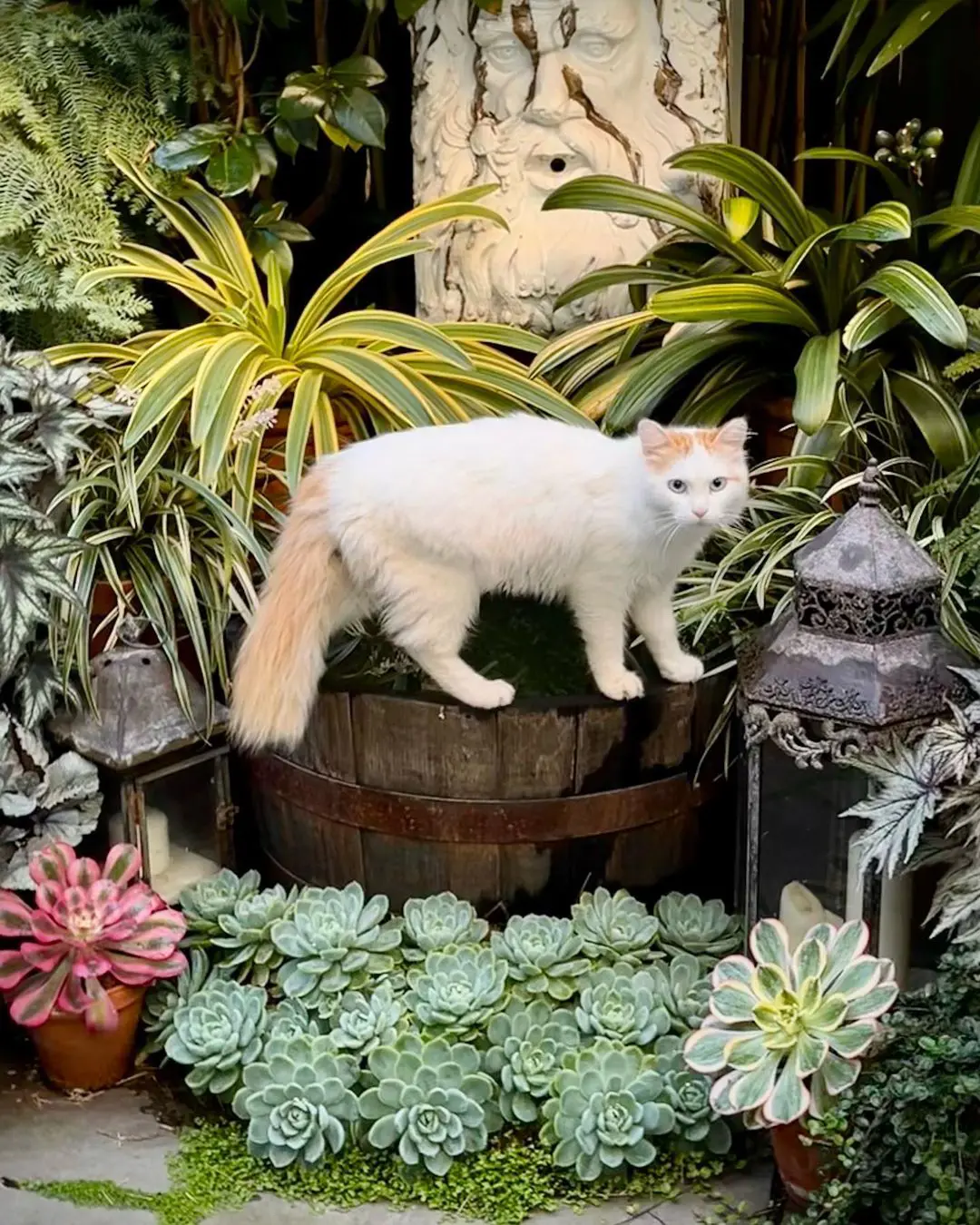
The Van pattern is a distinctive coat pattern that is a defining feature of the Turkish Van cat breed. This unique and visually striking pattern sets the Turkish Van apart from many other cat breeds. The Van pattern is characterized by a predominantly white coat with colored markings on the head and tail.
In a classic Van pattern, the cat's body is primarily white, with the color extending over the back and sides. The colored markings are typically concentrated on the cat's head and the base of the tail. Not to be confused with the Turkish Angora breed, VCA Animal Hospital states that the distinctive markings are absent around the eyes in Angora.
The patches are commonly brown or red, creating a vibrant contrast against the white background. However, other colors, such as cream or black, can also be used.
Almond-shaped, Odd-colored eyes
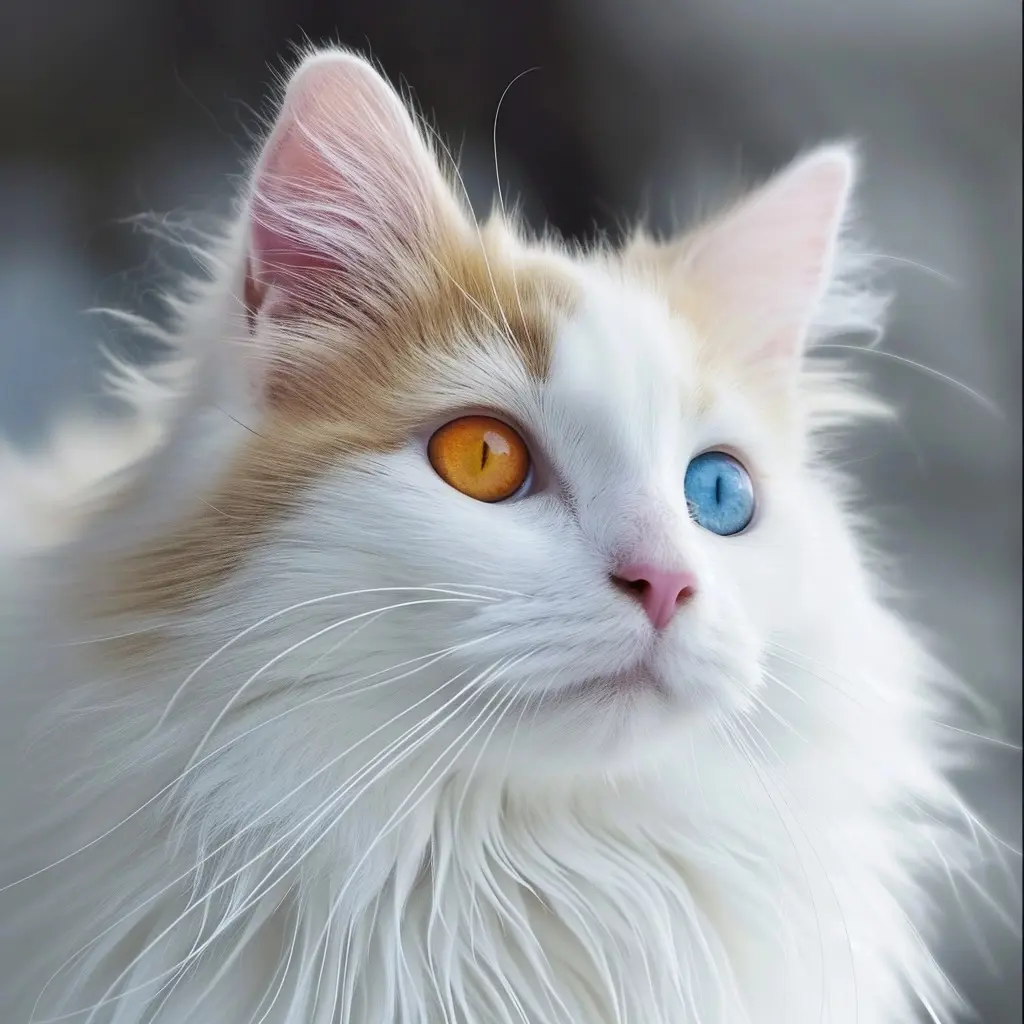
The eyes of the Turkish Van are one of its most striking features. They are large, expressive, and almond-shaped. The shape of the eyes enhances the breed's overall facial symmetry and elegance.
Most Turkish Vans have amber-colored eyes, and few have blue eyes. These colors complement the breed's coat and markings with a pronounced color contrast.
Some Turkish Vans may exhibit odd-colored eyes, a fascinating genetic trait known as heterochromia. This can result in striking combinations such as one amber eye and one blue eye, adding a unique and captivating element to the cat's appearance.
Silky Coat and Plume Tail
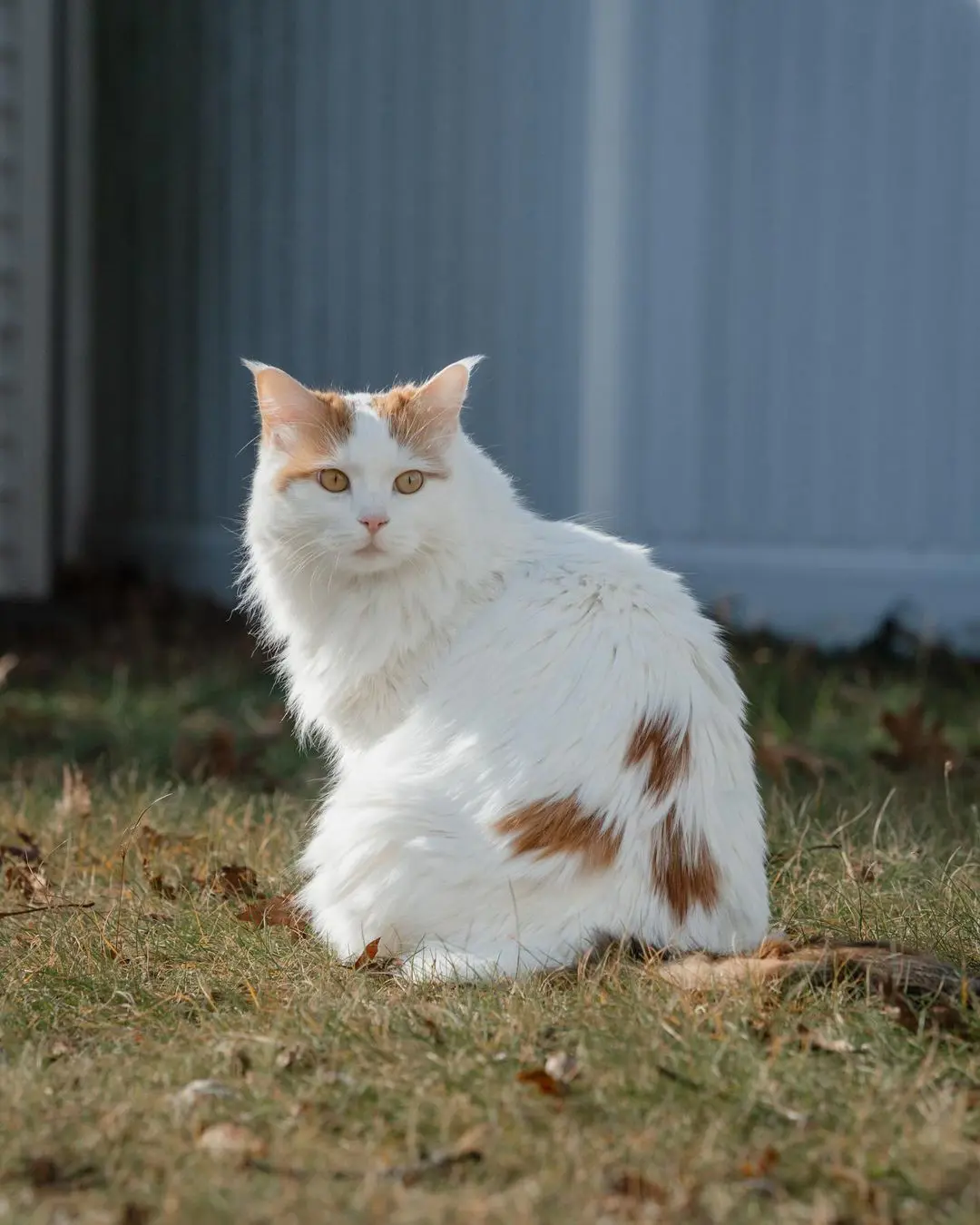
The Turkish Van cat's coat length and texture contribute significantly to its unique and luxurious appearance. This breed is characterized by a soft, silky, semi-longhair coat that lacks an undercoat. The fur is exceptionally plush and smooth, giving the cat an elegant and refined appearance.
The tail of the Turkish Van is a notable feature, often described as a plume. The tail fur is longer than the rest of the body, creating an elegant and flowing appearance. The plume-like tail adds to the overall beauty and grace of the cat.
Personality Traits Of Turkish Vans
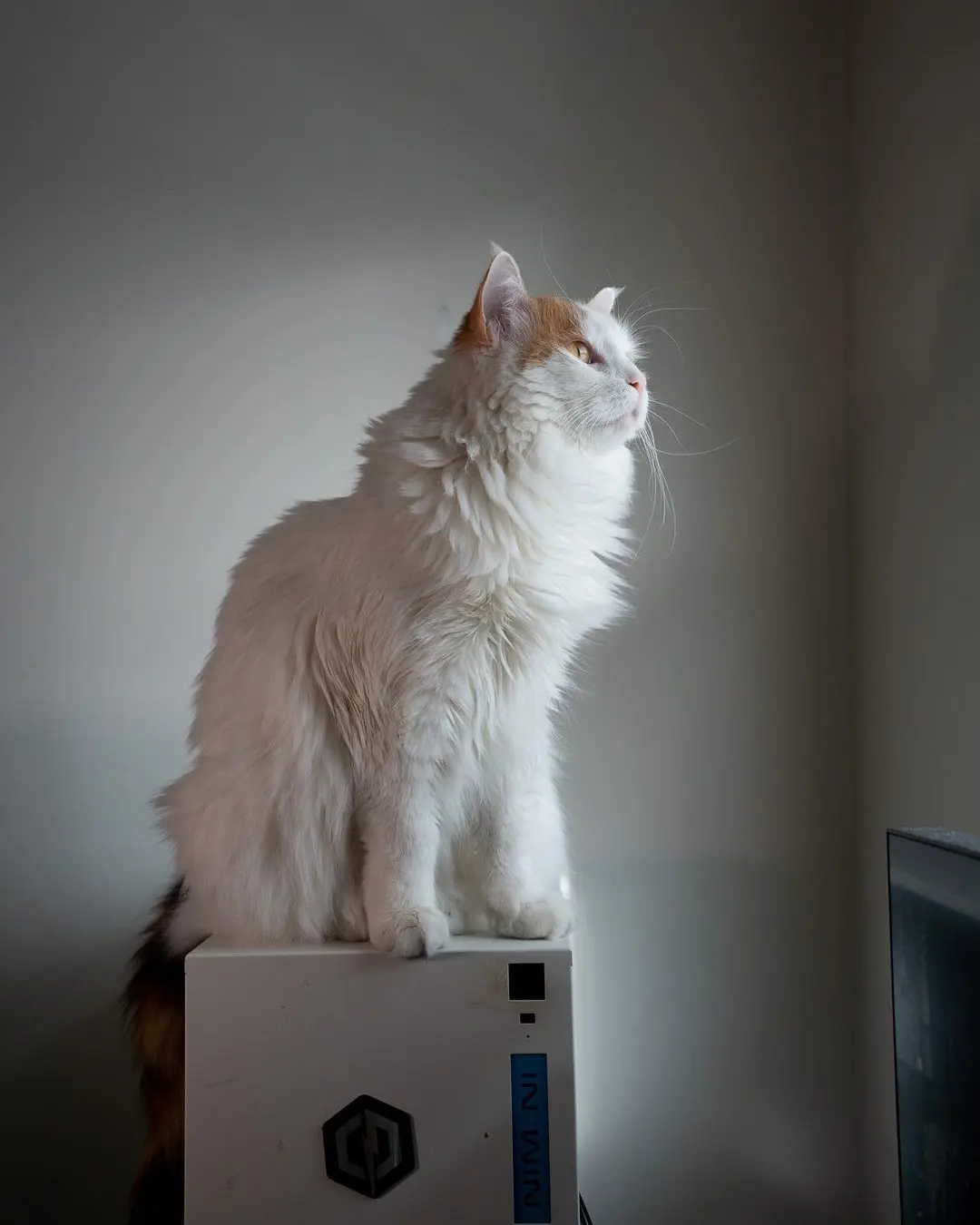
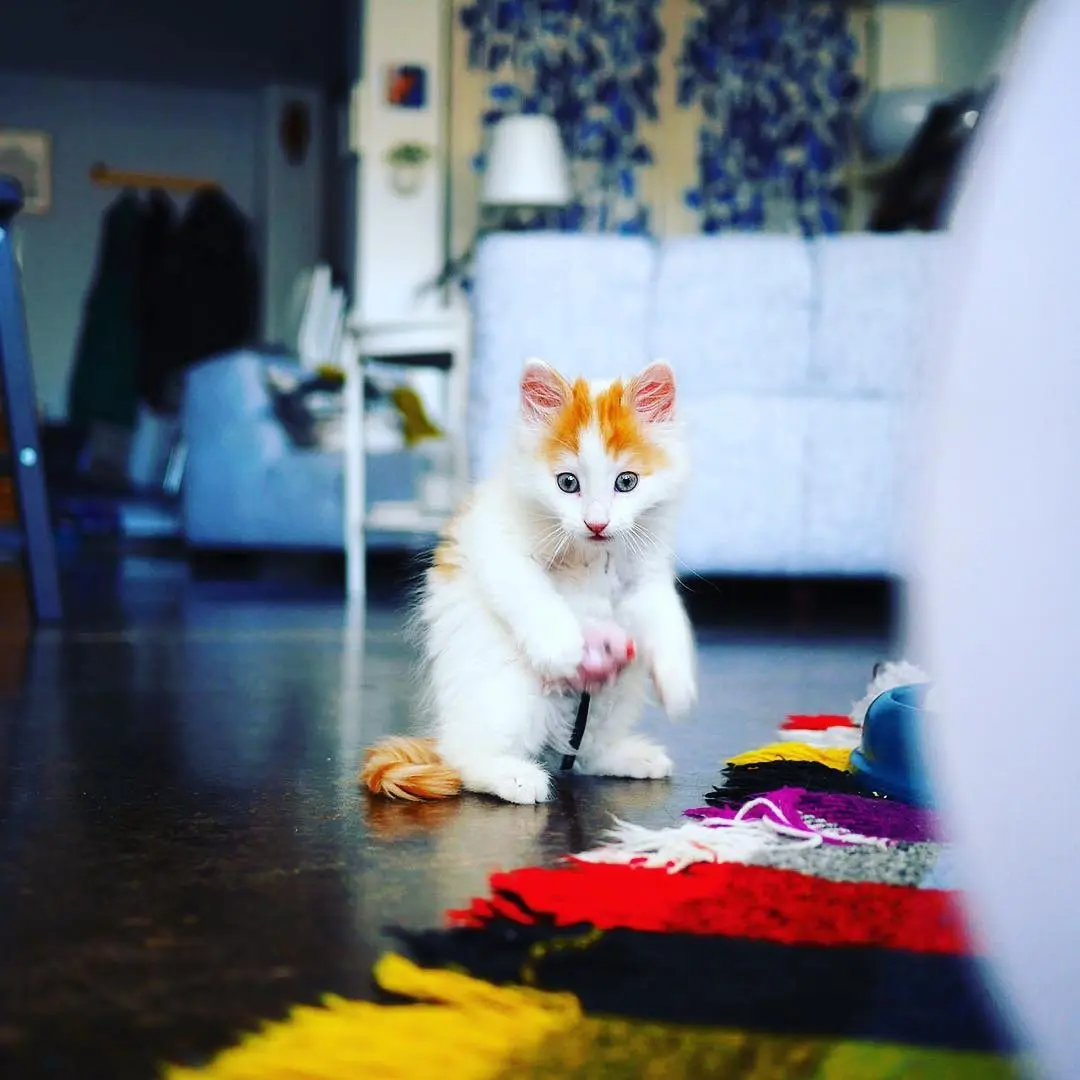
Turkish Van cats have some fantastic personality traits that make them stand out. First, they're super playful and energetic, always up for a game or interactive fun. They're also intelligent and curious, loving exploring and figuring things out.
Turkish Vans are not just playful; they're affectionate, too. They're good with kids and other pets, making them friendly and social. They like hanging out with their owners, following them around, and enjoying quality time together.
These cats are often agile and love to climb. Whether climbing furniture, shelves, or cat trees, Turkish Vans enjoy reaching higher vantage points. Plus, they have this interesting independent side, appreciating their own space sometimes.
Turkish Vans Love Water
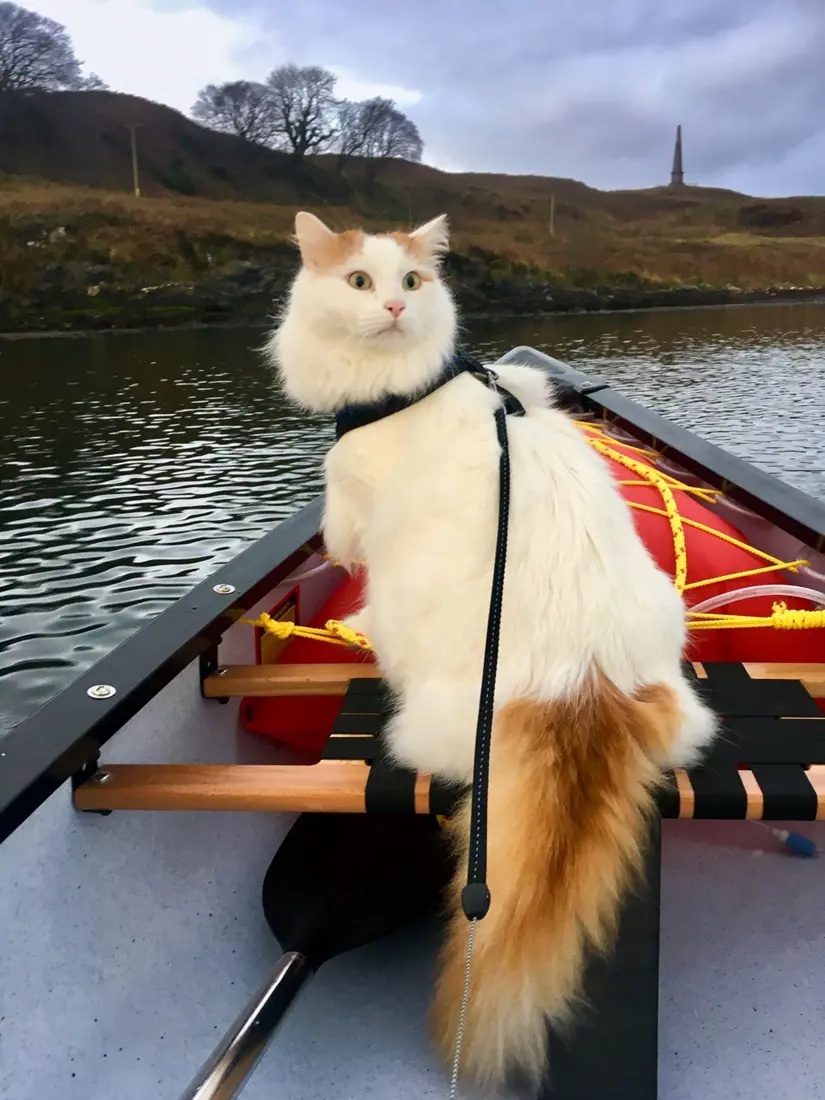
Turkish Vans are unusual among cat breeds for their love of water. This unique trait traces back to their historical roots around Lake Van in Turkey, where hot summers may have influenced their affinity for water.
Turkish Vans actively engage in playful interactions with water sources. Whether it's gleefully splashing in a water bowl, exhibiting their agility by pawing at droplets, or indulging in more adventurous endeavors like swimming, these water-loving cats display enthusiasm for aquatic environments.
Caring And Grooming Of Turkish Van Cat
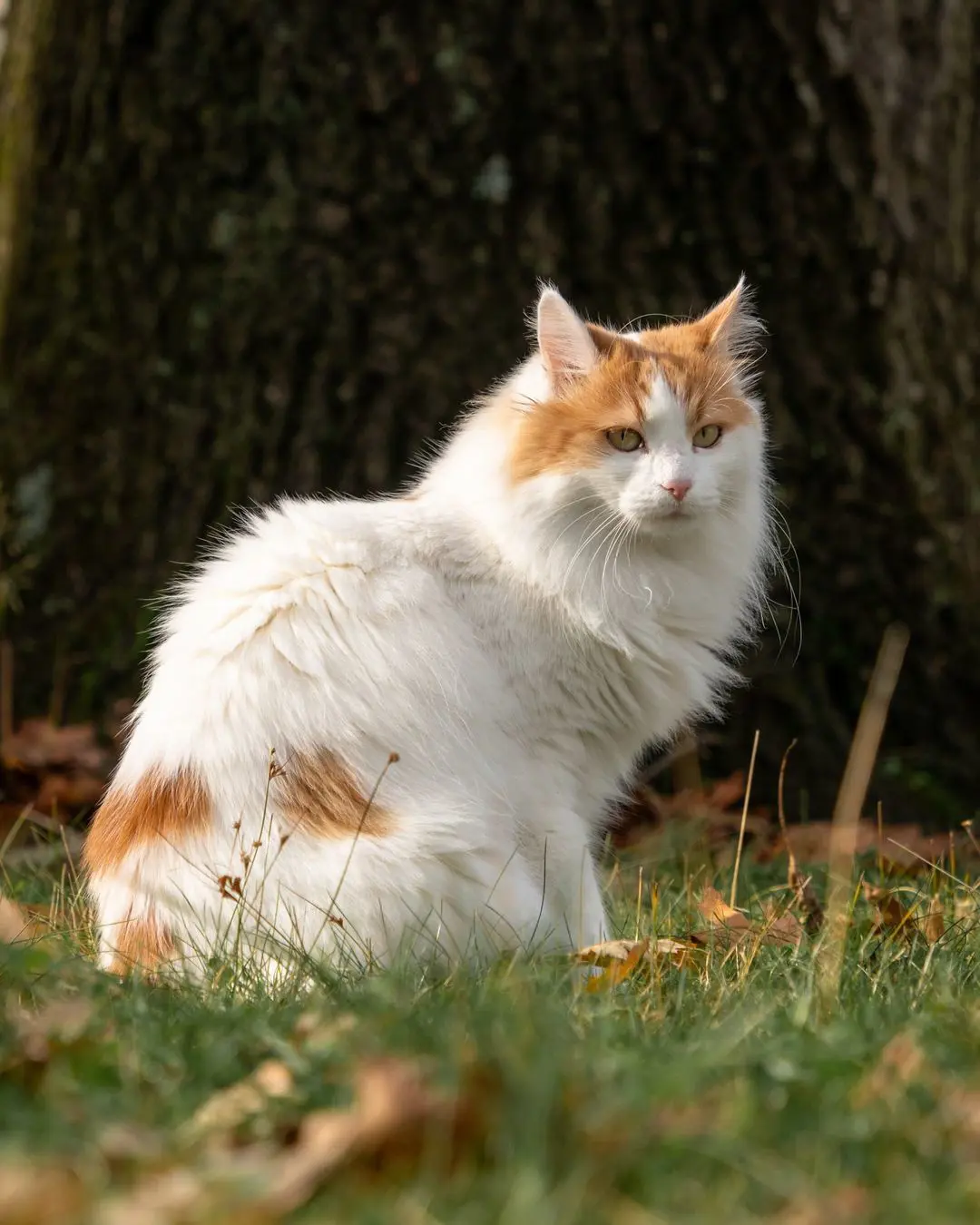
Coat Care: Due to their semi-longhair coat, Turkish Vans benefit from regular grooming to prevent matting and reduce shedding. Their fur should be brushed a few times weekly to remove loose hairs and prevent tangles.
Play and Exercise: Turkish Vans are known for their energetic and playful personalities. They love to climb, jump, and explore their surroundings, and their intelligence makes them well-suited for playing interactive games and doing other activities. So, providing them with a regular play and exercise routine is essential for their physical and mental well-being.
Dietary Need: As obligate carnivores, Turkish Vans need a diet rich in animal protein(chicken, fish, etc.) for strong muscles and energy. Healthy fats are the second most important to include in the diet to support their shiny coat. The need for carbs is, however, minimal.
Bathing: Turkish Vans have a semi-water-resistant coat, meaning they keep themselves clean well. Regular baths are unnecessary and can strip natural oils away from their fur. Cat wipes can be a convenient way to clean up minor dirt or stains.
Health Checkups: Turkish Vans are generally healthy cats, but regular checkups with your veterinarian are just as essential to identify potential health problems early on.
Litter Box Maintenance: A litter box large enough for your Turkish van must be placed in a quiet, easily accessible location away from your cat's food and water bowls.
Lifespan And Longevity
On average, Turkish Vans can live between 13 to 17 years or even longer with proper care. As with any cat, individual factors such as genetics, overall health, diet, and living conditions play significant roles in determining their lifespan. Here are some factors to consider that will help your Van cat to live a long and healthy life:
- Please provide them with a high-quality diet appropriate for their age and activity level.
- Make sure they have plenty of opportunities to exercise and play.
- Take them to the veterinarian for regular checkups and preventive care.
- Provide supervision when they have access to water.
Possible Health Issues Of Turkish Van Cats
While Turkish Van cats are generally considered healthy, there are some health conditions they may be more prone to than others. Here are some common ones to watch for:
-
Elevated Liver Enzymes: This seems to be a recurring issue in Turkish Vans insurance claims. It's important to note that elevated liver enzymes can indicate various underlying conditions, so consulting a veterinarian for a proper diagnosis is crucial.
-
Respiratory Issues: Like common colds in humans, Turkish Vans can experience respiratory infections. Symptoms like coughing, sneezing, congestion, and fever can indicate this. Early detection and treatment by a vet are essential.
-
Cancer: Cancer is a concern for many breeds, including Turkish Vans. Regular checkups at the vet can help with early detection and increase the chances of successful treatment.
- Bacterial and Viral Infections: Turkish Van cats, like all cats, are susceptible to various bacterial and viral infections. The good news is that many of these infections are preventable through vaccination.
Pros And Cons Of Having a Turkish Van Cat
Turkish Vans are beautiful, intelligent, and playful cats with unique personalities. Here's a breakdown of the pros and cons of welcoming a Turkish Van into your home:
Pros:
- Striking Appearance: With their stunning semi-longhaired coat and captivating eyes, Turkish Vans can make eye-catching pets.
- Affectionate and Loyal: While not always lap cats, Turkish Vans form strong bonds with their humans and enjoy affection on their terms.
- Playful and Energetic: Turkish Vans are known for their love of play and athletic abilities. They'll keep you entertained with their antics and provide companionship for active families.
- Relatively Low Maintenance Coat: Their medium-length coat requires regular brushing but not the extensive grooming some longhaired breeds need.
- Generally Healthy Breed: Turkish Vans are a healthy breed with a long lifespan.
Cons:
- High Energy Needs: Their playful and energetic nature requires many opportunities to climb, jump, and play.
- Not Lap Cats: While affectionate, Turkish Vans may not be cuddle bugs who enjoy lounging on your lap all day.
- Potential for Water Mischief: Water-loving nature may require a lot of supervision.
- Strong Hunting Instinct: These natural-born hunters may chase after smaller pets like birds or fish. Proper introduction and supervision are essential if you have other pets.
Where To Adopt/Buy Turkish Van Cat?
Adoption is a great way to give a loving home to a needy cat. Many Turkish Van cats are in shelters and rescues waiting for their forever families. Chewy, Turkish Van Rescue, and Petfinder are some sites that can help you find a Turkish Van cat to adopt.
Buying from a breeder is another option for finding a Turkish Van cat. However, choosing a reputable breeder who breeds healthy cats and cares for them properly is crucial. You can find authentic information in the Fanciers Breeder Referral List.