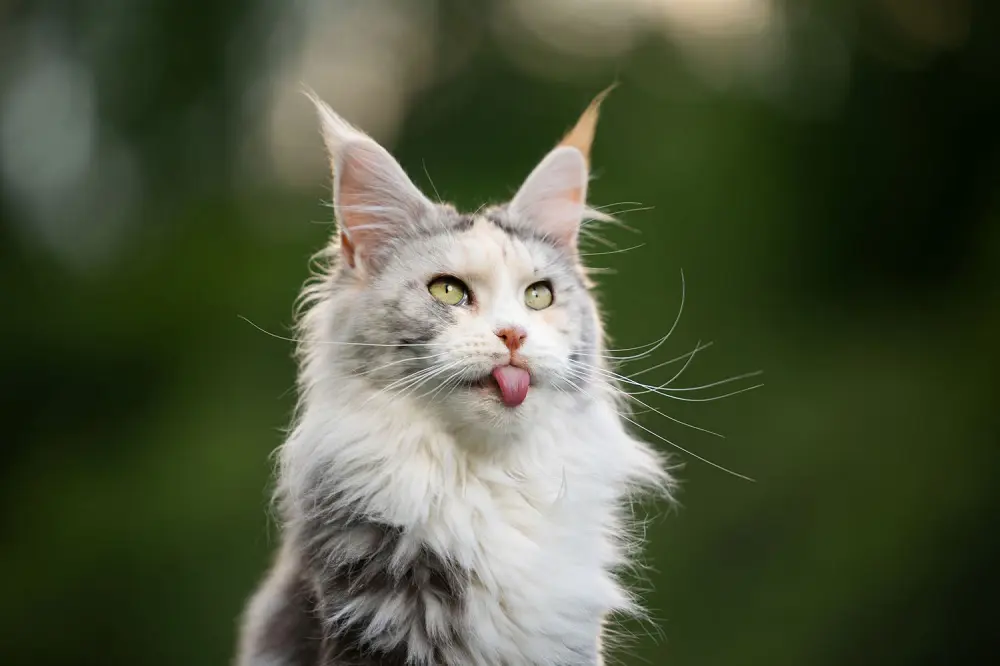


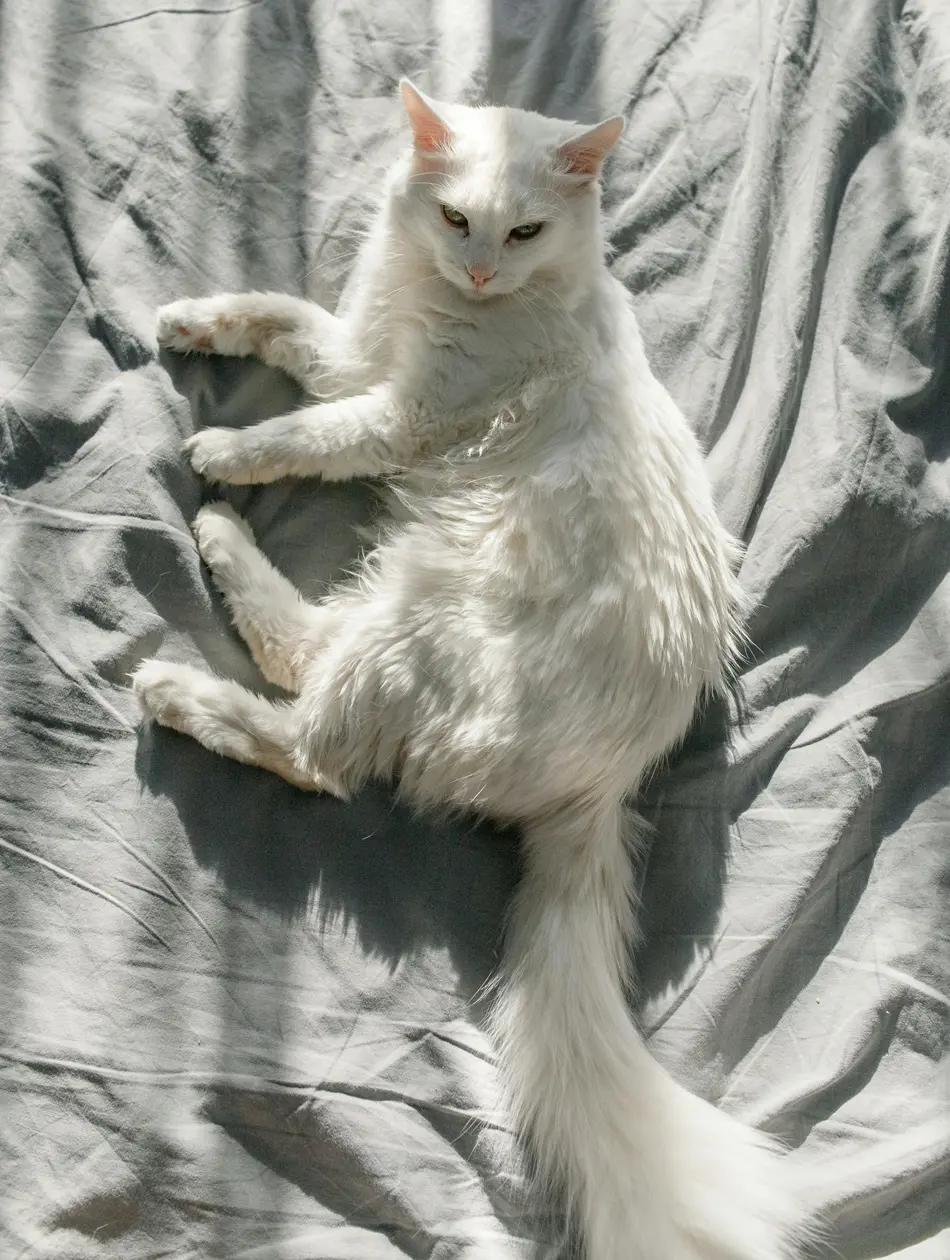
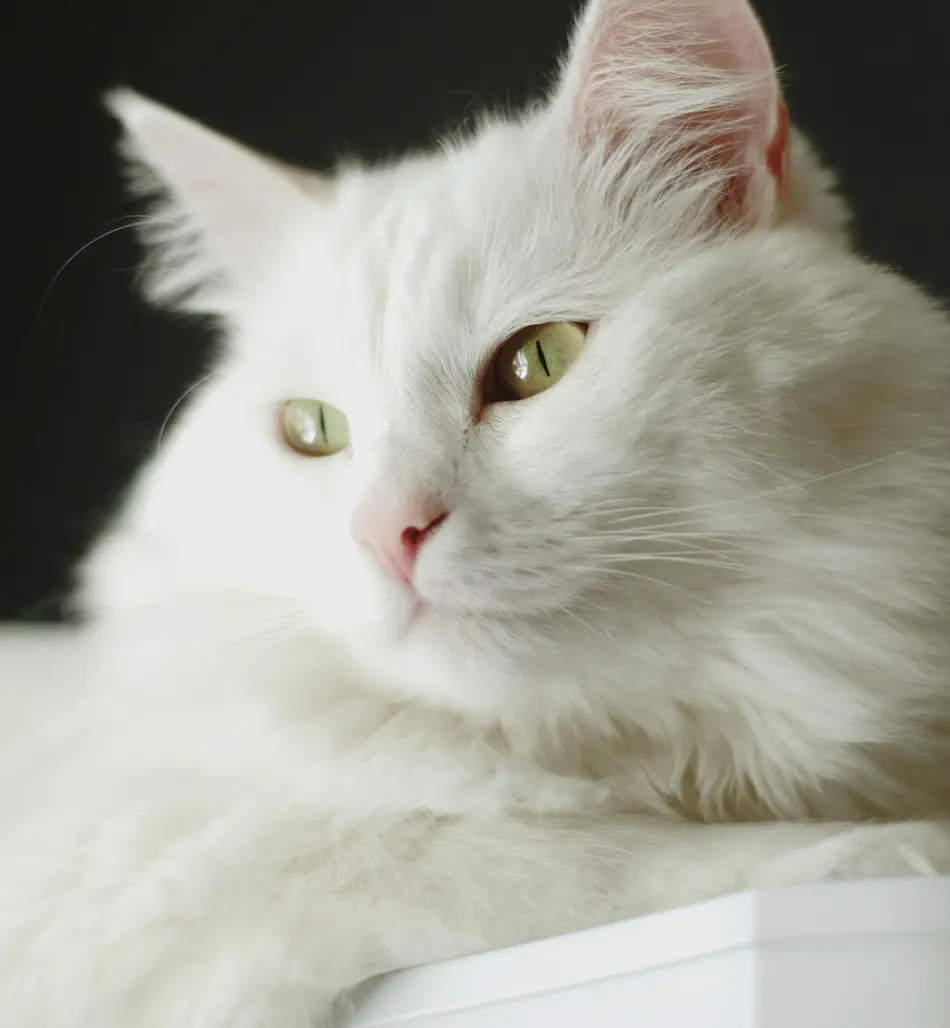
The silky coat and enchanting eyes of the Turkish Angora cat fascinate one and all in a very exquisite manner. They belong to an ancient breed known to be playful and affectionate, so they have been companions for a very long time.
Their gracefulness and intelligence make them interesting to observe and mix with hence, they grow up to be the stars in every home, and with captivating looks, they are way more energetic and can indeed bond with their human families.
They are aggressive in play but gentle, very nice pets for anybody who wants a loving and interactive feline companion and if you need a cat that will add beauty and happiness to your home, then the Turkish Angora will suit you perfectly.
Overview
- Other Name: Ankara cat
- Weight: Can reach a maximum of 9 pounds
- Height: 18 inches
- Coat Length: Extended hair
- Colors Of Coat: Lavender, chocolate, and white, patterns include Tabby, solid color, bicolor, Himalayan, calico, tortoiseshell, and colorpoint.
- Eye Color: Light blue, sapphire, emerald, green-gold, gold, amber, copper, or a combination of two colors.
- Duration of Life: Can last for up to 15 years
- Allergic: Yes
Characteristic And Traits
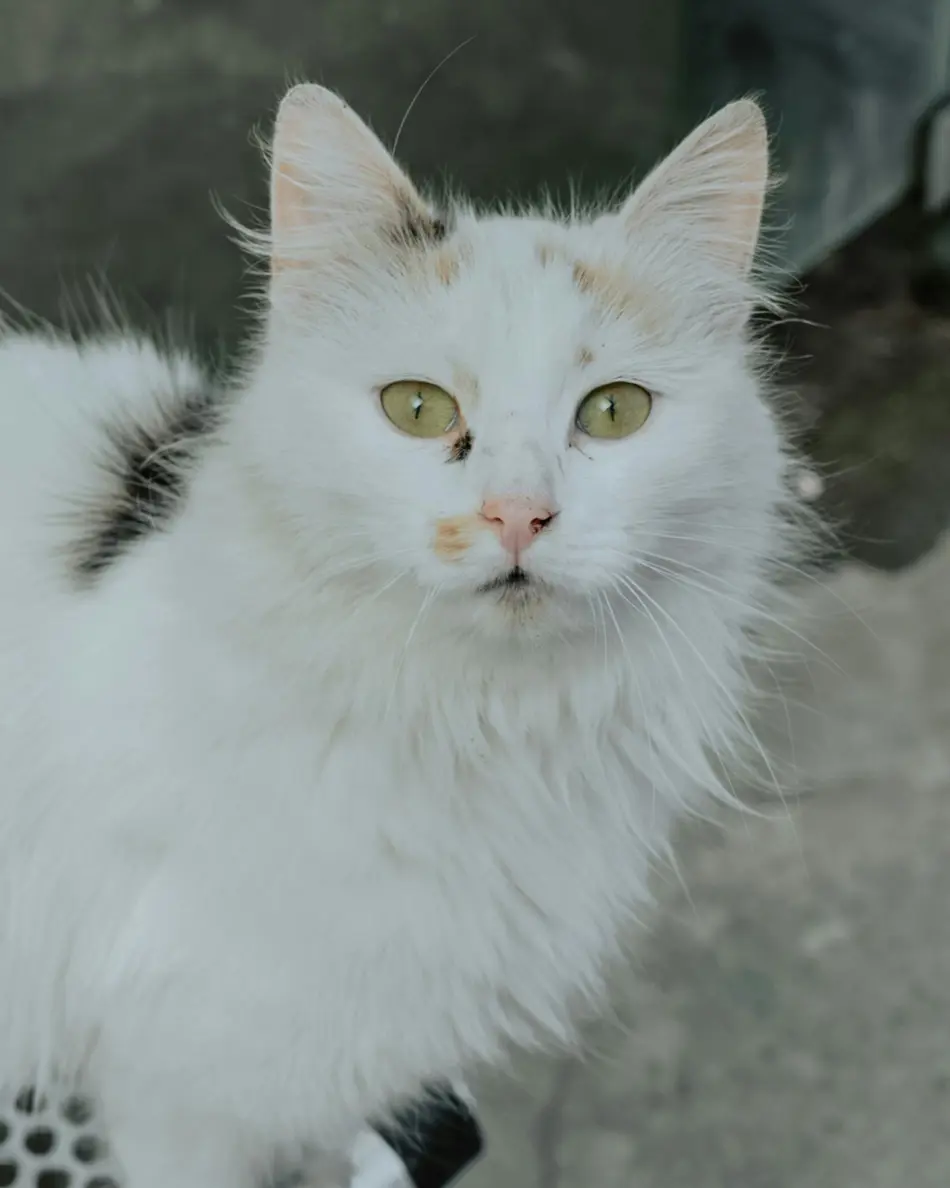
The Turkish Angora stands as a graceful cat, thin and athletic in formation, with a shining, and long coat, they are interactive cats that love to spend the day indulging in various activities. They are social cats desiring interaction and attention from owners, making them very good pets with curiosity, they become great explorers, for they will investigate every nook and corner with curiosity and determination.
They are very devoted to families and some even grow much attached to their owners. they seem to like following from room to room, always ready and willing to participate in the activities of the day. Their very beguiling eyes and gentle nature leave an impression of memory on any stranger they meet, it's not only an impressive piece to look at but it's the enterprising nature within them that makes them so lovable.
Frolicsome ways and a loving character are the principal attributes of the Turkish Angora that capture the heart, they enhance the lives of their owners in fun and companionship. In this way, the breed is very unique and extremely dear to most cat fanciers because it exhibits elegance and playfulness.
| Affection Level | Medium to High |
| Friendliness | Medium to High |
| Kid-Friendly | Medium |
| Pet-Friendly | Medium |
| Exercise Needs | High |
| Playfulness | HIgh |
| Energy Level | High |
| Intelligence | High |
| Vocalization | Low |
| Shedding | Low |
History And Origin
The Turkish Angora has a very rich and colorful history. From the Ankara region of Turkey, these cats were highly valued nobility-wise and spent much of their time in the homes of the wealthy. Their color and their lovely fur made them very highly desired, with most believing the cats provided good luck to their owners.
In the 1600s, Turkish Angoras began to be noticed in Europe, they were exported to a great number of European countries, where they became one of the most popular breeds among cat fanciers. They gradually decreased when other long-haired breeds became popular, still through the efforts of Turkish breeders and the Ankara Zoo in the 20th century, they were preserved and generated a new interest in this most unusual breed.
In the 1900s, Turkish breeders once again teamed up with the Ankara Zoo to ensure that the bloodline of the breed was preserved by introducing these beautiful cats once more into the world of interest.
Common Health Problems
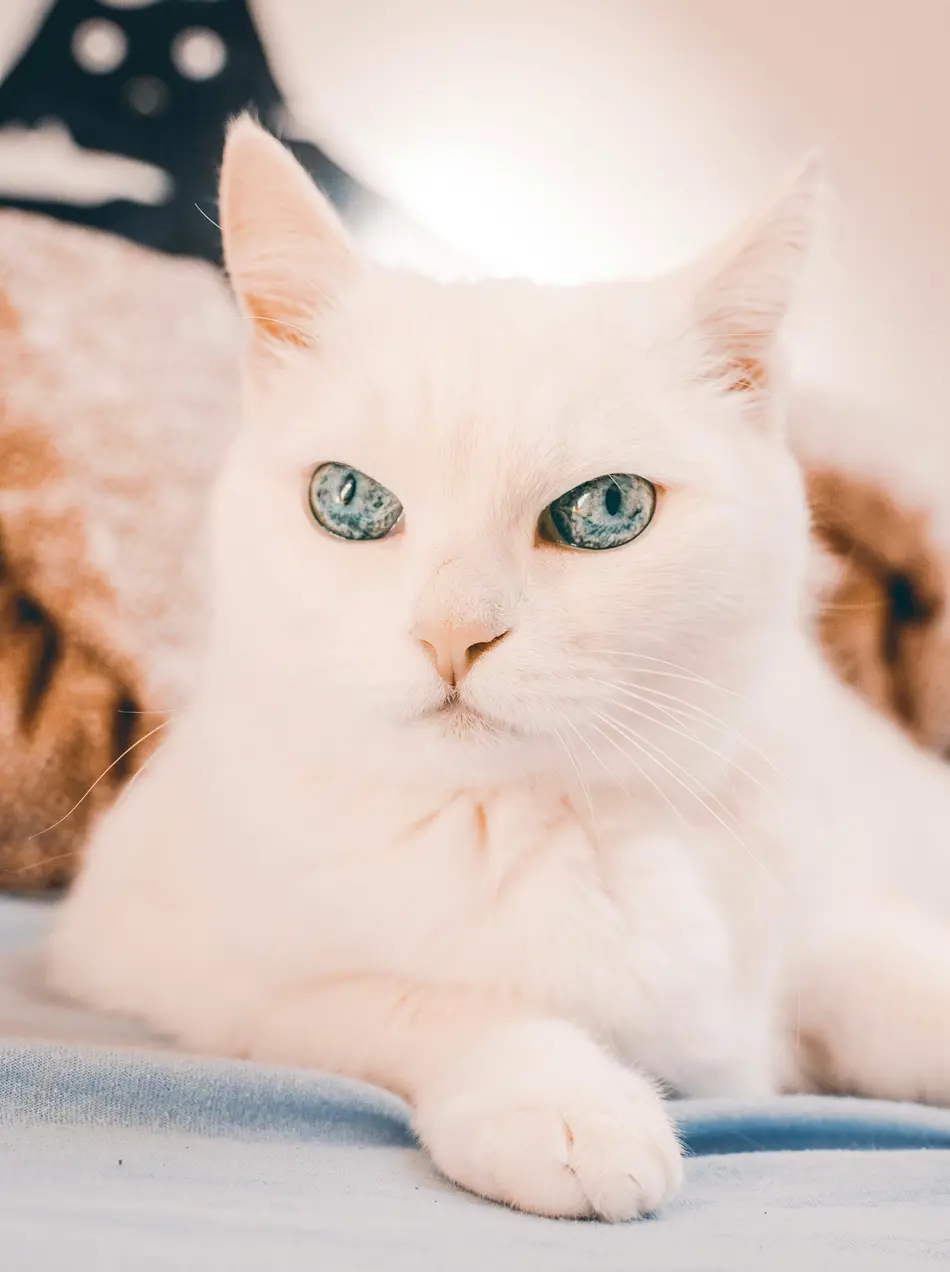
Health problems are common in any cat breed, and the case is no exception with the Turkish Angoras, a certain number of visits to a veterinarian, well-balanced nutrition, and a safe environment enriched with stimuli are very important in satisfying their special needs.
Precautions regarding health are very important to be taken so that the well-being and quality of life of the cats are maintained.
HCM (Hypertrophic Cardiomyopathy)
It is a genetically acquired heart condition that encourages the thickening of the heart muscles, which in turn results in the failure of the organ and it manifests with breathing difficulty, lethargy, loss of appetite, and the like.
Regular visits with a veterinarian will prove important for early diagnosis and treatment; otherwise, early intervention can do much to improve the quality of life and lengthen the life of the affected cat.
Deafness
Since a congenital link is present in White Turkish Angoras that combines white coats and blue eye coloring, many cats of the breed may be born with some degree of deafness.
Either one ear or both ears may be affected by the deafness in the breed and regular testing for auditory function along with follow-up safety precautions can ensure the quality of life and safety of the cat.
Ataxia
It is a neurological disorder whereby coordination and balance are affected, resulting in an unsteady gait with difficulty walking, and kittens showing signs should have a veterinarian test for the disorder, no cure is available for ataxia, but supportive care and adaptations one can make in the home environment may improve the quality of life for an affected cat.
Progressive Retinal Atrophy (PRA)
The eye condition is progressive to vision loss and may result in complete blindness, the symptoms are dilated pupils and night blindness.
With a regular examination of the eye, early detection can be made as there is no cure for this feline disease, management of the cat's environment is very essential to minimize risks of injury and allow the cat to continue enjoying a good quality of life.
Obesity
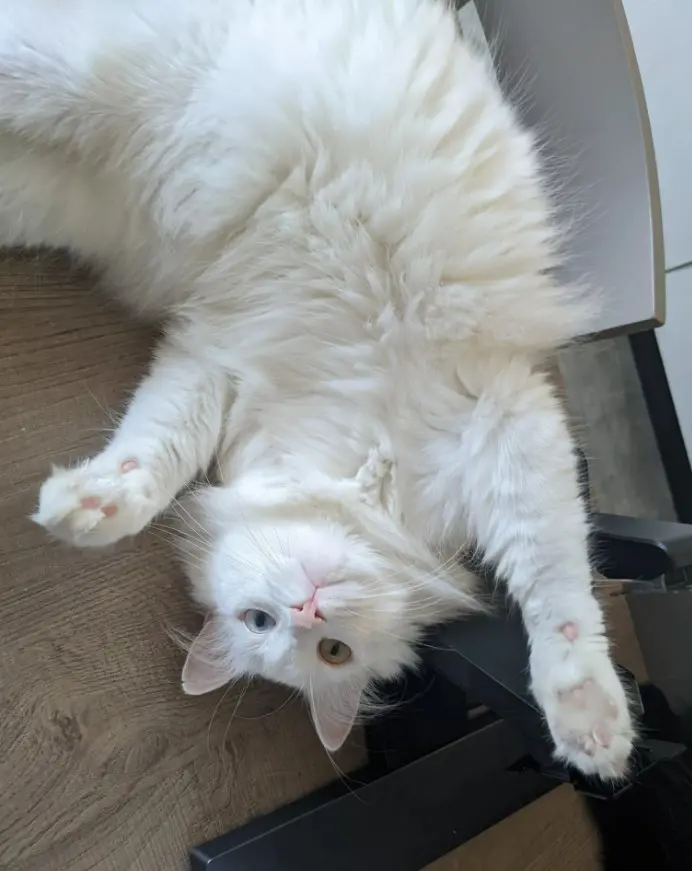
This might bring with it a lot of health problems, from diabetes to those related to the joints and control over what they eat, keeping them engaged in physical activities, and regular visits to the vet are necessary to ensure that they remain healthy with stable weight conditions and are not plagued by complications because of obesity.
Dental Problems
Gingivitis and periodontitis are very common dental diseases inherited in Turkish Angoras, the most prominent symptoms include bad breath, red gums, and trouble eating.
These kinds of issues can be avoided by regular dental checkups, professional cleaning, and, of course, good dental hygiene, including home tooth brushing.
Kidney Disease
Older Turkish Angoras have to be checked for chronic kidney disease, which is marked by increased thirst and urination, weight loss, and lethargy and as always, early detection by blood tests and regular visits to a veterinarian would have made it quite possible to manage it.
Dietary changes and medication can do much to improve a cat's quality of life and slow the progression of the disease.
Parasites
They are prone to parasites, which start from fleas, ticks, and worms and that is why frequent deworming and other means of parasite control come in handy for good health.
Common signs and symptoms, therefore, include scratching, sighting of parasites in the body, and digestive problems, that means, maintaining the parasite preventatives and regular veterinary checkups go a long way in curbing these problems.
Urinary Tract Infections (UTIs)
Clinical signs include frequent urination, straining at urination, and blood in the urine seeking a veterinarian immediately so the problem can be diagnosed and treated. Preventative measures would include making sure the cat always has fresh water available to stay hydrated and having clean access to litter boxes.
Allergies
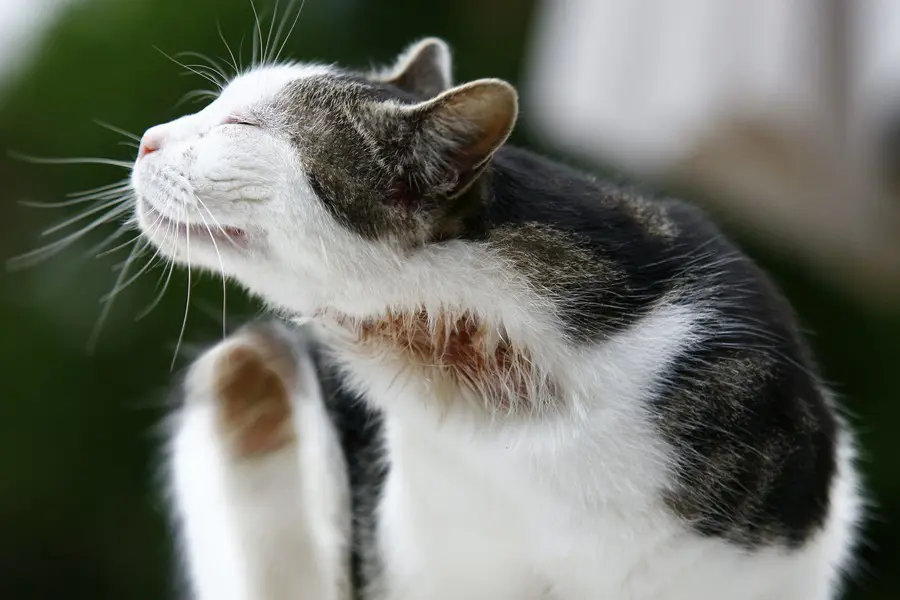
Common allergy signs and symptoms in felines include itching, sneezing, and irritated skin and the common allergens may be some foodstuffs, pollens, certain chemicals, and some domestic products.
If this is what is happening to your kitty, reducing the allergens from the environment and treatments prescribed by the vet will help in alleviating the symptoms and raising the comfort and health level of the cat.
Appearance
This is an elegant breed that is characterized by its long and silky coat which, by far, occurs in colors like lavender, chocolate, and white, and as far as the coloration patterns are concerned, tabby, solid color, bicolor, Himalayan, calico, tortoiseshell, and colorpoint can be seen most.
The Turkish Angoras are full of life, sociable, clever, and even occasionally sneaky and they are very dominating over other animals, their eyes, like the color of their coat, also range from light blue and sapphire to emerald green-gold, gold, amber, copper, and sometimes even two colors.
They also have the potential to live up to 15 years, but like those, they are prone to allergies and health requires special care, they are originally from Turkey, where their breed history dates back many, many years, thus giving them a unique appeal.
Nutrition and Diet
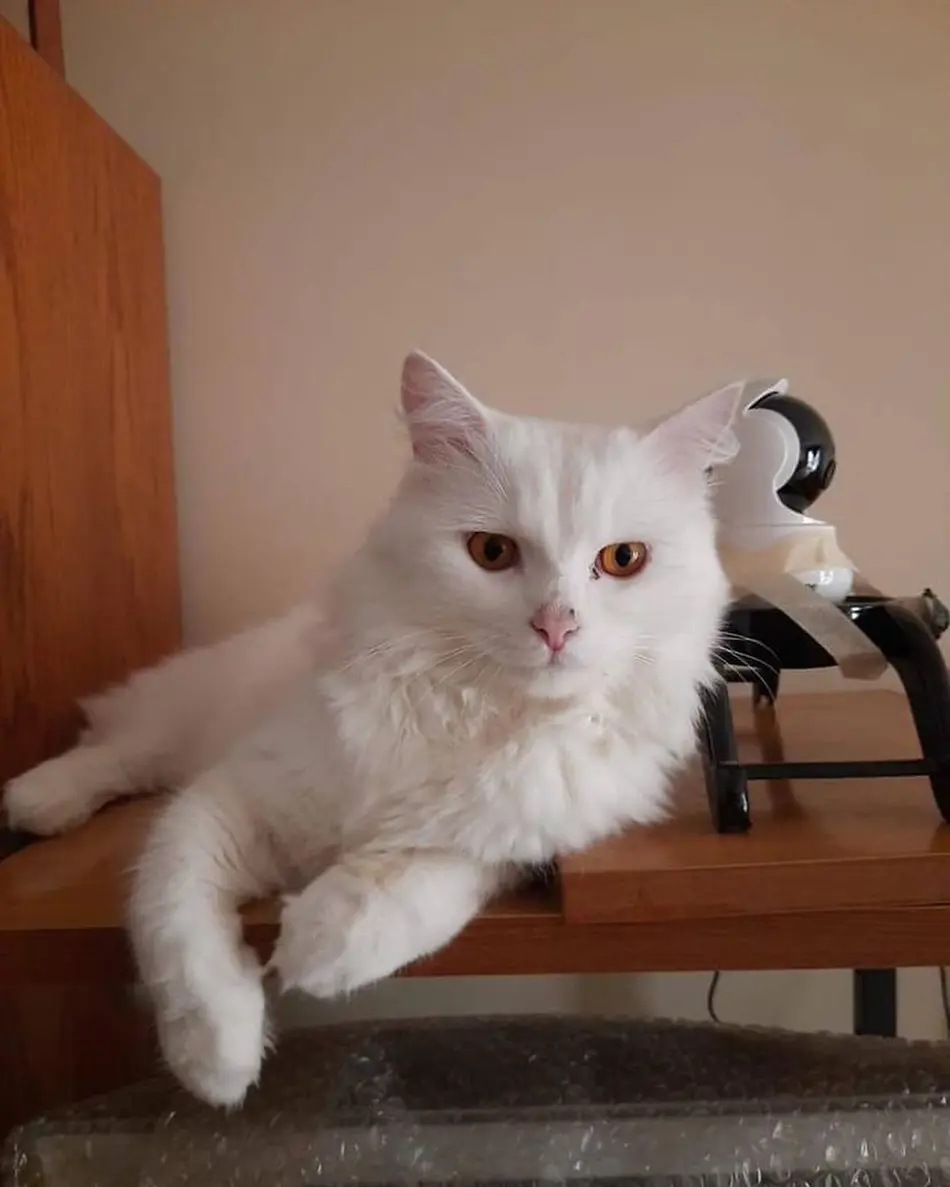
It should be well-balanced to meet the needs of the Turkish Angora to keep it well, like high-quality commercial cat foods dry or wet ought to be the staple in their diet. It should be high in protein-rich foods that are rich in nutrients to match the activeness of its lifestyle with such beautiful fur.
They are recommended to have either hypoallergenic or limited ingredient diets because they can be allergic to food sensitivities and fresh water should always be provided to have them rehydrated, normal intake of meals and observing the intake of food will prevent them from being obese.
Keeping a watchful eye on their weight and health via regular visits to the vet will help indicate if they're getting all they need from their diet, proper nutrition goes a long way toward living a long and healthy life.
Pros And Cons Of Turkish Angora Cat
They are a charming breed with distinct qualities that both delight and challenge their owners and understanding their unique traits can help potential pet parents make an informed decision.
Pros
- Intelligent: Astute, and energetic, the Turkish Angora exemplifies a breed that holds high intelligence and energetic temperaments; this breed is very quick to pick up points and enjoys interactive plays. Hence, it makes for a funny and engaging pet for those people who appreciate an intellectually stimulating companion.
- Loving: Such loving nature of the breed makes them thrive well on human interaction and gives them good bonding with owners and will also fit into households that have other pets or children, being amiable to them.
- Low Grooming Needs: They have a sleek, silky coat natural cat; hence, they have low grooming needs and the shedding is minimal therefore, less time shall be spent on brushing while more time can be enjoyed in the company of plays.
Cons
- High Activity Requirements: Being an active cat, the Turkish Angora needs frequent physical and mental activities and the owners should always be prepared to engage in play and provide activities that enrich the cat to be amused and not bored.
- Mischief at Hand: With the cleverness of this breed, it can be rather mischievous and this mostly participates in playful mischiefs that might become problematic if not checked appropriately thus, requiring vigilance from its owners.
- Possible Allergies: While a very healthy breed, the Turkish Angora has frequently shown few allergies, some of which demand special dietary considerations or medical treatment, it would call for great care in ascertaining that the cat is well.
Facts About Turkish Angora
-
Loyal Companions: Turkish Angoras are known for forming strong bonds with their human families. They often pick a favorite person in the household and can be very loyal and affectionate towards them, following them around and seeking their attention.
-
Highly Social: These cats are very social and enjoy interacting with people and other pets. They tend to be outgoing and friendly, often greeting visitors at the door and showing interest in social activities around the house.
-
Playful and Energetic: Turkish Angoras have a high energy level and love to play. They enjoy activities that challenge their intelligence and physical abilities, such as puzzle toys, fetch games, and interactive play sessions with their owners.
-
Curious Nature: Turkish Angoras are extremely curious and love to explore their environment. They often investigate new objects and changes in their surroundings, making them natural adventurers. This curiosity also makes them quick learners, often figuring out how to open doors or cabinets.
-
Expressive Communicators: These cats are known for being vocal and expressive. They use a range of sounds, from soft meows to chirps and trills, to communicate with their owners. Their expressive nature helps them convey their needs and emotions effectively, making them engaging and interactive pets.