

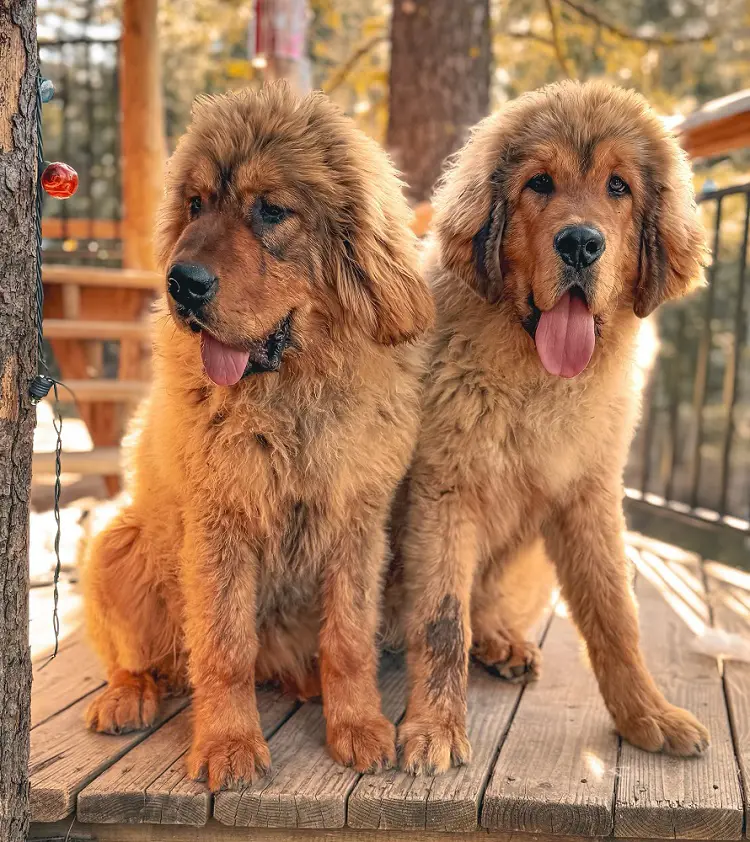
The Tibetan Mastiff is a marvelous and rare breed originating from Tibet, known for its large size, impressive stature, and protective nature. With a towering frame and a distinctive flowing mane, these dogs have been revered for centuries in the Himalayan region as formidable guardians of estates and families.
Their watchful expression and innate loyalty make them ideal protectors, ready to defend their homes with unwavering determination. Discover more about the unique qualities and characteristics of the Tibetan Mastiff to see if this dog breed is the right fit for your household.
Tibetan Mastiff Dog Overview
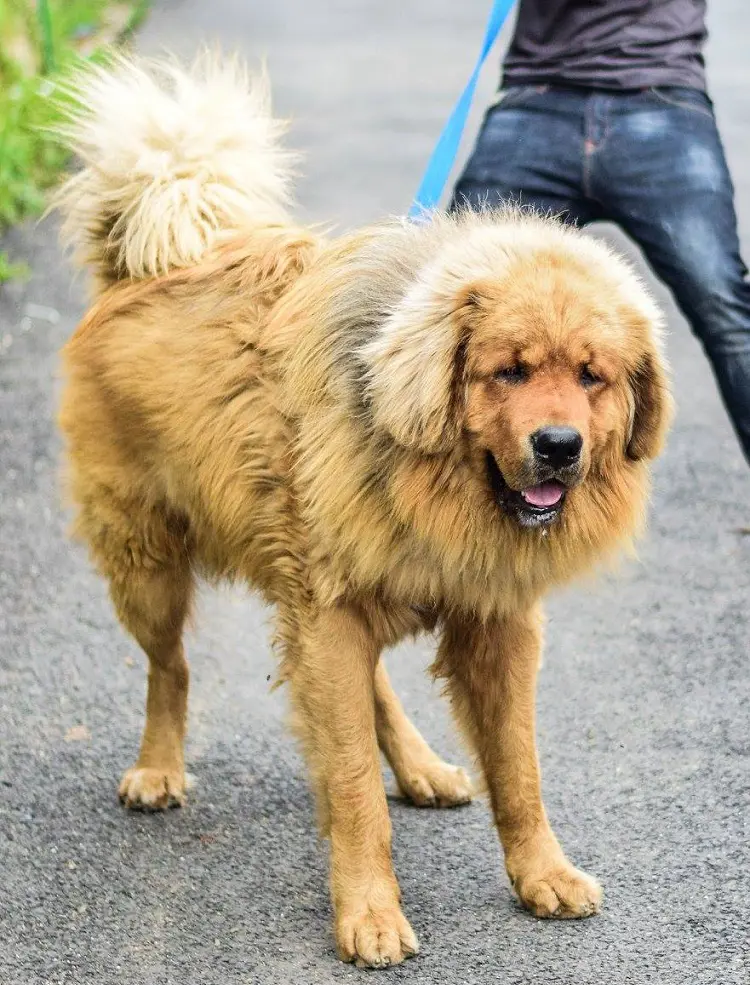
- Height: Males: 26–30 inches, Females: 24–28 inches
- Weight: Males: 90–150 pounds, Females: 70–120 pounds
- Lifespan:10–14 years
- Coat: Thick double coat in different colors
- Colors: Black, Brown, Blue-gray, Gold, and various shades of these colors, often with tan markings.
- Best for: Experienced dog owners, families with older children, and those with large, securely fenced yards.
- Temperament: Independence, loyalty, and protective nature.
The Tibetan Mastiff is a loyal, loving breed best suited for experienced owners due to their independence and occasional stubbornness. They are generally quiet indoors but may bark if left outside at night.
These dogs need strong fencing as they can climb and may be territorial, making them less ideal for families with young children or busy social lives. Proper socialization is crucial, involving exposure to various people and places.
While not ideal for obedience or agility competitions, they can thrive in the right environment, offering prepared owners a rewarding yet challenging experience.
History Of Tibetan Mastiff Dog
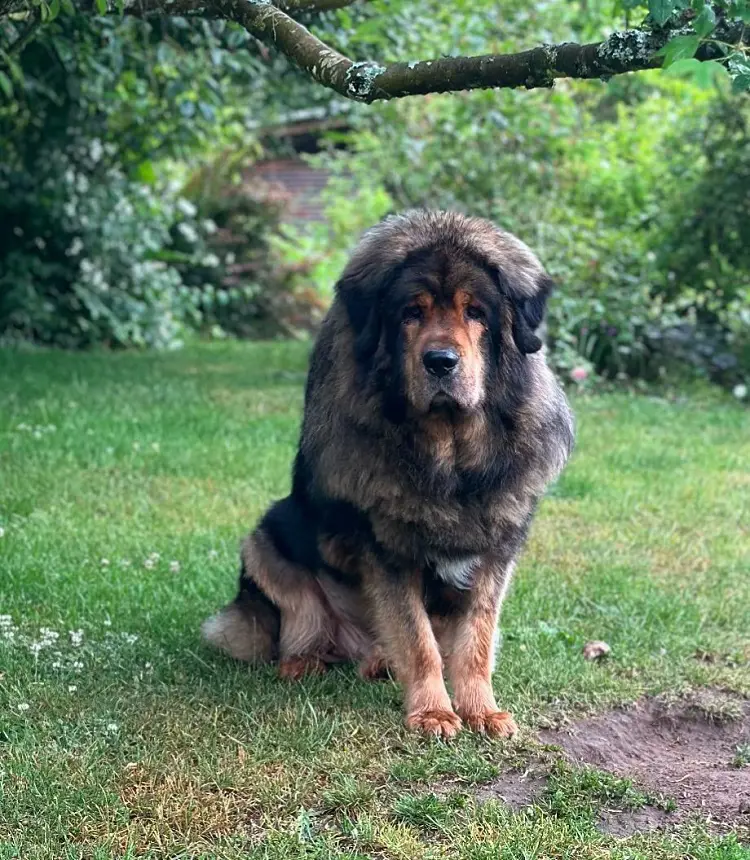
The Tibetan Mastiff is an ancient breed, originating thousands of years ago in the nomadic cultures of Tibet, China, Nepal, and India. Renowned for their role as guardians, these dogs protected livestock and property from formidable predators like wolves and leopards, enduring harsh climates and rugged terrains.
Their imposing presence and fierce loyalty made them invaluable to nomadic herders.
The breed first garnered Western attention in the 19th century when explorers and travelers introduced them to Europe. Despite this early exposure, it wasn't until the mid-20th century that the Tibetan Mastiff began gaining popularity outside its native regions.
Interest in the breed grew steadily, leading to the American Kennel Club (AKC) officially recognizing the Tibetan Mastiff in 2006.
Today, they are admired for their strength, loyalty, and unique heritage, though they remain a breed best suited for knowledgeable and prepared owners.
Characteristics Ratings Of Tibetan Mastiff Dog
| Playfulness | 3 |
| Courage | 5 |
| Loyalty | 5 |
| Affectionate | 3 |
| Intelligence | 4 |
| Curiosity | 3 |
| Tenacity | 4 |
| Stubbornness | 4 |
| Alertness | 5 |
| Independence | 5 |
Tibetan Mastiff's Temperament And Intelligence
The Tibetan Mastiff's temperament is a blend of independence, loyalty, and protectiveness. They are calm and composed, often appearing aloof, especially with strangers.
This breed's intelligence is notable; they can quickly assess situations and respond accordingly, making them excellent guard dogs. However, their independent streak means they are not always eager to follow commands, and they require a firm and consistent hand in training.
Socialization from an early age is crucial to help Tibetan Mastiffs become well-rounded adults. Without proper socialization, they can become overly protective or suspicious of strangers and new situations.
They are best suited to experienced dog owners who understand the breed's unique needs and can provide the guidance and structure they require.
Tibetan Mastiff Dog Puppies
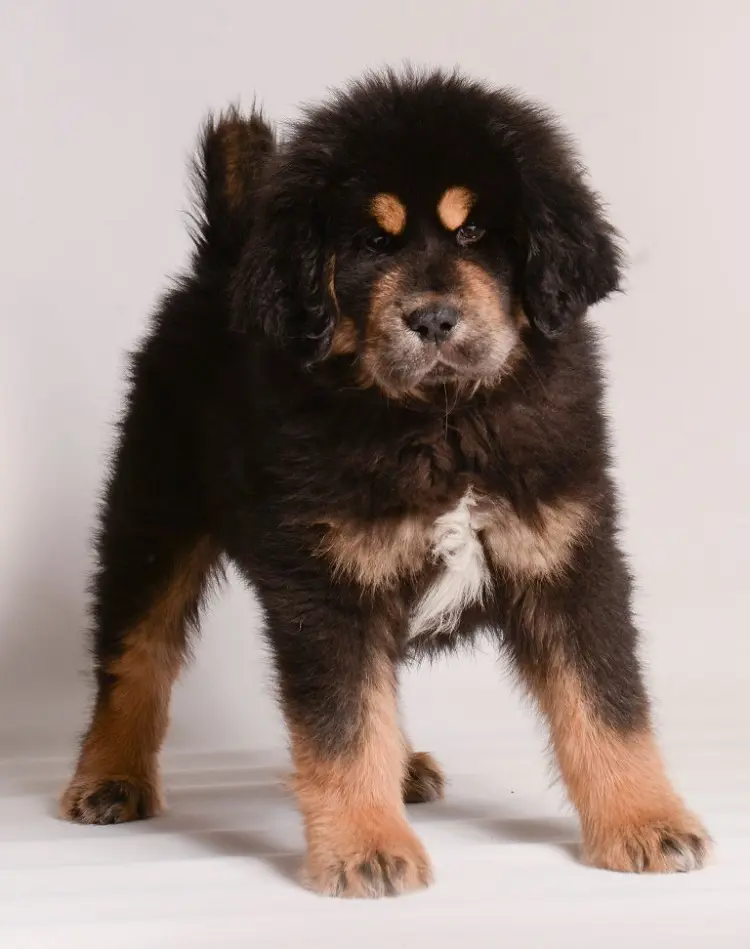
Tibetan Mastiff puppies are adorable bundles of fur with a strong will and independent spirit. Early training and socialization are essential to ensure they grow into well-behaved adult dogs. Puppies need exposure to various people, places, and experiences to help them develop confidence and good manners.
Due to their rapid growth, it's important to provide them with a balanced diet to support their development. Overfeeding can lead to obesity and other health problems, so maintaining a proper feeding schedule is crucial.
Training should begin as early as possible, focusing on basic commands and leash manners.
Are Tibetan Mastiff Family Dogs?
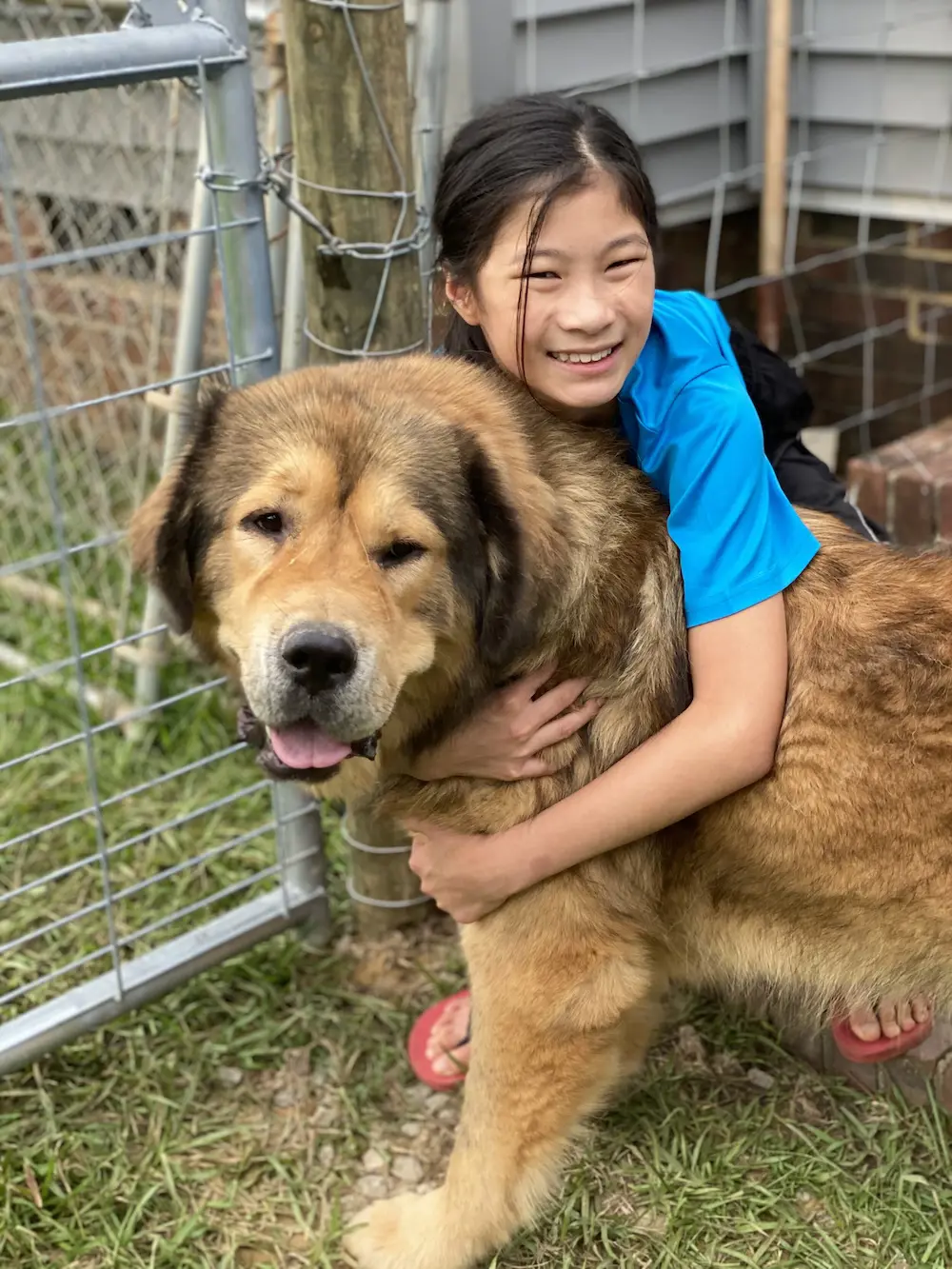
Tibetan Mastiffs can make excellent family dogs, especially for families with older children. They are loyal and protective, creating a strong bond with their family members.
However, due to their size and strength, they may not be suitable for families with very young children. Supervision is necessary when Tibetan Mastiffs interact with children to ensure safety for both the dog and the child.
These dogs thrive in environments where they have space to roam and play. They do well in homes with large, securely fenced yards where they can exercise and patrol their territory. Apartment living is not ideal for this breed due to their size and need for space.
Are Tibetan Mastiff Pet Friendly?
Tibetan Mastiffs can coexist with other pets, particularly if they are raised together from a young age. However, their natural guarding instincts may make them wary of unfamiliar animals. Proper introductions and supervision are key to ensuring harmonious relationships between Tibetan Mastiffs and other pets.
Their independent nature means they may not always seek out the company of other dogs, and they can be territorial. It’s important to monitor their interactions with other animals to prevent any aggressive behavior.
Tibetan Mastiff Dog Care And Grooming
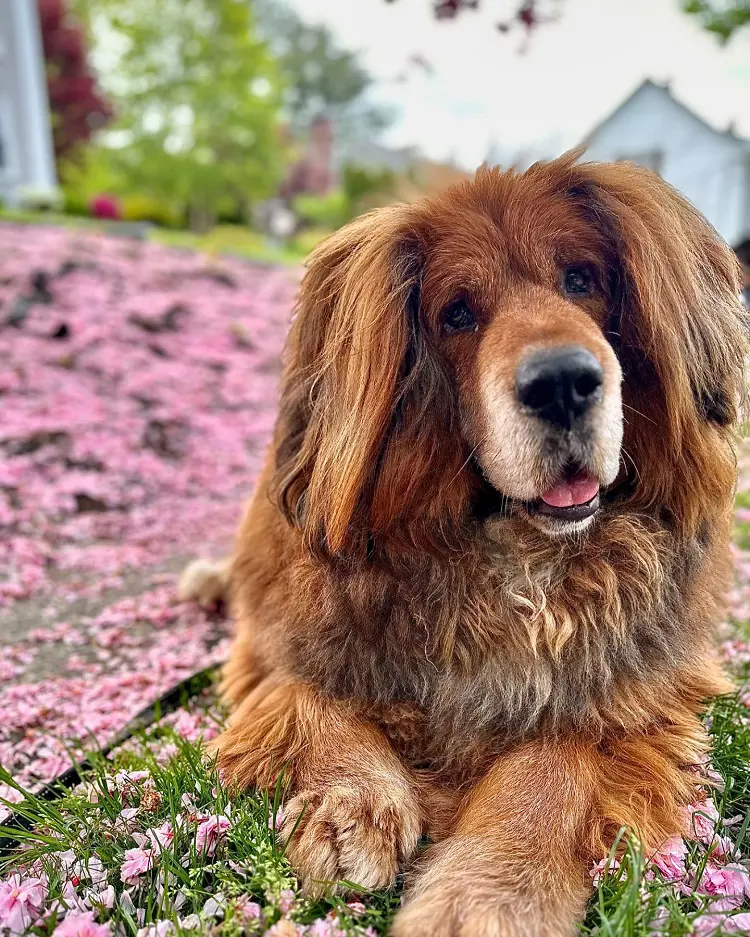
The Tibetan Mastiff is a companion dog that should be indoors and have exercise access to a sizable, safely enclosed yard. For him, a tiny garden or dog run is insufficient. Here are some grooming and maintenance tips for your Tibetan Mastiff dog:
Exercise
Tibetan Mastiffs require consistent exercise to maintain their health and happiness. While not overly energetic, they benefit from daily walks and secure play sessions that provide both physical activity and mental stimulation.
Engaging in these activities prevents boredom and helps manage their overall well-being, reducing the risk of behavioral problems. Adequate exercise is essential for keeping them physically fit and mentally content, supporting their independent and loyal nature.
This routine contributes significantly to a balanced and fulfilling life for Tibetan Mastiffs in a home environment.
Training
Training a Tibetan Mastiff can be challenging due to their strong-willed and independent temperament. Positive reinforcement techniques are recommended, as these prove most effective in encouraging desired behaviors. Consistency in training is crucial to reinforce obedience and manners.
Early socialization plays a vital role in helping them adapt well to various situations and people. Patience and firm, fair leadership are necessary to establish trust and respect.
With proper training and socialization from an early age, Tibetan Mastiffs can grow into loyal, well-behaved companions who thrive in a structured environment.
Grooming
Tibetan Mastiffs possess a dense double coat that necessitates regular grooming to prevent matting and tangles. Weekly brushing is crucial to remove loose hair and distribute natural oils, especially during shedding seasons when more frequent grooming may be required.
Bathing should be limited to when necessary, as excessive washing can strip the coat of its natural oils and disrupt its protective properties.
Proper grooming not only enhances the coat's health and appearance but also contributes to the dog's overall comfort and cleanliness, ensuring they remain well-maintained and content.
Dietary Requirements
This type of dog breeds need a balanced diet for optimal health. High-quality commercial dog food that meets their nutritional needs is recommended. Given their large size, they are prone to obesity, making portion control and regular exercise essential.
Monitoring their diet and maintaining a healthy weight helps prevent health issues and ensures their overall well-being. Proper nutrition, combined with exercise, keeps these dogs fit and active.
Here are some suitable options for this dog breed:
- High-quality Commercial Dog Food
- Lean Proteins
- Whole Grains
- Fruits
- Fish
- Eggs
- Probiotics
- Supplements
Potential Health Issues
Tibetan Mastiffs are generally healthy dogs, but like all breeds, they can be prone to certain health conditions. Potential health issues include:
1. Hip Dysplasia
Hip dysplasia is a genetic condition affecting the hip joints, leading to improper joint alignment. This misalignment causes pain, inflammation, and reduced mobility, often resulting in arthritis over time. It is a common issue in large dog breeds and requires medical attention for management and relief.
2. Elbow Dysplasia
Similar to hip dysplasia, elbow dysplasia is also a genetic condition affecting the elbow joints, leading to abnormal development and misalignment. This results in pain, lameness, and reduced mobility, often causing arthritis over time.
It requires veterinary diagnosis and treatment to manage symptoms and improve the dog's quality of life. Early detection and intervention are crucial for effective management.
3. Hypothyroidism
Another common health issue in dogs is hypothyroidism, it is a condition in which the thyroid gland produces insufficient hormones, impacting metabolism. This leads to symptoms such as weight gain, lethargy, hair loss, and skin issues.
It requires veterinary diagnosis and treatment, typically involving hormone replacement therapy. Regular monitoring and medication help manage the condition, allowing affected dogs to lead healthier, more active lives.
4. Entropion
Entropion is a condition where a dog's eyelids roll inward, causing the eyelashes and skin to rub against the surface of the eye. This leads to irritation, discomfort, and potential damage to the cornea.
It can affect one or both eyes and requires veterinary attention for correction, often through surgical procedures to reposition the eyelids and alleviate the irritation.
5. Bloat (Gastric Dilatation-Volvulus)
Bloat, or Gastric Dilatation-Volvulus (GDV), is a serious and life-threatening condition where a dog's stomach becomes distended with gas and then twists.
This twisting cuts off blood flow to the stomach and other organs, leading to severe pain, shock, and potentially fatal consequences if not treated immediately.
Emergency veterinary intervention is necessary to decompress the stomach and surgically correct the twist to save the dog's life.
6. Panosteitis
Panosteitis, often referred to as canine growing pains, is an inflammation of the long bones that commonly affects young, large-breed dogs. It causes lameness that can shift from one leg to another.
Typically lasting from one to six months, the condition resolves as the dog matures. Discomfort associated with panosteitis can be alleviated with pain medication, ensuring affected dogs can manage symptoms until the condition naturally resolves.
7. Osteochondritis Dissecans (OCD)
Osteochondritis Dissecans (OCD) is an orthopedic condition resulting from improper cartilage growth in joints, commonly in the shoulder but also affecting the elbow.
It causes joint stiffness and pain, detectable in dogs as early as five to seven months old.
Treatment may involve surgical repair. Due to its hereditary nature, dogs diagnosed with OCD should not be used for breeding to prevent passing on the condition to offspring.
8. Canine Inherited Demyelinative Neuropathy (CIDN)
Canine Inherited Demyelinative Neuropathy (CIDN) is an inherited condition seen in Tibetan Mastiff puppies as early as six weeks old. It affects the nervous system, leading to rear leg weakness that can advance to paralysis.
Unfortunately, there is no treatment available, but selective breeding practices have significantly lowered the occurrence of CIDN within the breed, emphasizing the importance of responsible breeding to avoid passing on this debilitating condition.
Facts About Tibetan Mastiff Dog
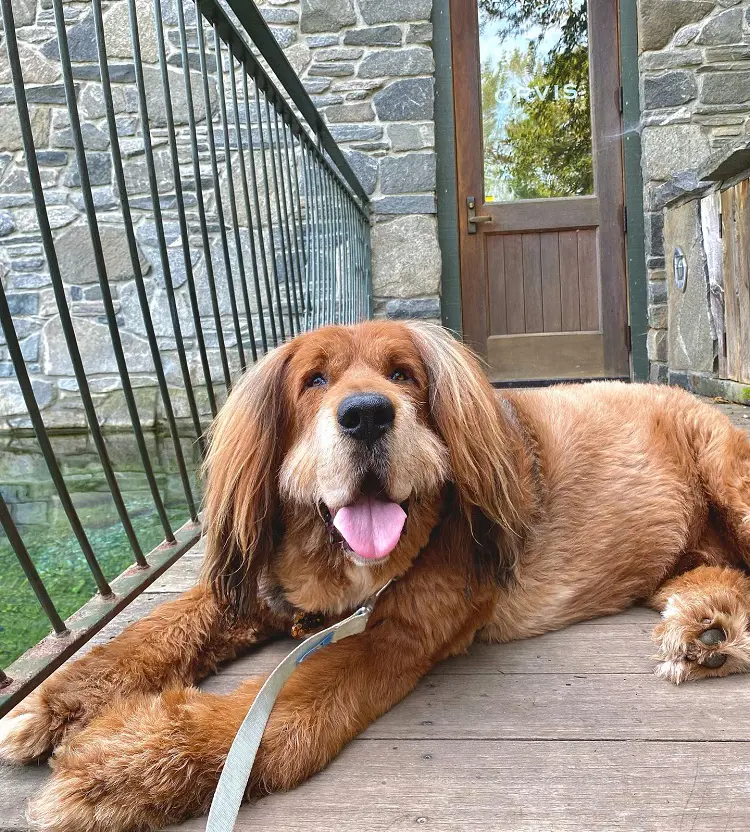
Here are some of the interesting facts about Tibetan Mastiff Dog:
- Tibetan Mastiffs are one of the oldest dog breeds, dating back thousands of years in Tibet and surrounding regions.
- They are among the largest dog breeds in the world, with males often weighing up to 150 pounds or more.
- Their thick double coat is not only impressive but also highly weather-resistant, allowing them to withstand harsh Himalayan climates.
- Known for their natural guarding instincts, Tibetan Mastiffs are traditionally used to protect livestock and property.
- They have a deep, booming bark that can be heard from a distance, serving as a warning to potential intruders.
- Tibetan Mastiffs are independent and can be quite stubborn, which makes training them a challenge for inexperienced owners.
- They are incredibly loyal and devoted to their families, forming strong bonds that last a lifetime.
- Due to their rarity and the demand for them as guard dogs, Tibetan Mastiffs can be one of the most expensive dog breeds globally.
- Historically, Tibetan Mastiffs were favored by Tibetan monks and nomadic tribes, and some were even gifted to royalty.
- In recent years, Tibetan Mastiffs gained popularity worldwide, with some individuals fetching prices equivalent to luxury cars in international dog markets.
Conclusion
The Tibetan Mastiff is a magnificent breed with a rich history and impressive characteristics. They are loyal, protective, and independent dogs that require an experienced owner who can provide firm and consistent training.
While they may not be the best choice for novice dog owners or families with very young children, they can make wonderful companions for those who understand their unique needs and can provide the environment and care they require.
With proper training, socialization, and care, Tibetan Mastiffs can be loyal and devoted family members who bring joy and security to their homes.