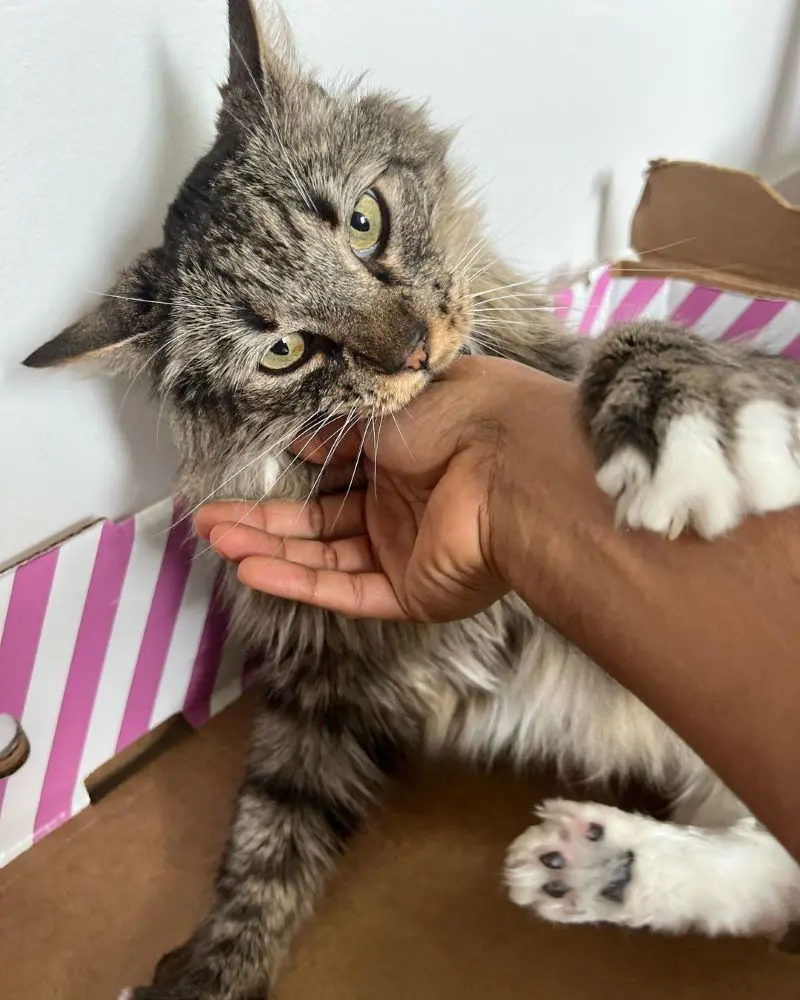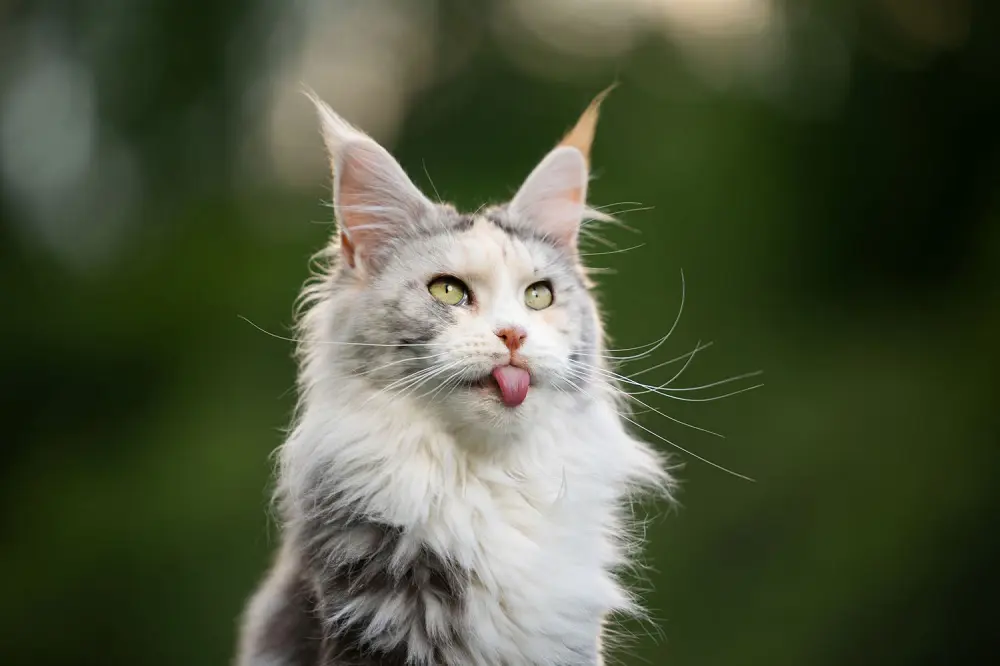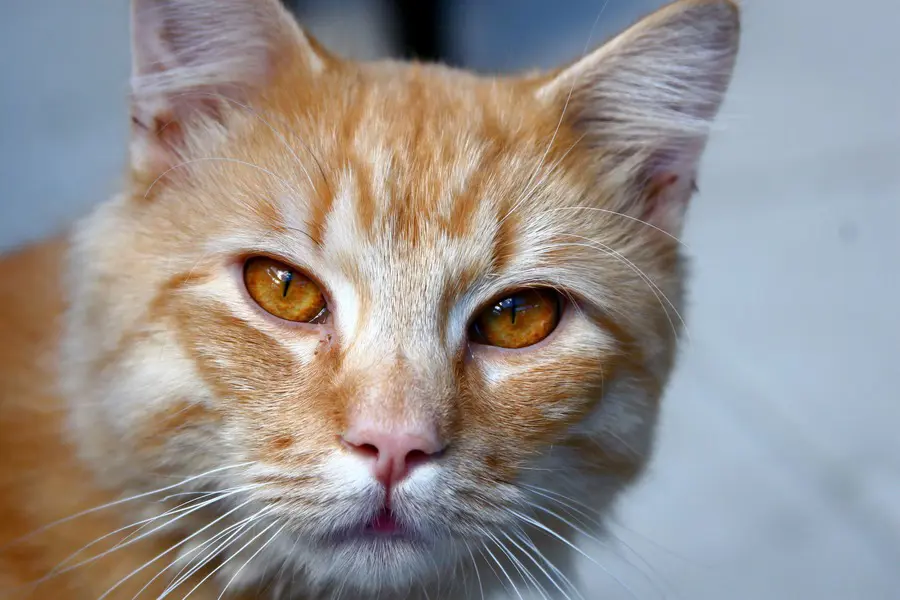


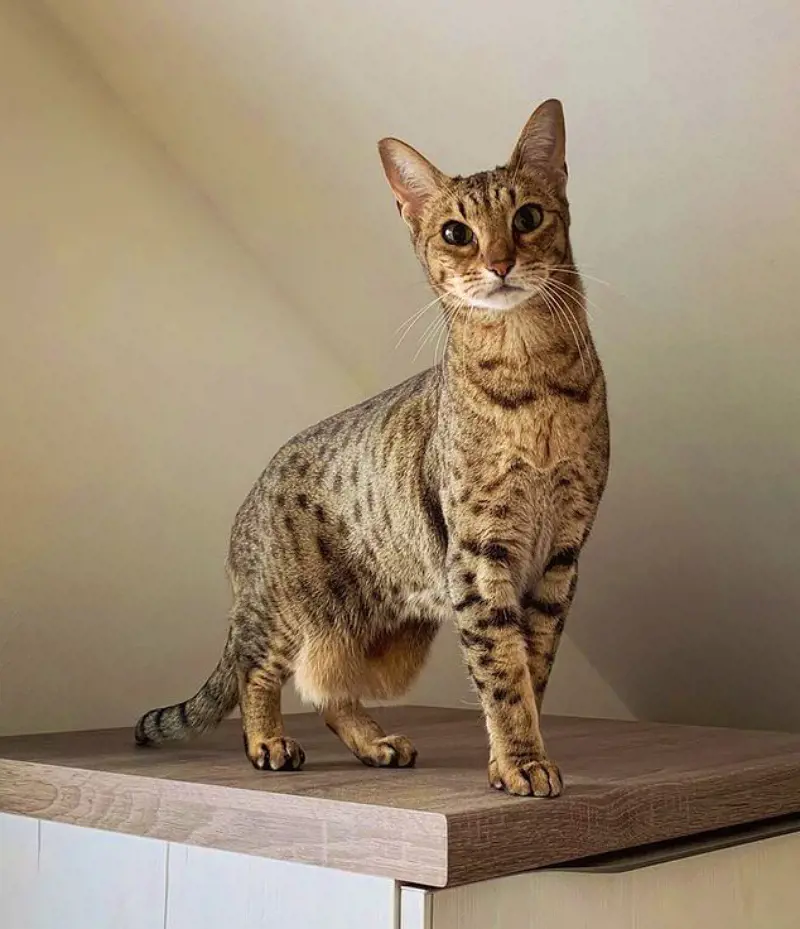
Tabby cats are specified by their unique coat patterns, which means they can include various cat breeds, including domestic shorthairs. They boast distinctive striped or swirled patterns on their fur, often accompanied by an "M" shape on their foreheads.
What adds to these magnificent felines' allure is their color variations, including brown, gray, orange, and cream. These cats have been around for a long time and even bear ancient lineage. Here, we will delve further into their charismatic personalities and rich history.
History Of Tabby Cats
The history and origin of tabby cats are as intriguing as the patterns on their fur. The term 'tabby' is believed to have originated from the Arabic word 'attabiya,' which refers to a silk fabric with a striped pattern.
While the precise origins of tabby cats are unclear, it is evident that they have been a part of human civilization for thousands of years. It is also believed that the tabby pattern evolved as camouflage for wild cats in their natural habitats, allowing them to blend into various environments while hunting.
Origin of some popular tabby cats:
- American Shorthair - around the 17th and 18th centuries in North America
- Maine Coon - around the 19th century in the United States
- British Shorthair - around the 19th century in Britain
- Bengal Cat - around 20th century
- Ocicat - in the 1960s in the United States
A Glimpse Of The Charming Personality of Tabby Cats
Intelligent
One of the most fascinating aspects of a tabby cat's personality is its intelligence which is reflected in their adaptability and problem-solving skills. This is evident in their behaviors such as hunting techniques, social interactions, and even communication with humans.
These cats often display remarkable problem-solving abilities when it comes to accessing food or navigating their environment which showcases a keen understanding of cause and effect. Additionally, their ability to communicate needs and desires through vocalizations and body language underscores their intelligence.
Trainable
Tabbies generally exhibit a moderate level of trainability and they can learn basic commands and behaviors with patience and positive reinforcement. Their intelligence and curiosity make them receptive to training methods that engage their natural instincts, such as clicker training or using treats as rewards.
For instance, the Bengal cat can be trained to perform tricks, use a litter box and even walk on a leash. Likewise, the Turkish Van are known for their love of water and can be taught to enjoy swimming or even to fetch toys from the water.
Affectionate
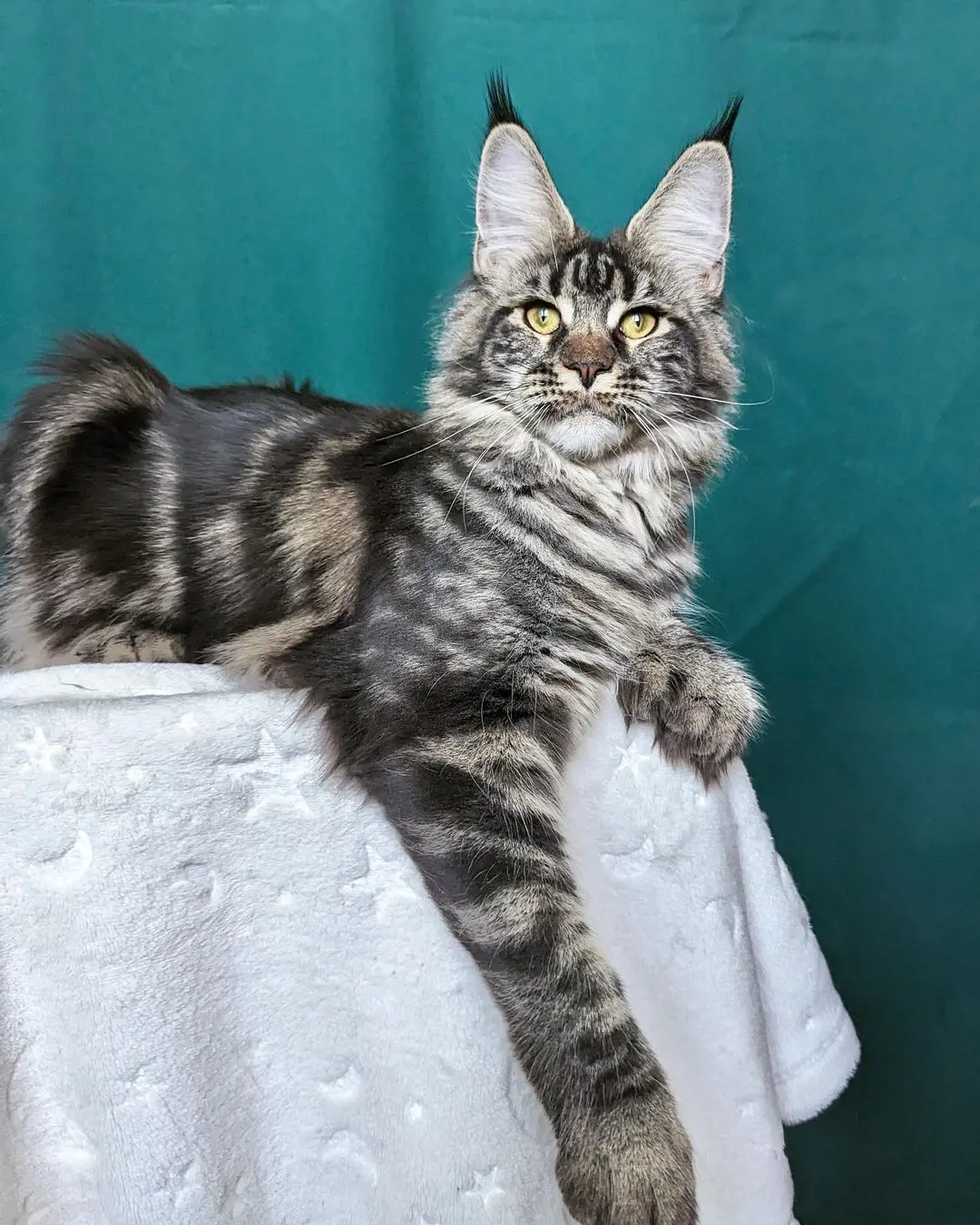
The affectionate tabby cat's temperament adds a whole new dynamic to the alluring personality of the Tabby cats. One breed that exemplifies affection is the Maine Coon which is adored by many pet lovers for its gentle and loving nature.
Likewise, the Ragdoll displays a 'puppy-like' behavior as it tends to follow its owners around the house and enjoys being held and cuddled. Their relaxed disposition and gentle nature make them excellent companions for families with children.
Playful and Curious
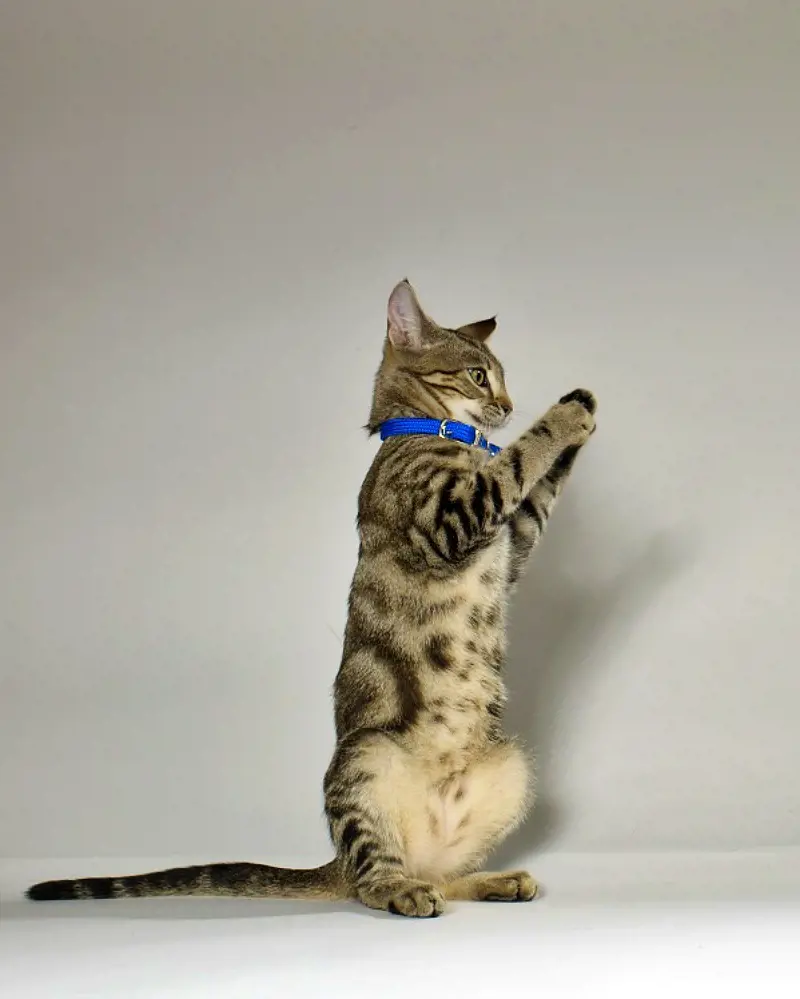
Tabby cats are often known for their playful and energetic personalities which makes them delightful companions for households seeking a lively feline friend. For instance, the Bengals cats are highly active and they enjoy interactive play such as chasing toys, playing fetch and even learning tricks.
Another playful breed is the Abyssinian cats, which are known for their curious and adventurous personalities. These felines are always on the lookout for new toys and games to keep them entertained.
Rich Variations Of The Tabby Pattern
The most remarkable feature of the Tabbies is that these felines' distinctive coat patterns can vary widely which makes each cat unique. There are four main types of tabby patterns as listed here.
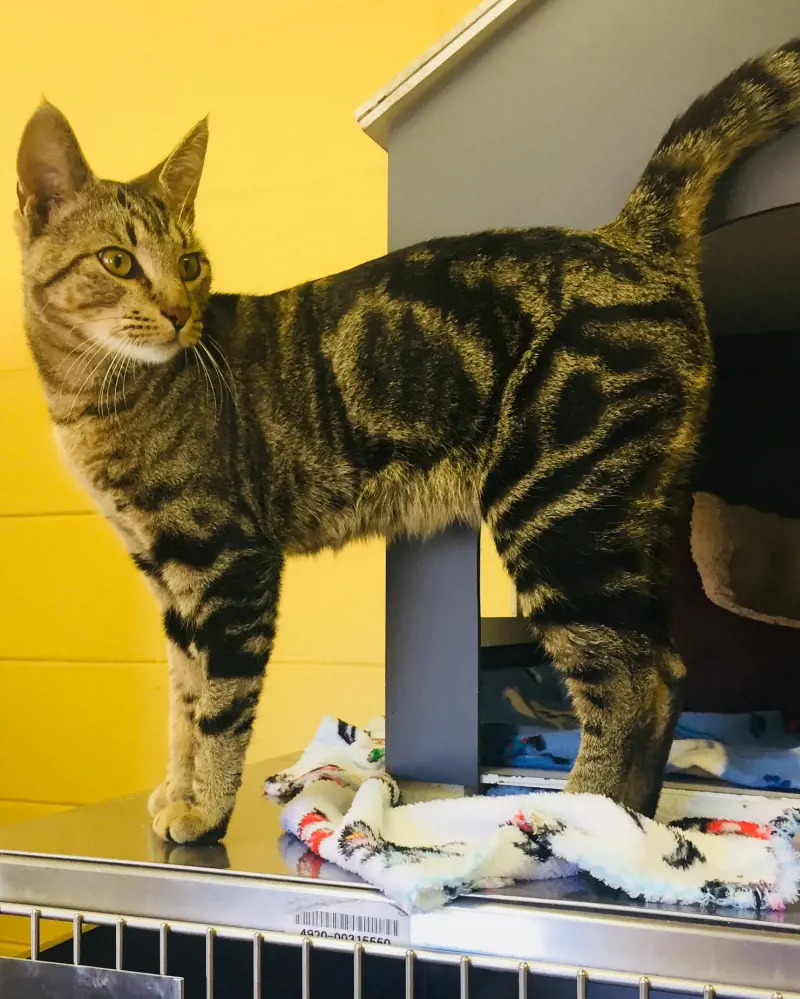
Classic tabby striped cat, also known as blotched tabbies, have swirling patterns on their sides that resemble marble or swirls of paint.
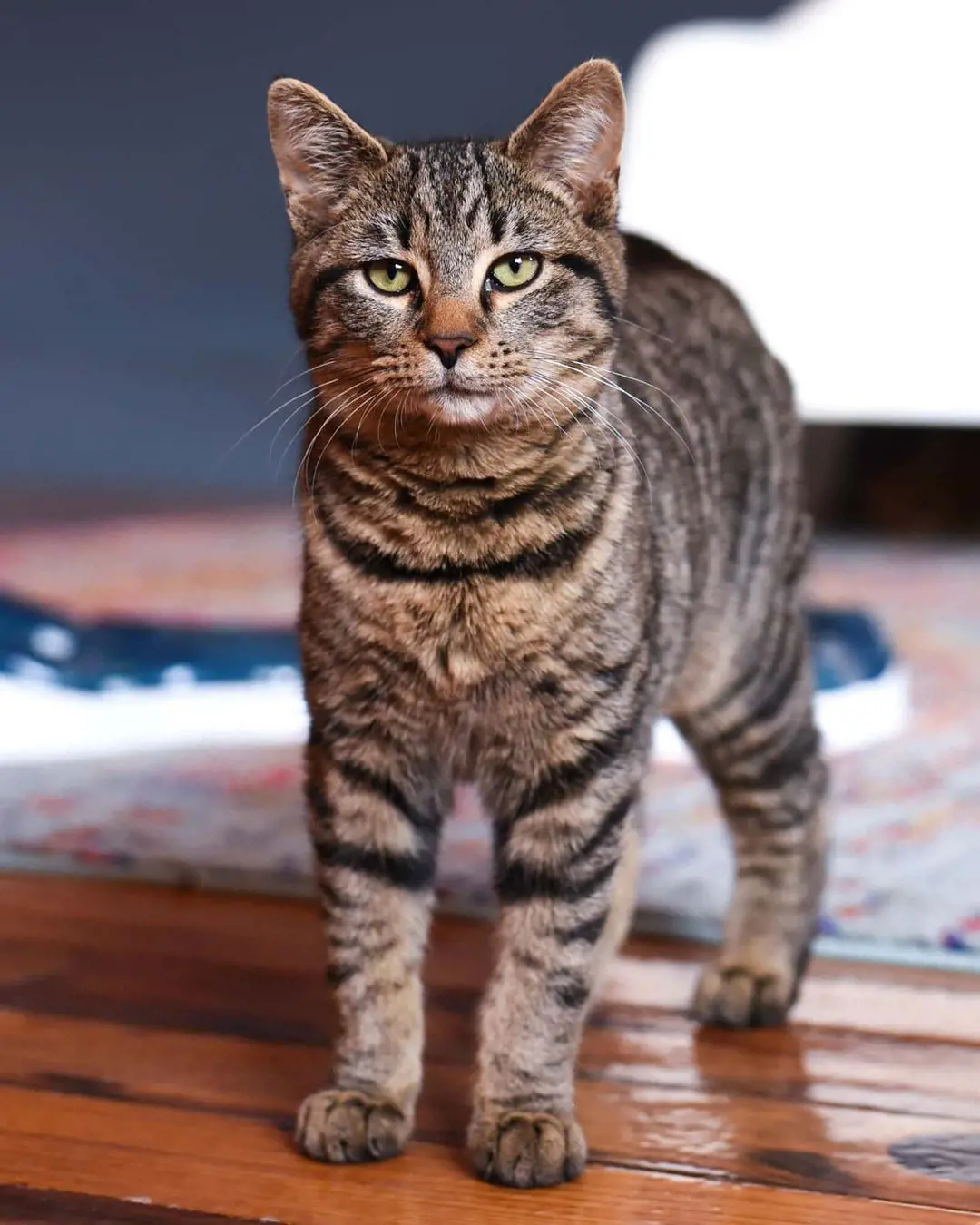
Mackerel tabbies have narrow, vertical stripes that run parallel along their sides, resembling the bones of a fish, which had earned them their moniker.
Spotted tabbies have spots rather than stripes that are scattered across the cat's body, giving them a unique and playful appearance.
Ticked tabbies, also known as agouti tabbies, have a more subtle pattern where each individual hair has bands of color which gives the cat a salt-and-pepper appearance.
Patched tabbies, also known as tortoiseshell tabbies, are a captivating combination of tabby stripes and tortoiseshell patches.
The Distinctive M-Shaped Marking
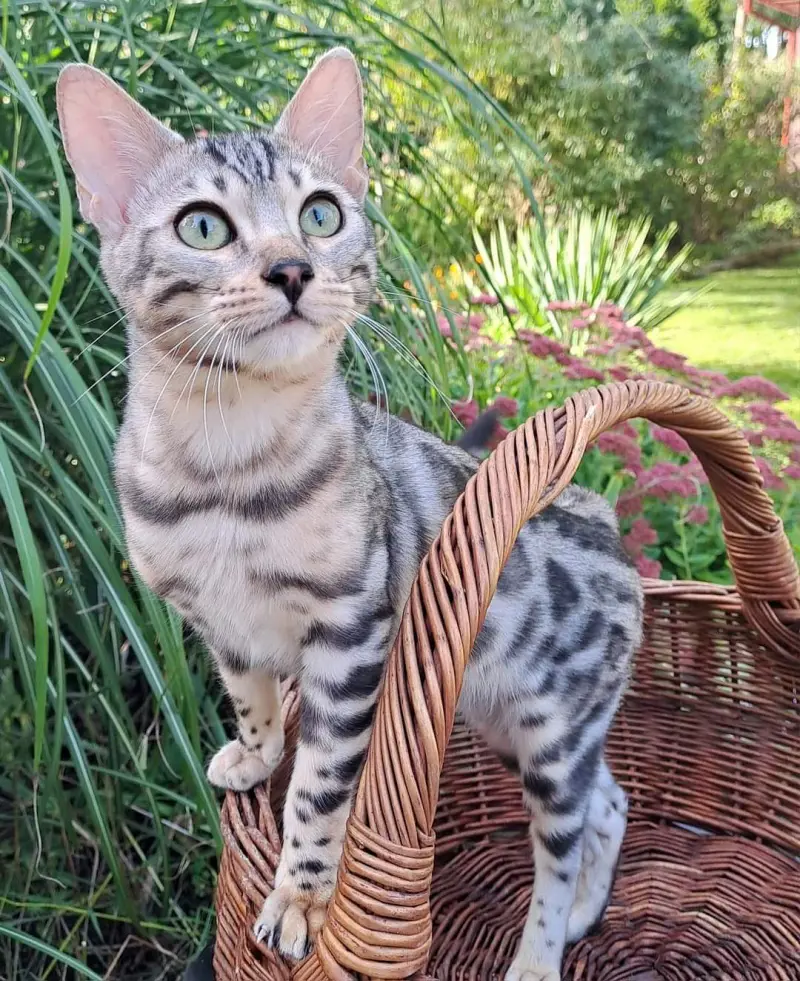
The M-shaped marking on the forehead of Tabby cats breeds is a fascinating feature that adds to their unique charm. This distinctive pattern, often referred to as the 'M' or 'Mackerel' marking, is a result of genetics.
It is believed that this marking originated from an encounter with a grateful and protective 'Mau', an Egyptian cat deity, who blessed the cat with the mark as a token of gratitude. This iconic feature is not only aesthetically pleasing but also serves as a reminder of the Tabby cat's rich history and connection to their wild ancestors.
Tabby Cats Lifespan
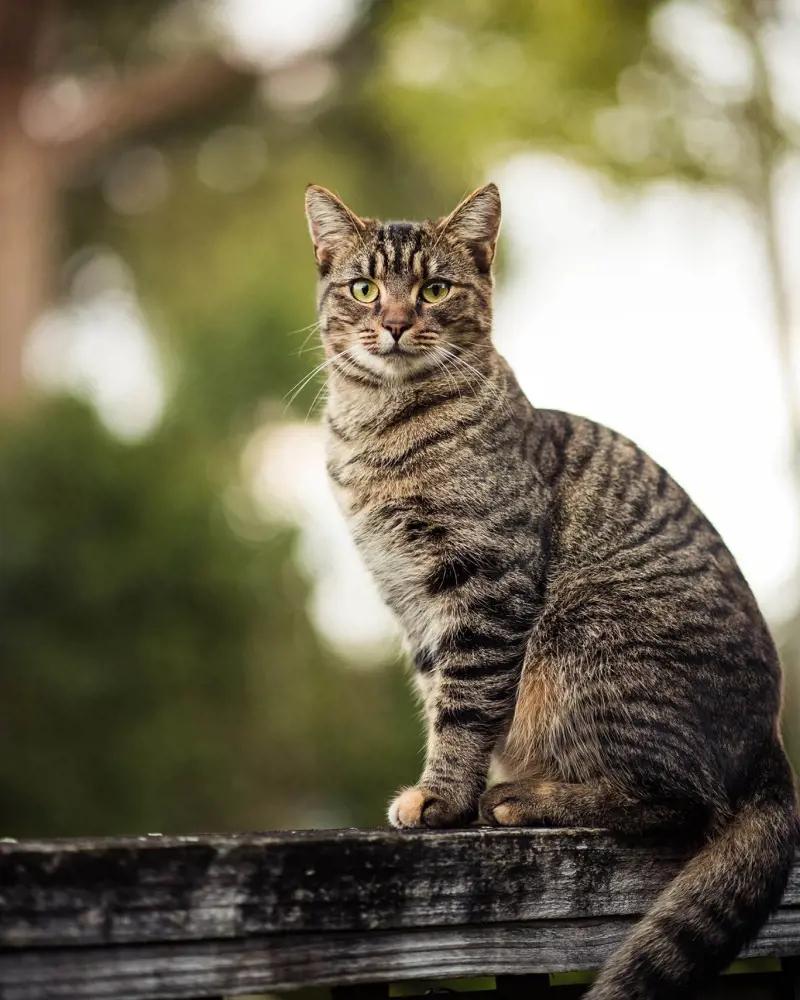
Like most domestic cats, the lifespan of Tabby cats typically ranges from 12 to 18 years. However, factors such as genetics, diet, environment and access to veterinary care can all influence their longevity.
This relatively long lifespan means they make wonderful companions and bring joy to any household for an extended period of time. Furthermore, each feline displays its own quirks and characteristics, adding charm and personality to the relationship.
Some notable factors that make Tabbies life-long companions:
- Friendly demeanor
- Gentle with kids
- Accommodation in multi-pet setting
Health Status Of Tabbies
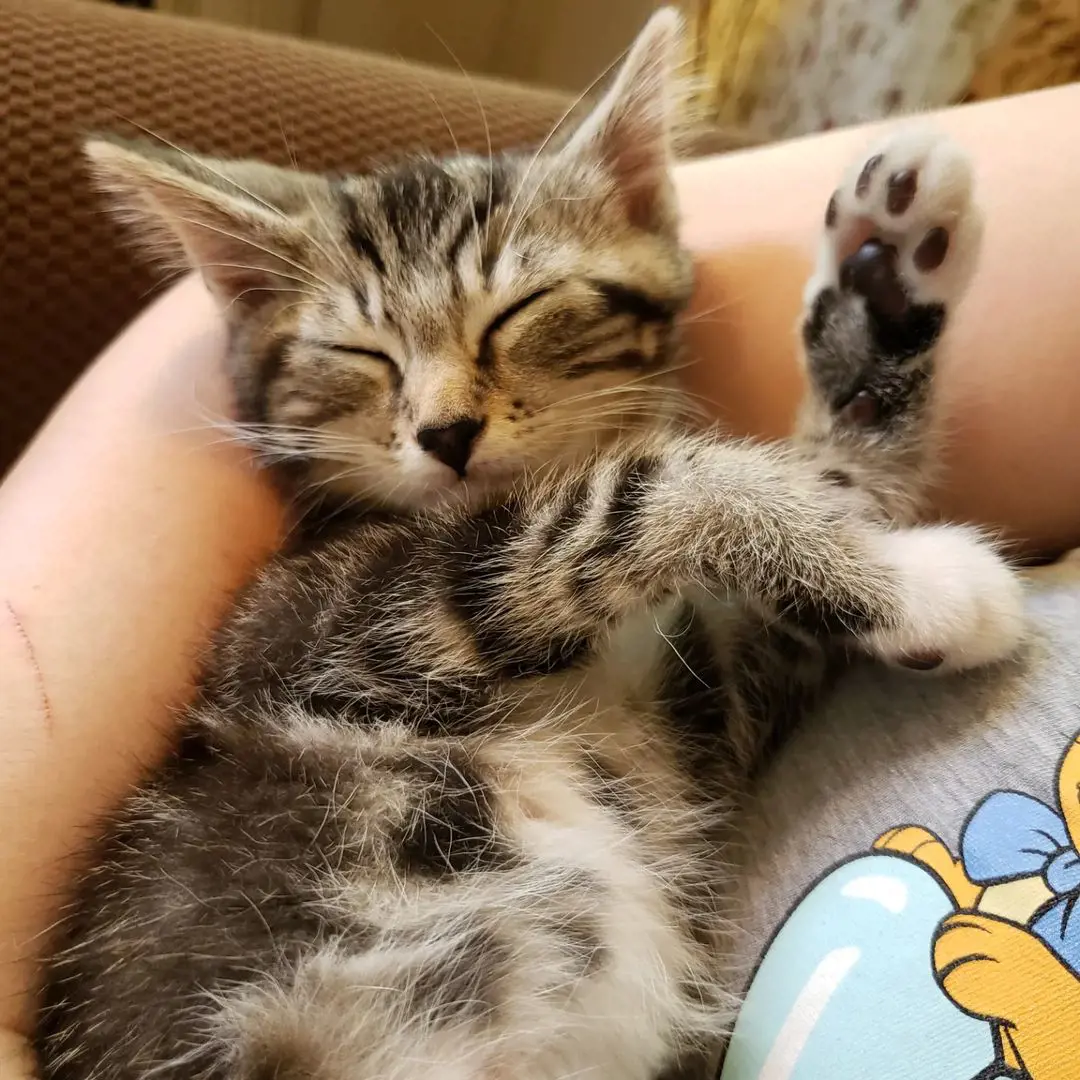
Maintaining good health is paramount for tabby cats, just like any other feline companion. Additionally, keeping their environment clean and free of potential hazards, such as toxic plants and small objects they could ingest, is crucial.
Tabbies can be prone to various health issues such as dental problems, obesity and urinary tract issues. Observing changes in behavior, appetite or litter box habits can signal underlying health concerns, warranting prompt veterinary attention.
Dietary Needs
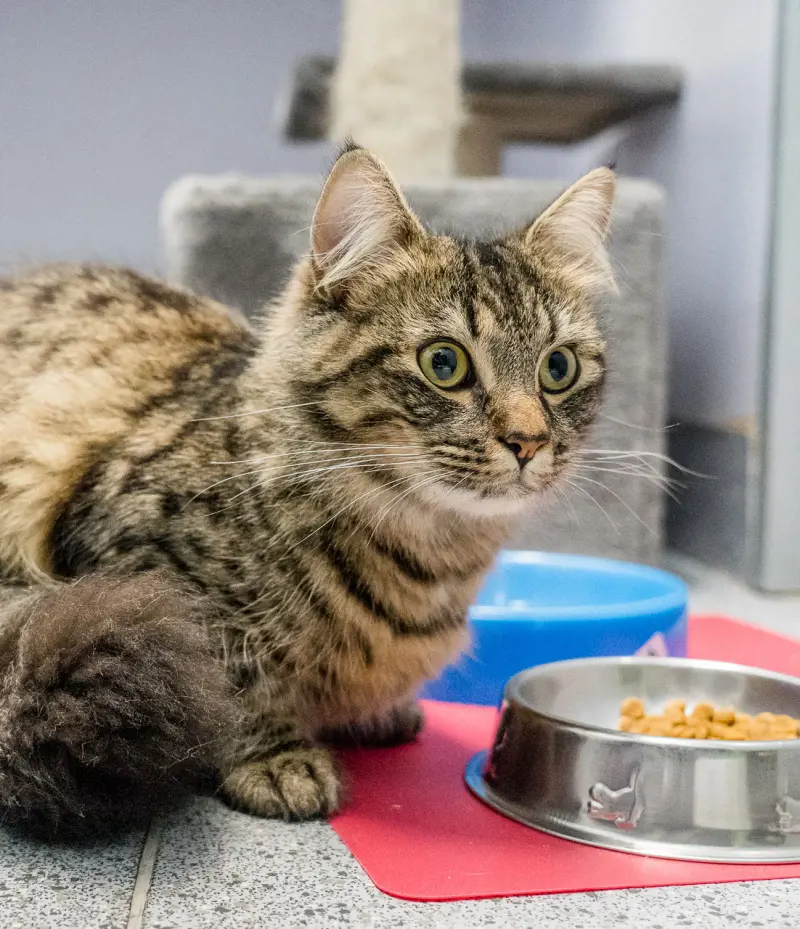
As obligate carnivores, the tabbies require a diet rich in animal protein to thrive. A balanced diet for a tabby cat should consist primarily of high-quality commercial cat food formulated to meet their nutritional requirements.
It is equally important to ensure their diet provides adequate levels of essential nutrients such as taurine, vitamins and minerals. While occasional treats are fine, they should not exceed 10% of their daily calorie intake to avoid nutritional imbalances or obesity.
Popular Tabby Cat Breeds
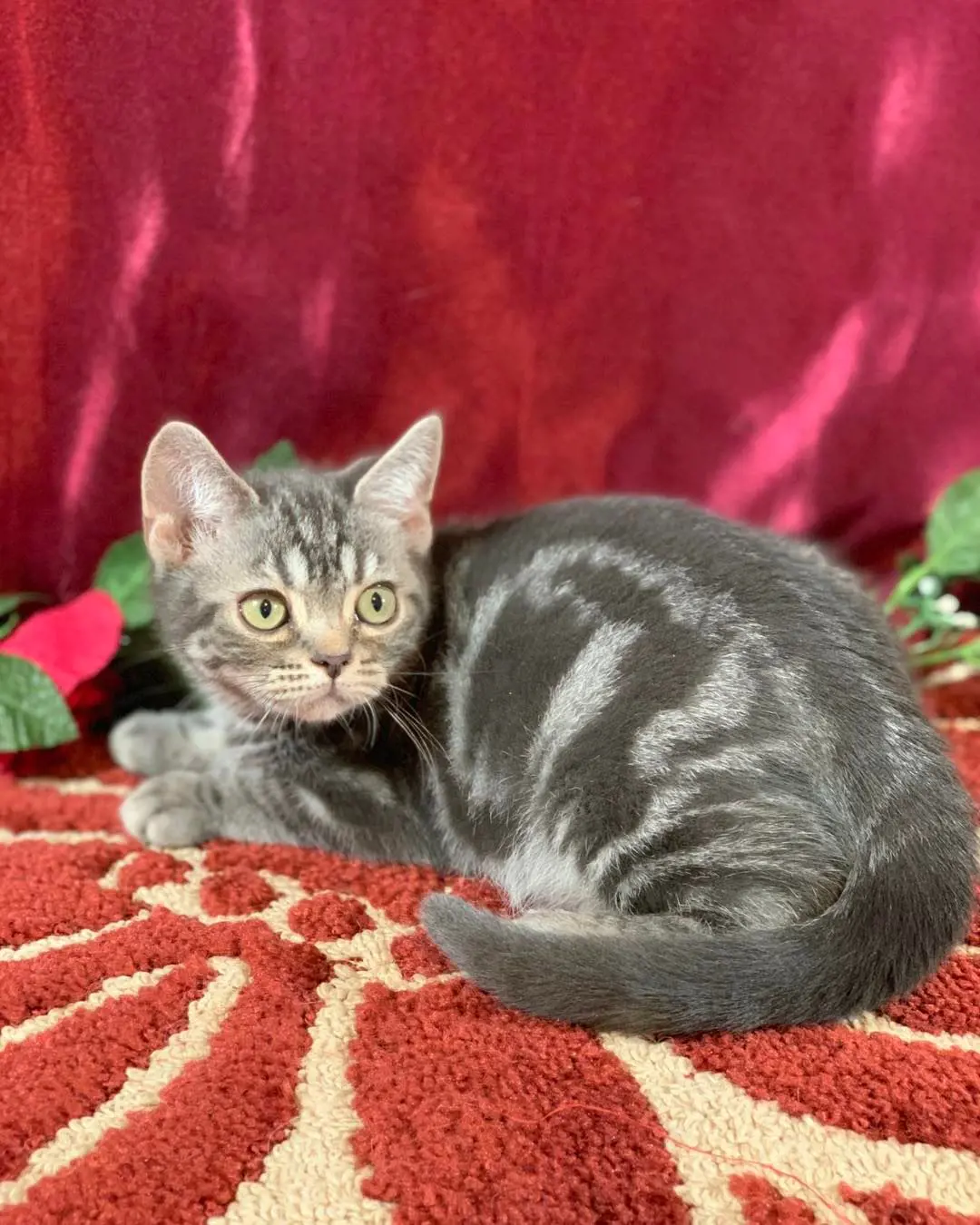
Tabby is merely a coat pattern found in many cat breeds which gives each feline its own unique characteristics. Some of the most well-known tabby cat breeds include:
- American Shorthair is renowned for their friendly demeanor and robust health, and often sport classic tabby patterns.
- Among the largest domestic cat breeds, Maine Coons frequently exhibit tabby markings and possess an affectionate nature.
- With their round faces and dense coats, British Shorthairs can display tabby patterns which adds to their charm and allure.
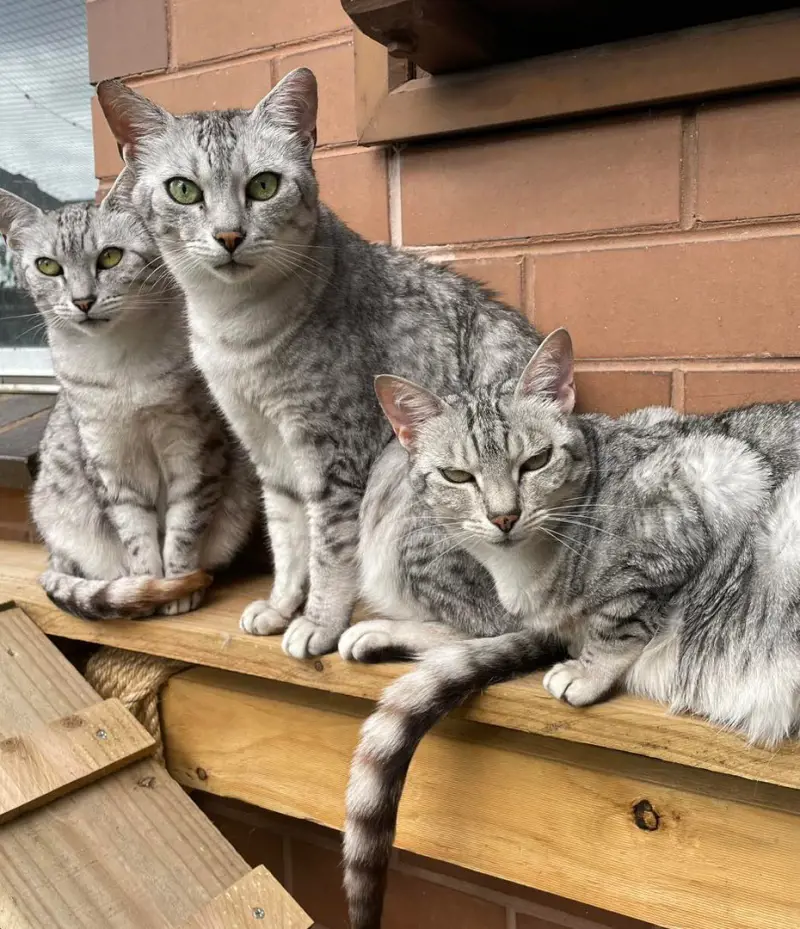
- Celebrated for their striking spotted coats and captivating green eyes, Egyptian Maus can also display tabby markings, adding to their exotic allure.
- Despite their wild appearance, Ocicats are domestic breeds selectively bred to resemble ocelots. They often showcase tabby markings in combination with their spotted coats.
A Comprehensive Tabby Cat Care Routine
Caring for a Tabby cat involves several key routines to ensure their health and happiness. Establishing a regular care routine is essential for keeping your feline healthy, happy and well-groomed.
Grooming
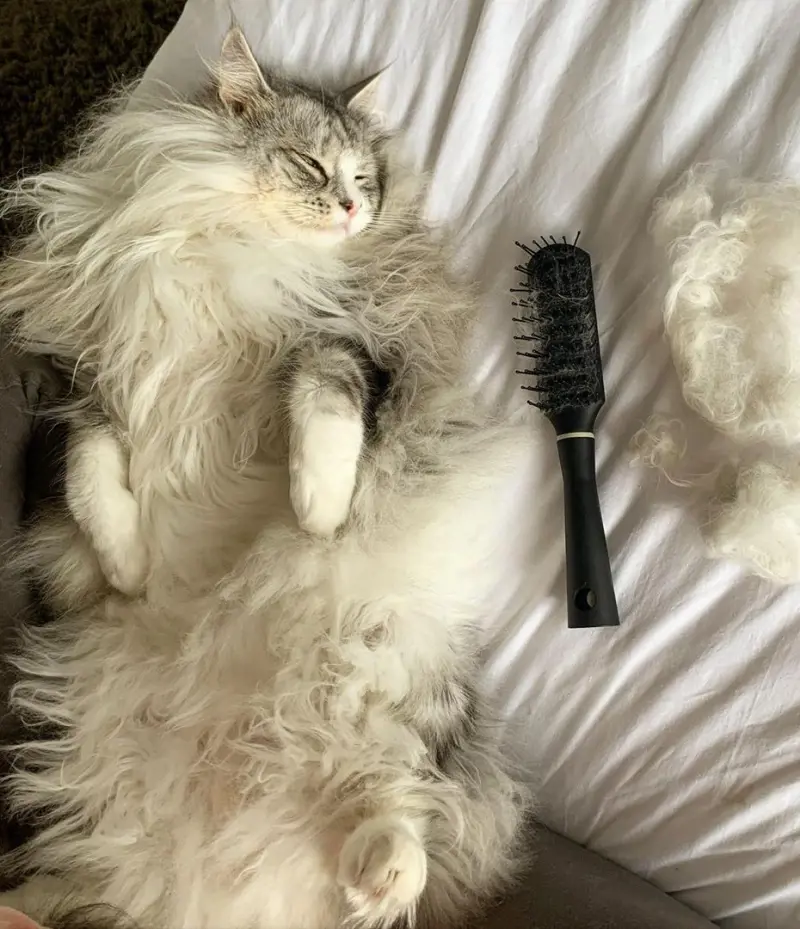
Brush your tabby cat's coat regularly with a high-quality cat hair brush to remove loose fur, prevent matting and reduce hairballs. The frequency of grooming depends on your cat's coat length and shedding patterns.
Nail Trimming
Trim your cat's nails every 2-4 weeks to prevent them from becoming too long and causing discomfort or snagging on furniture. Make sure you use a good nail clipper or grinder and familiarize your cat with the process gradually.
Dental Care
Make a regular routine to brush your cat's teeth with cat-specific toothpaste and toothbrush. Dental treats or toys designed to promote oral hygiene can also be beneficial.
Exercise
Engage your tabby in regular play sessions to keep them mentally stimulated and physically active. Use interactive toys, laser pointers, or feather wands to encourage movement and play.
Environmental Enrichment
Indoor tabby cats benefit from a stimulating environment that includes various perches, scratching posts, toys and hiding spots to satisfy their natural instincts. Provide vertical spaces such as cat trees or shelves that allow them to climb and survey their surroundings, mimicking their natural habitat.
Endearing Traits Of Tabby Cats
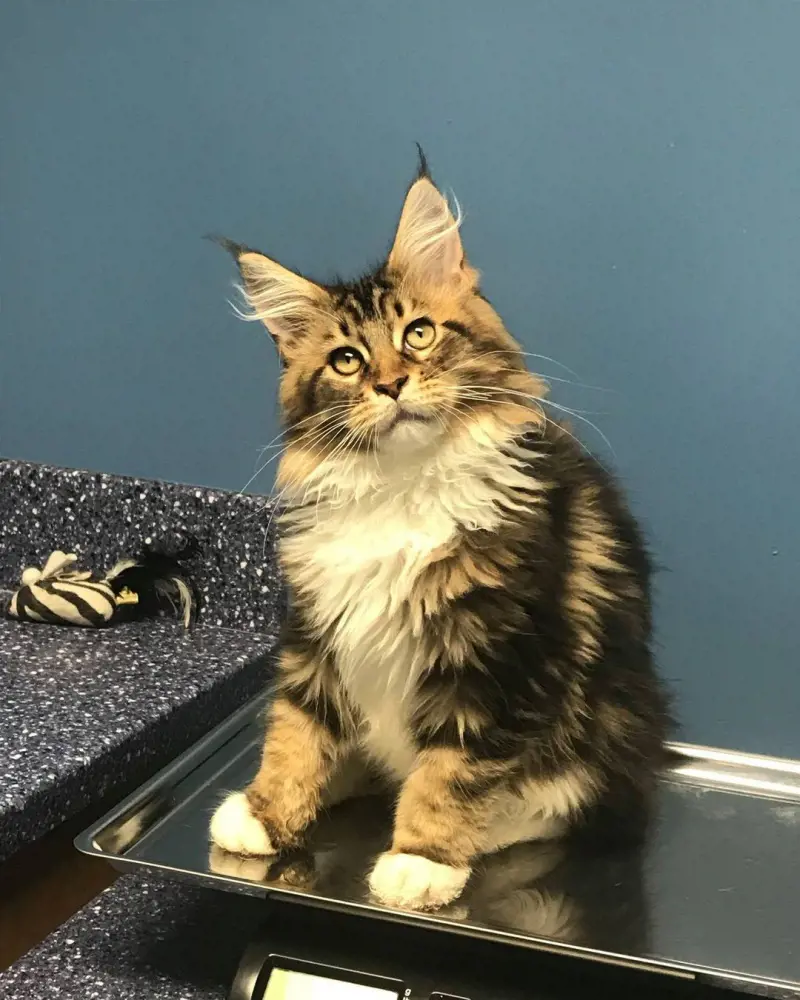
Tabby cats possess a charming array of endearing facial traits that make them beloved companions worldwide. Their captivating eyes, often large and expressive, come in various shades ranging from deep amber to striking green, adding depth to their personalities.
Complementing their eyes are their perceptive ears, which are often adorned with distinctive tufts or ear furnishings, adding to their allure. Beyond this, their characteristic striped or marbled coats capture the heart of any onlooker.