

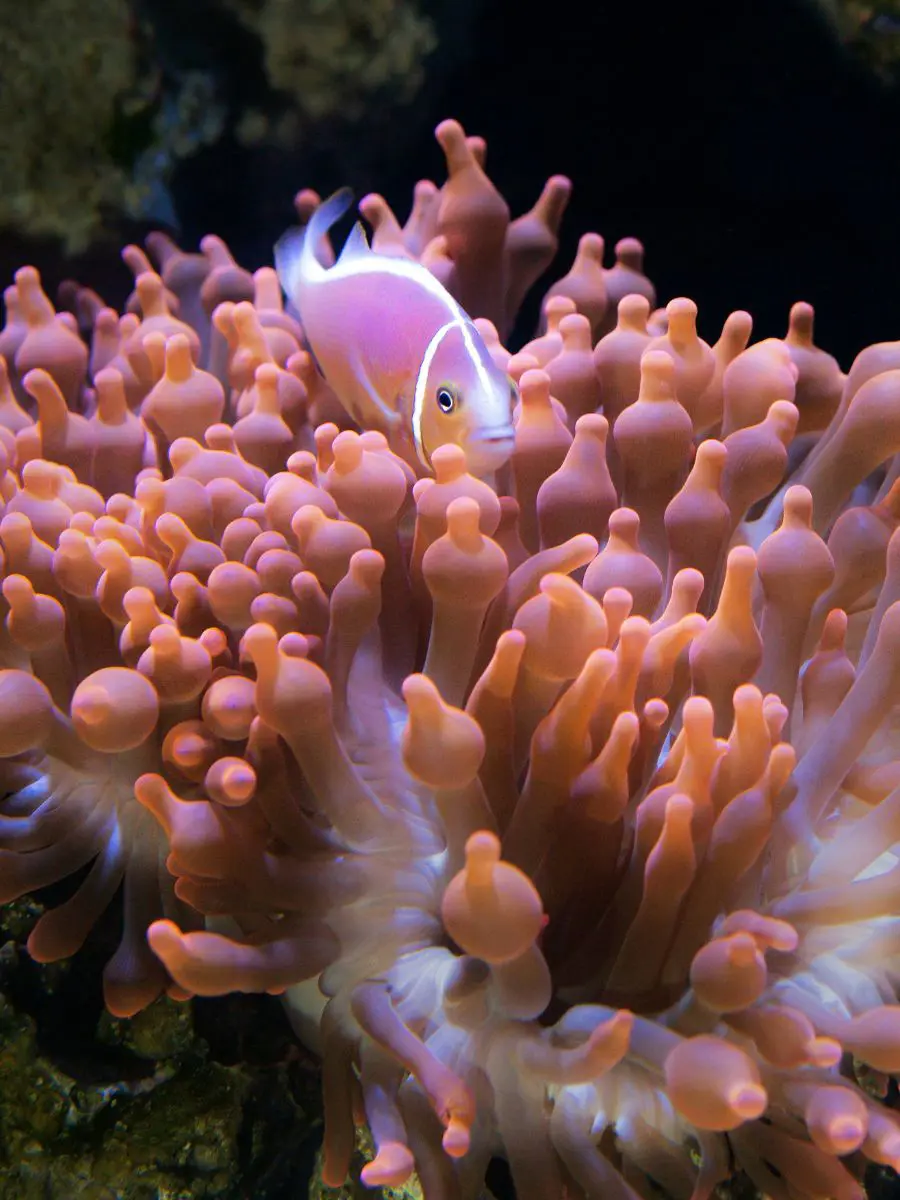
Sea anemones are among the ocean's beauties, greatly adding color and life to any saltwater aquarium. Sea Anemones will become very good neighbors to the clownfish and all other sea fauna at any time they are allowed to shine in a well-maintained aquarium.
They are any soft-bodied, often sedentary marine animal of the phylum Cnidaria, with a columnar body and a ring of tentacles around the mouth. There are many species available, many of them offering very different looks and often very different maintenance requirements.
1. Bubble Tip Anemone (Entacmaea quadricolor)
One of the most popular and widely kept anemones in the aquarium hobby is the Bubble-Tip Anemone Entacmaea Quadricolor. Due to its vivid colors, it is ranked among the most prized species.
It comes in green through rose and red to orange. It is decorative and relatively easy to care for compared with other anemone species. It will require an established tank with stable water parameters and an equally stable atmosphere.
Feeding is relatively easy, as they will take any meaty foods like shrimp, fish, or specialist anemone feeds, with the added advantage of photosynthetic skills from their symbiotic zooxanthellae. They would also need moderate to strong lighting, often supplied via LED or metal halide systems.
2. Rock Flower Anemone (Epicystis crucifer)
The Rock Flower Anemone, Epicystis crucifer, is a small, colorful Caribbean sea anemone that adds much visual interest to aquariums with its bright colorations, which include red, green, orange, and purple.
One of the hardier anemones, the Rock Flower Anemone, will tolerate most lighting and water flow conditions, unlike their more sensitive cousins. They do, however, prefer anchorage on sand substrates or rock crevices.
They are not representatives of clownfish at all and happen to be among the most popular species in reef tanks due to their easy care and attractive nature, with the added advantage of low maintenance cosmetically for an aquarist who would want some low-maintenance cosmetic species in his or her tank.
3. Carpet Anemone (Stichodactyla gigantea)
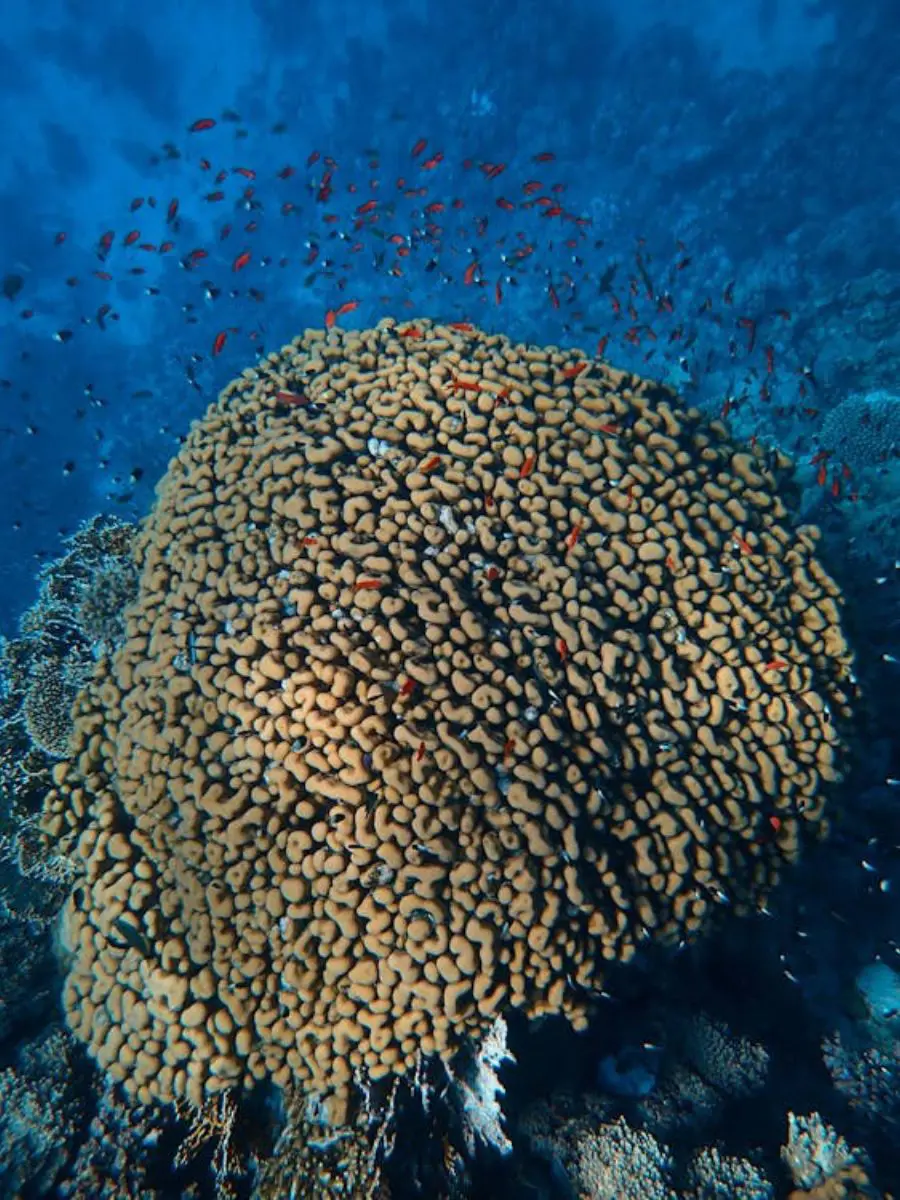
The Carpet Anemone, Stichodactyla gigantea, is a large, colorful anemone with very short, sticky tentacles and an undulating, broad disc, so it cannot be confused with any other species.
It hails from the Indo-Pacific reefs. It requires a relatively stable and bright aquarium for its photosynthetic zooxanthellae. They are known to host clowns, so anchoring into the rocks or substrate must be secure. They need to be constantly fed meaty foods like shrimp and require moderate to high water flow and pristine water conditions.
Although quite beautiful, this species is not considered one that most aquarists are capable of managing since it has a very potent sting. They become so large that they often form the central focus of a well-managed reef tank.
4. Tube Anemone (Cerianthus membranaceus)
The Tube Anemone (Cerianthus membranaceus) is a unique and striking species known for its long, flowing tentacles and tubular structure, which it burrows into the sandy substrate.
Actually, the tube anemones are another group called Cerianthids and are not true sea anemones. They come in such a wide range of colorations to see in an aquarium that they are quite striking and, thus, more enjoyable to own. This contributes to the color diversity, ranging from purple to pink and orange.
Tube anemones will thrive in mature tanks with low light and slow flow. While not aggressive, they do have relatively long stinging tentacles that might hurt other occupants in a tank if proper placement is not put into consideration when grouping for peaceful coexistence within an aquarium.
5. Long Tentacle Anemone (Macrodactyla doreensis)
It is a member of the interesting group of sea anemones known as the Long Tentacle Anemone, Macrodactyla doreensis, and its most defining feature is its abnormally long, slender tentacles stretched up to a foot in length.
The Anemone hails from the Indo-Pacific, typically green, purple, or brown in shade and it can be found in the sand below the surface of reef formations. This anemone requires a sturdy habitat with deep sand for anchorage and moderate- to high-lighting areas.
As the host of many species of clownfish, the Long Tentacle Anemone brings dynamic movement to the aquarium. A significant part of this species' long-term success is regular feeding with meaty foods and the highest possible water quality in the marine tank.
6. Condy Anemone (Condylactis gigantea)
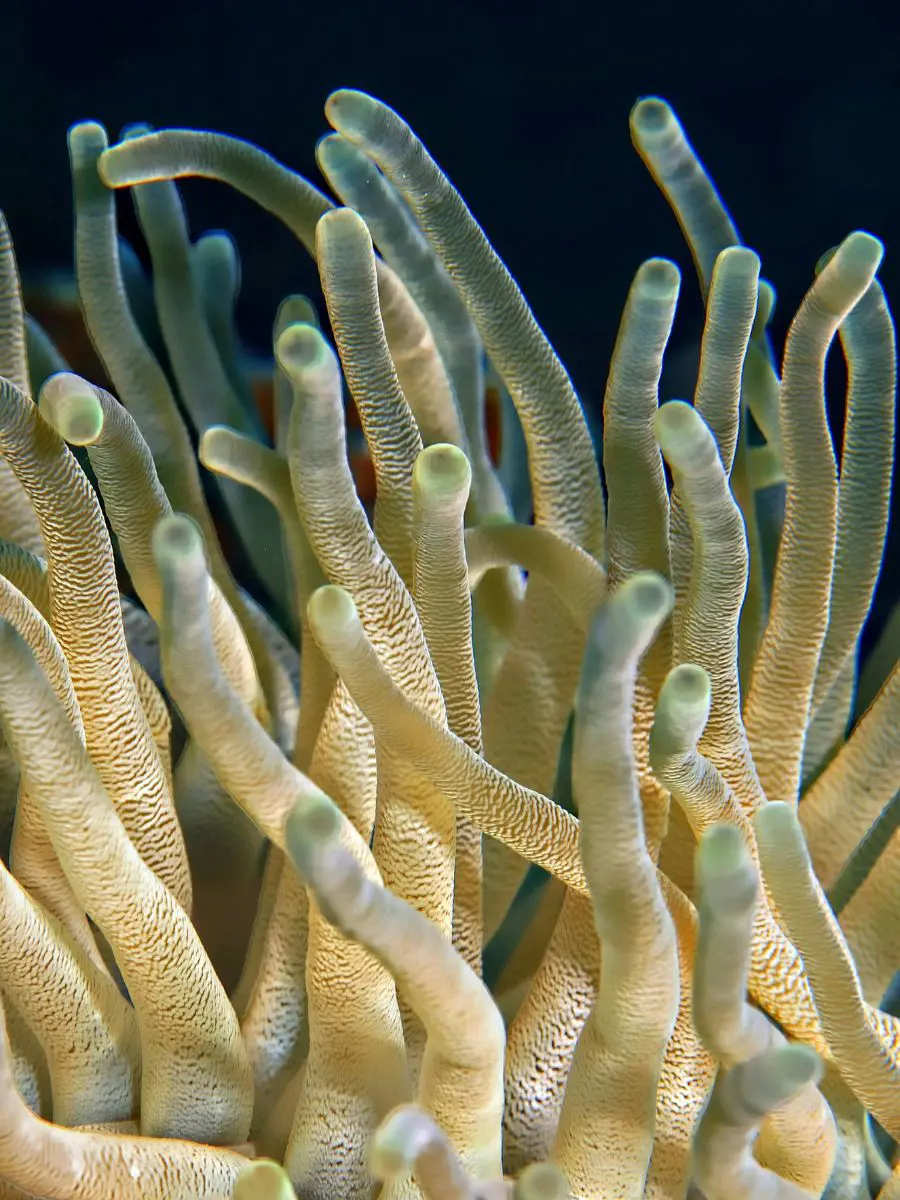
One of the smaller, very colorful ones is the Mini Maxi Carpet Anemone, Stichodactyla tapetum. It surely is with its very bright purples and blues, reds included, alongside greens and reds in colors simply, it is a color explosion pop for any size tank.
The mini-maxi carpet anemone is certainly more tolerant of various light and water conditions and less demanding than most of its larger carpet anemone brethren. This species can attach itself to rocks or substrates and enjoys a moderate flow.
Part of the reason it's liked among nano and larger reef aquariums is its beautiful appearance and manageable size, even though it doesn't host any clownfish.
7. Sebae Anemone (Heteractis crispa)
The Sebae Anemone is probably one of the most beautiful anemones from the Indo-Pacific. Featuring huge, bulbous tentacles that may be green, brown, or blue in color, it is sure to be one of the eye-openers and centerpieces in an aquarium.
It will grow under intense light and water flow, helping to continue the symbiotic relationship that makes the anemone function with zooxanthellae. That is one of the most common mutualists of the clownfish, collecting waste in return for protection.
Sebae anemones require a settled substrate to attach themselves and a stable tank with good water quality. They require quite a bit of space and have stinging tentacles, making them suitable only for advanced aquarists.
8. Ritteri Anemone (Heteractis magnifica)
The Ritteri Anemone is one of the largest and most famous sea anemones. This species is known for its glowing appearance and size, typically reaching about 12 inches in diameter. Other names include the Magnificent Sea Anemone and the Ritteri Anemone.
Describing an anemone, if one were to give a simple description, it would be like a large, fleshy disc with very long, flowing tentacles that are green, blue, or purple. The magnificent anemone hail from the Indo-Pacific reefs. As this species bears high density regarding zooxanthellae, it requires high-intensity lighting and high water flow.
Quite striking in the aquarium, the Ritteri Anemone is an associate of Amphiprion species, commonly referred to as clownfish. Given their size and relatively strong sting, this anemone should only be reared by an experienced aquarist in a well-established and stable tank habitat.
9. Corkscrew Anemone (Macrodactyla entacmaea)
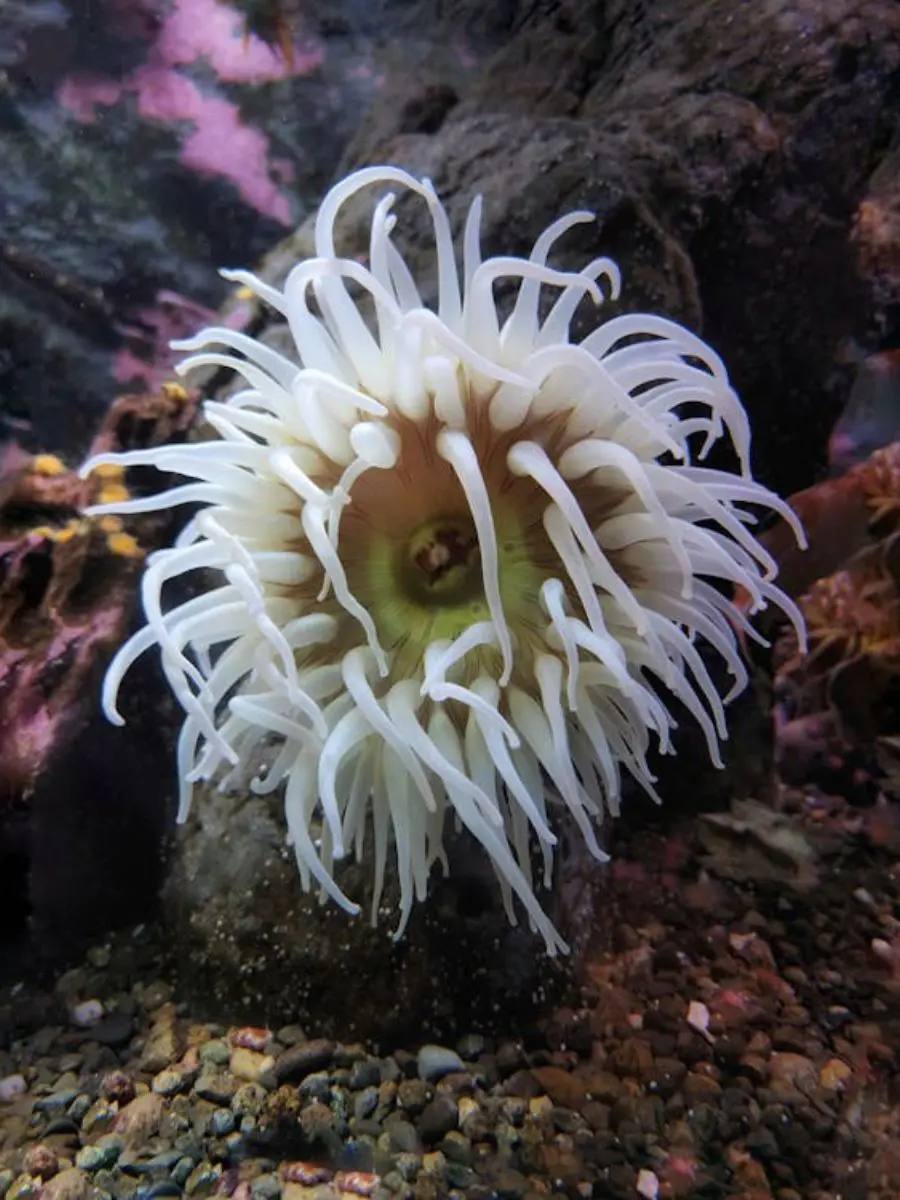
One of the more strange anemones is the Corkscrew Anemone, Macrodactyla entacmaea. Its monikers are suggested by its contorted appearance in a corkscrew pattern of tentacles.
With its native Indo-Pacific region already in its bag, it can add beautiful green, blue, and purple colors to any aquarium. This anemone prefers an established aquarium with stable water conditions and moderate to high light and tends to attach itself in areas of sand or even rock fractures.
The corkscrew anemone can, in turn, host the clownfish, offering it a safe place to stay close to the remaining food particles. Even so, it is still a voracious eater that requires heavy feeding with meat-based foods and clean water to stay healthy.
10. Pizza Anemone (Cryptodendrum adhaesivum)
More striking anemones include the Pizza Anemone Cryptodendrum adhesive. It is certainly very colorful and, with its different shape, easily distinguishable from most others.
Its 'pizza disk' is covered in short, stumpy tentacles that might be red, green, or brown. This pizza anemone belongs to the Indo-Pacific area and does best in soft water movement aquaria with only moderate illumination. It will want a secure setting with a rocky or sandy bottom to which it attaches.
It's not one of the species that shelters clownfish, so it's another striking addition to a reef tank. This animal's health relies on regular feeding with meaty items and good water quality.
11. Red Beadlet Anemone (Actinia equina)
The Red Beadlet Anemone, Actinia equina, is a very hardy anemone inhabiting the rocky coasts of the North Atlantic. Among the smallest of anemones, it has a bright red color and a bead-like appearance to its tentacles, dwelling in colder oceanic water conditions.
This sea anemone will do well even in less challenging aquaria, preferring low levels of illumination and current flow within the tank. It is not a hard anemone to care for, as it can tolerate a variety of water conditions and even attach itself to rocks or cracks.
This species does not host clownfish, but it does add some color and texture to the reef aquarium. It will require stable water conditions with a regular diet that includes meaty items.
12. Atlantic Anemone (Bunodosoma cavernata)
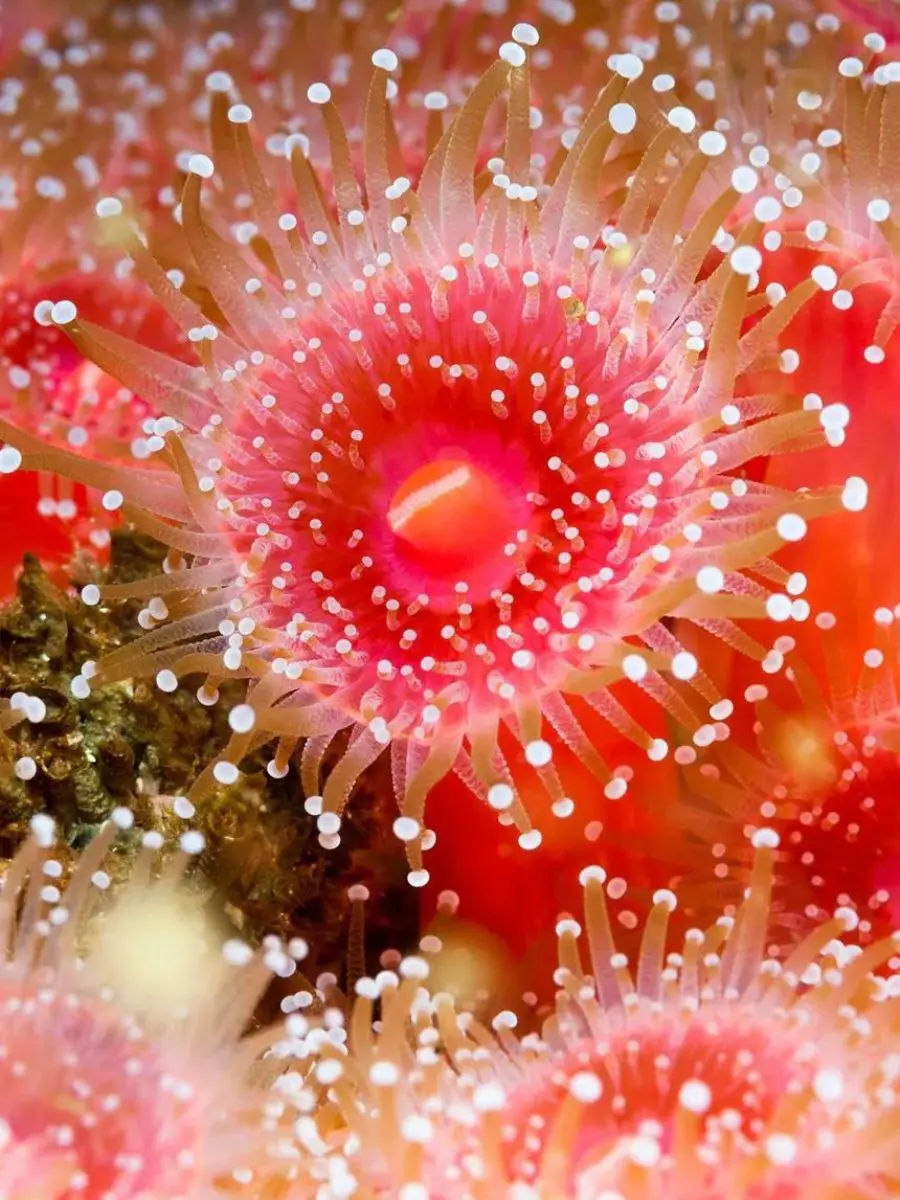
The Atlantic Anemone, Bunodosoma cavernata, is an important species only in shallow coastal waters of the Western Atlantic. It might be recognized by its large, bulbous, generally colorful oral disk.
Added to this is the presence of a large number of short retractable tentacles, which lend a rather animal-like appearance. This anemone will thrive well in aquariums with light levels in the middle to high ranges and a water flow moderate enough to create an agitation condition similar to that of its natural habitat on a rocky or sandy substrate.
With its relatively hardy nature and adaptability to various water conditions, the Atlantic Anemone will be sure to perform well with both beginners and advanced aquarists alike. It will thus need frequent feeding with meaty food and clean water.
13. Pink Tip Anemone (Condylactis aurantiaca)
One of the prettier anemones is Condylactis aurantiaca, also known as the Pink-Tipped Anemone. It is recognized due to its striking coloration and distinctive vivid pink-tipped tentacles.
Condylactis aurantiaca does well in aquariums with moderate to mild flow and moderate to high illumination. The origin of this anemone is the Caribbean region. The color of the anemone tentacles is usually deep pink or reddish, which gives a very striking color over a base of contrasting color, hence an eye candy in reef tanks.
This Pink Tip Anemone requires a stable location with a rocky or sandy substrate to anchor itself. It could host clownfish and receive bits of food in return for its protection. It will require regular feeding with meat-based food to maintain good health while maintaining stable water parameters.
14. Green Carpet Anemone (Stichodactyla haddoni)
The green carpet anemone, Stichodactyla haddoni, is a beautiful species of sea anemone, bright green with numerous thick, short tentacles that can spread when it opens.
They originally come from the Indo-Pacific Ocean and are quite sensitive to light levels and stable water conditions. They do well in a tank with a great deal of rockwork, many notches, or a sandy bottom substrate. It makes a host for clownfish that shelter inside and feed on leftover food.
This species is relatively hardy and requires special attention to water quality to be healthy and brilliant. Other than regular feeding with meaty foods, it needs no special care.
15. Rock Anemone (Bartholomea annulata)
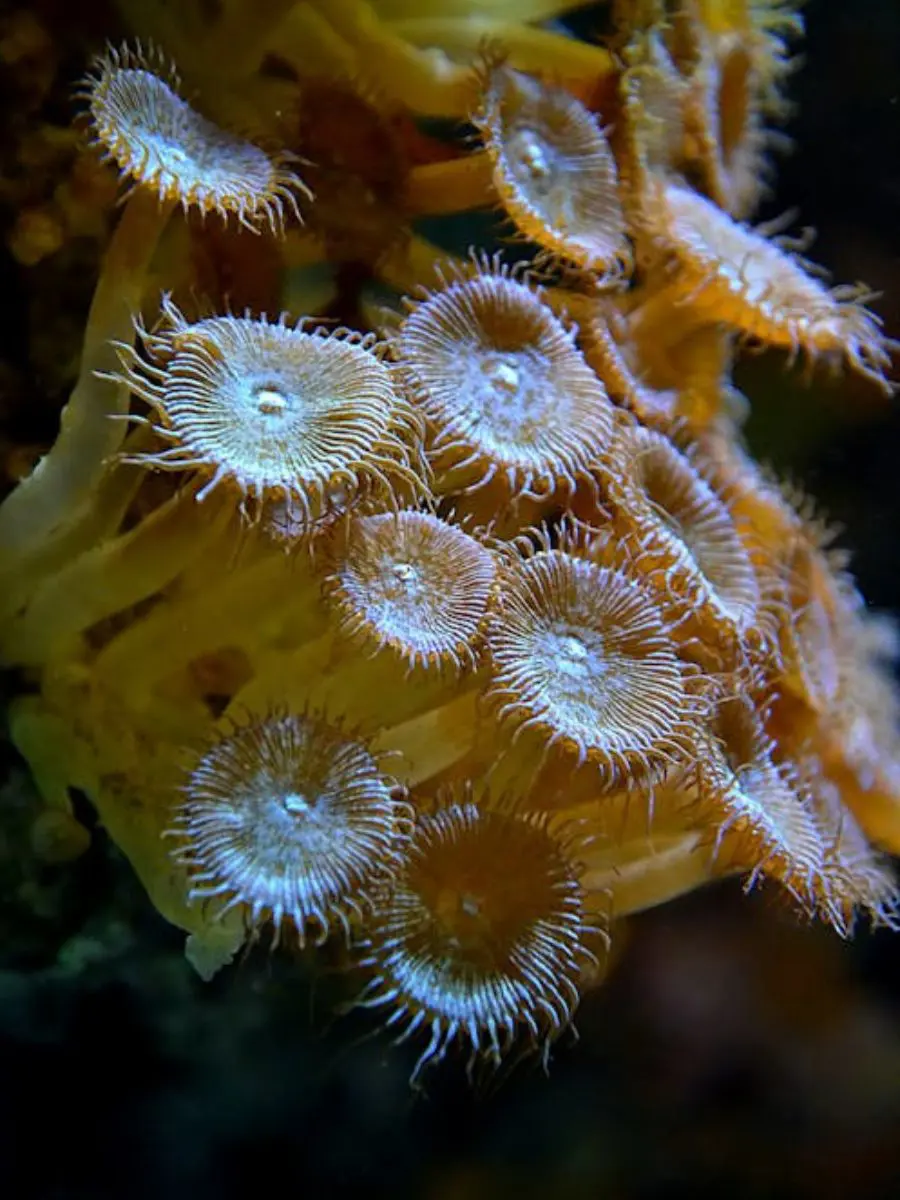
One of the more beautiful and hardy sea anemones available in the marine hobby, the Rock Anemone is native to the Caribbean. It has a broad, flat disk with ringed, or "annulated," tentacles and is usually orange, pink, and purple.
This anemone requires a well-established tank with a sandy or rock substrate to anchor into, so it requires moderate to strong lighting and stable water flow. This clownfish can be kept on the rock anemone for safety and cover. Being flexible and relatively hardy, it will do well with both beginner and more advanced aquarists.
It does need frequent feeding with meaty items and clean water to be healthy and colorful.
16. Magnificent Anemone (Heteractis magnifica)
The Magnificent Sea Anemone is that of Heteractis magnifica, which is a large and colorful sea anemone and also widely known for its size and color ranges.
This anemone has lengthy tendrils, and its base is a raised fleshy disk in pink, purple, blue, green, or violet tones. It is found in aquariums with intense lighting and conditions with high water flow rates because it has a mutualistic relationship with zooxanthellae.
The Magnificent Anemone can host clownfish, shielding them while feeding them leftover food scraps. Clownfish should be kept only in an established, stable tank with adequate space available. Because of their size and powerful sting, each is suitable only for a highly experienced aquarist.
17. Glass Anemone (Aiptasia pallida)
One of the more familiar anemones of the sea is the small, transparent Glass Anemone, Aiptasia pallida, which appears delicate and glassy.
It is considered one of the more hardy anemones because it easily adapts to various aquarium lighting conditions and water flow. Thus, glass anemones are regarded as invasive species due to their very high reproduction rate that will present competition for available resources against other inhabitants within a tank.
Most grow really fast and outcompete almost every one of them in any simple environment. Hence, suitable management and control measures should be put in place to prevent any encroachment from establishing overgrowth at all times, enough to maintain an equilibrium situation coexisting within the aquarium.
18. White Sebae Anemone (Heteractis crispa var. alba)
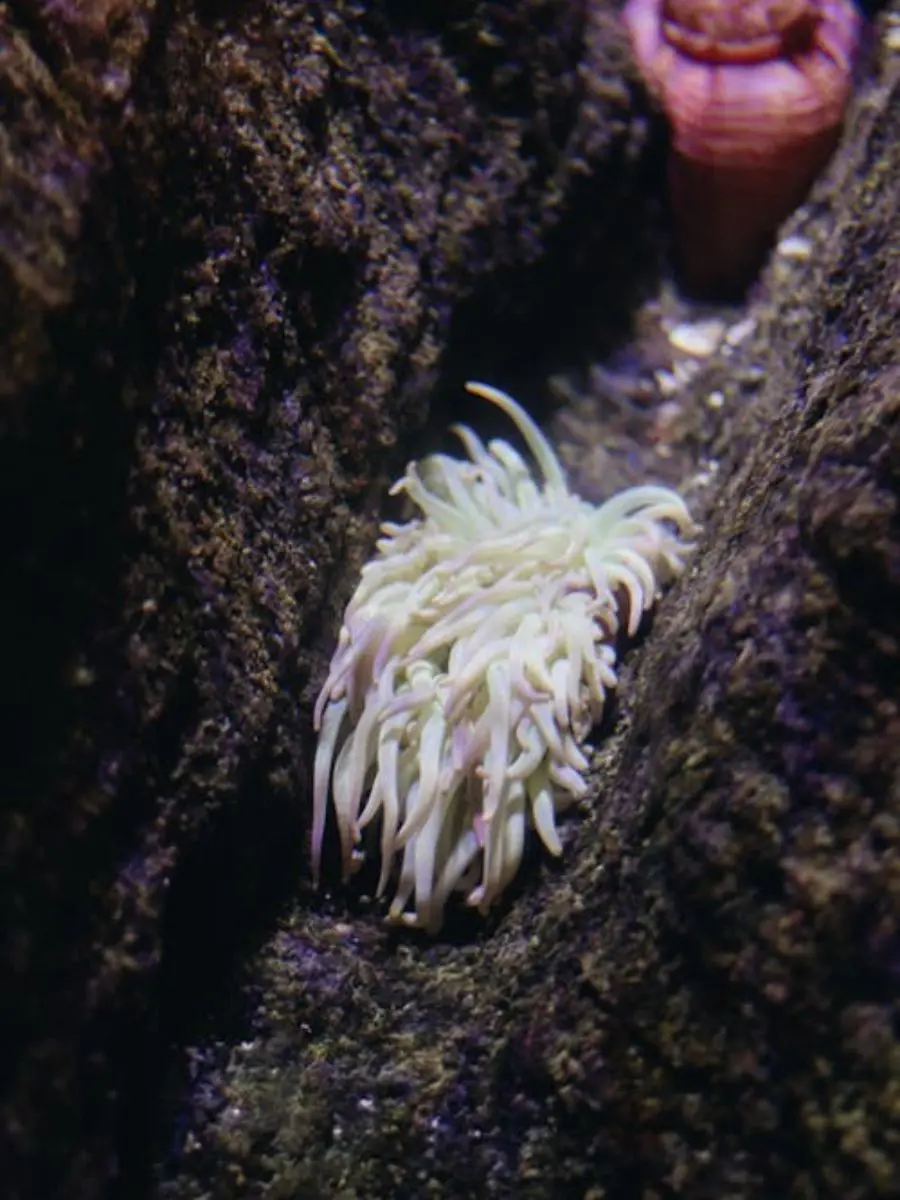
This is the beautiful White Sebae Anemone, Heteractis crispa var. alba, known for its most eye-catching size and pure white that features a large fleshy disc and long bulbous tentacles from the Indo-Pacific.
This anemone requires strong illumination and moderate to high water flow in the aquarium to establish a synergistic relationship with the zooxanthellae. After ingesting all that they can, the clownfish use the remaining food as shelter and a source of food.
The white sebae anemone needs a stable habitat with an established tank and a rocky or sandy bottom to which it can attach itself. It wants a lot of space and has a potent sting, so it's only recommended for advanced aquarists.
19. Fire Anemone (Actinodendron plumosum)
The Fire Anemone by all probability is one of the most brilliant and striking of all the anemones by the blazing, brilliant colors and its plume-like tentacles.
It hails from the Indo-Pacific region and bears very long feathery tentacles that could extend up to 12 inches. The anemone is red, orange, and yellow in color and resembles a flame. It will do well in aquariums with stable water conditions, moderate to low lighting, and slow currents.
This species attaches itself to stony or sandy surfaces. It's not very common as a host for the clownfish, but it most certainly adds flare to any reef aquarium. Health requires regular feeding with meat-based diets and good water quality.
20. Sunburst Anemone (Anthopleura sola)
This is a really dazzling sea anemone, the Anthopleura sola, commonly called the Sunburst Anemone. Within a remarkably colorful group, this is the species with the most color and has a quite distinct look.
It has a wide oral disc resembling a flat disk, with radiating tentacles often brilliant green, yellow, or orange. Native to the rocky Pacific Ocean, this species will do well in an aquarium with relatively stable water conditions and moderate to strong lighting.
It requires an established aquarium with a rocky or sandy bottom to which it will attach itself firmly. With its popping visual appeal and dynamic movement, this Sunburst Anemone will really shine in reef aquariums. Health depends mainly on regular feeding of meaty foods and cleanliness of the water.