

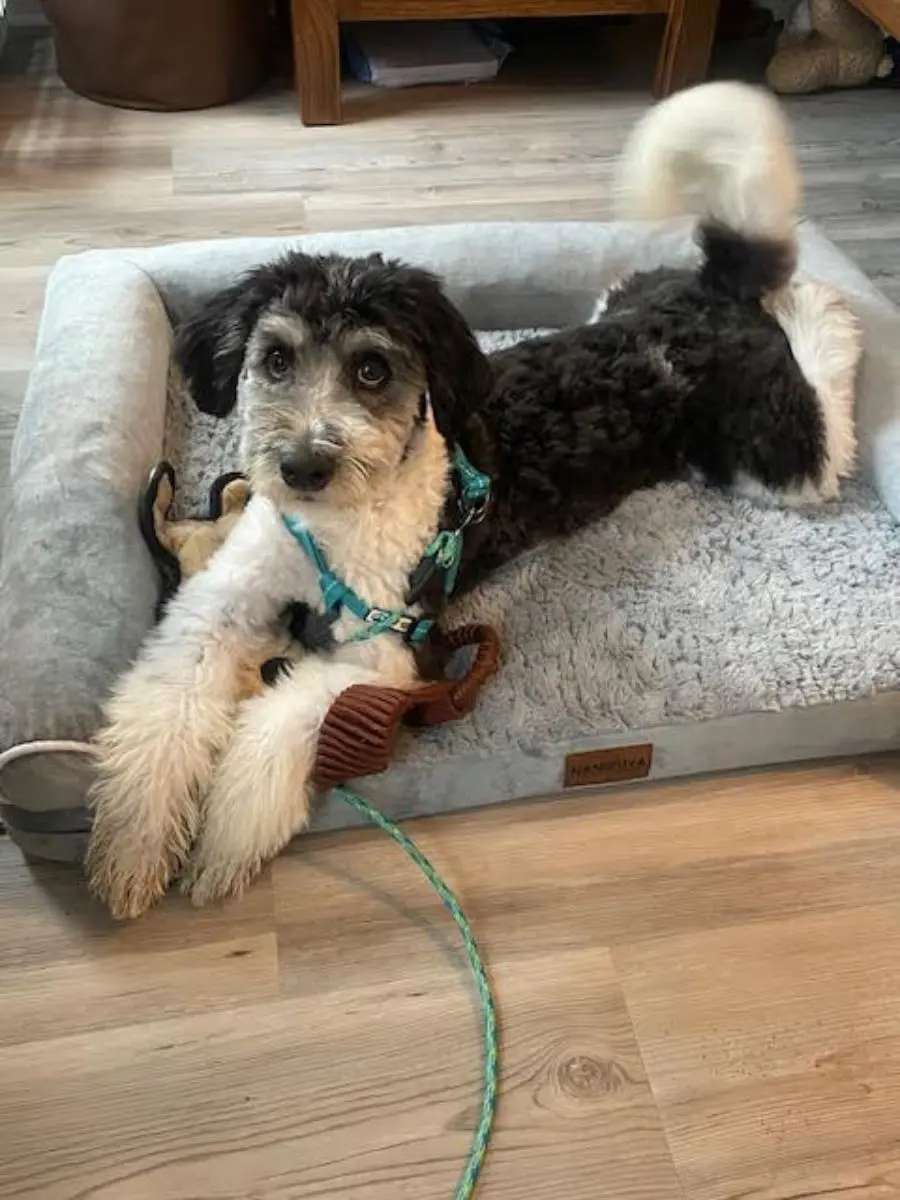
A Schnoodle is a beautiful cross between a Poodle and a Schnauzer; families greatly appreciate them because they are hypoallergenic and perky, loving dogs. They are versatile dogs that really blend a mix of loyalty and intellect well, as their size will depend upon the Poodle parent.
A very real benefit of the Schnoodle is that it is a cross between a Schnauzer, which is an intelligent, loyal, sensible dog, and a Poodle, which is the same. If anything at all, though, while there is no such thing as a perfectly hypoallergenic dog, some people might do well with Schnauzers, Poodles, and so on, and crosses are similar to this.
Overview
- Lifespan:12 to 15 years
- Weight: 5kgs to 40kgs
- Colors: Common colors include black, white, brown, gray, apricot, and combinations
- Height: 10 to 26 inches on the shoulder
- Size: Toy, Miniature, and Standard (varies depending on Poodle parent)
- Personality: Playful, affectionate, intelligent, loyal, sociable, and eager to please
History And Origin Of Schnoodle Dog
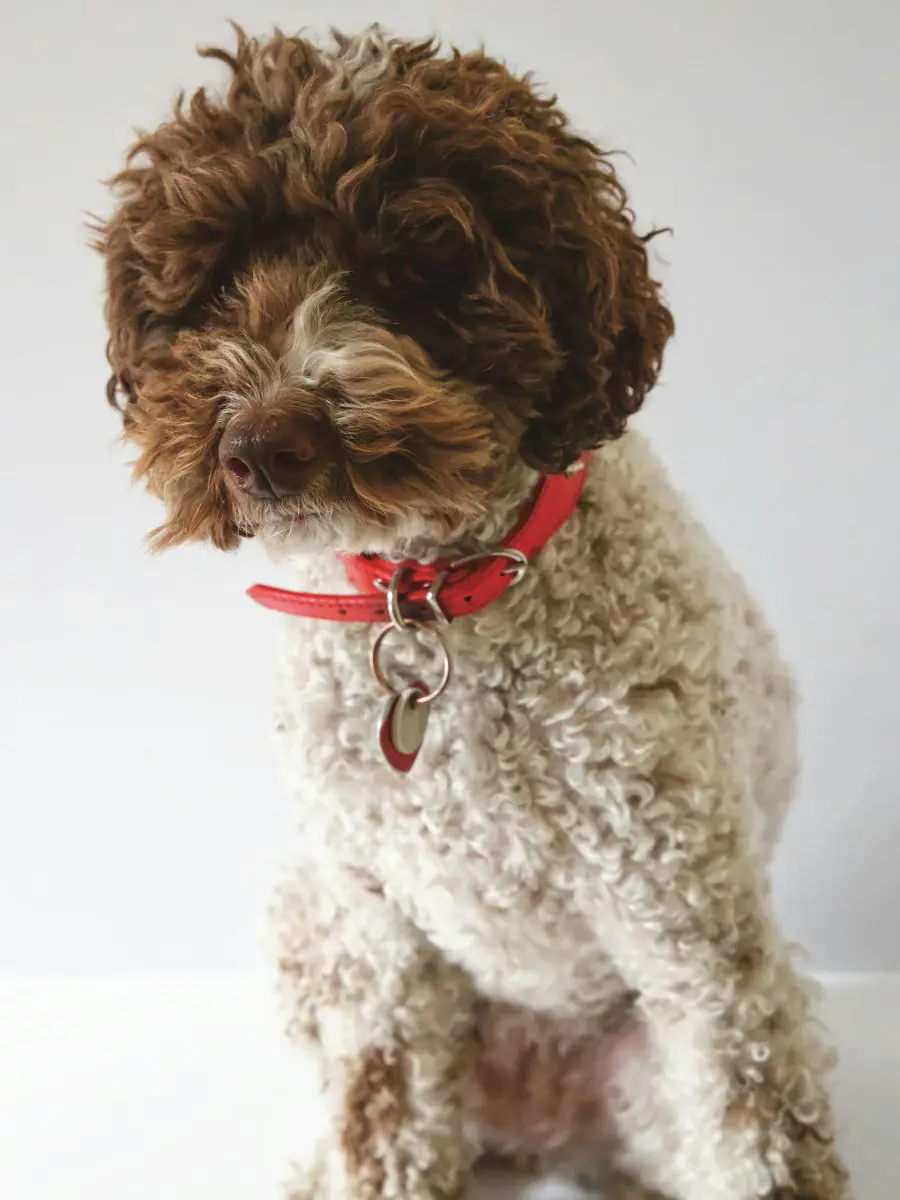
| Family Friendly | 5 |
| Exercise Needs | 4 |
| Easy to train | 5 |
| Tolerates Being Alone | 3 |
| Likes other pets | 4 |
| Energy level | 4 |
| Grooming needs | 4 |
| Shedding | 2 |
| Affection | 5 |
| Playfulness | 5 |
| Alertness | 4 |
This breed of schnoodle is relatively new in the designer dog world, having been developed in the late 1900s. A small breed derived from Poodles and Schnauzers, a Schnoodle can really be a kind-hearted and obedient companion.
The first reason for breeding a Schnoodle was to come up with a smart and sociable dog that did not shed much to be suitable for single people and families.. Poodles are low-shedding in coats, while they are highly intelligent. On the other hand, Schnauzers have muscular bodies, rugged outlooks, and loyal temperaments to protect. Therefore, their mixture in one makes the Schnoodle quite an appeal to many who seek an intelligent dog to fit into different settings of lifestyles.
Attention and Affection
The Schnoodles are very affectionate and like to stay near their owner, relishing the right type of attention. He likes to be involved in daily activities and can easily bond with his family. He requires lots of love and care, but with his loving nature, they will become very anxious when left alone for too long. He also likes company.
Playfulness
Schnoodles are full-of-life, jolly dogs that bring fun and energy into any home. They really do love playing games, working with toys, and being outside. They work really well with children and adults because they like interactive play with their families because of the energy they hold within them and are always ready to go.
Alertness
In addition, they make great watchdogs because a Schnoodle is alert and observant; they are very perceptive to new things and, therefore, respond with curiosity to unfamiliar sounds or sights. Their keen observation ability and intelligence are the sources that keep them conscious of their surroundings and the reasons they feel a deep interest in mundane activities and a sense of security.
Schnoodle Dog Personality Traits
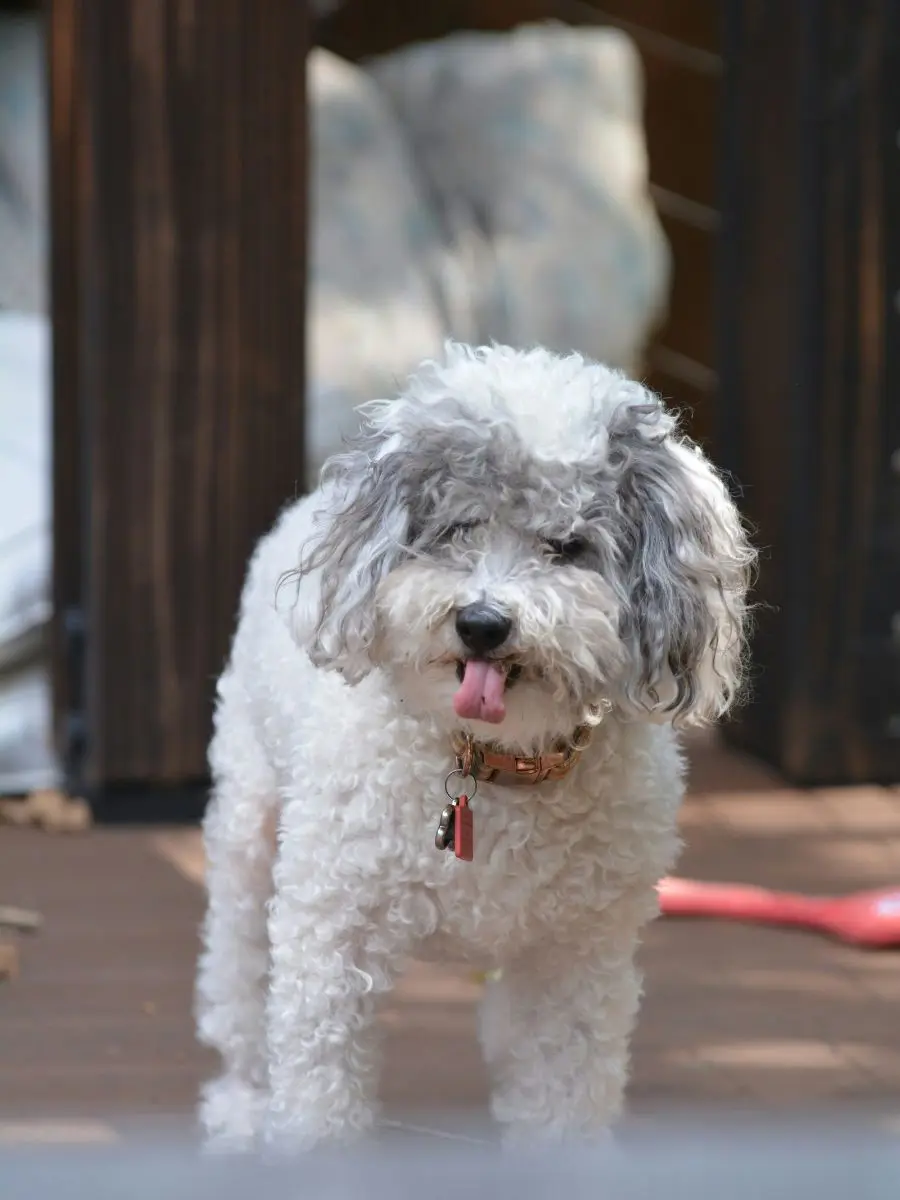
Due to these endearing personality traits, the Schnoodle has grown over the years to be liked immensely by many families. Their being crossed between a Poodle and a Schnauzer really imbues them with much affability and kindness. One of the very well-known traits of the Schnoodle is their amiable character: they are attached to their owners and are really lovers of company.
Schnoodles are social dogs that get along great with people and other animals, making them pretty nice friends, flexible, and adaptable. These dogs are loyal and alert, giving one a feeling of security, and they prove to be devoted companions and watchful guardians.
Affectionate
The Schnoodle breed is quite affectionate and yearns to have good relations with its owners. They are happiest when they form part of family day-to-day activities and survive on human contact. This breed is extremely demonstrative, and many times, what they look forward to is physical touching or attention. With an emotional attachment close at hand, they become loyal and sensitive companions who always stand ready to shower love and become a part of family life.
Playful
One of the most beautiful traits of a Schnoodle is its exuberant attitude. These dogs are very much full of energy, and they love playing tug-of-war, fetch, or just having some playful antics around the yard. Child-friendly, they easily fit into a family with children and possess temperaments that love interaction and are always up to having some fun. That kind of playful temperament is what keeps a family involved and on their toes.
Intelligent
One of the traits that Schnoodles, including the Poodle and Schnauzer, inherit from their parents is high intelligence. With high intelligence, they comprehend things fast and can easily learn a new skill or even directions. Training, therefore, is fulfilling since it pleases them by solving problems.
Loyal
Schnoodles, being a cross between a schnauzer and a poodle, in this sense, inherit the sociability characteristic of their parent breeds. This is why they love interacting with people and other dogs in their company. Socializing will be good with Schnoodles wherever they are: with children, new friends, or other animals.
Alert
The Schnoodles also make great watchdogs since they are very observant and watchful. They easily feel changes or strange sounds in their surroundings, thus increasing the security of their job as family pets in terms of making sure to give warnings to their owners, who shall protect them from prospective intruders or unusual activity.
Energetic
Schnoodles love yard play, and, in fact, the time added for walks to running around is spent outdoors. This really helps to keep them active and hence to throw away the pent-up energy. This high order of vitality renders them an active, spirited personality. Regular exercise keeps this active one happy and healthy, far from boredom, hence avoiding developing an imbalanced temperament.
Nutrition And Diet
A balanced diet, in relation to their requirement, a hybrid breed like the Schnoodle in their health and energetic upkeep, is much required. That is, varied carbohydrates, lipids, vitamins, and minerals are needed to keep them in good health and qualitative sources of protein so that they remain peppy, full of energy, and enthusiasm.
Aside from that, it is also possible that some Schnoodles develop an allergy to one variety of food types or may be sensitive to one. Therefore, food type selection is very literally crucial, likely including hypoallergic food selections. Setting up a feeding schedule helps to keep them energized and with proper digestion, while access to fresh water for keeping them hydrated is quite important.
Only when a combination of all good-quality ingredients is made can one be assured that all that one needs to grow and maintain will be provided.
High-Quality Foods
Feed your dog good quality food, whether canned or dry. This is very important for small- to medium-sized dogs with an active nature. This will ensure that your dog has all it needs to lead a happy and healthy life.
Balanced Diet
It will need sources of quality protein like chicken, beef, or fish to enhance muscling and energy. It will also require lipids from flaxseed or fish oil so that they sustain good skin and coats. Other sources of carbohydrates, like sweet potatoes or brown grains, will let us get up and go. In like manner, minerals and vitamins will also be most important in keeping good bone health, proper immunological response, and general vigor.
Portion Control
As there are small, medium, and large-sized noodles, the portion sizes should be controlled based on the needs of every individual. Intake exceeding the required quantity results in obesity, and this may further lead to diabetes, joint troubles, and other such diseases. Hence, a person could keep themselves physically fit by observing his/ her body weight and making the necessary alterations in their diet.
Special Dietary Needs
Some of the Schnoodles may be sensitive or food allergic, chiefly owing to the contribution of one of the parental breeding lines. Common allergens include grains, some proteins, and artificial additives. In case of allergy symptoms, scratching, gastrointestinal problems, or ear infections, a Schnoodle is going to show, probably needing a changeover to hypoallergenic or grain-free food.
Feeding Schedule
A consistent feeding pattern controls a Schnoodle's energy levels and digestion. With most dogs, twice-a-day feeding, both in the morning and evening, will be okay. Puppies require more meals during the day to keep up with their development and growth. Feeding at the same time each day allows for good metabolism and inhibits overeating.
Hydration
Always provide fresh, clean water. This is very important after exercise or on hot days. Good hydration is always necessary for digestion and the absorption of all nutrients for normal body functions. The amount drunk must also be checked, as this may indicate a hidden problem such as diabetes or kidney disease.
Supplements
However, most of the nutrition a Schnoodle requires should come from a proper diet. Glucosamine and chondroitin are some dietary supplements helpful in maintaining joint health, while omega-3 fatty acids enhance the skin and coat.
Treats and Snacks
Treats are great for adding some variety to your dog's diet but don't forget they have to be really small portions. Keep in mind that they add up in their general daily intake not to overfeed. Now, give them some healthy treats like small pieces of cooked chicken, carrots, or apples.
Care For Schnoodle Dogs
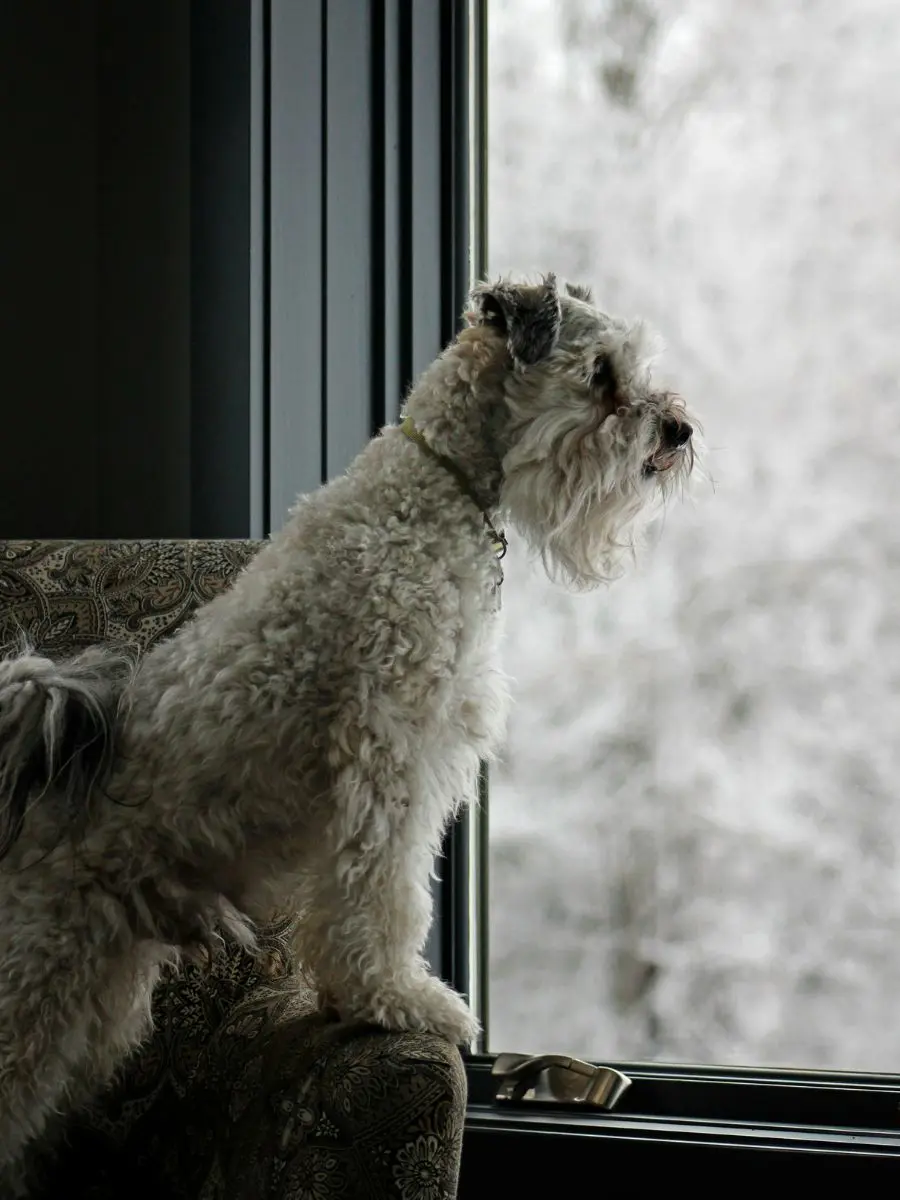
They are loving and clever dogs, making excellent companions. However, they will require good care to be ignited with a balanced approach.
Apart from regular grooming and exercise, Schnoodles require some training and attention to their general well-being. Their coat can be curly or wavy. Therefore, frequent brushing and professional grooming will be required to prevent their hair from matting and make them look good.
Therefore, good health results from proper diet and routine veterinarian care, and problems can be avoided quite early. Welfare, thus, is associated with an environment that provides the principles of safety and security.
Exercise Needs
They should have daily plays that include physical and mental exercise, such as a cerebral workout and a walk. Depending on the size and discontent of a Schnoodle, it could either be an eager player of fetch or involved in agility sports, or even swim to some extent. Good exercise for a Schnoodle will keep boredom away each day as their minds remain refreshed in maintaining the weight and reducing the chances of expressive misbehaviors that result from pent frustration.
Training and Socialization
They are very receptive to praise, treats, and play as rewards, and the best methods involve constant positive reinforcement. The other important factor in their being very balanced dogs is socialization from a very early age. Exposing a dog to people, places, situations, and other animals instills confidence and minimizes its reaction out of fear.
General Tips
Some of the things that you need to raise in a Schnoodle include balanced feeding, hair in the form of frequent brushing, daily exercises, rewards during training, and frequent visits to the vet for check-ups.
Health Issues
Hip Dysplasia
Of the more common hereditary disorders with the Schnoodle, hip dysplasia causes the formation of the hip joint to go wrong, which can cause pain and mobility issues. This can be controlled or completely avoided by regular veterinary checkups and good weight conditions via proper food and exercise.
Progressive Retinal Atrophy (PRA)
Progressive retinal atrophy is the condition of the eye that leads to progressive loss of vision, consequently to blindness. On the other hand, while genetic retinal disease can easily be managed and its development retarded by its early detection from regular eye checkups, there is no cure for it.
Allergies
Schnoodles are fairly prone to allergies, which could well be due to food or environmental factors. Common symptoms linked to allergies include ear infections, digestion problems, and itching. However, allergies can be kept at bay by testing a dog's system with the help of a vet for the presence of some specific elements that could trigger this reaction and by avoiding those particular things.
Patellar Luxation
This is a condition in which the kneecap, or patella, falls out of its natural position, causing discomfort and lameness. Treatments can be anything from mild to severe, including physical therapy, lifestyle changes, or even surgery. This problem is fairly common in the Schnoodle breed and other small breeds of this size.
Ear Infections
With their floppy ears, they become easy victims of ear infections if their ears are not regularly cleaned out. As their ears are like a habitat for bacteria and yeasts that entrapped them inside, they then catch an infection. They can keep away from those infections and keep their ears healthy through regular ear cleaning and grooming.
Dental Issues
Since Schnoodles fall somewhere in the middle between small- and medium-sized dogs, they are almost likely to have some dental problems like tooth decay and gum diseases. This is always manageable or best prevented by regular dental cleaning, dental chews, and brushing.
Legg-Calvé-Perthes Disease
This is an illness of the hip joint in which the head of the femur degenerates, leading to discomfort and lameness. It's mainly common among the smaller breeds, especially the Schnoodles. Rehabilitation will be kicked off as part of treatment after the damaged part of the bone is surgically removed.
Skin Issues
This can also predispose some Schnoodles to dry skin, itching, and hot spots. Good care and proper nutrition with close monitoring regarding irritation symptoms can do much to ward off and prevent skin disorders. Lingering skin issues may need certain shampoos or even medication in some cases of treatment.
Where To Buy Or Adopt Schnoodle Dog
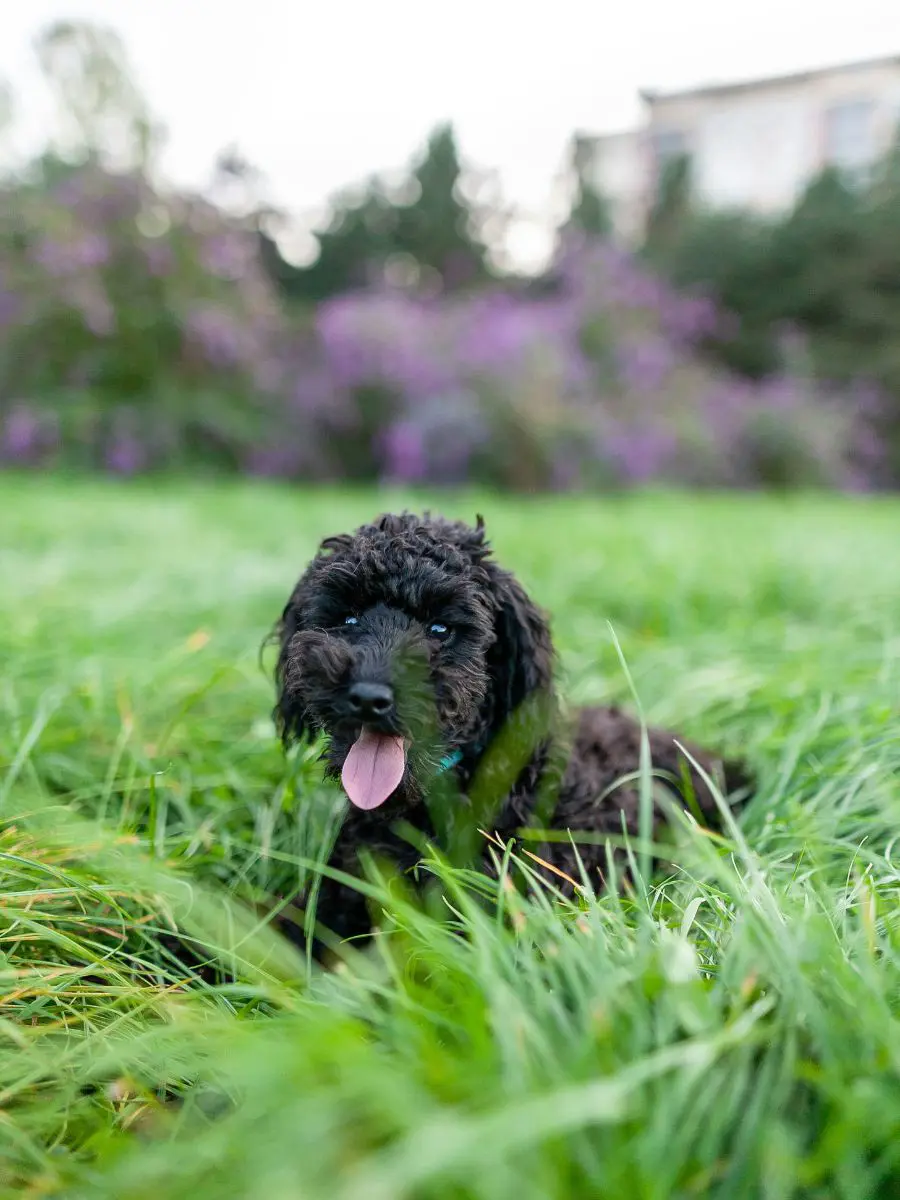
Whether you buy or adopt a Schnoodle, you want to deal with a quality seller so you have the best chance of getting a healthy, well-socialized dog. If you are a buyer, start with breeders who have built their reputation and are really upfront about how they breed an animal.
A good breeder will show you the premises, provide health checks for both parent dogs, and let you meet the puppy's parents so that you can get a sense of their disposition. They must be very dedicated to the puppies and knowledgeable about the breed. This will do if you save a Schnoodle from an animal shelter or rescue organization.
Most breed-specific rescues address mixtures of Poodles, and, as such, Schnoodles places dogs of every age. This includes some older ones in need of finding new homes due to changes in the lives of the dog owners. Adoption reduces pressure on the shelters while giving a dog another shot at life. Research as much as possible, form your informed opinion and always be guided by what will least harm the health and welfare of the dog.