


Helping a scared dog is an act that requires much patience, understanding, and gentleness and it usually relies on the owner for protection, assurance, and comfort, feelings of security have to be increased to mitigate any anxiety, and there has to be some form of trust established.
Training will be slow and calm, enabling him to get rid of the fear syndrome so it takes time, but the more consistent and loving you are in the way you are relating to your dog, the more confident and overall relaxed nature they will have.
Recognizing The Signs Of Distress
The very subtle cues of discomfort that are given are very easy to miss, according to many dog owners being watchful of shaking, hiding, or panting is so common with dogs and is a really good first sign of something not being quite right.
Other possible body language cues your dog displays could include holding their ears back, tucking their tail, or avoiding your or others' gazes are very important cues that will help to make your dog more secure.
Reading the body language of your dog will allow you the opportunity to minimize situations that can increase their stress levels by taking steps to decrease their apprehensions and knowing these will allow you to provide a more reassuring setting and therefore make your dog feel safer and more comfortable.
Create a Calming Environment
You may want to create a den in your home space where the dog is comfortable and safe, and to which he can retire at any time to relax and it should feel at home with its favorite bed, toys, and perhaps your blanket that smells like you.
This sanctuary should convey to your dog the feeling that they have somewhere they'll go to retire, relax, and feel safe, they shouldn't be forced to interact if they go in there, it is what will make your dog associate the area with something positive and thus help them make it a reliable safety haven.
Minimize Stressors: Decrease your dog's stressors, noises, and fast movements and this could provide him with a sense of security.
Designate a Comfortable Area: Introduce a specific area in your house where you would exclusively set him apart, so he can go there to get some time out, add his favorite bed and toys, and even add your blanket with your smell on it.
Respect Their Space: Just let your dog lie in the area all by himself if he wants to, you should never force any interactions, let them make the decisions for themselves as they start to associate with the space and feel that it is a safe area where they are comfortable.
Gentle Introduction to New Experiences
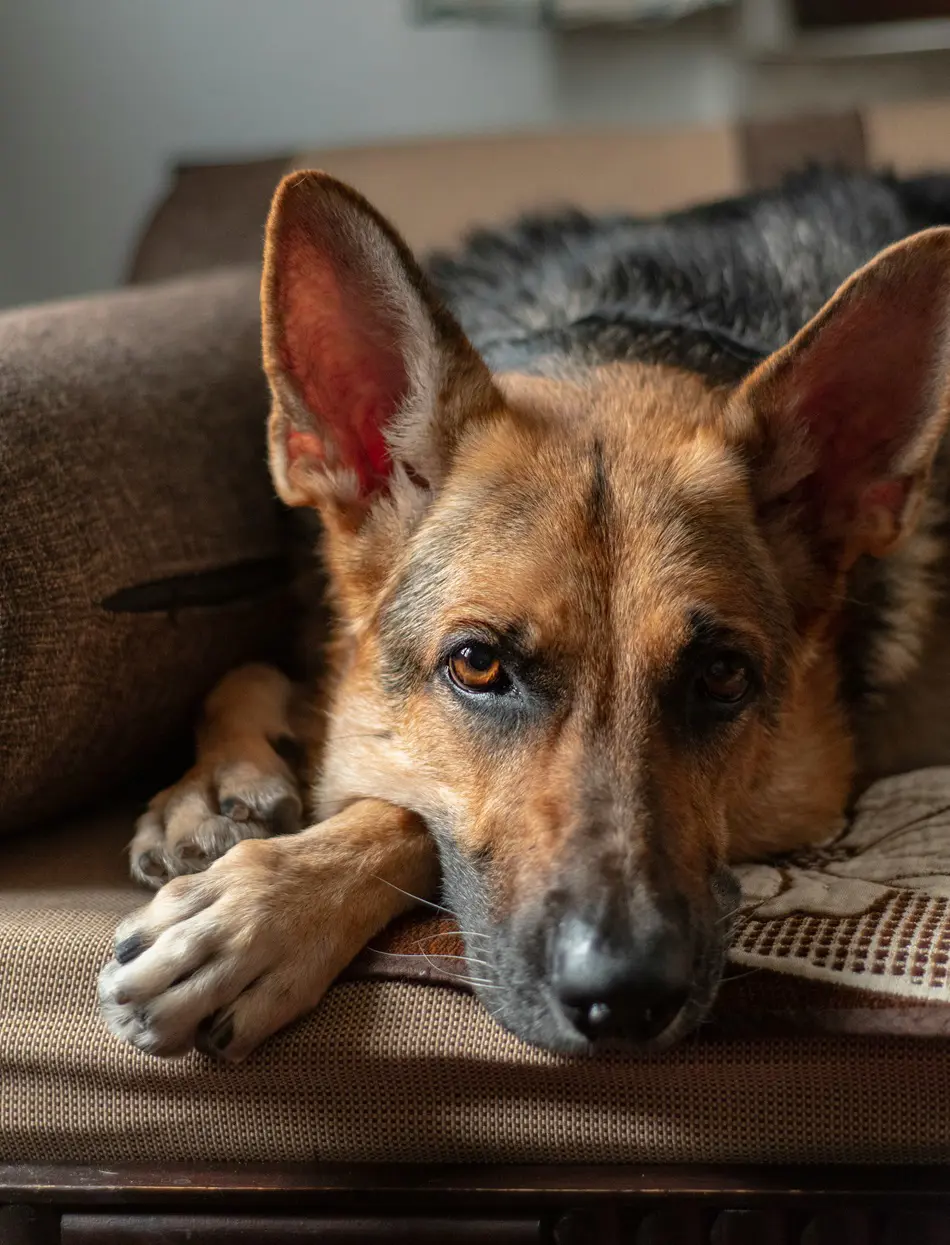
Controlled and positive exposure of your dog to new situations may help, if a dog is afraid of new people you could start with easier, calm visitors who are calm and confident with dogs, and let the dog choose if it wants to go and investigate a person who does not impede interaction with the dog and reinforce small steps in improvement.
It helps the dog to gradually associate new experiences with positive outcomes, gradually backing off from their uncomfortableness, and do this a hundred times at a rate at which your dog finds comfortable with a great deal of patience since it can't be rushed.
This will go on to teach your dog that new things are not to be feared through positive reinforcement and gradual exposure, it is also going to teach your dog how to recognize when a situation that appears to be threatening is not so menacing after all.
Physical Ease
Physical comfort remains paramount to raising a sense of security for your pet, he should have a place to which he can sneak away in his favorite blanket or can just withdraw into a corner of your house to take a rest all alone.
Another way to assist in making your dog slightly less insecure is by offering him gentle physical contact, mainly through petting and hugging, consoling the other dogs by hugging or giving them a calm massage helps to shut them off so they are secured.
It means ensuring that the physical level of comfort will allow feelings of safety, so the dog can be calm and at ease other than this improvement of emotional welfare, this will also go a long way in strengthening of the relationship because a dog learns to associate his owner's presence with feelings of safety and comfort.
Avoid Overstimulation
Sometimes it just adds up to too much all at once that puts the dog ill at ease, so watch the overall behavior of your dog in different situations and avoid overgenerosity with activities in new experiences all in one go and this can include reducing the number of new people or dogs your dog is introduced to, or avoiding under-controlled or overstimulating situations.
Recognizing the tolerance levels of your dog will assist in keeping him from the point of being overwhelmed, a controlled systematic desensitizing will promote confidence without piling pressure. This is how you make your dog okay with many environments without feeling that he crossed beyond his comfort zone.
This surely helps their emotional well-being, but it also increases their confidence, making the process of gaining mastery over novel situations easier as time goes by and a well-balanced stimulus approach provides you with a most resilient yet adjusted partner.
Consistent Routines
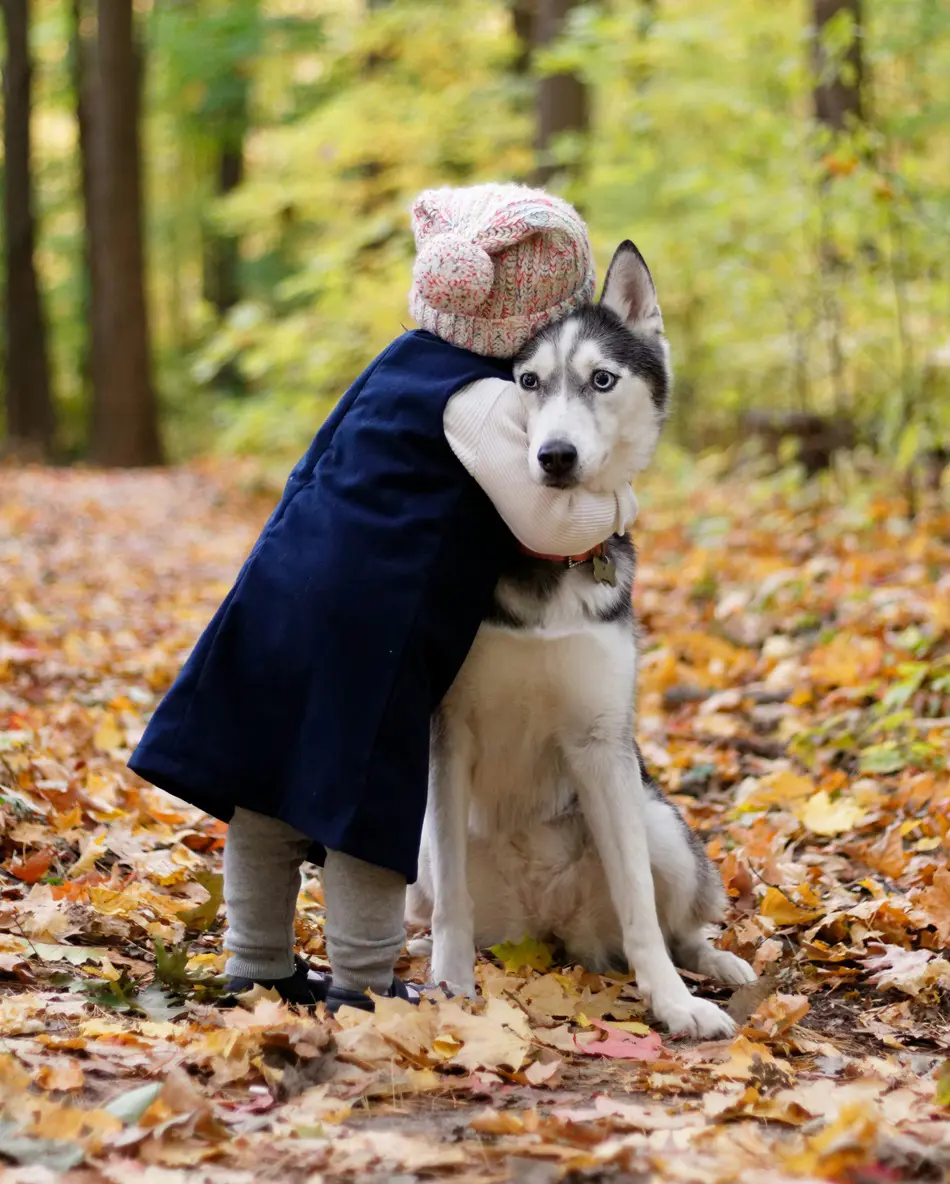
The kind of consistency that provides stability and security is when you feed, walk, and play with your dog every day at the same time and you will help build a rhythm on which they can depend with your dog and they are comfortable knowing what's expected from them, and in most respects, stability will give them at-ease feelings.
Furthermore, sticking to the program especially when the routine is thrown for a loop by change or stress—keeps the dog's feet on the ground. Staying nearer to those manufactured habits goes a long way, such as dinner time and going out on schedule.
You are providing a structure in which he can face his day and not only will this support his emotional well-being, but it will also tighten those leash connections by learning to trust the routine of your care.
Gradual Exposure to Triggers
Desensitize your dog to something that bothers him by going through it in slow steps so that they learns to feel relatively indifferent to the trigger, that means exposure to the least form of the trigger, as controlled and low-intensity as possible.
As your dog becomes more confident, you will be able to gradually increase the exposure but always keep him settled, it just feels right to do so work at your dog's pace and build on his success. This may help build a positive emotional response toward the trigger, thus slowly reducing his discomfort.
Generally, you are cautious about what a dog is exposed to, so you help the dog gain confidence even in situations that make him uneasy, not only are you helping your dog at the same time, but you are also building your dog's resilience toward the future since he will be able to face many other different kinds of experiences.
Steady and Calm Communication
Normal tone and issuing directions in such a way will help your dog understand what is expected of them and feel comfortable, never shout or use a hard tone as this only increases your dog's stress.
Consistency in your communication strengthens trust and underlines positive behaviors and if he knows you're always going to react in a calm, predictable way, then he can feel secure, this is worth noting, especially for mostly insecure dogs or with several stimuli.
Keeping calm and in control while dealing with him builds up your dog's strengths in situations where he is going to put himself in a very pathetic state, except, of course, in injuries. It is emotionally supportive and strengthens the bond between you and your dog because they learn to rely on you to be a steady influence on them through thick and thin times.
Building Self-Confidence Through Training
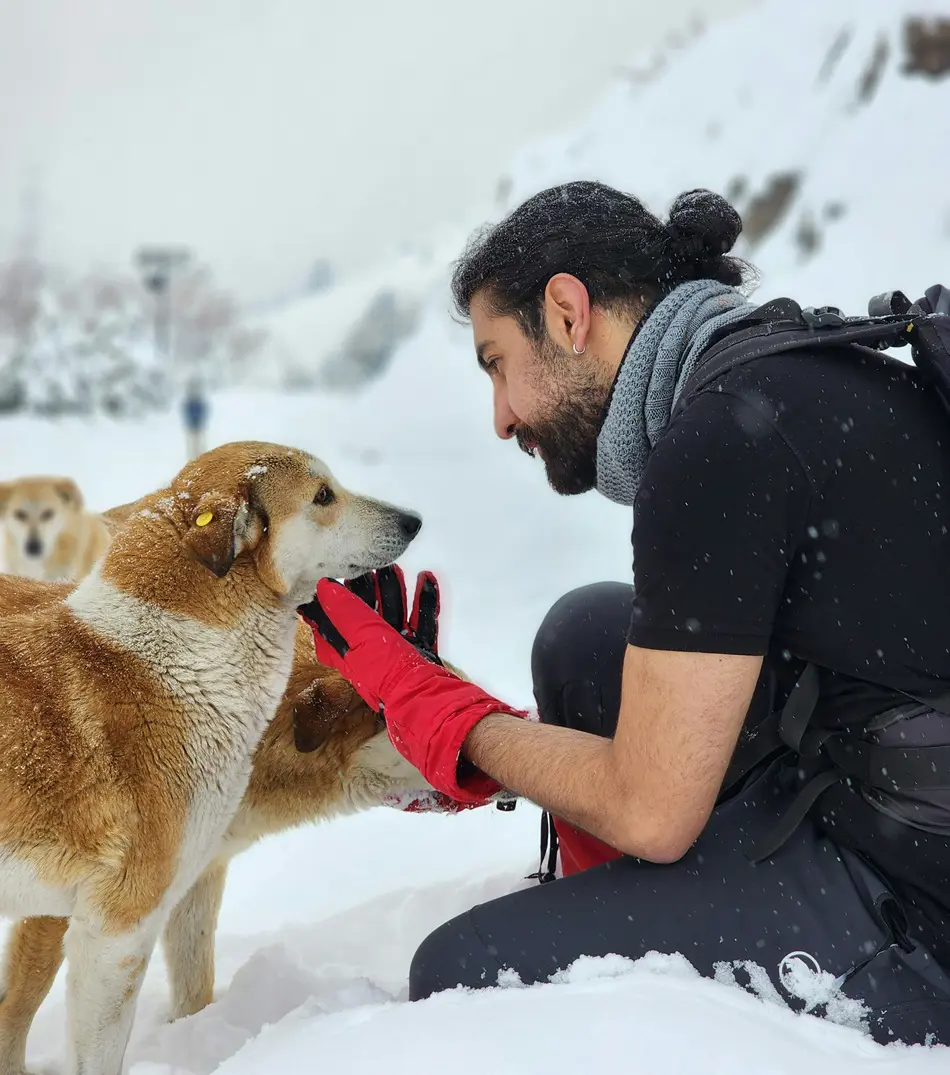
Training facilities will help you to provide your dog with a sense of security. Start with basic commands, such as sit, stay, and come, and build tasks as you go on. The training sessions also need to be enjoyable and rewarding for the dog in the process, as the success messages about positive reinforcement are given basically through treats, praise, and play.
The more knowledgeable and proficient he becomes in his commands and tasks, the more confident and secure your dog will feel and for the more timid dogs, training may just provide the correct dose of mental stimulation they require.
Regularly working through exercises will help your dog switch his thoughts from his fears to an infinitely more rewarding and engaging activity.
Regularity and Structure
Having a regular daily routine regarding feeding times, walking, and playtime can work wonders in getting your dog more grounded, predictability about what is expected of them removes their anxiety, and knowledge about what results should be forthcoming gives them greater control over their environment.
This routine also helps the pet learn that they are in a safe environment and well cared for and this routine, as much as possible, should be carried through into difficult periods or when introducing changes.
These structured environments will help the dog to have feelings of security bound to the enjoyment of relaxation and a stable dog follows suit and this emanates from a structured life that, with time, ends in a calmer yet more confident dog who believes that his everyday life's predictability is trustworthy.
Positive Reinforcement
It is a strong ingredient to print in a dog's mind to build confidence and every time the dog does something right on something that upset it before, reward it with a treat, praise, or love and this ties new experiences or hard ones to a good outcome for them to feel confident.
Be consistent and patient with positive reinforcement, and reward what you'd like more of, avoid punishing for being unsure or uncertain, and over time, those positive associations may help your dog feel a bit more comfortable and secure in various situations.
This constant reward for good behavior pacifies the dog's mind from uncertainty to confidence and security, which builds an emotional foundation but continues to strengthen the bond further by your dog knowing you will always act with compassion and understanding.
Mental Stimulation
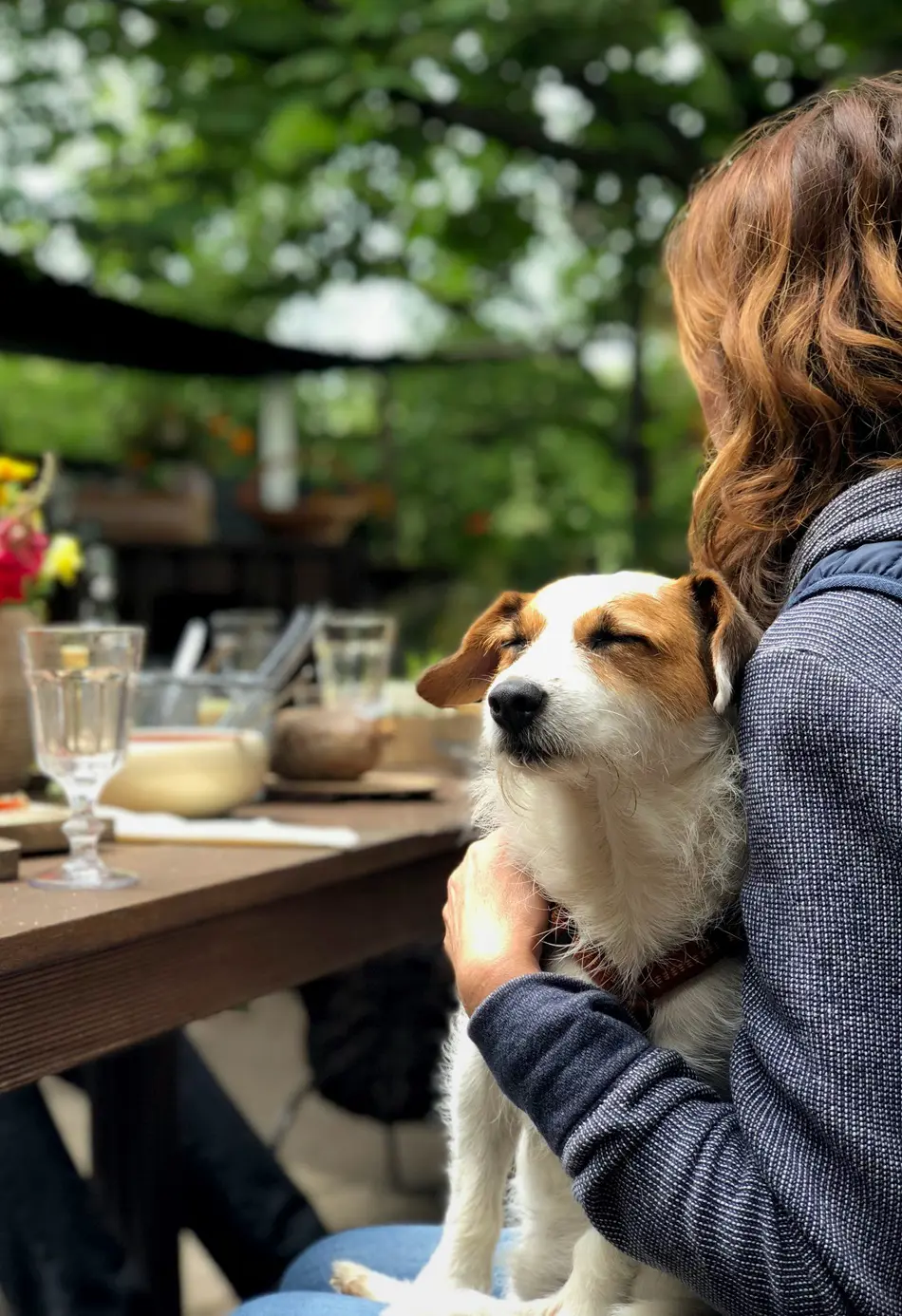
It's as important to exercise your dog's mind as his physical body. Interactive toys, puzzle feeders, and interspersed training exercises are invaluable in engaging a dog's mind with something positive and interesting rather than in worries, their minds can be engaged in problems to help boost their confidence quite interestingly.
In such a way, your dog's mind will always be loaded, so it won't be that much stress, your dog will learn to be more tolerant of new situations and to adapt to them much more easily and that will work especially with the kinds of dogs that are suspicious and shy by nature.
You give your dog something to spend their energy on and something to learn from and put their mind to which in turn channels their stamina into meaningful development and it will further improve the trust and bond shared between you and your dog in working together to overcome difficulties and share successes.
Monitoring Progress and Adjusting Techniques
As you try to help your dog in a situation they have found unsettling or stressful, make sure you check in at regular points so you can adjust what you are doing to better help them, flexibility and patience are key as you help your dog become a truly confident dog.
Observe Behavior Changes: Proceed to monitor for both good and negative changes in your dog's behavioral response.
Track Improvement: Notice and celebrate small victories or steps along the way, like relaxed body language or a decrease in signs of distress, as a measure of progress.
Adjust Techniques: Be prepared to change to a different method should something not be working or to alter your approach in such a way that it better serves the needs of your dog.
Seek Feedback: Share what you have learned with other carers or trainers to get added insight into the process and some reassurance that you are doing the right thing to have a safer dog.