

Russia has a diverse history with various native dog breeds, each with its own unique characteristics and purposes. Many Russian dog breeds, both historically and in modern times, have been domesticated and raised as companions, working dogs, and family pets.
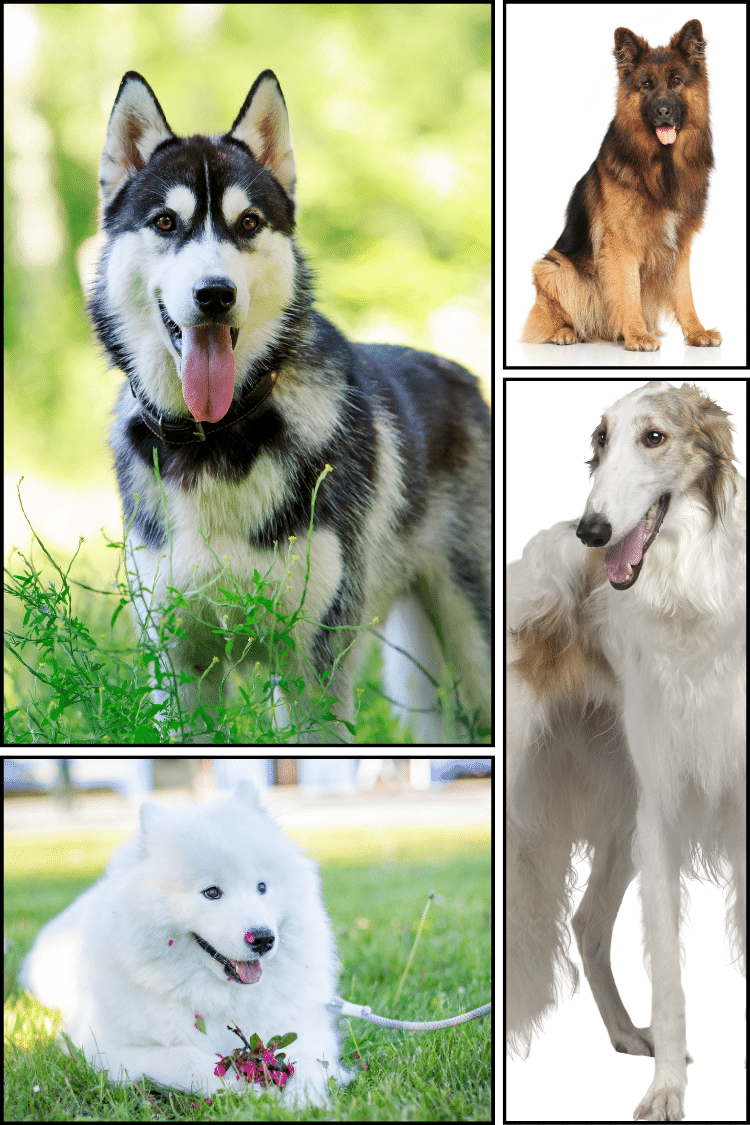
While the UK and other European countries are renowned for being the home of many famous dog breeds, Russia also has its fair share of native breeds like the Borzoi, Siberian Husky, and Samoyed. Here are 20 popular Russian dog breeds you should know about.
1. Siberian Husky
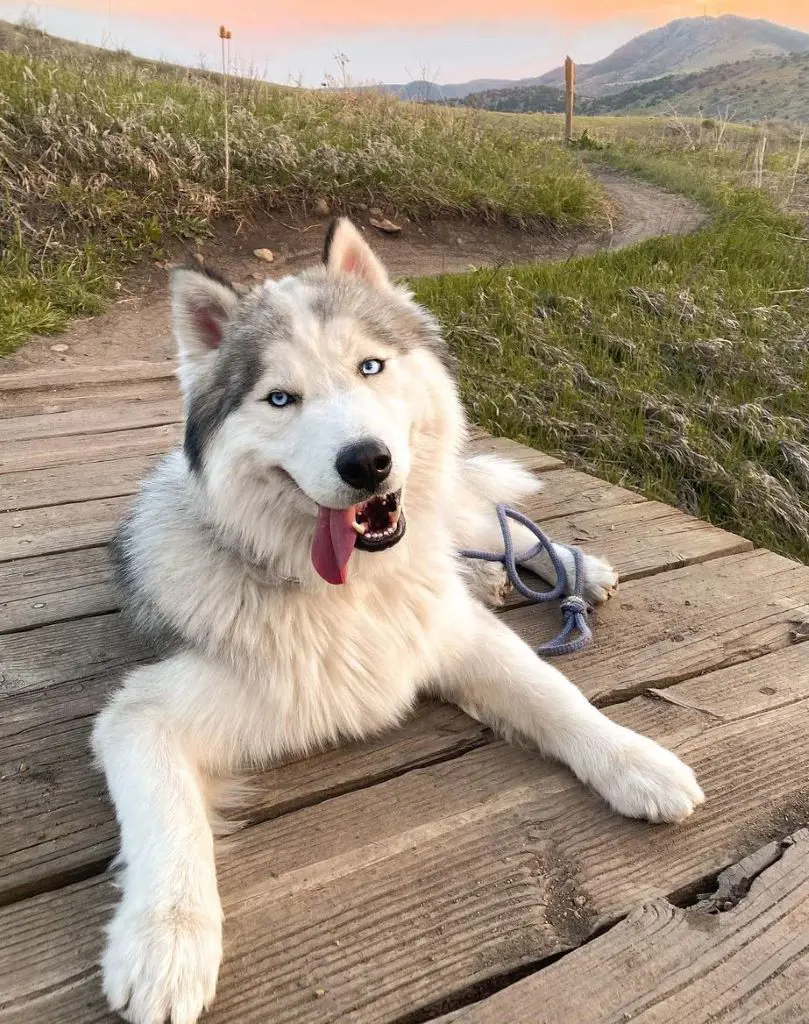
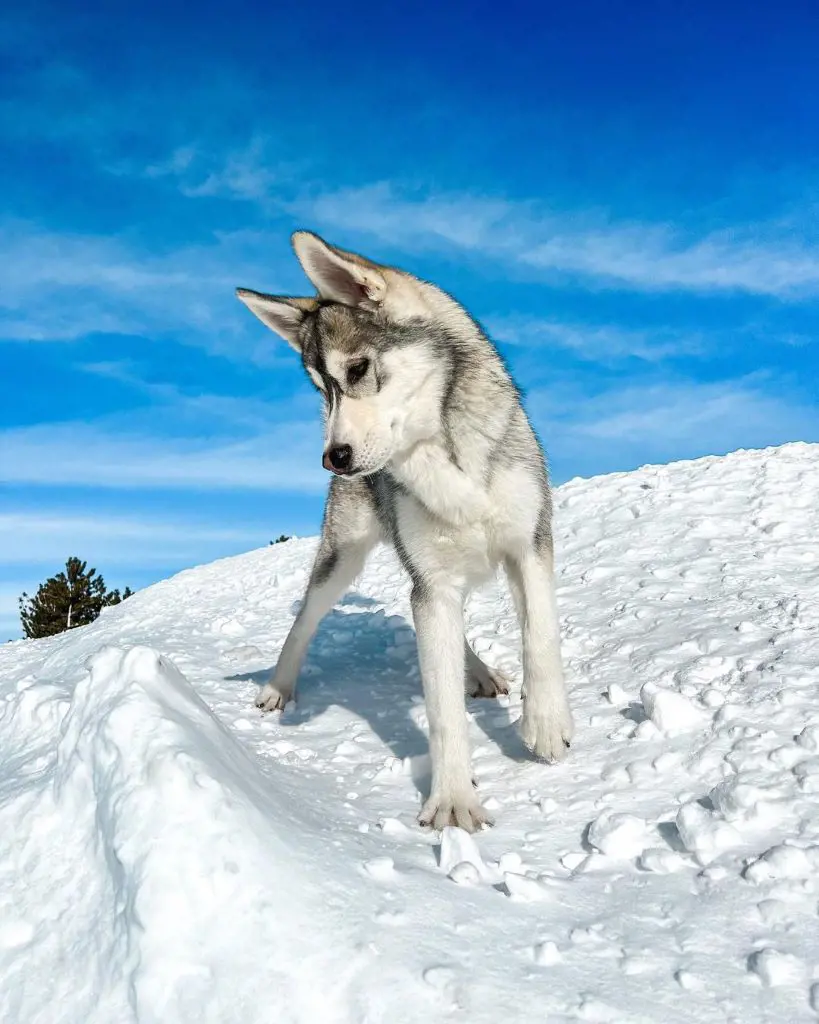
The Siberian Husky is originally from the northeastern regions of Siberia, Russia, where the indigenous Chukchi people developed them as working dogs. They were bred for their endurance and strength, making them exceptional sled dogs.
Siberian Huskies are known for their striking appearance, including their striking blue eyes, thick double coat, and unique facial markings. Overall, they are beloved for their stunning appearance, friendly personalities, and storied history as working dogs.
2. Borzoi
The Borzoi, also known as the Russian Wolfhound, is another fascinating Russian dog breed. Borzoi dogs were historically associated with the Russian aristocracy and nobility, who bred them for hunting wolves, hares, and other game.
Borzois are not only exquisite to look at but also make excellent companions. These dogs are known for their graceful and elegant appearance. They have long, slender bodies and a refined, noble demeanor. They are incredibly fast runners and can reach high speeds, making them effective hunters in open terrain.
3. Samoyed
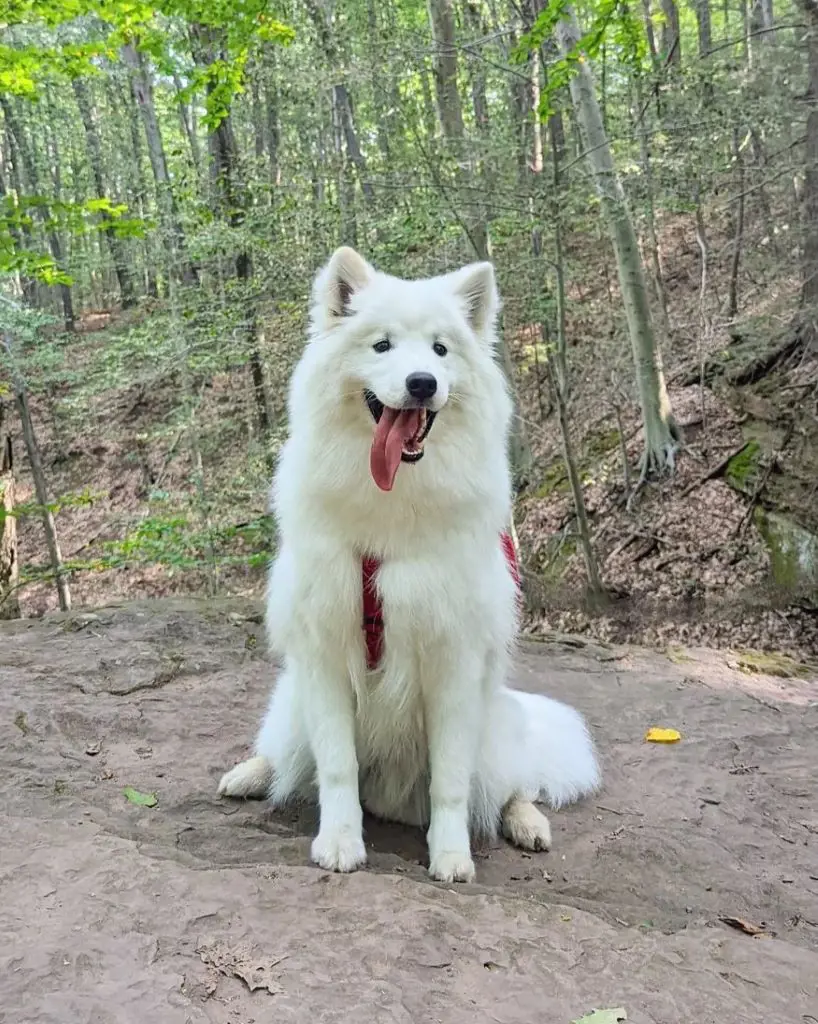
The Samoyed breed takes its name from the Samoyedic peoples of Siberia, who used these dogs for herding reindeer, pulling sleds, and keeping them warm in the frigid Arctic conditions.
Samoyeds are known for their fluffy white coats, a distinctive feature that gives them the appearance of a perpetual smile. Samoyeds accompanied explorers like Roald Amundsen on polar expeditions and were vital for transportation and survival in harsh conditions. They continue to be cherished family dogs today, known for their infectious smiles and loving nature.
4. Caucasian Shepherd Dog
The Caucasian Shepherd Dog, also known as the Caucasian Ovcharka, is a distinctive Russian dog breed. This breed has a history dating back hundreds, if not thousands, of years. They were originally bred by various Caucasian mountain tribes to protect livestock from predators such as wolves and bears.
Caucasian shepherds are among the largest and most imposing dog breeds in the world. They are also known by the names Russian Prison Dogs, Russian Bear Dogs, and Russian Mountain Dogs. They are renowned for their formidable guarding abilities.
5. Black Russian Terrier
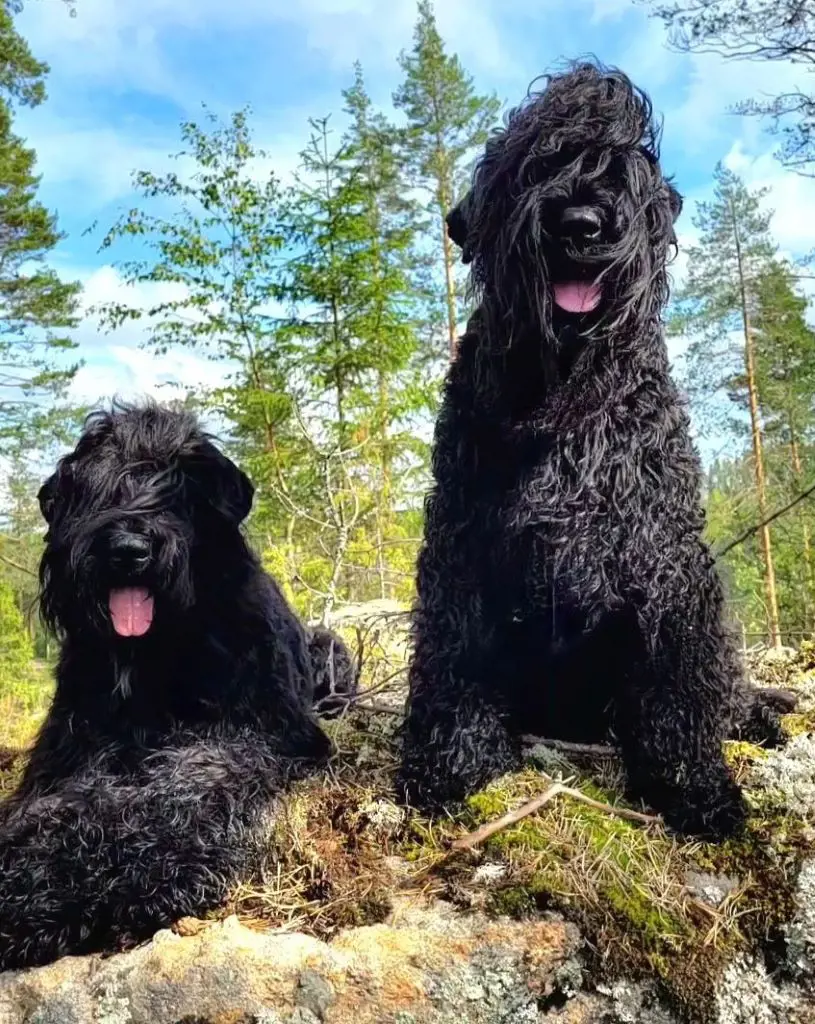
The Black Russian Terrier, also known as the Russian Black Terrier or "Chornaya Terrier," is a distinctive Russian dog breed developed in the former Soviet Union during the mid-20th century. It's a relatively recent breed compared to many other dog breeds.
The breed was originally created for the Soviet Red Army by crossbreeding Giant Schnauzers, Airedale Terriers, Rottweilers, and other working dogs. Black Russian Terriers are large, robust dogs, with males typically weighing 80 to 130 pounds and standing 26 to 30 inches at the shoulder.
6. East Siberian Laika
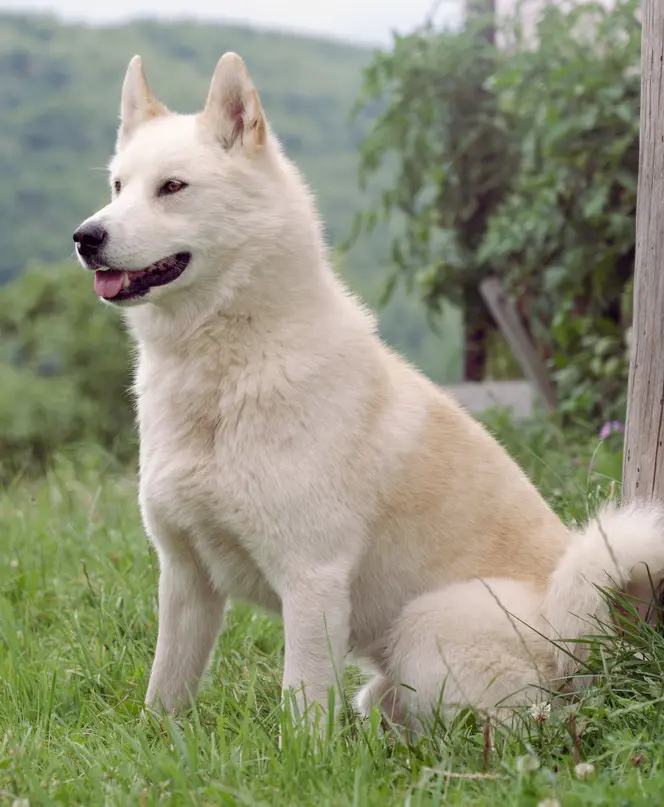
The East Siberian Laika hails from the northeastern regions of Siberia, Russia, particularly from the Baikal Lake area. They were initially bred by indigenous peoples for hunting and herding. The term "Laika" refers to several Spitz-type hunting dogs from Russia.
East Siberian Laikas are highly versatile hunters, capable of tracking and hunting a wide range of game, including large and small mammals. These moderate-sized dogs are known for their ability to adapt to the demanding conditions of Siberia, where they hunted in the unforgiving taiga, dense forests, and frigid landscapes.
7. Russian Toy Terrier
The Russian Toy Terrier, also known as the "Russkiy Toy," is a miniature Russian dog breed with an average weight ranging from 3 to 6 pounds. This breed is also called "toy spaniel" as it resembles toy breeds popular among European royalty in the 18th century. It has a history in Russia dating back to the 19th century and was a favorite companion dog in the Russian aristocracy.
There are two coat varieties within the breed: the smooth coat and the long coat, both of which are equally adorable. They are known for their lively and charming personalities. They are often playful and affectionate which makes them excellent companions.
8. Bolonka
The Bolonka is also known as the Tsvetnaya Bolonka or the Russian Colored Lapdog. It is a small toy breed, typically weighing between 4 to 11 pounds (1.8 to 5 kg) and standing around 7 to 11 inches (18 to 28 cm) at the shoulder.
"Tsvetnaya" in its name means "colored," and it describes the breed's wide range of coat colors and patterns. They come in various shades, from solid to multi-colored. Bolonkas are known for their friendly and sociable nature. While they are popular in Russia, Bolonkas are considered a rare breed in other parts of the world.
9. Russian Spaniel

The Russian Spaniel, or "Russkiy Spaniel," is a distinct Russian breed cherished for its hunting prowess and friendly disposition. This medium-sized breed was developed by crossing Russian hunting dogs with English Cocker Spaniels, resulting in an exceptional hunting companion.
Russian Spaniels are known for their adaptability, excelling in various terrains and waterfowl retrieval due to their strong swimming skills. These dogs are not only intelligent and trainable but also loving and friendly, making them excellent family pets. While relatively rare outside Russia, their unique blend of hunting skills and friendly temperament is gaining recognition among dog enthusiasts worldwide.
10. Central Asian Shepherd
The Central Asian Shepherd is a robust and ancient breed originating in the vast, rugged landscapes of Central Asia. These remarkable dogs have been bred for centuries to protect livestock and homes from predators like wolves and bears. Despite their imposing appearance and fierce protection, they are renowned for their gentleness.
Known for their independence, loyalty, and territorial instincts, they are vigilant guardians and have adapted to harsh environments. Their strong bond with humans and remarkable adaptability to diverse climates make them a cherished part of Central Asian culture.
11. West Siberian Laika
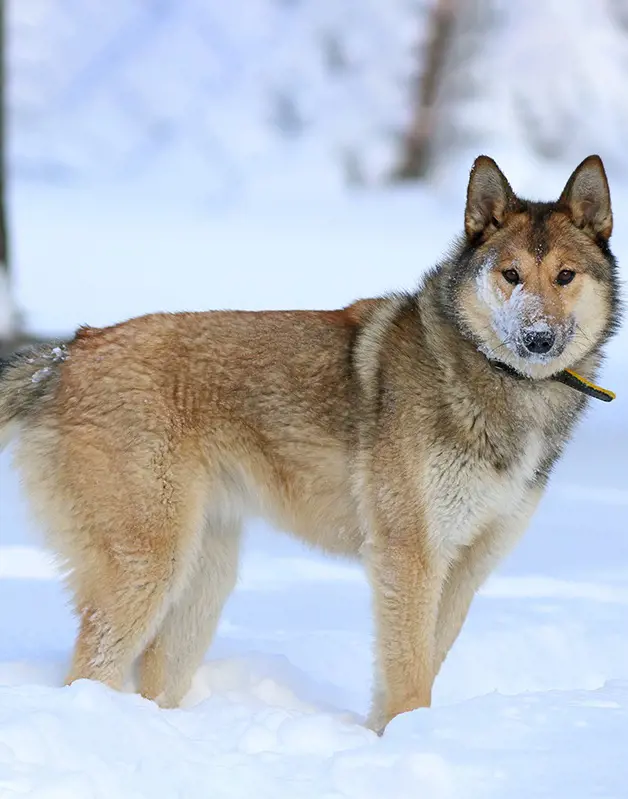
The West Siberian Laika is an exceptional Russian breed that hails from the vast forests of Western Siberia. With its origins dating back centuries, it was developed by indigenous peoples for hunting, tracking, and as a versatile working dog. These dogs are known for their resilience and adaptability to extreme climates.
Their intelligence and keen sense of smell make them exceptional hunters and trackers, aiding in the pursuit of the game. While the West Siberian Laika is independent and self-reliant, it remains deeply loyal to its human family.
12. Yakutian Laika
The Yakutian Laika is a captivating Russian dog breed indigenous to the Yakutia region in Siberia. These dogs have thrived in the extreme cold, where temperatures can plummet to -50°C (-58°F). They were bred as all-purpose working dogs, herding reindeer, hunting, and serving as reliable companions.
With their thick double coat and unique almond-shaped eyes, they have adapted to the coldest environments. Renowned for their independent nature and intelligence, they have become an integral part of Yakutian culture, celebrated for their ability to thrive in one of the world's harshest climates.
13. Hortaya Borzaya (Chortai)
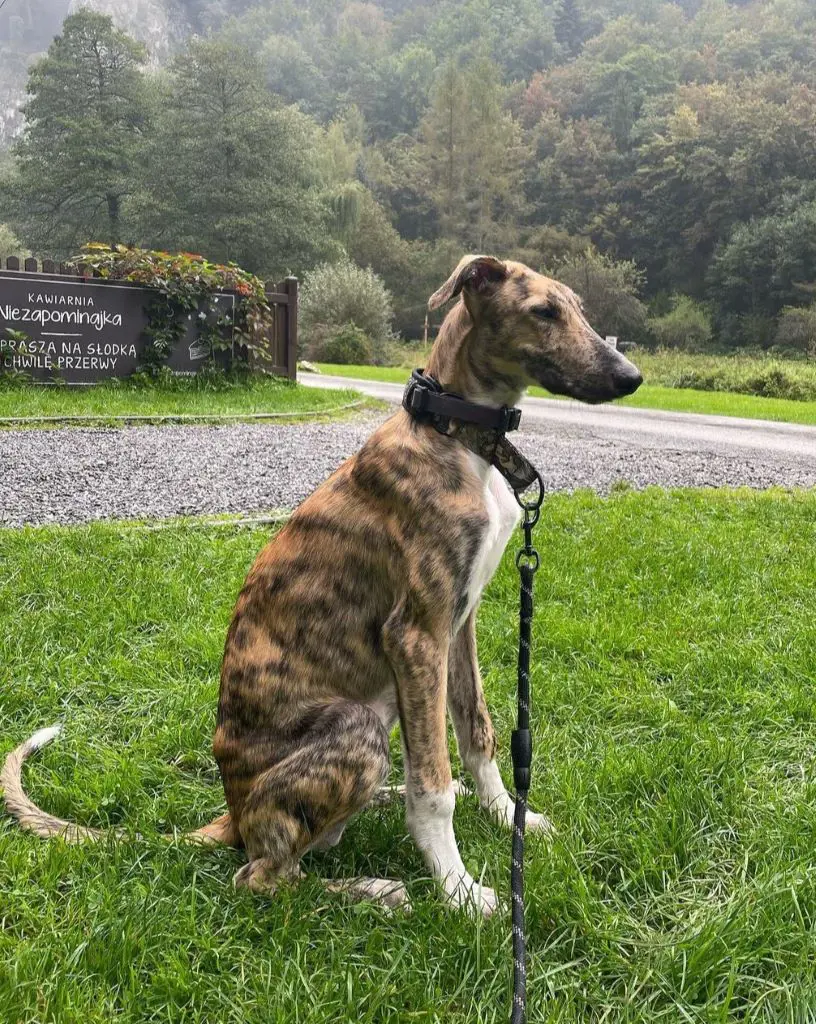
The Hortaya Borzaya, often referred to as "Chortai," is a distinct Russian breed with an ancient heritage. This breed has been developed over centuries for hunting purposes, particularly coursing, where it chases game by sight. These dogs are characterized by their lean, athletic build and unique appearance, with a narrow head and expressive eyes.
The name "Chortai" translates to "fast" in Russian, reflecting their swiftness. They are renowned for their speed, agility, and grace, excelling in open terrain. They are revered for their hunting prowess and play a significant role in Russian hunting traditions, embodying the spirit of the chase.
14. Russian Harlequin Hound
The Russian Harlequin Hound is a versatile Russian breed developed for hunting. Originating in the late 19th century, this breed is a cross of English, Estonian, and Swedish hounds. They are well-known for their impeccable scenting ability.
Russian Hounds have a distinctive appearance with their athletic build and short, dense coat. They are highly trainable and make dedicated hunting partners. This breed has been integral to Russia's hunting heritage and continues to play a vital role in the country's hunting traditions.
15. Moscow Watchdog
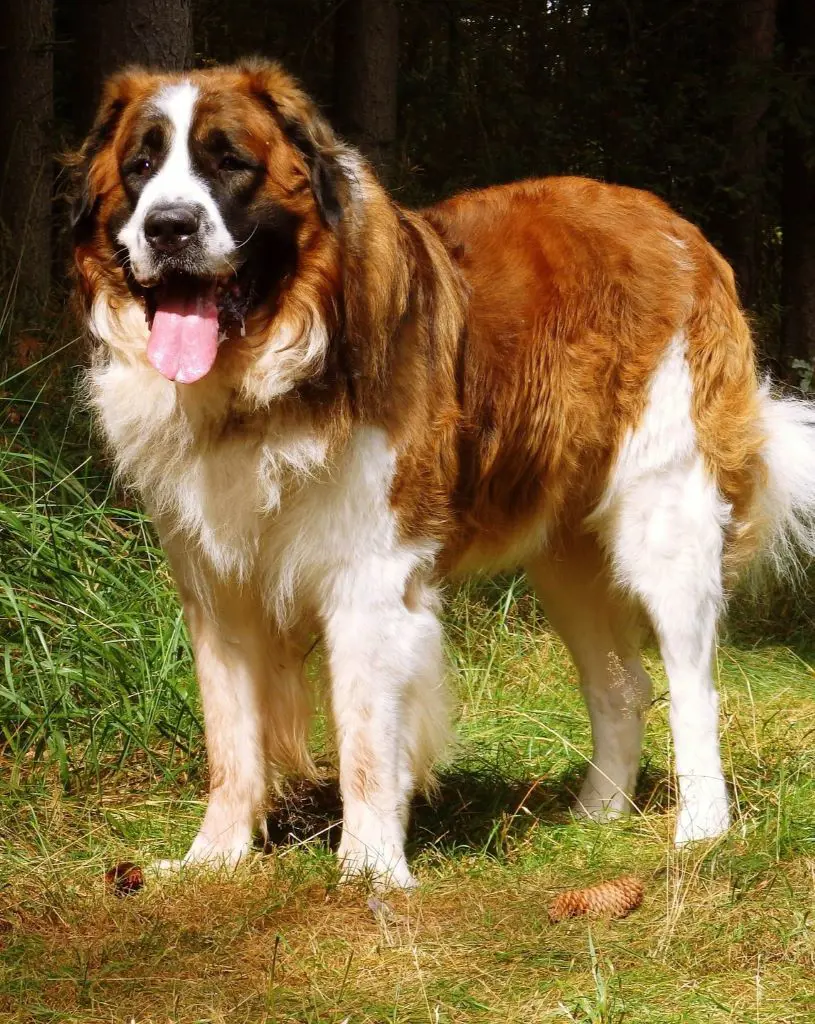
The Moscow Watchdog is a massive and powerful Russian breed with a noble history. It was developed in the Soviet Union by crossing Saint Bernards with various Russian breeds, resulting in a formidable guardian and watchdog. The Moscow Watchdog has played a crucial role in protecting homes and farms in Russia, embodying both strength and loyalty.
These dogs are renowned for their impressive size and strength, making them excellent protectors of homes and livestock. Despite their imposing appearance, they are known for their gentle and affectionate nature, especially with children.
16. South Russian Ovcharka
The South Russian Ovcharka, or "Yuzhak," is a robust Russian breed originating from the southern regions of the country. These dogs were bred for herding, guarding, and protecting livestock from predators. They are known for their agility, versatility, and fierce protective instincts.
With their thick, weather-resistant coat, they can handle the harsh southern climates. South Russian Ovcharkas are strong-willed and independent, making them effective guardians. They form deep bonds with their families and are celebrated for their dedication to protecting both livestock and homes in the challenging conditions of the Russian South.
17. Moscow Waterdog
It is a unique Russian breed developed for water-related tasks. Originating in the Soviet Union in the 1950s, it is a cross between Newfoundland and East Siberian Laika breeds. These dogs are known for their strong swimming abilities and have been employed for water rescues and lifesaving missions.
They have a water-resistant double coat and webbed paws, making them adept swimmers. While rare today, Moscow Waterdogs are celebrated for their lifesaving contributions in Russia and continue to exhibit their aquatic prowess as beloved family pets, particularly among those living near water bodies.
18. Karelian Bear Dog
Karelian Bear Dog is a courageous Russian breed with a history dating back centuries. Originating from the Karelia region, these dogs were initially bred for hunting large game, including bears. Their striking black and white coat, coupled with a fearless disposition, makes them formidable hunters and protectors.
They are expert treeing dogs, cornering prey until the hunter arrives. They are fiercely loyal to their owners and have become a symbol of courage in the Russian hunting tradition. This breed embodies both bravery and loyalty, excelling in tracking and hunting in challenging forested terrain.
19. Russian Retriever
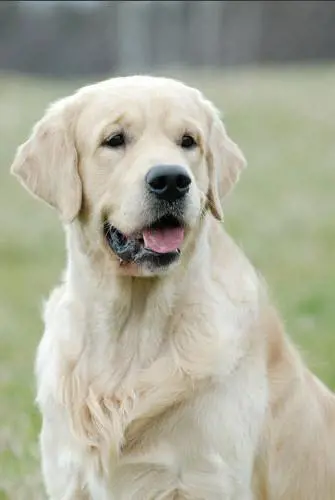
The Russian Tracker or Russian Retriever is an extinct breed of domestic dog. It is uncertain when precisely the breed ceased to exist; it could still be found in the late 1800s. The Tracker was of Asiatic Russian origin.
Their athletic build, webbed paws, and water-resistant coat equip them for a range of hunting terrains. While relatively rare, the Russian Retriever is celebrated for its enthusiasm and proficiency in the field, contributing to the rich tradition of hunting in Russia and earning a place among the country's cherished working breeds.
20. East-European Shepherd
The East-European Shepherd is a robust Russian breed developed for herding and guarding. Originating in the Soviet Union in the mid-20th century, it's a cross between German Shepherds and other working dogs.
These dogs are known for their exceptional herding skills, agility, and versatility in various working roles. With their strong build and thick, weather-resistant coat, they can withstand harsh Eastern European climates.