

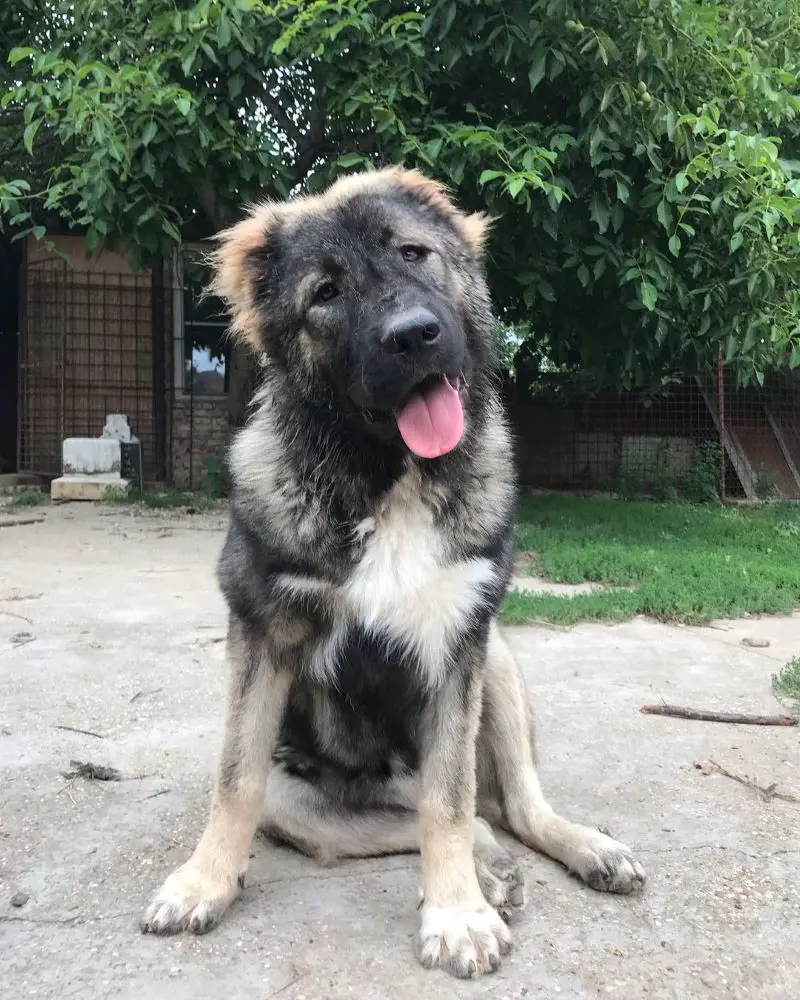
The Caucasian Shepherd Dog is known by many names but the Russian Bear Dog is one of its most common aliases. Resembling a bear in size and appearance, these dogs have been serving humans for centuries.
They primarily serve as working and guard dogs, protecting livestock and cattle against predators.
Despite their massive size, these canines are extremely loyal, friendly, and affectionate. However, they can also be aggressive towards strangers due to their natural protective instincts.
With such brute power and strength, they can even put up fierce competition against the Tibetan Mastiff, often called the strongest breed in the world.
Russian Bear Dog Origin
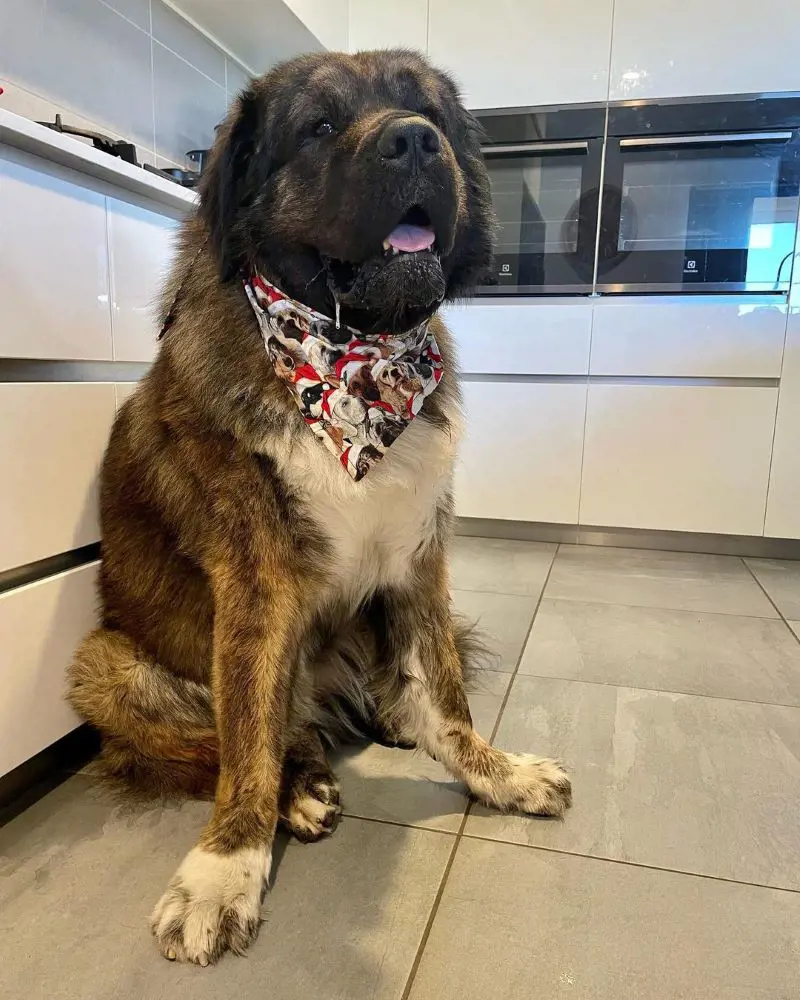
The Russian Bear Dog, also known as the Caucasian Shepherd Dog, has a rich history that extends thousands of years. This breed was primarily developed in the Caucasus Mountains of Russia to guard livestock from predators like wolves and bears.
The ancestors of the Russian Bear Dog were ancient mastiff-type dogs brought by nomadic tribes to the Caucasus region. Over time, they interbred with local breeds, resulting in the creation of the powerful and fearless breed we know today. While traditionally used as working dogs, these canines have gained popularity as family pets in recent years.
The Russian Bear Dog was officially recognized as a breed by the Fédération Cynologique Internationale (FCI) in 1984. Similarly, the American Kennel Club (AKC) also registered the breed on July 1, 2020.
Physical Characteristics
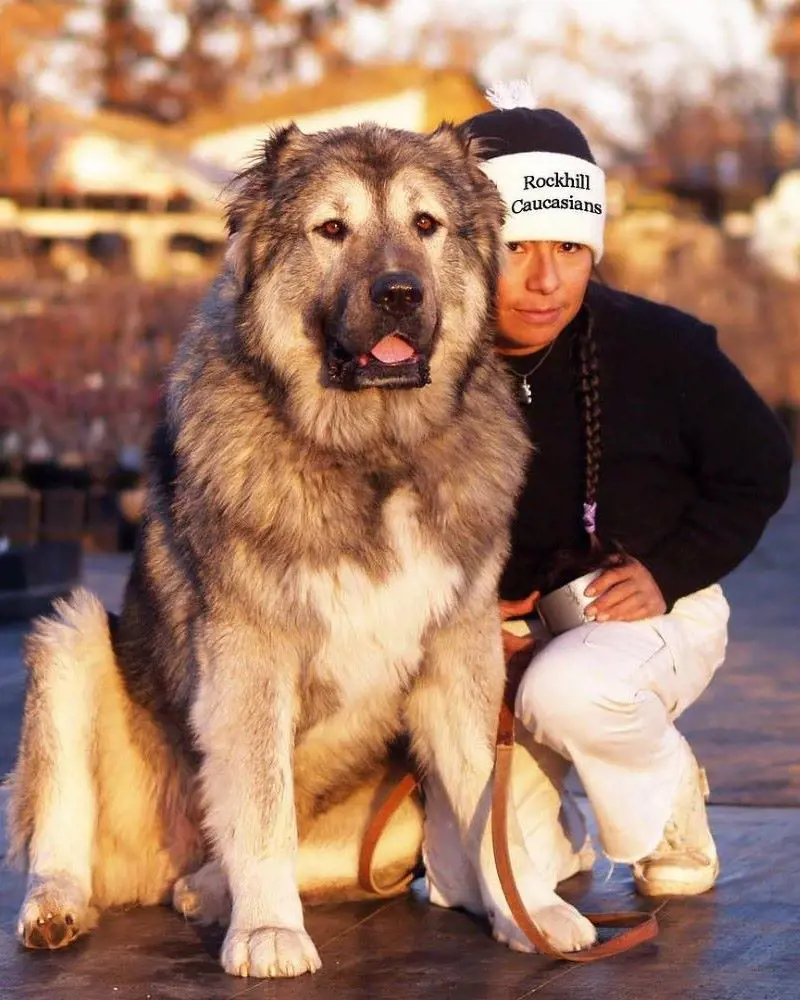
The Russian Bear Dog is a large and powerful breed with distinct physical characteristics. It has a muscular body covered in thick, dense fur.
The dog also has a massive head with a strong jawline and a broad muzzle. Its ears are medium-sized and droopy. Overall, the Russian Bear Dog commands strength and confidence with its majestic presence.
1. Body Size And Measurements
Russian Bear Dogs are a giant breed known for their impressive size and robust build. Males typically stand between 25-30 inches (64-76 cm) at the shoulder. Meanwhile. females are slightly smaller, ranging from 24-28 inches (61-71 cm).
Likewise, adult males usually weigh around 110-200 pounds (50-90 kg), while females typically weigh between 99-154 pounds (45-70 kg).
2. Coat Colors And Patterns
The Russian Bear Dog has a double coat as one of its most distinct features. The outer coat is coarse and can be either short or long, while the insulating undercoat is thick and dense.
The coat comes in various colors such as white, gray, fawn, brindle, and black. Moreover, their fur can be solid or have various patterns, including brindle, piebald, or spotted.
3. Eyes Shape And Colors
The Russian Bear Dog has oval-shaped eyes that commonly come in colors like brown and hazel. Their eyes are usually deep-set, giving them a serious and alert expression.
The breed has well-pigmented eyelids that protect the eyes from harsh weather conditions. Additionally, the eyes are almond-shaped, which enhances the breed's intimidating appearance.
4. Head
They have a large, broad head with a well-defined stop. The muzzle is powerful and slightly shorter than the skull.
These dogs have a unique moist nose that usually comes in black. But, it can also be brown or liver-colored depending on the dog's coat color.
Temperament And Nature
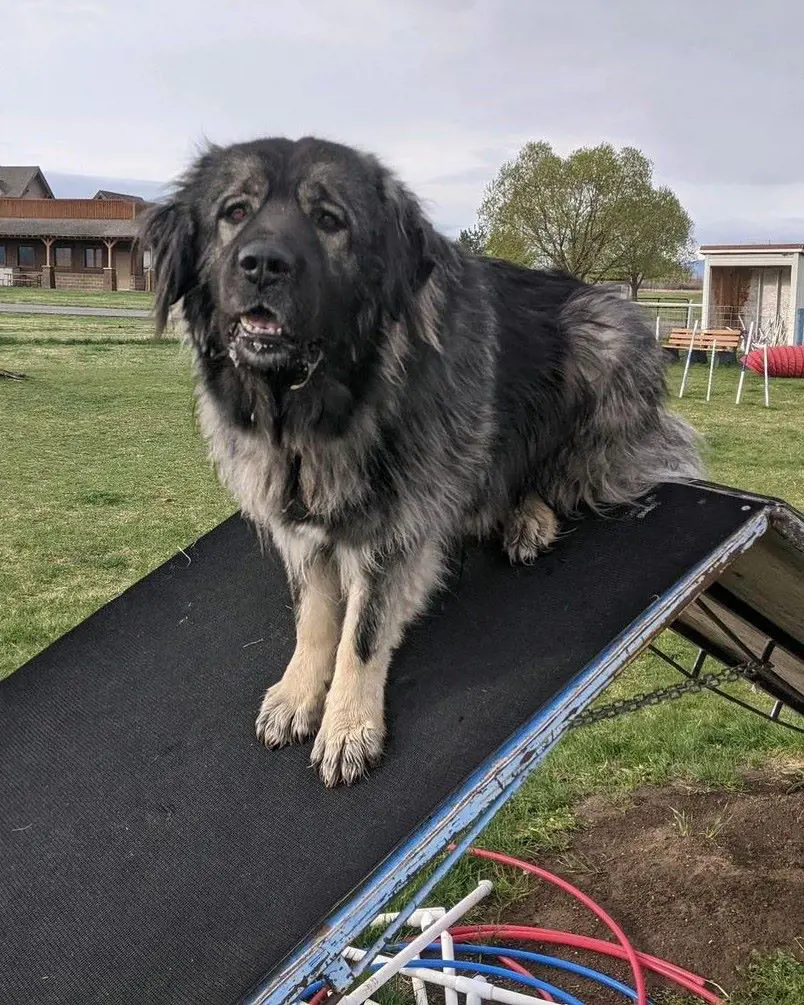
Despite its massive size, the Russian Bear Dog is a gentle giant at heart. Although they crave human company, these canines can also easily grow wary of strangers, even leading to physical attacks.
However, once they get to know a person, these dogs show incredible loyalty, playfulness, and affection to their human owners and other family members.
1. Protective
The breed has a strong protective instinct by design. They are naturally wary of strangers and will defend their family and territory with great determination.
2. Fearless
These dogs have a fearless nature and don't normally shy away from a fight, making them excellent guard dogs. They are not easily intimidated and will confront any potential threat without hesitation.
3. Independent
These pups have an independent streak; they don't overly rely on their owners for guidance. This independence can make training a bit challenging as they may be stubborn and less inclined to follow commands.
4. Gentle With Family
Despite their protective nature, Russian Bear Dogs are generally gentle and affectionate with their family members. They form strong bonds with their human companions and will remain loyal until death.
5. Dominant
These furry canines show a dominant nature when intimidated. They usually require an experienced owner who can establish themselves as the pack leader. Without proper training and socialization, they may become overly dominant and difficult to manage.
6. High Energy
The Caucasian Shepherd is a highly energetic breed that requires regular exercise to stay physically and mentally stimulated. They are not suitable for apartment living due to their need for a spacious environment to roam and play.
How To Take Care Of A Russian Bear Dog?
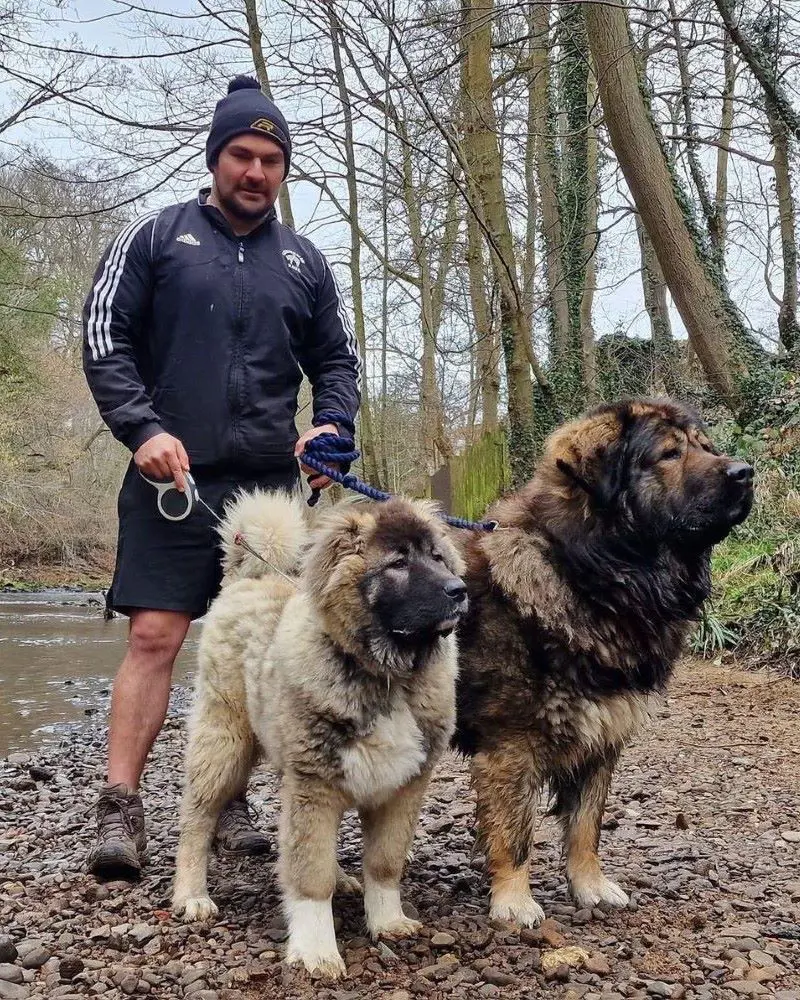
While Russian Bear Dogs are mostly independent, they still depend on their human owners for a proper diet and regular care. There are a few crucial things that every potential owner should follow if they want to raise a healthy dog.
Take a look at some of the important methods to consider if you are a pup parent.
1. Training
Training a Russian Bear Dog requires patience and consistency. Start with basic obedience commands like sit, stay, and come. Positive reinforcement techniques such as treats, praise, and rewards are crucial to motivate and reinforce good behavior.
Moreover, socialize your dog early by introducing them to various people, animals, and environments. Provide mental and physical stimulation through regular exercise and engaging activities like puzzle toys. Always keep in mind that these pups are independent and strong-willed; therefore, firm leadership and a confident approach are essential.
2. Health Tips
Take your Russian Bear Dog to the vet at least once a year for a routine check-up and vaccinations. Besides the annual visit, your pet might also require core vaccinations to protect it against common and potentially life-threatening diseases like rabies, distemper, parvovirus, and adenovirus.
Likewise, some non-core vaccines that may be recommended for the Russian dog are leptospirosis, Lyme disease, and canine influenza. When they are small, puppies should also receive regular deworming treatments to eliminate any intestinal parasites.
3. Exercise Requirements
The Caucasian Shepherd needs regular exercise and physical activities to stay happy and healthy. The breed has a natural instinct to protect and guard, so engaging them in activities that stimulate their minds and bodies is vital.
In addition to daily walks, these dogs thrive in activities such as tug-of-war and weight-pulling. However, it is crucial to ensure that the exercise is not excessive as this breed is prone to joint issues.
4. Food And Nutrition
The Russian Bear Dog benefits from a diet rich in high-quality protein, such as chicken, beef, and fish. Additionally, they need a moderate amount of healthy fats to maintain their coat and skin health.
Also, it is important to provide them with adequate vitamins and minerals, including calcium for strong bones and teeth. A feeding schedule and portion control are crucial to prevent obesity as this breed has a tendency to overeat.
5. Grooming
The Russian Bear Dog's double coat requires regular grooming to keep it clean and healthy. Start by brushing their thick coat to prevent matting and remove loose hair. Then, use a slicker brush or a comb with wide teeth to reach the dense undercoat.
Pay attention to areas prone to matting, like behind the ears and under the legs. Also, bathe them occasionally using a gentle dog shampoo to keep their coat clean and healthy.
Health Issues And Potential Risks
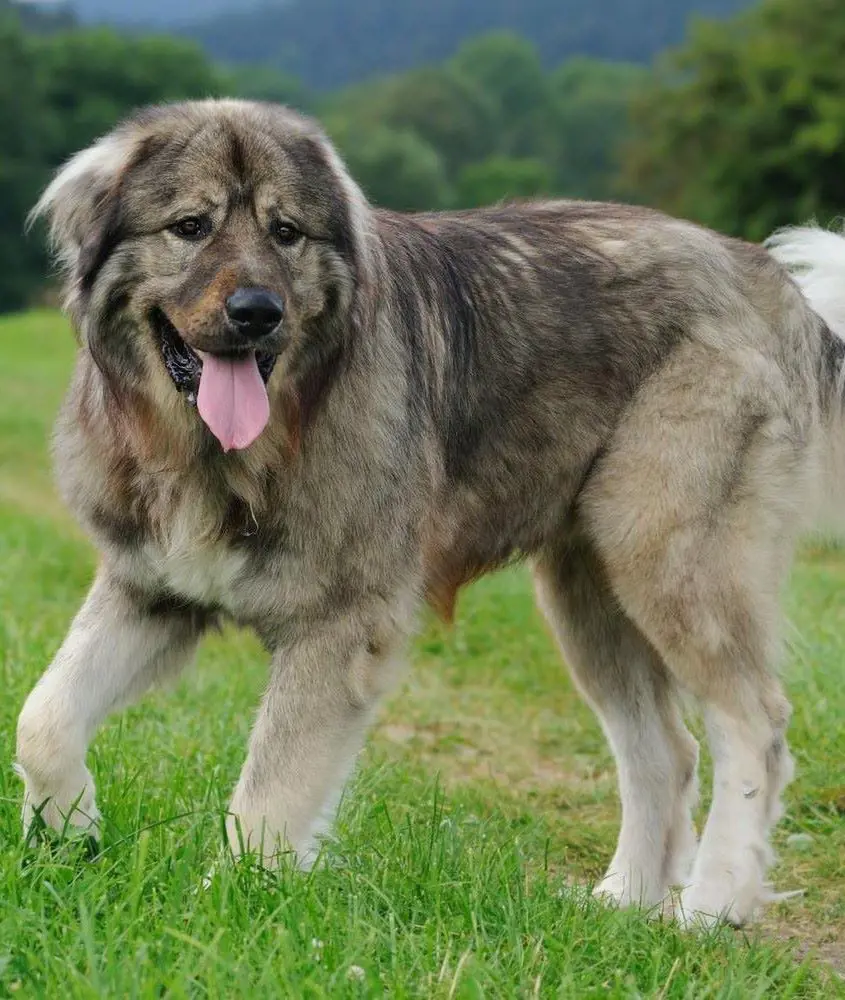
The Russian Bear Dog is generally considered to be a healthy breed. However, like all dogs, they are susceptible to certain health conditions
Here are some health-related problems common in the breed that potential owners should be aware of.
1. Hip Dysplasia
The Russian breed is prone to hip dysplasia, a genetic condition where the hip joint is improperly formed. It leads to pain, lameness, and even arthritis. And, because the condition is inherited, there's no cure either.
2. Elbow Dysplasia
Another common orthopedic issue in these dogs is elbow dysplasia, a condition where the elbow joint doesn't develop properly. This can also cause lameness, pain, and eventually lead to arthritis.
3. Obesity
Due to their large size and potential for a sedentary lifestyle, these canines are at a constant risk of obesity. Obesity can lead to various health problems, such as heart disease, diabetes, joint issues, and decreased lifespan.
4. Bloat
Like other large and deep-chested breeds, Russian Bear Dogs are susceptible to a condition called bloat or gastric dilatation-volvulus. This occurs when the stomach fills with gas and twists on itself, leading to a life-threatening emergency.
5. Hypothyroidism
This breed is also a potential victim of hypothyroidism, a condition where the thyroid gland doesn't produce enough hormones. It can result in weight gain, lethargy, hair loss, skin problems, and a weakened immune system.
Lesser-Known Facts About Russian Bear Dog
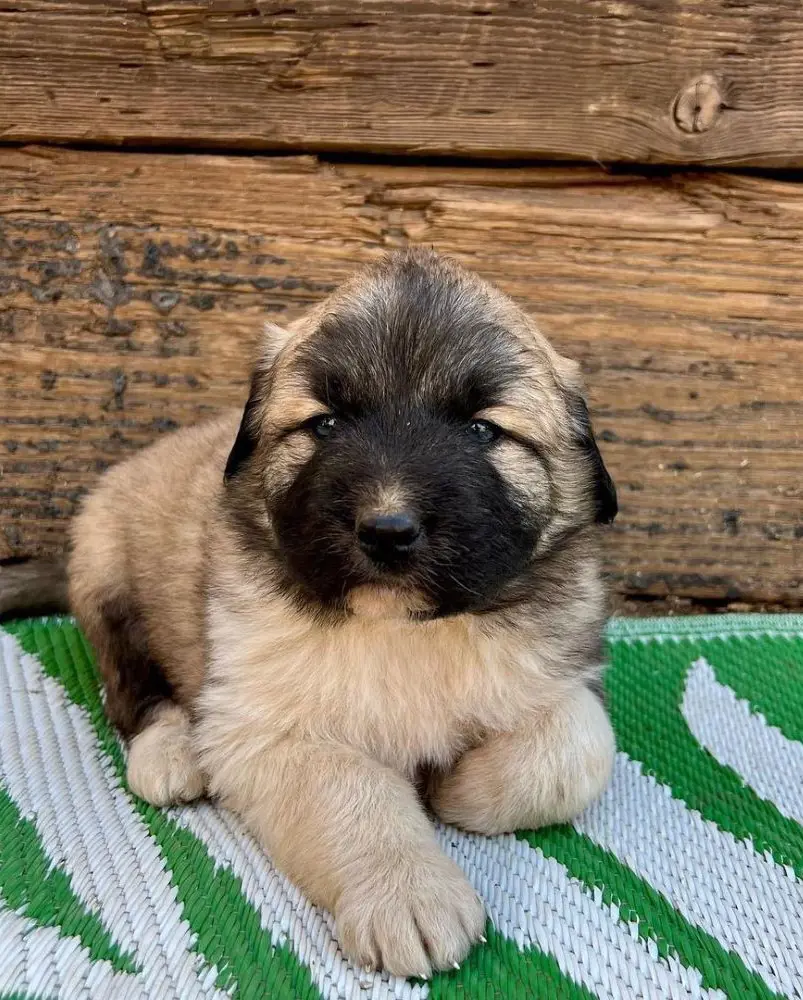
The Russian Bear dog is a sophisticated breed with an ability to survive in extremely cold weather. These fierce creatures can intimidate any opponent with their majestic appearance and brute force.
Here are some lesser-known facts about the breed that can come in handy to potential owners.
- The Russian Bear Dog has a thick double coat that helps protect it from extreme including the freezing temperatures of the Caucasus Mountains. These dogs are known to survive below-freezing temperatures.
- This breed is known for its immense strength and power, with males weighing around 100-170 pounds (45-77 kg) and females between 80-140 pounds (36-64 kg).
- The Caucasian Shepherd is highly territorial and protective, making it an excellent guard dog. It was primarily used to guard livestock against predators, including bears, wolves, and thieves.
- They have a deep, booming bark that can be heard from a considerable distance.
- This breed has a high tolerance for pain, making them fearless. Also, they have a strong prey drive and should be supervised around small animals.
- Despite originating in Russia, this breed has restricted ownership in the home country. Also, it is banned in Denmark.