

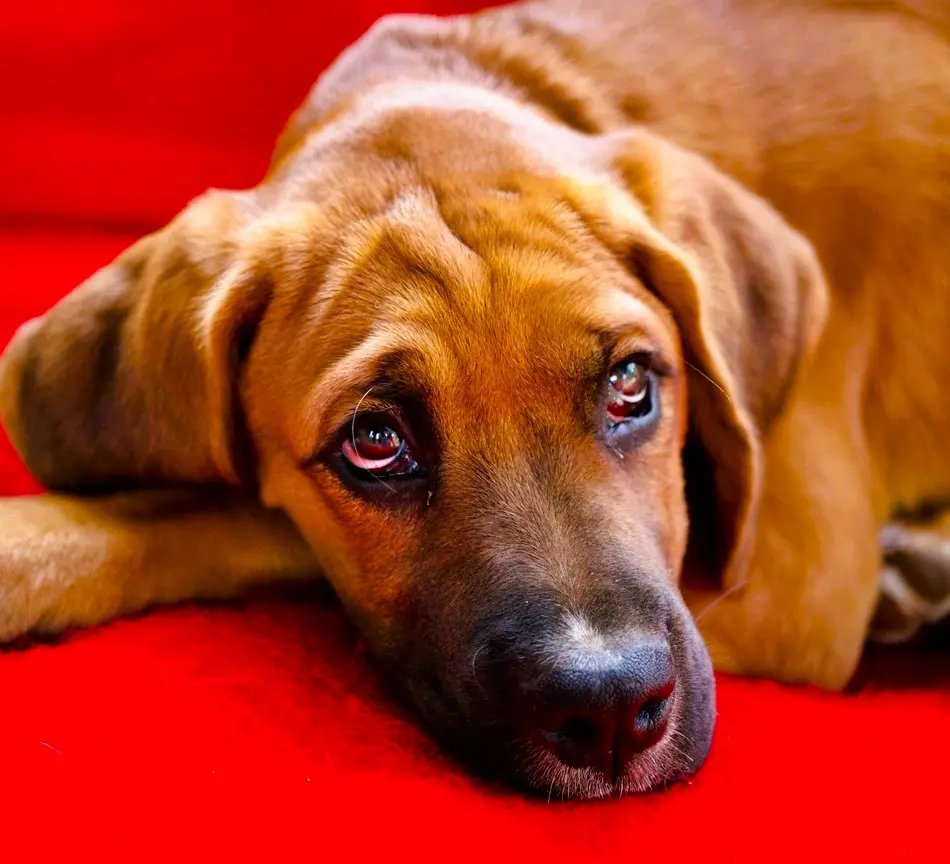
This is quite a worrying scenario where there is red eye in dogs, it is one of the very common problems whose cause may be minor or serious.
The importance would be to rule out the cause to ensure that your dog is okay, allergies, infections, foreign body, among others, to systemic diseases may present with redness. Fast diagnosis and correct treatment can make a world of difference in the comfort and overall health of your pet.
Understanding Red Eyes In Dogs
It might be reddish and droopy, bloodshot, weepy, or red only at the edges and so many possible causes of red eyes in dogs exist and may have other possible signs, such as squinting, excessive tearing, pawing at the eye, and vision changes which can make you more sensitive about the comfort and ease of your dog.
These are major indications that can tell a lot about what might be behind the problem and you should immediately take your dog to a veterinarian if you see redness in his eyes, so he can have timely consultation, proper checkups, required tests, and an accurate diagnosis for his condition.
Treatment may then include antibiotics in the case of infection, anti-inflammatory medications in cases of allergy or autoimmune disorders, and surgery for some anatomic problems like cherry eye or eyelid defects. In cases of systemic origin, such as diabetes or hyperthyroidism, proper management of the primary disease will alleviate ocular signs.
Causes Of Red Eyes
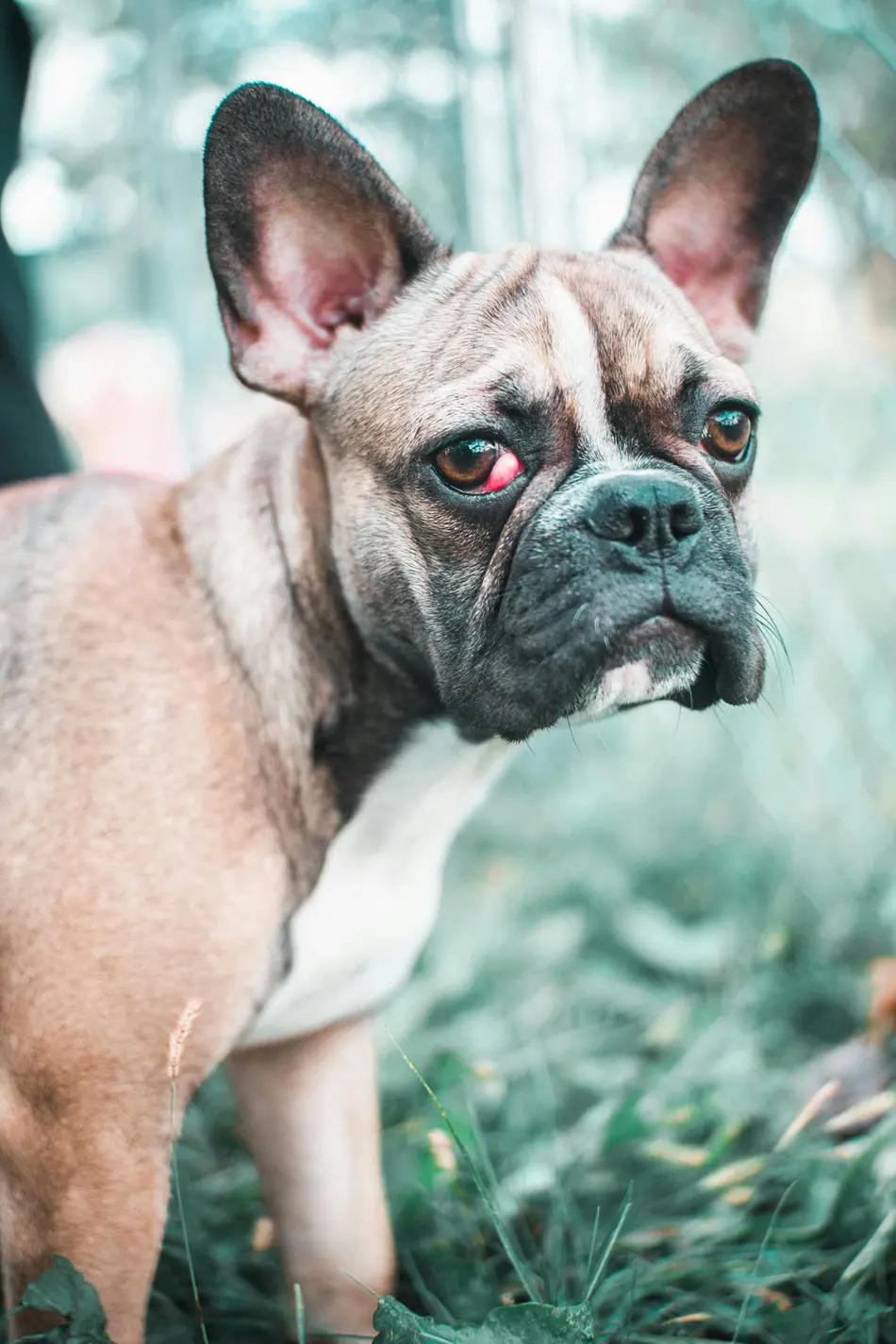
Pets bring immense joy and love into our lives, offering lovely companionship and a memorable bond that enriches our hearts. Knowing some of the probable causes of Irritated eyes in the eyes can help in administering an effective course of treatment.
Below are the more common causes, ranging from benign to serious health concerns, which could cause your dog's eyes to turn red:
Injury
Their eye damage can be caused by many sources, just like in human beings and dirt, dust, or small shreds of particles may enter the dog's eye too. This can be a result of playing with other animals or even a scratch from a tree branch, which may be very painful.
If there is a foreign body lodged in the eye or if there is blood, call your veterinarian. Lesser kinds of irritations, like redness or temporary discomfort, you'd most likely treat this at home by gently flushing your eyes with clean water or saline solution.
Allergies
The atmospheric irritants, the pollen, dust, and mold combined with the food ingredients to which the dog is allergic, may provoke an allergy that turns the eyes red or creates discomfort in them.
The ways a dog expresses an allergy are continuous itching, excessive tearing, and swelling around the eyes and you can try to minimize the exposure to potential allergens or alleviate the condition by administering over-the-counter medications when it is mild, in most cases, it will always be advisable to visit a professional.
Conjunctivitis
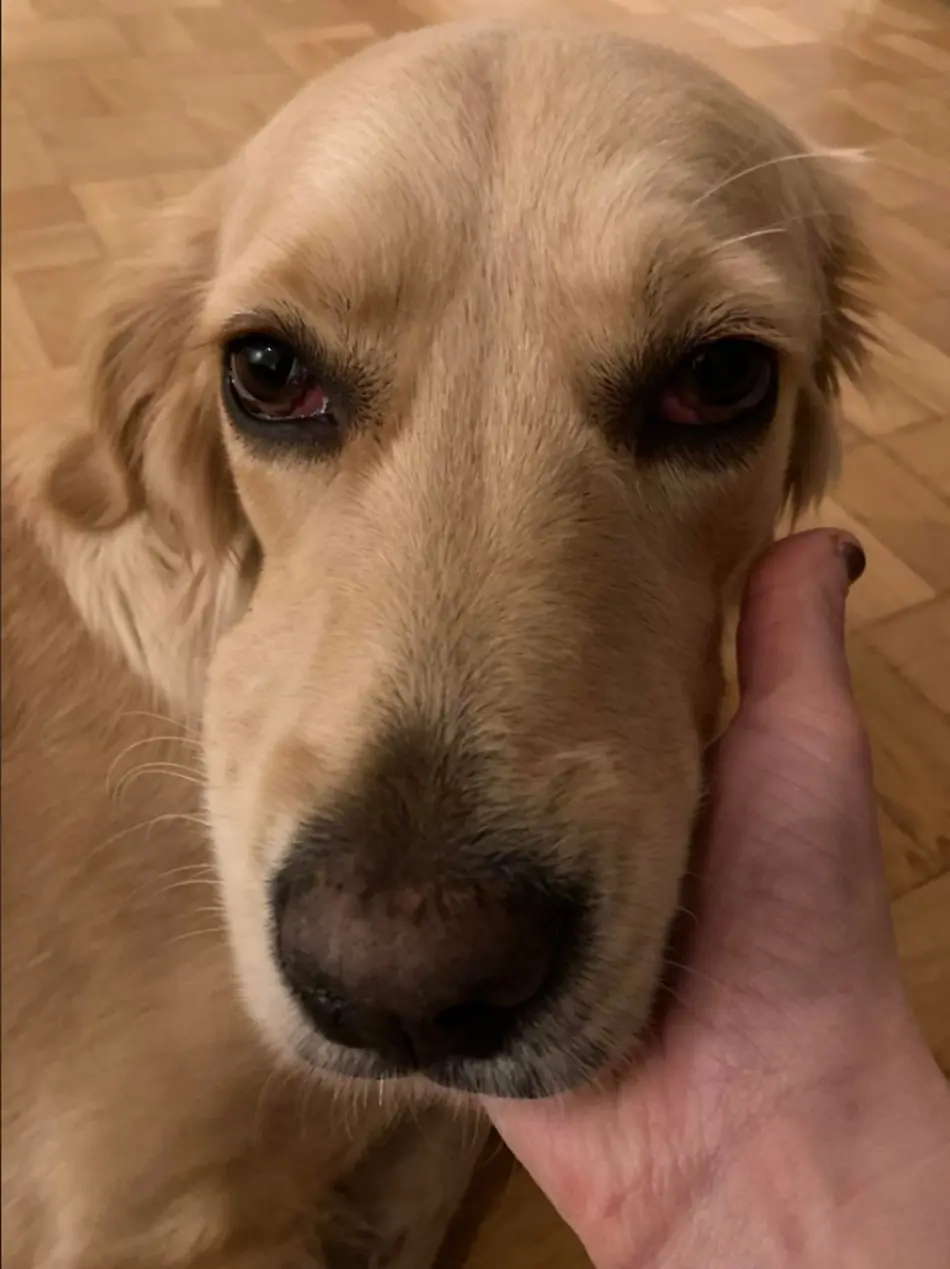
It is an inflammation or infection of the conjunctiva, a very thin membrane lining inside the eyelids and covering the white part of a dog's eye, conjunctivitis in dogs can manifest through inflamed eye swelling, irritation, or inflammation in one or both eyes.
It has been rated as one of the most common superficial eye-related problems in dogs that may emanate from infections, chemicals, or even trauma, and allergic conjunctivitis in dogs is largely characterized by itching and discharge with water-like contents.
Glaucoma
This is a serious disease in dogs, characterized by an accumulation of fluid inside the eye that increases the pressure within and this augmented pressure is painful and may considerably damage the inner structures of the eye. Glaucoma may lead to serious consequences like loss of eyesight or blindness when treated improperly.
This emanates from the malfunctioning that has come to the normal functioning of the drainage channels from the eye, or due to excess fluid production in the eye. In canines, some symptoms of glaucoma include eye irritation in the eye, cloudy or hazy appearance, excessive tearing, and noticing more pain or discomfort and if a dog had a problem in the past with its eyes it surely runs a very great risk.
Corneal Ulcers
It can be sore or eroded portions of the outer membrane of the cornea and these ulcers can be large or small, superficial, or deep, but in most cases, they are caused by scratches caused by foreign bodies, like sticks or grass infections due to bacteria or viruses, chemical burns, and chronic diseases that change tear production or the shape and function of the eyelids.
Corneal ulcers have different treatments based on the extent or cause of the problem, for a veterinarian a small ulceration may call for the use of antibiotic eye drops or ointments that would cure the infection from spreading further and heal it.
Dry Eye Syndrome
It is a condition wherein the tear glands of the dog stop producing any kind of tears and as a consequence of these causes like immune-mediated diseases, chronic infections, medications, trauma, surgery, and breed predispositions may arise. Common signs and symptoms include inflammation, thick mucous discharge, squinting, ulceration of the cornea, and cloudy eyes.
Diagnosis is based essentially on clinical signs and tests, which include the Schirmer tear test and treatments ranging from artificial tears and medication stimulating tear production to even antibiotics in the case of infection.
Uveitis
This is a very painful and distressing condition for dogs, and if it is left untreated or poorly managed, serious complications can result in even blindness. Infections, bacterial, viral, fungal, parasitic, and immune-mediated diseases raise systemic diseases of neoplasia.
Diagnosis is by detailed ophthalmic examination with supplementary diagnostic tests such as tonometry and ocular ultrasound. Treatment is first targeted if it is known, together with the clinical signs, which in most cases is achieved through the use of anti-inflammatory drugs in conjunction with antibiotics, antifungals, or antivirals depending on the causative infectious agent.
Breed Issues
Depending on characteristics, either genetic or physical, some breeds of dogs become prone to certain health problems for example, Brachycephalic syndrome in Bulldogs and Pugs experience breathing problems due to their very short noses. Hip dysplasia is rather common in German Shepherds and Golden Retrievers due to their large build and strain on their hip joints.
These breed-specific problems can be managed by regular visits to the vet, coupled with an early diagnosis with proper preventive care and responsible breeding practices coupled with genetic testing would bring down the number of cases of inherited conditions.
Lens Luxation
It's a condition in dogs characterized by dislocation of the lens from its normal position behind the iris, traumatic and genetic origins exist and there are anterior luxation types, moving forward into the anterior eye chamber, and posterior luxation, where it falls backward into the eye.
Treatment may range from simple medication to control inflammation or pressure to surgical removal of the luxated lens depending upon the nature and degree of luxation and all such complications can thus be avoided if diagnosis and treatment are made in time.
Aging
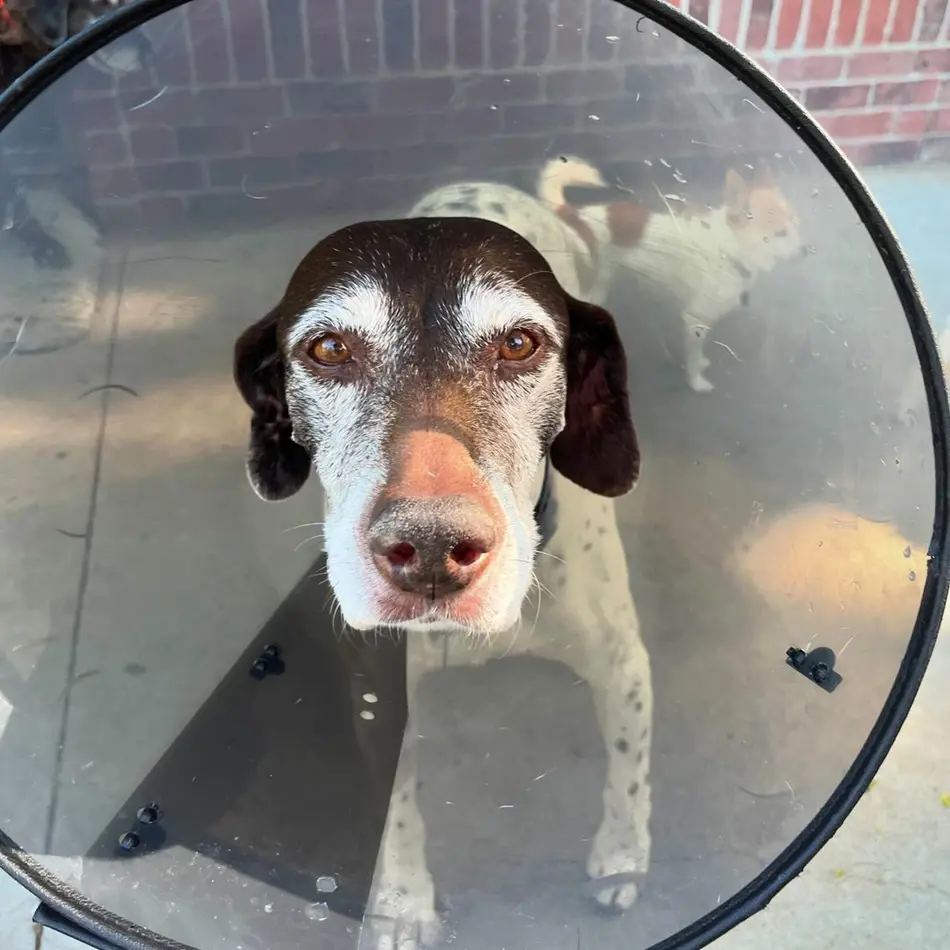
Age-related red eyes in dogs could be caused by many conditions and more common pathologies like nuclear sclerosis, and hardening of the lens that gives a bluish-gray appearance but contributes to irritation. Older dogs are more subject to diseases like glaucoma and uveitis, which might cause quite a good deal of eye strain associated with resultant problematic irritation.
Keeping regular checkups in aged dogs will establish a baseline for eye health and catch most problems at a good time treatments most probably are going to include lubricating eye drops, any medications directed toward the underlying cause of disease, and changes to lifestyle in ensuring comfort and preventing complications. This hence ensures eye health in your senior dog and the holistic well-being of the dog.
When To Visit To The Vet
They always examine the dog all the while trying to find out what the real problem might be, first and foremost the vet takes a very thorough history concerning the state of health of the dog, his environment, and any activity that the dog might have engaged in recently that might have led to that state.
It is then going to provide the veterinarian with an idea of the symptoms and general conditions of health of the dog so that he may think of some possible causes and the factors noted include changes in behavior, appetite as well as apparent pain. There is a subsequent ocular examination of swellings inside the eyes, discharges, cloudiness of the cornea, and any other apparent gross abnormal structural anomaly.
Additionally, the vet will be able to examine the local tissue for the presence of foreign bodies and specific diagnostic tests then follow to confirm the actual cause of redness. These tests, in turn, offer locations of what the root problem might be and hence guide the veterinarian on the course of an effective treatment plan.
Diagnostic methods include:
- Staining to detect corneal ulcers.
- Schirmer tear test to measure tear production.
- Tonometry to check intraocular pressure of glaucoma.
- Cytology and culture to identify infections.
- Advanced imaging, such as ultrasound, to assess internal eye structures.
How to Keep Your Dog’s Eyes Healthy
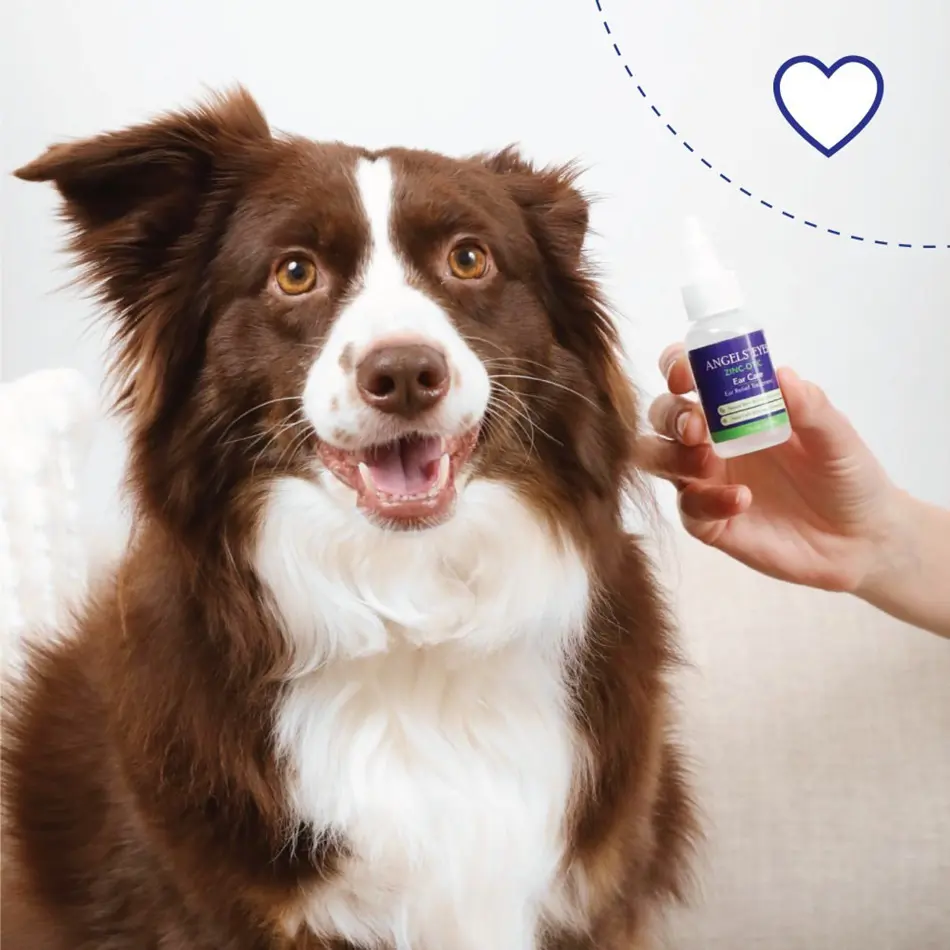
Keeping your dog's eyes healthy goes a long way toward their overall well-being and quality of life and healthy eyes will help your dog move around his world with confidence, unfearful of danger, and in a highly gleeful manner.
Proper eye care and frequent monitoring for probable complications may be applied to stop and detect any issues at the early stage so that your furry friend has clear vision and comfort throughout their life.
1. Keeping hair out of eyes
Trimming and cleaning of the hair around the eyes is very vital in long-haired breeds, excess hair will rub on the eyes, collect dirt, and cause infections. Clean vision is caused by the trimming of the hair, thus avoiding eye problems.
This is best done either with blunt-nosed scissors or by taking them to a professional pet groomer for safety purposes and accuracy. On the other hand, cleaning this area keeps at bay the problems caused by hair in the eyes and helps ensure your dog is always comfortable and healthy.
2. Cleaning their eyes
Keeping the dog's eye discharge clean will ensure that his eyes are healthy and free from infection, wipe away any dirt or other deposits from the areas around their eyes using a soft cloth that you have dampened or a pre-moistened eye wipe.
Starting at the inside corner, work your way out to prevent the risk of spreading infection if there is one present, and be careful not to touch the eyeball itself, which can cause irritation or even an injury.
3. Looking for excessive eye rubbing
While dogs do often rub their eyes with their paws, excessive or vigorous rubbing may indicate discomfort or something, and if your dog is persistently pawing at his eyes, rubbing his face against furniture, or there's redness, swelling, or discharge him being quite irritable get this checked out without delay.
He may be rubbing too much because of allergies, eye infections, or even foreign bodies stuck inside the eye, and keeping track of any changes in your dog's behavior and searching for other signs that he might be suffering vision change or lingering discomfort can help supply you with important information to report to your vet and narrow down the cause. Noting these signs will ensure more serious issues do not come up and your dog will be comfortable and healthy.
4. Protecting them
Serious injuries to the eyes can also result from wind trauma and similar debris that may scratch or allow entrance into the eyes, an easy one is that it involves keeping your car windows rolled up high enough so that they can't poke their heads out or protecting your dog's eyes with protective eyewear during a car ride, specially designed for dogs.
This will avoid damage as well as irritation or hurt from these factors and ensures that their eyes are healthy and comfortable while moving and, therefore safe, while remembering these small tasks can save your dog's eyes from uncountable reasons that can make his eyes red.
5. Regular Checkup
Regular trips to the vet will help to keep your dog healthy inside and out, peepers included and you will be able to monitor how the changes in the eyes come about over time and diagnose issues before they become serious.
In most dogs, annual examinations are adequate but for senior dogs, examinations every six months may be more appropriate to make sure that age-related health changes are monitored more closely. Eye visits guarantee that problems in the eye are noted early enough not to affect your dog's vision and general state of well-being and visits would keep their health pretty closely monitored, reducing long-term complications in health and discomfort.