

 Redness in the Whites of Eyes 2) Swelling Around Eyes 3) Increased Tears 4) Squinting and more.)
Cats, with their curious nature, often get into dangerous situations and risk harming themselves. So, if your cat comes up with a red eye, your first instinct will be to treat it as a mild shenanigan that will go away in a few days.
For cats, however, eyes are a basic means of survival that are vulnerable to the risk of foreign objects, allergens, and physical injuries. Redness of the eyes isn't a disease or illness; it is a symptom of a disease.
You should look for these signs that accompany a typical red-eye to better understand and treat the disease.
1. Redness in the Whites of Eyes
Often the symptom of conjunctivitis, redness appearing in the whites of a cat's eyes implies the presence of allergens or bacterial infestations. Similarly, an injury to the eyes can also leave them visibly red.
This condition is common in cats with high blood pressure. When the inner part of the eyes becomes inflamed, we can notice redness in the white areas of the cat's eyes.
2. Swelling Around the Eyes
Swollen eyes in cats are an indicator that your pet is potentially a victim of a severe eye condition that is yet to be diagnosed. Combined with the redness, these symptoms can send any pet parent into panic mode.
The exact cause of this swelling is hard to debunk with so many potential causes linked to it. Conditions like glaucoma and uveitis also play crucial roles in spreading the redness across the cat's eyes.
3. Increased Tear Production
Also referred to as epiphora, excessive production of tears in dogs is linked to conditions like conjunctivitis, corneal ulcers, and rolled-out eyelids.
Once the symptoms are associated with epiphora, the treatment process can finally begin. The vet will first identify the factor that is causing the tear production.
Normally, a vet will treat your cat's eye condition while clearing any blockage of the nasolacrimal duct using a specialized tool. At the same time, if your eye size shrinks, flushing the unnecessary debris formation is also helpful.
4. Squinting
Squinting in cats implies an action, where the feline is looking at something or someone with one or both eyes partly closed. Also called a corneal ulcer, this condition arises when the cat accidentally scratches its eyes.
In most cases, a cat squinting suggests that the pet is in extreme physical pain. To alleviate its symptoms, try vet-recommended ointments or eye drops.
If the treatment works, cats should be on a path of recovery within 3-5 days. However, in case the symptoms don't subside after a week, seek a vet for professional services.
5. Yellow or Green Discharge
Occasional discharge from the eyes is common in cats, particularly after a sound sleep. If these discharges stop within a few days, that's the end of the problem. However, continuing these yellow/green discharges could imply an eye disease.
To alleviate the cat eye discharge, you can try using a cotton ball dipped in water to wipe the discharges. In grave situations, however, home remedies like cleaning the eyes are not sufficient to stop the regular discharge.
6. Excessive Blinking
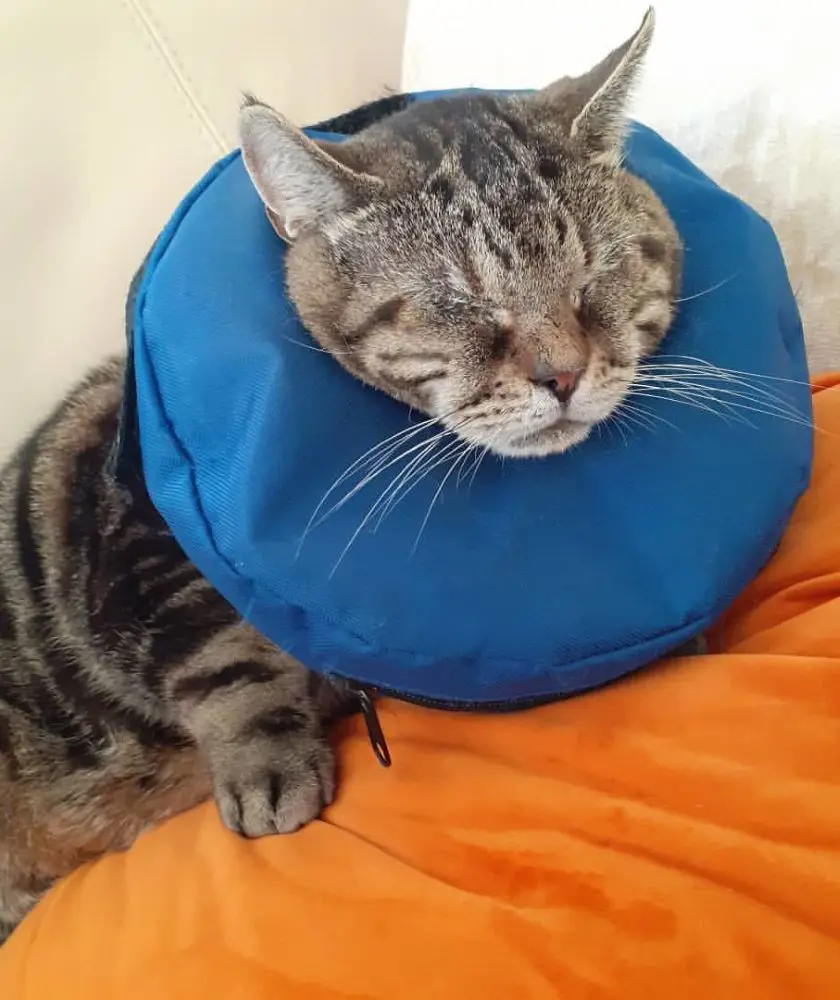
Normally, cats don't blink much, only around 1-5 times per minute. This frequency can drop lower, especially when they are hunting or stalking something.
An increase in the number of blinking should be not taken lightly. Unlike humans, cats don't blink to keep their eyes moist; so, a cat blinking excessively might not be related to debris in the cat's eyes.
Instead, frequent blinking in the eyes could be a sign of a chronic illness, possibly corneal ulceration, glaucoma, or lacerations.
7. Cloudiness in the Eye
When the redness is accompanied by a cloudy eye, the condition can block your cat's eyesight and make them more vulnerable to accidents in the house or a predator outdoors.
Firstly, as you check the symptoms, determine whether the cloudiness is limited to one eye or if it only covers a portion of the eyes. This information will help the vet determine the source of the cloudiness, and start the treatment.
Cataracts are the likely cause of the cat's condition; however, also look out for illnesses like nuclear sclerosis, glaucoma, or keratitis.
8. Third Eyelid Showing
Cats have a third eyelid which they don't show; this eyelid is responsible for keeping the eyes safe from debris, UV light, and cat eye infection.
A cat may occasionally show its third eyelid partially right after a sleep. However, when it becomes visible at other times, it is an indicator of an infection or illness. Cats only show this part when their neurological system detects a foreign object.
Coming across this sight for the first time can be frightening. But, if you ever witness your cat in this state, don't panic and contact the vet immediately.
9. Rubbing or Pawing At Eye
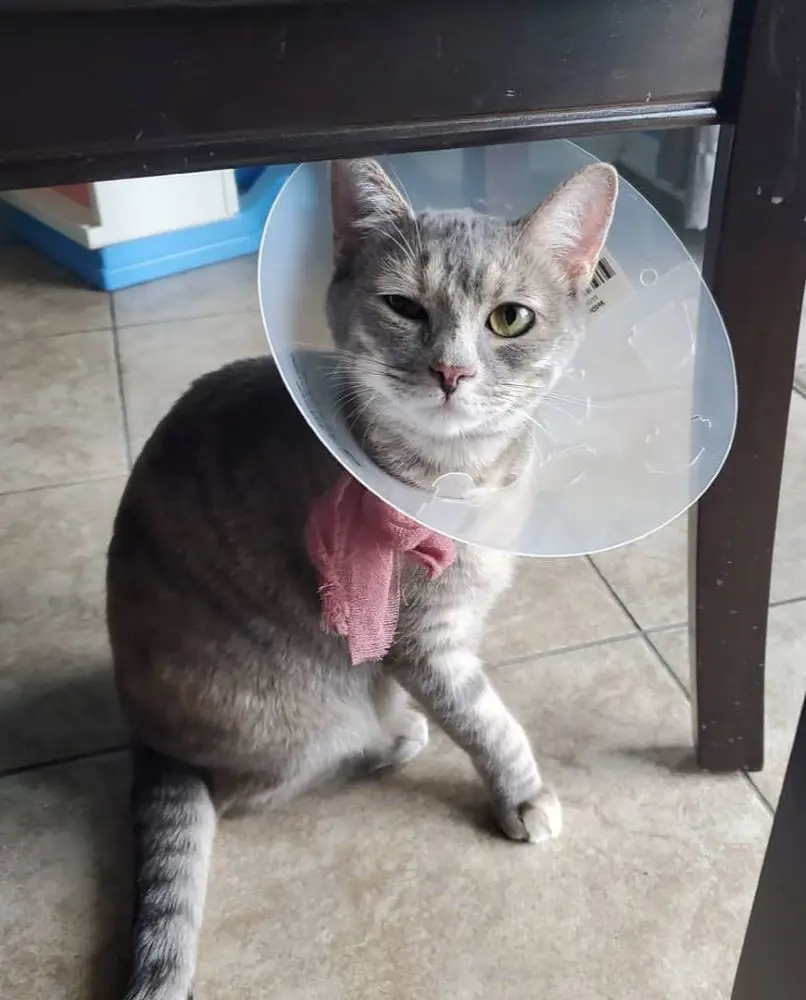
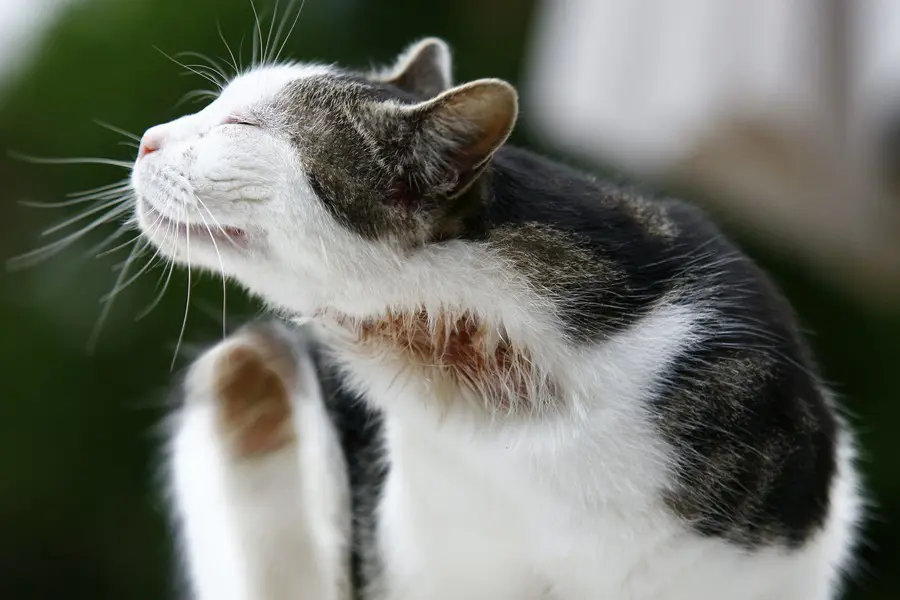
Frequent rubbing of eyes in cats can be triggered when they come into contact with a potential allergen. Dust, smoke, or even perfume can develop an allergic reaction that leaves the cat excessively pawing at its eyes.
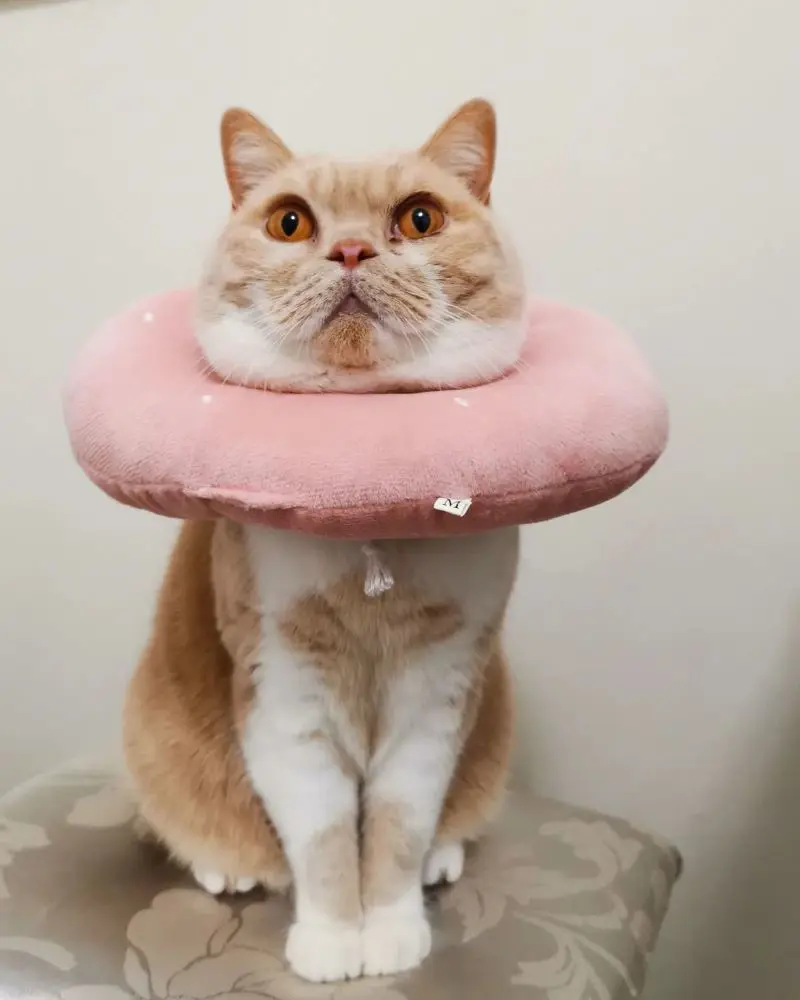
Until you find out the cause of the cat's discomfort, restrain them from rubbing their eyes by using an e-collar. Over-rubbing can damage their sensitive eyes, causing blindness if neglected.
10. Reduced Appetite
Loss of appetite is a precursor to multiple health conditions. But, when considering the reduced appetite with red eyes, you can narrow down the symptoms exponentially.
When these symptoms are combined, only a few possibilities remain - conjunctivitis or cat flu. Check out their breeding pattern along with signs of fever and over-sneezing, the possible cause is likely to be conjunctivitis.
Loss of appetite is often accompanied by dehydration. Make sure to provide plenty of fresh water to keep them hydrated.
11. Sensitivity to Light
Does your cat's eyes turn red suddenly after being exposed to the sun? Referred to as photophobia, this condition is a common sign in cats suffering eye pain.
Felines are, generally, crepuscular animals; their peak time of activity is during dawn and dusk. So, they are naturally sensitive to light, to some extent.
Similarly, photophobia is also common in senior cats; as cats age, their eyesight weakens. They may react poorly to bright light, besides sunlight.
12. Watery Eyes
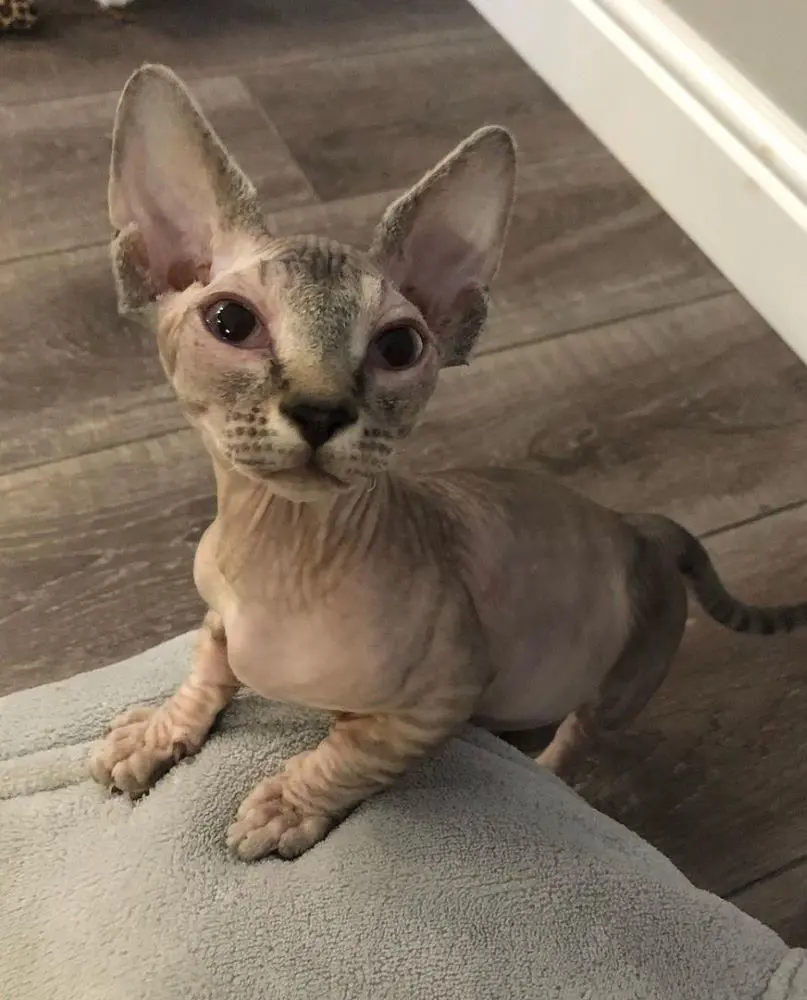
Watery eyes develop when the cat's tear ducts are obstructed, thus preventing tears from flowing downwards. In some cats, this condition can be caused by potential infections, whereas in others, it has existed since birth.
If the condition is not severe, try cleaning the eyes with a clean wet cloth. Also, put an e-collar to prevent the cats from unnecessarily touching their eyes.
13. Bloodshot Appearance
Also called hyphema, this condition is characterized by the presence of blood or a blood-like spot on the cat's eyes. The most likely cause is internal bleeding caused by trauma to the eyes or head. If the cat looks confused and is unable to control its movement, check for signs of a concussion.
Besides trauma, the bloodshot appearance can also be triggered by hypertension, lymphoma, and even parasitic infection, in some cases. A vet may prescribe eye drops to reduce their pain and reduce the symptoms. However, if normal medication isn't effective, surgery might be required to protect the eyes.
14. Pupil Dilation
Dilation of the pupil is normally the result of excitement or fear that is resolved after a few hours. Cats may also develop such signs after consuming catnip or taking medications.
However, if the eyes remain dilated for more than a day, the cat could be intoxicated or going through a head trauma. To check for any damage in the pupil, bring the cat to a bright spot or sign a light to its eyes. If the pupil size changes to adjust to the light, the eyes are fine. Otherwise, consult a vet with expertise on canine eyes.
15. Uneven Eye Surface
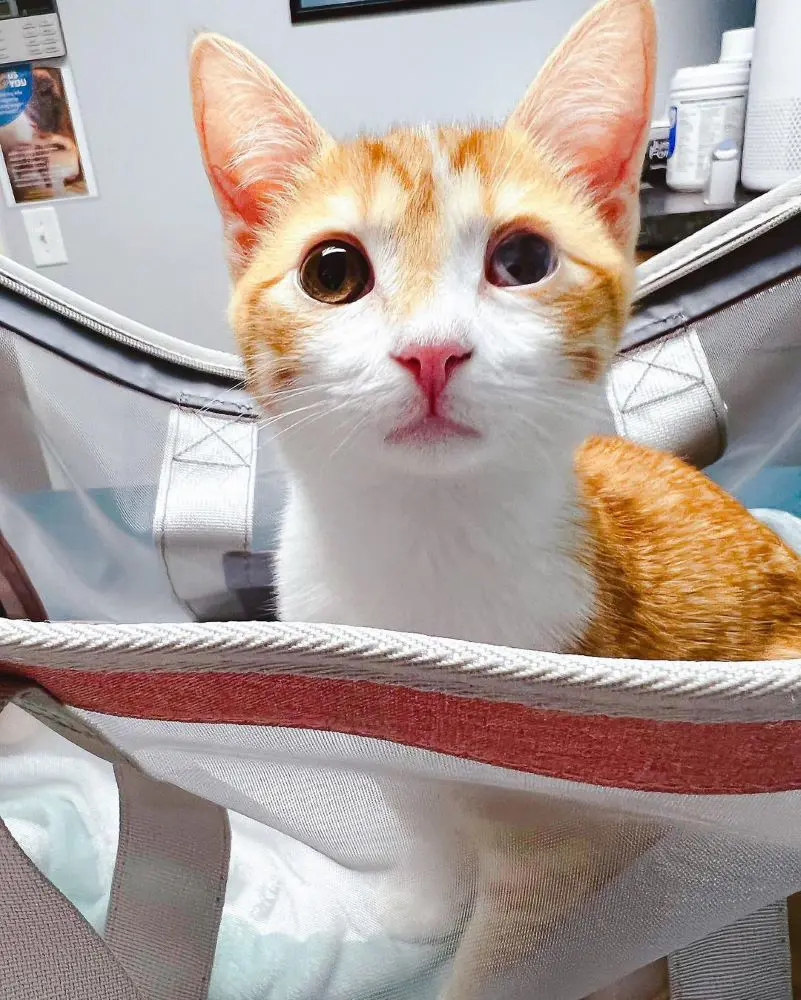
Lop-sided eyes in cats, or anisocoria, is a possible neurological disorder that causes uneven or different-sized eyes. Not a disease in itself, this condition is a symptom of an injury or increased pressure to the eyes.
This condition can either cause a size difference in the eyes or the cat's pupils. The retinal damage can lead to irreversible blindness in cats; however, with care, the cat has a chance of controlling the long-term damages caused by the underlying illness.
16. Yellowing of Cornea
Yellowing of the cornea is a primary symptom of jaundice in cats. Bilirubin, a yellow substance produced by the breaking down of RBCs, causes the cat's skin and eyes to turn yellow.
The yellowing, paired with mild redness, hints towards a neurological condition potentially triggered by the jaundice. In this case, treating jaundice should be the first concern of pet parents. But, continued redness of eyes even after the treatment should be handled as a unique issue, different from jaundice.
17. Frequent Head Shaking
When the cat has a sensation of irritation around its ears or head, it may shake its head as a reaction. However, when the tremors are involuntary, it could be a symptom of a developing seizure.
Unless the cause is an itching sensation, it is more likely to be a head trauma. If the shaking can't be controlled by traditional medicine, vets may recommend additional MRI scans to better analyze what's going inside the cat's head and plan a treatment process, accordingly.
Causes of Red Eyes In Cats
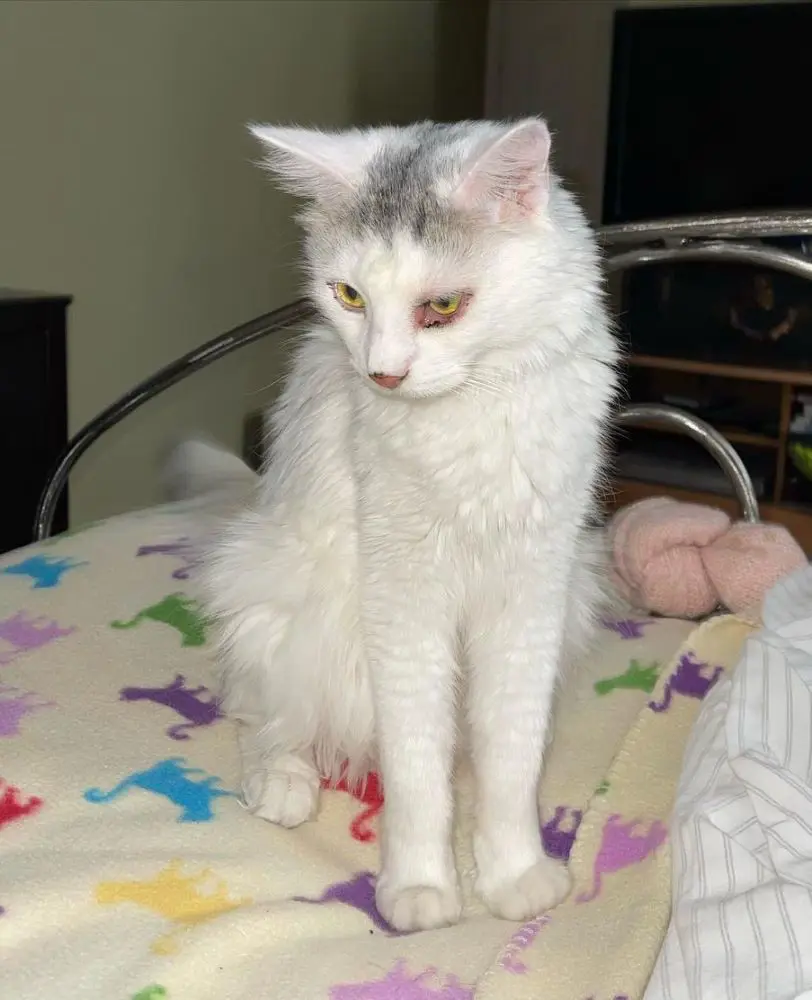
As we've discussed above, feline eye redness is a symptom, not an illness. When not caused by common allergens, smoke, or pollutants this sign could hint at an eye disease or infection, yet to be diagnosed.
Watch out for these common causes that are often linked to red eyes in cats.
1. Conjunctivitis
Conjunctivitis refers to an inflammation around the cat's eye, that can partly block the cat's cornea. Often triggered by bacterial infections or a condition called entropion, conjunctivitis is normally treated by ointment or antibiotic medication.
With proper care and treatment, conjunctivitis should be resolved within 1-2 weeks.
2. Allergies
An allergic reaction in cats is often caused by seemingly harmless things like pollen, dust, or specific foods. While these supposed allergens don't warrant concern in most cats, some felines overreact to these stimulants, often leading to inflammation and rashes.
Besides red eyes, an allergic reaction is normally accompanied by repetitive sneezing, runny nose, and watery eyes. To treat allergies, the allergen responsible should be pinpointed; vets often use the reduction method to isolate unlikely causes and narrow down the actual symptoms.
3. Glaucoma
Glaucoma is an incurable condition that initially starts as watery fluid in the cat's eyes. As it starts to grow, this fluid can strain the optic nerve.
Glaucoma can affect one or both eyes of the cat, with symptoms difficult to identify in the initial stages. In most cases, by the time glaucoma is identified, the cat has already developed temporary blindness; if neglected, this can lead to permanent blindness.
4. Injury
Eyes are sensitive organs that need to be protected from injury. Normally, a cat has several defense mechanisms to protect its eyes; however, some injuries may be inevitable.
An injury, as minor as a slap from another cat or a tiny piece of dust getting into the eyes, can develop redness and inflammation in a cat's eyes. If there is a visible wound or injury in or near the cat's eyes, keep them from touching it to avoid further infection.