

Quaker parrots are charming and intelligent birds admired by bird enthusiasts for their sociable and playful nature. These amazing parrots are highly interactive and enjoy being part of the family, often forming strong bonds with their human companions.
Also known as Monk Parakeets, these intelligent birds are well-known for their ability to mimic sounds and their tendency to quickly learn various tricks and commands.
With proper care and attention, Quaker parrot birds make delightful companions, adding color and charm to the lives of their human counterparts. Let's delve into some amazing facts about these feathery friends.
1. Carry The Moniker Of Monk Parakeets
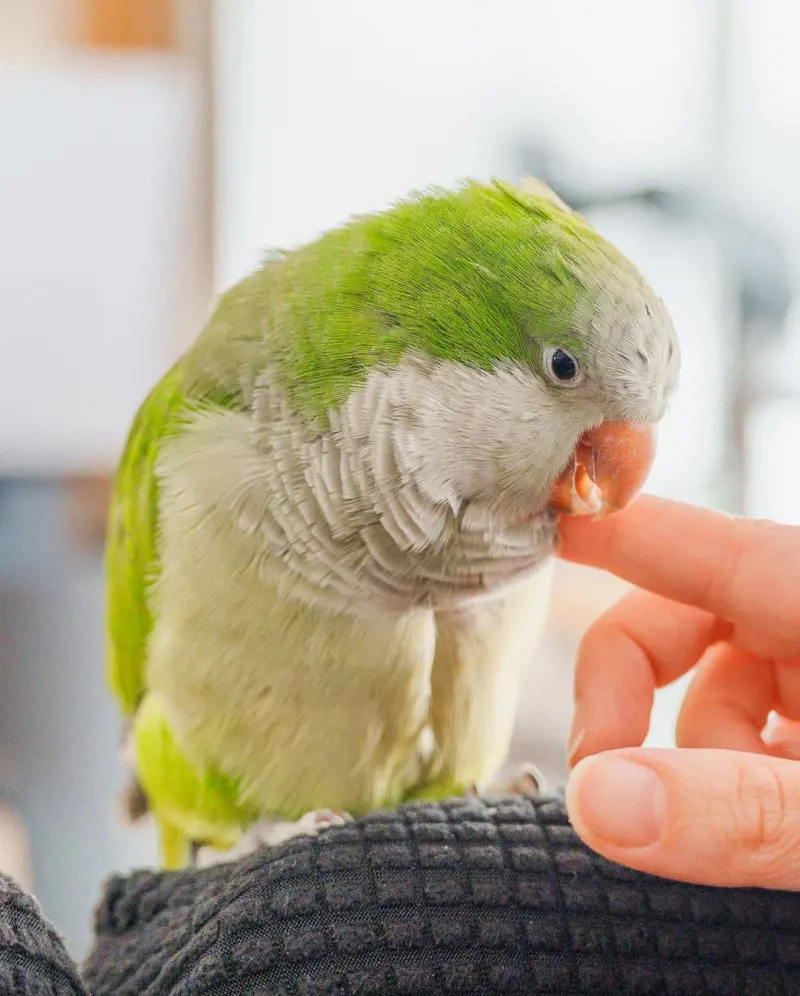
The Quaker parrot got its endearing moniker Monk Parakeet from its distinctive appearance that somewhat resembles a monk's hood and robe. These small pet birds boast a grayish plumage with a pop of vibrant green on their wings that somewhat resembles the traditional monastic attire.
Originating from South America, these social birds exhibit a communal lifestyle and prefer to build large, intricate nests that resemble monk-like quarters. Beyond their cute and quirky name, these intelligent and talkative birds make delightful companions.
2. Excellent Talking Talents
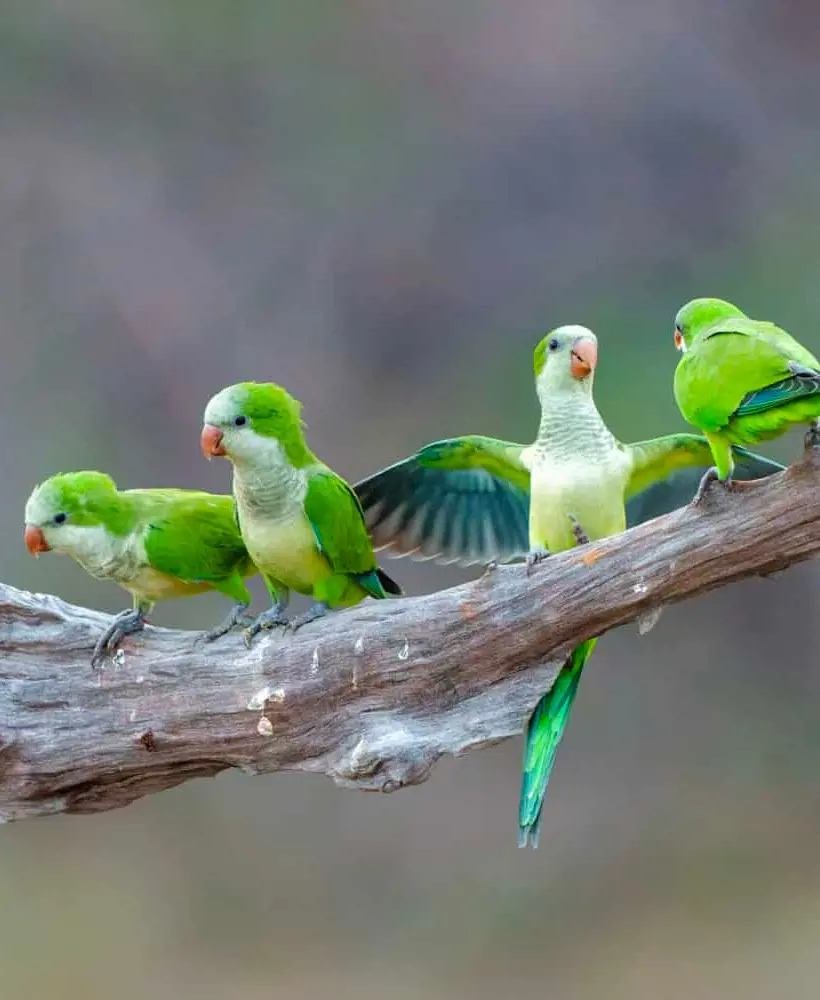
The Quaker Parrot has garnered a reputation for its impressive talking talents, showcasing an aptitude for mimicking human speech and sounds. These types of parrots are renowned for their exceptional intelligence and social nature while also being quick learners with an affinity for interaction.
Their vocal repertoire often includes diverse phrases, words, and even the ability to imitate various sounds from their environment. The most amazing thing is not just their mimicry skills but also their capacity to comprehend and use words contextually.
3. Impressive Nest Architects
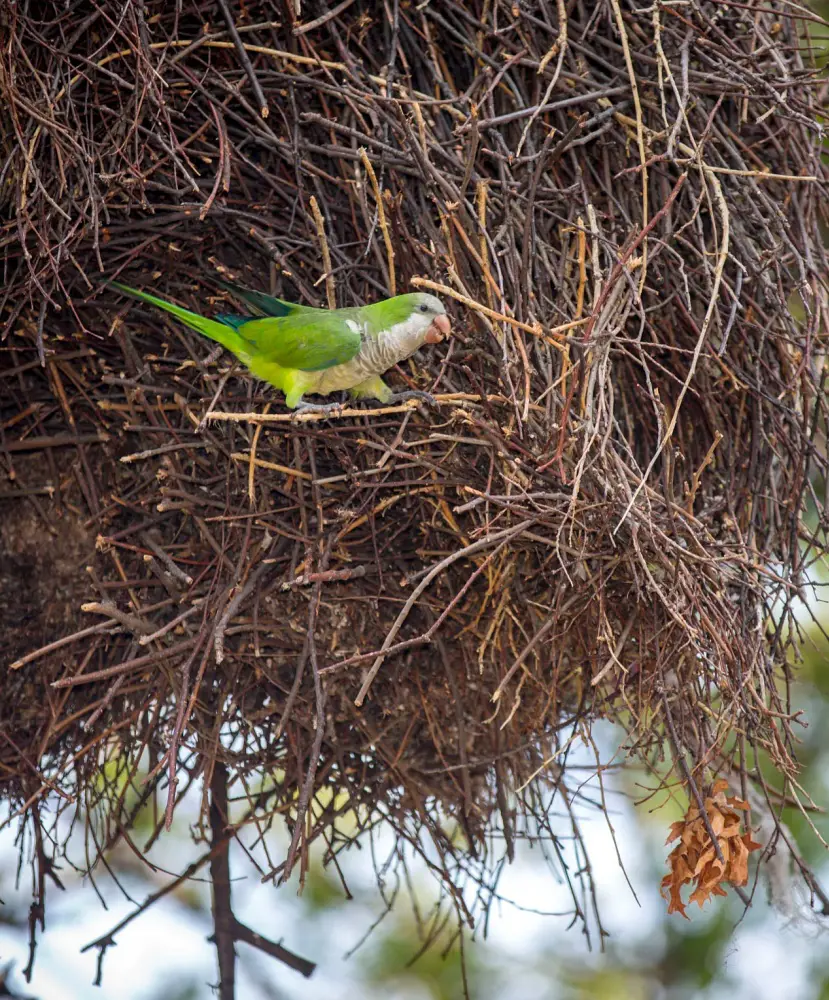
These beautiful birds exhibit a remarkable talent for nest building which sets them apart in the avian world. Unlike other parrot species, the Monk Parakeet is known for constructing elaborate and communal nests, often resembling intricate towers or condominiums.
These nests are shelters, which also serve as a collaborative effort within a group since multiple pairs of Quaker parrots contribute to the construction. This unique nesting behavior reflects their intelligence and adaptability, as they have successfully adapted to various environments and climates.
4. Invasive Species
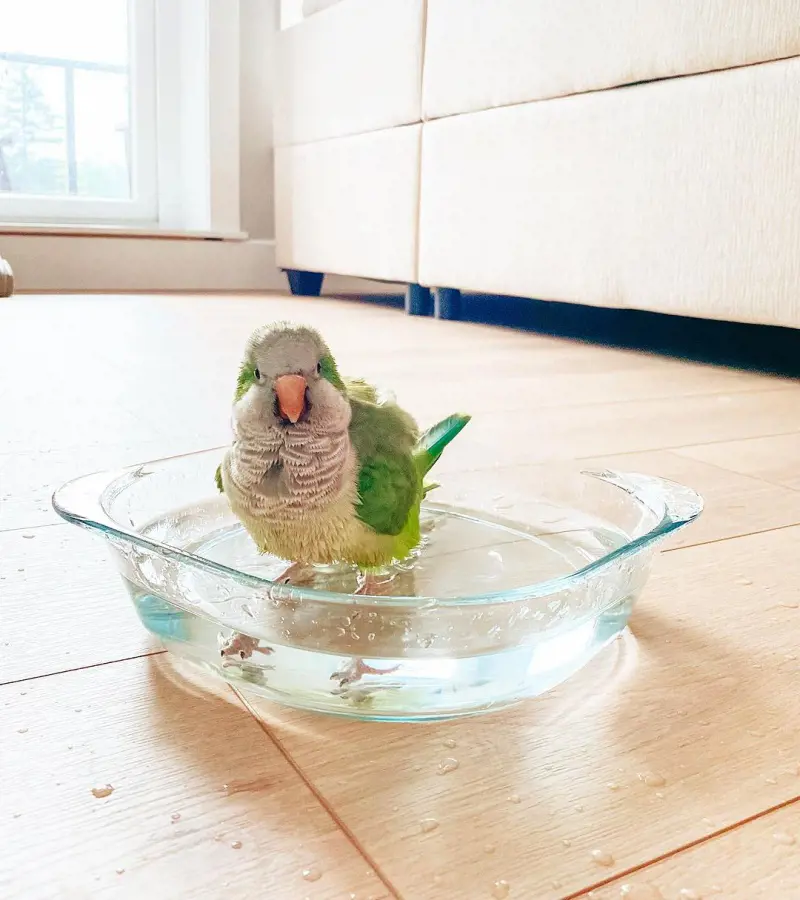
Despite all the endearing qualities, the Quaker Parrot has earned a notorious reputation as an invasive species in certain regions. Their adaptability, prolific breeding habits, and communal nesting behavior contribute to their success as invaders, often outcompeting native bird species.
This ecological impact has led to concerns about these parrots disrupting local ecosystems and agricultural areas. While their vibrant presence may be appreciated by some, the invasive nature of Quakers underscores the delicate balance in ecosystems and the potential challenges.
5. They Enjoy A Lengthy Lifespan

The Monk Parakeet boasts a relatively long lifespan compared to many other parrot species and can live an impressive 20 to 30 years or even more with proper care and attention. The extended lifespan of these intelligent and social birds provides ample opportunities for shared experiences for owners.
Factors such as a well-balanced diet, a stimulating environment, regular veterinary care and social interaction play crucial roles in ensuring their longevity. The commitment required to care for a Quaker reflects the depth of the bond that can be formed with these feathered companions.
6. Thrive On Playfulness
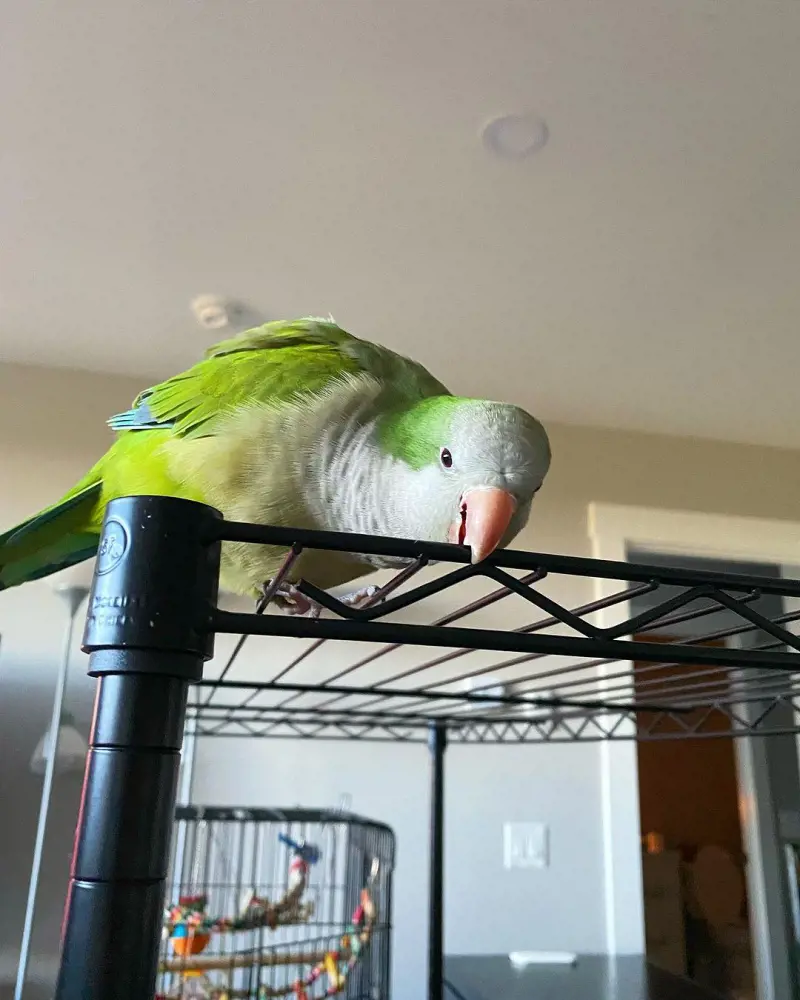
The playful nature of the Quaker Parrot is a delightful hallmark of these charming birds which makes them endearing friends who bring a sense of joy and liveliness to their human households. These intelligent feathery friends thrive on interaction and stimulation.
They exhibit a remarkable penchant for play and love to engage in a variety of activities that showcase their agility and curiosity. From acrobatic feats and hanging upside down to exploring toys with enthusiasm, these parrots infuse their surroundings with infectious energy.
7. Need A Varied Diet
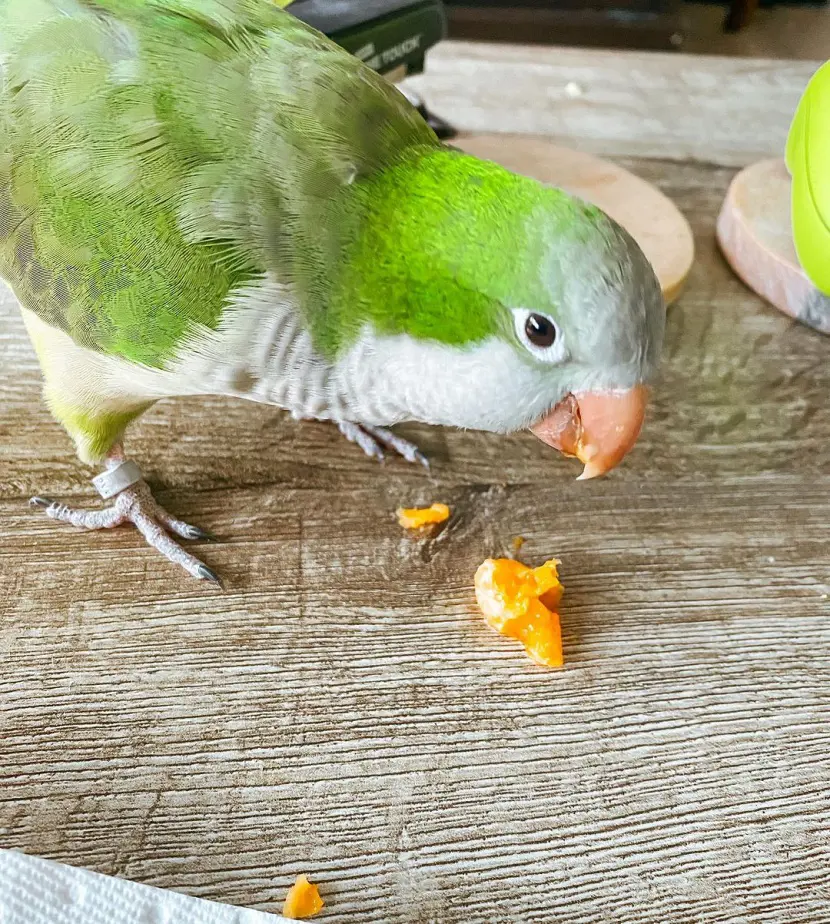
Quakers are omnivorous birds with diverse nutritional needs, including a foundation of high-quality pellet or seed mixes, supplemented with a rich variety of fresh fruits, vegetables and occasional treats. These diet requirements are crucial for ensuring their overall health and well-being.
These birds have a natural inclination for chewing, so providing bird-safe branches, toys and even nuts helps satisfy their need for mental stimulation and proper beak maintenance. However, it is essential to monitor their diet closely because they have a tendency to gain weight if they overindulge in high-fat foods.
8. Strong Bonding With Owners

The Quaker Parrot has the ability to form strong bonds with their owners which is a testament to their affectionate and social nature. These charming birds thrive on human interaction, are known for their loyalty and companionship, and seek out opportunities for physical closeness.
Whether it is perching on shoulders, cuddling, or engaging in gentle preening behaviors, these intelligent birds establish a deep connection with their human counterparts through these interactions. These playful birds create a unique and heartwarming companionship that many bird enthusiasts cherish.
9. Monogamous Mates
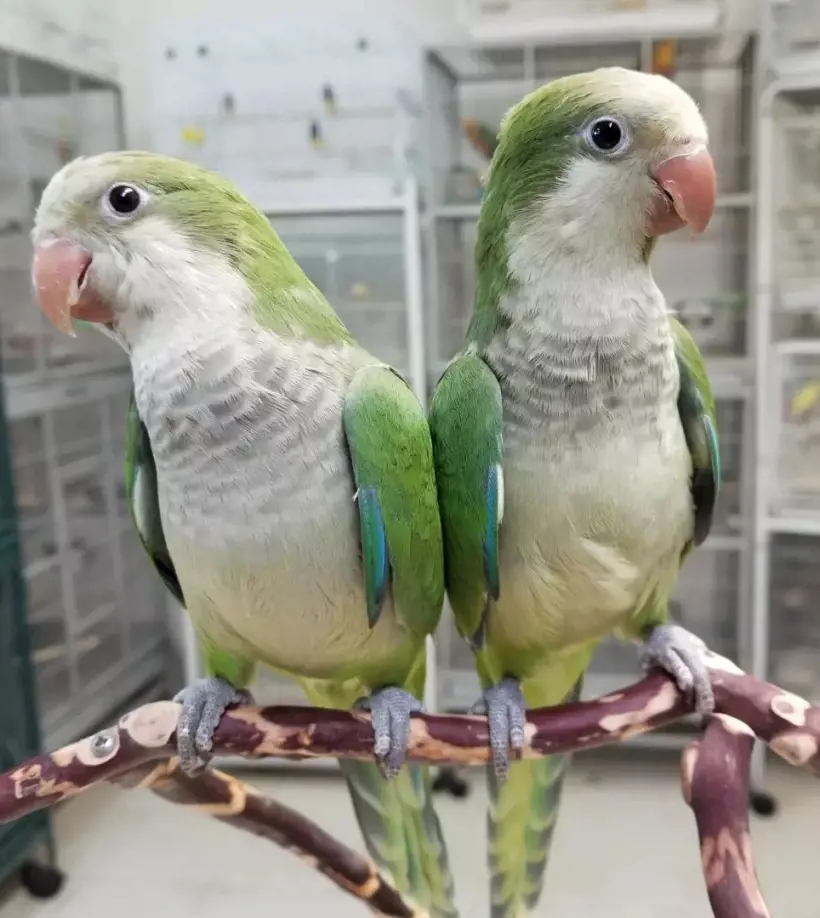
One of the most fascinating and endearing traits of Quaker Parrots is that they form monogamous bonds with their mates. These social birds are known for their lifelong commitment to a single partner, often displaying affectionate behaviors.
Furthermore, they display their affection with their partners through activities such as mutual preening, sharing food, and engaging in synchronized activities.
This commitment not only highlights the depth of emotional connection between these parrots' mates but also contributes to the cooperative efforts in raising and caring for their offspring.
10. Highly Intelligent
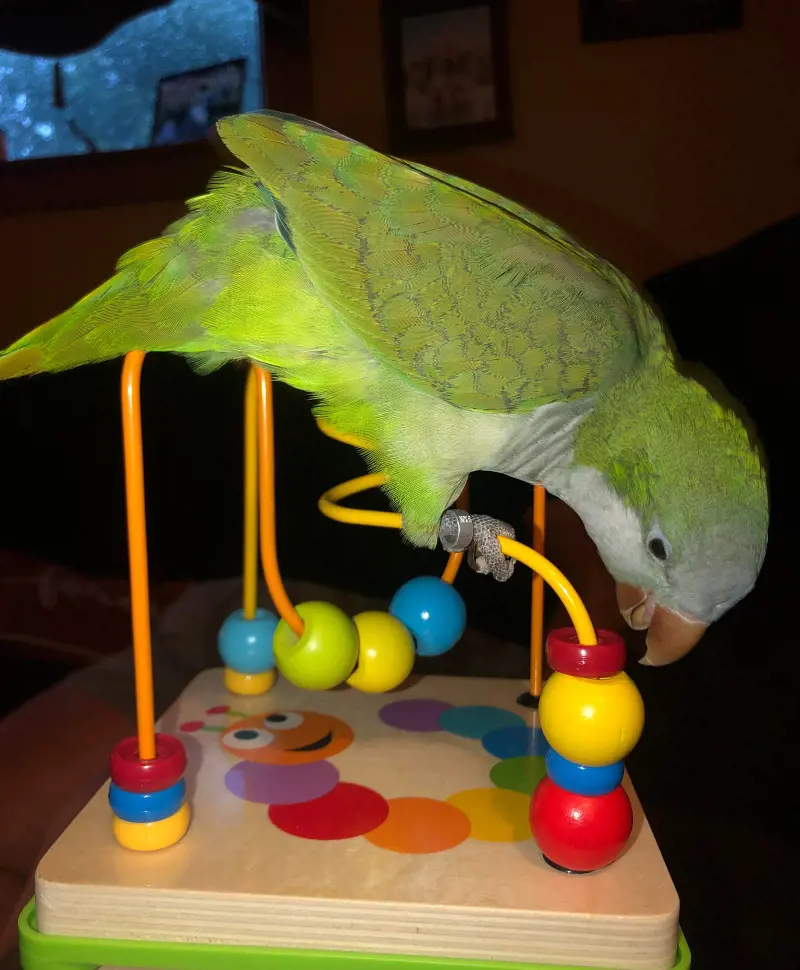
The Quaker Parrot stands out in the avian world for its exceptionally high intelligence and they are renowned for problem-solving abilities, quick learning, and an impressive knack for mimicry. They are quick learners, readily picking up on new words, phrases, and tricks.
Problem-solving is one of the most amazing skills of these birds and they take joy in enrichment activities, puzzles, and interactive toys. The ability to understand and respond to human emotions further underscores their cognitive prowess, making them fascinating companions for humans.
11. Highly Social By Nature
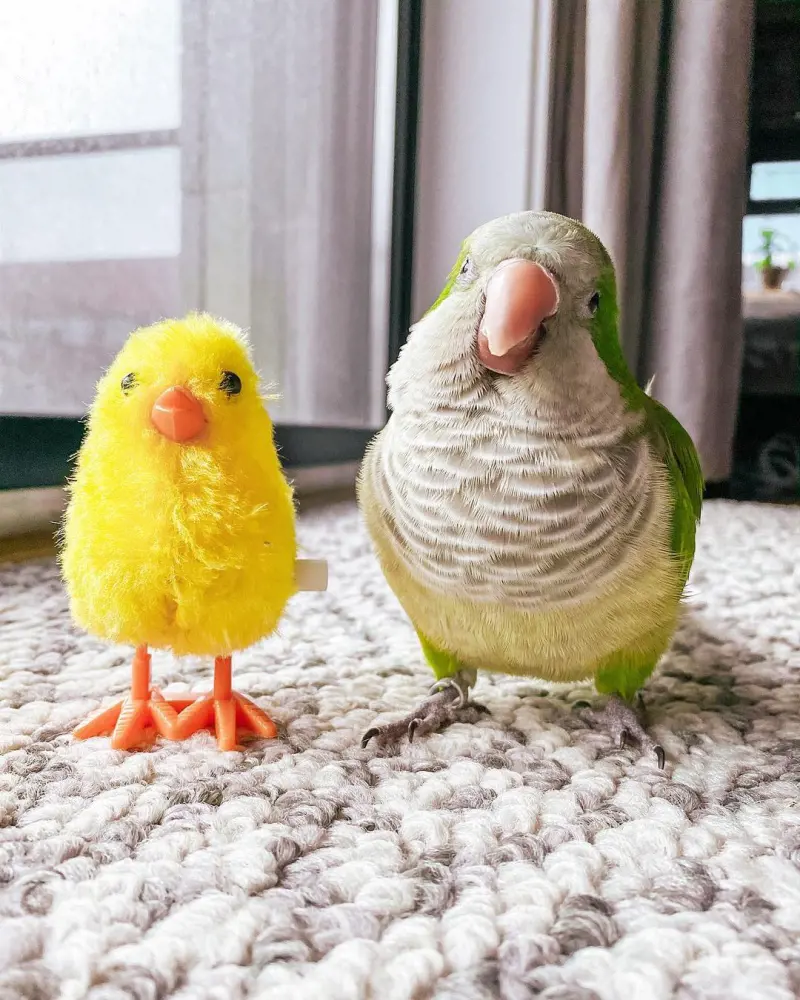
One of the most endearing qualities of the Quakers is their sociable nature and their innate desire for companionship and their ability to form strong bonds with their human caregivers. Their sociable demeanor extends to other Quaker Parrots, as they often enjoy the company of their feathered counterparts.
They love to engage in playful activities and communal behaviors and seamlessly integrate into family life, relishing shared moments and attention. Their chatty and expressive nature adds a layer of charm, making them not just pets but cherished members of the household.
12. Bold Personality
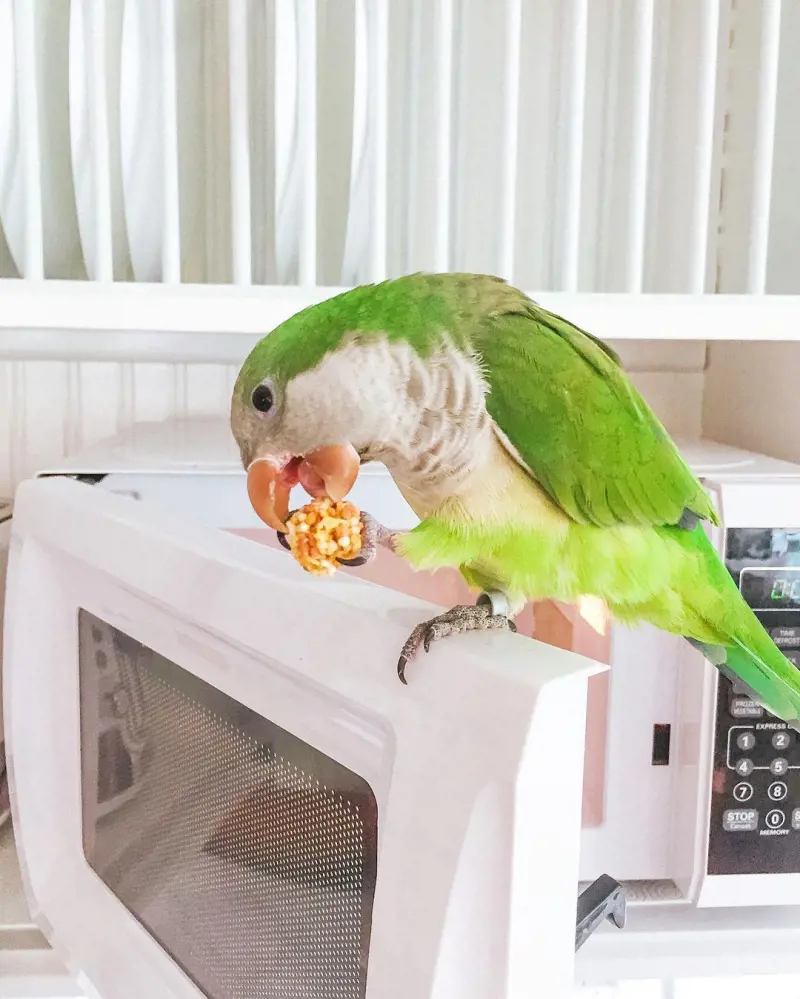
A bold personality is the defining characteristic of Quaker parrots that makes them stand out as vibrant and confident companions. They are known for their fearless demeanor and exude a sense of curiosity and adventurous spirit in their interactions with their surroundings.
Whether it is about exploring new toys, investigating novel environments or fearlessly approaching human interactions, their boldness is evident. This bold personality trait not only adds a touch of charisma to their presence but also makes them engaging and captivating companions.
13. Realtively Smaller In Size
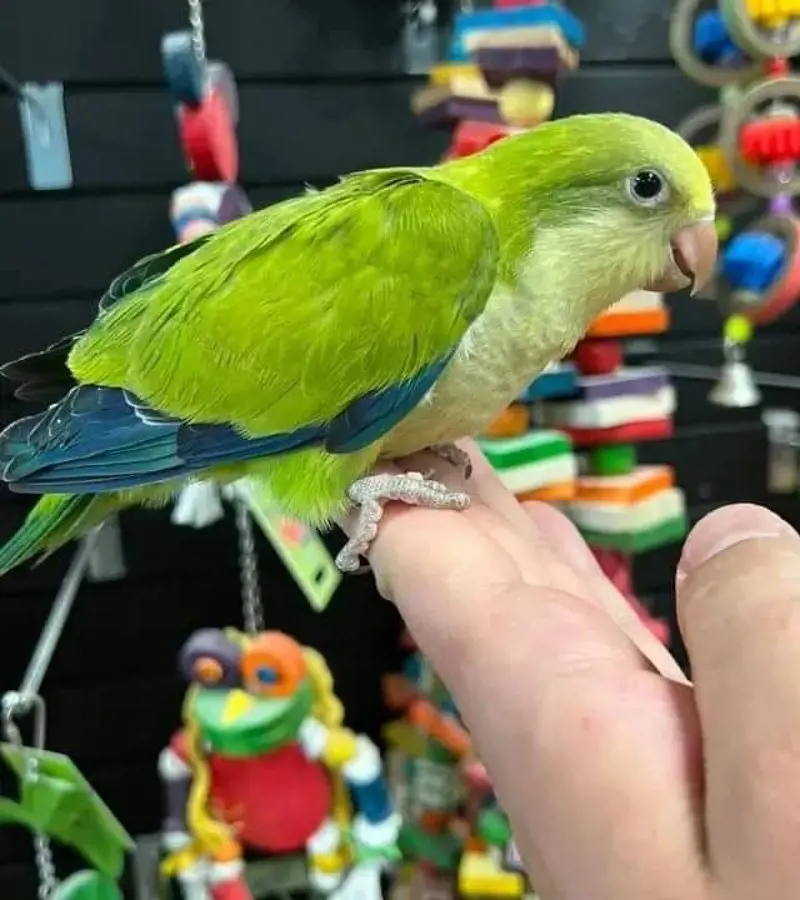
The Monk Parakeet is a medium-sized parrot with a compact and robust build and measures around eleven to twelve inches in length. This desirable feature makes them a manageable size for both novice and experienced bird enthusiasts.
In terms of weight, these birds typically range from ninety to a hundred and forty grams with variations based on factors such as age, diet, and overall health.
Their moderate size and weight contribute to their adaptability to various living environments, whether in spacious aviaries or as cherished indoor companions.
14. Green Feathered Friends
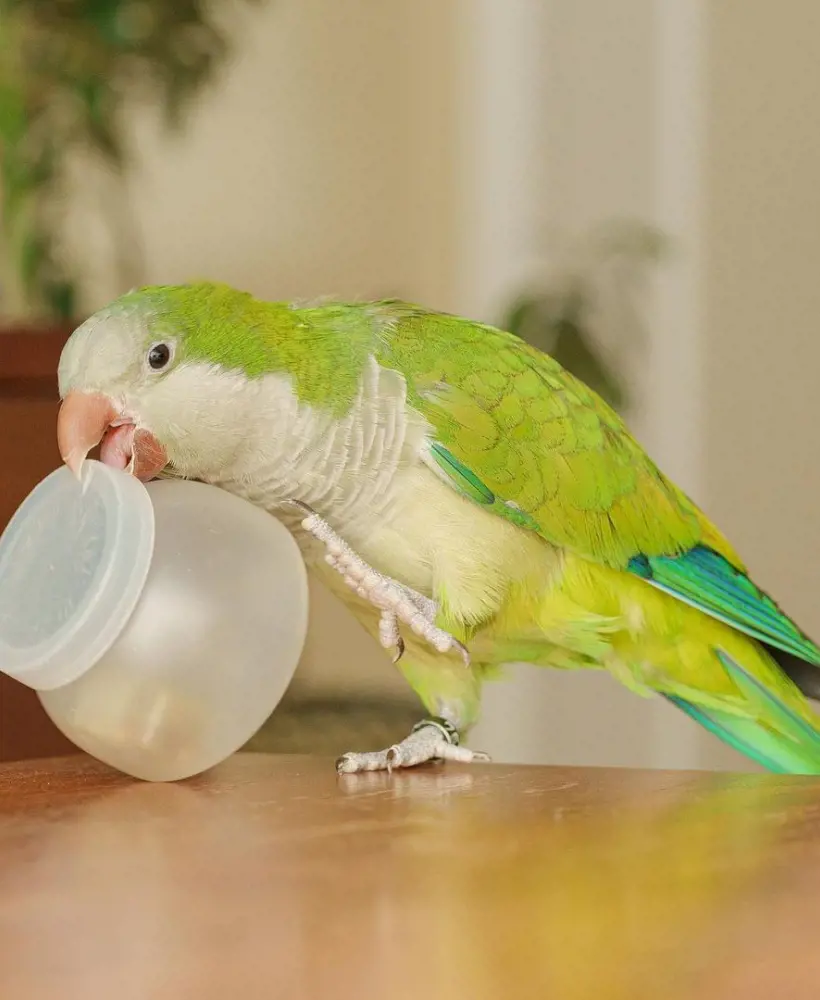
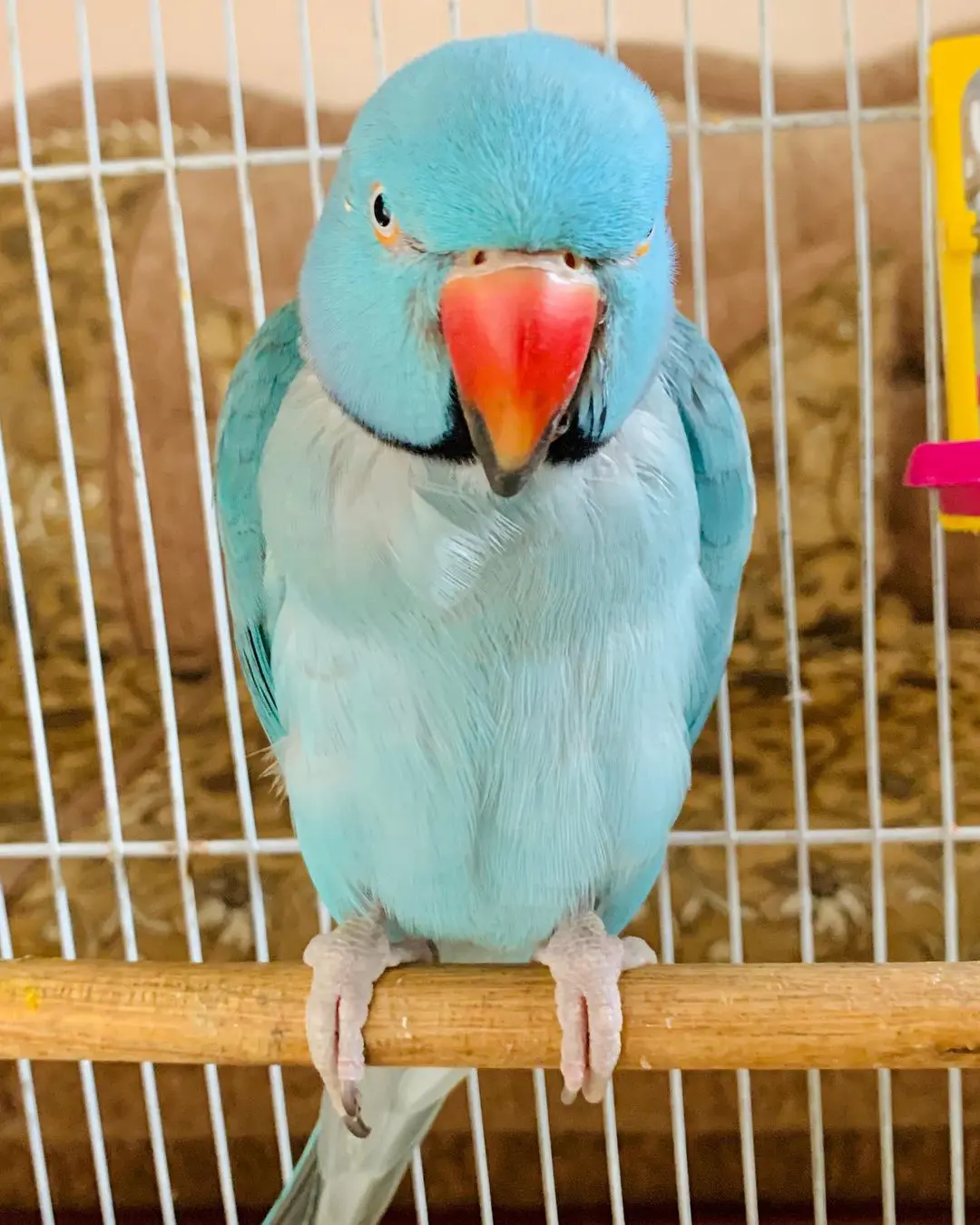
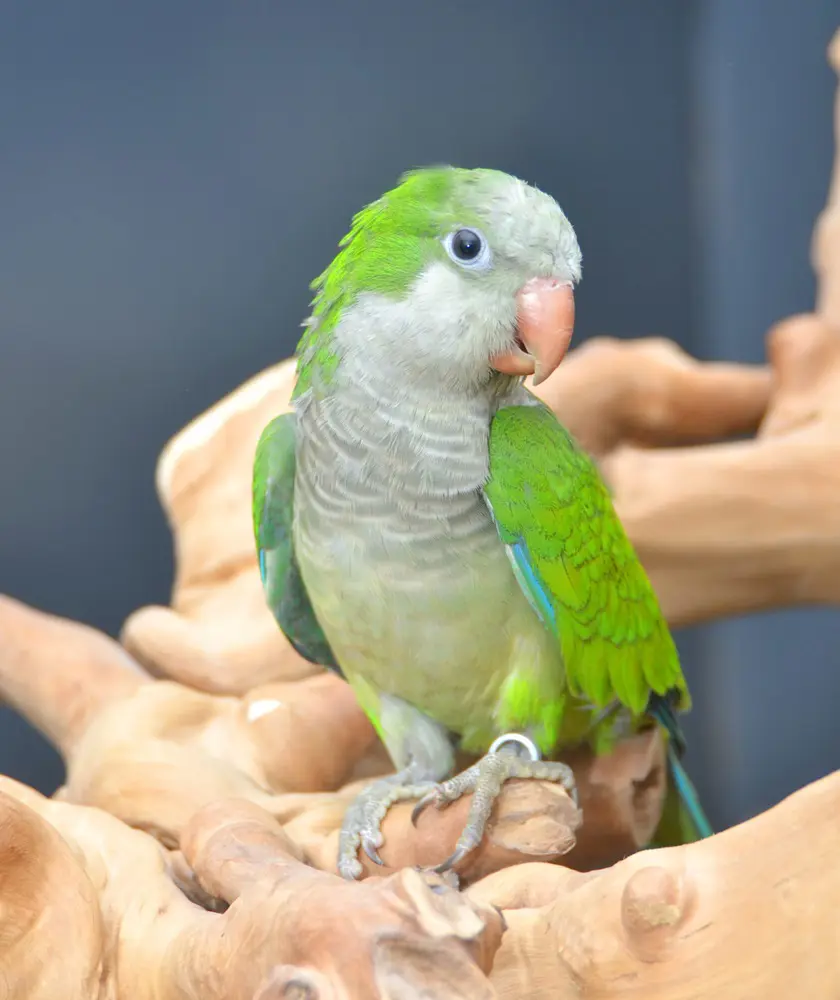
Quaker parrots typically display a predominantly grayish plumage across their body, complemented by vibrant green feathers on their wings, back, and tail. The contrasting shades of gray and green create a visually striking combination, adding to their overall appeal.
The facial features of these charming birds often feature a captivating blue hue while variations in color intensity may exist among individual birds.
The visual allure of their plumage not only makes them aesthetically pleasing but also serves as a delightful reflection of their lively and charismatic personalities.
15. Flight Enthusiasts
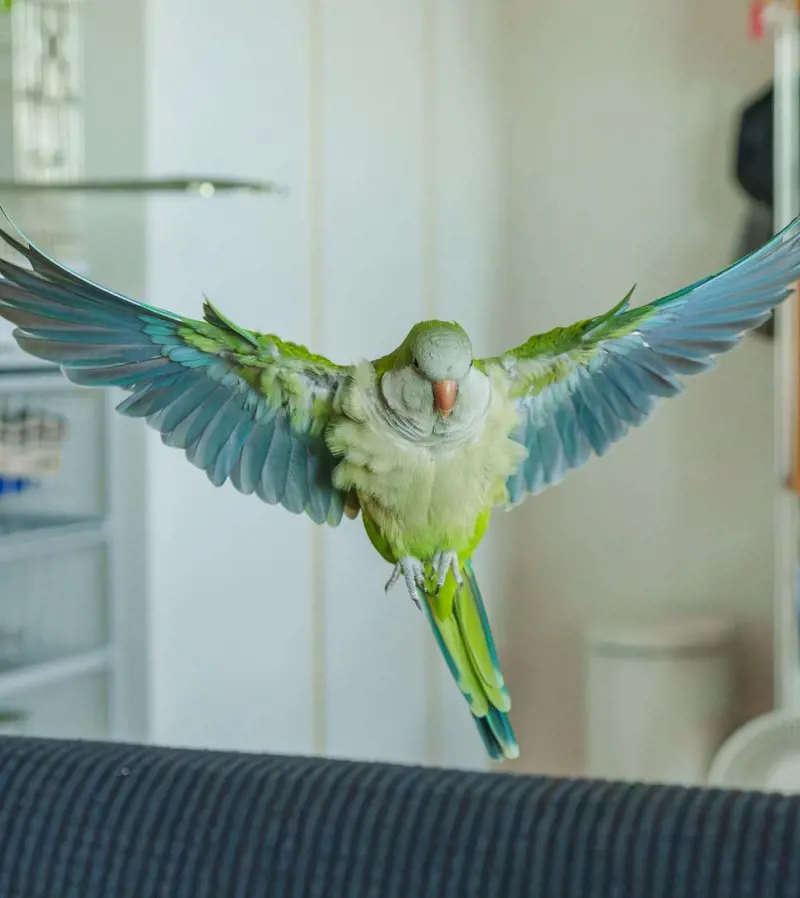
The love for flight displayed by the Monk Parakeet is a fundamental aspect of their nature which reflects their physical prowess and innate desire for freedom. These natural fliers, adorned with vibrant green feathers serve as a symbol of their dynamic spirit.
In captivity, providing ample space for flight or regular opportunities for supervised flight exercises is essential for their physical and mental well-being. Flight is not merely a means of locomotion for these beautiful birds but also a form of expression that allows them to explore, exercise and engage with their environment.