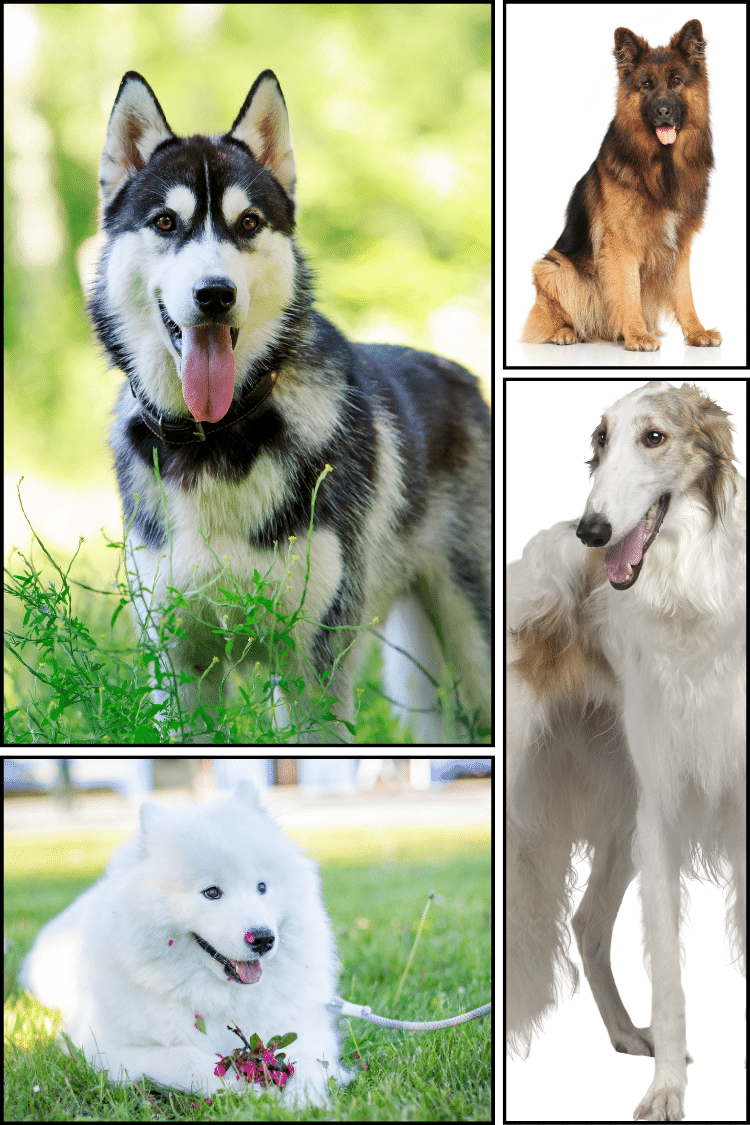



Not all dogs grow at the same rate. While the puppy's breed and nutrition are significant factors, the maximum size a dog can reach is often the wider and more accepted factor in determining the amount of time required to achieve full physical growth.
Unlike humans, most dogs are considered adults by the time they celebrate their first birthday. However, it's not the end of physical growth in many breeds, particularly the larger ones.
Puppy Growth Chart
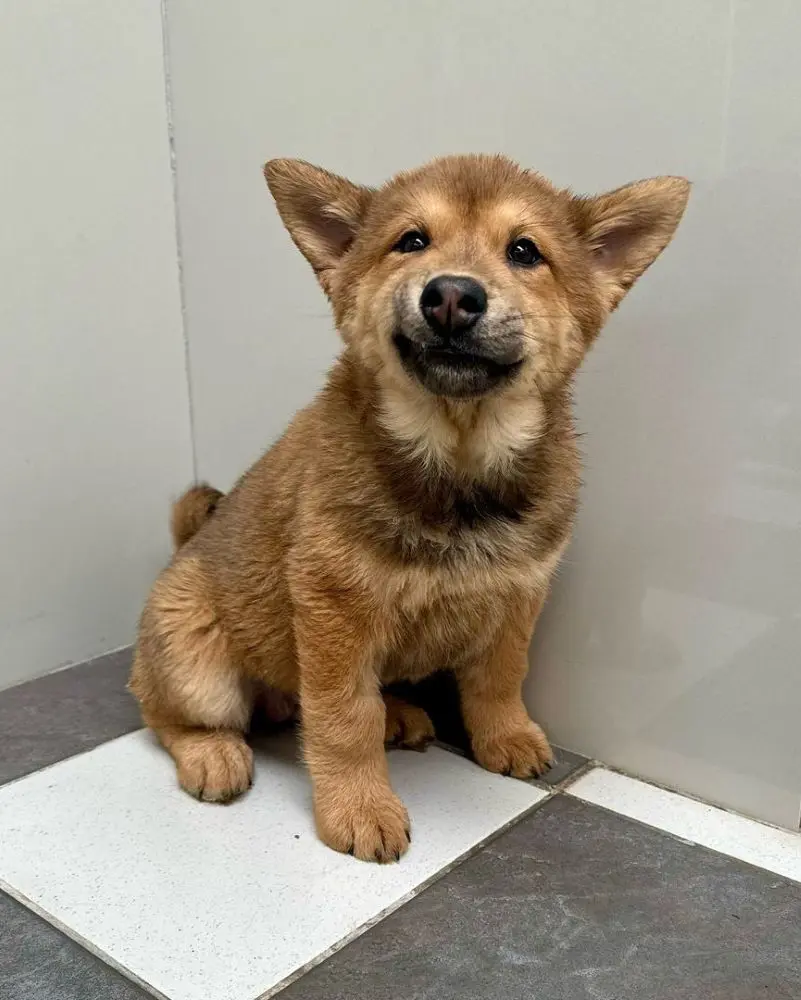
The growth chart of puppies usually varies on the breed and the potential size a pup will reach by its full growth. Generally, the maximum time required to reach full growth is directly linked to a dog's max size; large dogs take much more time compared to small breeds.
Often, the skeleton limits the size of a dog; the bigger the skeleton, the bigger it can grow. Despite the difference in growth rate, the first six months are crucial in every dog's life. During this period, pups attain rapid physical and mental development; they learn to follow commands while also learning to socialize with humans and other animals.
In the puppy growth chart, the first six months are also important for the mental development of a dog. Dogs who are not disciplined during this period often grow up to be stubborn and poorly behaved.
1. Small Breeds

Normally, a small breed pup will reach their full physical size in about 8 to 12 months. By this age, their bones and muscles are mature, but their mental and behavioral growth often continues beyond this point.
Mental and emotional intelligence may take an additional 6 to 12 months, meaning small dogs often don’t achieve full mental maturity until they are around 18 to 24 months old.
A dog's gene is the most important factor in determining how big a dog will get. The breed, and even the lineage within a breed, plays a significant role in establishing growth patterns and ultimate size.
These are some popular small breeds of dogs with the estimated time required to attain full physical maturity:
- Chihuahua (8-10 months)
- Maltese (8-10 months)
- French Bulldog (9-12 months)
- Pomeranian (10-12 months)
- Miniature Schnauzer (10-12 months)
2. Medium Breeds

Medium dog breeds generally reach their full adult size by around 12 to 18 months. While some dogs might finish growing earlier, by 10-12 months, others may take up to 18 months to fully develop their muscle mass and skeletal structure.
When it comes to size, medium-sized pups stand around 18 to 22 inches at the shoulder and weigh between 25 to 60 pounds, though there is variation among different breeds. For instance, breeds like Border Collies and English Bulldogs are on the lighter side, usually closer to 25-40 pounds, while others, like Basset Hounds and Australian Shepherds, can weigh up to 50-60 pounds.
For a dog to reach its full growth potential, proper nutrition is usually the first criterion to fulfill. High-quality puppy food for medium breeds supports healthy growth without overloading calories or missing critical nutrients. Meanwhile, poor nutrition can stunt growth, while overfeeding can lead to weight gain that puts strain on developing bones and joints.
These are some medium breeds of dogs along with the average time for full physical development:
- Cocker Spaniel (12-14 months)
- Border Collie (12-15 months)
- Australian Shepherd (12-16 months)
- American Pit Bull Terrier (12-18 months)
- Basset Hound (16-18 months)
3. Large And Giant Breeds
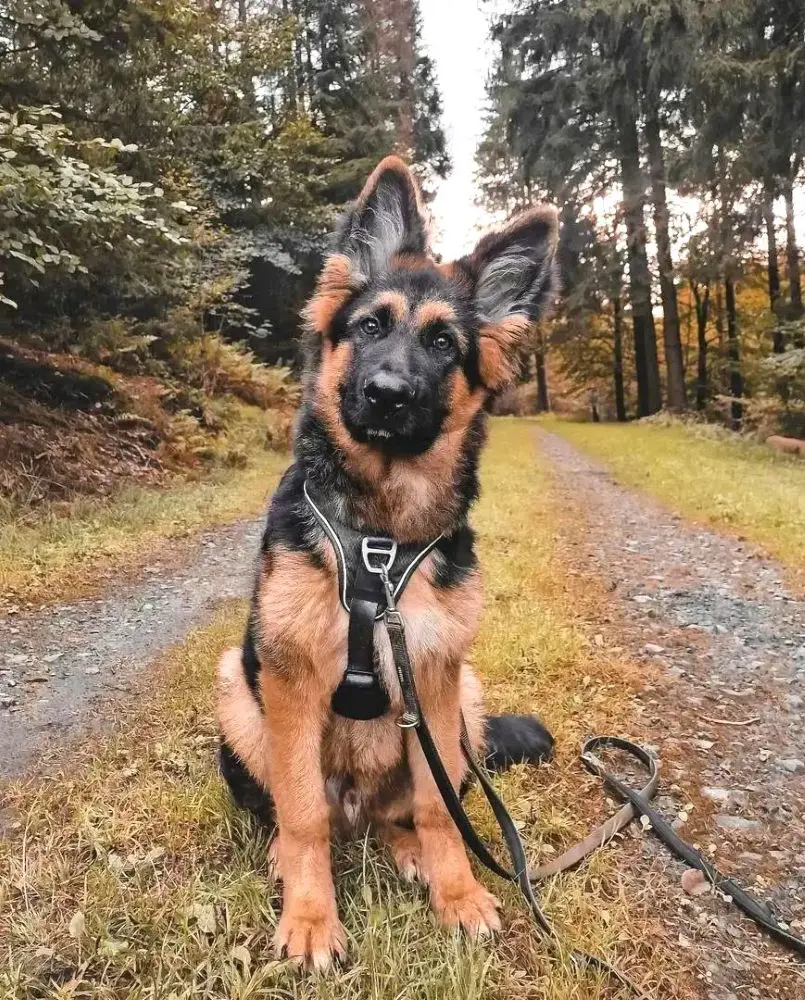
Compared to small and medium breeds, large breeds usually take a longer time to become their biggest-self. Though the average time required is estimated to be around 18-24 months, it is not true for all giant breeds. In fact, many of these dogs continue to grow up to 36 months, adding muscle mass to their bodies.
Large and giant breeds, including German Shepherds, Great Danes, and so on, have larger bone structures and greater muscle mass to develop. Their growth requires more time for skeletal and muscular systems to fully mature.
Additionally, their longer growth period is vital for joint and bone health. If these dogs grow at a faster rate, their bones and skeletons may not be able to support their muscles and overall body.
A few large and giant breeds along with their average growth period are listed below:
- Bernese Mountain Dog (18-24 months)
- Rottweiler (18-24 months)
- German Shepherd (18-24 months)
- Great Dane (24-30 months)
- Saint Bernard (24-36 months)
Puppy Growth Stages
A dog's life can be categorically divided into different stages, often starting with birth and concluding at the end of their lives. There are five main stages in any dog's growth; these stages make unique contributions to the overall development of a pup.
Take a look at the five stages and determine what stage is your dog currently in.
1. Puppyhood (Birth to 6 Months)
Regarded as one of the most important stages in a dog's growth, the first 6 months is a period of rapid physical and mental development. During the initial 26 weeks, puppies experience significant skeletal growth and muscle development while also forming essential neural connections.
As puppies are highly receptive to learning and adapting to new environments, socialization and exposure are critical during this phase. The dog also inherits valuable early social experiences, helping it to socialize with humans and other pets.
2. Adolescence (6 Months to 2 Years)
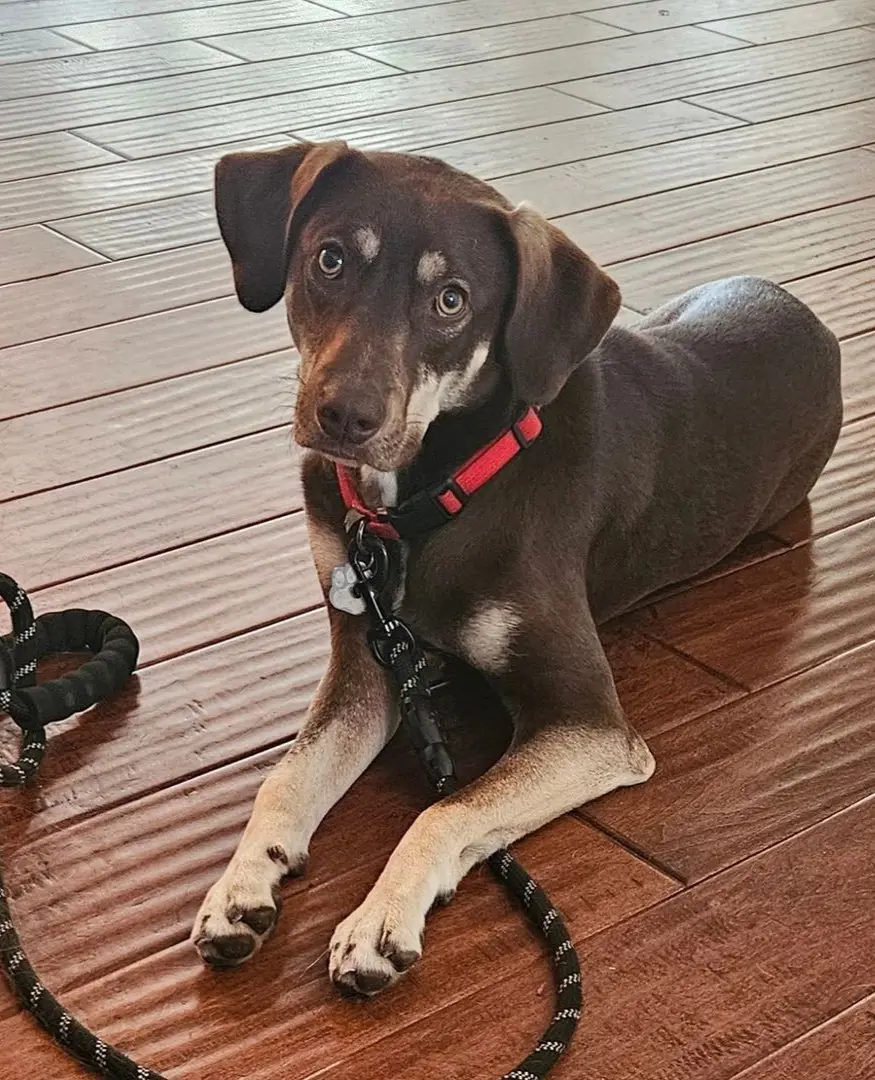
At this stage, dogs continue to grow physically, especially medium to large breeds that are still developing their skeletal structure. Similarly, the adolescence phase also contributes to mental and emotional growth, with some breeds maturing faster than others.
Adolescence is also a rebellious phase in every dog's life, similar to teenage in humans. Dogs grow independent and experience hormonal change during this period, even undergoing a substantial personality change.
If not properly trained and socialized, these dogs can grow resilient, often refusing to follow commands from their owners.
3. Adulthood (2 to 6 Years)
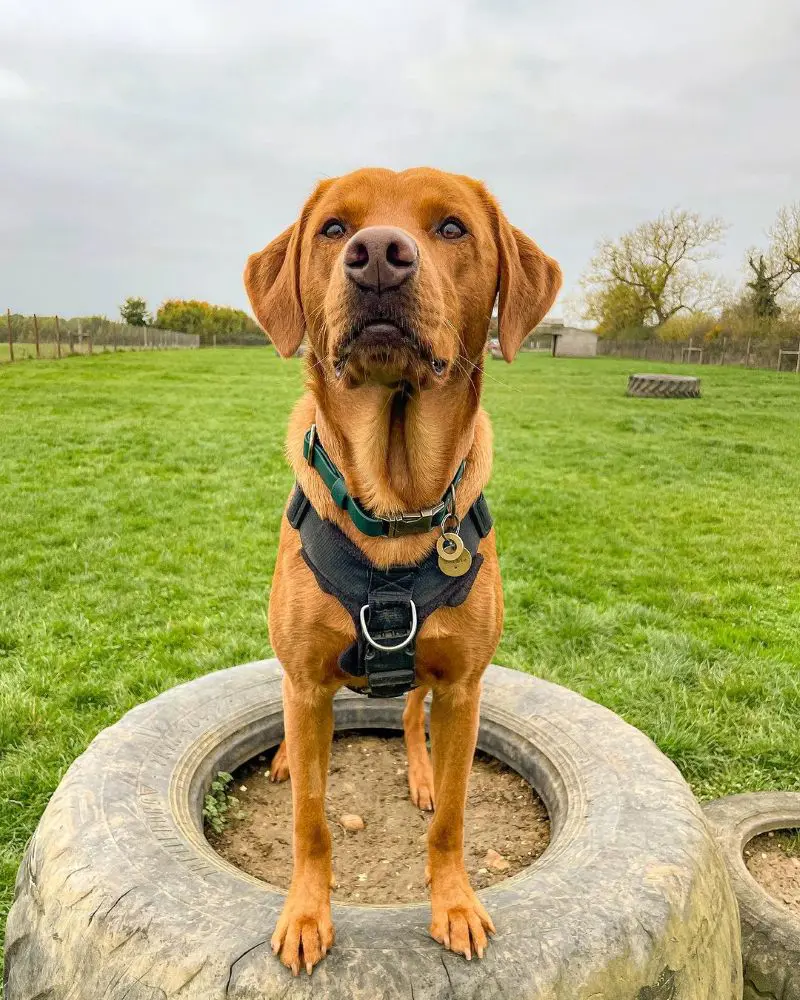
By this stage, most dogs have reached their full physical size. As their energy stabilizes, these dogs settle into their permanent behavioral patterns and personality traits.
During this period, dogs are normally energetic but will also appreciate a partly sedentary lifestyle. They might prefer cuddling with their owners, while also equally interested in active pastimes like playing or going for a walk.
As a result, adult dogs will require regular exercise and mental stimulation to stay engaged and well-adjusted. In conclusion, adulthood is when dogs are at the peak of their health, strength, and activity levels.
4. Middle Age (6 to 8 Years)
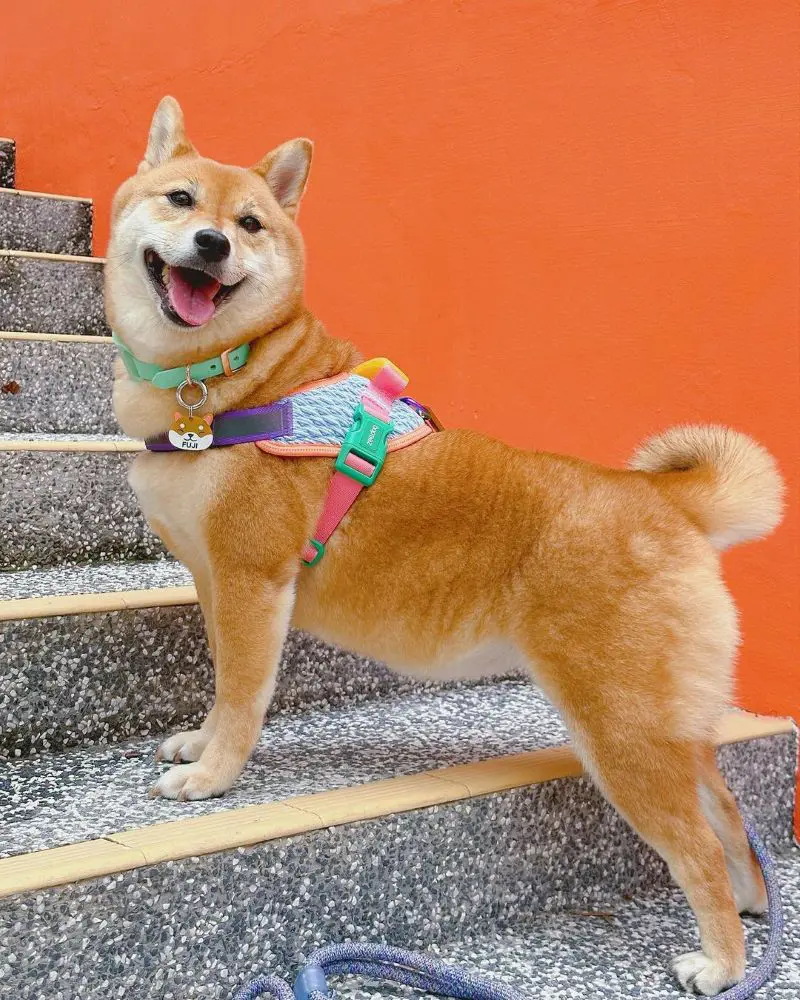
Physically, middle age is the stage where dogs start showing signs of slowed metabolism and reduced energy levels; weakened muscles and early signs of joint issues often mark the arrival of middle age in dogs.
As dogs pass the peak phase of their lives, they need more human assistance for healthy living. These dogs will normally need an adjusted exercise routine along with proper vet care to identify any canine health issues in them.
Middle age is a transitional stage that helps prepare dogs for senior years. Monitoring health habits and addressing early signs of aging can lead to a smoother transition into the senior stage.
5. Senior Stage (8 Years and Older)
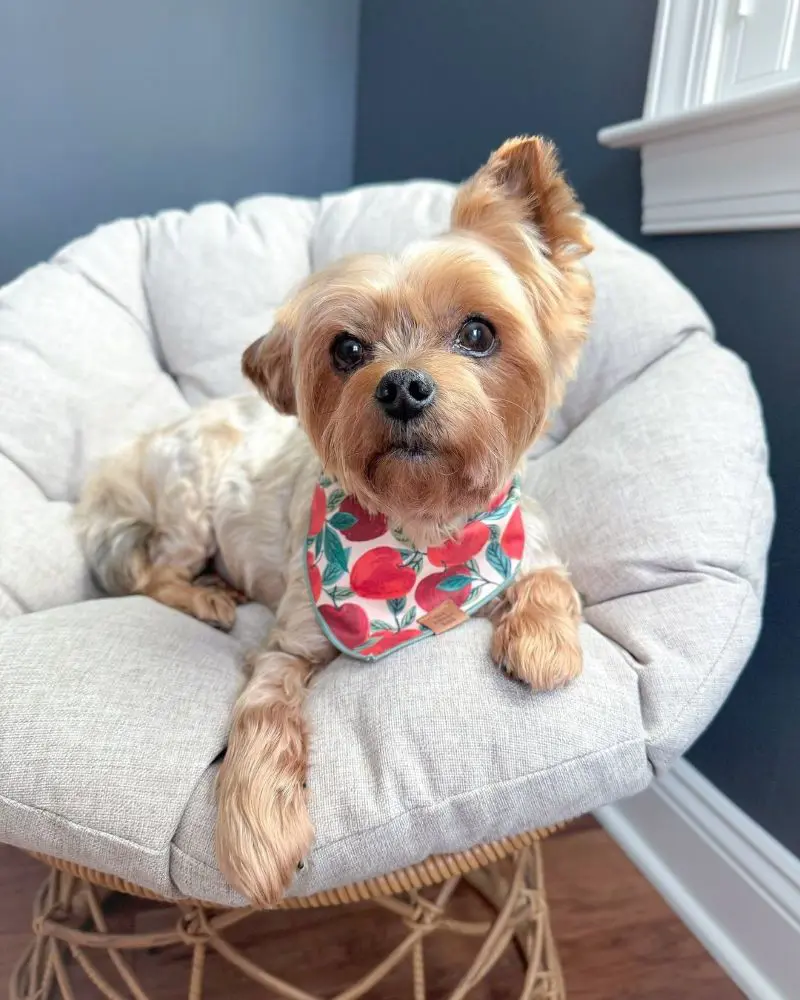
As dogs enter the senior stage of their lives, they can develop age-related changes, including joint stiffness, reduced mobility, and weight gain. Similarly, old age will also affect the dog's cognitive abilities in the form of reduced memory or slower response time.
With old age, comes the need for specialized care; techniques like low-impact exercise and age-specific nutrition can help deal with aging issues. Similarly, your pet may also be required to visit the vet more frequently to deal with vision loss and other issues that are common in older dogs.
In dogs, the senior stage emphasizes comfort, care, and quality of life. You'll pet will need additional human assistance to make their later years more fulfilling and comfortable.
Is My Puppy Fully Grown?
Finding out whether your puppy is fully grown or not so straightforward; it is usually determined by three major factors: breed, size, and physical changes.
First, the growth rate varies by breed. While small breeds like Chihuahuas reach their full size in 9-12 months, medium-sized breeds will take around 12-18 months. Meanwhile, larger breeds, like Golden Retrievers, can take up to 24 months to reach their maximum dimensions.
Physically, you can also track your puppy's height and weight. When growth slows or stops, it’s a sign that your puppy may have reached their adult size. Additionally, observe their body proportions; puppies tend to have longer legs and a slimmer build. As they mature, more muscles develop and their bodies become more balanced.
Another key indicator is teething - puppies normally lose their baby teeth and grow adult teeth between 3-6 months, though some breeds may continue until around a year. Once the teething process is complete, their growth usually slows down significantly.
What Can Hinder A Puppy's Growth?
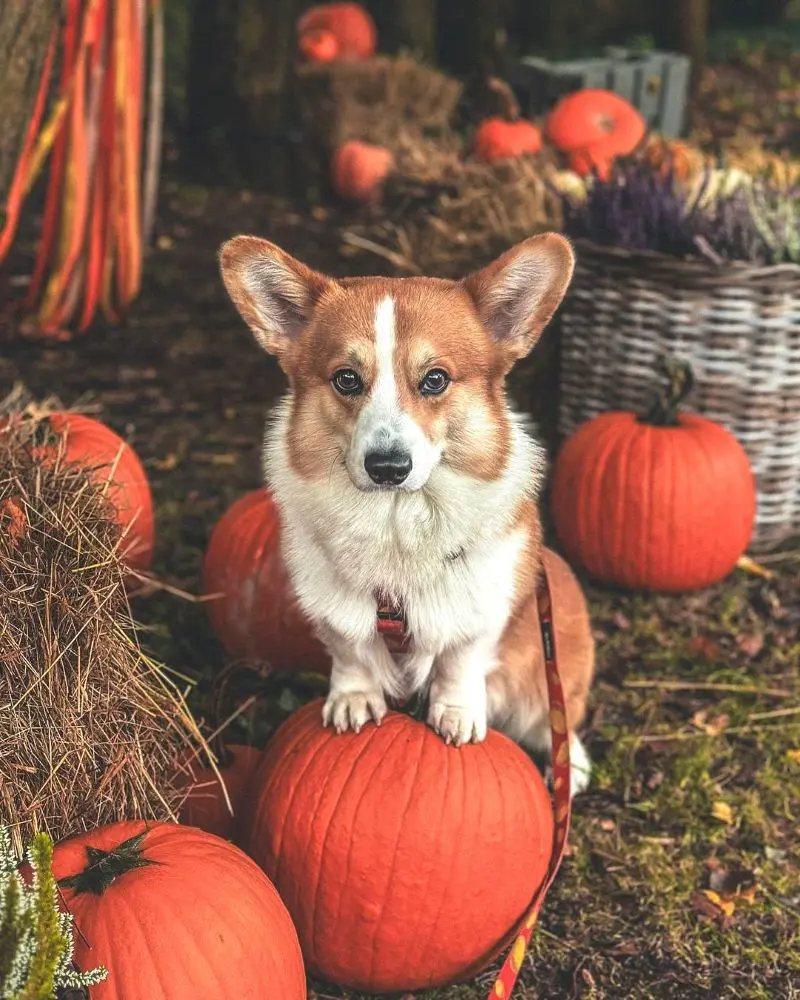
Like humans, dogs come in different sizes. And, no matter the efforts of pet owners, not all dogs will grow to their full potential.
Hindrances in a dog's physical growth can be caused by a series of external and internal factors, some of which are explained below:
1. Poor Nutrition
During growth stages, dogs require a balanced diet, primarily consisting of animal protein, essential fats, carbohydrates, and more. Lean protein is often considered the main component required for sound growth.
When their nutritional requirements are not met, pups will fail to reach their full size. Additionally, nutrition isn't just about getting bigger, proper diet is also needed for muscle, bone, and brain development.
2. Health Issues and Illnesses
If a puppy is unhealthy or undergoes a major illness during its growing phase, it will fail to meet the average full-grown size, or the size standard for the breed.
Additionally, untreated injuries or infections, undertaken during the growing stage, can also cause deformities or halt growth. Keeping your pups safe and away from illnesses is the first responsibility of a pet owner.
3. Excessive or Insufficient Exercise
Too much and too little exercise are both bad for a dog's growth; puppies need the right amount of exercise to promote healthy muscle and bone development.
Too much exercise, especially in large breeds, before their growth plates have closed can damage their joints and bones. On the other hand, lack of exercise can, meanwhile, hinder physical strength and coordination.