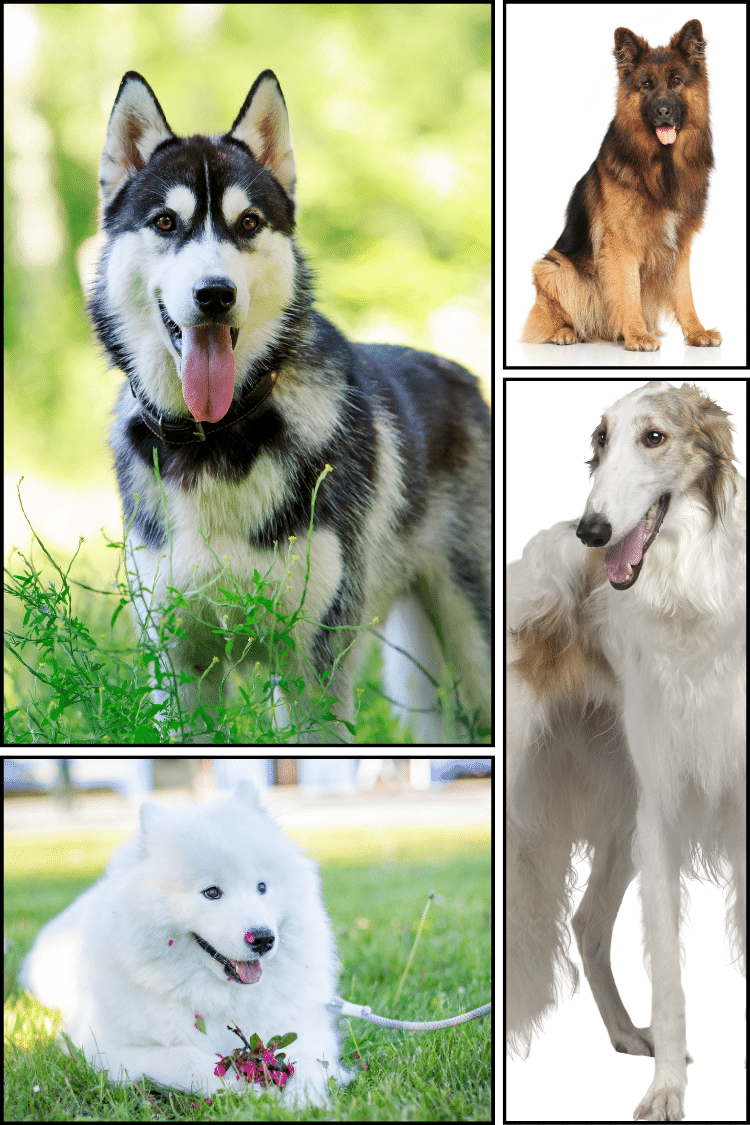


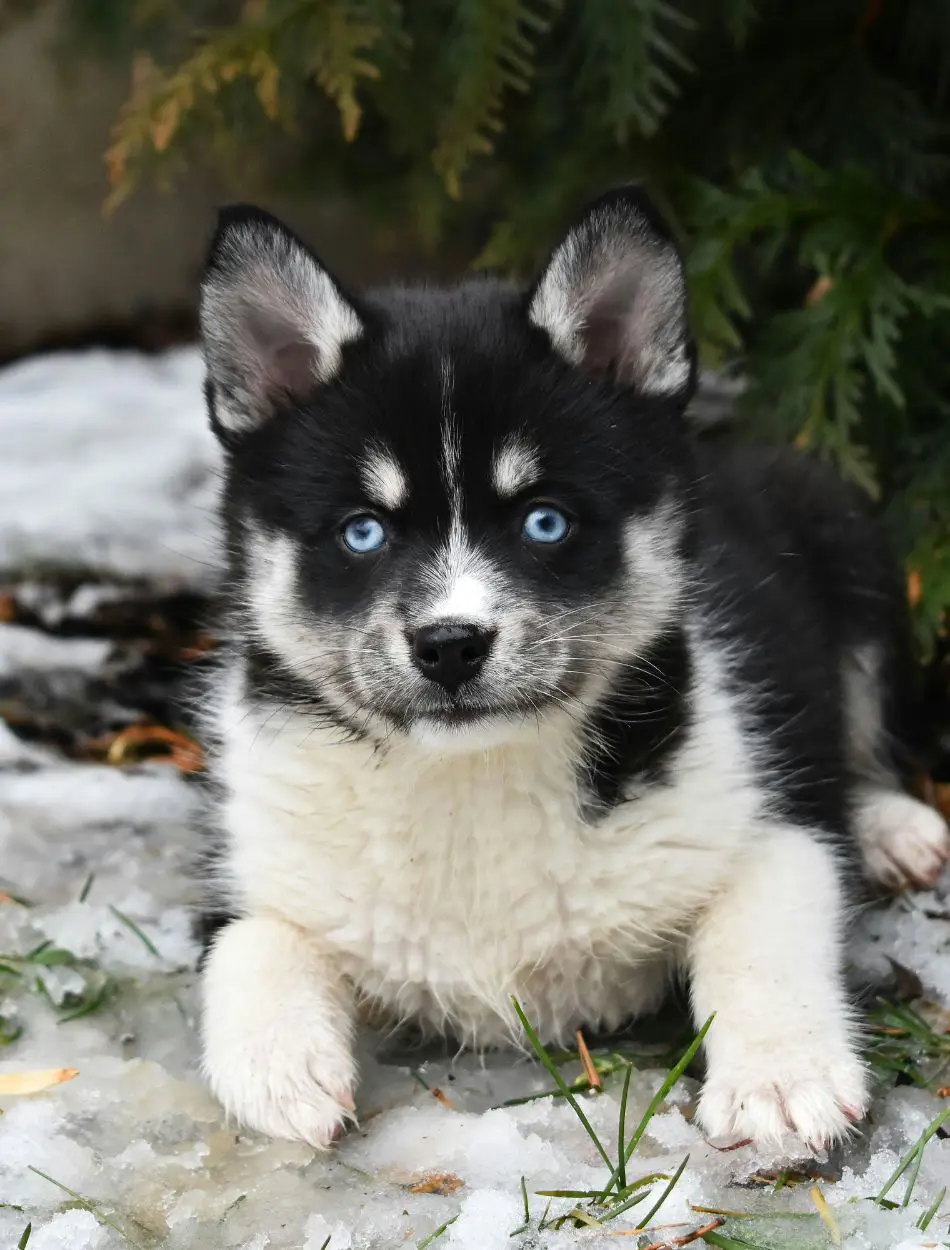
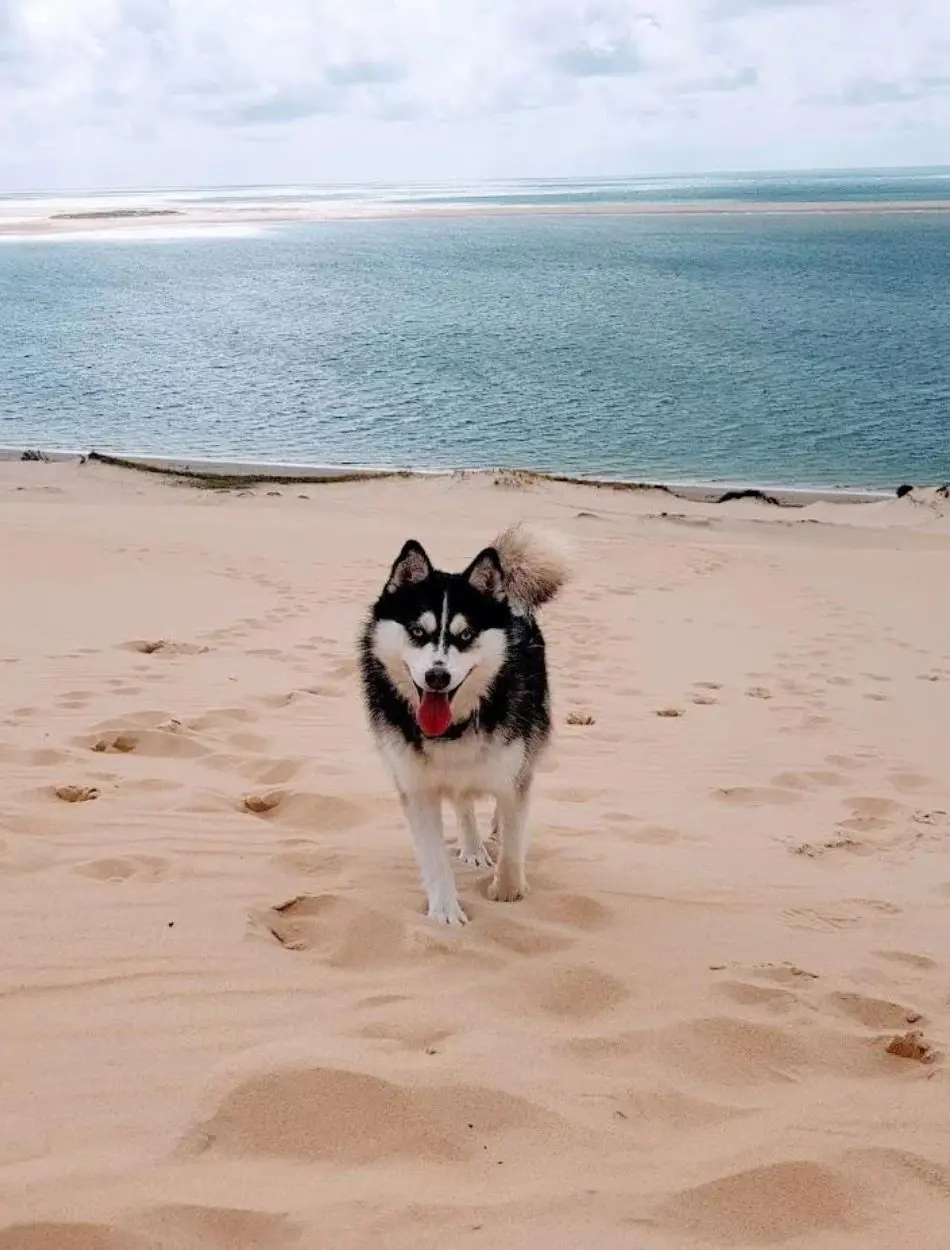
The Pomsky dog is the nicest introduction to one of the newest, best-designed breeds that one can have from the crossing between a Siberian Husky and a Pomeranian. The breed has quickly gained popularity for its unique characteristics, normally effectuated in features after inheriting traits from the striking looks of Husky dogs, but in a smaller size.
They are friendly, playful, intelligent, loving, and sociable dogs, making them excellent companions to a single person or a family. Since it's a crossbreed, they may look and behave very differently, though they usually retain the best features from both their parents. Important features from physical characteristics to temperament and care needs, all the way through to viability as a pet, are stated below.
Overview
- Lifespan: 12 to 15 years
- Weight:7 kgs to 14 kgs
- Height: 25cm to 38cm
- Color: A wide variety of colors including black, white, gray, brown, and combinations such as black and white, gray and white, or brown and white.
- Size: small to medium
- Personality: Playful, intelligent, affectionate, and energetic
Origin And History
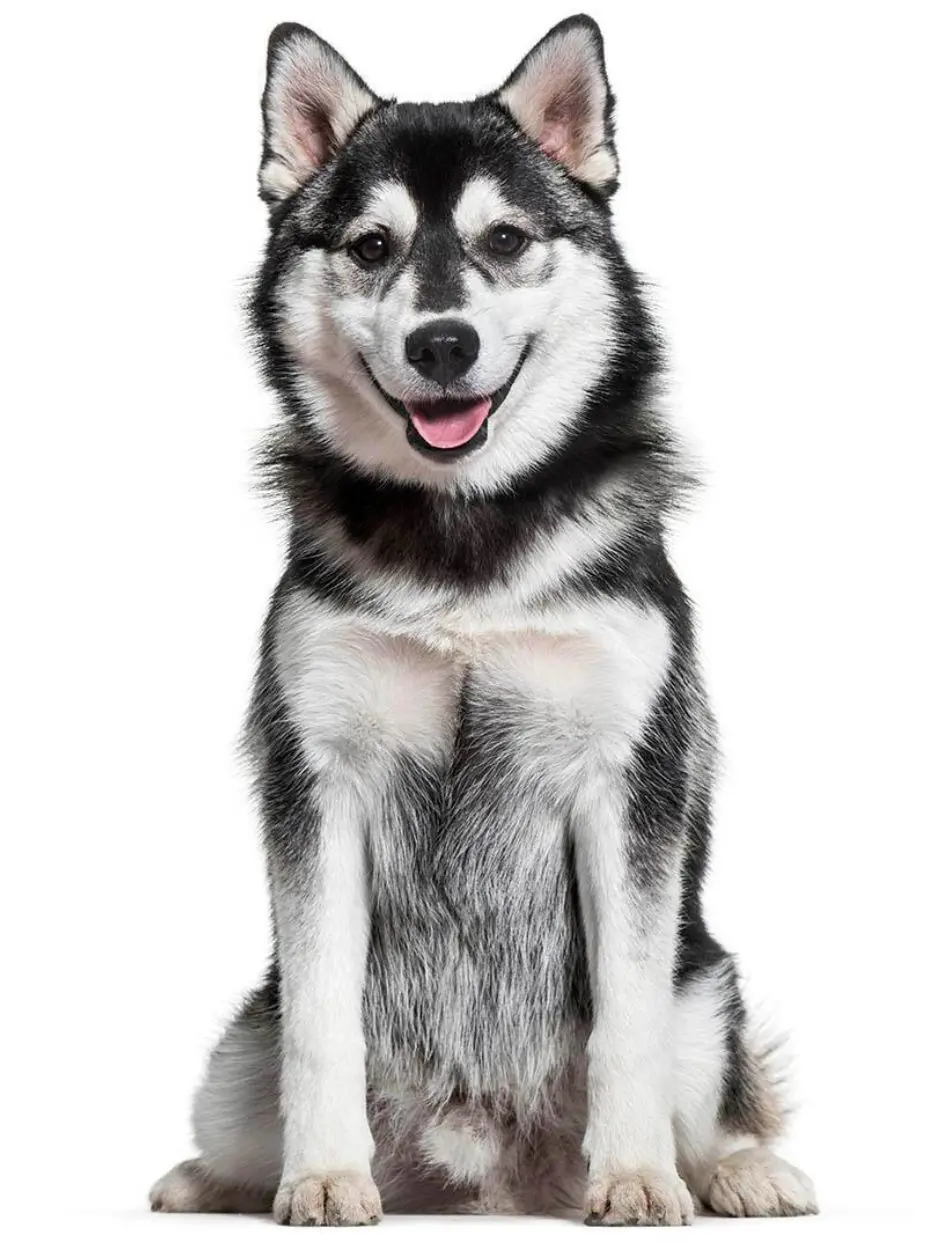
This is a relatively new designer dog breed that is a crossbreed of the Pomeranian and the Siberian Husky. They were created in the early 2010s as part of the growing trend of designer dogs, which involves the mixing of two purebred dogs to create a blend of desirable traits.
The concept was to combine the small size and fluffiness of the Pomeranian with the looks and playful nature of the Siberian Husky. Since there is a significant size difference between both breeds, breeding between these dogs is typically done through artificial insemination, with the Siberian Husky usually used as the mother to avoid any birth complications.
The breed became well-known within a very short period, especially on social media, due to its pictures and videos of its appeal and vivacious nature going viral among dog fanciers around the world.
Characteristics And Rating
The Pomsky Dog's attributes are rated (out of 5) as follows in the table.
| Family Friendly | 4 |
| Exercise Needs | 4 |
| Easy to Train | 3 |
| Tolerates Being Alone | 3 |
| Likes other Pets | 4 |
| Energy Level | 4 |
| Grooming Needs | 3 |
| Shedding | 3 |
| Affection | 5 |
| Playfulness | 5 |
| Alertness | 5 |
Pomsky Care Guide
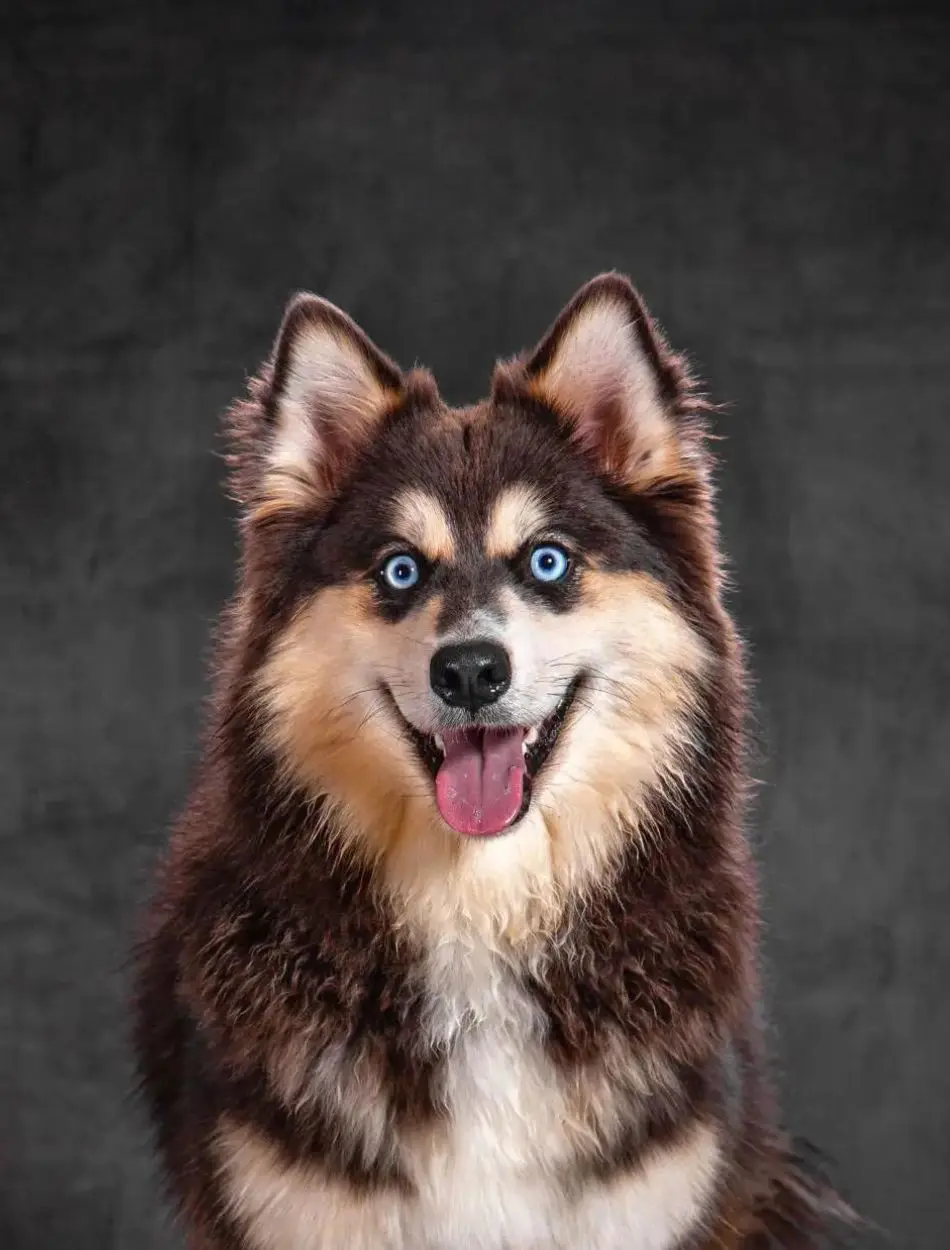
The care of a Pomsky is in general since it is a mix of a Pomeranian and a Siberian Husky. This breed is very playful, and energetic, and has a fluffy coat, hence calling upon the need for physical exercise, mental stimulation, grooming, and general health care.
Exercise And Mental Stimulation
They are extremely energetic and most definitely require simple forms of exercise to remain fit and great. Daily walks, running around the yard, and interactive games will go far in letting them expend their energy stores. Being half Husky, they may probably like running or agility training, too.
Not only physical but also mental activities are required. Being partially intelligent, Pomskies tend to get bored quite easily, with such behavior possibly leading to destructiveness. Puzzle toys, training sessions, and learning new tricks can keep their minds engaged and prevent boredom.
Grooming Needs
As they have thick, double-layered coats regular grooming is required to keep them healthy and free of mats. Two to three times a week of brushing their coat is recommended to remove loose hair and prevent tangles. Therefore, when they are about to naturally shed their fur in spring and fall, they need more brushing than the usual schedule.
Besides, grooming regularly decreases the amount of hair they shed around the house. Bathing is only when necessary, maybe once every few months, or when smelly and dirty. Primarily, ear cleaning, nail trimming, and brushing of teeth are included in regular grooming.
Diet And Nutrition
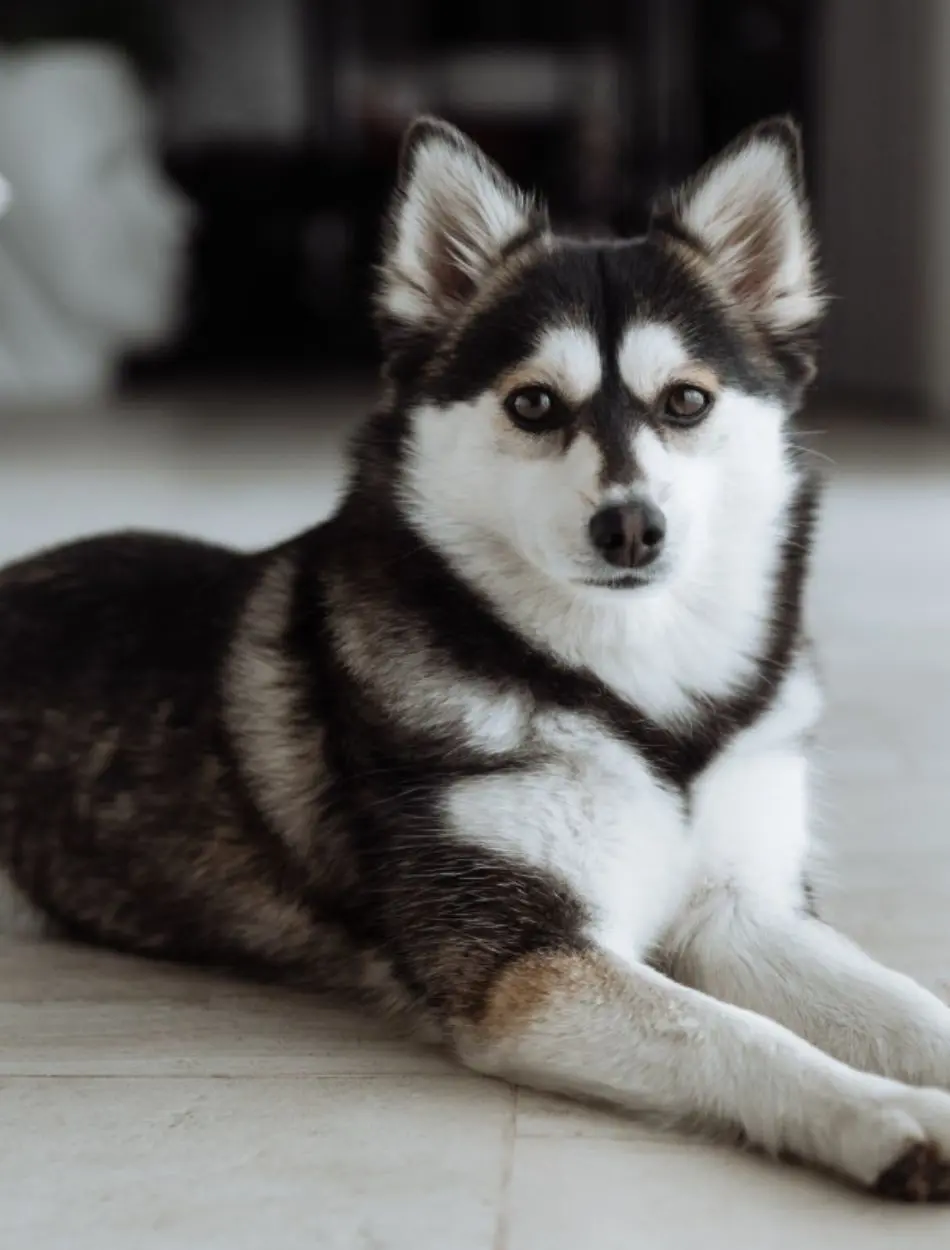
Proper care of this breed includes a balanced diet to ensure optimal health and energy. Feed him with food rich in nutrients based on your dog's size, age, and level of activity. They usually gain weight when overfed and with too many treats, so ensure you keep a tab on the amount of food they receive as well as the level of activity. Fresh water should always be made available.
Socialization And Training
Pomskies are social dogs that love interaction with their families. To grow up and be well-adjusted adults, early socialization is a must for them. Exposure to various people, other animals, and environments will always prevent all Pomskies from becoming fearful growing up or developing aggression issues.
They must also be trained from an early age and use positive techniques of enforcement. Sometimes, Pomskies may be very stubborn; therefore, training requires patience and consistency. They are intelligent and learn things fast, but training sessions should always be fun and in high spirits.
Creating A Safe And Comfortable Environment
Like every other breed, these will also need a safe, comfortable environment which can be provided by giving them a nice, soft bed with lots of toys and a secure area where they can relax.
Their nature is social and will not like being apart from their family members; as such, they should never be left alone for extended periods. If you have to leave them, consider crate training to give them a secure location or find a pet sitter or dog walker to look in on them.
Health Issues
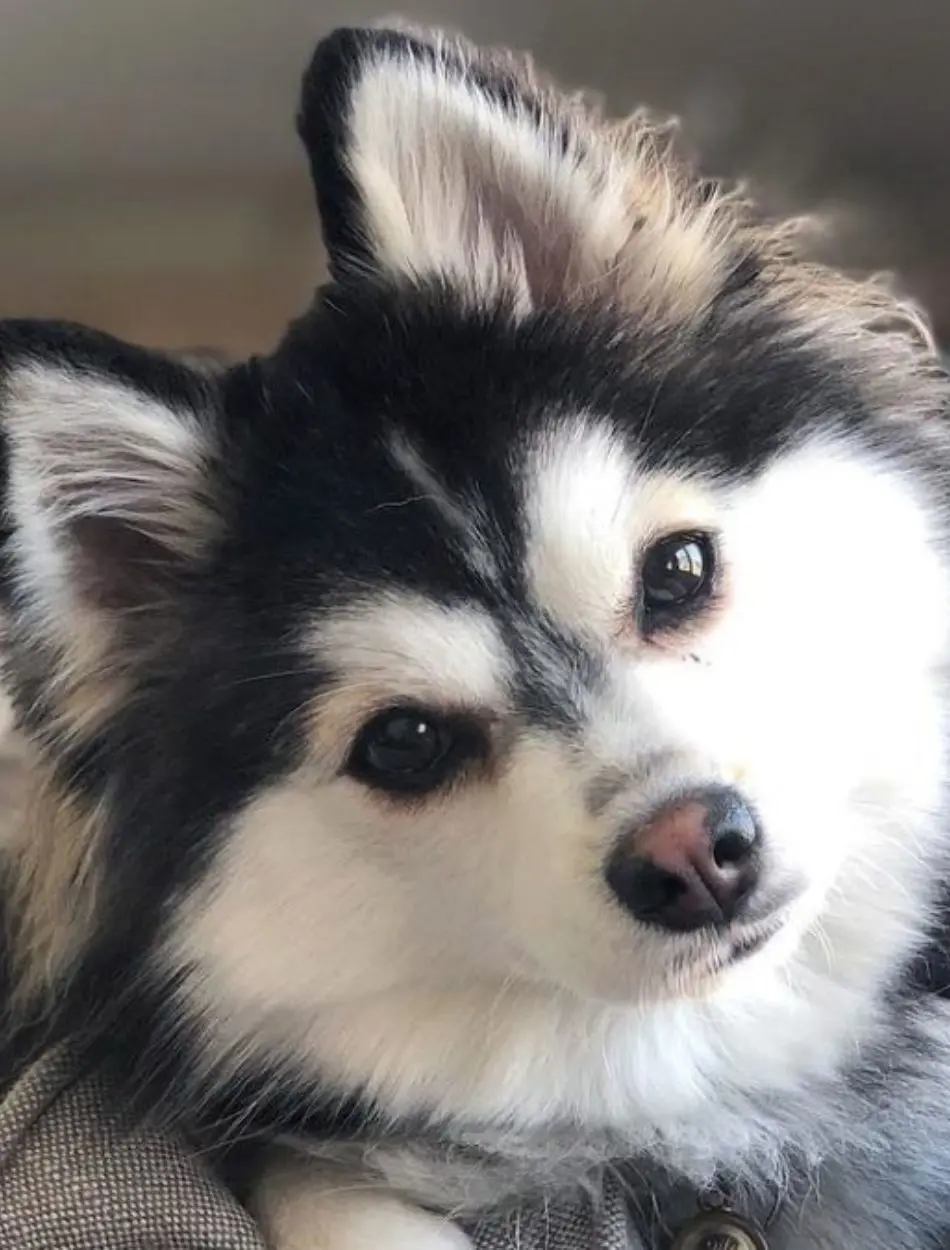
Just as it were with the other dog breeds, it is not an exception when considering a health perspective for these cute ones as well. Most of the health issues the breed faces tend to stem from the genes passed down by the two breeds: Pomeranians and Siberian Huskies. In most circumstances, while crossing breeds, the risks of problems that result from a particular breed are often minimal. This cross could also bring in new health challenges.
Hip Dysplasia
Hip dysplasia is a painful orthopedic condition very common in dogs, more specifically in those that have a Husky bloodline. This condition happens when the hip joint doesn't fit together well, thereby causing pain, arthritis, and mobility problems with time. While the case of it is more prevalent in large breeds, the Pomskies can still be affected, mostly by acquiring it from their Husky parent.
Patellar Luxation
Patellar luxation, widely known as Kneecap Dislocation, happens when the kneecap wanders from its anchorage. Most often it's an inherited condition in small breeds of dogs just like Pomeranians. Since the breed is a mixture of small and medium-sized breeds they might develop a problem that results in irregular lameness or various walking ways. And in these worst scenarios, it might need surgery.
Eye Problems
They may have many eye problems, from cataracts to progressive retinal atrophy and corneal dystrophy. This could lead to low vision or, in some cases, full-on blindness. Your dog should have its eyes routinely checked to monitor and manage these potential problems, as both parent breeds are known to carry the risks of these genetic problems.
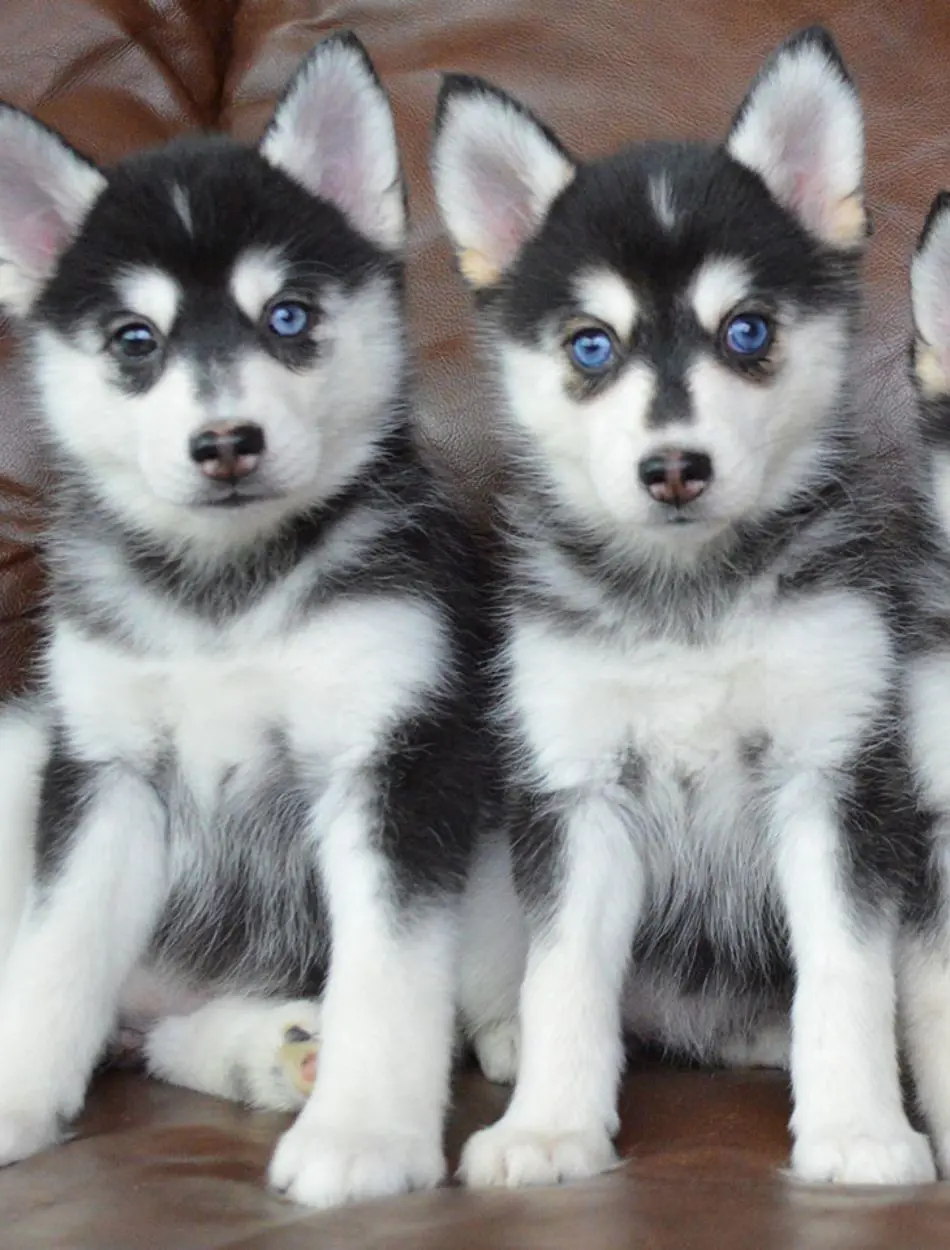
Dental Issues
Because of their Pomeranian ancestry, they may be predisposed to dental conditions such as tooth crowding, periodontal disease, and tooth decay. Smaller breeds often have more crowding in the mouth, which can lead to the onset of plaque and the development of periodontal disease without proper dental care. Healthy teeth and gums that last a lifetime require regular dental care, including home dental care and professional dental cleanings.
Allergies
They can also inherit skin sensitivities and allergies from their parents. Many of these include itching, redness, and hair loss and are often triggered by pollen, dust, certain foods, and other environmental irritants. In addition, for many double-coated breeds, their very thick fur can make them prone to skin infections if not groomed properly. Regular grooming and a balanced diet can help manage these issues.
Hypothyroidism
Hypothyroidism is a condition wherein the thyroid gland produces insufficient amounts of hormones. The dog may gain weight, become lethargic, start losing hair, and develop skin problems. This condition can be treated with medication, but it requires lifelong management and regular check-ups with a veterinarian.
Heart Conditions
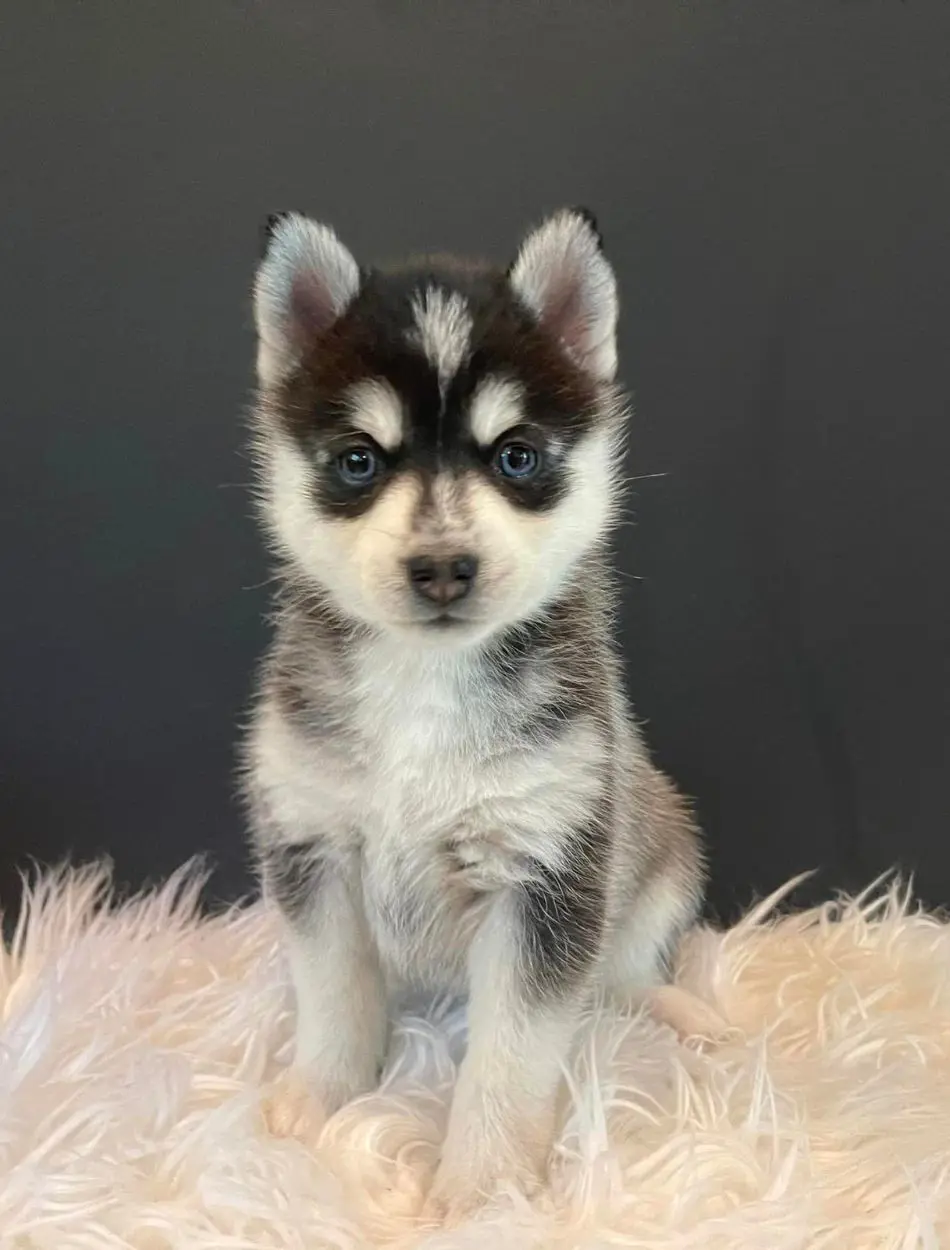
They could be prone to developing heart conditions, like mitral valve disease or other congenital heart defects, which can become hereditary to either parent breed. Symptoms could be a persistent cough, problems breathing, or an inability to tolerate exercise. Early detection through regular veterinary visits is key to managing heart health in them.
Overweight
Being a crossbreed of the Pomeranian, the breed can tend towards becoming quite overweight, especially if they happen to inherit the smaller size and less active nature of the latter parent. Being overweight can increase the risks of many other health issues, including joint problems and heart disease. Keeping a balance of a healthy diet and making sure your dog gets plenty of exercise is imperative for preventing obesity and the problems associated with it.
Behavior And Training Tips
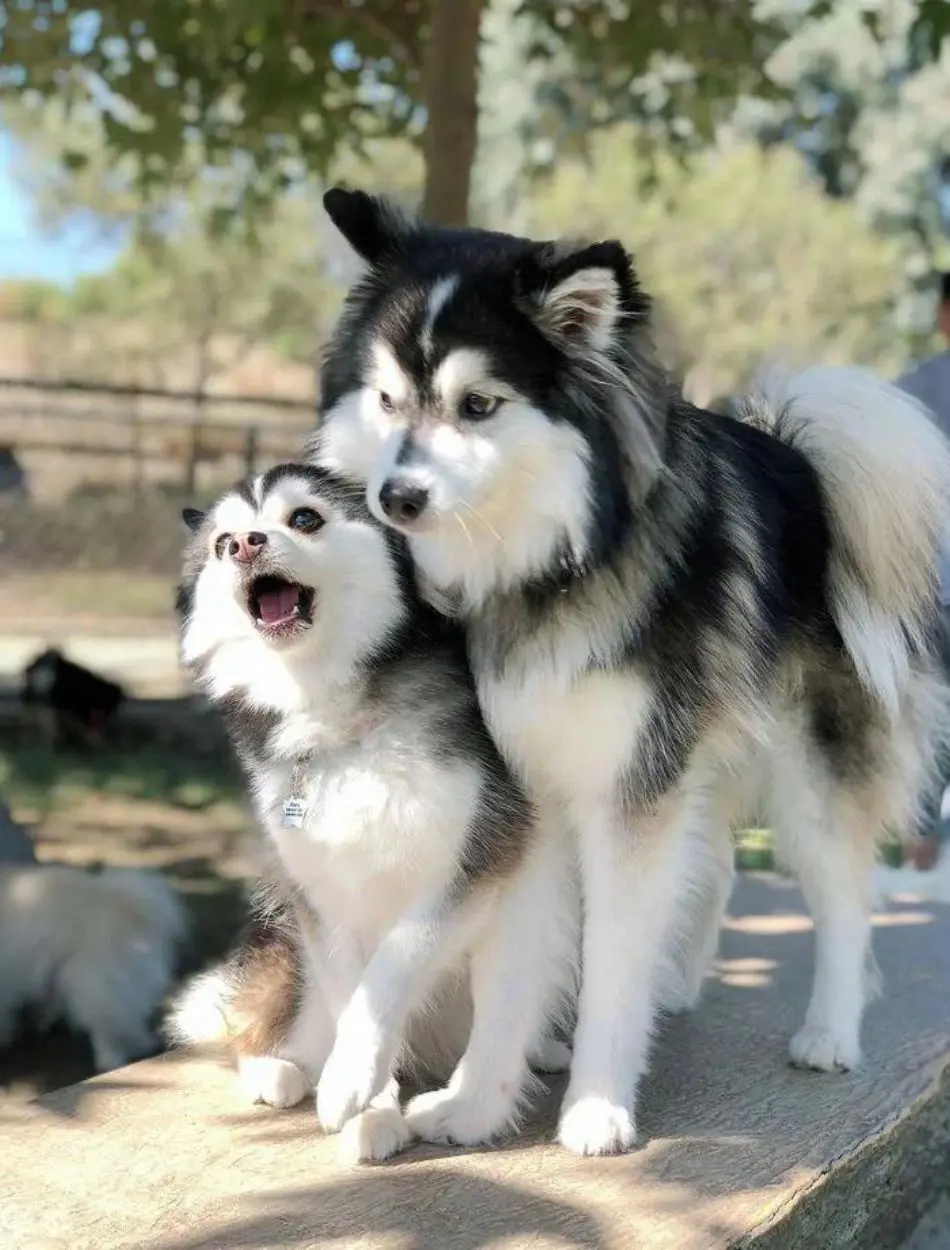
This is the breed that is known to be a living creature that is lively, intelligent, and full of affection. Yet, having a mixed heritage composed of two of the most popular kinds of breeds: Pomeranian and Siberian Husky, different behaviors are present, thus needing special training approaches. With due knowledge of their behavioral traits, how they can be trained effectively will eventually let the Pomsky become happy and well-adjusted.
Intelligence And Curiosity
A Pomsky inherits high intelligence from both parent breeds, which makes the puppy easily trainable. However, they are prone to getting bored without enough stimulation, leading to behaviors like chewing or digging. To keep your Pomsky engaged, provide them with interactive toys, puzzles, and training to prevent boredom and keep them mentally well-exercised.
They are energetic due to their Husky lineage and need regular exercise such as daily walks, playtime, and agility training. Without enough exercise, they can become restless, and irritable, and display hyperactive behavior. Engaging them in physical activities and challenging games can address these issues easily.
Social
Even though usually friendly and social there are times that they will be suspicious or aloof with strangers if not well-socialized. Socialization should take place early in their life to make them well-rounded dogs. Expose them to different people, animals, places, and circumstances when it is still a puppy. Positive exposure during this critical window of their lives can make them well-behaved and confident adult dogs. Enrol in a social puppy obedience course or puppy playtimes.
Independence And Stubbornness
There is a form of independence and stubbornness that the Husky side of Pomsky breeds, though it could be hard, making training also a bit challenging. They can go as far as even ignoring commands or trying to test the perimeter if they do not see the need to be good and abide by the same.
Pomskies are known to be stubborn and able to provide high independence. Take your time and be patient with the training. Get motivational techniques based on positive reinforcements like treats, praise, and play. Be firm and strict with the rules but avoid harsh corrections as Pomskies tend to be very sensitive to bad signaling.
Crate Training And Housebreaking
A crate will also serve in housebreaking as it offers security and protection and, at the same time, helps in creating a schedule for them. Begin training them on that crate, offering nice bedding and toys to make it a very positive space right from the start. Increasing the time spent inside the crate gradually, all these experiences relating to it have to be positive. Consistent regularity in outside visits will also work.
Barking And Vocalization
They bark to alert you about strangers, show their excitement, or may bark just for attention and can be quite vocal. This is where the training comes in with the right times to bark. You can train them to be quiet by introducing commands like "quiet" or "enough" to stop barking. They should be rewarded when they're quiet. You must desensitize them to their triggers. To decrease the amount of nuisance barking from boredom and excitement, increase their exercise and mental stimulation.
Where To Buy Or Adopt Pomsky
You may need to watch out for the newest dog shows to visit and you must be able to find some breeders whom you could meet face-to-face. Moreover, they should also be very open to detailing the health condition of their dog and the purpose of health testing for his puppies.
A serious breeder will not only have a health guarantee to be presented but will answer all of your questions regarding the breed and general dog care.
This will let you know the living conditions and how the dogs are treated. This is why it is best to try to seek out professionals who are more concerned about the well-being and socialization of their puppies and hence better prepare them for easy transition into new homes.