

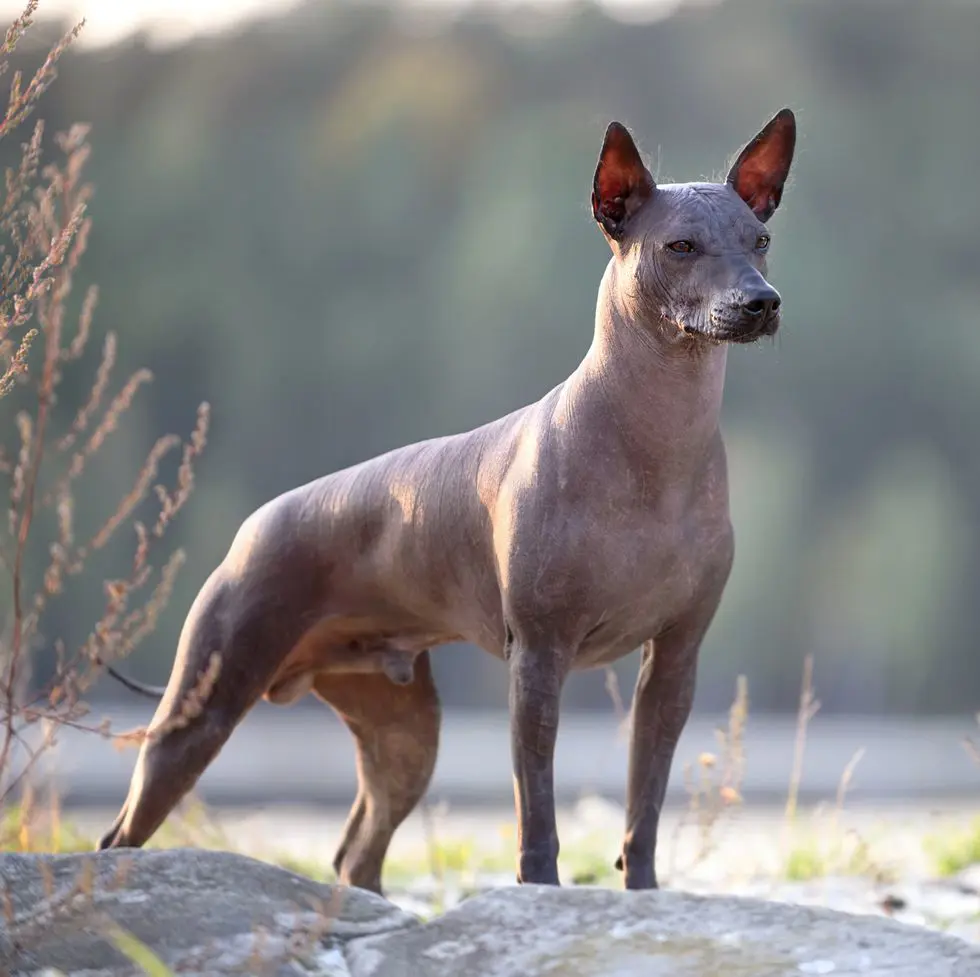
Peruvian Inca Orchid or also called ‘Peruvian hairless dog’ is one of rare breeds which has its origin in Peru and it is as old as some thousands of years back. These dogs are easily recognized, known to lack body hair or fur and have sensitive skin, and are of different sizes.
They are, of course, intelligent, are very nimble and are friendly with their owners, which makes them great pets. Being originally associated with the Inca civilization of Peru, the Peruvian Inca Orchid has become one of the most emblematic and exquisite breed of dogs worldwide due to its historical background and unique appearance.
Brief Overview
Origin: Peru
Size: Small, Medium, and Large
Height:
- Small: 9.75 to 15.75 inches or 25 to 40 cm
- Medium: 15.75 to 19.75 inches or 40 to 50 cm
- Large: 19.75 to 25.75 inches or 50 to 65 cm
Weight:
- Small: 8.5 to 17.5 pounds or 4 to 8 kg
- Medium: 17.5 to 26.5 pounds or 8 to 12 kg
- Large: 26.5 to 55 pounds or 12 to 25 kg
Lifespan: 10 to 12 years
Coat Type: Hairless, with some individuals having small clusters of hair on the head, feet, or tail
Coat Color: Any skin color; pink, black, brown, white, gray (coated)
History Of Peruvian Inca Orchid
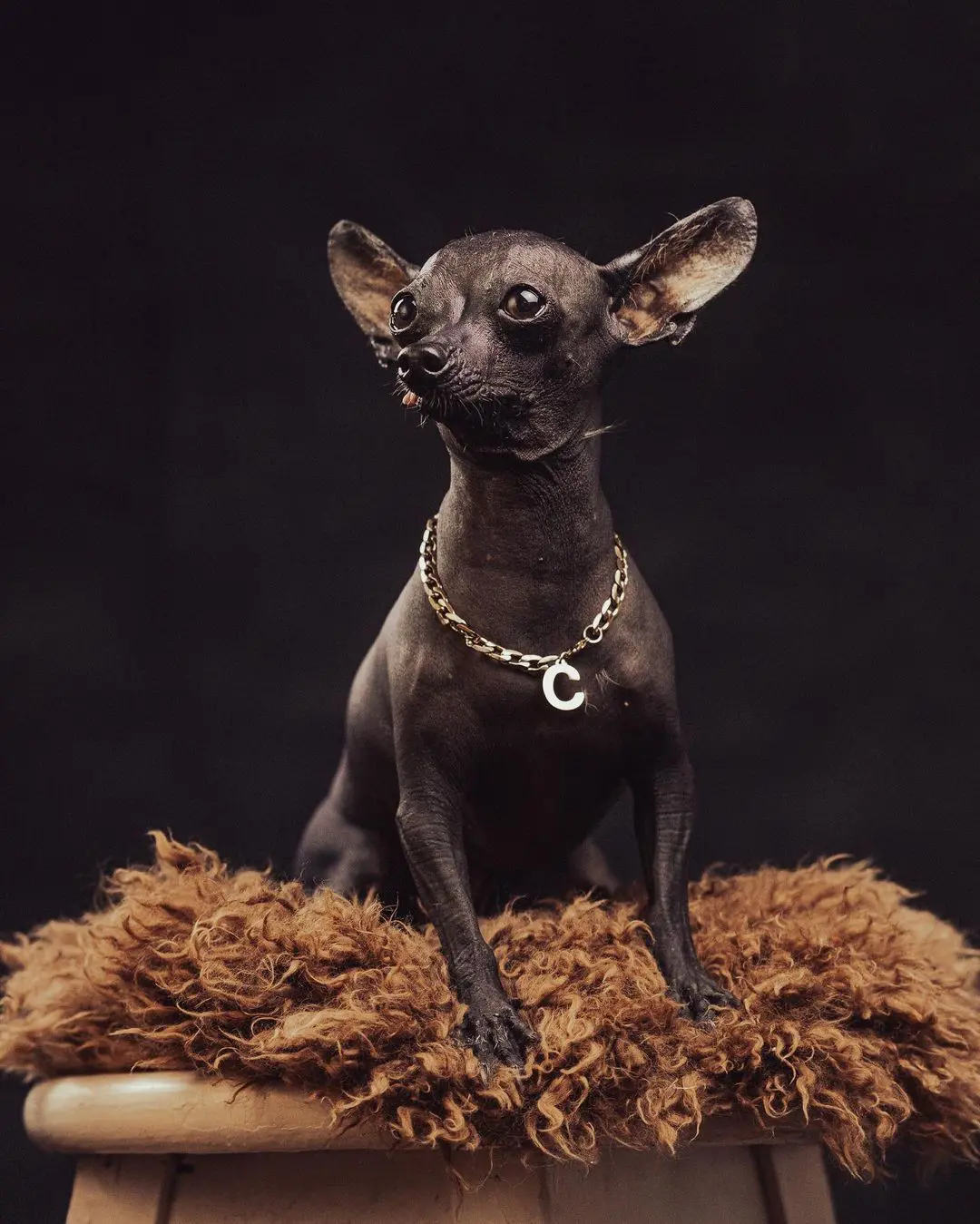
The history of the Peruvian Inca Orchid dates back to pre-Columbian times, and it is closely associated with ancient Peruvian cultures. It has been argued that hairless dogs have been in existence in Peru since 750AD as evidenced by illustrations in Moche, Chimú, and Inca pottery and clothings.
The Inca civilization had a high regard for these dogs and considered them to have spiritual and curative powers. These dogs were employed not only as pets for people but also as working dogs, which were used as warmers for beds because these dogs did not have fur and had a higher body temperature.
The first contact of these dogs was with the Spanish conquistadors in the 16th century and these dogs have now become iconic to the people of Peru.
Defining Characteristics
Appearance
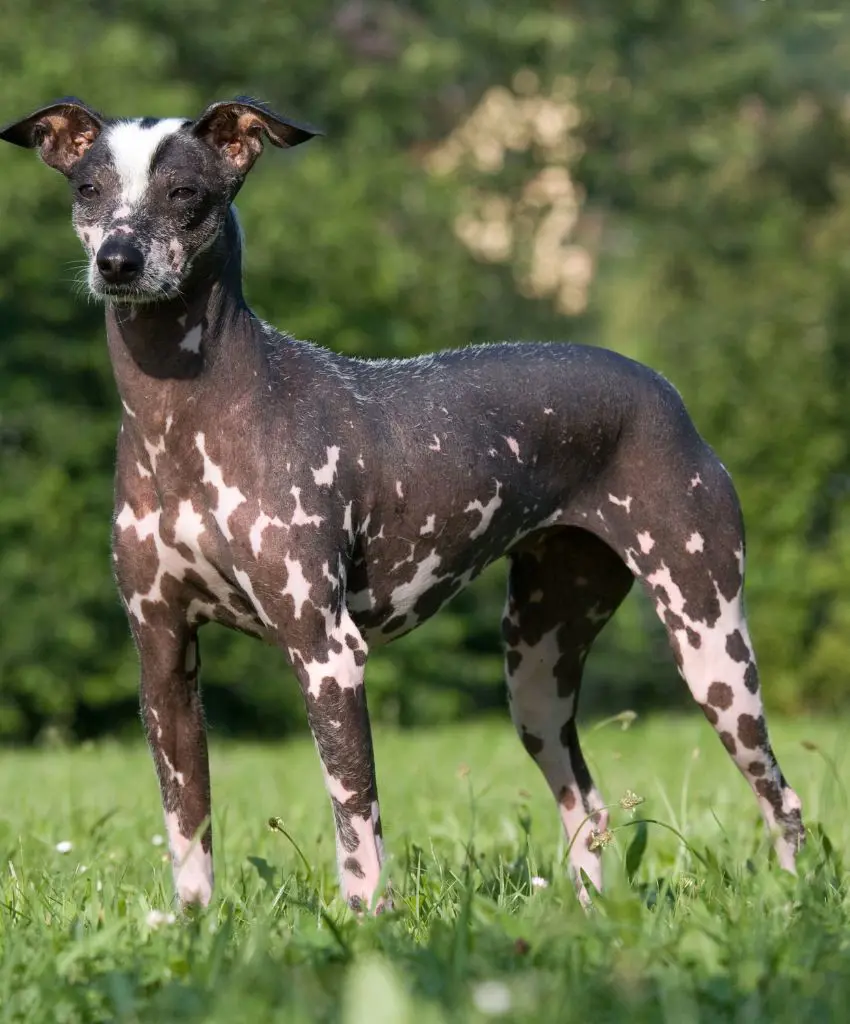
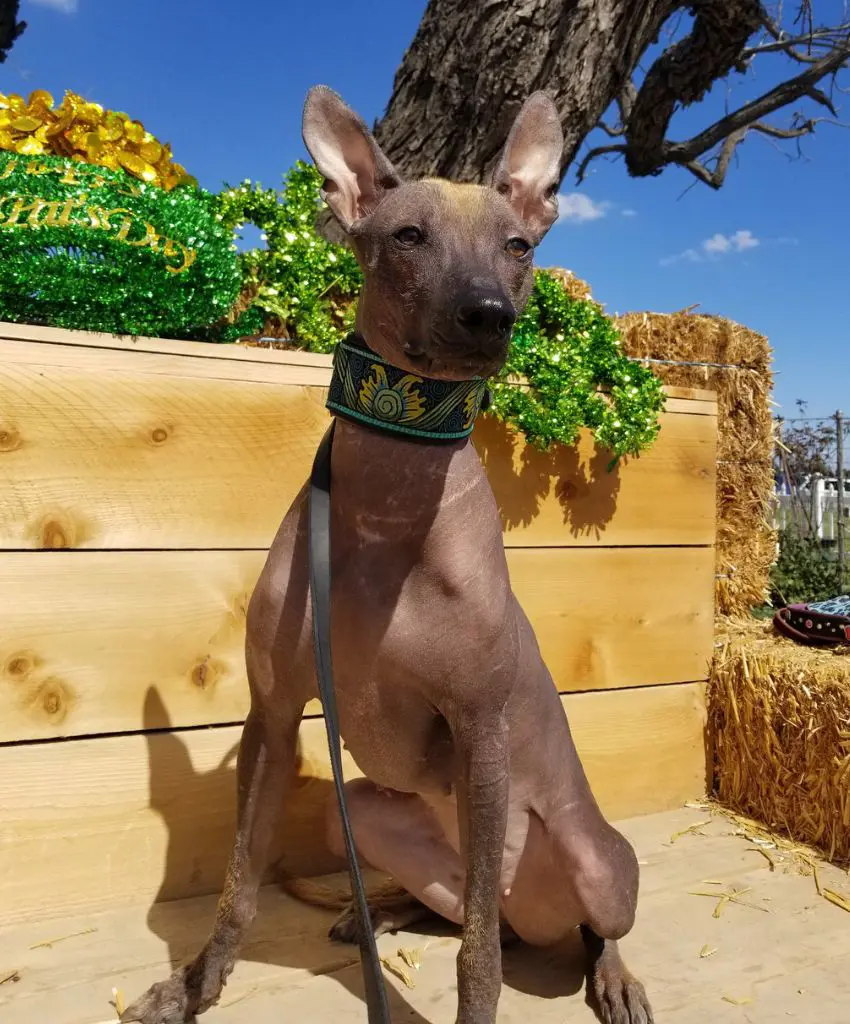
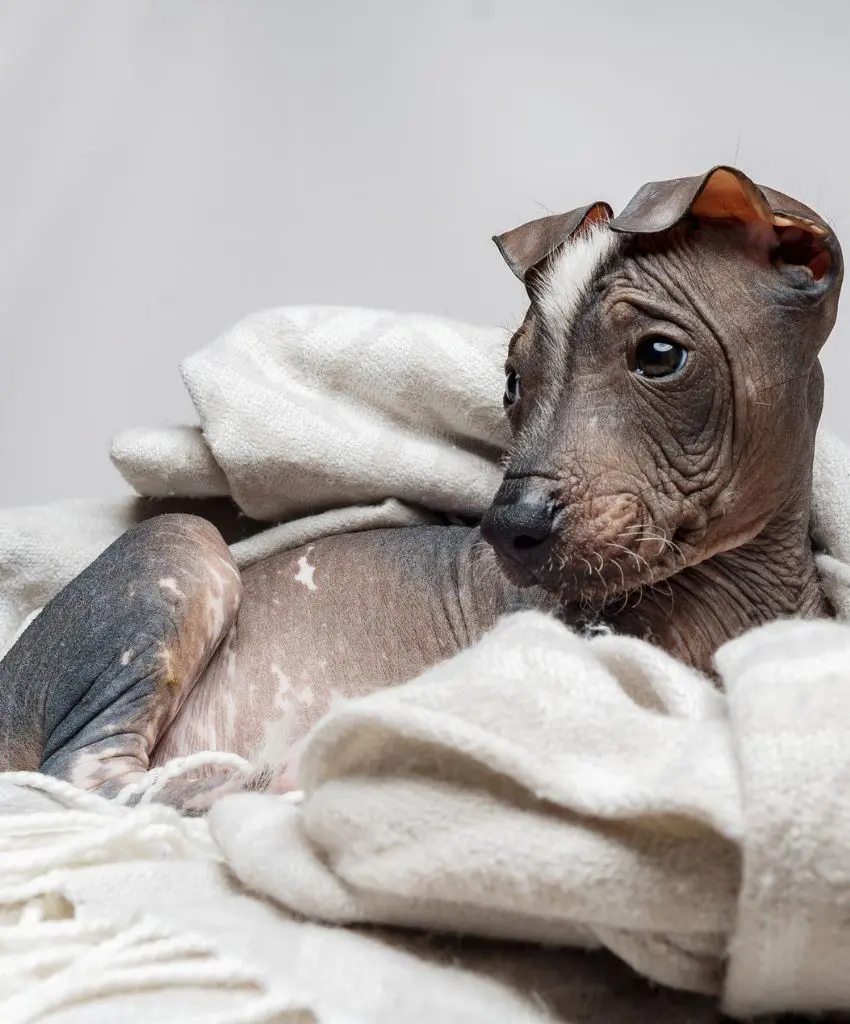
It features hairless skin that can be black, brown, grey, pink, or combinations of these colors in patches. A few dogs can have little body hair on their head, feet, or tails. Their skin is warm and tender and they need to be guarded against sunburn and bruises.
It has large expressive usually dark almond-shaped eyes and large erect or semi-erect black ears that provide the animal with an alert appearance.
Build
This breed has a smooth, muscular, and well-angled body with a length slightly more than its height. They are deep-chested, possess a tucked-up abdomen, and possess long, narrow yet strong legs.
They have strong and elegant necks, continuing with cuts, and a slightly curved backbone. This breed walks and runs with grace and coordination. Their long narrow tail is close to the ground when at rest and held higher up when the animal is threatened.
Sizes
This Peruvian Inca Orchid breed comes in three sizes:
Small:
Suits those that live in apartments or those that have limited room because of the size
Height: 9.75 to 15.75 inches (25 to 40 cm)
Weight: 8.5 to 17.5 pounds (4 to 8 kg)
Medium:
This size is appropriate for different types of housing and for different purposes.
Height: 15.75 to 19.75 inches (40 to 50 cm)
Weight: 17.5 to 26.5 pounds (8 to 12 kg)
Large:
Ideal for people desiring a canine that requires even more space and has more exercise requirements.
Height: 19.75 to 25.75 inches (50 to 65 cm)
Weight: 26.5 to 55 pounds (12 to 25 kg)
Personality
The Peruvian hairless dogs have the following personality traits:
Loyalty and Affection
A primary and distinctive feature of the Peruvian Inca Orchid is that it is very attached to its family. These dogs show close attachment to their masters and are loyal to them in an almost inseparable way.
These are referred to as “Velcro dogs” since they prefer to cling to their owners, bouncing behind them from one room to the next. This trait makes them perfect for someone who wants a loyal companion and a friend always ready to accompany him/her.
Sensitivity
The Peruvian Inca Orchid is highly sensitive, not only in the emotional sense but also more prone to different physical ailments. They can easily sense when their owner is happy or sad, and in some cases mimic the emotions.
This feature makes them to be integrated in a quiet and affectionate setting. Sensitive care or a noisy environment typically puts them under pressure influencing their anxiety or alteration in behavior. These animals are best dealt with by understanding and friendliness without much pressure and scolding.
Intelligence And Trainability
This breed is highly intelligent and they grasp new instructions within a short period. Training is also not a difficult task as they are very obedient and will follow instructions if trained calmly and sequentially.
They also respond well to command training and can easily learn new tricks and commands. However, being sensitive, their training should also entail the use of positive reinforcement techniques.
Playfulness
Peruvian Inca Orchids are jovial and physically active, they love playing games and doing different activities. They are fond of playing fetch running and performing agility drills.
This nature also makes them suitable pets for families with young children since they are active creatures. However, they also like to laze around and snuggle with their owners, making them a good blend of active and lethargic breeds.
Protective Instincts
The Peruvian Inca Orchid is not an aggressive species, it does have some powerful protective tendencies. They are by default very protective of strangers; they will bark to alert their owners of any strange activity or people.
This makes them excellent watchdogs, however, they should be trained early not to be too suspicious or shy with strangers.
Adaptability
Peruvian Inca Orchids do not have many demands placed on the environment they live in; they can easily reside in a house with a backyard or an apartment building.
The secret of their happiness lies in their ability to be with their owners and sufficient mental/ physical activity. They should not be left alone for many hours, as they may become stressed and develop unwanted behavioral issues.
Sensitivity to Weather
These dogs do not have much fur and as a result, they cannot withstand harsh weather conditions. They can get easily fleshy in cold conditions and may need clothing or a warmer blanket.
In hot climates, they require shades to protect from sunburn and should not be exposed to direct sunlight for a long period. This sensitivity makes them most appropriate for temperate climates or home conditions that can be well controlled.
Emotional support and therapy dogs
They are sensitive and loyal to their owners so it will be possible to train Peruvian Inca Orchids as emotional support or therapy dogs. This makes it easy for them to offer comfort and company to those who have emotional or psychological disorders.
Moreover, they are usually friendly and relaxed which might be very helpful when used in therapeutic care.
Exercise And Training
The Peruvian Inca Orchid breed is considered to have moderate exercise requirements. In simpler words, physical activity is necessary to ensure that they remain fit and cheerful all the time. Some of the guidelines include regular evening walks, playing sessions, and chances to have a run in a safe place.
They like to engage in activities that are playful and physically and mentally stimulating, for instance, mazes and ladders, and other agility structures.
Training Needs
It is essential to note that training a Peruvian Inca Orchid has to be done gently and systematically. They are friendly animals that react to good words, food incentives, and simple persuasion.
Abusive treatments are not good for their delicate character and are best left alone. It is an essential process to go through while raising the dogs to become well-behaved dogs and gain confidence. The lack of exposure to other people also other animals and other environments contributes to shyness and anxiety.
Life Span
The life expectancy of a Peruvian Inca Orchid is between 10-12 years but with appropriate care you can have one live much longer.
Some additional factors that can be taken into consideration include diet, exercise, and veterinary care. These are practices like taking vaccines, doing dental check-ups, and other standard tests that help a lot in avoiding health issues in the first place.
Also, they are not very prone to severe genetic diseases as compared to some other breeds which assists in increasing their health level. Love and care, adequate space and safety, and mental and physical engagement also play a big role in their wellness and longevity.
Nutritional Needs
The Peruvian Inca Orchid has a peculiar metabolic process and it does not possess any hair therefore it has its unique dietary needs. Despite their relatively small size, many of these breeds require a diet that is slightly more calorific than what is common for other breeds of similar weight.
Diet
The Peruvian Inca Orchid requires nutritional and balanced commercial dog foods, containing a variety of nutrients that the breed needs. They also may decide to feed their dogs a homemade diet with necessary nutrients requiring consultation from the vet.
Protein also plays an important role in muscle and other tissues' maintenance and support.
Feeding Schedule
A proper diet together with portion control and feeding timings are effective in curbing obesity and other health-related issues. It is advised that they split their daily food intake into two or three servings in order to have fewer problems with digestion and to maintain stable energy levels.
Supplements
It is suggested that some of the Peruvian Inca Orchids may require supplements for their skin, including omega-3 for skin, and some with joints as they are very active. It is thus advisable to consult a veterinarian before introducing supplements into the diet plan of these dogs.
Health Issues
Generally, a healthy breed, however, the Peruvian Inca Orchid can be prone to certain health issues due to their unique physical characteristics:
Skin Problems: They have bare skin which can easily get injured by cuts, scrapes, and sunburn. It requires mandatory skin checks and vows to use sunscreen or protective clothing if exposed to the sun. Some of the measures that need to be taken include using creams that provide moisturizers to the skin to avoid dryness and inflammation.
Dental Issues: This breed is very much susceptible to dental issues including periodontal kind of diseases. Brushing, dental chews, and dental cleaning are effective measures that you need to embrace to improve the health of your pet’s mouth.
Digestive Issues: Its members can be prone to gastrointestinal issues, so it is vital to control the diet throughout the week. There is always risk associated with diet changes, especially in the digestive tract hence any change in diet should be done slowly.
Allergies: It has been reported that some of the varieties of Peruvian Inca Orchids may be prone to allergies in delicate skin and stomach or digestion part of the body. Paying much attention to usually consumed foods or other things that may have an impact on their health is important in handling these conditions.
Peruvian Inca Orchid Dog Care Routine
Skin Care: Frequent washings with mild soaps and shampoos are ideal to keep their skin soft and well-moisturized. Sunscreen should be worn in order to avoid getting sunburnt, particularly for those with a light complexion. Using moisturizers also minimizes the chances of the formation of dry skin or cracking.
Dental Care: Regular dental hygiene is advised and the patient should brush their teeth multiple times a week if not every day. Giving dental chews and conducting consistent veterinary dental examinations helps prevent these problems.
Exercise: This implies that they should engage in some form of exercise daily to enable them to maintain their fitness and also challenge their brains. For their physical well being they need to take constant exercises in the form of walking, running, or playing a ball.
Mental Stimulation: There are devices such as toys, puzzles, and training sessions that can assist in keeping their mind active and engaged. They like practicing new tricks and commands; this might be useful both in developing the dog's intellect and encouraging mutual interaction.
Health Check-Ups: This means it is essential for them to see a vet for check-ups regularly and to ensure that they are okay. Intake planning is also essential as it ensures health complications are identified and dealt with when they are still manageable.
Where To Buy/Adopt A Peruvian Inca Orchid Dog Breed?
Breeders
A responsible breeder who deals in Peruvian Inca Orchid can be acquired through breeding clubs and associations. Of course, it is essential to investigate and guarantee that the breeder is proper and the dogs are provided treatment.
Some of these are: getting a tour of the breeder’s facility, being able to see the puppies and their parents, and questioning the breeder on health clearances and breeding strategies.
Rescue Organization
At other times, there are Peruvian Inca Orchids in rescue shelters for adoption such as Gentle Giants Rescue and Adoptions, since some places concentrate on specific breeds. These organizations work towards the rescue and rehabilitation of this breed of dogs and contacting them is a great way to find one to be your companion.
Kennel Clubs
Some breed associations may include breeds such as the American Kennel Club (AKC) dedicates its page to helping potential buyers find a breeder.
Many of these clubs maintain breeders lists which may be comprised of reputable and conscientious maintainers of quality stock.
Online Platforms
Websites such as Bald is Beautiful Dog Rescue and the Peruvian Inca Orchid Club of the United States, which serves to introduce potential dog owners to breeders and rescue organizations, can be helpful as well.
However, there is a need to use measures in its purchase to ensure that one does not fall prey to puppy mills or fake sellers. Before sourcing, it is important to ensure that the person selling the puppy is legal and has high ethical standards in the breeding and raising of the puppies.