

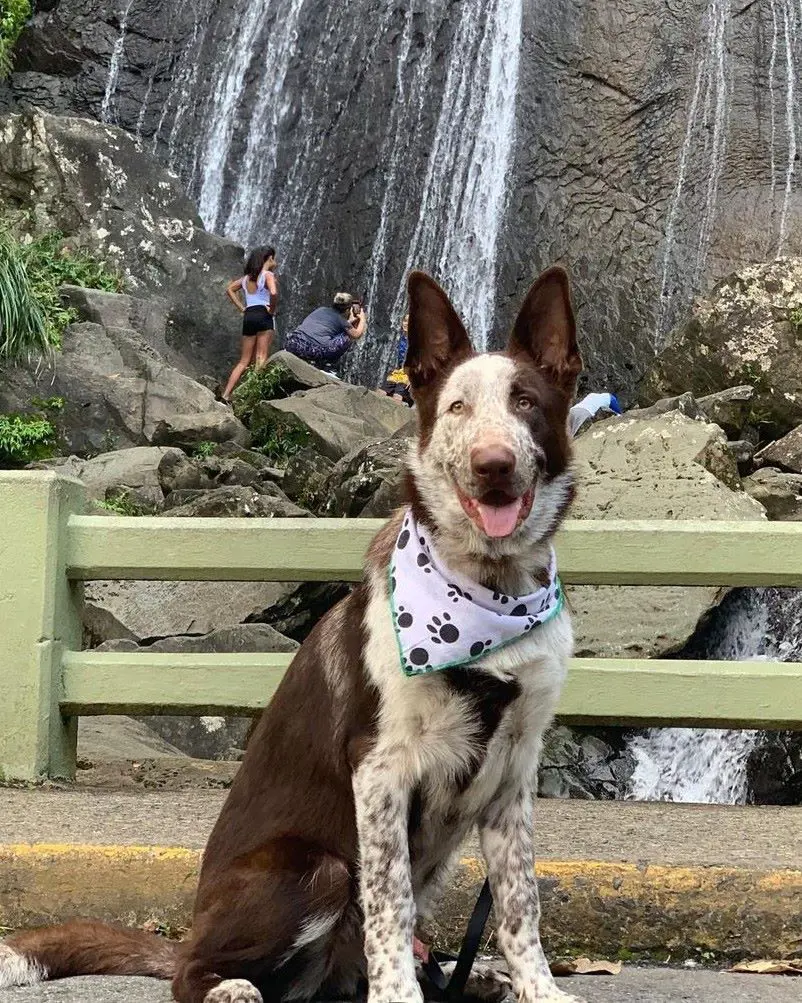
The Panda German Shepherd, also known as a Panda Shepherd, is a unique and rare variation of the German Shepherd breed. It is characterized by its distinctive coat pattern, which resembles a giant panda, hence the name.
Panda GSDs differ in appearance from the traditional black and tan or sable coloration of the standard German Shepherd. The striking contrast between the black and white colors makes them an eye-catching and visually appealing breed.
Panda German Shepherd Origin
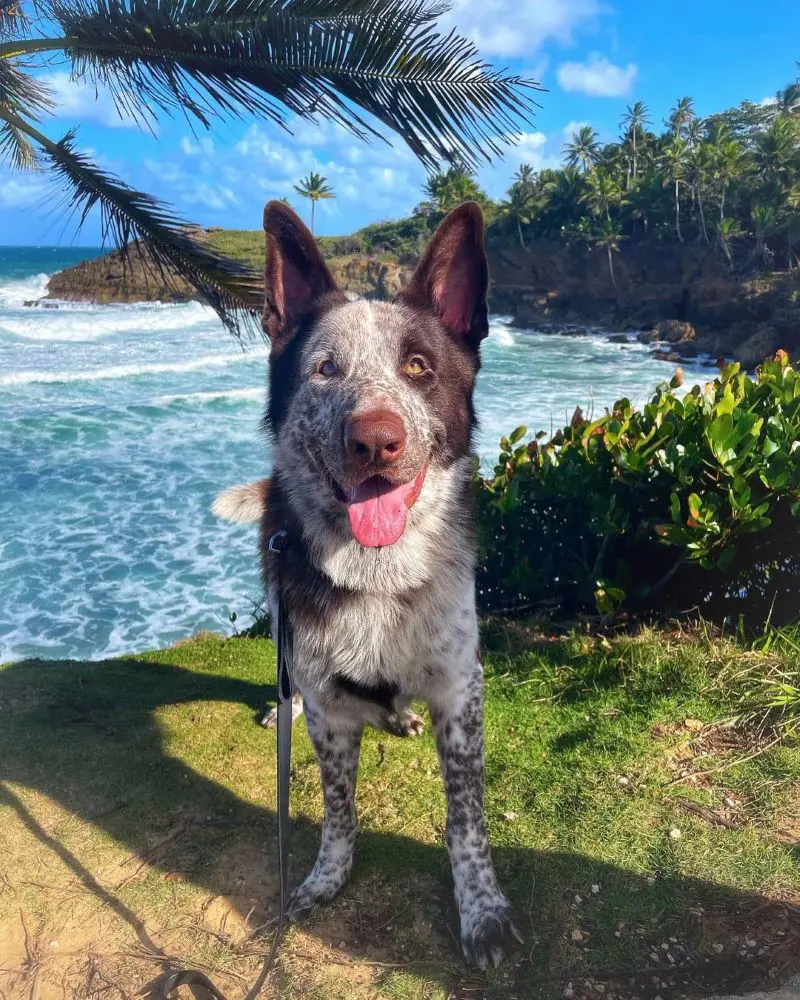
The Panda German Shepherd is believed to have emerged in the early 20th century, although their exact origin is not well-documented. These dogs have gained popularity in recent years in the US due to their unique appearance. However, their breeding is controversial within the German Shepherd community, as some argue that focusing on coat coloration could lead to health and temperament issues.
Breeders of these canines often selectively mate dogs with the desired coat pattern to produce litter with more pandas. This breeding practice has raised concerns about potential inbreeding and the spread of genetic disorders. Some breeders even argue that the Panda German Shepherds are genetically inferior.
Physical Appearance And Characteristics
The Panda German Shepherd is a unique and rare variation of the German Shepherd breed. It is named after its striking resemblance to a panda bear due to its black and white coat pattern. Here is a description of its appearance and physical characteristics:
1. Size
Like regular GSDs, Panda German Shepherds are a medium to large-sized breed. They typically have a well-muscled and athletic build. Males usually stand between 24 - 26 inches (61-66 cm) tall at the shoulder. Meanwhile, females are slightly smaller, ranging from 22 to 24 inches (56-61 cm) tall.
2. Weight
While Panda GSDs' appearance may differ from traditional German Shepherds, their weight is similar. These dogs weigh around 50 to 90 pounds (22 to 41 kg). However, an individual dog's weight can vary depending on factors like genetics, diet, and exercise levels.
3. Head And Face
Their heads are proportionate to their body size. They have a strong, broad forehead and a moderately pointed muzzle. Similarly, their ears are medium-sized, erect, and alert; whereas, the jaw is strong and well-developed, allowing for a powerful bite.
4. Eyes
These canines have almond-shaped eyes that are usually medium-sized, neither too round nor too narrow. Eye color can vary and is not specific to Panda Shepherd. The most common eye colors in German Shepherds include brown, amber, and sometimes blue. However, it's important to note that blue eyes are considered a fault in the breed standard and are not desirable.
5. Paws And Legs
The breed has well-defined legs and paws that are designed for agility and endurance. The legs of a panda German Shepherd are typically straight and rigid, providing a solid foundation for their active lifestyle. Meanwhile, their paws are large and well-padded, enabling them to traverse various terrains with ease. Their strong legs allow them to move quickly and smoothly, while their large and well-formed paws provide traction and stability.
Personality Traits & Temperament
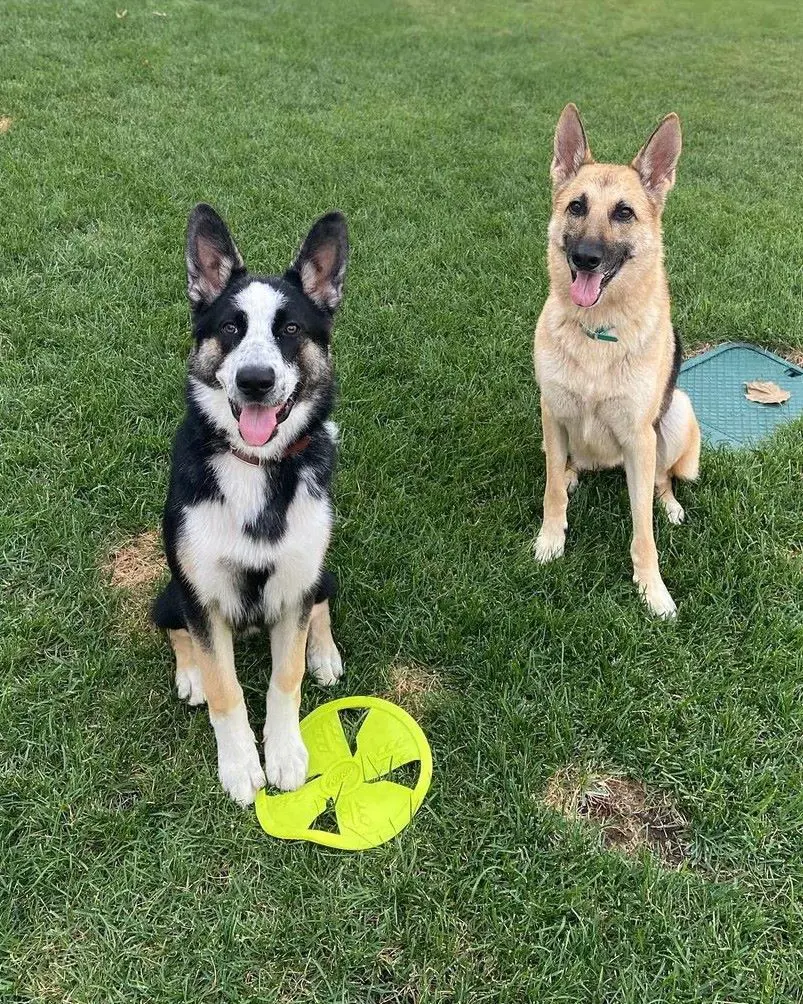
The Panda German Shepherd is a unique and stunning variation of the German Shepherd breed. These dogs are highly intelligent and eager to please their owners. Also, they have a strong desire to learn and excel in various tasks, making them highly trainable dogs.
Despite their intelligence, these furry canines are also known for their calm and composed temperament. They are gentle, patient, and loving towards their family members but may initially display a certain level of caution when encountering strangers.
Coat Colors And Patterns
The Panda German Shepherd has a predominantly white or cream-colored coat with black patches, similar to the markings on a panda bear. The black patches are usually distributed over the dog's body, including the face, ears, back, and limbs.
It's crucial to understand that the coat color and pattern of these pups can be influenced by various genetic factors and breeding practices. Some breeders may intentionally breed German Shepherds with specific coat color patterns, including the panda-like appearance, while others may occur naturally due to genetic variation.
Common Health Problems Associated With The Breed
Panda German Shepherds are not inherently unhealthy, but their unique coat pattern is a result of a recessive gene known as the piebald gene. This gene has been linked to certain health issues such as deafness, eye problems, and skin conditions. However, it is important to note that not all pandas will experience these health problems, and responsible breeding practices can help minimize the risk.
Here are some common health problems associated with Panda German Shepherds:
- Hip and Elbow Dysplasia: These dogs are prone to these inherited conditions where the hip or elbow joints do not develop properly, leading to pain, lameness, and arthritis.
- Degenerative Myelopathy: It is a progressive disease that affects the spinal cord and can lead to weakness, loss of coordination, and paralysis.
- Gastric Dilatation-Volvulus (GDV): GDV, or bloat, is a life-threatening condition where the stomach fills with gas and twists, causing extreme discomfort and potential organ damage.
- Exocrine Pancreatic Insufficiency (EPI): EPI is a condition that affects the pancreas, leading to inadequate production of digestive enzymes, resulting in malnutrition and weight loss.
- Degenerative Joint Disease: As German Shepherds age, they are prone to developing arthritis and other joint-related problems.
Taking Proper Care Of A Panda German Shepherd
Panda German Shepherds do not require any special care compared to regular German Shepherds. However, like all dogs, they do need proper care and attention. Here are a few factors to consider while raising these cute pups.
1. Training
Their training should begin as early as possible, ideally around 8-10 weeks of age. Early training is crucial for socialization, obedience, and establishing good behavior habits.
Positive reinforcement techniques, such as rewards and praise, are effective in their training. Moreover, consistency, patience, and socialization play crucial roles in their physical and mental development.
2. Daily Exercise
These canines should receive at least 1-2 hours of exercise per day. This exercise can be a combination of activities such as brisk walks, jogs, playtime in a securely fenced yard, and interactive games like fetch or hide-and-seek. Mental stimulation is equally important, so puzzle toys, obedience training, and agility courses can also be incorporated into their exercise routine.
3. Food And Diet
They need high-quality dog food, specifically formulated for large breeds, as the primary source of nutrition. The food should contain a good balance of protein, carbohydrates, and fats.
Additionally, owners should regularly monitor the caloric intake of a Panda German Shepherd to prevent obesity. Feeding them smaller, more frequent meals throughout the day can help with portion control. Similarly, fresh water should always be available to keep them hydrated, especially after meals or exercise. Treats can be given occasionally, but it is important to choose healthy options that are low in calories.
4. Grooming
Panda GSDs need a thorough grooming session at least once every 2-3 months. Regular maintenance grooming, meanwhile, should be done on a weekly basis. Normally, regular grooming involves brushing the coat to remove loose hair and distribute natural oils. It is also crucial to check for any signs of skin issues, parasites, or abnormalities during the grooming process.
Moreover, bathing should be done every 4-6 weeks using a mild dog shampoo to avoid stripping the natural oils from the coat. Also, nails should also be trimmed every 2-3 weeks to prevent overgrowth and potential discomfort.
5. Medical Care
To maintain overall health, GSDs need regular vaccinations, flea and tick prevention, and annual check-ups with a veterinarian. These dogs are usually at a higher risk of suffering from genetic conditions and skin problems.
To remedy the situation, It is important to monitor their mobility and consult with a vet if any issues arise. Also, these canines are prone to sunburn which requires adequate protection during summer months.
Gestation Period And Litter Size
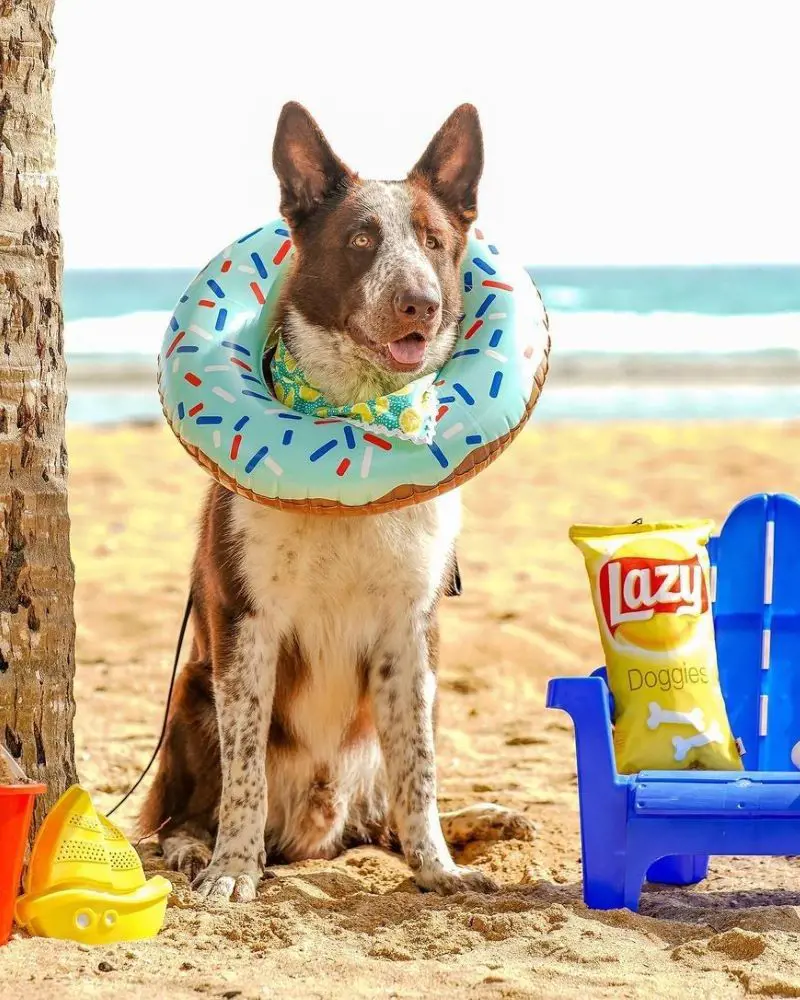
The Panda German Shepherd has an average gestation period of around 58-68 days, the same as a normal GSD. As the former is not a distinct breed but rather a German Shepherd with a unique coat pattern, they have the same pregnancy duration.
Moreover, these dogs generally give birth to 6 to 8 puppies per litter, although larger litters are not uncommon. It is essential to remember that when breeding mixed-breed dogs, there can be significant variation in physical traits, temperament, and reproductive patterns.