

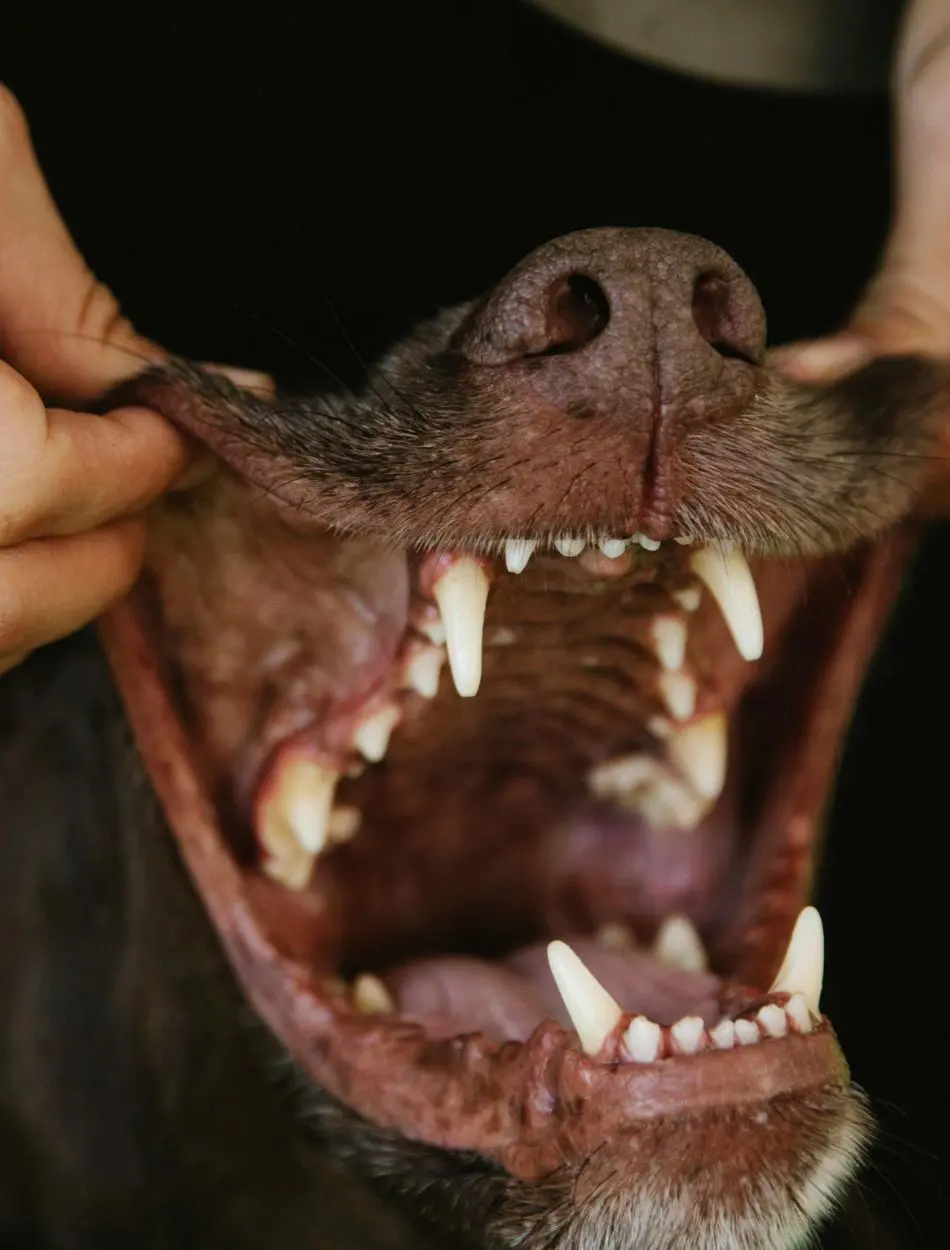
One of the major symptoms in dogs that is often overlooked but should not be is pale gum, as it can be a concerning sign indicating health issues that require quick attention. Similar to us, the color of the gums in dogs should be pink and healthy.
It is very important to check your dog's gums frequently. If you happen to find them pale, then you should contact your vet immediately. They will examine the cause and prescribe proper medication to keep your furry friend fit and happy. Timely diagnosis and seeking veterinary care can make a lot of difference in dealing with any form of health problem efficiently.
1. Anemia
One of the common causes of pale gums in dogs is anemia as blood contains red blood cells and hemoglobin and if the count of either one is low, the result is anemia. This could be a consequence of internal bleeding, poor nutrition, autoimmune diseases, and infections like tick-borne disorders.
The reason a dog's gums turn pale is because there is reduced oxygen-carrying capacity in the blood, which gives them a color lighter than the healthy pink. Attention from the vets is important in determining the underlying cause of anemia and further treatment, probably by medication, dietary change, or other health conditions, which shall restitute back a dog's healthiness and vitality.
2. Shock

Shock can cause pale gums in dogs, which happens to be a serious medical emergency for them. It occurs when there is inadequate blood flow to the body's vital organs, including the gums. This lack of circulation can lead to a pale or white appearance due to reduced oxygenation and blood supply. Several factors can cause shock in dogs, such as severe trauma, heart conditions, or severe infections like sepsis.
Additionally, an allergic reaction or a sudden drop in blood pressure (hypotension) can also induce shock. Recognizing pale gums, along with other signs like rapid breathing, weakness, and collapse, is important. Prompt veterinary attention is required to stabilize the dog's condition, identify the underlying cause of shock, and initiate appropriate treatment to restore circulation and oxygenation.
3. Cold Temperatures

Pale gum in dogs could also result from cold temperatures, being an indirect result of the body's response to the cold by preserving heat. When exposed to cold ambient conditions, a dog will undergo constriction of the blood vessels to decrease blood flow from peripheries and less vital areas like the gums toward core circulation.
Generalized narrowing of blood vessels does have the ability to visibly cause paling of the gums. Though pale gums are generally related to more serious conditions, in relation to exposure to cold weather, it could be simply a manner in which the body is trying to regulate temperature. However, excessive exposure to very low temperatures can lead to hypothermia, whereby the body's core temperature becomes very low.
4. Heart Disease
5. Liver Disease
The liver is vital for many bodily functions, including blood production and detoxification. As it is compromised, it can lead to decreased production of red blood cells or loss of them faster than they can be replaced. This reduction in red blood cells manifests as pale or white gums, a clear indicator of insufficient oxygenated blood circulating through the body.
Liver disease can also impair the clotting process, leading to internal bleeding, which further worsens the condition. Early diagnosis and treatment can help manage the disease, reduce symptoms, and improve your dog's quality of life.
6. Kidney Disease
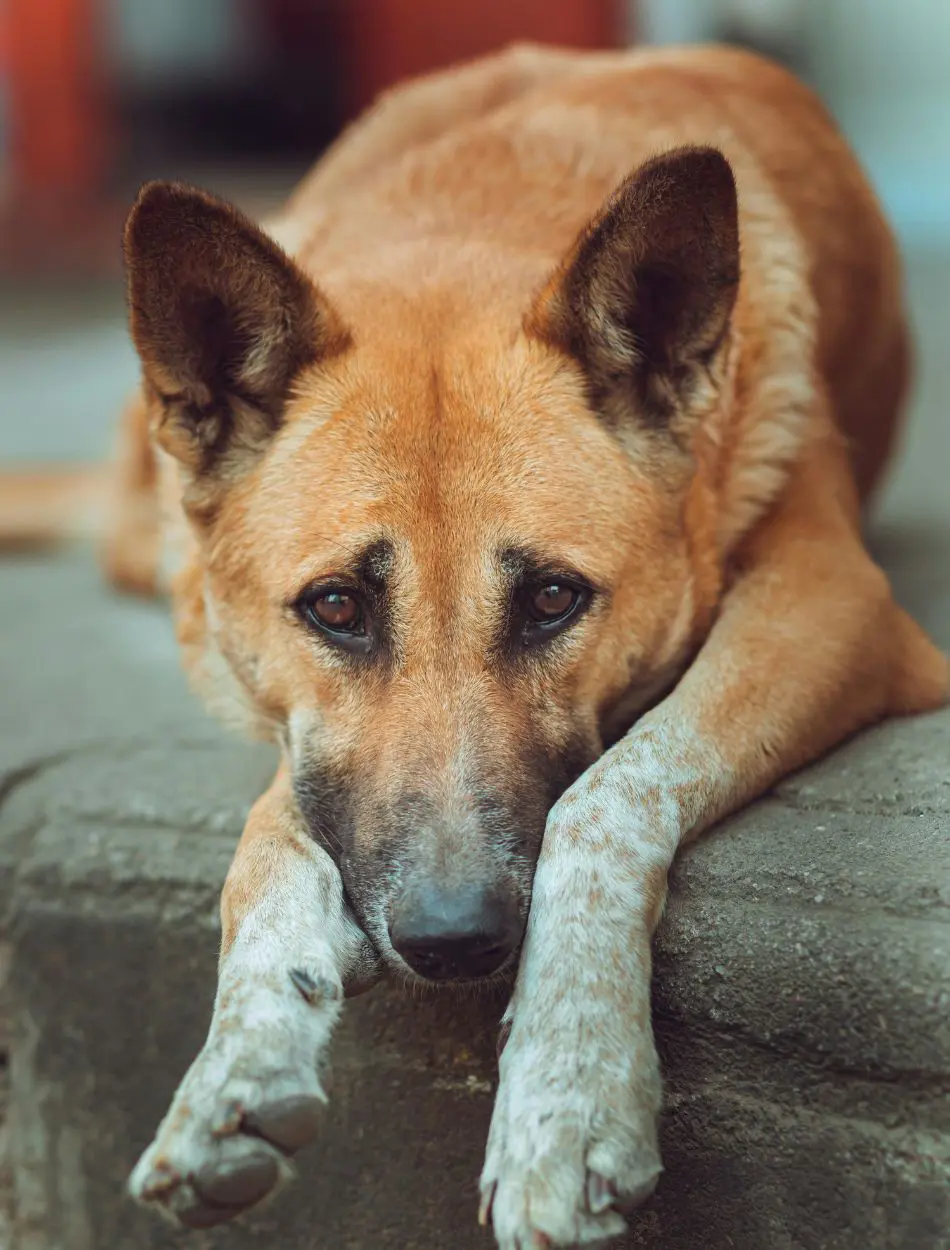
Kidney disease can be a serious underlying cause of pale gums in dogs. When the kidneys are not functioning properly, they fail to filter waste products from the blood efficiently. This can lead to a buildup of toxins and a reduction in the production of essential hormones that help regulate red blood cell production.
This can also cause fluid imbalances that include dehydration. Dehydration can also worsen the pale gums by decreasing blood volume and circulation. The ability to identify pale gums as a potential sign of kidney disease will provide for early intervention and improvement in the quality of life for a dog.
7. Infections
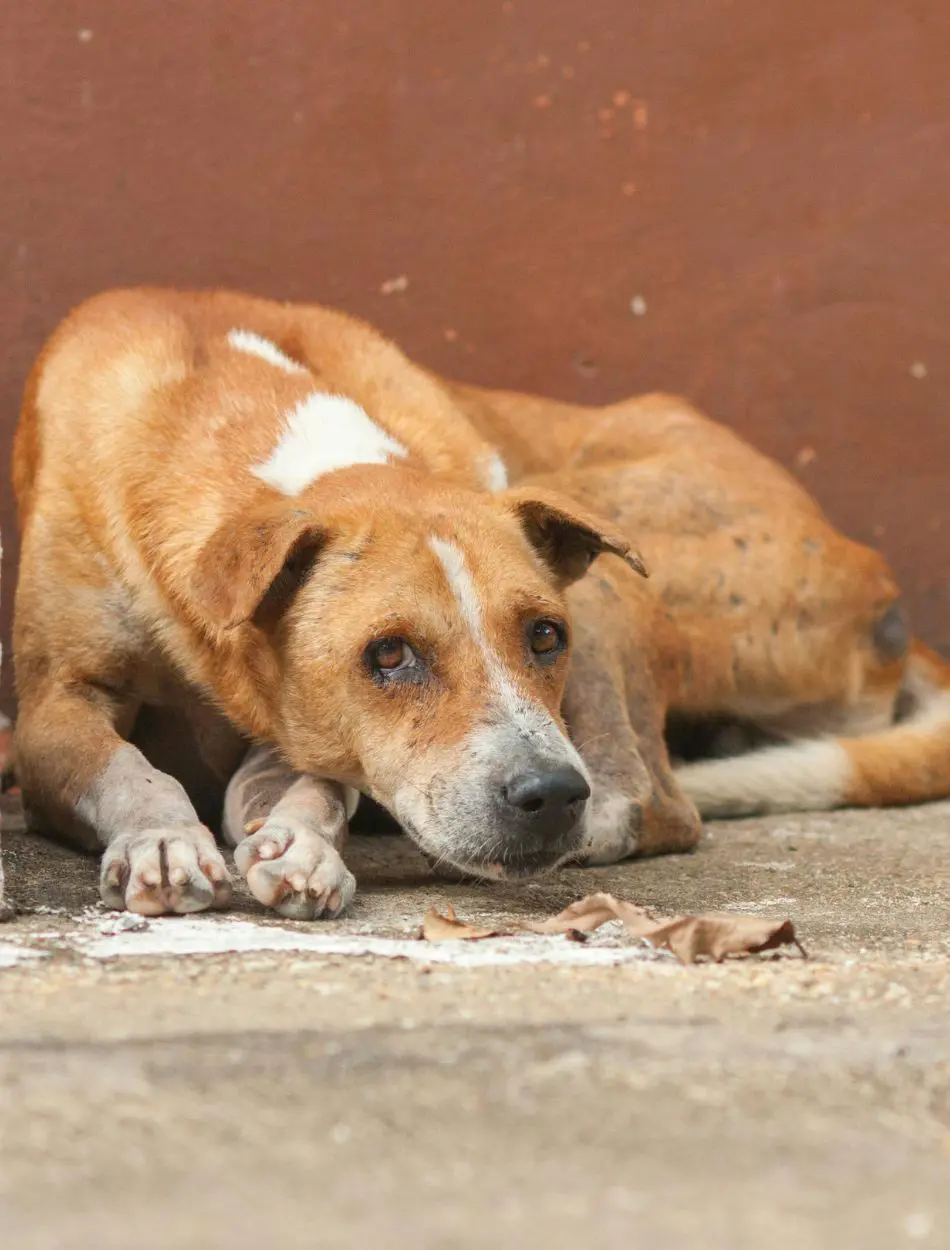
Infections can be major causes of the pale gums in a dog. They may even symbolize some serious health problem underlying it. If an infection takes hold, then certainly an associated inflammation can occur with activation of the immune system attached to it.
Some infections hurt red blood cells or bone marrow directly, be it bacterial, viral, or parasitic. Internal hemorrhaging involving blood clotting is another potential consequence of infection, which can cause the overall blood volume to be reduced, leading to pale gums. If your dog has developed pale gum, then a visit to a vet should not be delayed.
8. Blood Clotting Disorders
Pale gums in dogs can result from severe blood clotting disorders. Coagulopathies are blood clotting disorders in which the blood of a dog does not clot appropriately. In these dogs, there is a risk of both external and internal, leading to enormous blood loss. Pale gums are an indicative factor as they depict that the dog's body is not receiving sufficient oxygenated blood.
Clotting disorders can either be inherited or acquired. Inherited disorders are genetic in nature and manifest since birth. The acquired disorders may be due to averaging of other health problems, for example, liver disease, which impairs blood clotting ability by obstructing the production of clotting factors, and some toxin poisons like rat poison can also affect clotting ability.
9. Low Blood Sugar
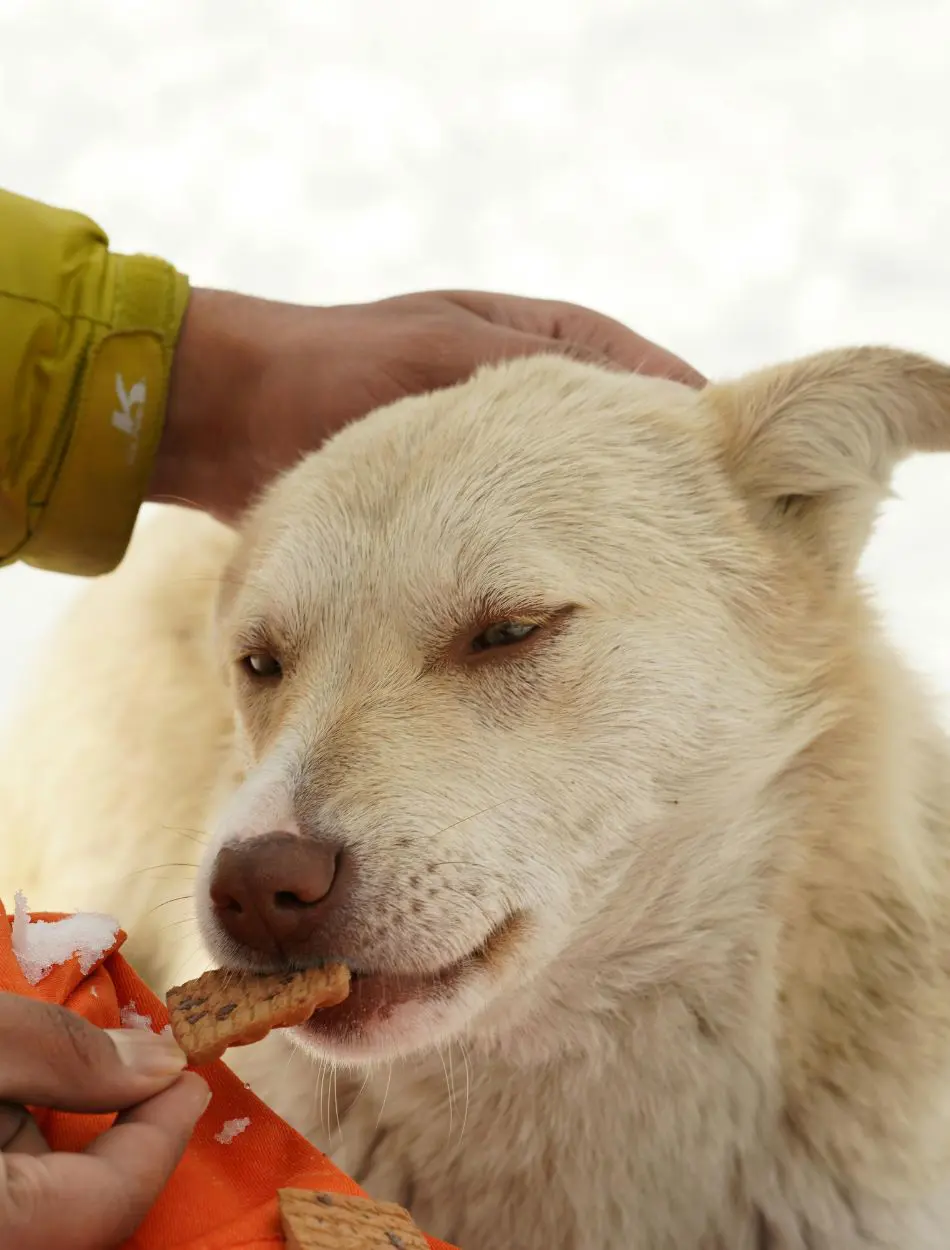
Another major reason for pale gums in canines is low blood sugar, which is quite a serious condition if not treated promptly. If the blood sugar level of a dog drops below the normal range, their body doesn't function properly, resulting in a range of symptoms like pale or white gums. This happens because the blood flows only to the main organs and decreases proper blood flow to the gums.
The development of hypoglycemia may be caused by many variables, including too much production of insulin, failure to take adequate food, too much exercise, or even underlying medical conditions. Small breeds and puppies are more prone to this because of their higher metabolic rates and smaller energy stores.
Besides white gums, other signs of hypoglycemia in dogs are weakness, shaking, and, worst of all, seizures. If you believe that your dog has hypoglycemia, then, upon identification of the symptoms, please provide a quickly absorbed source of sugar like honey or corn syrup then promptly seek veterinary care to avoid serious complications and be assured of your dog's well-being.
10. Autoimmune Diseases
On some rare occasions, a dog's immune system can sometimes start attacking its tissues and organs, which is an autoimmune disease. The causes of this disease are not fully understood but some researchers have concluded that it might be due to genetics and/or environmental pollutants. Exposure to UV rays is thought to be the triggering cause of this disease.
Diagnosis of the disease is difficult and often requires blood tests and other diagnostic tools to identify the condition and its impact on the dog. As this disease attacks and destroys attacks and destroys its red blood cells, it decreases the RBC count in the body and causes gums to look pale.
11. Heat Stroke
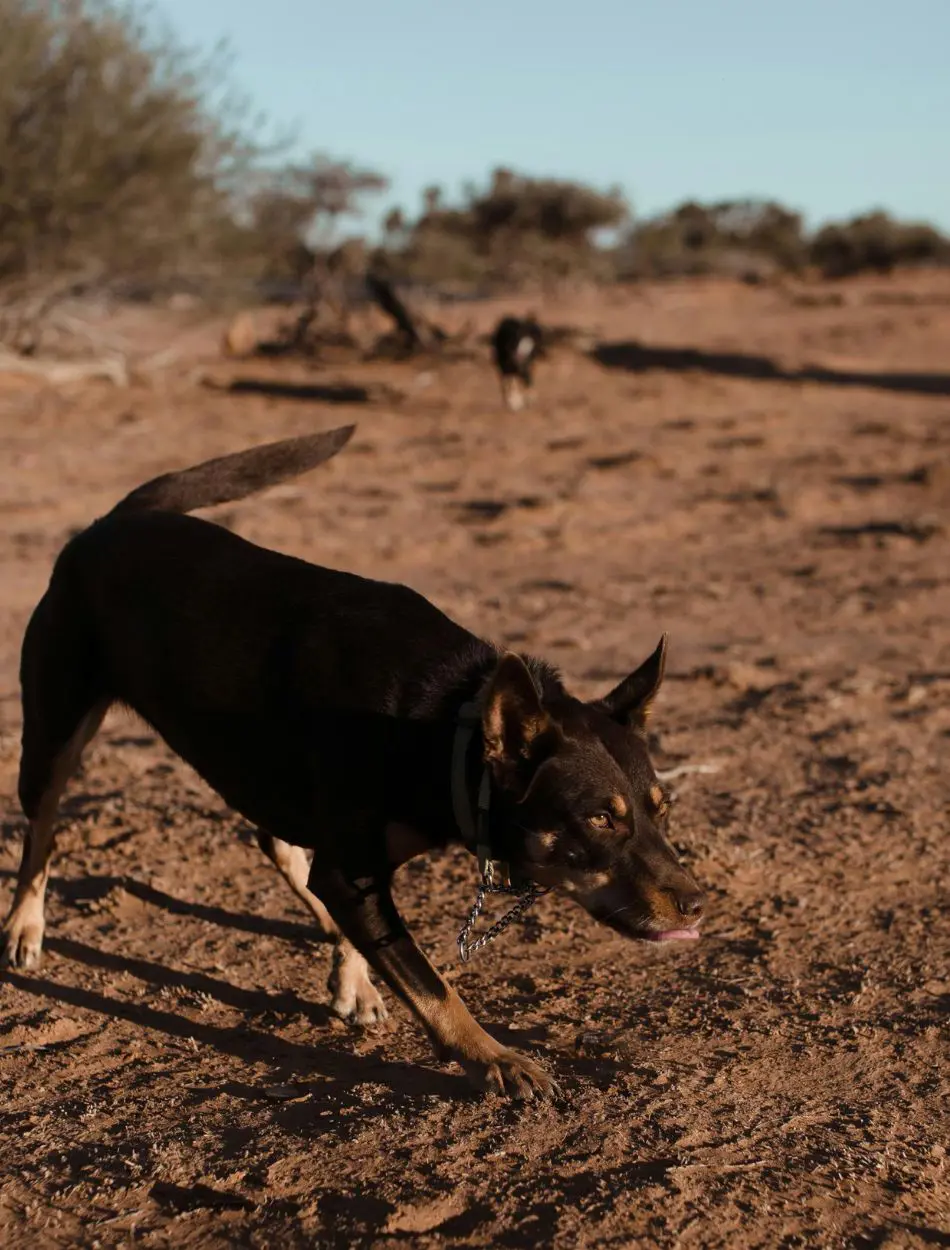
When a dog is exposed to extreme heat, its body temperature can rapidly rise crossing the safe limit. As the body struggles to cope with the rising heat it can lead to a drop in blood pressure causing reduced flow to vital organs. This reduction in blood flow can make gums appear pale or white.
Immediate action is required to cool down the dog. Cooling measures such as moving the dog to a shaded area, applying cool but not cold water, and offering small amounts of water can help stabilize the dog decreasing the danger.
12. Dehydration
Dehydration is one of the major causes of pale gums in dogs which provides you with a sign to seek immediate care. If your pet is experiencing dehydration, this means that the amount of their circulating blood has reduced, making gums appear pale or white instead of light pink in healthy ones.
Various conditions can lead to dehydration including very hot weather, long physical work, vomiting, diarrhea, and lack of water intake.
Apart from the pale gums, there will be some other signs, including lethargy and dry mouth, sunken eyes, and loss of skin elasticity. If you think your dog has dehydration it is safer to call a vet immediately. The veterinarian may use intravenous fluids to rehydrate the dog and treat the underlying causes of dehydration.
13. Gastro Intestinal Bleeding
Dogs can get sick with bleeding in their tummy which is pretty serious. This can make their gums look pale because they're losing healthy red blood cells. The bleeding inside can happen due to different intestinal diseases or if they eat something they shouldn't.
Sometimes the bleeding is slow and goes on for a while, but other times it can be quick and bad. When this happens, you can see a big drop in the number of red blood cells. This is why their gums look pale, which is easy to spot when you check them out. It's important to keep an eye on your dog's gums to make sure they're okay.
14. Severe Dental Disease
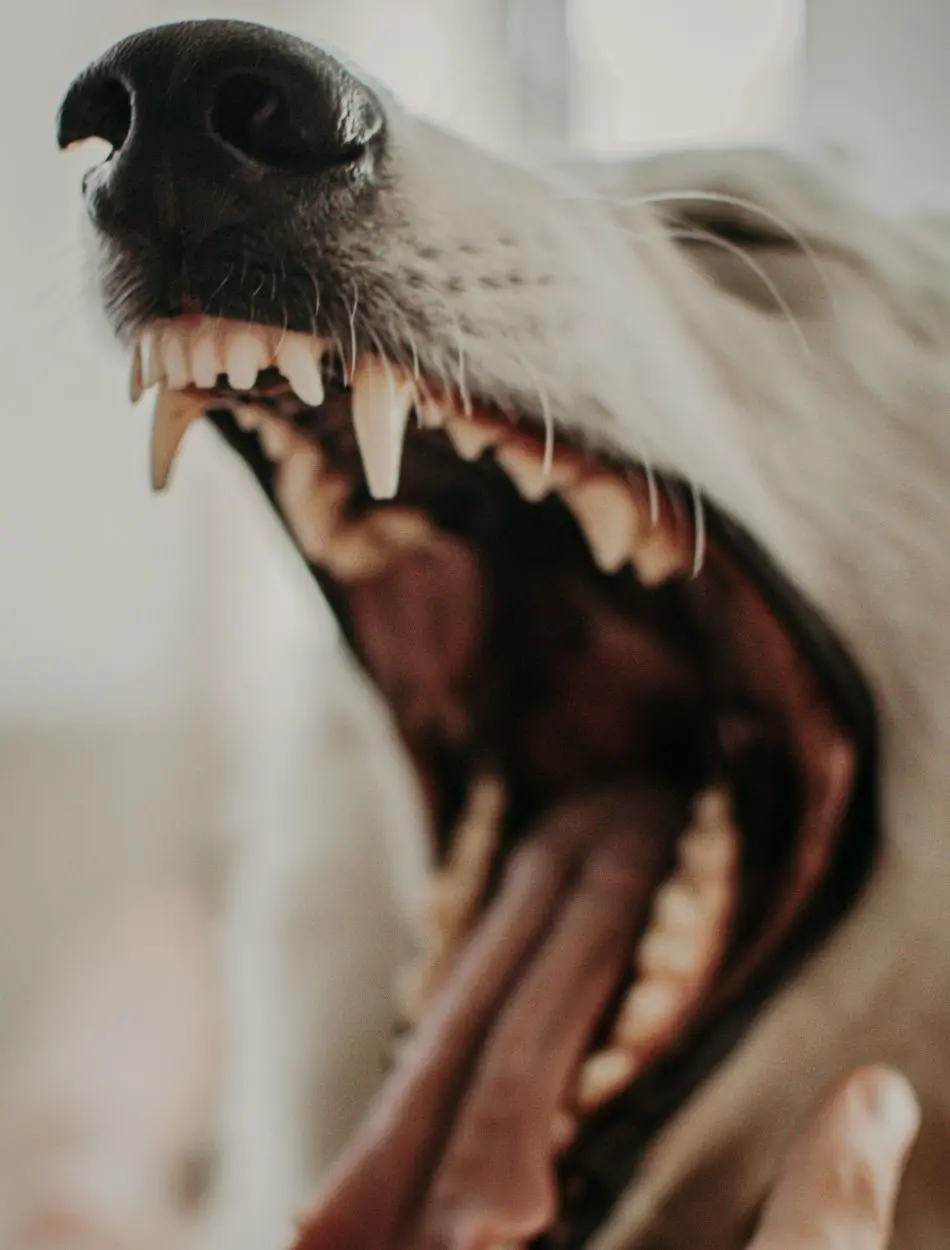
Severe dental diseases in dogs are characterized by pale gums and are, therefore, a sign that a dog has some health complications. This disease causes inflammation, infection, and bleeding of the gums. Over time, there is a significant loss of blood.
This may result in anemia, a medical condition where the dog's body lacks sufficient red blood cells to carry adequate oxygen to body tissues; hence, the pale color of the gums.
This process puts an additional load on the immunity of the animal and creates secondary symptoms such as weight loss, and a decrease in appetite. Regular dental check-ups complement good oral hygiene in preventing severe dental disease and promoting the general health of animals. If you have come across white gum in your dog and suspect dental problems, consult with a veterinarian immediately for inspection and timely treatment to safeguard the welfare of your dog.
15. Allergic Reactions
Allergic shock may quickly cause pale gum in dogs and become a serious health emergency. The following is the scenario where a dog gets exposed to an allergen, possibly one of several foods, medications, or insect stings that may trigger a sudden, exaggerated response to its immune system.
Such a response might involve excessive dilation of blood vessels, blood pressure drops, and poor blood flow to tissues, including blood supply to the gums. Due to that, your gums may lose their normal color, being pink, and turn pale or bluish-gray.
16. Heartworm Disease
Heartworm disease is a serious and potentially fatal condition that affects dogs worldwide. It is caused by a parasitic worm, which primarily resides in the heart, lungs, and blood vessels of affected animals.
The key is prevention, which involves taking monthly medicine that destroys heartworm larvae before they reach adulthood. Early detection and prevention of heartworm infection depends on routine veterinary examinations and screenings.
17. Bone Marrow Disease
Bone marrow disease can significantly impact a dog's health, particularly visible through pale gums. The condition disrupts the marrow's ability to produce essential blood components like red blood cells, crucial for oxygen transport.
As red blood cell levels drop, dogs may exhibit pale gums due to reduced hemoglobin, the pigment responsible for their normal pink hue. Symptoms can vary from weakness to increased heart rate, reflecting the body's struggle to compensate for decreased oxygenation.
Toxin Ingestion
Toxin ingestion will sound very serious for the dogs and will create pale gums among other symptoms. Since they are curious animals, a dog may ingest substances such as rat poison, certain plants like sago palms, human medications, and household chemicals that can turn out to be toxic.
These toxins interfere with the normal physiologic functions of the body which will turn pale gums from a lack of oxygen in the bloodstream. Other toxins can affect major organs like the liver or kidneys, which then develop secondary complications like anemia or organ failure.
If toxin ingestion is suspected, seek veterinary attention immediately. This also brings out the need for safe storage of substances that can be dangerous to health and keep them out of reach of pets.