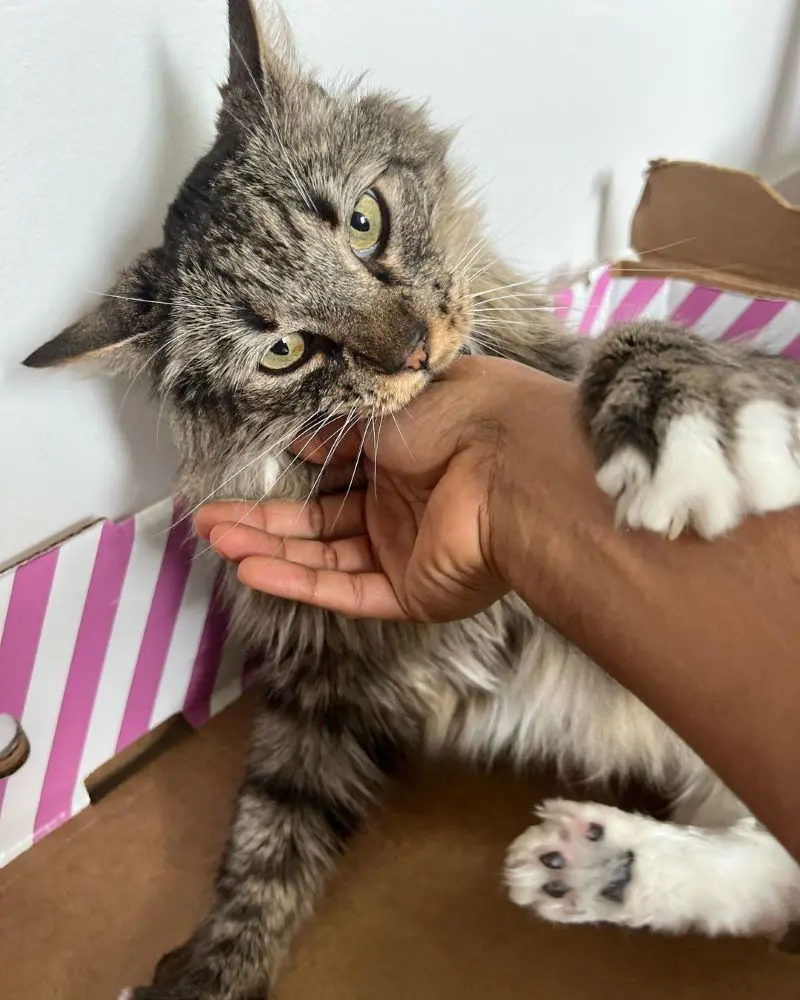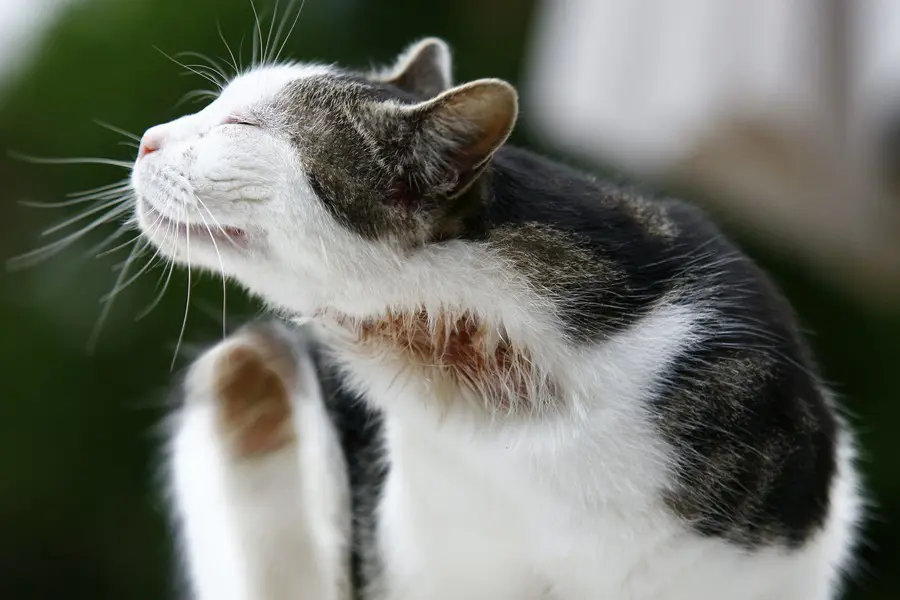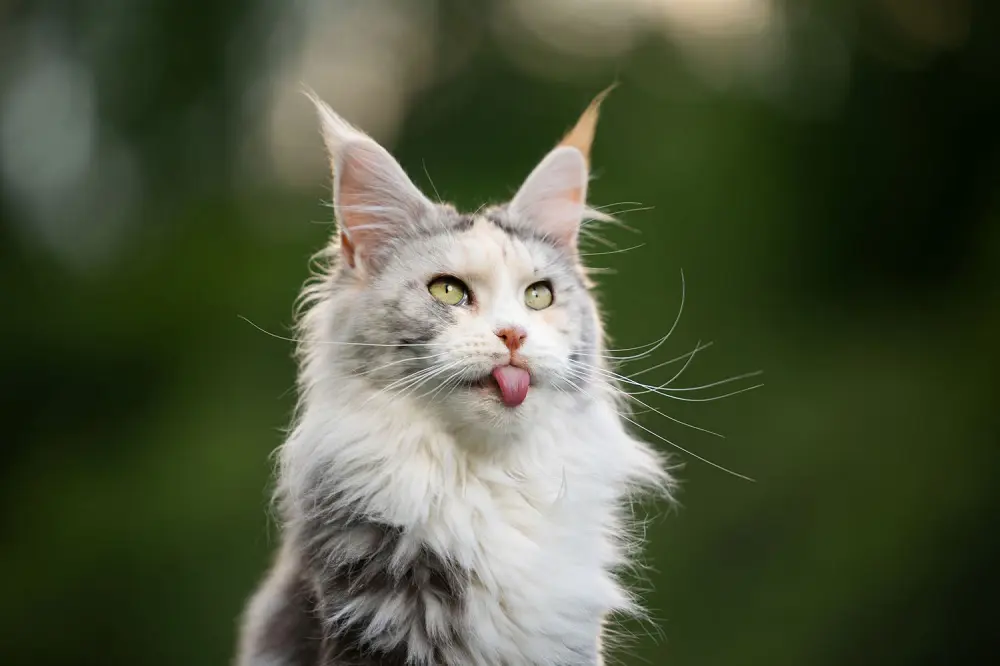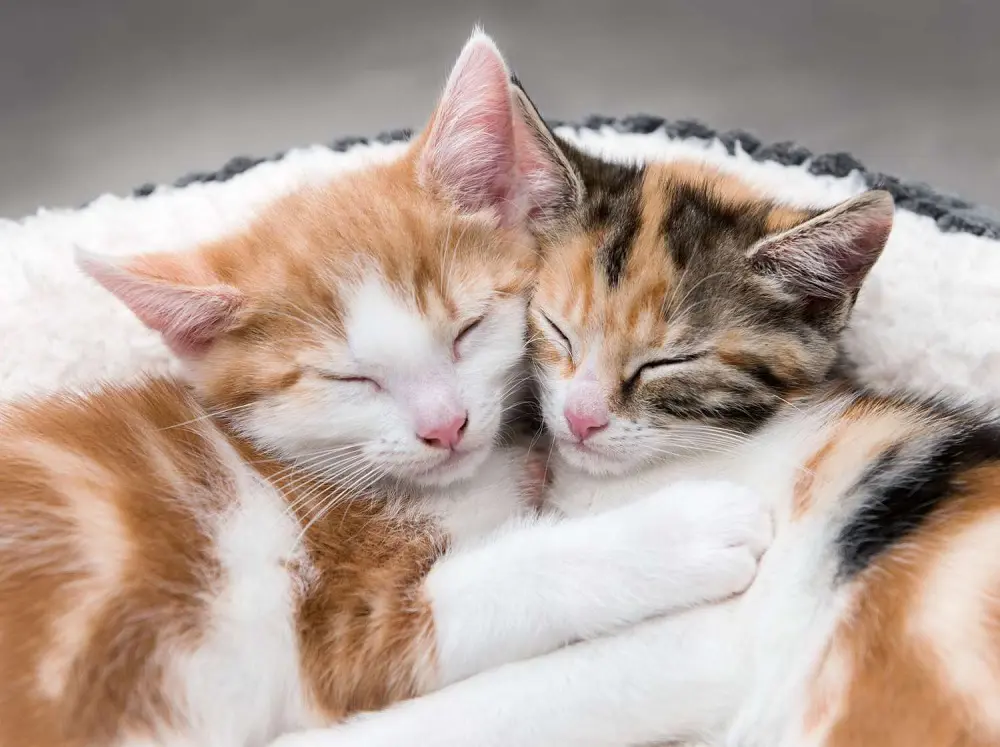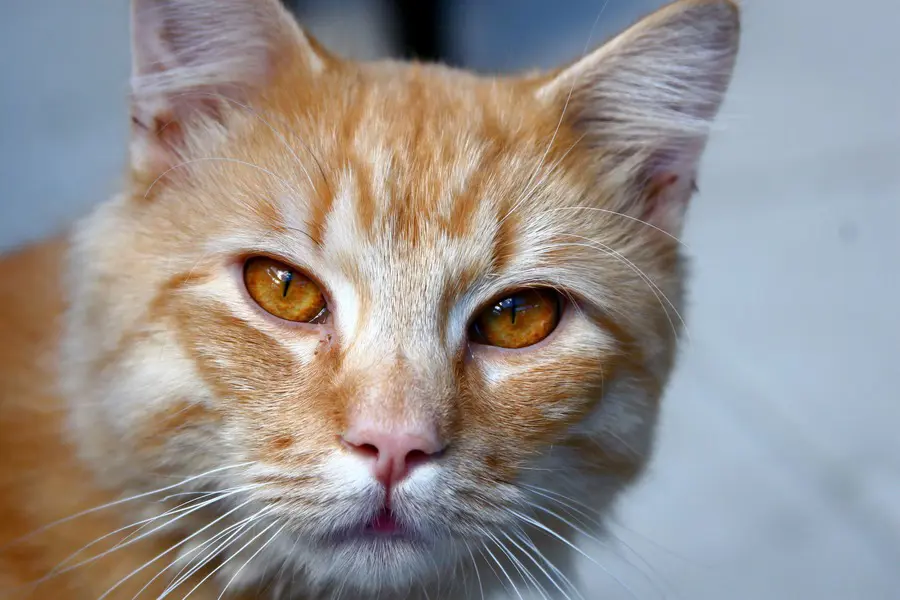


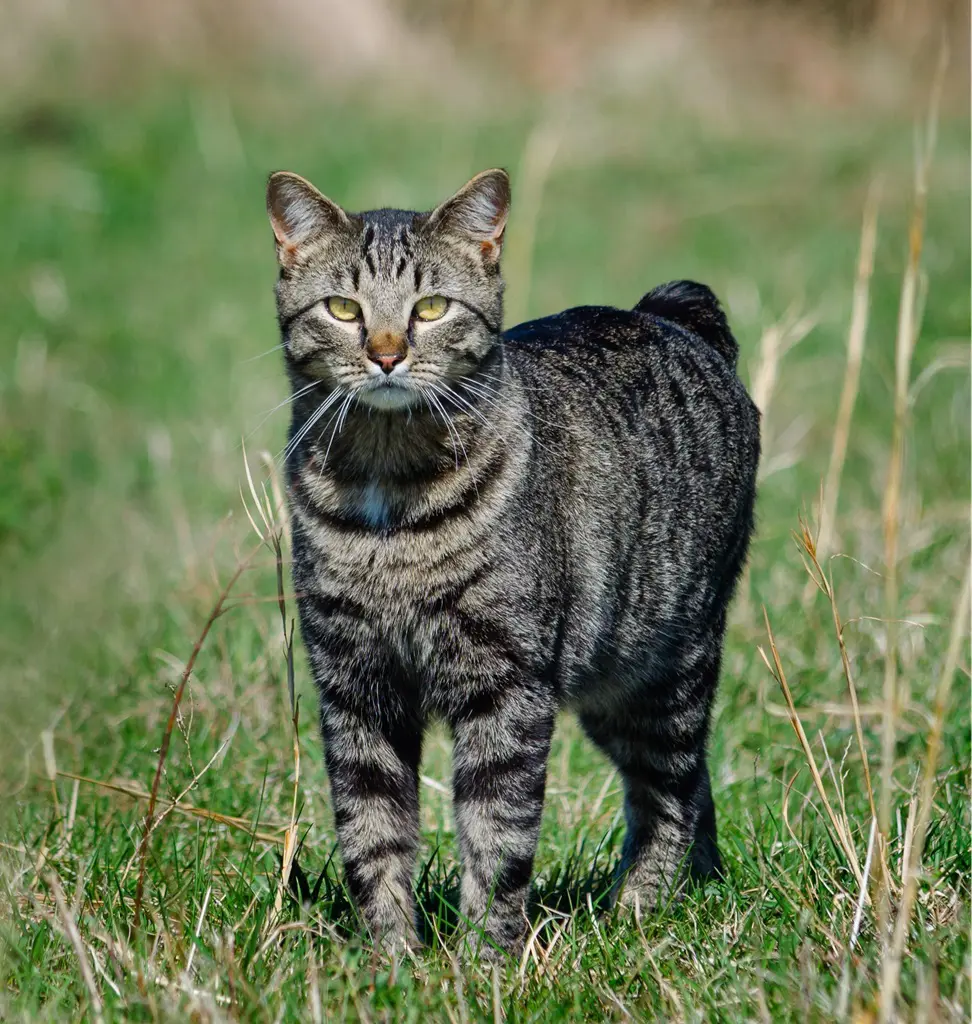
Manx Cats are one of the oldest cat breeds, with a history of hunting mice on the Isle of Man. They're known for being great hunters, but they're also popular as pets.
Let's explore some interesting facts about these Manx cats including their origin, characterstics, care and more.
1. Manx Cats Originated From Isle of Man
Manx cats' origin can be traced back to the Isle of Man, located in the Irish Sea. Meanwhile, the first documented references to the breed's taillessness date back to the early 18th century.
Theories abound regarding the origin of this breed. Some suggest a genetic mutation leading to the absence of tails, while others propose that the Manx cat is linked to the Norwegian Forest Cat. Regardless of the exact origins, the Isle of Man has been the historical home of these cats.
2. They Are Tailless Due To A Genetic Mutation
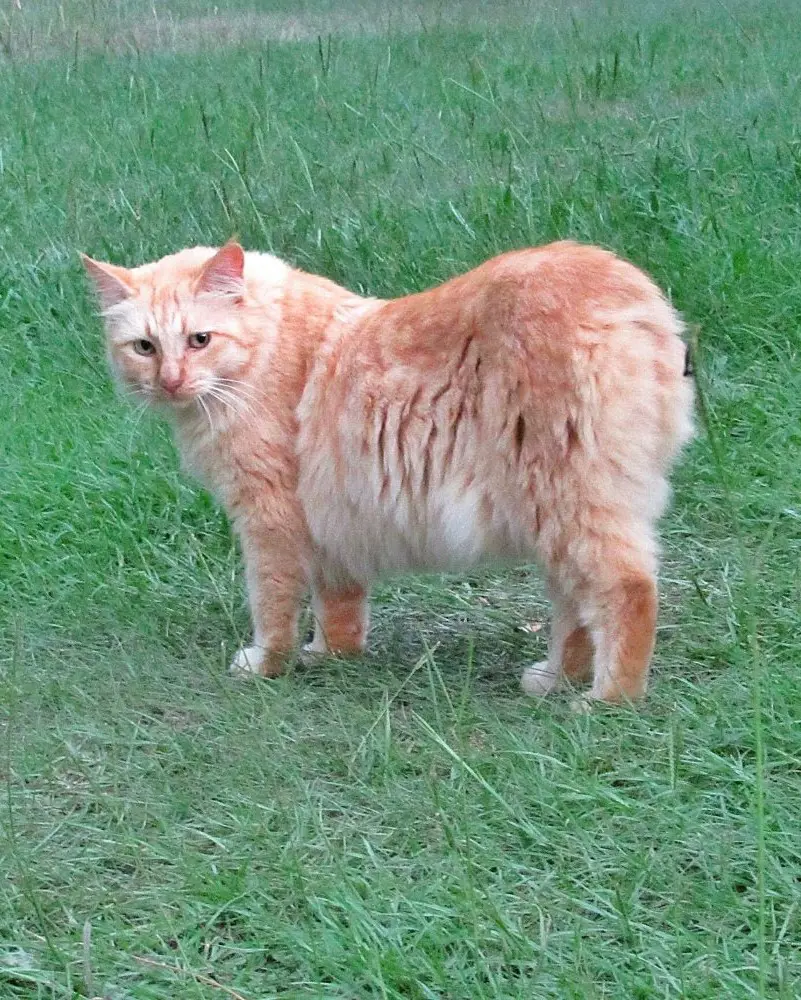
The Manx cat is known for its distinct appearance characterized by a unique taillessness or short tail. Some cats may have a small, stump-like tail, while others might have no tail at all.
The taillessness in Manx cats is attributed to a dominant genetic mutation affecting their vertebrae development. Specifically, the gene labeled "M" leads to the abnormal growth of the tail and sacral vertebrae, resulting in a shortened or absent tail.
3. These Cats Have Round Head And Compact Body
Manx cats possess a distinct appearance, characterized by a sturdy and compact body, round head, and large, expressive eyes. Their hind legs are notably longer than the front ones, creating a distinctive hopping gait.
Additionally, the breed's ears are often rounded at the tips giving a charming and alert expression. These cats are also known for their dense double coat and color patterns.
4. The Breed Comes In Both Short And Long Coat Varieties
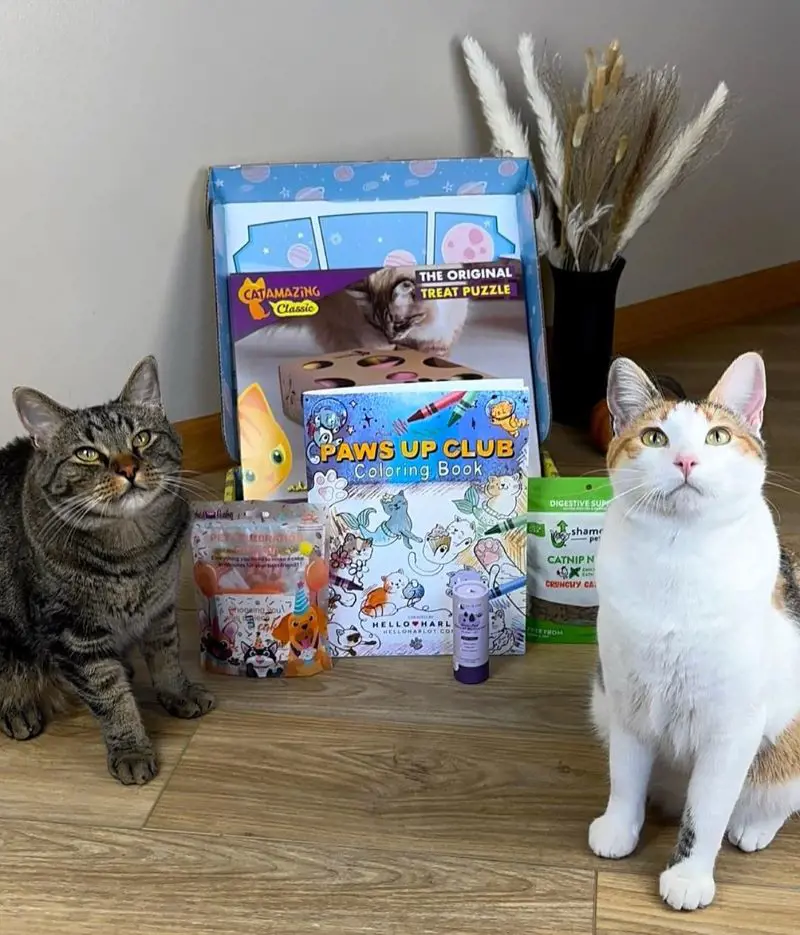
The Manx cat has a unique coat that can be either shorthaired or longhaired, with both varieties having a dense and plush texture. Despite variations in length, the coat is soft to the touch.
These felines display a wide range of coat colors, including solid shades like black, white, cream, and various tabby patterns. Their coat colors can be vibrant and diverse, contributing to the breed's aesthetic appeal. Likewise, the cat breed Manx also exhibits classic patterns such as stripes, spots, and patches.
5. The Breed Was First Recognized In 1908
The Manx cat was officially recognized as a breed by the Cat Fanciers' Association (CFA) in 1908. Meanwhile, the first picture featuring the breed was an 1810 painting.
Today, the Manx cat enjoys popularity worldwide due to its unique taillessness, short-haired coat, and charming personality. Their distinctive appearance and friendly nature have contributed to their widespread appeal among cat enthusiasts.
6. Manx Cats Boast A Friendly Personality
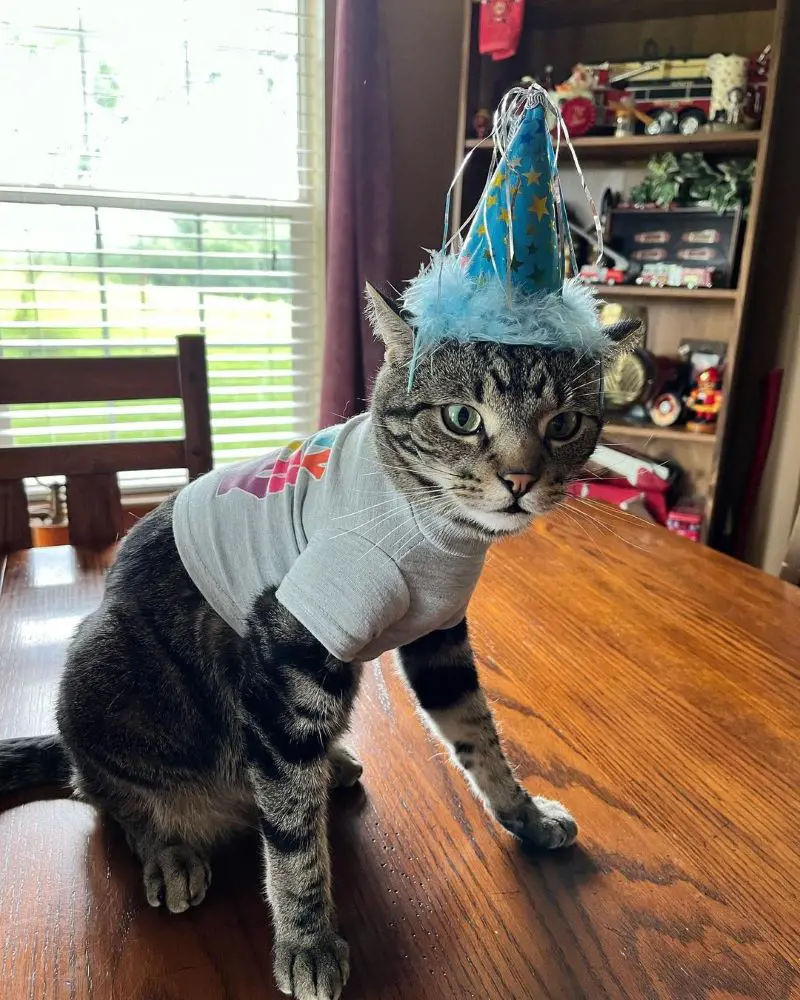
The Manx cat breed is often described as an affectionate, social, and, intelligent companion to humans. Despite their taillessness, these felines are agile, playful, and known to form strong bonds with their human family members.
Additionally, these cats are also extremely curious and enjoy exploring their surroundings. They are also recognized for their vocalization, often communicating with a soft and melodious trill or chirp. Overall, a Manx cat personality can be summarized as independent but friendly.
7. They Get Along Well With Children And Other Pets
The Manx house cat has an adaptable nature that makes it easy to make new friends. These cats are sociable and enjoy the company of both humans and other pets. Their adaptability helps in creating harmonious relationships with other animals.
At the same time, the playful nature of this breed aligns well with the energy levels of children, providing a source of entertainment and companionship.
Introducing a Manx cat to other pets and children with proper supervision and gradual introductions enhances the likelihood of positive relationships.
8. Manx Cats Have A Gestation Period Of Over Two Months
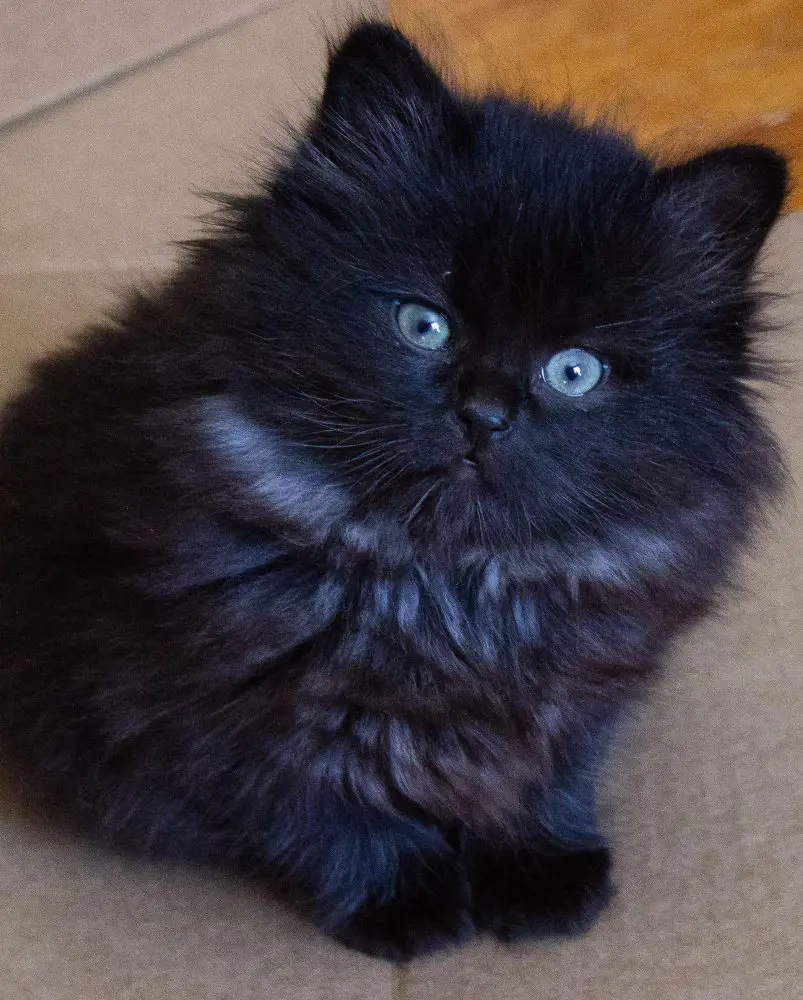
Cats from this breed normally have a pregnancy duration between 63 to 68 days. Manx breed cat is known for having small to medium-sized litter, with an average litter size of around 4 to 6 Manx kittens.
A newborn Manx kitty, like kittens of other breeds, is generally small and delicate. The size, height, and weight of these newborns can vary, but they typically weigh around 3 to 4 ounces (85 to 113 grams).
Moreover, their size is comparable to other domestic cat breeds, with rapid growth in the first few weeks of birth.
9. They Are Generally Trainable
Manx is an intelligent and sociable cat breed that responds well to positive reinforcement. These cats can learn tricks or adapt to certain behaviors; however, individual temperament may vary.
At the same time, Manx cats have also regularly participated in cat shows since the world's first cat shows in Great Britain. The frequency of their appearance in cat shows varies, with some Manx cats being actively shown, particularly those with distinctive qualities conforming to breed standards.
10. They Need Regular Physical Exercise
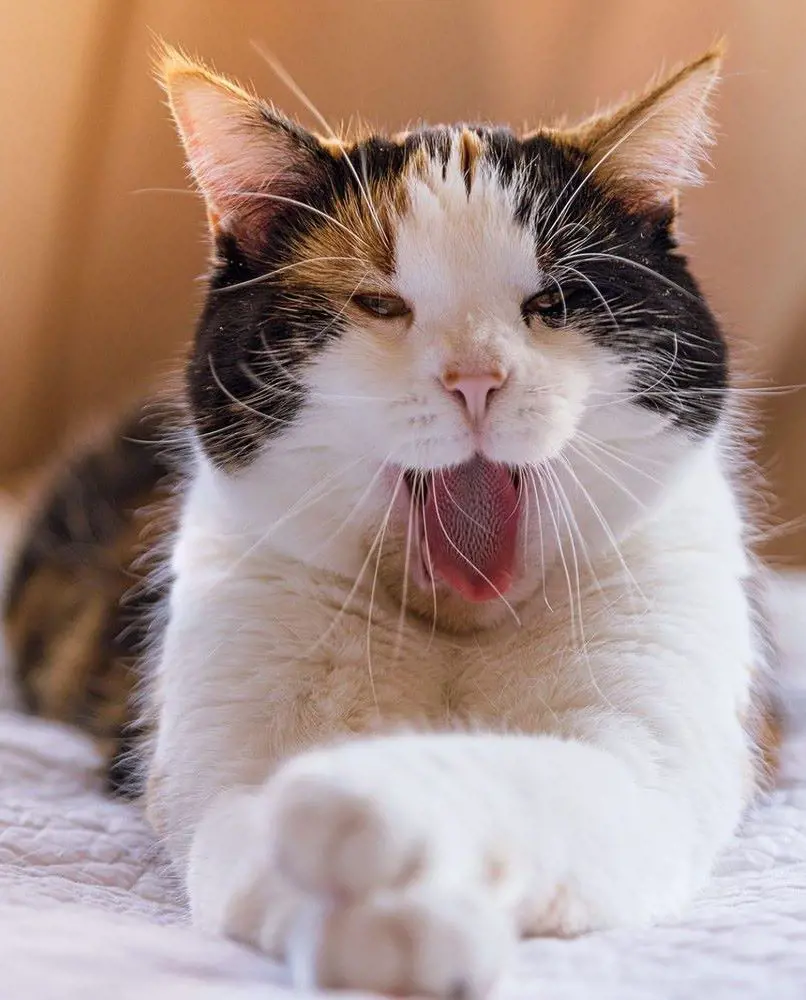
Manx cats have specific exercise needs to maintain their well-being. Regular physical activity is crucial for preventing boredom and supporting their overall health. They also require daily exercise to keep them mentally stimulated and physically fit.
Engaging in interactive play sessions is an effective way to fulfill their exercise requirements. Games that involve chasing, jumping, and climbing are particularly beneficial for this breed. Cat owners must allocate time to pay and interact with their pets, at least an hour a day.
11. They Don't Produce A Meow Sound
Manx cats normally produce chirping sounds, a unique vocalization that sets them apart from traditional meowing. This behavior is attributed to the breed's distinct genetic characteristics.
The chirping sound in Manx cats is thought to be a result of their genetic makeup, contributing to variations in vocalization patterns.
Unlike typical meows, these chirps can convey contentment, excitement, or curiosity. Additionally, these felines may exhibit this behavior more frequently when observing birds or during moments of heightened focus.
12. Manx Cats Are Prone To Manx Syndrome And Other Health Conditions
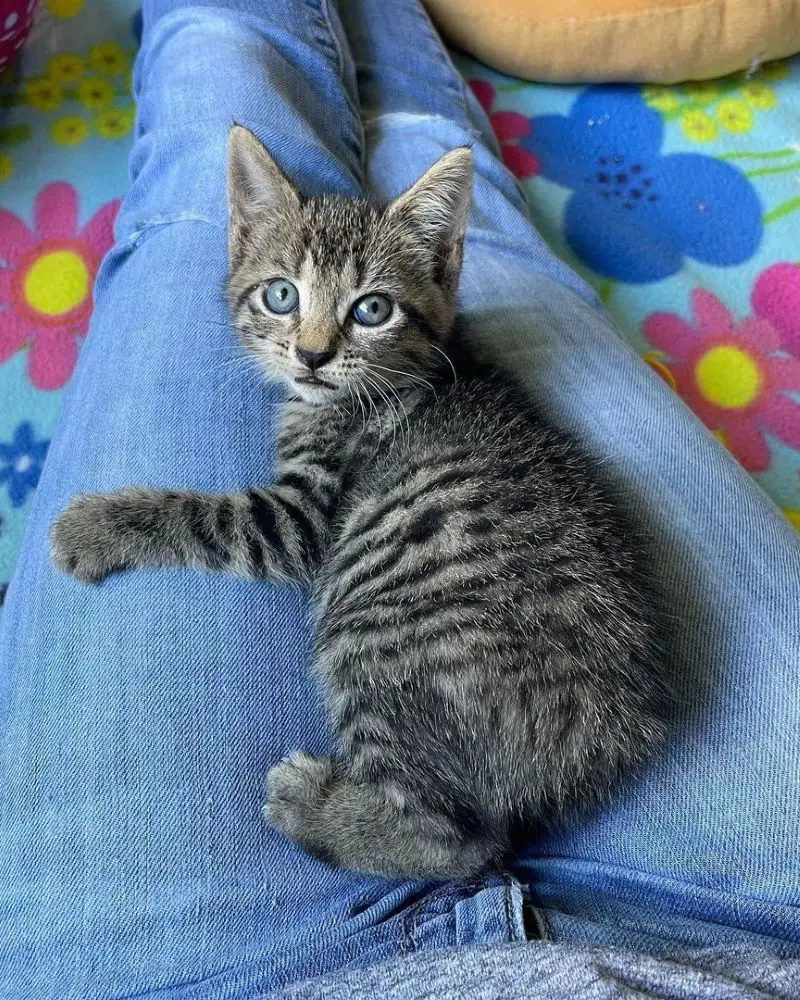
Manx Syndrome, a congenital condition resulting from genetic mutation, is a health issue common in this breed. This syndrome can lead to spinal and neurological abnormalities, causing mobility issues and potential incontinence.
Additionally, the most common developmental problem seen in Manx cats is spina bifida. This condition arises when the neural tube, which forms the spinal cord, does not close properly during embryonic development.
Apart from congenital issues, these felines may also be prone to certain common feline health problems like constipation, fecal incontinence, urinary tract infections, and lack of feeling in the tail region.
13. They Need Veterinary Care Once A Year
It is recommended to take your Manx cat to the vet at least once a year for a routine check-up. During these visits, the vet can assess the overall health of your cat, monitor for any signs of potential issues, and provide vaccinations as needed.
Like other cats, this breed should receive core vaccines such as feline panleukopenia, feline herpesvirus, feline calicivirus, and rabies. The shots typically start in a series every 3 to 4 weeks, especially during the kitten stage. Meanwhile, adult cats may require vaccinations less frequently, usually annually or every three years.
14. They Require A Balanced And Nutritionally Complete Diet

Manx cats' foods typically include balanced and nutritionally complete cat food. While there are various types of cat food available, such as wet, semi-moist, and dry, choosing a high-quality cat food that meets specific nutritional needs is essential.
The diet should contain essential nutrients like taurine and Omega-3 fatty acids, which contribute to overall health and support the maintenance of the Manx cat's distinctive coat. Feeding a premium kitten food up until 12 months of age is recommended for Manx kittens.