


The Labradoodle is a hybrid dog breed created by crossing a Labrador Retriever with a Poodle. The breed was originally developed in Australia in the 1980s to create a hypoallergenic service dog.
Labradoodles are known for their playful and affectionate nature, making them great family pets. They are also highly trainable and excel in obedience and agility training.
Whether it's city apartments or suburban homes, these versatile and loving breeds thrive in any environment.
Labradoodle Cross Breed Overview
| Characteristic | Description |
| Height (at shoulder) | Miniature: 14-16 inches (36-41 cm) Medium: 17-20 inches (43-51 cm) Standard: 21-24 inches (53-61 cm) |
| Weight | Miniature: 15-25 pounds (7-11 kg) Medium: 30-45 pounds (14-20 kg) Standard: 50-65 pounds (23-29 kg) |
| Origin | Australia |
| Colors | Varies widely; can be black, brown, cream, gold, or a combination |
| Coat | Wavy or curly, can be fleece, wool, or hair-like, and may be hypoallergenic |
| Life expectancy | 10-15 years (average) |
| Temperament | Friendly, sociable, intelligent, trainable |
| Activity level | Moderate to high; requires regular exercise and mental stimulation |
| Health concerns | Hip dysplasia, ear infections, eye problems, and other genetic health issues common to Poodles and Labrador Retrievers |
Physical Characteristics and Appearance
Labradoodles come in a delightful variety of appearances but share some common features. Their most striking characteristic is their coat, which can be straight, wavy, or tightly curled "wool" coats, often low-shedding or hypoallergenic.
Colors are diverse, encompassing chocolate, cream, black, and apricot. Their friendly eyes and playful demeanor complete the picture of a charming, teddy-bear-like companion.
They are built athletic, with floppy ears and expressive eyes adding to their charm. Some may include distinctive markings like parti-colors or brindles.
Temperament Of Labradoodle
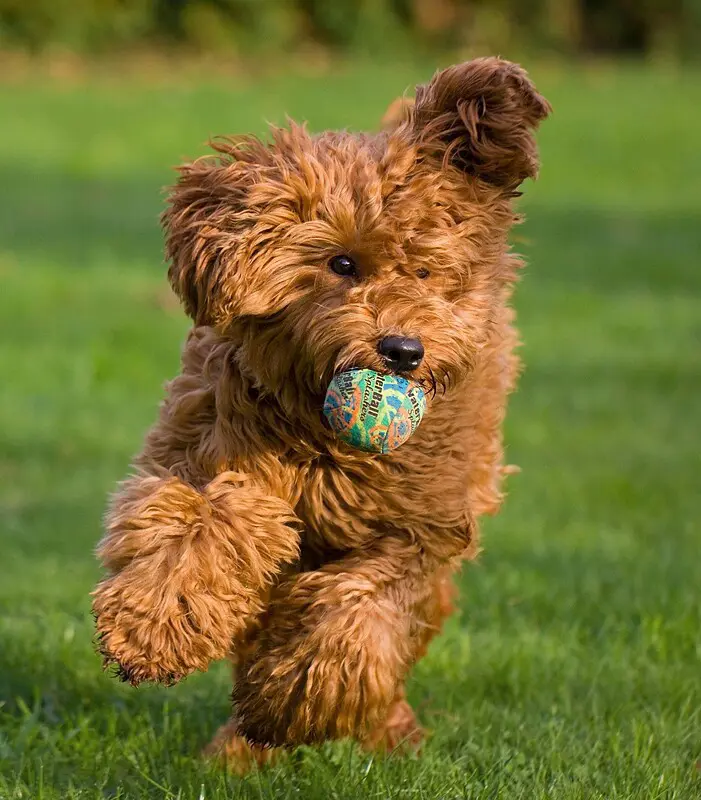
Labradoodles are renowned for their sunshine-bright personalities, inheriting the best traits from both parent breeds:
Friendly and Outgoing: These pets thrive on human interaction. Their social nature makes them excellent companions for children and adults alike.
Intelligent and Eager to Please: Their sharp minds make them highly trainable, and eager to learn new tricks and commands. This intelligence also translates to problem-solving skills, keeping them mentally stimulated.
Energetic and Playful: Labradoodles possess boundless energy and a playful spirit.
Gentle and Loyal: They form strong bonds with their owners and demonstrate unwavering loyalty.
Potential Challenges:
Labradoodles can be prone to vocalization and bark when bored or anxious. Early training and addressing the underlying cause are essential.
Their strong attachment to their owners can lead to separation anxiety if left alone for extended periods.
Labradoodle Dietary Requirements
A healthy balanced diet for Labradoodle caters to their energetic nature and size. The choice of diet and food varies with the age, activity level, and sensitivity of your pet.
High-quality protein: chicken, fish, or lamb
Healthy fats: fish oil, flaxseed, or olive oil
Complex carbohydrates: whole grains like brown rice or sweet potatoes
Vitamins and minerals: egg yolks, dairy products, liver, beef, and cottage cheese
Raw food, Home-cooked meals, and High-quality kibble will work for dogs but your puppy should have specific puppy formula.
Portion sizes should be adjusted based on their energy level because over-feeding can lead to obesity. Also, monitor if they have any allergies and need a hypoallergenic diet.
Grooming Requirements
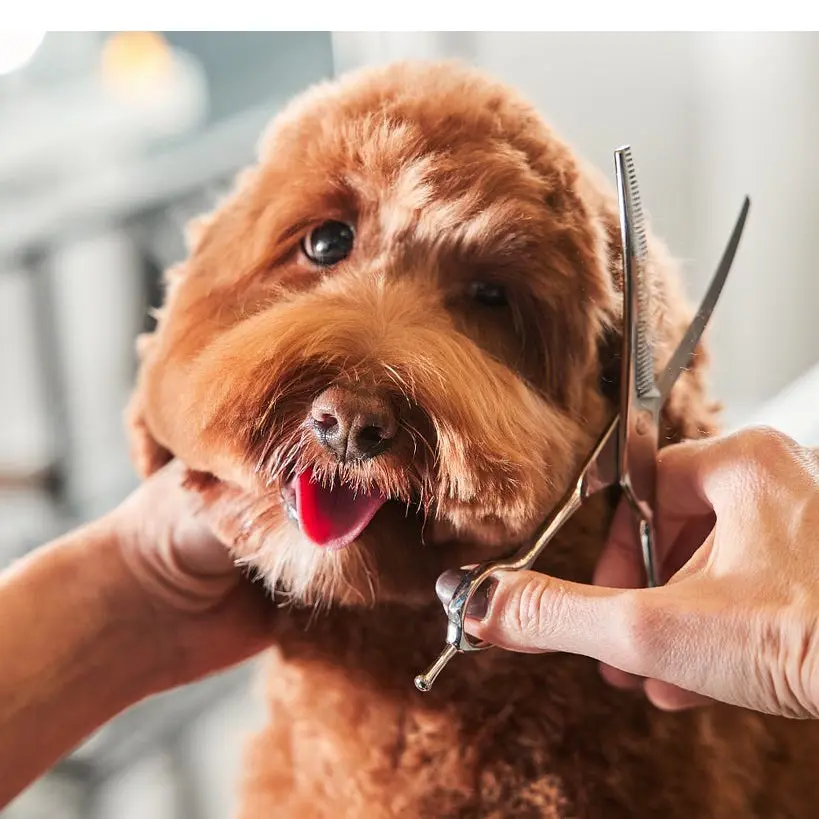
Renowned for their diverse coat types, these breeds require consistent grooming. It starts with daily brushing, especially for curly-coated varieties, to prevent matting and maintain a healthy coat.
You can use a slicker brush and a metal comb to reach the undercoat and remove tangles. Do not forget the hair on the chest, armpits, and behind the ears.
Bathe your Labradoodle every 6-8 weeks or as needed with a gentle dog shampoo and conditioner. Over-bathing can lead to dry skin. Drying the skin after a bath prevents hair matting.
Regular trimming keeps the coat manageable and prevents dirt and debris from accumulating. Face, paws, and sanitary areas need trimming every 4-6 weeks.
Nails should be trimmed every 2-4 weeks to prevent discomfort and potential injuries. Ears also need regular cleaning to prevent infections.
Potential Health Issues
Labradoodles are usually healthy dogs but they can be susceptible to certain health issues due to their mixed heritage.
- Hip and Elbow Dysplasia: These are common concerns in Labradors and Poodles, affecting the hip and elbow joints. They can cause pain, lameness, and arthritis in the long run.
- Patellar Luxation: This condition involves the kneecap slipping out of place, leading to pain and an abnormal gait.
- Progressive Retinal Atrophy (PRA): This degenerative disease causes gradual vision loss and eventually leads to blindness.
- Cataracts: Clouding of the lens within the eye, causing vision impairment.
- Addison's Disease: This hormonal imbalance affects the adrenal glands, leading to weakness, lethargy, and digestive problems.
- Ear Infections: Floppy ears and certain coat types can make Labradoodles prone to ear infections.
- Allergies: While sometimes touted as hypoallergenic, Labradoodles can still develop allergies to food or environmental factors.
Early detection is crucial for managing the condition. Regular veterinary checkups are essential for monitoring your dog's health.
Are Labradoodle good pets?
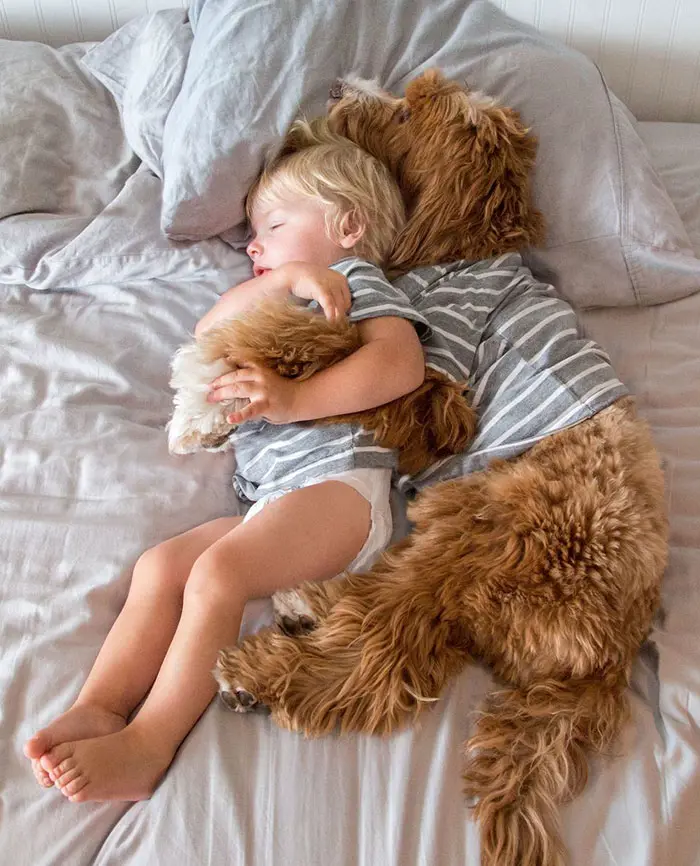
Labradoodles can be ideal pets because their playful, friendly personalities make them wonderful companions for children and adults alike. They're intelligent and relatively easy to train.
However, their high energy levels require daily exercise and mental stimulation to prevent boredom. Regular grooming is necessary for their diverse coat types.
How To Train?
Labradoodles love positive reinforcement training. Start early with basic commands like "sit," "stay," and "come."
Short, consistent commands are easy to retrieve. When you give them treats and praise for desired behavior, they tend to be more attentive. Keep sessions short and fun, gradually increasing complexity.
Enrolling them in puppy classes can help with socialization and guidance.
Overall, Labradoodles thrive in loving, active homes where they can receive plenty of attention and exercise.