

 Tank Setup 2) Water Conditions 3) Healthy Diet 4) Behavior Monitoring and more.)
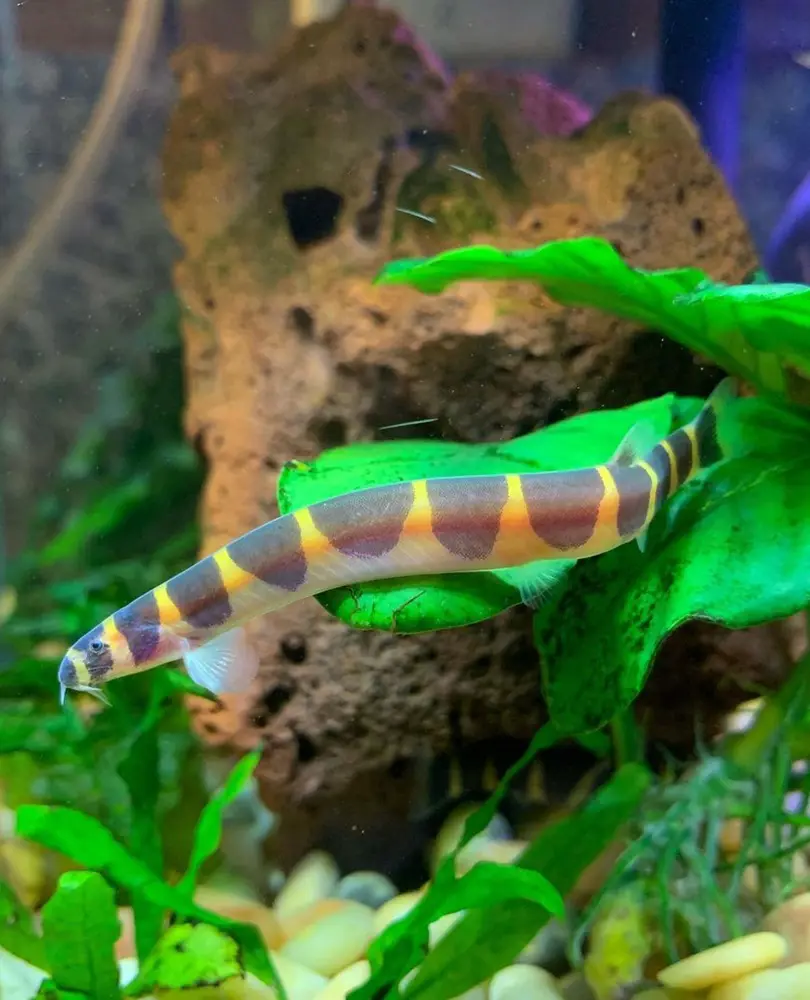
Kuhli loaches, with their eel-like bodies, add a distinct charm to any tank they inhabit. These shy, nocturnal fish are known for their fascinating burrowing and scavenging activities. Watching them weave through plants and hide among decorations provides a sense of life and movement in the aquarium, even during quieter times.
Additionally, their low-care needs make them the perfect choice for both beginners and experienced aquarists. With little care, you can create a flourishing community of marine life in your home for your kuhli loach and its tank mates.
Favorable Tank Setup
The tank is the space where kuhli loaches live and grow. The tank conditions should be perfect for the kuhli population's survival.
Follow these guidelines to create the ideal growing conditions for your pet fish:
Tank Size
A 20-gallon tank is the minimum size recommended for a small group of kuhli loaches. This size provides sufficient space for them to swim, burrow, and establish territories. If you plan to house them with other compatible fish, consider a larger tank, such as 30 gallons or more.
A spacious tank reduces competition for space and resources, minimizes stress, and promotes a healthy social dynamic among the fish.
Substrate
The substrate should be soft and fine, such as sand or smooth gravel. This is to protect their delicate barbels and allow them to exhibit natural burrowing behavior. Sand is often preferred because it is gentle on their skin and offers a more realistic and comfortable environment for their digging and hiding activities.
A substrate depth of at least 2-3 inches is recommended, providing sufficient material for them to explore and feel secure.
Aquarium Decor
A lively aquarium is essential for creating a stimulating and safe environment for kuhli loaches. These fish love to hide and explore, so providing a variety of hiding places is important.
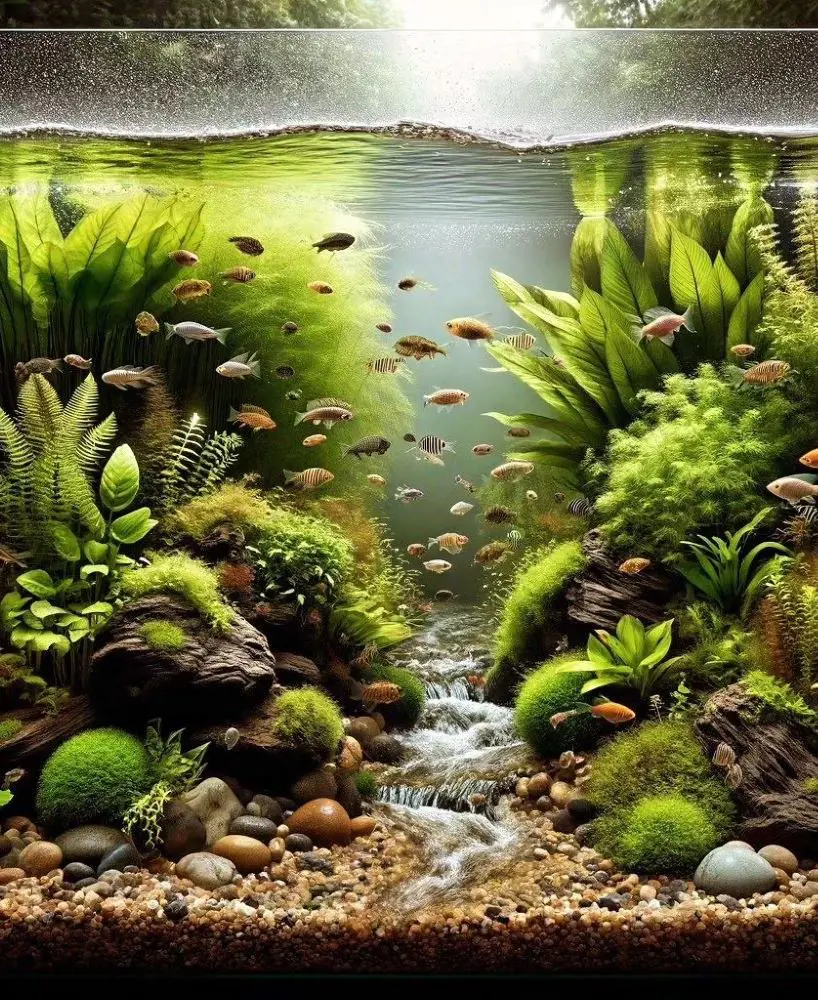
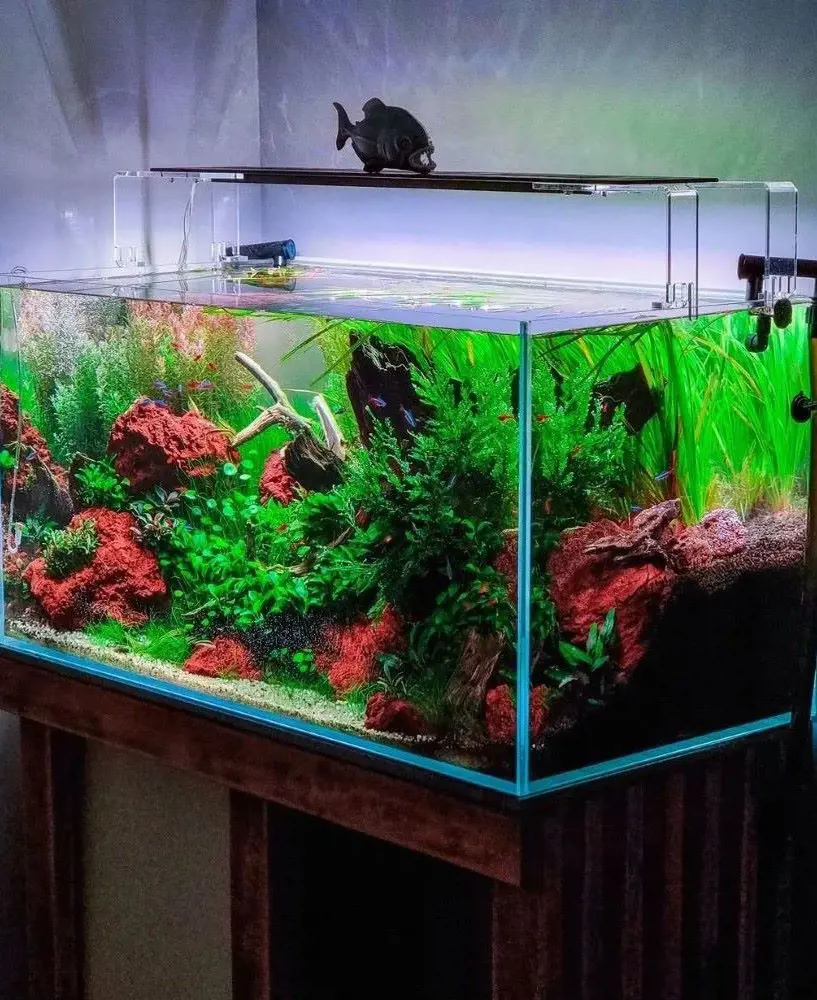
Use driftwood, caves, rocks, and dense vegetation to create a natural and enriching habitat. Live plants like Java fern, Anubias, and Amazon swords are excellent choices because they offer cover and improve water quality.
The decor should be arranged to provide plenty of cover while leaving open spaces for the loaches to swim. Ensure that all decor items have smooth surfaces and no sharp edges to prevent injuries.
Kuhli Population
Kuhli loaches are social creatures that thrive in groups. Keep them in groups of at least 5-6 individuals to mimic their natural social structure and reduce stress.
In a group, kuhli loaches are more active and display interesting social behaviors, such as foraging together and exploring their environment. A larger population also helps distribute any aggression or dominance behaviors among the fish.
Lighting
These loaches are primarily nocturnal and more active in low-light conditions. Dim lighting helps replicate their natural habitat and encourages them to be more visible and active during the day.
Floating plants can be used to diffuse light and create shaded areas, where the loaches can feel safe and secure. In addition to benefiting the kuhli loaches, appropriate lighting also supports the growth of live plants. Adjustable lighting systems can be used to create a gentle day-night cycle.
Ideal Water Conditions
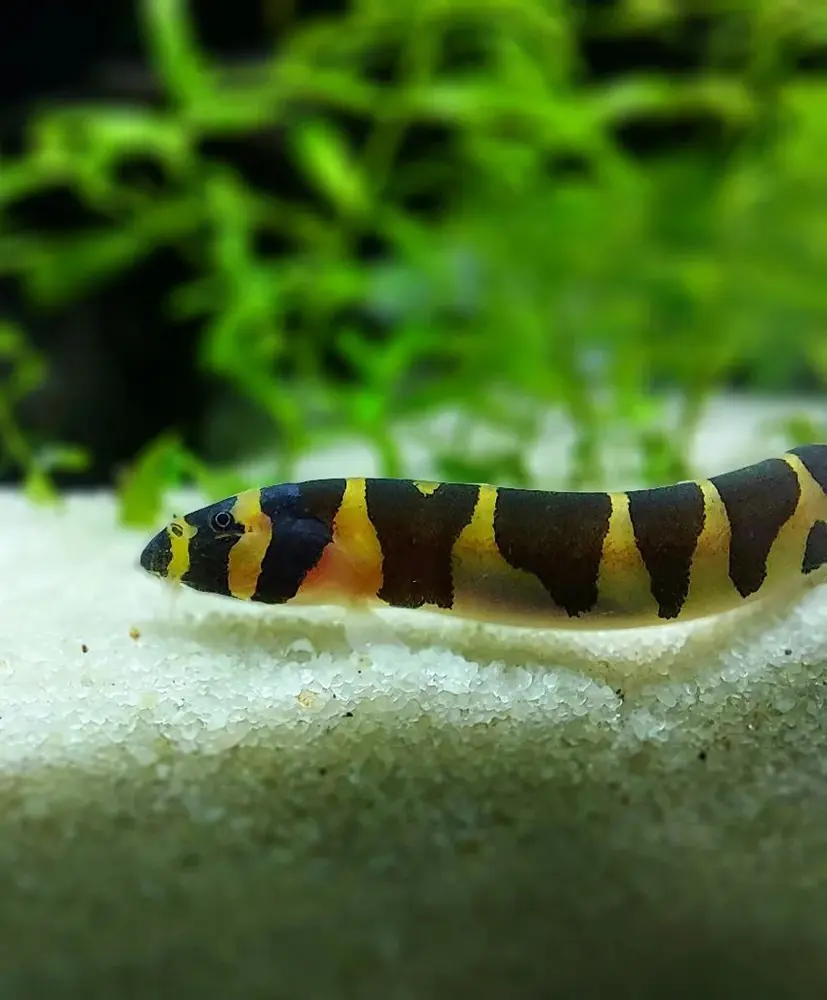
Provide Kuhli loaches specific water conditions that closely mimic their natural habitat in Southeast Asian slow-moving streams and rivers. The ideal water temperature for kuhli loaches ranges from 75 to 86°F (24 to 30°C). Maintaining a stable temperature within this range is essential for their metabolism and overall health. They are sensitive to rapid changes, so consistent temperature monitoring is crucial.
Water pH is another critical factor for kuhli loaches. They prefer slightly acidic to neutral water, with a pH range of 5.5 to 7.0. Soft to moderately hard water, ideally between 0 to 10 dGH, is optimal for their well-being.
Additionally, proper water filtration is vital for clear, clean water, as these fish are sensitive to pollutants and toxins. Using a gentle filtration system that doesn’t create strong currents is recommended. Regular water changes, about 20-30% weekly, help maintain stable water parameters, providing a healthy and stress-free environment for kuhli loaches to thrive.
Healthy Diet
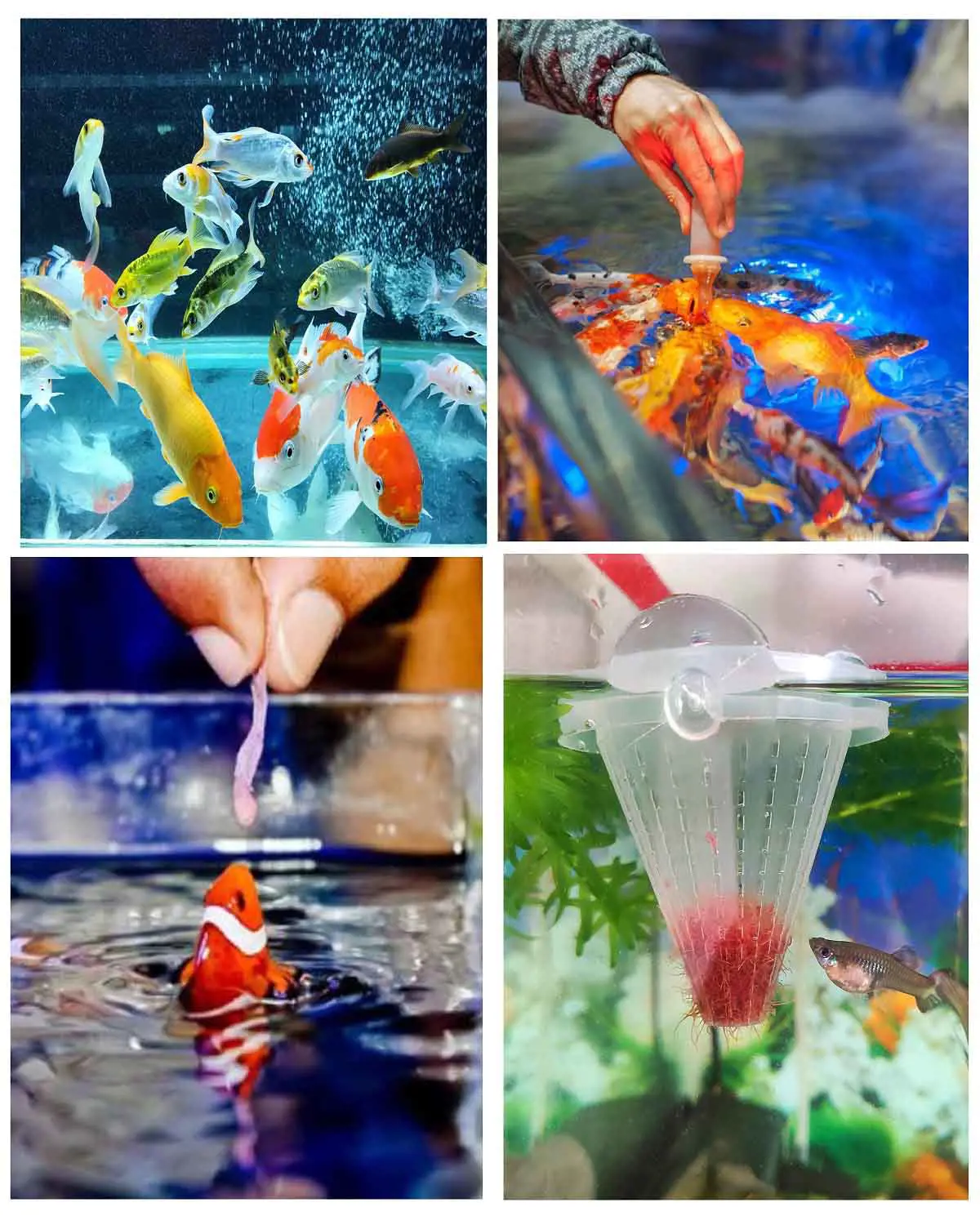
A standard kuhli loach diet primarily consists of protein-rich foods, including bloodworms, daphnia, and brine shrimp. They also love feeding on high-quality flake or pellet food specifically formulated for bottom feeders.
Supplementing their diet with sinking wafers and algae wafers is beneficial, as these will reach the tank's bottom where kuhli loaches typically feed. Feeding them once or twice a day is generally sufficient.
Aim to provide them with a small amount of food that they can consume within 2-3 minutes during each feeding session to prevent overfeeding and maintain water quality. Because kuhli loaches are nocturnal, it's a good idea to feed them just before turning off the aquarium lights.
Monitor Behavioral Changes
Kuhli loaches are peaceful and shy by nature, often preferring to hide in the substrate or among aquarium decorations during the day. They are nocturnal, becoming more active at night when they forage for food.
Typically, they enjoy burrowing and will often dig into the substrate or squeeze into tight spaces. They are social creatures and thrive when kept in groups of at least five or more, where they display playful interactions and group swimming behaviors.
Behavioral changes in kuhli loaches can signal stress or illness. If they are constantly hiding and do not come out during feeding times, it may indicate stress due to poor water conditions or incompatible tank mates. Similarly, rapid breathing, erratic swimming, or loss of appetite are additional signs of stress or potential illness. Changes in coloration, lethargy, or visible signs of disease, such as spots or fin damage, should also be noted.
Managing Health Issues
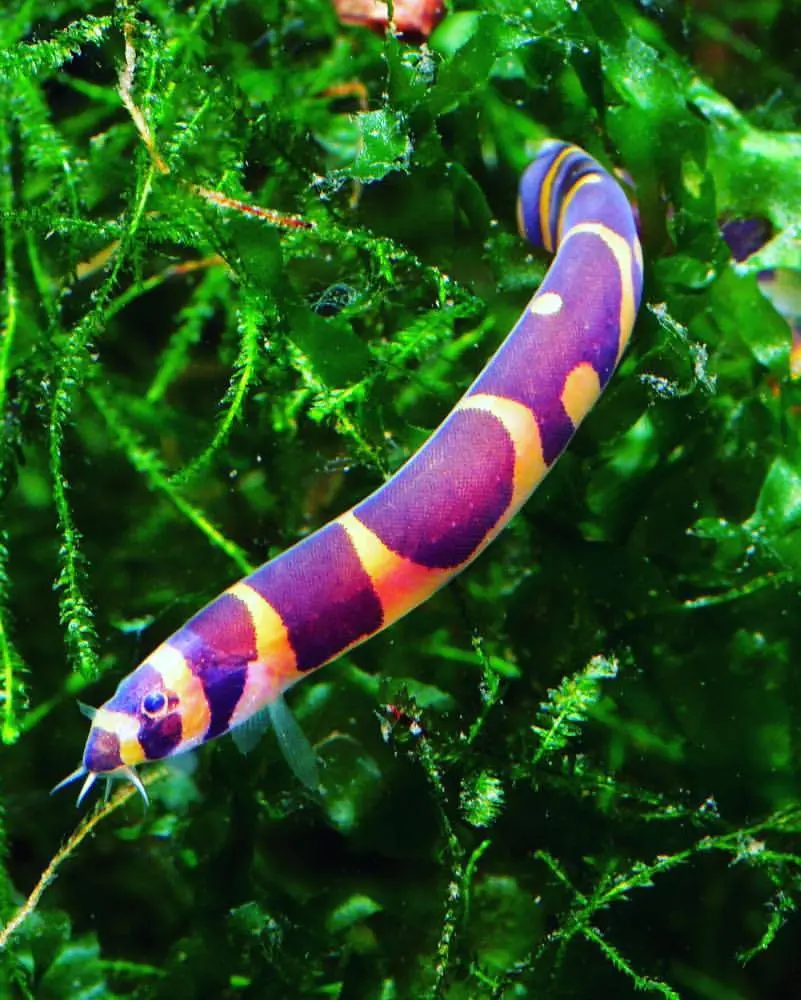
Kuhli loaches can live 10 to 14 years in captivity when provided with optimal care. They are generally hardy fish and can thrive in well-maintained aquariums with stable water conditions and a balanced diet.
Despite their resilience, kuhli loaches can be susceptible to certain health issues that may significantly shorten their lifespan. Poor water quality is a major concern, as it can lead to stress and diseases such as ich, fin rot, and bacterial infections.
These are some common health issues every kuhli owner should be concerned about:
Ich
Also called white spot disease, ich is a parasitic disease characterized by white spots on the body and fins of the fish. It causes irritation, leading to rubbing against surfaces. Affected kuhli loaches may become lethargic and lose their appetite.
Treatment normally involves raising the tank temperature to 86°F (30°C) gradually and using an appropriate ich medication. To prevent ich, maintain stable water conditions and quarantine new fish.
Fin Rot
This bacterial infection causes the fins to appear ragged and may be accompanied by a loss of color. Fin rot typically results from poor water quality or injury.
The infestation can be managed by improving water conditions, performing water changes, and using antibacterial medications. Also, remove any decaying matter periodically to prevent the water from deteriorating.
Skin and Gill Flukes
These parasites attach to the skin or gills of kuhli loaches, causing irritation and respiratory issues. Affected loaches may exhibit rapid gill movements, lethargy, and loss of appetite.
To treat flukes, use anti-parasitic medications available at pet stores. Maintaining good water quality and a clean tank environment helps prevent these parasites. Quarantining new fish before adding them to the main tank is crucial to avoid introducing flukes.
Bacterial Infections
Bacterial infections in kuhli loaches can cause a range of symptoms, including ulcers, redness, swelling, and abnormal behavior. These infections often result from injuries, poor water quality, or stress.
Administering antibiotics through food or water is an effective way of treating these infestations. Also, avoid overcrowding and monitor the health of the fish regularly to prevent bacterial infections.
Internal Parasites
Parasites like nematodes and protozoa can cause weight loss, bloating, and reduced activity in kuhli loaches. Infected fish may also have difficulty swimming and show abnormal behavior.
Treatment includes using anti-parasitic medications designed for aquarium fish. Feeding a varied and high-quality diet can also help strengthen the immune system of the loaches.
Breeding Kuhli Loaches
Breeding kuhli loaches in a home aquarium can be challenging but is possible under the right conditions. These fish are known to breed sporadically in captivity, primarily due to their specific environmental requirements.
To stimulate breeding, feed kuhli loaches a high-quality diet rich in live or frozen foods such as bloodworms, brine shrimp, and daphnia. This dietary boost can help condition them for spawning. When ready to breed, female kuhli loaches will become noticeably plumper as they carry eggs, and the fish will often exhibit increased activity.
Spawning generally occurs at night, with the female scattering eggs among plants and other cover. To protect the eggs and fry from being eaten, consider using a spawning mop or relocating the adults after spawning. The eggs will hatch in about 24 hours, and the fry will require fine food like infusoria or commercially available food until they are large enough to consume standard fare.
Friendly Kuhli Loaches Tankmates
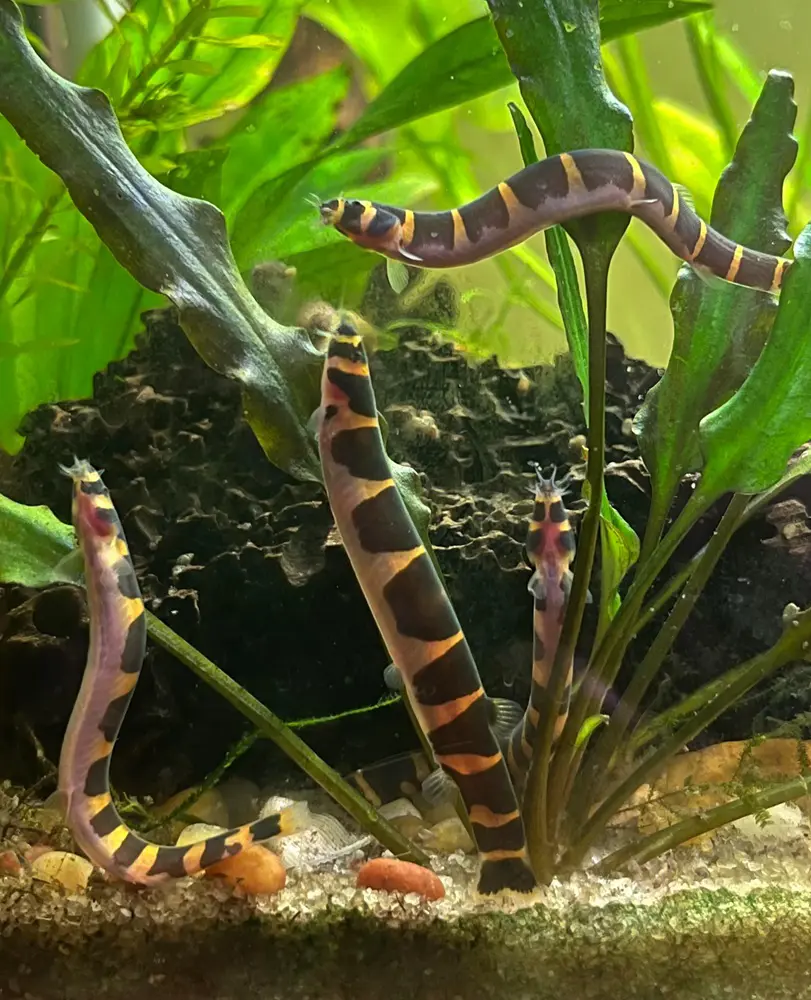
Kuhli loaches are peaceful, shy fish that thrive best when kept with other non-aggressive species. These ideal tankmates are:
Tetras (Neon, Cardinal, Ember Tetras)
These small, peaceful schooling fish share similar water parameters with kuhli loaches and are unlikely to bother them. Their vibrant colors and active nature add visual appeal to the tank.
Rasboras (Harlequin, Chili Rasboras): Like tetras, rasboras are peaceful and prefer similar water conditions. Their gentle nature makes them excellent companions for kuhli loaches.
Corydoras Catfish
These bottom-dwellers are also peaceful and enjoy the company of other bottom-feeders like kuhli loaches. Both species will happily coexist while scavenging for food, contributing to a clean tank.
Guppies
Guppies are colorful fish that are non-aggressive and can coexist well with kuhli loaches. They occupy the upper levels of the tank, leaving the bottom space for the loaches.
Dwarf Gouramis
These fish are generally peaceful and won’t compete with kuhli loaches for food or space. They add a bit of diversity to the tank’s ecosystem.
Fish Species To Avoid
If you have kuhli loaches in your fish tank, make sure to avoid certain species that can create a stressful or unsafe environment for them. Aggressive or territorial fish, such as cichlids (e.g., Oscars, Jack Dempseys, and Convicts), should be excluded.
These larger, more aggressive species may see kuhli loaches as competition or even prey. This can lead to harassment, injury, or death of the loaches. Their aggressive behavior can stress out these loaches, causing them to hide excessively and reduce their overall health and well-being.
Large predatory fish (Arowanas) or bigger catfish (Redtail Catfish) should also be avoided as they may eat smaller fish like kuhli loaches. Additionally, fast-swimming or boisterous species like Tiger Barbs can outcompete kuhlis for food and disrupt their peaceful nature.
What Do Kuhli Loaches Eat?
Kuhli loaches are omnivorous; they need a varied diet that includes both protein and plant-based foods. In the wild, they primarily scavenge for small invertebrates, crustaceans, and organic matter. In an aquarium setting, their diet should mimic this diversity to fulfill their nutrient requirements.
Protein Sources
Kuhli loaches need protein-rich foods help promote growth and maintain their health. They also readily accept high-quality sinking pellets or wafers designed for bottom-dwelling fish, which are often packed with essential nutrients.
These are some protein sources perfect for your loach:
- Microworms
- Mosquito
- Krill
- Sinking carnivore pellets
- Fish eggs (e.g., decapsulated brine shrimp eggs)
- Bloodworms
- Brine shrimp
- Daphnia
- Tubifex worms
- Blackworms
Plant-Based Foods
While kuhli loaches are not primarily herbivores, they will occasionally nibble on algae wafers or vegetables. Including these in their diets adds fiber and variety:
- Blanched spinach
- Blanched zucchini
- Blanched cucumber slices
- Blanched peas (without skin)
- Spirulina-based pellets or flakes
- Blanched lettuce
- Blanched kale
- Seaweed (nori sheets)
- Blanched sweet potato