

Originating from the land of the Samurai, the Japanese Spitz is an eye-catching breed. These little furballs feature a snow-white coat that further adds to their charm and beauty. The Japanese Spitz isn't just a beautiful breed; they are highly intelligent and capable of learning hundreds of commands.
Before you go running to adopt this dog, you should be well aware of the breed, their strengths and shortcomings, and more. This detailed profile will help you learn everything about this exotic breed.
History And Origin
As its name suggests, the Japanese Spitz originated in Japan in the early 20th century. The breed is believed to have descended from various small white spitz-type dogs, including the German Spitz.
The parent breeds were brought to Japan from different parts of the world, such as Siberia and China. The goal was to create a companion dog that combined beauty, intelligence, and loyalty.
The Japanese Spitz was first exhibited in Japan in the 1920s, instantly gaining recognition for its attractive appearance and friendly temperament. The breed became popular as a household pet in Japan during the 1950s, particularly after World War II. The period corresponded with the growing demand for small, manageable dogs suitable for urban living.
Japanese Spitz Physical Characteristics

- Size: Small to Medium-Sized
- Height: 12-15 inches (30-38 cm)
- Weight: 10-25 pounds (4.5-11.5 kg)
- Coat Type: Dense, Double Coat
- Average Lifespan: 12-16 years
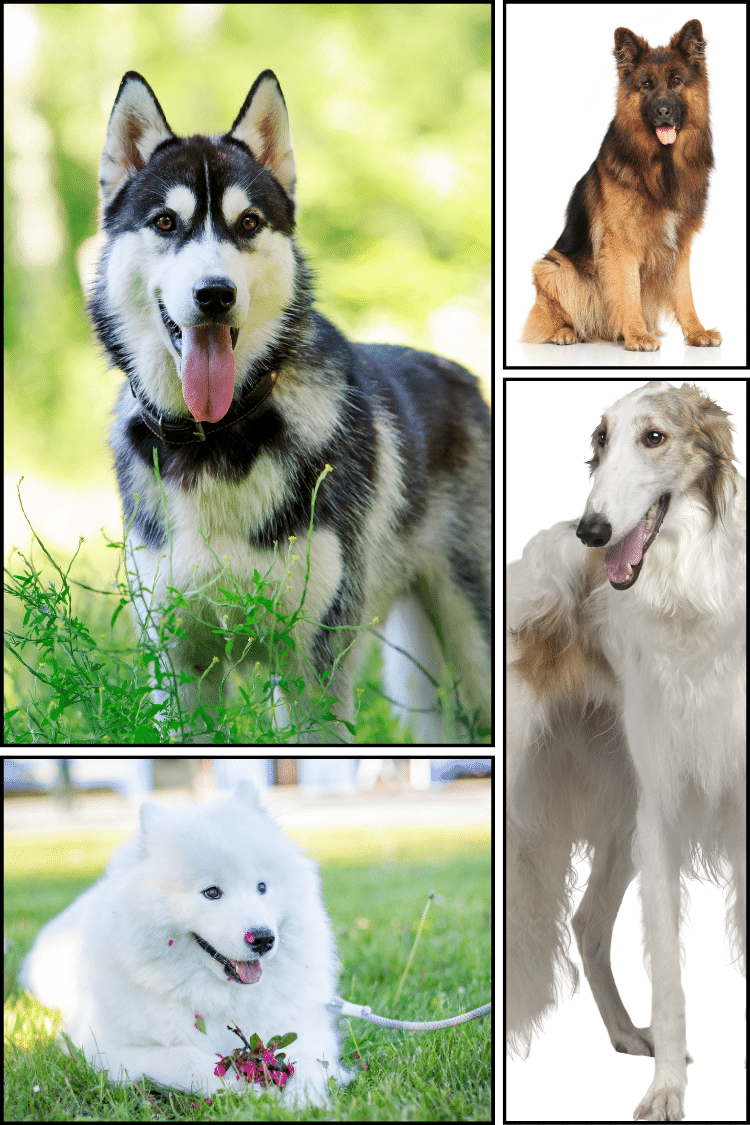
The Japanese Spitz is a unique breed that appeals to dog lovers with their distinct appeal. These canines share their appearance with other breeds of the Spitz family, including German Spitz, Shiba Inu, Alaskan Malamute, and more.
From a snow-white coat to pointed ears, these are some of the desired traits in the Japanese Spitz dog:
1. Pure White Coat
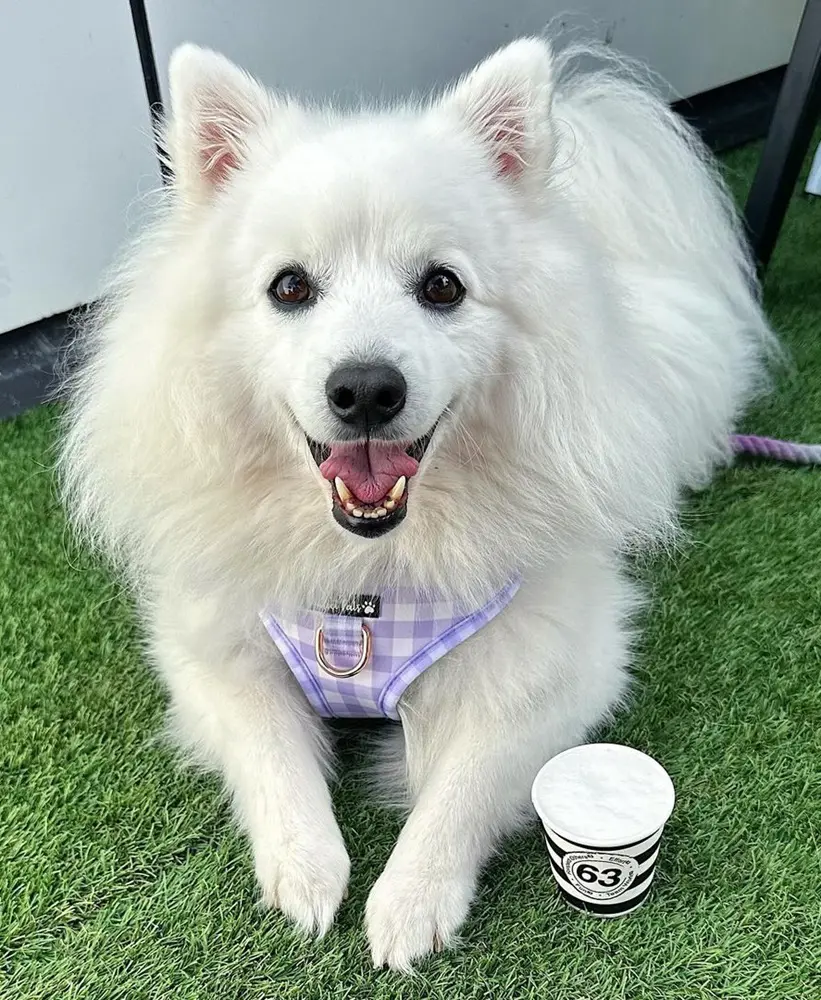
The Japanese breed is renowned for its luxurious white coat, which is one of its most distinctive features. This double coat consists of a soft, dense undercoat that provides insulation. Meanwhile, the longer outer coat stands off from the body, creating a fluffy and voluminous appearance.
Additionally, the coat is water-resistant and helps keep the dog dry in wet conditions. Despite its thickness, the coat is relatively low-maintenance, requiring regular brushing to prevent matting and to maintain its pristine white color.
2. Plumed Tail
The tail of a Japanese Spitz is heavily feathered and carried high; it curls over the back in a distinctive arch. The plume-like quality of the tail’s fur complements the overall fluffiness of the dog's coat, contributing to the breed’s striking silhouette.
The tail's positioning and movement also reflect the dog's mood, with a confidently curled tail indicating a happy, alert demeanor. This feature not only enhances the breed’s visual appeal but also plays a role in communication.
3. Pointed Ears
These canines have small and triangular ears that are set high on the head. These erect ears are proportionate to the head and contribute to the breed’s sharp, intelligent look.
The pointed shape of the ears is an evolutionary feature that enhances the Spitz’s keen hearing, allowing it to pick up on sounds quickly. The ears are covered with short fur that contrasts with the fluffiness of the rest of the body, adding to the dog’s overall tidy appearance.
4. Dark Eyes And Nose
The Spitz dog's white coat is complemented by its dark eyes and nose. The eyes are almond-shaped, moderately sized, and set slightly obliquely. Their dark color adds depth to the expression, often described as intelligent, curious, and affectionate.
The black nose, along with black lips and eye rims, frames the face with precision and sharpness. These dark features against the white fur make the Japanese Spitz's face particularly expressive.
Temperament And Personality

Japanese Spitz dogs are incredibly friendly and affectionate by nature. They are very loyal to their families and enjoy being around people, often forming strong bonds with their owners. While they are naturally wary of strangers, they are not aggressive and usually warm up quickly once they sense no threat.
Take a look at some of the key aspects of the Japan Spitz dog's personality.
Affectionate
These canines are known to form strong emotional bonds with their owners. They love being close to their families, whether it's snuggling on the couch or following them around the house. This affection is often reciprocated as the Japanese Spitz is a naturally loving breed that seeks to give and receive attention.
Additionally, these dogs are not usually aloof or independent. Instead, they prefer to be involved in family activities and are happiest when they feel like a cherished part of the household.
Intelligent
Considered a highly intelligent breed, these pups are quick learners and responsive to training. They possess a sharp mind and can easily pick up on commands, tricks, and routines, often surprising their owners with how quickly they grasp new concepts.
Their intelligence also makes them curious, leading them to explore their surroundings and engage with their environment in thoughtful ways. However, higher intelligence means they need mental stimulation to prevent boredom. Consider keeping them busy with puzzle toys, training exercises, and interactive games.
Loyal
Loyalty is a hallmark of the Japanese Spitz's personality. These dogs are fiercely devoted to their families and will go to great lengths to protect and please their loved ones.
The loyalty manifests in their strong desire to stay close to their owners, often shadowing them from room to room. They are known for being dependable and consistent, always seeking to ensure the well-being and happiness of their family members. Their loyalty also means they can be protective, alerting their owners to any perceived threats or unusual occurrences around the home.
Playful
The breed retains youthful energy well into adulthood. They enjoy engaging in games, whether it's a simple game of fetch, a playful chase in the yard, or interactive toys that challenge their minds.
Their playful nature makes them wonderful companions for children, as they are gentle yet enthusiastic playmates. This trait also means they require regular physical activity to burn off energy and maintain their mental and physical health.
Alert
Japanese Spitz dogs are always aware of their surroundings and quick to notice anything out of the ordinary. Despite their small size, they have a strong protective instinct and take their role as a guardian of the home seriously.
Their alertness is coupled with a keen sense of hearing and sight, allowing them to be vigilant and responsive. However, it also makes them more prone to barking, especially if they perceive something as a potential threat.
How To Groom A Japanese Spitz?

The Japanese Spitz's all-white fur gets easily, needing frequent cleaning. They should be groomed at least once a week, although some owners prefer to groom them more frequently during shedding seasons.
Regular grooming helps dogs distribute the natural oils in their skin. If not groomed for an extended period, they can develop mats and tangles in their coat, which can become severe if left unattended. These mats can trap moisture and dirt, leading to skin infections and hotspots.
Brushing
Brushing is a crucial part of grooming a Japanese Spitz due to their dense double coat. Regular brushing, ideally once or twice a week, helps prevent matting and tangling by removing loose hairs and debris from the coat.
The outer coat is straight and somewhat coarse, while the undercoat is soft and thick. So, using a slicker brush or a pin brush is recommended to reach through the layers without damaging the fur.
During shedding seasons, more frequent brushing may be necessary to manage the increased amount of loose fur and to prevent it from spreading around the home.
2. Bathing
Japanese Spitz dogs are naturally clean and have a water-resistant coat, so they don’t require frequent bathing. Typically, a bath every 4 to 6 weeks is sufficient unless the dog gets particularly dirty.
Using a gentle shampoo helps preserve the coat’s natural oils and prevents skin irritation. It’s essential to thoroughly rinse out all shampoo to avoid any residue that could cause itching or dryness. After bathing, the dog’s coat should be dried completely, preferably with a blow dryer on a low heat setting, as their thick undercoat can retain moisture, leading to potential skin issues like hot spots or mildew if not dried properly.
4. Nail Trimming
Regular nail trimming is crucial for the comfort and health of a Japanese Spitz. Overgrown nails can cause discomfort, affect the dog's gait, and even lead to more serious issues like joint pain or nail breakage.
Nails should be trimmed every 3 to 4 weeks or as needed, depending on how quickly they grow. Using a proper nail clipper designed for dogs, trim the nails carefully, avoiding the quick (the blood vessel inside the nail) to prevent pain and bleeding.
Training

Japanese Spitz dogs are highly trainable and always eager to learn. With positive reinforcement techniques like treats and praise. Their playful nature also makes training sessions enjoyable and engaging.
However, consistency and patience are key, as they can be somewhat stubborn at times.
How To Train A Japanese Spitz?
1. Establish a Training Routine
- Consistency: Set a regular schedule for training sessions, ideally 5-10 minutes per session, 2-3 times a day.
- Environment: Start in a quiet, distraction-free area to help your dog focus.
2. Use Positive Reinforcement
- Rewards: Use treats, praise, or toys as rewards for correct behavior. Japanese Spitz responds well to positive reinforcement.
- Timing: Reward immediately after the desired behavior to help your dog make the connection between the action and the reward.
3. Teach Basic Commands
- Sit: Hold a treat above your dog's head and move it backward, causing the dog to sit. Say "Sit" and reward them when they do.
- Stay: Ask your dog to sit, then hold your hand up and say "Stay." Step back slowly, rewarding them if they remain in place.
- Come: Call your dog’s name followed by "Come" while showing a treat. Reward them when they come to you.
4. Introduce New Commands Gradually
- Step-by-Step: Break down complex commands into smaller steps. For example, teaching "Roll Over" can start with "Lie Down" and then rolling onto one side before completing the roll.
- Reinforce: Repeat each step until your dog consistently performs it correctly before moving on to the next.
5. Socialize Your Dog
-
Exposure: Gradually expose your Japanese Spitz to different people, environments, and other animals to build their confidence and social skills.
- Positive Experiences: Ensure all interactions are positive, using treats and praise to reward calm and friendly behavior.
6. Address Behavioral Issues
- Identify Triggers: Understand what causes any unwanted behaviors and address them calmly.
- Redirect and Reward: Redirect inappropriate behavior to something positive and reward desired actions.
7. Practice Patience and Consistency
- Stay Calm: Avoid frustration; training takes time. Stay patient and consistent with commands and rewards.
- Adjust as Needed: Be flexible and adjust training methods if your dog isn’t responding as expected.
8. End on a Positive Note
- Wrap Up: Conclude each training session with a positive experience, such as playtime or a favorite treat.
- Encourage: Keep sessions short and enjoyable to maintain your dog’s enthusiasm for learning.
Common Health Issues
Keeping your pet healthy is the primary responsibility of all dog owners. However, there may be health issues that are out of the hands of the owners.
Like most dog breeds, Japanese Spitz is vulnerable to certain health conditions that can significantly affect its well-being. In most of these cases, you should take swift action to protect your beloved pet.
Patellar Luxation
It is a common issue in Japanese Spitz dogs where the kneecap (patella) dislocates from its normal position. This condition can cause intermittent lameness, pain, and difficulty walking or jumping. Patellar Luxation is often a genetic condition, where the patella is not properly aligned within the femoral groove. Contributing factors can include anatomical abnormalities and ligament issues.
Mild cases may be managed with anti-inflammatory medications and weight management. More severe cases require surgical intervention to realign the patella and stabilize it within the groove.
Progressive Retinal Atrophy (PRA)
PRA is a group of genetic diseases that gradually degenerate the retina, causing vision loss and eventual blindness. Affected dogs may show difficulty navigating in low light or bumping into objects. is inherited genetically, often due to mutations in specific genes responsible for retinal function. This condition typically develops slowly over time.
There is no cure for PRA, but managing the condition involves making adjustments to the dog's environment to help them adapt to vision loss. Early detection through regular eye exams is crucial for managing PRA and ensuring the dog's safety and quality of life.
Hip Dysplasia
Hip dysplasia is a hip joint malformation that can lead to arthritis and pain. Symptoms include difficulty getting up, lameness, and reluctance to exercise. This condition results from the improper development of the hip joint, causing instability.
Treatment options range from weight management and anti-inflammatory medications to physical therapy. In severe cases, surgical options like hip replacement or corrective surgery may be necessary. Regular exercise and maintaining a healthy weight can help manage the symptoms and improve mobility.
Allergies
Japanese Spitz dogs are prone to various allergies, including food, environmental, and skin allergies. Check for symptoms like itching, redness, ear infections, and digestive issues. Allergies can be triggered by specific foods, pollen, dust mites, or other environmental factors. The immune system mistakenly identifies these substances as harmful, leading to allergic reactions.
Identifying and avoiding the allergen is crucial. Treatments may include antihistamines, corticosteroids, or special hypoallergenic diets. Regular veterinary check-ups and allergy testing can help determine the cause and manage symptoms effectively.
Dental Problems
Dental issues such as tartar buildup, gingivitis, and periodontal disease are common in Japanese Spitz dogs. These can result in bad breath, swollen gums, and even difficulty eating.
Preventive care, such as regular teeth brushing and dental check-ups, is essential. Professional dental cleanings by a veterinarian can remove tartar and address more severe issues.