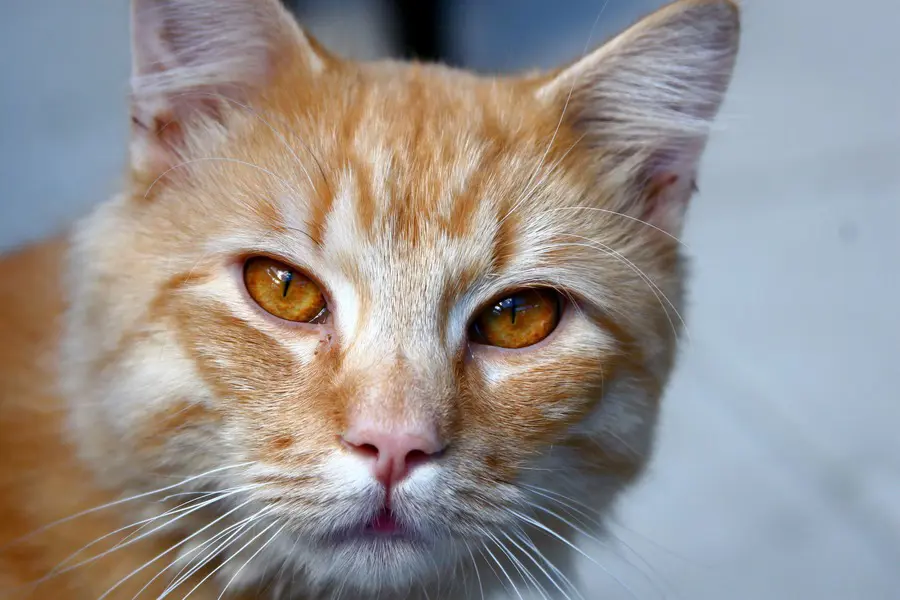


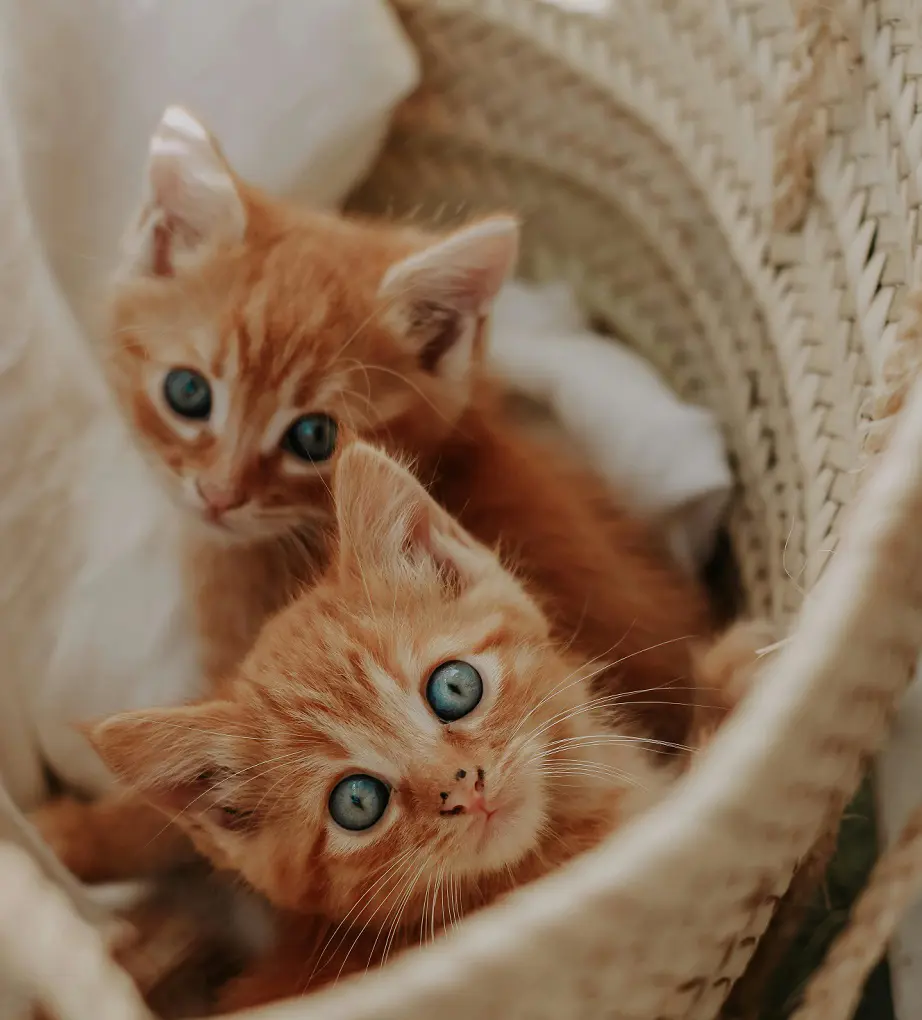
Bringing a kitten home is a joyful adventure, but it also requires proper care. The first year is critical for a kitten's health and development.
Kittens require extra care during this first year. To help their bodies and minds become strong, this includes feeding them the proper diet, taking them to the vet regularly, teaching them how to get along with people, and giving them lots of fun.
This blog will help you raise a happy, healthy cat. We'll provide important suggestions and information to help you care for your kitten as it grows through the stages of development.
Preparing for Your Kitten's Arrival
While bringing a new kitten into your home is a wonderful moment, it's important to ensure that you and your pet adjust to the new routine smoothly.
To create a secure and supportive environment that meets the unique requirements of a newborn kitten, this early time of preparation is essential. Before the arrival of your kitten, remember to take these important steps:
Kitten-proofing Your Home
Kittens use their tongues and paws to investigate their environment since they are inherently curious animals. Secure electrical lines, tuck away unsecured wires, and get rid of dangerous plants to avoid any potential problems.
Cut off the kitten's access to crawl spaces, the spaces under appliances, and any other places they might get stuck.
Establishing a Dedicated Area
Give the kitten a peaceful place to help it get used to its new surroundings. All the necessities, including a cozy bed, food and water bowls, a litter box, and a scratching post, should be in this escape-proof space.
Before an emergency, become familiar with the locations of veterinarian emergency clinics.
Essential Supplies for Your New Kitten
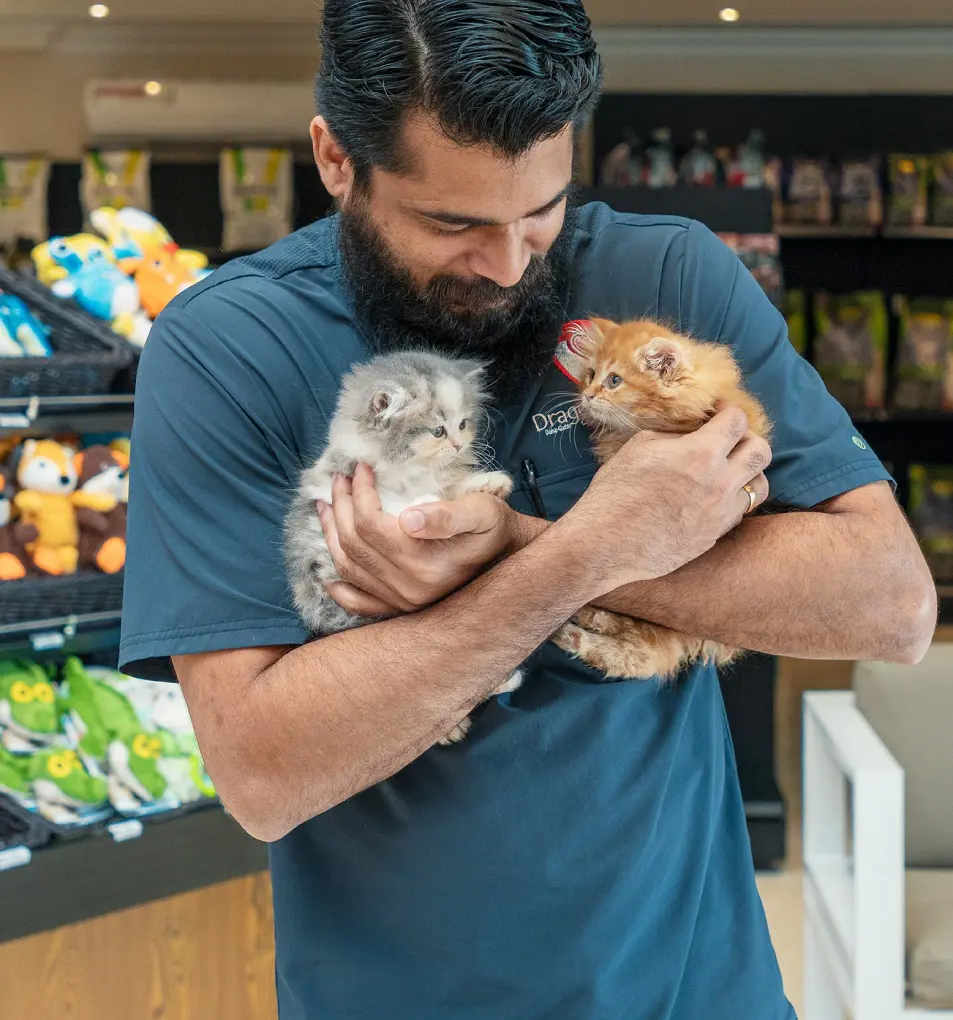
Kittens, despite their reputation for independence, still need certain necessities to survive in a home setting. This minimizes undesirable behaviors while ensuring their physical and emotional well-being.
Litter Box and Scoop
A good litter box is essential. Choose the one that best suits your cleaning preferences and your kitten's comfort level from the several types and sizes available. Normally, it's advised to have one litter box per cat, with extra boxes for homes with multiple cats.
This lessens the chance of mishaps happening at home as it is vital to scoop solid waste every day for your kitten's health and hygiene. Fortunately, contemporary litter box designs can go well with your interior decor.
Bowls
There should be two sets of bowls, one for food and one for water. This makes it possible to sanitize and clean every day, guaranteeing that one set is usable while the other is being cleaned.
For people who travel frequently or are not there during feeding times, automatic feeders might be something to think about.
Brushes and Combs
Frequent brushing is very important, especially for kittens with long hair. By eliminating loose and dead hair, brushing helps to minimize hairballs and maintain a healthy coat. Choose a comb or brush that fits the fur type of your kitten.
Scratching Post
Cats have an intrinsic tendency to scratch to keep their claws healthy. Provide at least one solid scratching post that is thoughtfully positioned in a frequently visited area to deter furniture damage from being caused by scratches. Making a scratching post is a feasible alternative.
Toys
A variety of toys can keep resourceful kittens both mentally and physically busy, even though they might find entertainment in an empty box. Select toys that don't have any small bits that could snag a child. To keep them from getting bored, rotate toys sometimes.
Nutritional Needs and Guidelines
For a kitten's growth and development to be healthy, they must receive the right nutrients from birth until their first birthday. Kittens only consume their mother's milk during the first few weeks since it contains vital nutrients and antibodies.
Use a specially prepared kitten milk replacer if the mother is not available. Kittens can start switching to solid food at four weeks old by consuming a combination of milk replacer and wet kitten food. After eight weeks, they can progressively transition to premium dry kitten food.
Kittens have fast metabolism and growth spurts, so they need regular but small meals. Protein, lipids, and essential minerals like DHA for brain growth should all be rich in their diet. Adult cat food is not recommended for kittens as it does not include the nutrients needed for healthy growth.
Veterinary Care
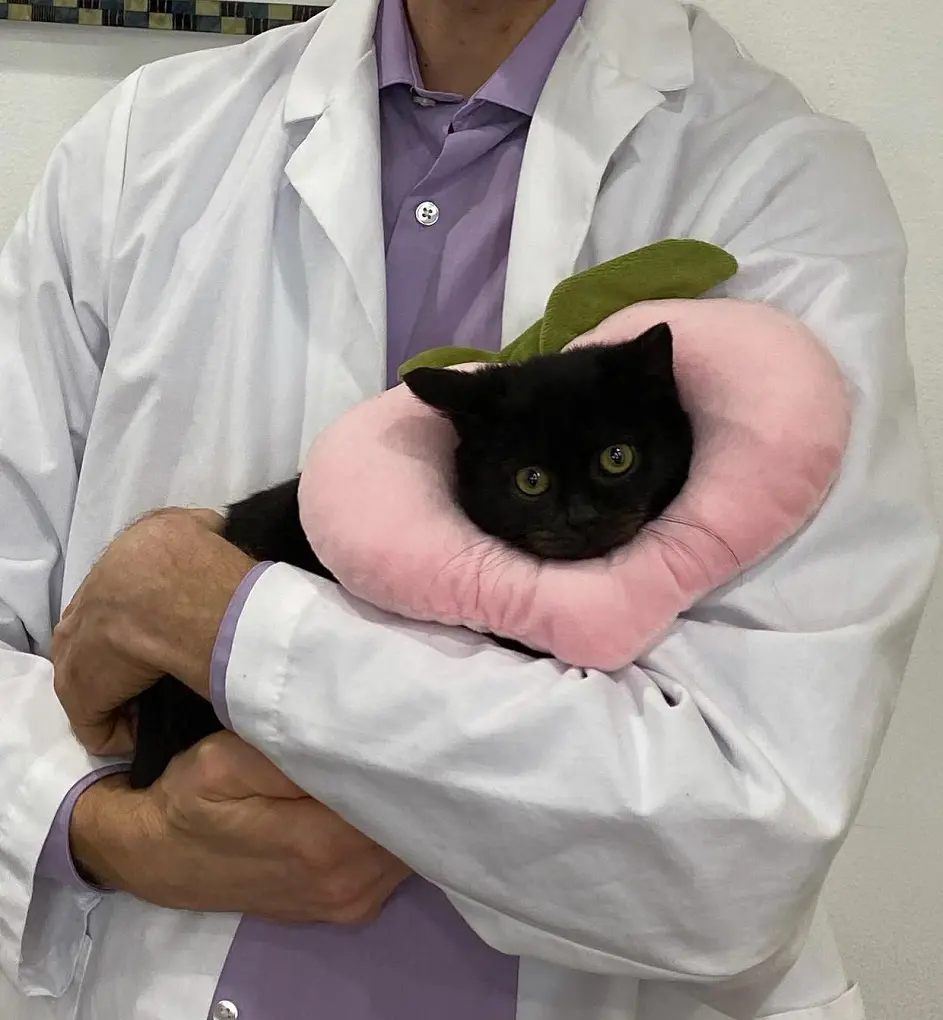
Throughout their early development, kittens need specialized veterinary care to maintain their health and well-being. Veterinarian interventions that are advised at different stages:
Newborn Kittens
If a newborn kitten is with its mother and seems healthy, most of the time no veterinary care is needed. The mother cat will supply warmth and vital nourishment.
Nonetheless, prompt veterinary care is essential if the mother of the kittens becomes ill or if the kittens become orphaned. A veterinarian will examine the kittens, give them formula as a substitute food, and advise on how to take care of them.
Kittens at 4 Weeks Old
A veterinarian can do a wellness exam at this point to evaluate the kitten's general health, including weight, growth, and organ development. The veterinarian may also talk about deworming procedures during this visit because internal parasites are a common problem with kittens.
Kittens at 6-8 Weeks Old
This is when the kitten's vaccination routine officially begins. The veterinarian will deliver the initial round of core vaccines, which usually guard against various diseases. Depending on the outcome of the initial fecal exam, deworming may need to be repeated at this point.
Therefore, in addition to providing advice on the best time to have this treatment done, the veterinarian can also go over the advantages of spaying or neutering.
Kittens From 8 Weeks to 6 Months Old
During this period, kittens will receive booster shots for the core vaccines, usually between the ages of 12 and 16 weeks. The veterinarian might advise getting extra shots, such as rabies or FeLV, based on your region and the hazards.
Veterinary suggestions may call for ongoing deworming. Unless the doctor advises differently, this time frame is also optimal for arranging the spaying or neutering treatment, which usually occurs between 4-6 months of age.
Litter Box Training
To live in harmony with your feline friend, you must establish appropriate litter box practices. Litter box training can start as early as three weeks old for kittens. Pick a spot that is easy to get to and with a litter box that is low enough to fit their size.
After feeding or periods of sleep, carefully bring the kitten inside the box so they may feel the texture. The link is strengthened when successful litter box use is rewarded with praise or incentives.
Hence, an accident happens and should not be punished; instead, wipe the contaminated area calmly and with an enzyme cleaner to get rid of any residual scents. For your new kitten to have a successful litter box training experience, you must be patient and consistent.
Grooming
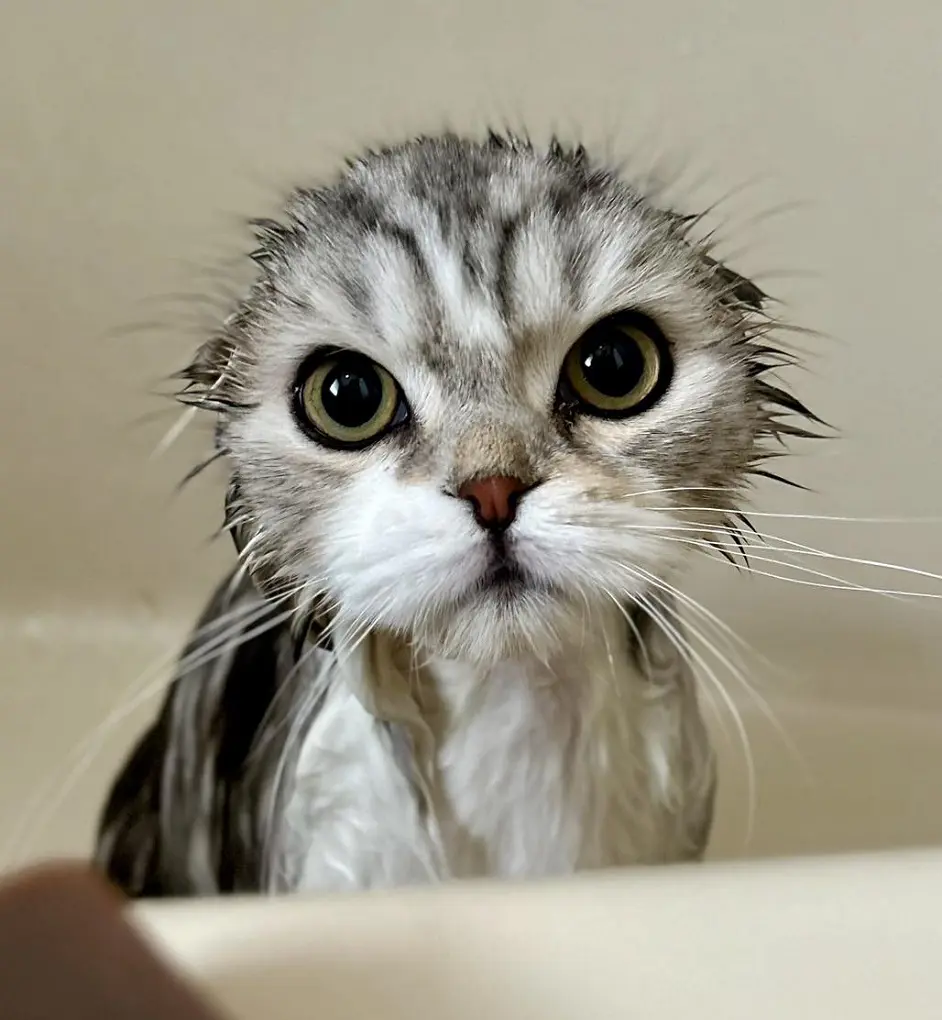
A vital component of your kitten's general care regimen is grooming them. It prevents problems like matting, skin disorders, and parasites along with keeping them looking tidy and promoting good health.
Bathing
Generally speaking, kittens don't require frequent bathing unless they get extremely dirty or have come into contact with anything dangerous. Use lukewarm water and a gentle shampoo designed for kittens.
To ensure that there are no remaining shampoo residues, rinse well and gently. To avoid chills, make sure the kitten is totally dry with a gentle towel.
Brushing
Make sure to give your kitten's fur a weekly brush. It can be essential to brush long-haired dogs every day. Frequent brushing minimizes shedding, gets rid of stray fur, and avoids matting and knots.
It also disperses natural oils and increases blood circulation, which keeps the coat lustrous and healthy. Use a comb made especially for kittens or a brush with soft bristles to prevent damaging their sensitive skin.
Nail Trimming
Frequent nail cutting reduces the chance of growing nails, which can hurt and make scratching more likely. Carefully cut the sharp tips of the nails with cat nail clippers. To avoid discomfort and bleeding, take care not to cut into the quick, sensitive area of the nail.
Dental Care
To avoid dental problems, start brushing their teeth at a young age and use toothpaste and a toothbrush designed just for kittens. Dental toys and treats can lessen the accumulation of plaque and tartar, while maintaining dental health.
Playtime and Exercise
Playtime and exercise should be a kitten's top priorities for healthy, balanced development. Playing for 15-20 minutes at a time, several times a day imitates the natural hunting instincts and fosters muscular development.
Kittens are entertained with interactive toys like feather wands and puzzle feeders. Playing is not the only way to exercise; climbing frames and scratching posts promote jumping, climbing, and scratching, all vital activities for burning calories, preserving muscle tone, and maintaining healthy nails.
Engaging in these activities not only improves the physical condition of your kitty but also builds trust and companionship between you two. As your kitten gets older, make sure to adjust activities and keep an eye on playtime to ensure safety.
Common Kitten Concerns
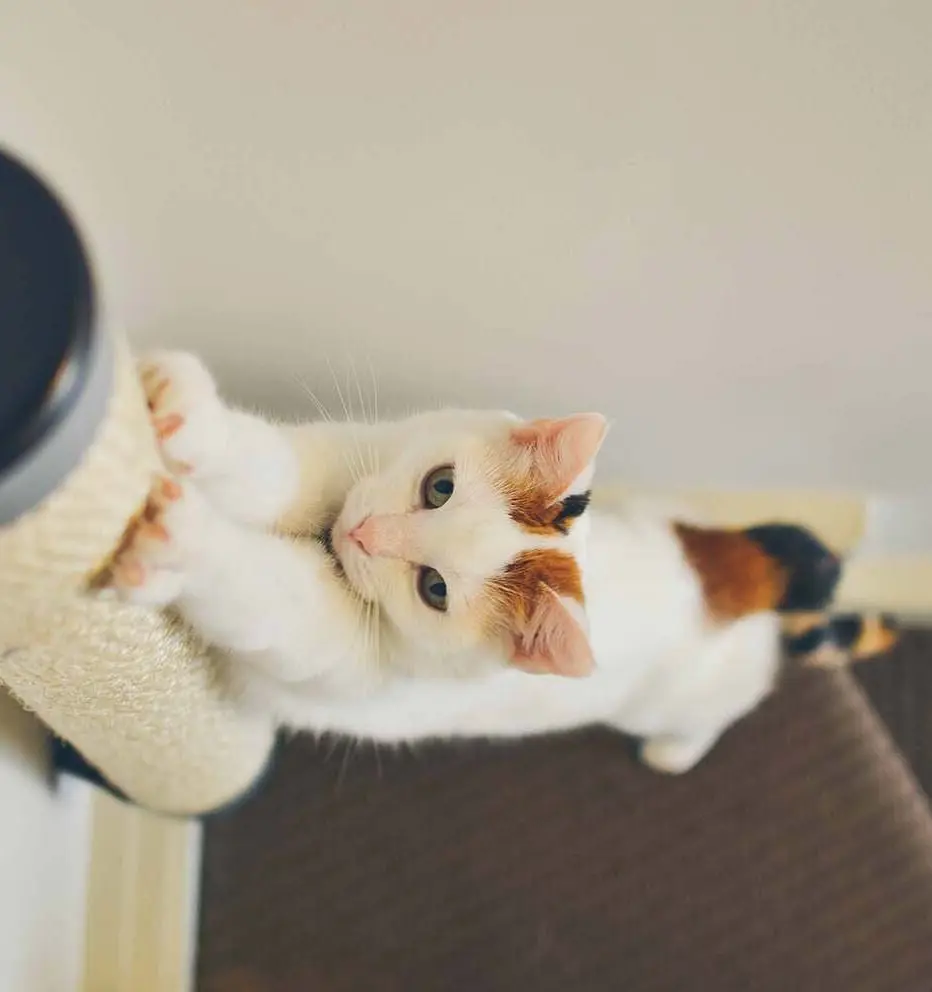
Most of the time, new kitten owners have a lot of queries and worries, the following are some of the most common problems that could occur:
Health Issues
Fleas, ticks, and worms are among the parasites that can infect kittens. Frequent treatments for flea prevention and deworming are necessary.
Sneezing, coughing, and nasal discharge are examples of symptoms that point to respiratory infections. Kittens frequently get diarrhea, which can be brought on by parasites, illnesses, or nutritional changes.
Nutritional Needs
Kittens have certain dietary requirements that are essential to their development and growth. It is vital to consume a diet high in fats, proteins, vitamins, and minerals. Your veterinarian's recommendation for premium kitten food ensures that these dietary needs are satisfied.
Lipids give energy, proteins help build muscle, and vitamins and minerals are good for general health. To avoid dehydration, they require continuous access to fresh water. Regular vet visits are crucial to adjusting your pet's nutrition as they develop and meet new nutritional requirements.
Behavioral Issues
It could take a little longer for some kittens to pick up the litter box. Positive reinforcement and consistency can be beneficial. Giving your cat access to scratching posts and teaching it how to use them will stop destructive scratching.
Similarly, while playing, kittens frequently bite and scratch, but you can control this behavior by focusing the kitten's energy on toys that are acceptable to them.
Socialization
Early exposure to a variety of people, animals, and surroundings helps kittens grow up to be well-adjusted adults. Gentle handling helps kittens become acclimated to the human touch, which reduces the anxiety associated with future grooming and veterinary appointments.
Safety Concerns
Since they are inquisitive, kittens may find themselves in dangerous situations. Keep chemicals, small items, and poisonous plants out of reach. Thus, keep an eye on how your kitten interacts with young children and other pets to avoid any unintentional accidents.
Preparing for Your Kitten's First Birthday
An important turning point in your cat's life is their first birthday, which symbolizes their passage from kittenhood to early adulthood. Their care regimen may need to be adjusted as their physical and behavioral demands change.
Dietary Needs
A meal high in nutrients is necessary for kittens to promote their quick growth and development but adult cats require a different diet. So, speak with your veterinarian about switching your cat to a diet designed for adult cats.
Hence, to combat obesity, which is a major problem in adult cats, this diet will usually have a lower protein content and a more balanced calorie intake.
Playtime Evolution
Kittens are incredibly energetic, but as they get older, cats tend to become less active. Make the necessary adjustments to their playtime schedule. It is best to have shorter, more frequent play periods that concentrate on brain stimulation.
You can keep your cat interested and challenged with interactive toys or puzzle feeders.
Litter Box Considerations
Your cat could need a bigger litter box as they get older to fit their growing frame. Furthermore, certain cats may grow to prefer particular brands of litter or designs of boxes. Try out several settings to make sure your cat is still able to use the litter box comfortably.
Veterinary Care
Regular annual examinations are essential for the entire life of a cat. When your pet reaches their first birthday, make an appointment with your veterinarian to talk about any changes in their eating, behavior, or litter box habits.
Along with receiving updated vaccinations, this consultation offers the chance to discuss spaying or neutering your pet if it hasn't already been done.
Enrichment for the Evolving Mind
It still takes mental stimulation to keep adult cats from becoming bored and engaging in destructive behavior. To stimulate and maintain instincts, provide a range of perches, climbing frames, and scratching posts.