


If you are thinking of buying a horse, you may need to consider the cost related to buying, owning, and maintaining. Although owning a horse is an expensive investment, the direct expenses you need to think about include the place where you live and how to decide to manage your animal.
Costs vary extensively depending on several factors with owning a horse. This guide takes someone through the different expenses to be incurred upon buying and maintenance of a horse, from the initial price to some unsuspecting cost.
Initial Buying Price

The price one pays for a horse can range from a few hundred dollars to tens of thousands. It does not matter so much that so much money can be paid for a horse, but rather the age of the horse, breed, training, and even bloodline act to establish the value of the animal. Purebred horses of fine breed cost more money.
Here are the prices of top horse breeds to give an idea of how much horses can cost.
- Clydesdale: $2,500 to $5,000
- Thoroughbred: $1,000 to $10,000
- Arabian: $5,000 to $20,000
- Appaloosa: $1,000 to $10,000
- Morgan: $1,000 to $5,000
For instance, a well-bred, thoroughbred racehorse or high-level show jumper can cost from $5,000 to more than $100,000. Purebred horses are usually the more expensive ones. A Thoroughbred or an upper-level show jumper can cost anywhere from $5,000 to over $100,000. Mixed-breed horses or those with unknown pedigrees may cost as low as $500 to $1,000 and, hence are often more within the reach of a first-time buyer.
Age and Training
Young horses that are hardly trained can be much cheaper than the older ones with lots of schooling. A properly trained dressage horse or quite a show jumper, for example, could be rated between $10,000 and $50,000 or even higher. Lots of this money depends on investing in training since the most well-trained ones succeed in any competition or could be safe to ride for a novice.
Some significant variables that affect the horse's cost include health and physical conformation. A horse with good health records and perfect conformation for intended use is always at higher prices. Before purchase, a veterinary examination, which costs between $250 and $500, is highly recommended to determine if the potential horse has health concerns.
Ongoing Maintenance Costs
Owning a horse incurs significant costs, which extend over an extended period. This would include boarding, feeding, health care, training, and supplies. Boarding can range from $150 to $1,000 a month, based on location and services. Feeding a horse can cost in the range of $100 to $300 a month.
If you don't already have a property on which to house your horse, then you will likely be looking at the cost of boarding. The costs associated with boarding can range anywhere from $150 to well over $1,000 a month. Boarding facilities that offer full care, including daily feeding of horses, stall cleaning, and turnout, come at the pricier end of this spectrum.
Feeding
Depending on the number of horses that need feeding, feeding accounts for a monthly average of $100 to $300. Hay, grain, and supplements are all parts of things that collectively keep horses healthy. Of course, this will vary by size, workload, and special dietary needs.
A healthy horse needs to be attended to by the veterinarian. The annual check-ups, vaccinations, and dental care will run between $300 to $600 a year. Farrier services trim and shoe the hooves and run between $50 to $150 every six to eight weeks.
Training and Lessons
Whether the young horse is being trained or one is going for riding lessons, these costs will pile up. Professional training services can cost from $300 to $ 1,000 a month. Leather seats go in sessions ranging from $30 to $100.
Along with the horse, riders also need professional training which may cost $30 to $75 per hour and private lessons may cost more than $50. You need to calculate it for a year.
Purchasing the equipment and tack needed can be rather costly before beginning. General tack often costs between $500 and $2,000 while more specialized, quality equipment can reach the thousands. Good-quality, specialized equipment assures comfort and safety for horses and riders alike.
Unexpected and Additional Costs
Aside from the usual expenses, owners ought to be ready for unexpected expenditures. Emergency vet care can be very costly, and having an emergency fund or insurance to work through all these bills is essential. Most insurance ranges between $300 and $1,000 and covers major medical expenses, mortality, and loss of use.
Many horse owners insure their investment against losses. Most insurance policies can be written to provide major medical expense coverage, mortality, and loss of use. The price of horse insurance will vary depending upon the type of coverage purchased and the value of the horse but usually will range from $300 to $1,000 per year.
Main Upkeep Expenses
Some of the larger recurring expenses one will have to endure while taking care of a horse consisting of hay, feed, boarding, and routine health care. Routine health care is needed for the well-being of horses which includes yearly veterinary check-ups, vaccinations, dental work, and farrier visits. Unexpected health problems or injuries can raise the costs quite a bit, which is why an emergency fund is highly advisable.
Here are examples of the main upkeep expenses for horses, including average price ranges, noting that various factors may influence the cost of keeping horses and prices can vary over time.
- Hay: $90 to $300 per month; $1,080 to $3,600 per year
- Feed: $42 to $84 per month; $504 to $1,008 per year
- Boarding: $100 per month or $1,200 per year for pasture board
- $1,000 per month or $12,000 per year for barns with stalls
- Routine Health Care: $50 per month; $600 per year.
Other Costs
Other quite minor costs that need consideration are stable requisites, repairs, and memberships of equestrian bodies. It is sometimes difficult to remember or forecast small yet seemingly insignificant costs that accrue over time.
Several factors can govern the cost of purchasing and maintaining a horse. Market demand, geographical location, purpose, reputation of the breeder, and age and training level, among other factors, all weigh in on the price. Understanding these many factors will help you make strong decisions and allow you to find that horse that fits within your budget and needs.
Purpose Of Buying A Horse
The intended use of the horse also impacts its price. Horses bred for and trained for competitive sports, such as racing, show jumping, or dressage, will certainly cost more than those intended for just recreational riding or as a companion.
Horses from reputable breeders, who can prove their record in producing high-quality, successful horses, are going to come at a premium. Such breeders invest in proper care, training, and genetic selection, which adds value to their horses.
Adoption and Rescue
It can be costly to own a horse, though one can manage and cut costs without jeopardizing the well-being of the horse. One might consider other options like adopting or sharing ownership of the horse.
One can also cut costs when having their own property for the horse. Learning to do some simple horse care tasks on your own will help you save even more.
Consider adopting a horse through a rescue organization. Adoption fees are typically much lower than through breeders, and you'll be giving a horse a second chance at life. Many rescue groups have lots of available horses from varying riding disciplines and levels of experience.
Co-owning a horse with a friend or family member may provide an opportunity for each person to share some of the expenses for a horse. Co-ownership agreements may range from the purchase price to boarding, feeding, and healthcare, sometimes making a horse more affordable.
Why Some Horses Are More Expensive
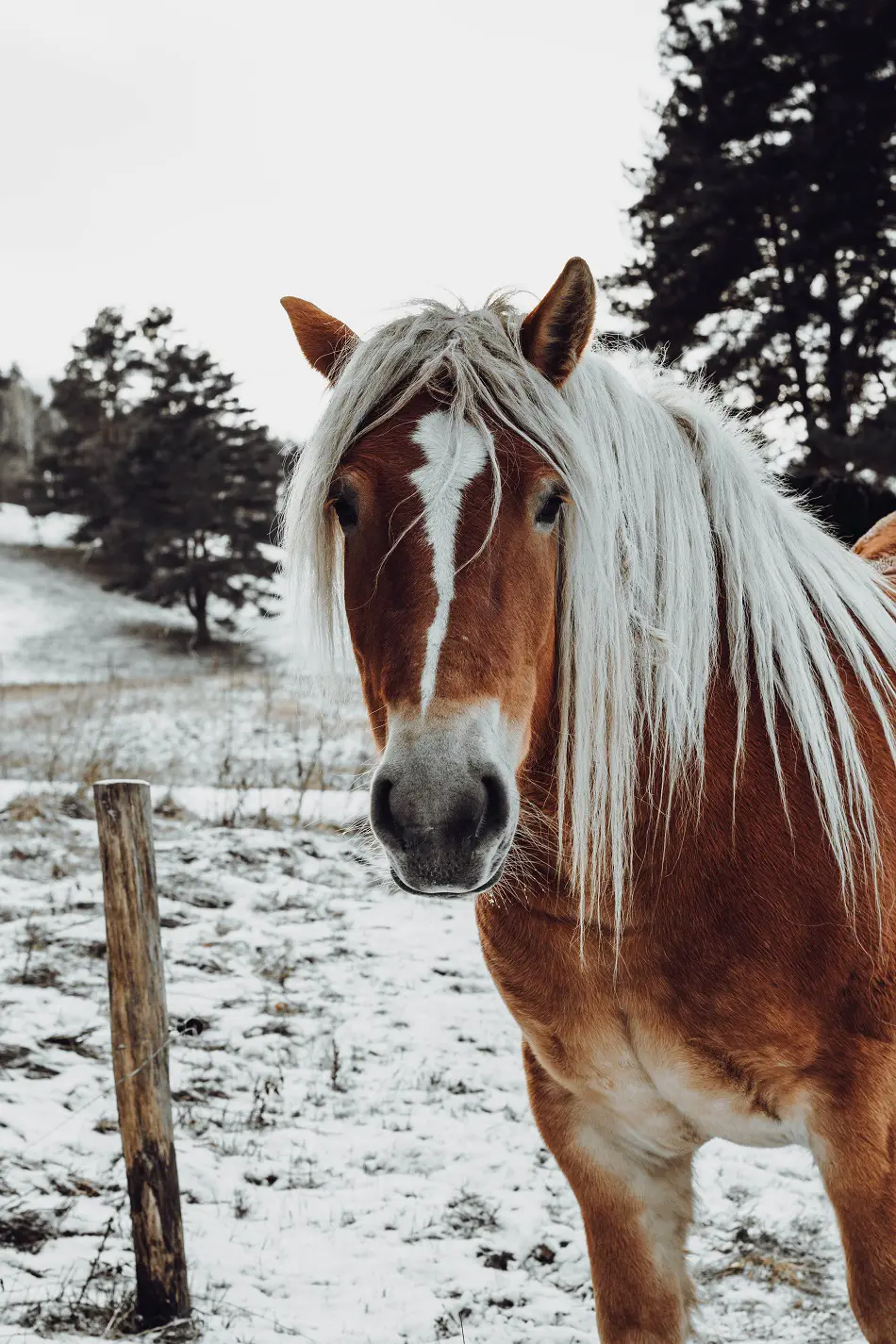
Those looking to buy their first horse probably want to have from $1,500 to $3,000 allowed in the budget. You might find a gem for less than that, but having that amount will ensure that you have the most choices. The more you have to spend, the more choices you will have.
The cost of providing feed and care for a horse is one of the largest determining factors of a horse's market price. Weather conditions, poor hay crops, increasing feed and fuel costs, and broader economic conditions have all been influencing factors regarding how many horses are available and at what asking prices. If there is a drought or another bad weather event, hay is much more expensive because there is a lack of supply. This increases the costs associated with maintaining horses.
Show and Competition Fees
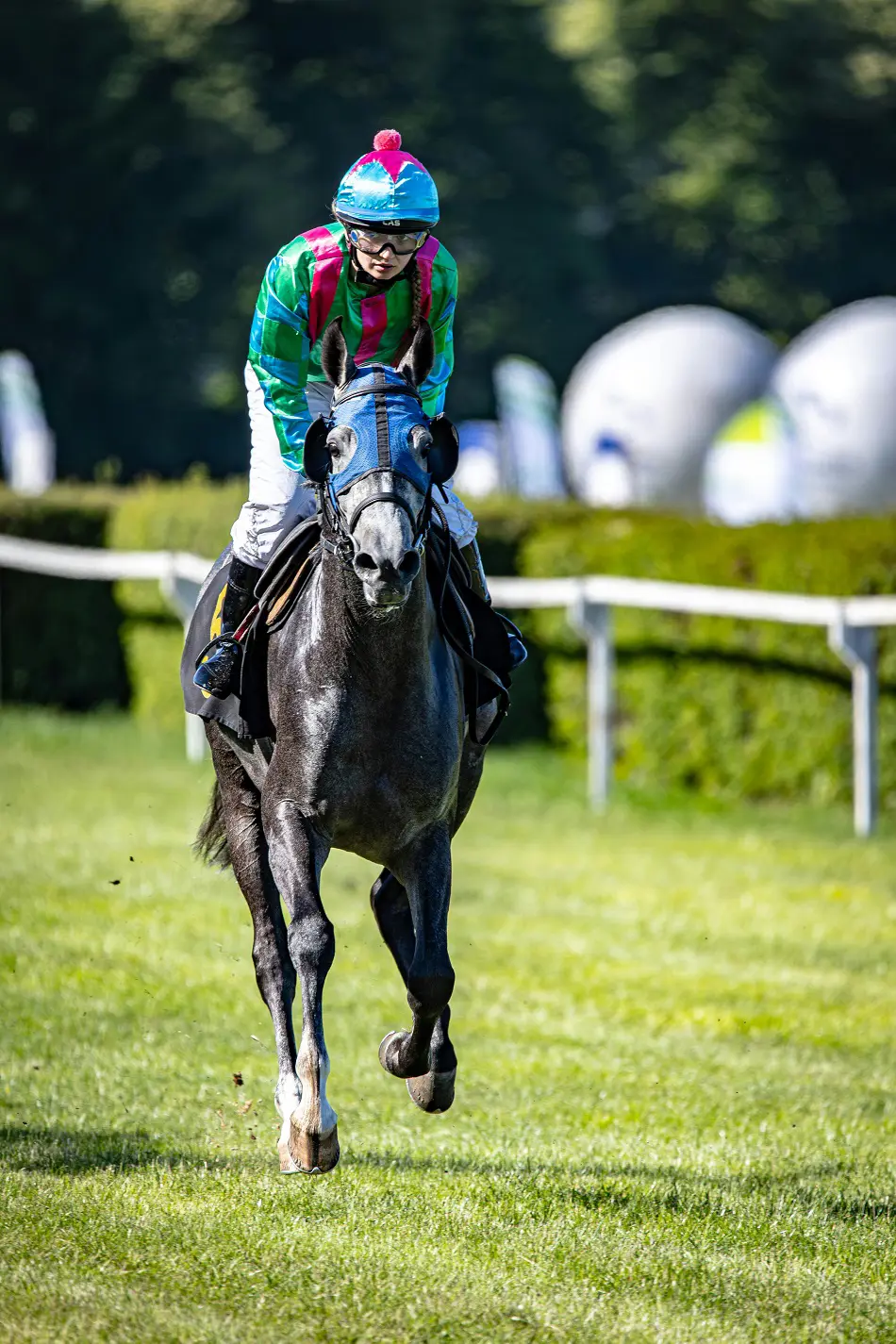
If you plan to show your horse, remember to budget for entry fees, travel expenses, and extra training. Entry fees for shows vary, running around $20 per class to a few hundred dollars a class for the better events and at the higher competitive levels.
Getting your horse to show, vet or new boarding barns requires a truck and trailer. A horse trailer runs from $5,000-$30,000 in price to buy. Transport can be a few hundred per journey. All these costs need to be considered while buying the horse.
Real Cost of a Free Horse
Free horses are tempting, and the offer is followed up, but there are almost always hidden costs or challenging situations. In most cases, it refers to horses who need immense investment in health, training, and rehabilitation for suitable work. Besides, some have health problems, others have behavioral issues, and many need massive amounts of training, all of which add up to a great cost over time.
There is absolutely nothing cheap about owning horses, but, by having a full understanding of what is involved, you can make informed decisions that best suit your budget and your lifestyle: from buying an expensive showhorse to taking in a rescue, the pleasure and companionship are worth every penny.
The Cost Of Ponies
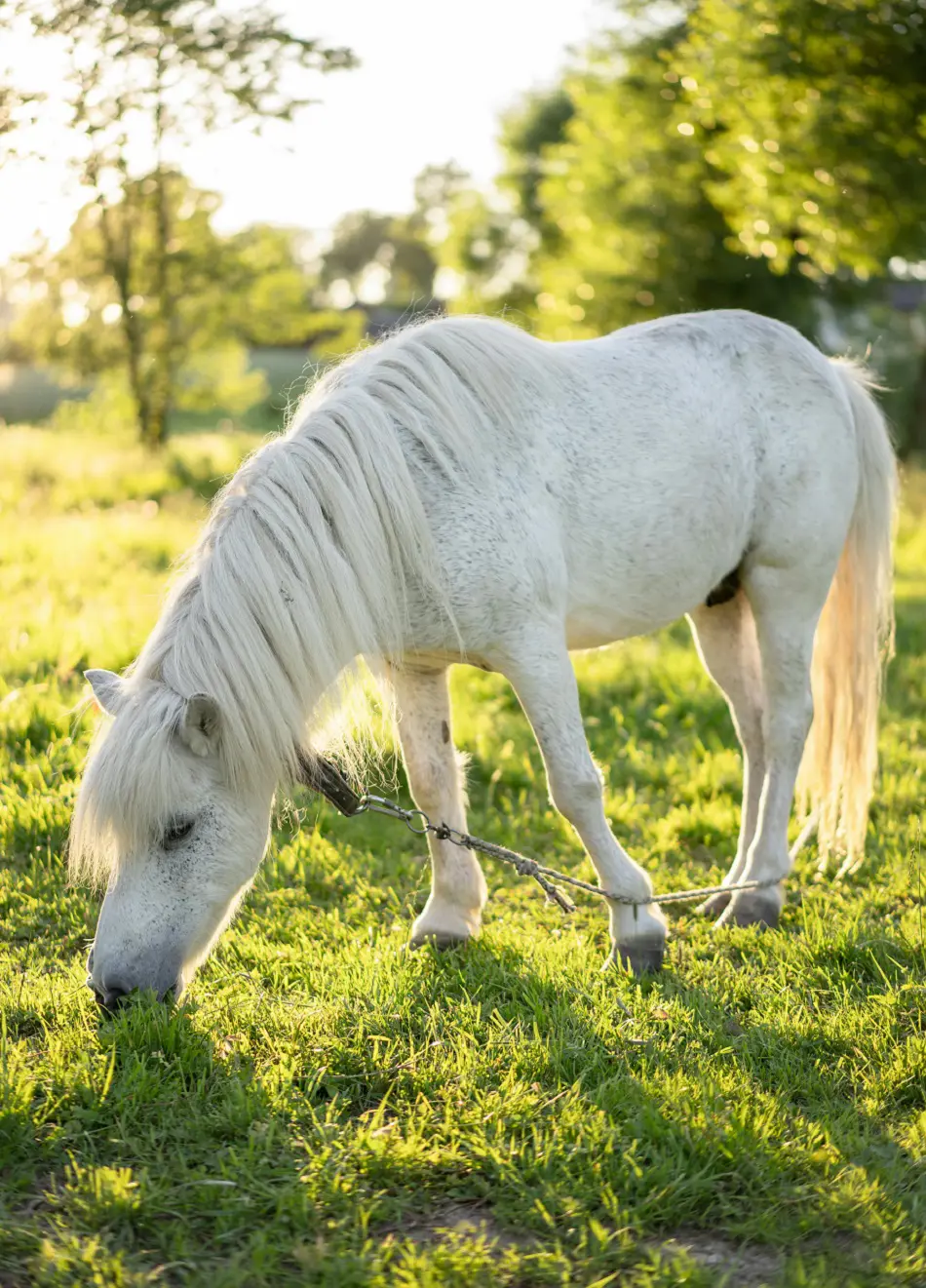
Although the size of the ponies is smaller than the horse, that does not mean their purchase price and their rising price are proportionally smaller. The cost of a good pony can be the same or higher than a horse.
The price of ponies may vary depending on the place, market demand, and breeds. The expected cost for a suitable pony can be about $1,000 to above.
Best Age To Buy A Horse
For first-time buyers of horses, one should consider buying a middle-aged, well-behaved, well-trained horse who generally lives up to 30 years, and buying a horse of 10 to 15 years can be the best fit. They are easy to handle and it is perfect for first-time buyers and they also serve great companionship.
If you are an experienced one, those who are used to horse riding can opt for the young one to buy. They can train them as they like and they can train with their experience.