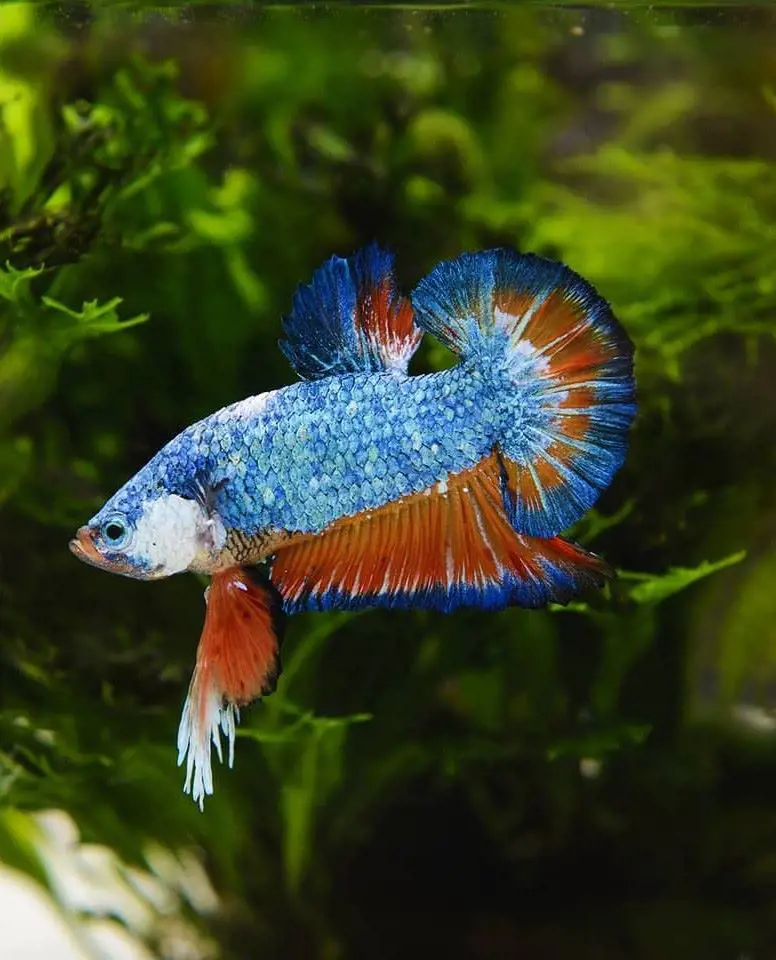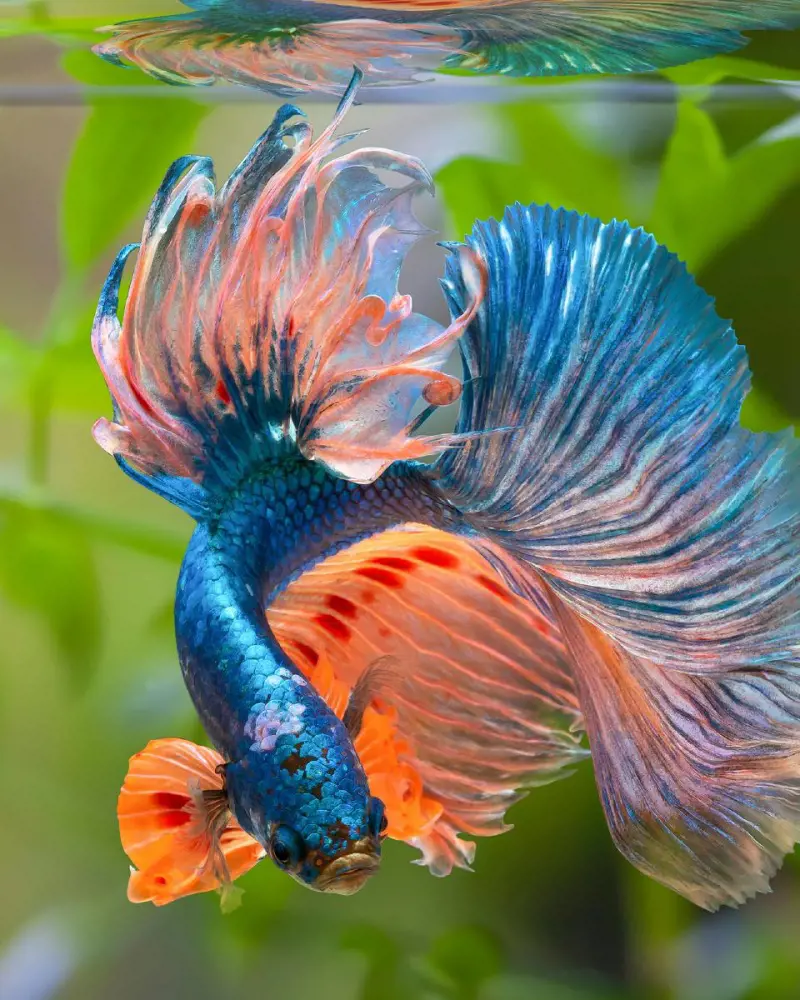


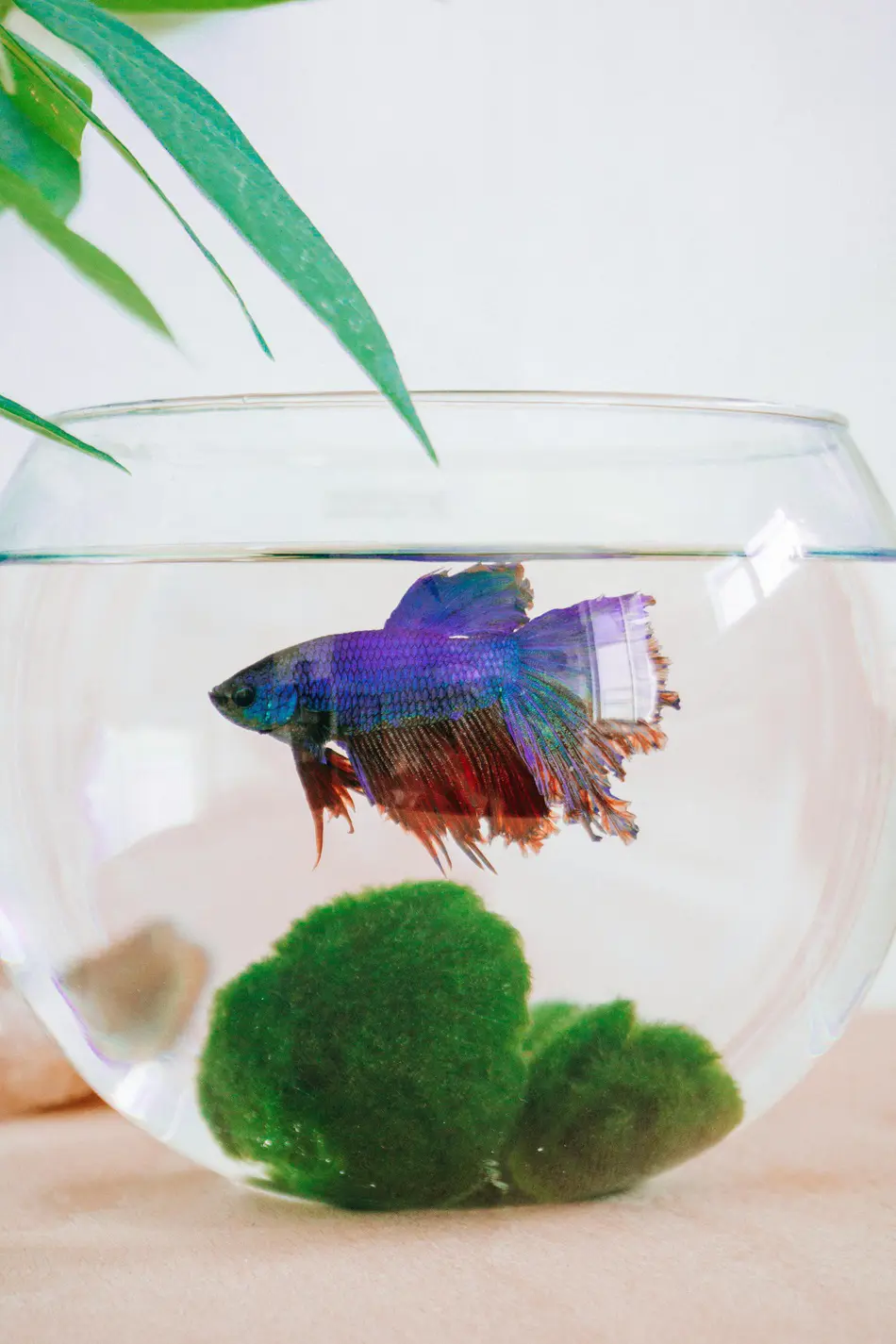
Betta fish are a type of pet frequently ordered by those who are pet lovers as they are brightly colored and have great, flowing tails, making them more popular in the world of fish care.
One way to ensure that they are healthy and vigorous is to keep themselves informed about their diet, they can go for several days without food, but it is very necessary to understand exactly how long they can survive and what factors will affect their ability to handle fasting.
Typical Feeding Habits of Betta Fish
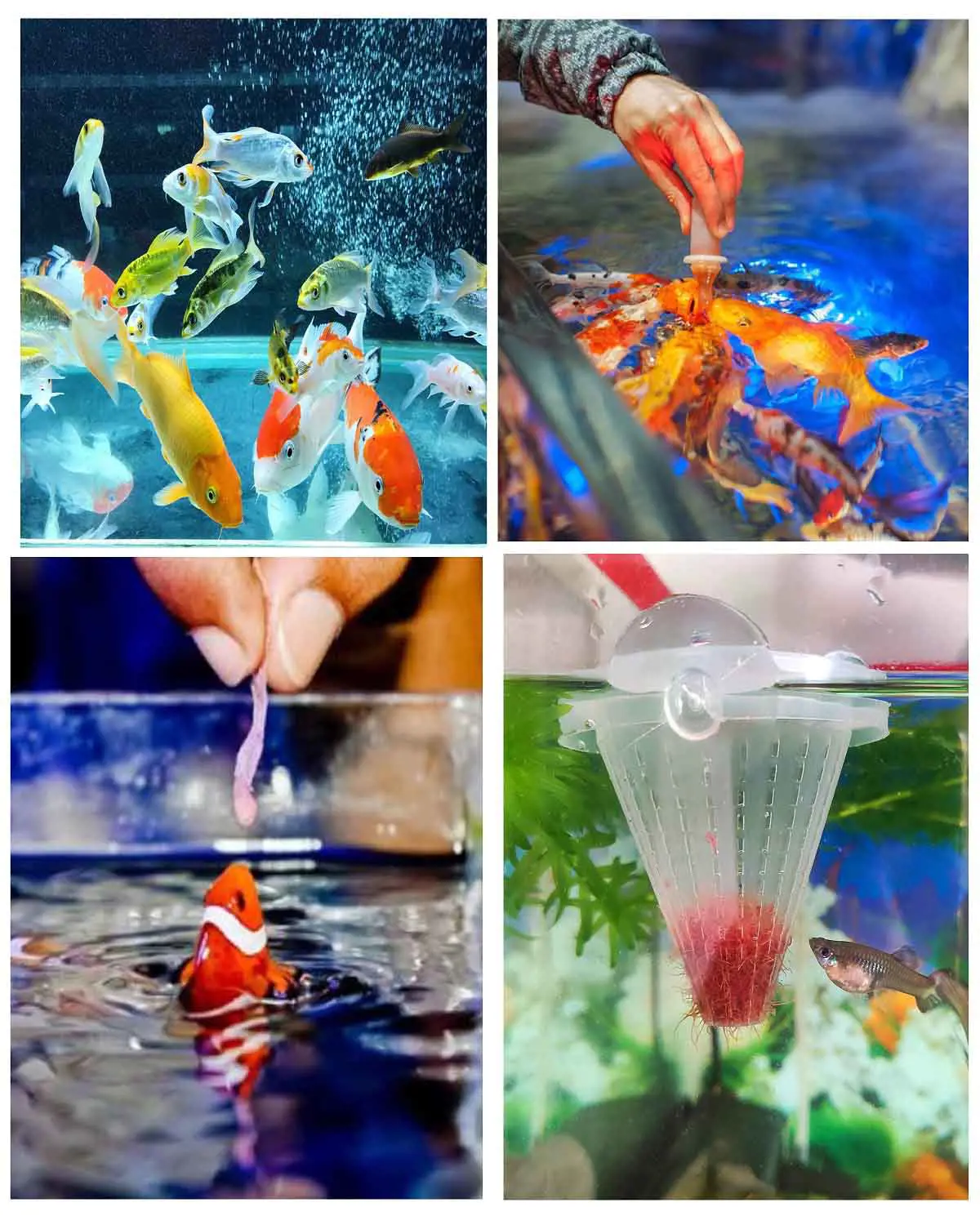
They are on top of a quality betta pellet and will love to eat live or dried foods such as bloodworms, and brine shrimp, they are quite specific about how they like to be fed and small meals often are better than large portions feeding one or two a day is acceptable with a betta fish, providing just what they will eat within a couple of minutes.
This is overfeeding, and it results in common mistakes that cause health problems like bloating and constipation and this means that overfeeding your Betta fish is crucial because those fish have small stomachs and tend to overeat.
They require a complete and balanced diet that imitates their natural feeding habits, it is also a major step to ensure that they should be observed and the diet probably changed according to them.
The Impact of Age and Health on Fasting Tolerance
Younger Betta fish have greater requirements for energy and thus need constant feeding to supply energy used up in development and growth, on the other hand, the adults have a much lower metabolic rate and can tolerate an extended period of food deprivation, although it is not healthy for them.
This particularly makes the unwell or stressed Betta more vulnerable to the effects of fasting, because their illness can weaken their immune system and make it hard for them to live without food. Stress from bad water quality, aggressive tank mates, or changing environments can decrease their ability to go without being fed.
Good husbandry, such as a nutritious diet to provide energy reserves, is essential for the well-being of Betta fish, as fish are occasionally expected to fast for a short period, quality Betta pellets and occasional live or freeze-dried foods will help increase their energy reserves and make them more robust during fasting periods.
The Role of Water Temperature
Temperature is critical when considering the metabolic status of Betta fish, given that variation will seriously alter the intensity of quick or slow use of energy, thus affecting feeding. Betta fish are tropical, and they do well in water temperatures of 76–82°F (24 to 28°C), this is when metabolism in them works at this particular range so that food can effectively be used for health.
When temperatures are out of the desired range, they close down their metabolism to reduce their urge to feed, undesired is a quick drop in temperatures, as it may cause stress, leading to the weakened health of the fish.
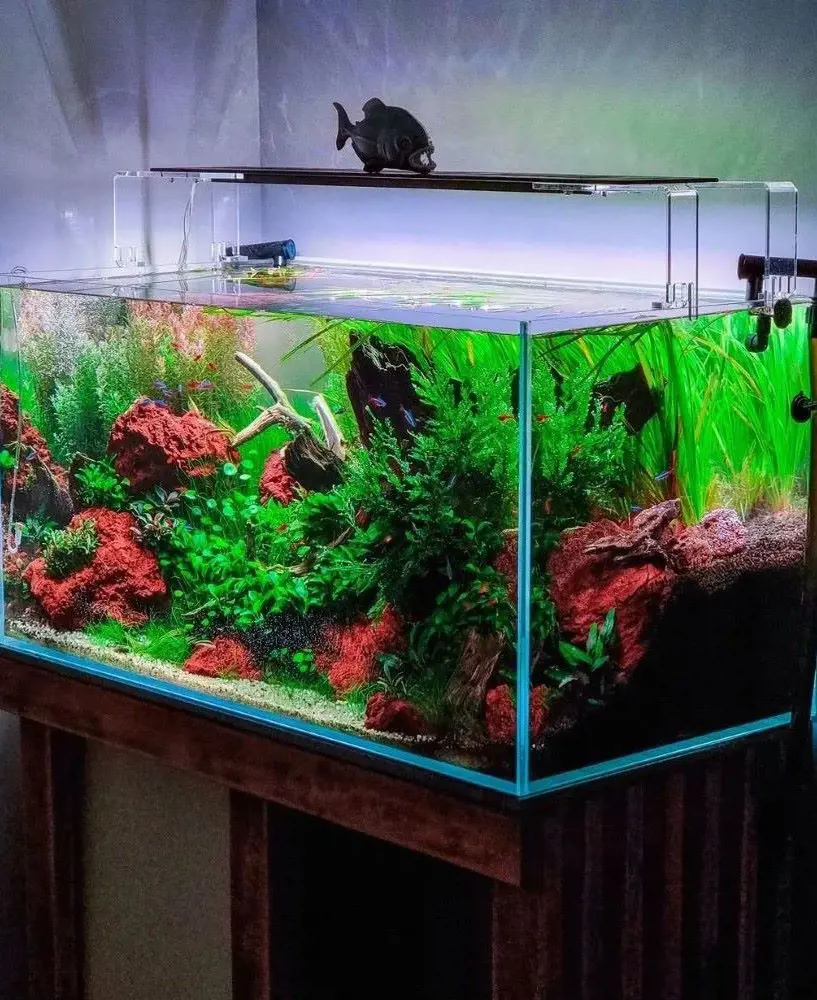
An aquarium heater and thermometer will further assist in maintaining water temperatures so that Betta fish can have their best metabolic response performed at an optimum level and in good condition.
How Long Can They Survive Without Food
Colorful and graceful, betta fish have always been in high demand among aquarium enthusiasts, their care is always underpinned by the key knowledge of their peculiar needs, especially in feeding, and knowing this can make it easier to make proper decisions about their care and how they can be kept healthy under conditions that preclude daily feeding.
Factors Influencing Survival Time
The latency of feeding in Betta fish depends on several factors, the most significant being age, health, and environment, young Betta fish have higher energy requirements and, because of this, may not take well to long fasts like the older Betta fish and a general recommendation is that a healthy adult Betta fish can go without food for about 3-5 days, although individual cases may vary widely.
In instances of a Betta fish already debilitated by illness or stress, it may not live a comparatively long period without food like a healthy fish. Water temperature is yet another environmental condition in which a significant role will be played concerning how long a Betta goes without food, the warmer water temperatures hasten metabolism time, which means they need to be fed more frequently, whereas cooler water temperatures slow down the need for feeds.
Indications of Starvation in Betta Fish
The most evident sign is weight loss, with visibility in the body appearing thin and the stomach sunken, in this animal species of Betta, continued starvation will reflect more rest and less activity in usability or some sleeping and they also lose some of their vibrant coloration and show reduced interest in their surroundings.
In worst cases, starvation can cause organ failure and death after some time if your fish hasn't been fed for days, it is necessary to follow its behavior and appearance.
Best practices in cases that prevent starvation
Knowing that you will be out for a few days, you can still take several steps to make sure your fish is fed even when you are not around and some of the best accessories available are automatic fish feeders, they will dispense food in measured amounts either at set times or during set periods.
You could also ask your friend or neighbor to feed the Betta fish while you are not in the vicinity and make sure you tell that person the amount and the kind of food not to give in excess or in short. Preparing the tank environment beforehand, like water changing and checking the filter, can help maintain your Betta's health while you are away and there's no food around.
Common Scenarios When They Might Go Without Food
There are a few scenarios where they can comfortably go without food, and knowing how to handle this in advance may avoid potential health problems, the greatest common scenario is when owners are away from home and cannot feed them daily.
Another one is a power outage, without electricity and it would mean a missed feeding schedule with the wrong water temperature in case of a power outage you may want to look at the condition of your tanks and, in general, do something to avoid unstable water temperature and some even use battery-operated equipment to keep the tank stable.
They may starve if they are fasting due to the disease conditions of bloat or swim bladder disorders, it would be very important to consider discussing the matter with an aquarium expert to get the recommended solution and to know when feeding can be restored.
Signs That Your Betta Fish Is Not Eating
The most evident of such signs is the presence of layers of food at the bottom of the tank or food floating on the tank's water surface, unlike other fish that may take some time before eating at pre-fixed points, they generally gulp up the food right away, so seeing it lying around after a few minutes is a problem.
Another sign that your Betta fish isn't eating is a change in behavioral pattern, not eating might make them more passive, and one might notice them spending more resting time on the substrate rather than active time, they may also feel indifferent toward what's happening, with even less enthusiasm to lean on the substrate when being fed food.
If your fish is not eating, you should monitor its health very closely, consulting an aquarium specialist will also be of much help, be sure to determine what could be causing your fish's failure to eat and quickly fix the problem before something more serious occurs.
Potential Health Risks of Prolonged Fasting
Extended food deprivation in Betta fish can expose them to several health threats, hence the need to be sure they receive regular meals, one of the most serious issues is malnutrition, which occurs if they live a long life while suffering from hunger, malnutrition might result in weakened immunity to diseases and infections.
Betta fishes use muscles for swimming and maintaining postures and with insufficient food presented, body reserves may be utilized to break down muscle tissue for energy, resulting in muscle atrophy.
It is known that when the fish are starved of proper nutrition, their organs begin to malfunction, resulting in serious health issues when left untreated or in some of the most extreme cases, even death so proper feeding is highly important, to avoid these risks, provide well-balanced and timely meals.
Preparing for Vacation: Ensuring Your Betta Is Fed
Making sure your Betta has enough food while you're away is very important for his health and well-being and knowing that you have planned for his needs, by planning you can set off safe in the knowledge that your Betta is going to be fed properly even when you're not at home.
Automatic Feeders: Pros and Cons
They are food-dispensing gadgets that portion out given amounts at set times, your fish will be fed, even if you are not around and probably the greatest benefit associated with automatic feeders is their ease of use and you can set the feeding schedule according to your fish's needs, reducing the risk of overfeeding or underfeeding.
Most are not suited to types of food such as live or freeze-dried, and sometimes they can malfunction, leading to a missed feed or overfeeding, be sure to test the feeder thoroughly before you take any long trips to be sure it is functioning properly and to purchase a model suited for the type of food used.
Feeding Blocks: How To Use Them
The other alternative ways to feed your fish while you're away are the feeding blocks, these slowly dissolve in water, releasing food in small quantities over days, they are quite easy to use, with little setup required, thus convenient for short vacations.
They sometimes do not give a whole or balanced diet, and in case of improper use, they can contribute to problems with water quality so it is important to use a quality feeding block and that your tank filtration system is working properly so there will be no bad effects on water quality.
Guide to Tell Your Fish Sitter
Or maybe what is most practical is to hire a fish sitter who will stay with the Betta on the home front and a fish sitter can offer health checks and support if there are alterations in feeding, including ensuring changes in tank conditions remain stable.
The fish sitter should be given instructions on how much and when to feed, as well as the type of food.
Preparing the Tank Environment
First, start by doing a water change to improve water quality and reduce the buildup of ammonia, check the filter to make sure it is free of blockage or debris and runs properly, and adjust the heater to make sure it is functioning properly and then set the water temperature accordingly.
Remove uneaten food or any debris not eaten from the tank, these items will rot and decrease the water quality of the tank and if you have an automatic feeder or feeding block, test it before your trip to ensure it is working accurately.
With a few precautions here and there, you can soon set off on your journey with the confidence that your fish's tank will probably still be its safe and healthy haven when you return.
How to Safely Resume Feeding After a Fast
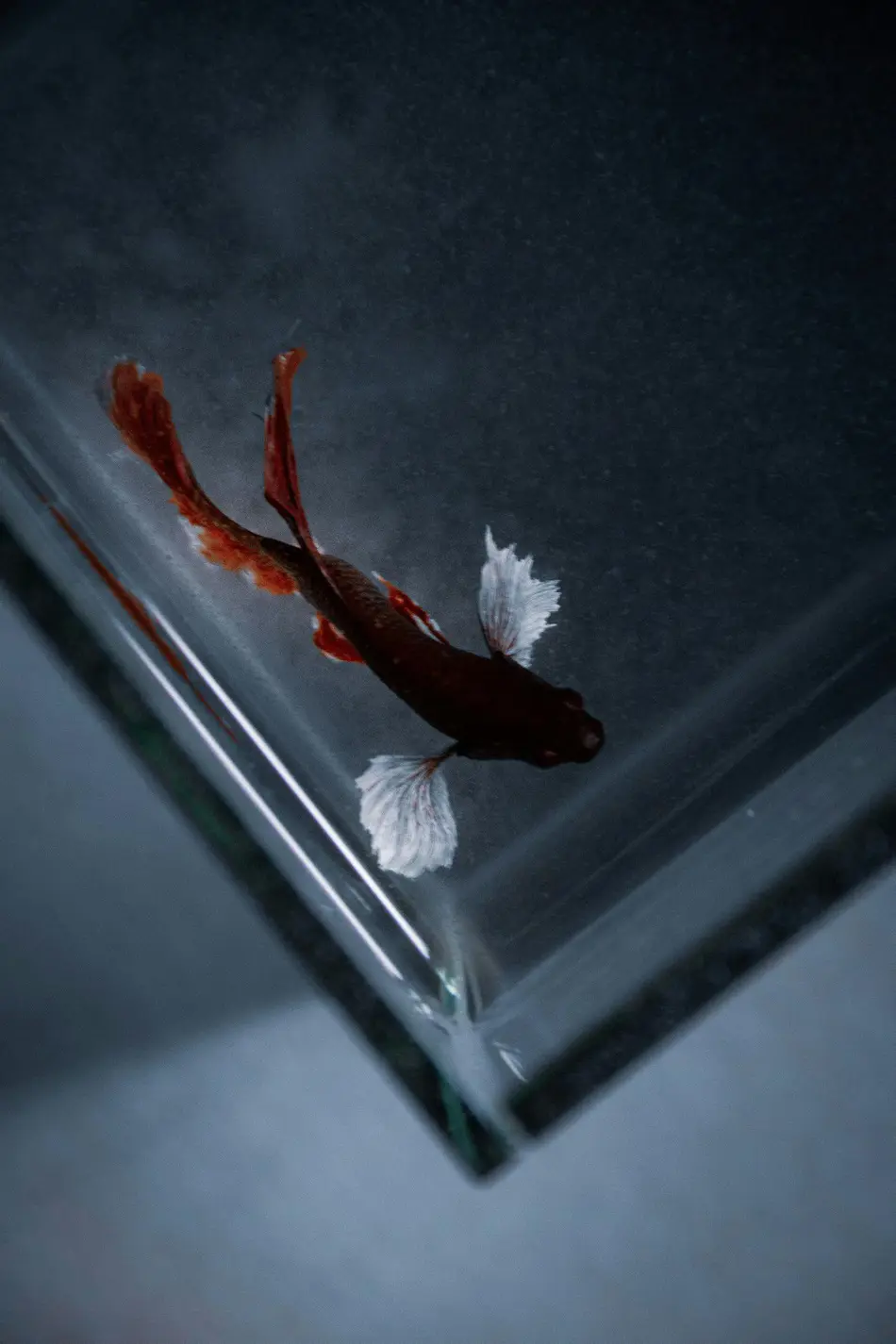
After some time without food, a Betta fish should be introduced back to food slowly so its digestive system isn't shocked, begin by offering it up just very small and digestible foods, for example, Betta pellets or bloodworms, give them small amounts, just to determine whether or not he would be willing to eat without any stress.
If it's eating without problems, then you can increase the amount of food each day for the next couple of days and be careful not to overfeed, as this can sometimes trigger a sensitive digestive system that has generally rested during periods of fasting.
If your Betta shows no interest in eating or appears uncomfortable after feeding, such as signs of bloating or inactivity, consult with an aquarium expert, he or she can successfully diagnose the underlying cause and recommend the best course of action to help your Betta fish recover safely.
Tips for Maintaining a Healthy Feeding Schedule
A good feeding pattern will also help in ensuring constant feeding, regular feeding will ensure that the right feed is provided in the right amount, thus preventing overfeeding and under-feeding, create some standard feeding times like once every morning and once every evening so that your fish fall into a routine of when they normally eat.
Unnecessarily indulging bettas with food at all times only results in health-related problems such as bloating, constipation, or poor water quality if overfed and, when underfed, it results in problems such as poor nutrition, leading to a weak immune system.
They should be fed regularly but sparingly on a varied diet, including high-quality Betta pellets and young adults mainly live or freeze-dried food, occasionally treated to bloodworms or brine shrimp.