


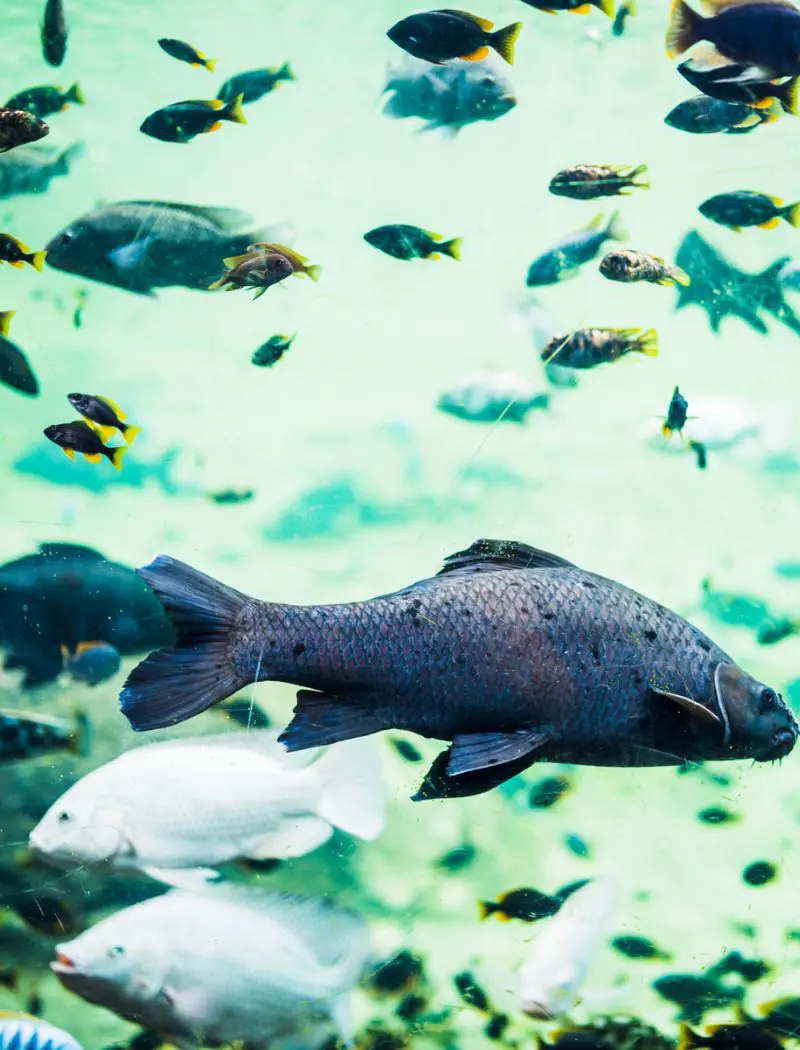
Fish get oxygen from the water around them and use special organs called gills to help them live submerged. The breathing process of fish is different from how humans or most animals respire.
Many fish have adapted to alternative methods of breathing even when they are kept in water with low oxygen levels. This article discusses the process of how a fish breathes to provide an interesting insight into their world.
Do Fish Breathe?

Like every living thing, fish breathe to survive in this world. Humans use their lungs to take in oxygen from the air, but fish have gills that allow them to absorb oxygen directly from the water. They pull water into their mouths and pass it over their gills to extract oxygen from it.
They have adapted to getting oxygen from the water as they live in water resources. This process allows them to survive in their environments where oxygen is available in much smaller amounts than in the air. While they may not breathe in the traditional sense, these animals do require air to stay active.
How Do Fish Breath Underwater?
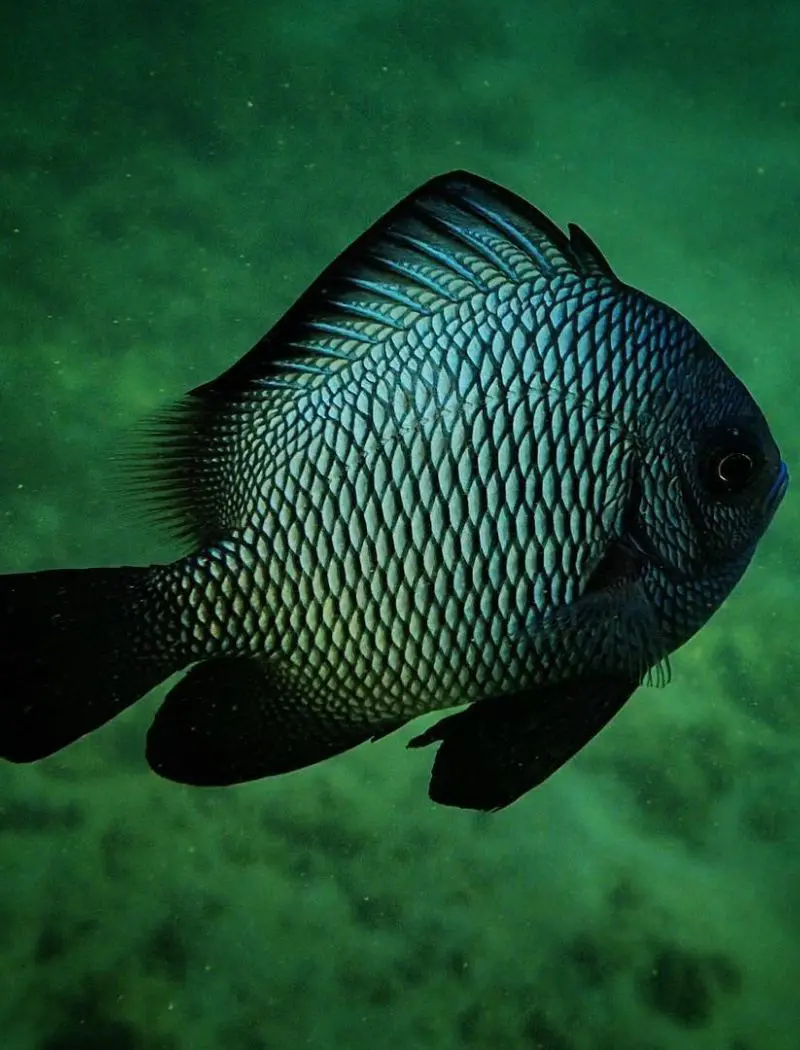
Gills are the main organs fish use to draw breath, located on either side of their head, which are made up of filaments and tiny projections that increase the surface area of oxygen absorption. When the water flows over the gills, oxygen spreads into the bloodstream and carbon dioxide moves out of their system and into the water.
The ability of gills is increased by a system where the blood flows in the opposite direction into the water and ensures that oxygen continually moves with maximum absorption. To ensure that water flows constantly over their gills, fish use a technique where they open and close their mouth to push water over the gills.
This action creates pressure that forces water through the gills and out the gill slits. Fish can adapt their gills to different environments and water conditions, making them crucial for respiration.
Alternative Fish Breathing Methods
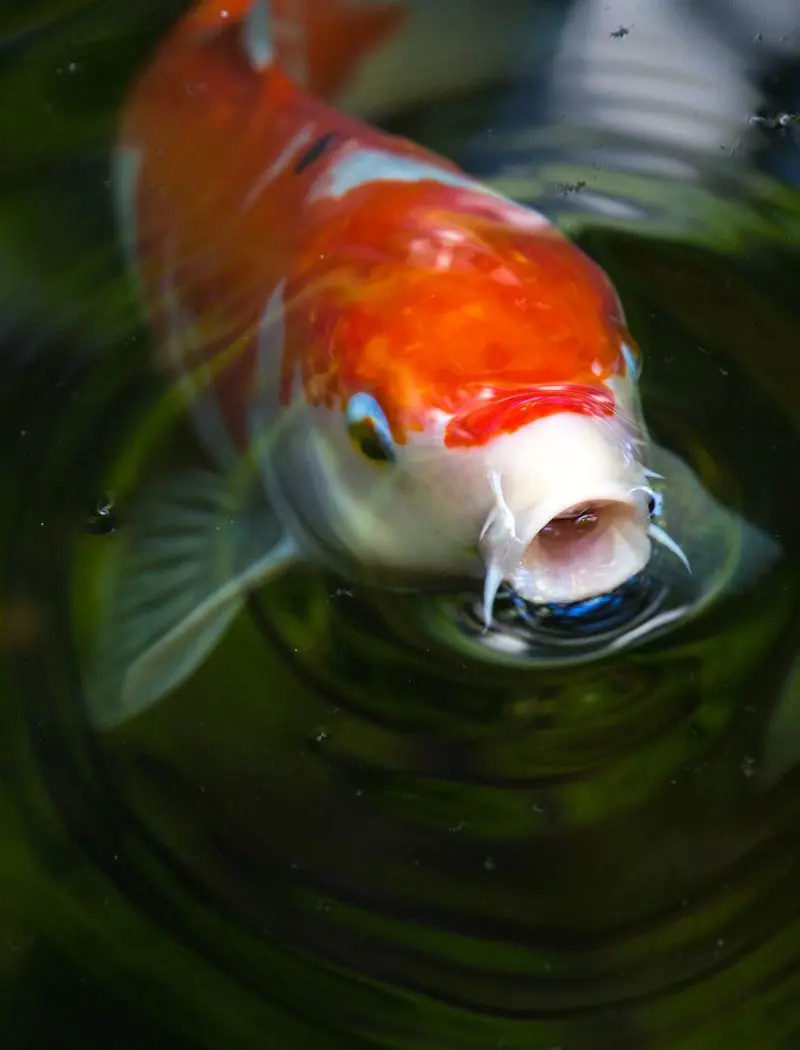
Some fish have unique breathing methods that help them to survive in environments where oxygen levels are low or where they need to supplement their gill respiration. Some of the alternative breathing methods that fish use are mentioned below:
Labyrinth Fish
Some fish like bettas and labyrinths have a specialized organ called the labyrinth organ, that allows them to gulp air from the surface. This is usually useful in oxygen-poor waters, where the oxygen level is too low for gills to work efficiently.
The organ is located near the gills and is used by these fish as they come to the water's surface to gulp air even when the oxygen level is low in the water. This special method makes them flexible in conditions where other fish might struggle
Eels And Catfish
Eels and catfish can absorb oxygen directly through their skin, which helps them survive in still or low-oxygen environments. Their skin can absorb oxygen directly from the water and allows them to take in small amounts of it when their gills are not fully functioning.
This is usually helpful in muddy waters or when fish are buried under debris as most catfish spend much of their time in dark waters. This method allows them to stay hidden and still get the oxygen they need to survive.
Sharks And Tunas
Sharks and tunas use ram ventilation, where they keep swimming with their mouth open to push water over their gills continuously. This method benefits these species as they are fast swimmers that live in open waters where stopping would limit their oxygen intake.
They can take in large amounts of oxygen quickly which makes it an energy-efficient way for these powerful swimmers to stay well-oxygenated while on the move.
Carp And Goldfish
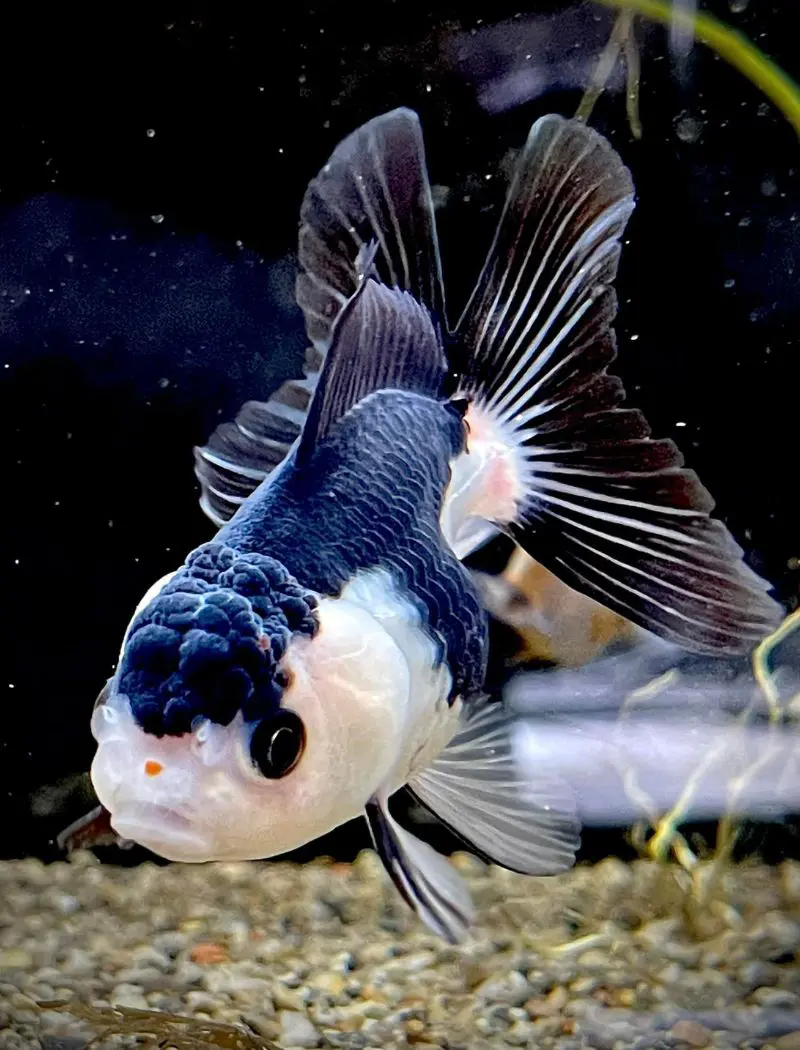
Carp and goldfish can temporarily switch to anaerobic respiration in situations where the oxygen is very low. This process allows them to produce energy by breaking down stored glycogen in their muscles which creates lactic acid as a byproduct, instead of using oxygen.
It is a useful method that helps them in emergencies but can only be used for short periods as the buildup of lactic acid can be harmful. This allows them to survive in winter when lakes and ponds may face low oxygen levels.
Mudskippers
Mudskippers are unique fish that can breathe both in water and on land by using gills and specialized chambers in their mouth and throat. These chambers retain water, which allows them to keep their gills moist and continue gas exchange on land.
They also have the ability to absorb oxygen through the lining of their mouths and skin. This dual ability allows them to hunt, find mates, and escape from predators on land.
Lungfish
Lungfish have gills and lung-like structures that allow them to breathe air directly as they usually live in freshwater that often dries up. These fish can switch to breathing air when water levels fall by filling their primitive lungs with air to absorb oxygen.
They burrow into the mud during droughts to form a cocoon and enter a state of inactivity where they rely on air stored in their lungs to survive until water returns. This method allows them to survive periods of dryness and makes them adapt to harsh water conditions.
Electric Eels
Electric eels live in low-oxygen waters and have adapted to it by developing a unique mouth-breathing technique where instead of relying only on gills, they use the mouth lining to absorb the breathable air. This allows them to gulp air from the surface every few minutes to meet their oxygen needs.
The swallowed air is absorbed directly into their bloodstream through the mouth lining and helps them survive in their dark, stagnant environment.
Trouble Breathing In Fish
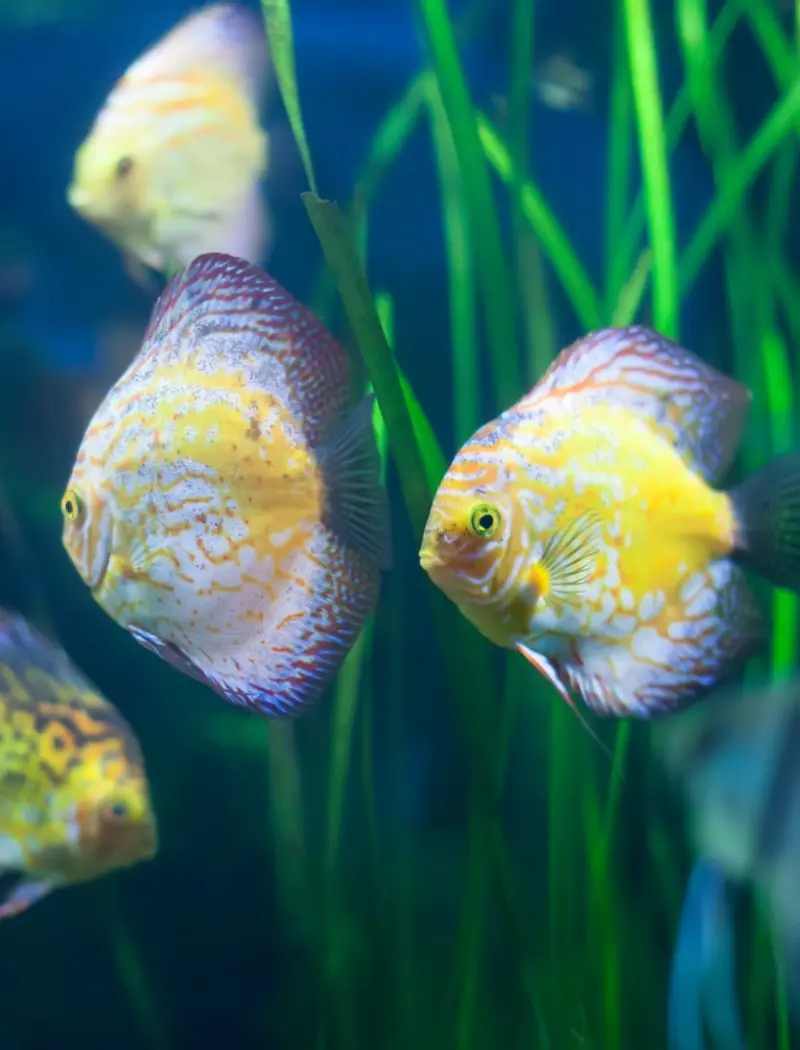
Fish can experience breathing problems for many reasons like poor water quality or environmental stress which can hamper their lifestyle significantly. Low oxygen levels in the water can occur with crowding or during warm climates, which can cause fish difficulty taking a breath.
Pollution in water is another major reason that can damage their gills and hamper their ability to absorb air from the water. Pollution can also cause gill disease or outbreaks that can further hamper their breathing and cause visible injury to their respiratory parts.
Sudden changes in water temperature or the presence of aggressive tank partners can also negatively impact their respiratory system. It is important to provide good water quality, proper filtration, and regular tank maintenance to make sure they do not suffer from breathing issues.
Challenges Fish Face in Low-Oxygen Waters
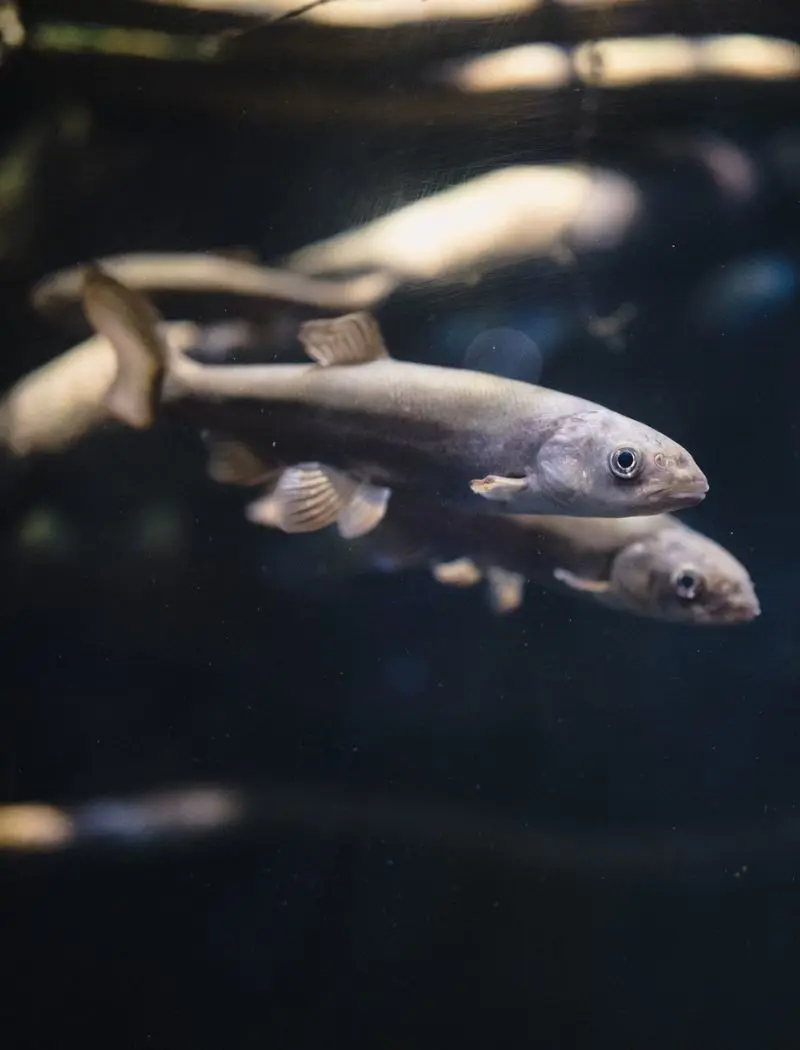
Fish face many challenges in low-oxygen waters as their gills struggle to extract enough oxygen from the water, which may result in slower growth and reduced energy levels. They may also face difficulty maintaining normal bodily functions, making them open to diseases and predators.
It also affects their activity and reproductive health as they may need to slow down their metabolism to conserve energy. It is important to keep them in a tank with proper water conditions as continuous exposure to these poor water conditions can be harmful and lead to more serious complications.
Effects Of Temperature On Fish Breathing
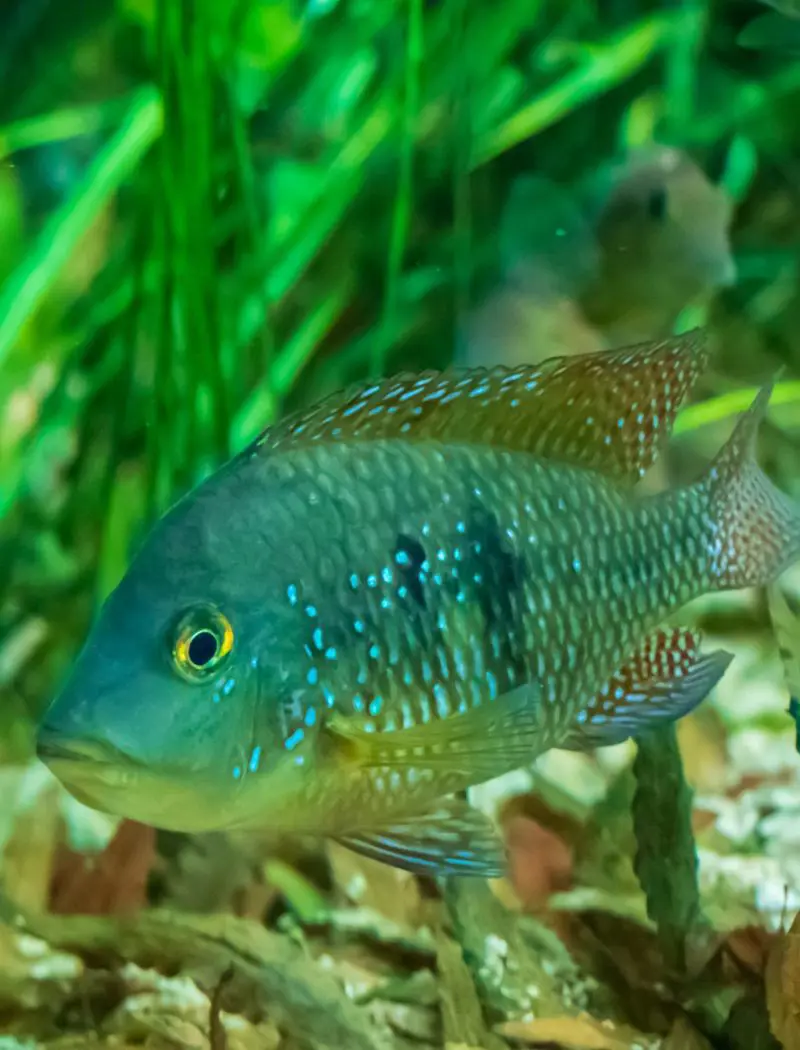
Temperature plays an important role in fish breathing as it affects the amount of dissolved air and their metabolic speed. Water with high temperatures can hold less amount of oxygen and make it harder for fish to get the required amount of breathable gas.
Fish need to work harder in warmer water to extract oxygen from their environment, which can lead to increased respiratory rates and strain on their gills. It also affects their metabolism as they need more oxygen in warm water to do basic tasks like swimming or feeding.
Some fish can survive by slowing down their activity or moving to cooler water, but long exposure to such conditions can cause stress and weaken their immunity. Fish breathe more slowly in cold water as their metabolism decreases, making it easier to meet their oxygen requirement.
How Fish Breathe At Different Depths
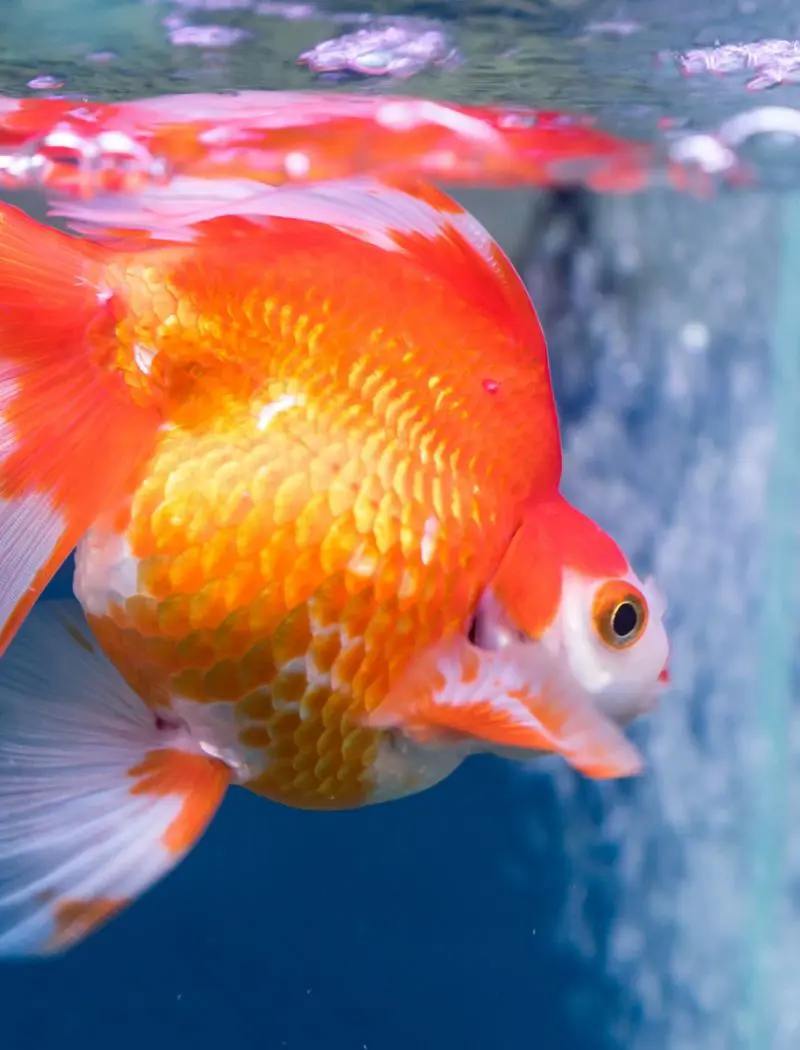
Fish have adjusted to breathe at various depths where they might face changes in pressure, temperature, and oxygen levels. Fish that live near the surface have higher oxygen levels and use their gills to extract oxygen in higher amounts.
Fish that live at greater depths where oxygen is low have adjusted by slowing their metabolic rates to reduce their need for oxygen. Many fish also have highly efficient gills that are capable of absorbing any available oxygen in very small amounts. These adaptations have enabled them to survive in various depths of water where oxygen levels might not be readily available.