

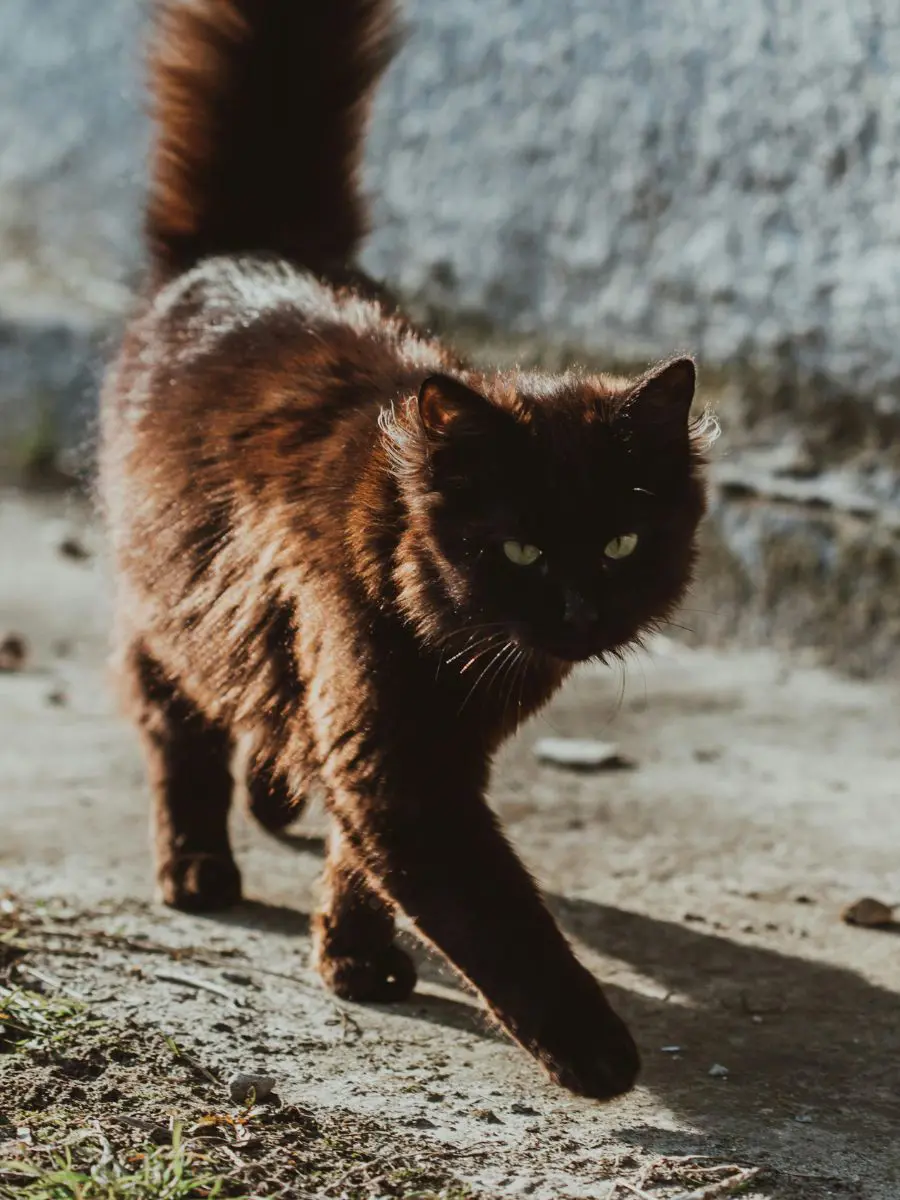
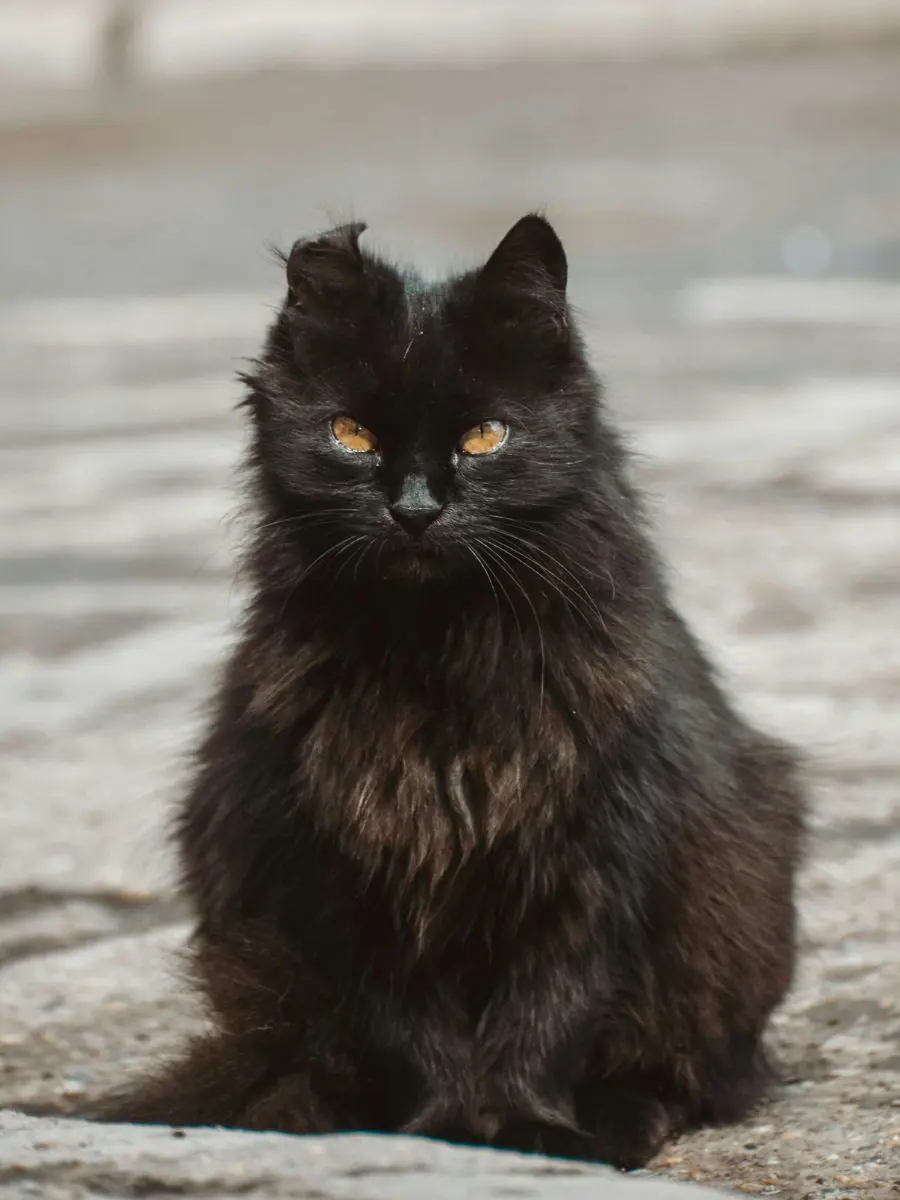
Havana Brown is medium-sized with a sleek, muscular build, which features a short, dense coat that lies close to the body, giving it a glossy, lustrous appearance. The breed has a rounded head, large, expressive eyes that can be copper or green, and a wedge-shaped face with prominent cheekbones.
It is a people-oriented cat that enjoys interactive play and is typically good with children and other pets, making it an excellent choice for families. The breed is generally healthy, though regular veterinary care is important to ensure its well-being. Overall, Havana Brown is cherished for its distinctive manner and engaging personality, making it a beloved companion.
History And Origin
The Havana Brown cat breed originated in England in the 1950s through a planned breeding program between Siamese and domestic black cats. The goal was to create a self-brown cat with a Siamese-type body and head shape. Early breeders introduced a Siamese-type Russian blue into their breeding program, but current genetic testing suggests that almost none of these genes remain in the breed’s gene pool.
Early Development
In the 1890s, self-brown cats were shown in Europe, with one name given to these cats being the Swiss Mountain Cat. However, these cats disappeared until after World War II, likely due to the Siamese Cat Club of Britain discouraging their breeding. The Swiss Mountain Cat was not used in the breeding programs of the modern Havana Brown.
Havana Group
In the early 1950s, a group of English cat fanciers, known as The Havana Group, began working together to create a self-brown cat of Foreign Type. These breeders selectively bred a Siamese cat carrying the chocolate gene with a black cat carrying the chocolate gene, producing chestnut-colored kittens.
Recognition and Evolution
The breed continued to develop in the UK and became known as the Chestnut Brown Oriental. Early in the breeding program, two kittens were exported to Siamese breeders in the USA. Over the next decade, breeding took a different turn due to genetic problems, and it became necessary to utilize other breeds for genetic outcrossing. This led to a change in direction, resulting in a different look than the original breeders intended.
American Influence
In the US, the imported kittens were crossbred with Chocolate and Seal Point Siamese, producing only Chocolate or pointed offspring. Breeders selectively bred for self-brown kittens and genetic diversity resolved any defects. The American breeders focused on maintaining the unique head shape and did not breed for extremes, resulting in a moderate, richly colored breed.
Recognition and Name Changes
Havana Brown was accepted for Championship status in the world’s largest feline registry. In Europe, the breed is still known as Havana, while in one US registry, it is also referred to as Havana. The name Havana is believed to be derived from the breed’s rich brown color, reminiscent of Havana tobacco, or possibly from the Havana rabbit.
Today
Havana Brown is a well-balanced, medium-sized cat with a long, muscular body and a friendly, affectionate personality. They are known for their intelligence, playfulness, and adaptability to traveling. With a dedicated group of breeders working to increase genetic diversity, Havana Brown remains a unique and beloved breed.
Characteristics And Rating
| Family Friendly | 5 |
| Exercise Needs | 4 |
| Easy to Train | 4 |
| Tolerates Being Alone | 3 |
| Likes other Pets | 4 |
| Energy Level | 4 |
| Grooming Needs | 3.5 |
| Shedding | 3.5 |
| Affection | 4.5 |
| Playfulness | 4.5 |
| Alertness | 4.5 |
The Havana Brown cat is a distinctive breed known for its unique combination of appearance and temperament.Havana Browns are medium-sized with a muscular and well-proportioned body.
They have a rounded head, prominent cheekbones, and a slightly wedge-shaped face, which together create an elegant and refined appearance. Known for their affectionate and playful nature, the Havana Browns are social and enjoy human interaction. They are gentle, curious, and tend to get along well with children and other pets, making them excellent companions. Havana Brown is admired for its distinctive chocolate-brown coat, engaging personality, and elegant build, making it a unique and beloved breed among cat enthusiasts.
Havana Browns are medium-sized with a muscular and well-proportioned body. They have a rounded head, prominent cheekbones, and a slightly wedge-shaped face, which together create an elegant and refined appearance.
Playfulness
The Havana Browns are known for their high energy and enthusiasm for play. They actively engage in games and activities, making them very playful and interactive. Havana Browns love to play with their human companions.
Affection
Havana Browns are highly affectionate and enjoy close bonds with their human companions. They are known for being loving, cuddly, and eager to interact with their families. This breed thrives on social interaction and seeks out companionship.
Alertness
The Havana Browns are highly alert and attentive. They are keen observers and responsive to their surroundings, making them quick to notice changes in their environment. They are inquisitive and enjoy exploring their environment, which keeps them engaged and aware of new stimuli.
Havana Brown Cat Breed Personality Traits
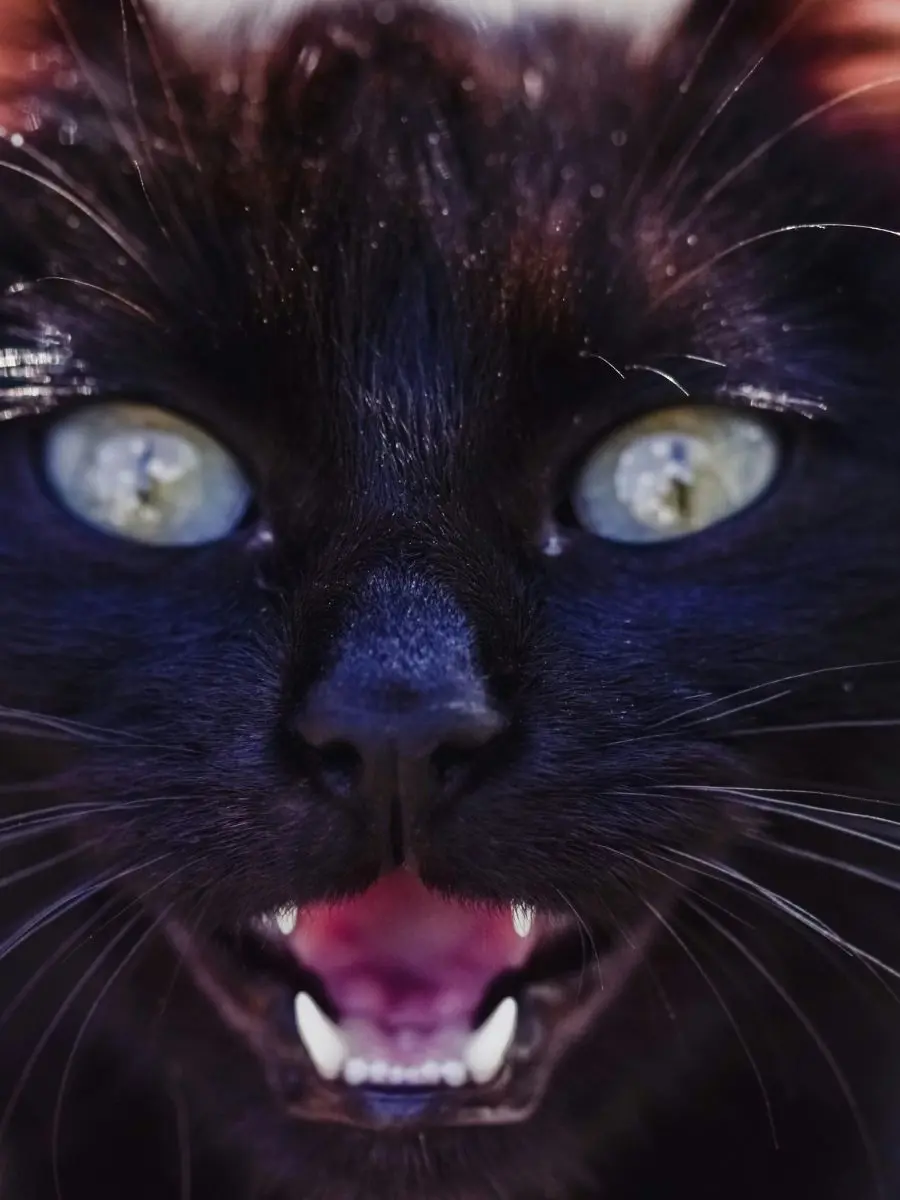
The Havana Brown cat is renowned for its inquisitive nature and love of exploration. This breed's natural curiosity drives it to actively investigate its surroundings, making it a highly engaging and perceptive companion.
Havana Browns are often seen exploring every nook and cranny of their environment, from climbing on furniture to examining new objects with great interest. This behavior not only keeps them mentally stimulated but also ensures they remain aware of any changes or new stimuli in their home.
Gentle
Despite their lively and playful nature, the Havana Browns are known for their gentle and calm demeanor. This breed balances its energetic playfulness with a remarkable level of patience and tolerance, making them well-suited for both families and individuals. Their gentle nature makes them particularly good with children, as they handle interactions with patience and grace.
Adaptable
The Havana Brown cat is remarkably adaptable, showcasing a high level of flexibility in both its environment and lifestyle. This breed adjusts well to different living situations, making it a suitable choice for various types of households, from apartments to larger homes. Its adaptable nature means it can comfortably settle into new environments as long as its basic needs for stimulation and interaction are met.
Shedding
Havana Browns shed a moderate amount of fur. Their short, dense coat means that while shedding is noticeable, it is not excessive compared to long-haired breeds. Shedding occurs regularly, with peak periods typically in spring and fall. Regular brushing helps manage the amount of loose fur and reduces shedding around the home.
Nutrition And Diet
The Havana Brown cat requires a balanced and nutritious diet to ensure its health and well-being. A well-rounded diet is crucial for maintaining its sleek, shiny coat and overall vitality.
High-quality protein is essential, as it supports muscle development and energy levels. Look for cat food where meat or fish is the primary ingredient, as this provides the necessary amino acids.
High Quality Protein
High-quality protein is crucial for the health and well-being of the Havana Brown cat. Protein plays a vital role in maintaining muscle mass, supporting cellular repair, and providing essential energy. For optimal health, it is important to select cat foods where high-quality meat or fish is the primary ingredient. This ensures that the protein source is not only digestible but also rich in the essential amino acids that cats need.
Balanced Fat for Energy
Balanced fat content is essential for the health of the Havana Brown cat. Fats are a primary energy source and are crucial for maintaining a healthy, shiny coat and supporting overall skin health. When selecting cat food, ensure it includes an appropriate level of fat, which should come from high-quality sources.
Essential Vitamins and Minerals
A complete diet for the Havana Brown cat must include essential vitamins and minerals to support overall health and well-being. Key nutrients like taurine, vitamin E, and calcium play critical roles in maintaining various bodily functions.
Feeding Schedules
Establishing a consistent feeding schedule is crucial for maintaining the health and well-being of the Havana Brown cat. A regular feeding routine helps regulate your cat's metabolism, supports optimal digestion, and ensures balanced energy levels throughout the day.
Kittens Feeding
Kittens need frequent feeding due to their small stomachs and high energy needs. Newborns should be fed every 2-3 hours, including through the night. As they grow, the frequency can be reduced to 3-4 times a day by 4-6 weeks of age.
Adult Feeding
Most adult cats thrive on two meals per day. Consistent feeding times help regulate their metabolism and can prevent obesity. Some owners opt for free-feeding, such as leaving food out all day, but scheduled meals can help manage portions and prevent overeating.
Portion Control
Follow the feeding guidelines provided on the cat food packaging. Portion sizes should be adjusted based on your cat’s weight, age, activity level, and any specific health needs. Regularly monitor your cat’s weight and adjust portions.
Treats and Snacks
Treats should constitute no more than 10% of your cat's daily calorie intake to prevent obesity and nutritional imbalances. Offer treats in small amounts and limit frequency to avoid overindulgence.
Hydration
Hydration is essential for maintaining the overall health of your cat. Providing fresh water at all times is crucial, as it supports numerous vital bodily functions. Proper hydration aids in digestion, nutrient absorption, and waste elimination. It also helps prevent urinary tract issues and promotes kidney health.
Care For Havana Brown Cat Breed
Caring for a Havana Brown cat involves addressing their specific needs to ensure optimal health, happiness, and well-being. This breed requires regular grooming due to its short, dense coat, which should be brushed weekly to manage shedding and maintain a sleek appearance.
Havana Browns are affectionate and enjoy companionship, so spending quality time with them is vital. Providing a clean litter box, a stimulating environment with scratching posts, and cozy bedding helps meet their behavioral needs and ensures their overall well-being.
Exercise and Play
Exercise and play are vital for the Havana Brown cat, given their energetic and playful nature. This breed thrives on regular physical activity, which helps keep them fit, mentally stimulated, and engaged. By incorporating regular exercise and interactive play into their daily routine, you ensure that your Havana Brown remains active, happy, and in optimal health.
Train Your Cat
Training a Havana Brown cat can be a rewarding experience due to its intelligent and responsive nature. Begin training when your cat is young, as kittens are generally more receptive to learning. However, older cats can also be trained with patience and consistency. Reward-based training is the most effective for your cat.
Grooming
Havana Brown has a short, dense coat that requires minimal grooming. Weekly brushing helps manage shedding and keeps their coats sleek and shiny. Regular nail trimming every 1-2 weeks is also essential to prevent overgrowth and discomfort.
Health Issues
The Havana Brown cat breed is known for its generally robust health, but, like all breeds, it is susceptible to specific health issues. Domestic long-haired and short-haired cats are typically recognized as the healthiest cat breeds, due to reduced inbreeding.
Dental Problems
Havana Brown can be prone to dental issues such as gingivitis and periodontal disease. Regular dental care, including brushing their teeth and providing dental treats, can help maintain oral health.
Obesity
Due to their affectionate and often sedentary nature, Havana Browns can be susceptible to weight gain and obesity. Maintaining a balanced diet and regular exercise is crucial to prevent excessive weight gain.
Respiratory Issues
Although not breed-specific, cats in general, including the Havana Browns, can suffer from respiratory issues such as asthma or chronic bronchitis. Watch for signs like coughing or wheezing and consult a veterinarian if symptoms arise.
Kidney Disease
Older cats, including the Havana Browns, could be at risk for kidney disease. Regular veterinary check-ups and monitoring kidney function can help catch and manage this condition early.
Allergies
Like other breeds, Havana Browns can experience allergies, which may manifest as skin issues or gastrointestinal problems. Identifying and avoiding allergens can help manage symptoms.
Where To Buy Or Adopt
Whether adopting or purchasing, ensuring the cat comes from a responsible source is crucial for a happy and healthy companion. Research breeders who specialize in Havana Browns.
Ensure they follow ethical breeding practices and provide a healthy environment for their cats. Visit the breeder’s facility if possible and ask about health screenings, socialization, and the kitten’s lineage. Attend cat shows and expos where you can meet breeders and see Havana Browns up close. This will provide a chance to ask questions and find reputable breeders.
Things to Consider
If buying from a breeder, choose one who is well-regarded and ethical. They should provide health clearances, proper socialization, and a clean living environment for their cats. Confirm that the cat has been checked for common health issues and received vaccinations, deworming, and other necessary medical treatments. Check all pet policies to see if you can rent your home and ensure your landlord allows cats.