

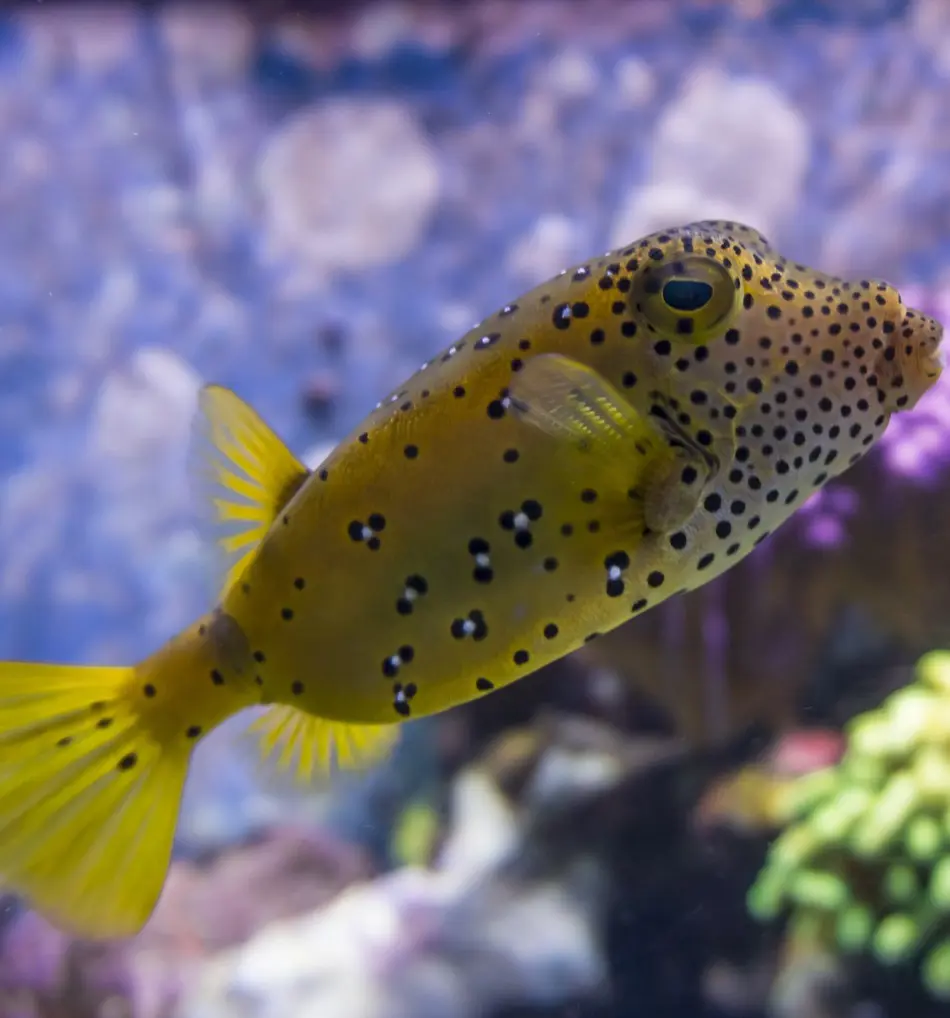
Green Spotted Puffer is a fascinating, vibrant fish that requires a brackish water environment and specialized care to thrive. Due to its aggressive nature and unique dietary needs, it is best suited for experienced aquarists.
Follow these guidelines, and you will be well on your way to giving your puffer fish a happy and healthy life in your aquarium.
Understanding the Green Spotted Puffer
Among the fish species holding my interest, to name one is the Green Spotted Puffer, having very distinct features that any other fish does not possess, to put it all together, the origin of such species is said to have come from fresh and brackish waters, mainly found in South-East Asia.
Most likely, these are very intelligent and curious puffers who will usually attempt to interact with their environments in many unconventional ways, much more than just a good-looking tank is required for these fishes and they would require specified conditions for them to thrive, with properly managed diets and suitable cohabitants within the same tank.
Know the behavior of green spotted puffers in the wild as they're not for beginners, but experienced ones with experienced care and knowing exactly all they need in terms of water conditions and food preferences would make them perfect.
Setting Up the Ideal Tank Environment
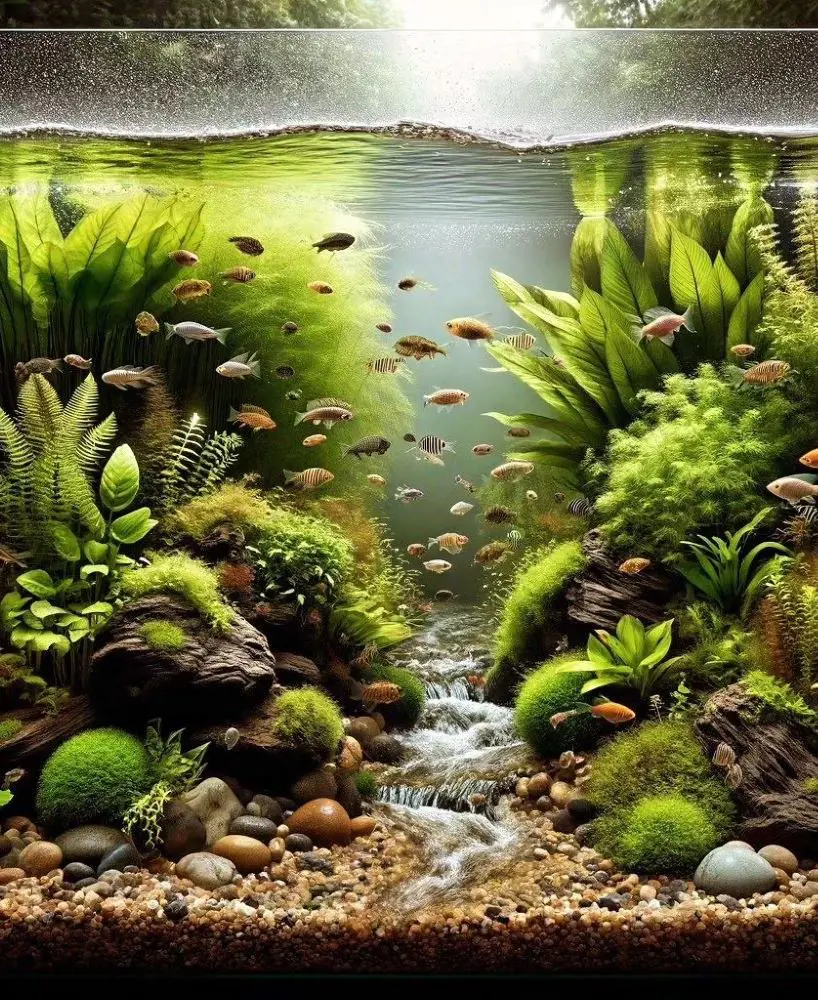
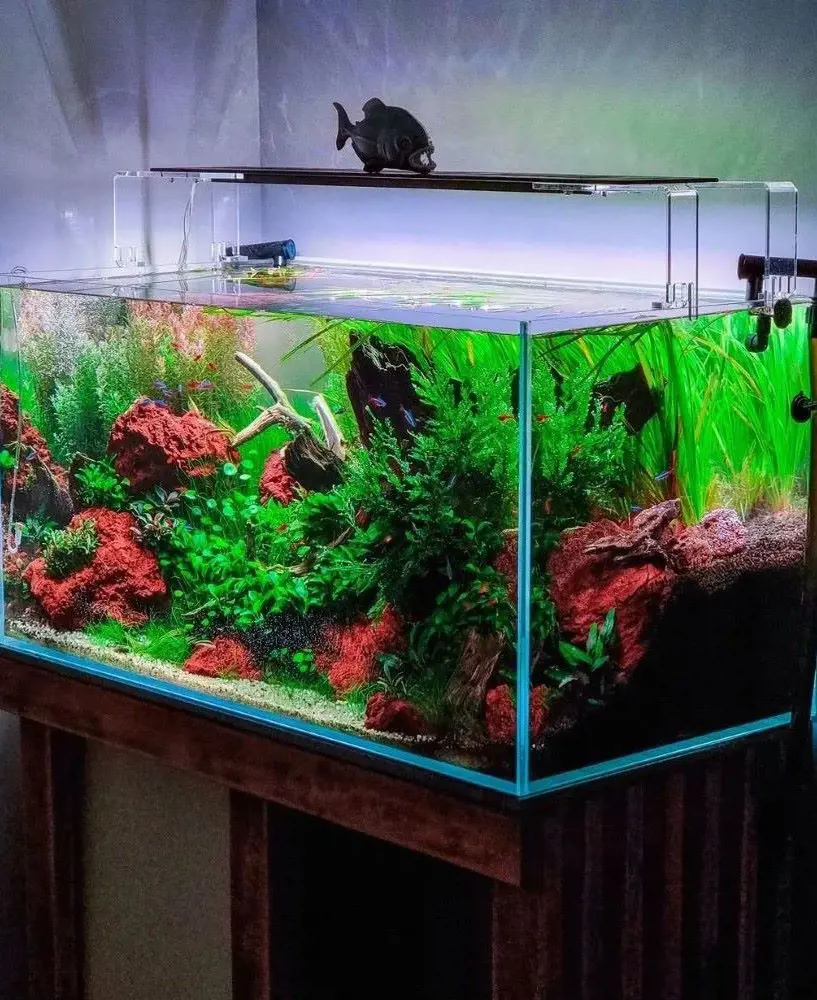
The first base step to ensuring good health in Green Spotted Puffers is the creation of the right environment in the right tank they are such active fish that like to swim, so they require a large 30-gallon tank, set up plenty of places to hide with boulders and plants so your puffer feels safe yet is free at the same time to explore.
They start their lives in freshwater and later will require brackish water, specific gravity and stable parameters for both temperature and pH will be highly important for healthy well-being.
The filtration should be proper so that water stays away from dirt and poison and they are heavy leechers, a good filtration system is necessary and regular water changes accompanied by monitoring the water quality will ensure that your puffer stays fit and healthy.
Tank Mates
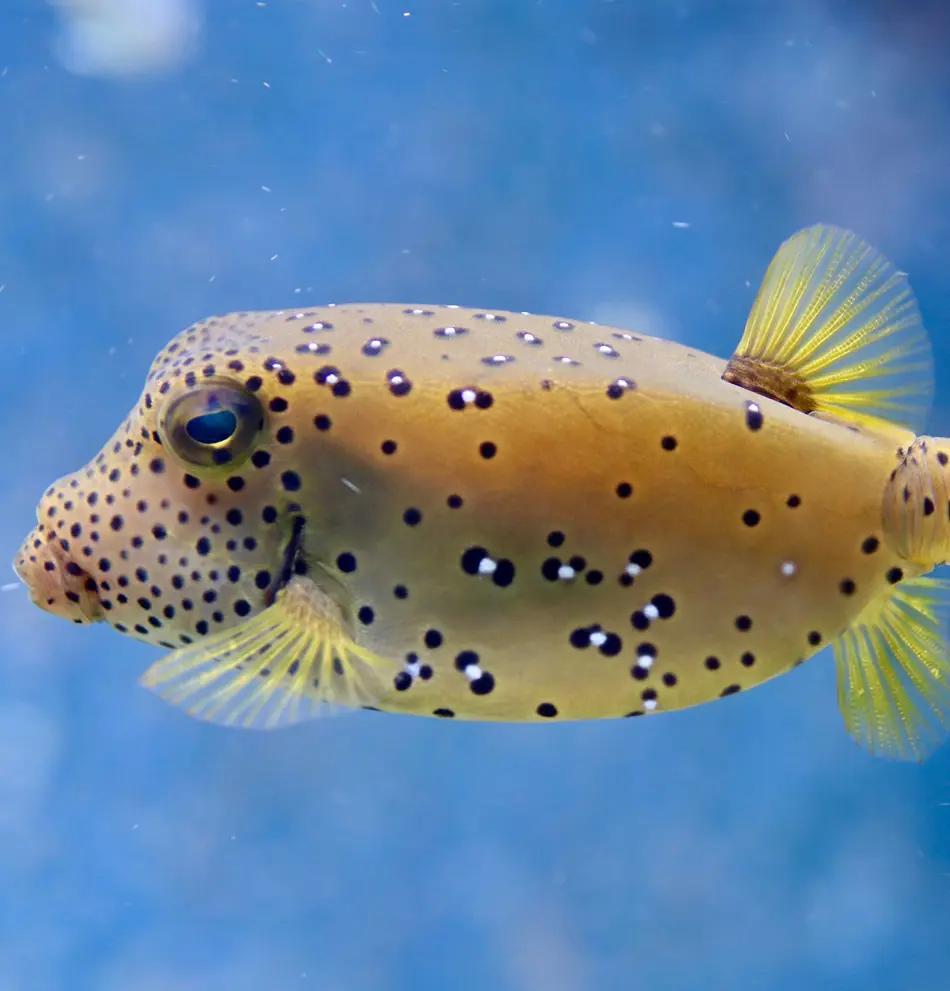
Companions should be chosen very carefully, considering the special requirements and behavior of this fish and one has to understand the temperaments, feeding habits, and other habits of the puffer, this would ensure that you pick other fish that are compatible with the puffer, hence avoiding undue stress, aggression, or eventual sickness.
Compatible Species
They are semi-aggressive, so the right companions could be elusive to find, other good companions include those which can survive in brackish water, such as Mollies, some Gobies, or even other Puffers like the Figure Eight Puffer.
These species have quite similar water requirements and hence can be kept together peacefully if there is enough space so close attention should still be monitored at their interactions, especially at feeding times, such that no aggression crops up.
Since this is a slow- or small-sized fish, it can be very easily a cause of curiosity and even sometimes an object of aggression on the part of the puffer as they should be avoided, with proper planning and observation at the right time, this balance can be maintained so that all species coexist without problems and flourish.
Avoiding Incompatible Tank Mates
Tankmates that are too aggressive, such as cichlids, or too passive, such as neon tetras, should be avoided to prevent fighting or predation, such small fish can be viewed as food and hence cause potentially undesired outcomes.
Each species should be checked to make sure they will not be annoyed or eventually become further harmed by the puffer and selection is most important for peace and contentment.
They have relatively special food requirements, and in this regard, the more significant the number in a community aquarium with fish with vastly different food intakes, the more puffers most probably get into competition with others for food, which becomes severe health complications.
Curbing Aggression
This way, even if the choice had been constructive, there could still be outbursts of aggression occasionally in a mixed tank, a space and places to hide will reduce territorial disputes so introduce tank mates slowly and give them the time to make you realize their behavior and then control aggression.
Starved fish get irritated easily and may show their aggression outright, such that regular feeding with an appropriate portion should be done, this can even be attained through the use of feeding tools such as tongs in controlling feeding and reducing stress.
You may have to isolate the aggressor for a while if this behavior is consistent, or you may even have to get rid of a certain species if they simply cannot share an aquarium with others, where the safety of your pets is concerned, it is best to avoid problems.
Balancing the Environment
It implies planning good care toward a balanced environment, territories have to be created within the fish tank by putting in plants, rocks, and decorations, and each fish should have its own space, this will reduce competition for food, and it also provides places to retreat for peace whenever there's a problem between fishes.
Consistent observation will effectively pick up the early signs of developing problems such as stress or maybe aggressiveness, quick action can be taken at an early stage of an issue if it's noticed to have occurred before it gets serious and changes in the layout of the tank, additional hiding places, or adjustments in feeding practices can help.
Water Quality and Parameters
Since they are intolerant of changes in their environment, clean and stable water conditions are very important, it approximates the specific gravity and that should be maintained to recreate a similar brackish environment.
This maintained water should be between 75–82°F with a pH of 7.5 to 8.5, test for ammonia, nitrite, and nitrate needs to be done regularly to make sure releases of these toxins do not build up and a good test kit will indicate the condition of the water, but a water change should keep the water in balance.
That's right good filtration is key; they do tend to be rather messy, good filtration will assist in the job of keeping the water clean and toxin-free right alongside general tank maintenance and this will help to support the long-term health and well-being of the puffer.
Diet and Feeding Habits
Puffers are carnivores and prefer their food live or frozen and these include snails, blood worms, shrimp, and other small invertebrates, that is what keeps their teeth, which are trimmed and healthy, from overgrowing.
Offer them a varied diet, so that all the nutrients are handed out to these little friends, live foods are best, but this may be balanced with some high-quality prepared frozen or freeze-dried foods and feed them once to twice a day in portions that can be consumed within minutes.
Overfeeding will result in poor water quality and obesity and feeding your puffer at every mealtime will help you get into the habit of feeding the right amount of food, a varied and balanced diet will help your Green Spotted Puffer grow, be healthy, and thrive in general.
Recognizing and Treating Common Health Issues
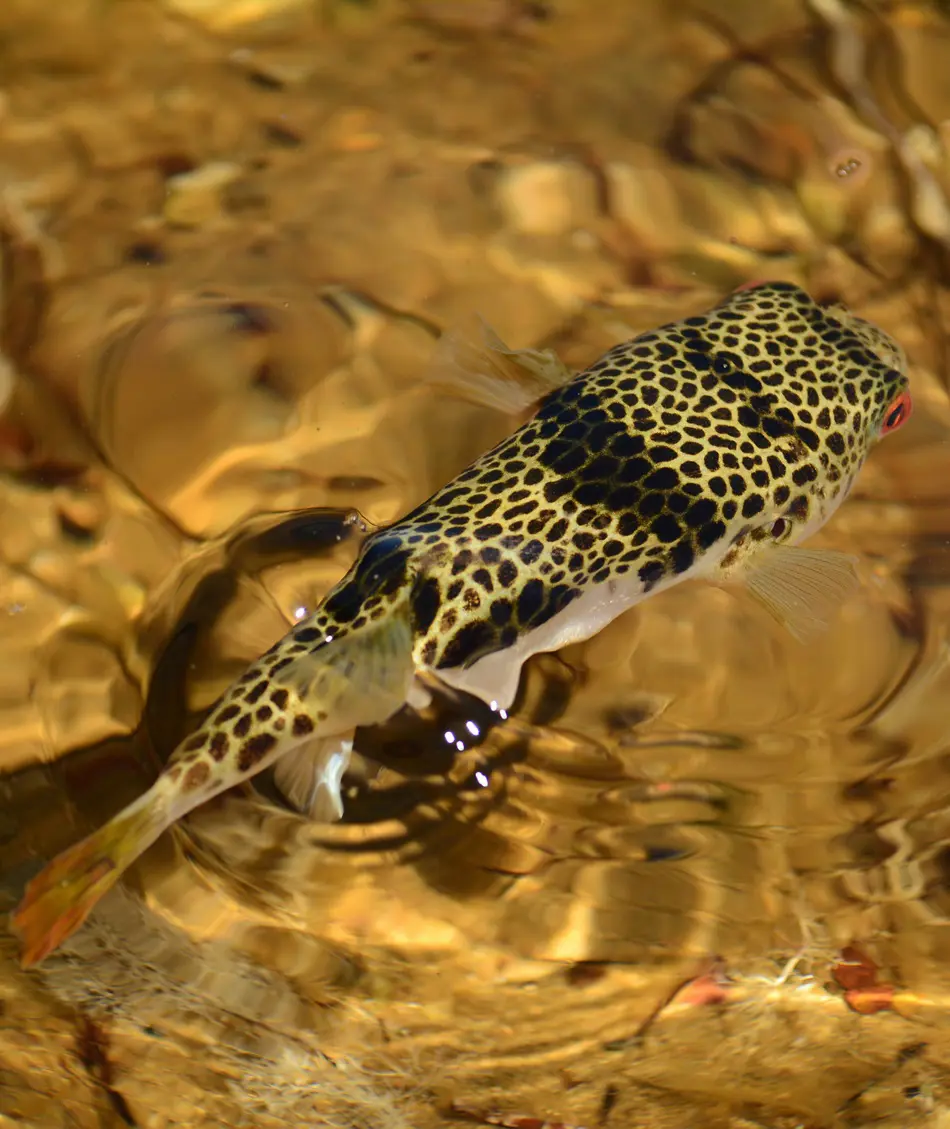
Health conditions that Green Spotted Puffers commonly fall victim to need to be carefully observed including parasitic infections like ich and bacterial diseases, most cases tend to be due to poor water quality and early detection is key in treatment and subsequent recovery.
These could manifest as lethargy, loss of appetite, and visible spots on the body, one should immediately act upon seeing the first symptom and this will prevent further spread of the disease and also give a few curative measures for recovery.
An ounce of prevention is worth a pound of cure and proper water conditions, a good diet, and keeping stress to a minimum are the three basics to keeping your puffer healthy so regular health checks and fast problem-solving efforts will keep your Puffer in top form.
Tank Setup Essentials
Proper setup of the tank assures the welfare of your Green Spotted Puffer, from substrate to proper decoration, all parts of the environment will reflect good health in some way, creating both a welcoming and invigorating environment generates much more downstream work than simply adding water and plants.
The Correct Substrate
The substrate also forms part of your set-up as far as the health of your Green Spotted Puffer goes and while sand is most people's recommendation because it reflects their surroundings, so long as you don't get one that is sharp or rough, it's quite alright.
This will also allow for ease during cleaning and maintenance, thereby decreasing the chances of waste accumulation, the right choice for a substrate can also add to the stability of the tank, which is beneficial for your puffer.
Further, sandy substrate promotes the proper colonization of beneficial bacteria that come in handy with enabling the self-cleaning ability of the water, this is very important to note in case one is planning to keep puffers because this invertebrate is very messy.
Planting and Decorating
Living plants such as Java Fern and Anubias are there to provide hiding space and aesthetic enrichment within brackish water, they also help in reducing the level of nitrates in water.
The more decorations, the better such as rocks, driftwood, and caves provide not only a lot of hiding space but also help break the tank into areas of territory where your puffer can feel comfortable, having more elements in the water will give your puffer much more natural and stimulating surroundings to swim in, thus healthier behavior and less aggression.
Avoid those with sharp edges that may hurt your puffer and use smooth rocks and driftwood, it may also help to change the positions of the aqua ornaments once in a while to maintain the puffer's excitement.
Lighting and Temperature Control
The lighting has to be considered medium, as bright lighting conditions do not favor these fish, a regular aquarium light worked on a cycle of 10-12 hours can imitate daylight and control the daily rhythm of your puffer in such a way.
The next highly critical factor is temperature control, fish abhors stress, and the water should be between 75-82°F at all times and sensible quality heater, the kind that's preferable to a thermostat, should have no difficulty in keeping the water at a constant temperature.
It may also be good to add a timer that works together with the installed lights, which is very important for simulating day and night so you may also wish to have a thermometer that enables you to monitor the water temperature regularly.
Flow and Filtration of Water
Monitor that the flow of water and also filtration should be according to the good environment, which will keep your Green Spotted Puffers healthy and long-lasting, Puffers produce big waste, so very efficient filtration systems are needed to keep the water clean.
The flow motivates, in the same way, the flow of oxygen at a moment in their natural habitats, but ensure that you do not set it very strong since this will stress out your fish.
Apart from this, one would need to be wary of maintaining the filters regularly so that substances as dangerous as nicotine do not accumulate, water has to be changed at constant intervals so that the quality of water remains unquestionable at all times, thus keeping the scope of waterborne diseases reduced to a minimum.
Breeding Green Spotted Puffers
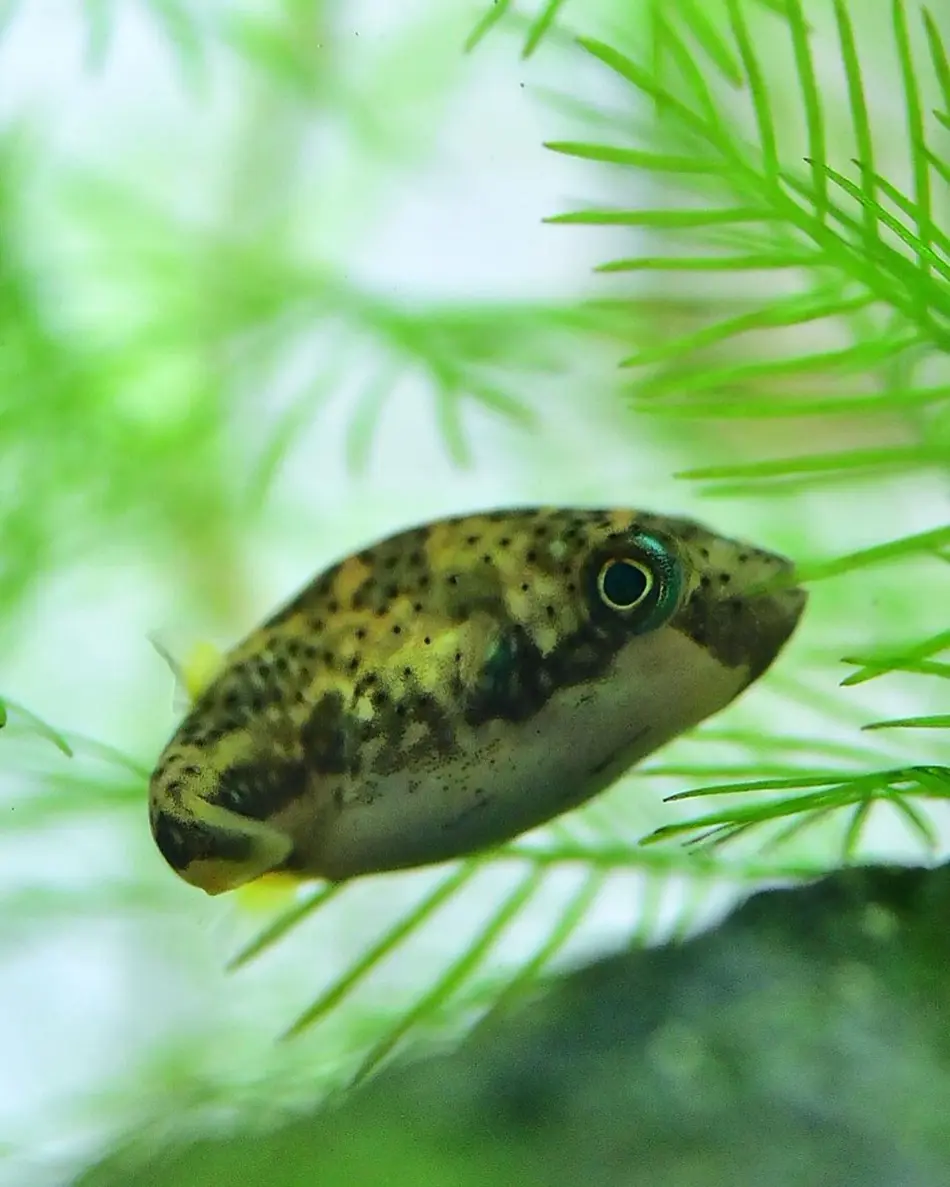
In the case of home aquariums, fish are not quite frequently bred on the basis that their behavior and needs to breed them are a bit complex, with the help of planned involvement, it is possible to encourage them to breed in a controlled environment.
This often requires a separate breeding tank with soft, acidic water, imitating their natural habitat, a pair of puffers can be introduced, and if all goes well, the hardness can be gradually lowered until breeding is finally triggered.
Normally, the eggs hatch in a couple of days, while the fry is more or less tricky so good water quality and live food are the two major factors for their survival, breeding the Green Spotted Puffer is not easy and requires great patience and experience.
Lifespan and Growth Expectations
If well taken care of, a Green Spotted Puffer could live up to its full term of about 10 years, the life span will still depend on so many factors: diet, water quality, and general health, and knowing about their growth and development will be necessary to accommodate their needs at the various stages of their lives.
To grow fully, ensure that the size of the tank is big enough to maintain the fish, and a well-balanced diet is going to ensure proper growth since the size and health can be monitored.
With age, Green Spotted Puffers will need further care adjustments, such as dietary adjustment or cleaning of the tank more intensively, since you know how they grow and how long they might live, you can plan their care over a longer period.