Golden Retriever and Australian Shepherd Mix: Breed Information And Characteristics
On Aug 15, 2025


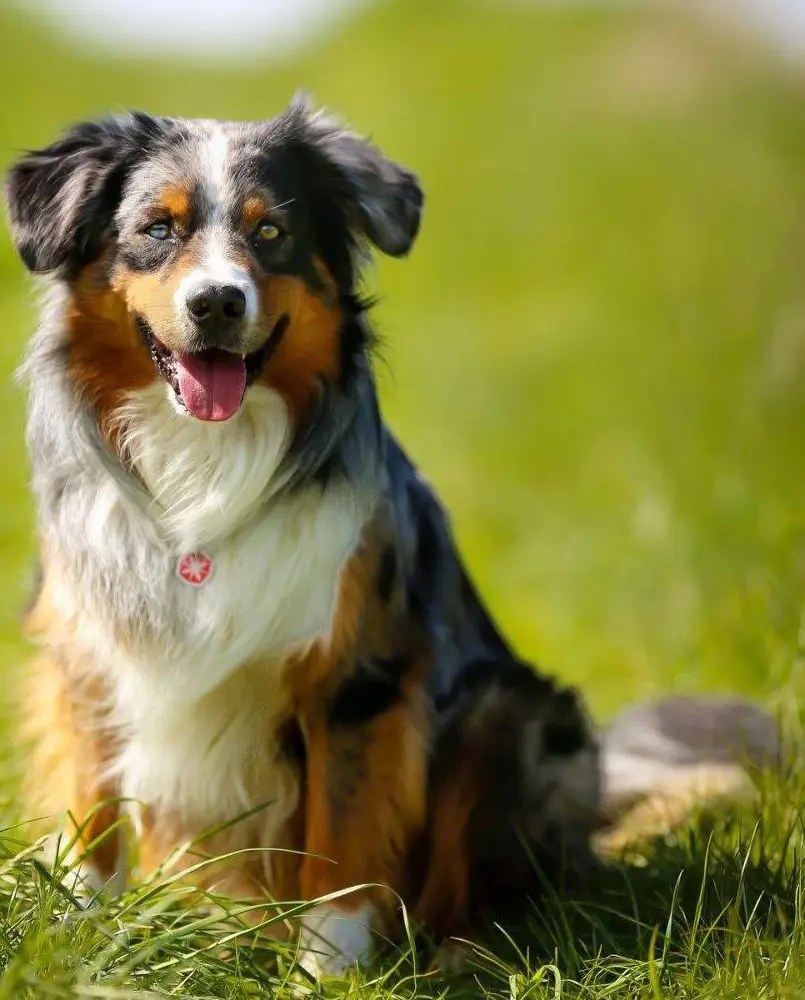
The Australian Retriever is a mix of a Golden Retriever and an Australian Shepherd. These dogs are a fun combination of two popular breeds.
With the combination of the gentle, loyal nature of the Golden and the intelligent, energetic spirit of the Aussie, this mixed dog offers a unique and exciting package for potential owners. Let's delve deeper into the characteristics, history, and basic information of this hybrid breed to understand why they make such special companions.
Overview

- Origin: Originated from the United States
- Size: Medium to Large, with males standing 20-23 inches tall at the shoulder, and females slightly smaller
- Weight: 50-65 pounds
- Life Span: They have a lifespan of 11-14 years when well cared for.
- Colors available: Gold, Brown, Black, and Blue Merle
- Temperament: Known for their friendly nature and intelligent, loyal, and excellent family pets.
- Appearance: Striking appearance with a Double coat, which is dense and water-resistant.
The Australian Retriever is a mixed breed resulting from the crossbreeding of the Australian Shepherd and the Golden Retriever. This mixed breed dog is known for its medium to large size, striking appearance, and friendly temperament.
They typically have a dense, water-resistant double coat that can come in various colors. There is a distinctive marking of the Australian Shepherd and the lush coat of the Golden Retriever. They are intelligent, loyal, and sociable dogs, making them great family pets and exhibiting herding instincts due to their Australian Shepherd heritage.
Australian Retriever Parent Breeds
As we explore the world of Australian Retriever, let's have a closer look at each of their parent breeds.
Knowing its parent breed will help you understand what your dog will be like as a family and how your life might go after you welcome an Australian Retriever into your home.
Australian Shepherd
The Australian Shepherd isn't Australian, he is technically American-bred from a mix of European herding dogs. His Australian owners set sail to the east coast of America with them in tow.
Impressed by their herding abilities, American cowboys refined the breed, and the Australian Shepherd that we know today was born and has been a bigger part of cowboy culture. These dogs excel in various activities like agility, herding, and obedience. They are highly loyal and form strong bonds with their families and are increasingly popular designer dog parents.
Golden Retriever
The Golden Retriever is a global favorite, celebrated for its friendly, intelligent, and devoted nature. While energetic, they are significantly less intense than their Australian Shepherd counterparts. Originating in Great Britain, Lord Tweedmouth bred the Golden Retriever as the ideal hunting companion.
True to their heritage, they thrive at retrieving, whether it's a simple stick or game from the hunt. They will crave your company and like to spend time with the family, whether goofing around or chilling. Goldens are often the perfect parent breed for just about any mix breeds.
Australian Retriever Breed History

An Australian breeder is believed to have registered the Australian Retriever with the Australian Canine Hybrid Club after breeding her black Australian Shepherd with three Golden Retriever females. There were four puppies in the first litter in late December 2007 and two others followed in 2008. Despite its name, the Shepherd was bred in the United States in the 1840s to herd livestock and is still happiest when working. They earned recognition for starring in Disney movies.
On the other hand, the Golden Retriever's ancestry goes back to the 1800s from dogs bred in Britain to retrieve waterfowl and game. In 1865 a Scottish businessman Dudley Marojirbanks received the only yellow puppy in a litter from a cobbler with 4 in total, later regarded as the foundation of the Golden Retriever breed. They arrived in the United States in the early 1900s, and the Australian Kennel Club officially registered the first one in 1925.
Characteristics Rating Of Australian Retriever
While the Australian Retriever is a popular mix, it's important to remember that individual dogs can vary widely in temperament and appearance based on their specific parentage.
The following is a general overview based on the common traits of Australian Shepherds and Golden Retrievers, contributing to this mix ( out of 5 ratings),
| Energy Level | 5 |
| Intelligence | 5 |
| Loyalty | 5 |
| Friendliness | 4 |
| Trainability | 4 |
| Affectionate | 4 |
| Playfulness | 5 |
| Shedding | 4 |
| Adaptability | 4 |
| Grooming Needs | 3 |
Striking Appearance
The dogs make a visually striking appearance with that mix of Australian Shepherd unique coat markings and Golden's lush, golden coat.
Friendly and Sociable
These dogs are known for their friendly and sociable nature. They tend to get along with people, children, and other pets, making them great family dogs.
Their friendly demeanor often extends to other pets, making them excellent additions to multi-pet households. This sociable nature, combined with their intelligence, makes them popular choices as family companions.
Intelligence
Australian Retrievers inherit higher intelligence from both parent breeds, making them quick learners and excellent candidates for training and dog sports.
This mental acuity makes them highly trainable and adaptable to various activities, from obedience training to agility and beyond. Also, their intelligence, coupled with their enthusiasm, makes them ideal companions for active and mentally stimulating lifestyles.
Herding Instincts
Due to their Australian Shepherd lineage, some Australian Retrievers may exhibit herding instincts, occasionally attempting to herd family members or other pets.
Versatile and Active
Australian Retrievers are bundles of energy, inheriting the active features of both Australian Shepherds and Golden Retrievers. These dogs excel in various activities, making them versatile companions.
Whether it's hiking, swimming, playing fetch, or agility training, they are always ready for a challenge. Their high energy levels demand plenty of physical exercise to prevent boredom and destructive behaviors.
Playful and Loyal
They keep their puppy-like enthusiasm well into adulthood, making them delightful companions. Their love for games and toys is infectious, and they can easily entertain themselves or their human family.
This playful nature is often accompanied by unwavering loyalty. They are devoted companions who thrive on human interaction and affection.
Affectionate
They seek attention and enjoy cuddling with their human family members. Their gentle and compassionate nature makes them excellent with children and other pets.
While they may have higher energy, they also appreciate downtime and relaxation. This mix of playfulness and affection makes them well-rounded companions among pet owners.
Size And Appearance

The Australian Retriever is a medium-sized dog who weighs between 50 and 65 pounds, and measures between 19 and 23 inches from paw to shoulder. They will be thickest like Golden but slimmer and slenderer like Aussie Sheep. Usually, the females are smaller in size compared to the males.
The dog could inherit the dark brown and black colored eyes of the Retriever or the bright blue eyes of its Aussie parent. It is more likely that his nose, lips, and other features will be black, but could also be light brown because of Golden. Overall most Australian Retrievers are an equal blend of both parent breeds with merle coats and bright or different-colored eyes, becoming increasingly popular.
Australian Retriever Temperament
These dogs are super active and need to be placed with an equally busy family. They are not likely to be as intensely energetic as his Aussie parents but need a lot of mental and physical stimulation to keep him happy and healthy. They can happily snooze with you in the evening in front of the telly.
This mix is very devoted and nothing will compare to the love of their owner, not even the biggest of treats. They should be placed with a family that can provide them with lots of company and love so that they won't suffer separation anxiety. Inheriting from the genes of Golden Retriever, they are super sociable with the family's guests and friends. These dogs are likely to be aloof with strangers at first, but then warm up to them quickly after the owner reassures them that all is well.
Coat And Colors
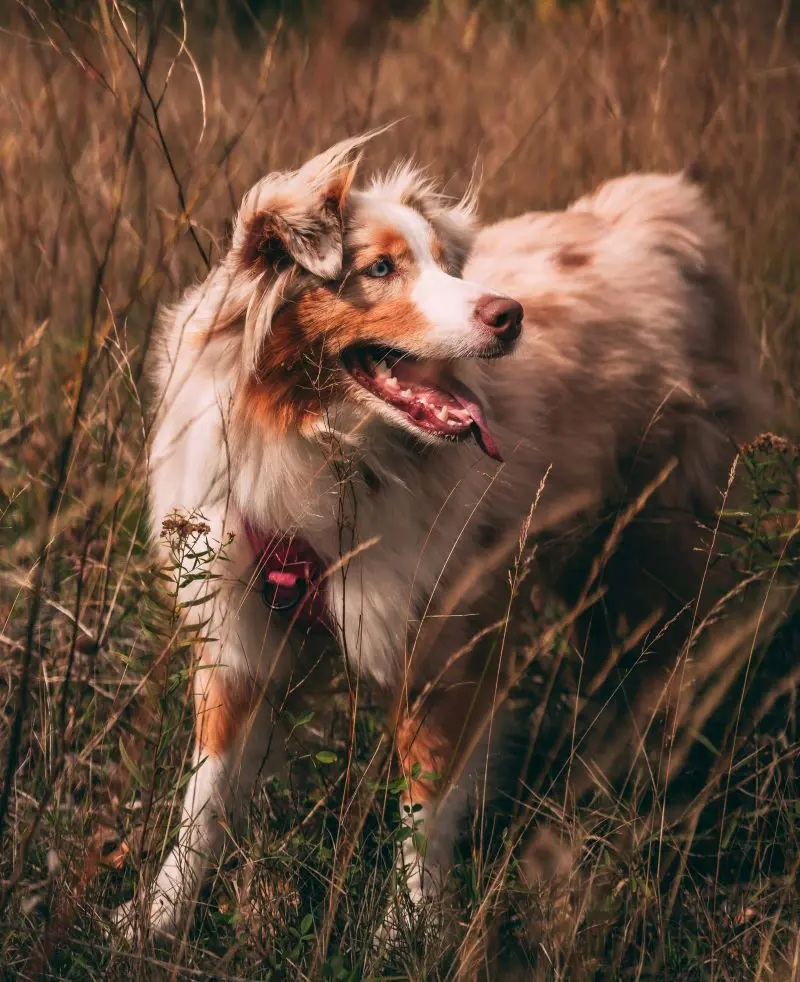
The coat of Australian Retriever is a thick and dense double coat, designed to keep him warm in cold weather. It is also likely to be feathery around his ears, neck, belly, and tail. Their coat can moderately shed all year round and will get blown during the shedding season. You can choose another canine companion if you are not a fan of dog hair.
They can inherit the coat of either parent breed. It means your Australian Retriever can have gold, black, brindle, brown, and merle colors, or a combination of all. This mix dog breed also carries a red coat if the Golden Retriever parent has to their fur.
Exercise And Living Conditions
The Australian Retriever is a high-energy dog that demands an equally active owner. You should expect to schedule at least an hour and a half daily to exercise, rain or shine. Declining this schedule can make them unhappy, and unhealthy, and behavioral issues might occur.
This breed is intelligent and succeeds in mental stimulation, so variable activities like jogging, agility training, or fetch are crucial. They will prefer to live in medium to large-sized homes but will appreciate living in a home with a backyard to roam, play, and snooze. Their playful and loyal nature makes them wonderful companions for active individuals or families with older children.
Health And Nutrition

This mixed breed is relatively healthy and will enjoy a lifespan of 11-14 years, inheriting the health concerns of both parent breeds.
They can be prone to some health issues common in their parent breeds.
- Hip and elbow dysplasia: Regular exercise and proper weight management can help prevent these conditions.
- Eye problems: Regular check-ups can detect and manage issues like cataracts or progressive retinal atrophy.
- Obesity: Due to their high energy levels, it's essential to avoid overfeeding.
- Allergies: Some Australian Retrievers may develop food or environmental allergies.
Nutritional Needs
The Australian Retriever will consume anywhere between 2 and a half and 3 cups of kibble every day. This is dependent on his size, which parent he takes after more, and his energy levels. He will do well on a high-quality kibble that will provide them with a proper balanced diet. Prioritize high-protein diets for your furry friend to keep his hardworking muscles energized.
The faster metabolism of the Australian Shepherd means that it is much less likely he will become overweight compared to his Retriever parent.
Training Activities
The Australian Retriever needs to be socialized well from the get-go. Not only will this increase his confidence, but it will also ensure that he learns polite doggy behavior so that other canine friends like him. It will help the dog to lower his aloofness with strangers and prevent him from becoming too overprotective or herding the family's smaller members.
Crate training is also a good idea if there is any chance that the dog might suffer from separation anxiety. Dogs are known to feel safe in their own space although many owners don't like the idea of putting their pup in a cage. Also, positive reward training is essential as they are intelligent and can quickly grab things, while driven by food. Consistency in training and using plenty of squeaky voices can help them grab your command instantly.
Grooming And Care
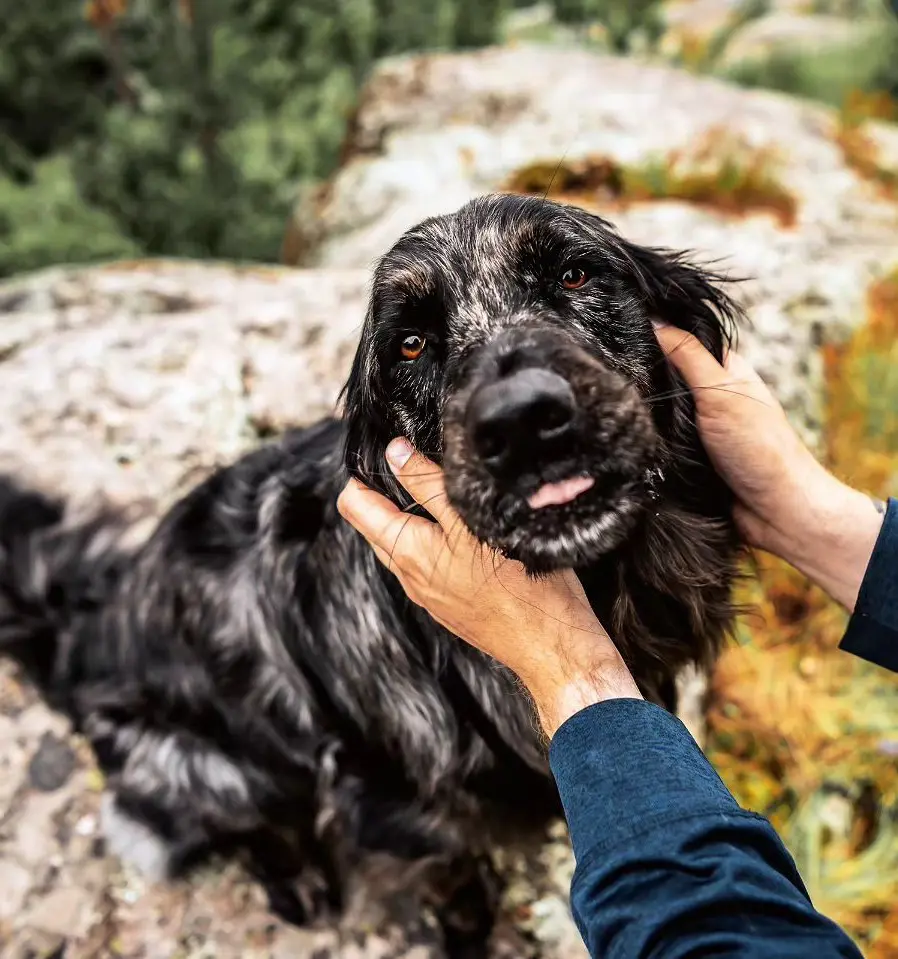
While owning an Australian Retriever, proper grooming and care are essential for maintaining your dog's health, happiness, and overall well-being.
From coat care and bathing to dental hygiene and nail trimming, here is everything you need to know to provide optimal care for your Australian Retriever.
Coat Care
Being a mix of Australian Shepherds and Golden Retrievers, these dogs can inherit a variety of coat types. However, regular grooming is necessary for all coat types. Brushing at least twice a week helps prevent mats and traps, especially during shedding seasons.
Use a brush suitable for the coat type - a pin brush or slicker brush works well for most. Avoid shaving the coat as it provides insulation and protection.
Bathing
While it might be enjoyable to bathe your energetic pup frequently, over-bathing can strip the coat of its natural oils. A bath every few months is usually sufficient unless your dog gets particularly dirty. Use a gentle, dog-specific shampoo to maintain coat health.
Nail Care
Regular nail trimming is crucial to prevent discomfort and injuries. Overgrown nails can lead to pain and difficulty walking. If you're unsure how to trim your dog's nails, consult a professional groomer or veterinarian.
Dental Hygiene
Dental care is often neglected but is essential for overall health. Brush your dog's teeth regularly with dog-specific toothpaste to prevent tartar buildup and gum disease. Dental chews can also help maintain oral hygiene.
Ear Care
Regularly check your dog's ears for signs of infection, such as redness, swelling, or a bad odor. Clean the outer ear with a vet-approved ear cleaner and cotton ball. Avoid inserting anything into the ear canal.
Eye Care
Check your dog's eyes daily for any signs of redness, discharge, or cloudiness. If you notice any abnormalities, consult your vet.