

Freshwater stingrays have an exotic charm and bring elegance to any home aquarium. In their care, however, one needs to have deeper insights into who they are and where they come from. While many common fish that are kept in aquariums are easily maintained, the stingray does have special requirements on setup, water quality, diet, and companionship.
If you want to know more about this exotic creature, here is a more comprehensive guide through the essentials of stingray care in freshwater to provide you with knowledge for creating a healthy and nurturing environment for this fascinating animal.
Overview
Freshwater stingrays are found in river systems in Southeast Asia, Australia, Africa, and South America. Aquarium shops in North America typically offer members of the genus Potamotrygon (Family Potamotrygonidae), which are native to South America.
Most species of rays are native to a particular river system, with the majority coming from the Amazon River. They live in a variety of habitats including slow-moving sandy-bottomed rivers, but they can also be found in flooded forest areas during the rainy season.
Physical Description
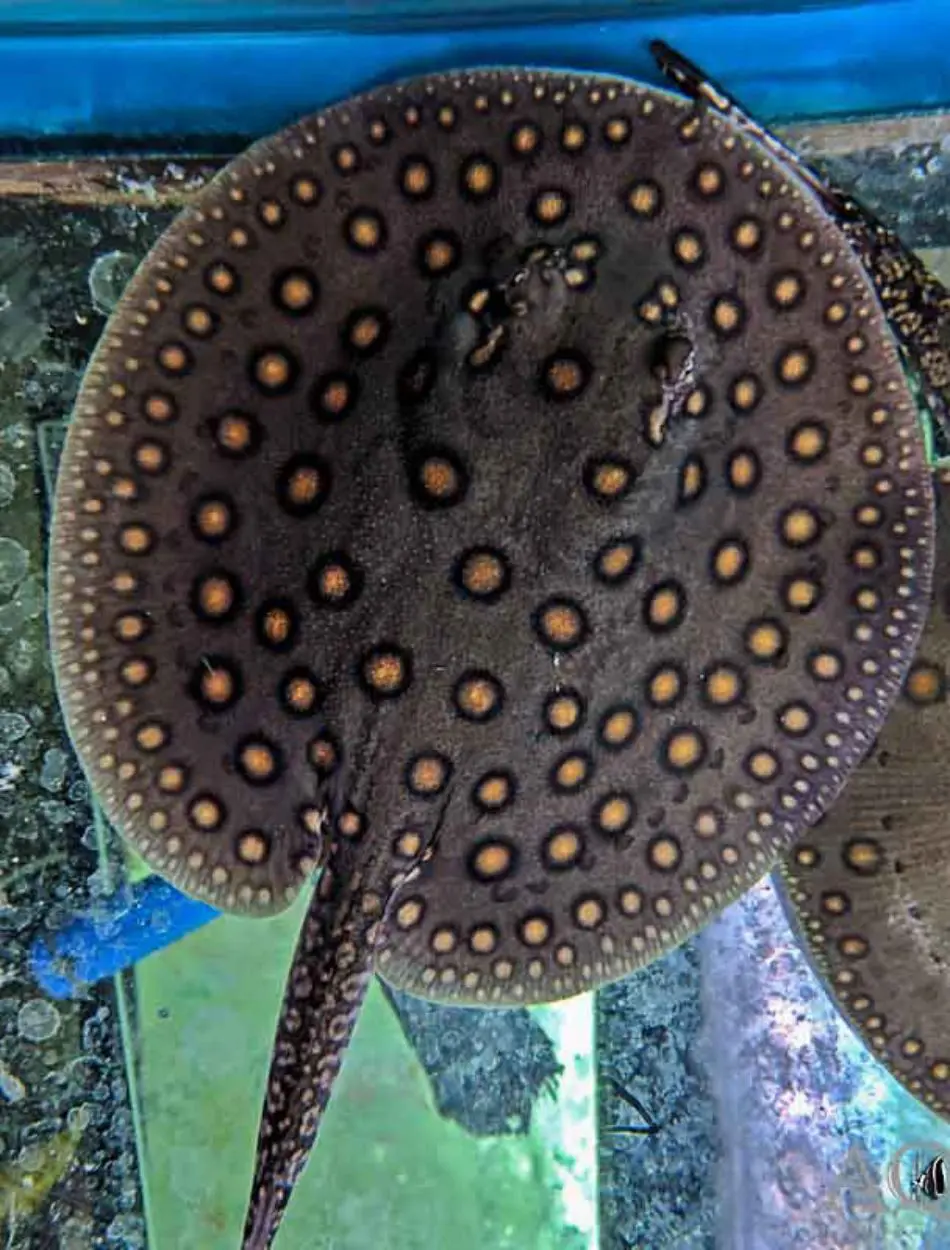
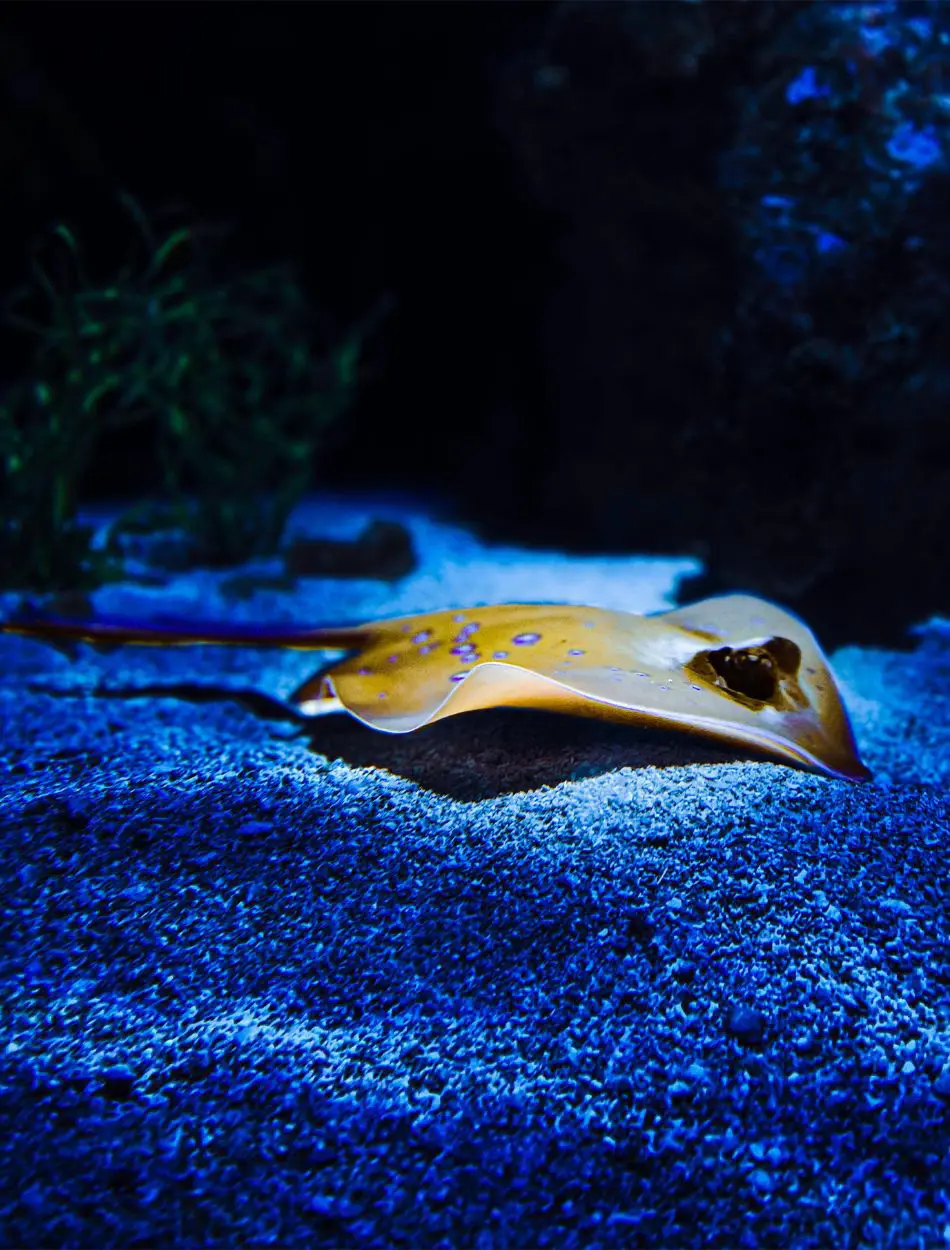
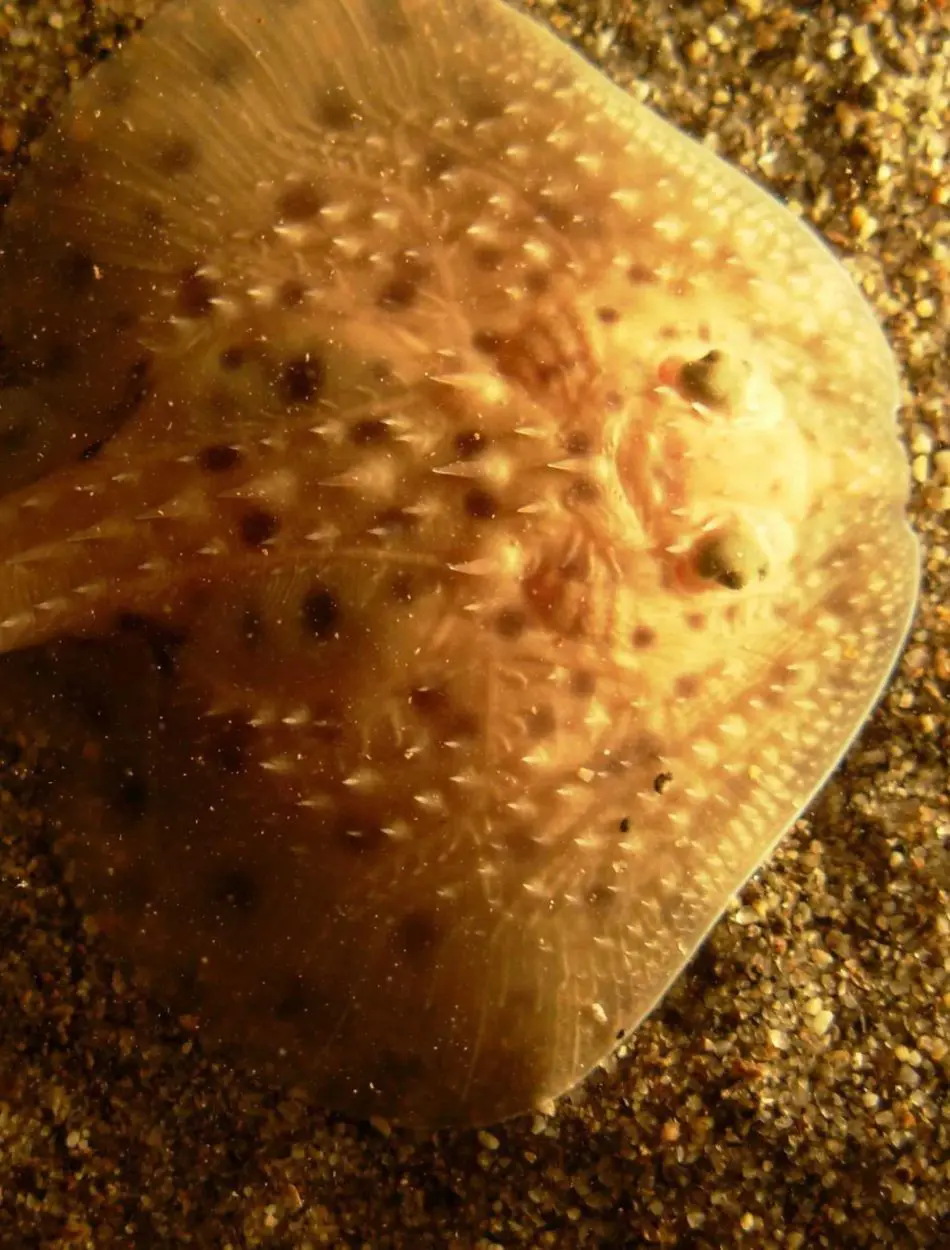
Freshwater stingrays are flat, disc-shaped fish of striking appearance, featuring a broad, rounded body and long, whip-like tail. Most stingrays have smooth, soft, and pliable skin on their bodies, which comes in a variety of intricate markings like spots, stripes, or rings usually in shades of brown, gray, or black, usually to give excellent camouflage in sandy riverbeds.
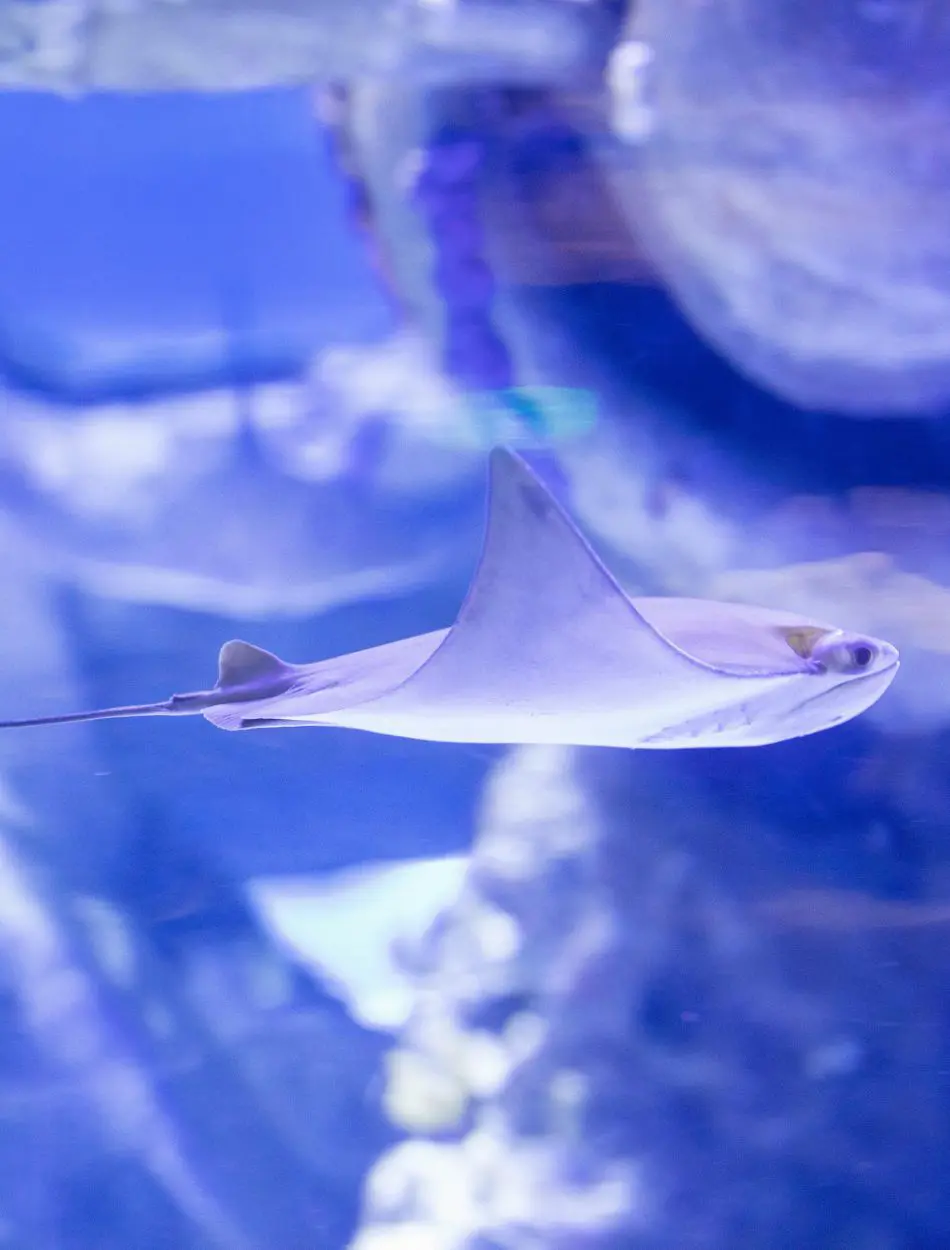
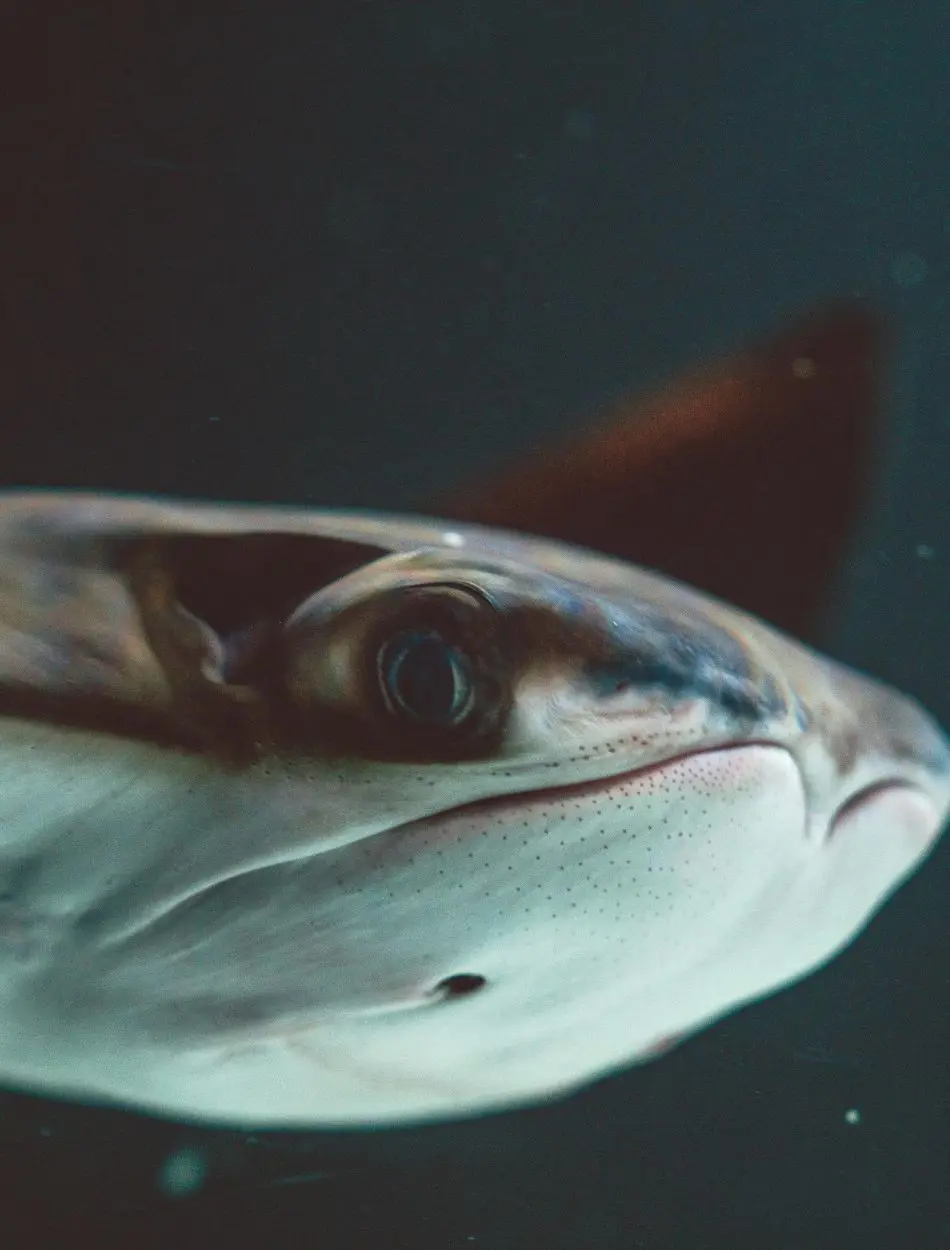
The stingray's belly is comparatively lighter, and the eyes, being on top of the head, give them a distinctive appearance that enables them to view the surroundings while partially buried in the substrate. The stingray's underslung mouth predestines it for bottom dwellers, while its pectoral fins, which extend from the sides of its body, give it an elegant glide as it moves along the bottom of a tank.
Setting Up the Perfect Tank
Tank Size
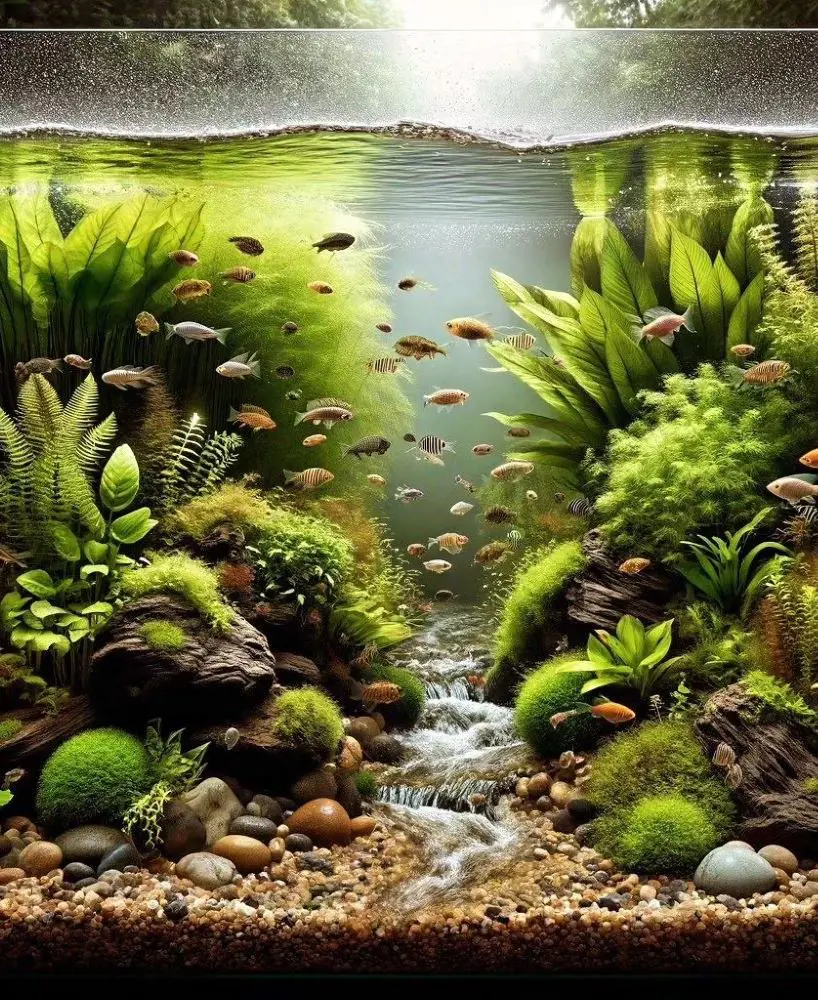
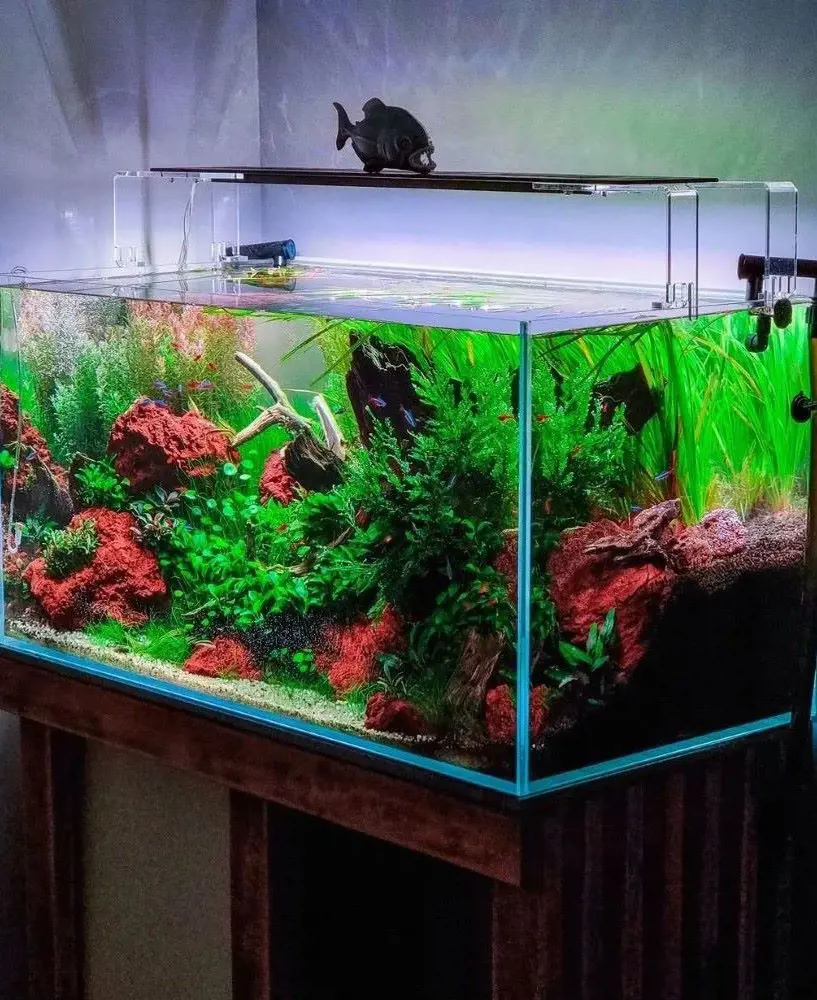
When it comes to building a perfect living condition for these pretty creatures, you should always remember the size of the tank is larger the better. Height isn't crucial, but length should at least be around 72" to 84," and depth width should be 24 inches to 36 inches which is considered the minimum for housing stingrays in the long term.
A 75 or 90 gallon aquarium is possible for juvenile stingrays, but no less than a 180 gallon aquarium should be considered for keeping adults long term. The substrate should be fine sand, and decorations if used at all, should be smooth and without sharp edges. Leave as much of the bottom as possible open for the rays to swim and bury in the sand.
Water Parameters
Keeping optimal water parameters is very vital to any freshwater stingray's good health and well-being. Since they are highly sensitive to changes in the environment, keeping water temperature for stingrays between 75°F and 82°F would be best so they can sustain a stable and constant climate similar to that of their natural habitat in the tropical region. The pH should be slightly acid to neutral, ranging from 6.5 to 7.5. Ensure a stability of the environment so that they can quench their physiological needs.
When is comes to water hardness, low to moderate, general hardness must vary from 3 to 10 dGH, and carbonate hardness between 2 to 5 dKH. It's also necessary that ammonia and nitrite levels are kept at zero, since even trace amounts can become toxic to stingrays, whereas nitrates must not be above 20 ppm because higher levels cause stress and other health problems. Water parameters should therefore be tested regularly, and frequent water changes are needed as well, since stingrays thrive in clean and well-filtered waters with very slight fluctuations in quality.
Feeding Habit
Diet In The Wild
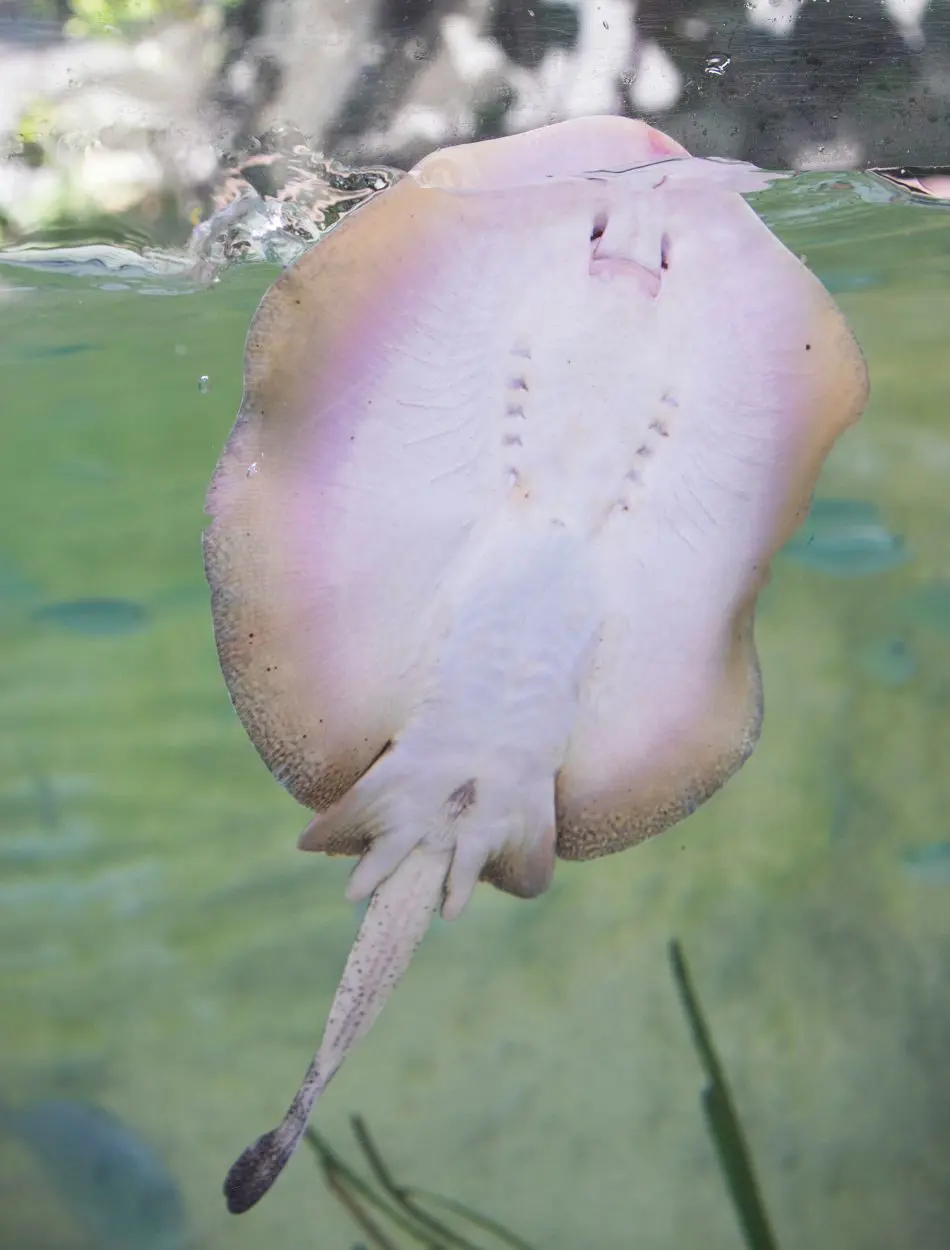
Freshwater stingrays are carnivorous predators in their natural habitats. They feed on small aquatic organisms, mostly represented by fish, crustaceans, insects, and other invertebrates dwelling along the riverbed.
Using their sharp senses, stingrays detect movements of their prey under the sand or mud and often dig them out with their body shape in the form of a disc, catching them with their mighty jaws. They are opportunistic feeders, consuming almost every small animal that comes their way, which helps them to thrive in different aquatic environments.
Feeding In The Aquarium
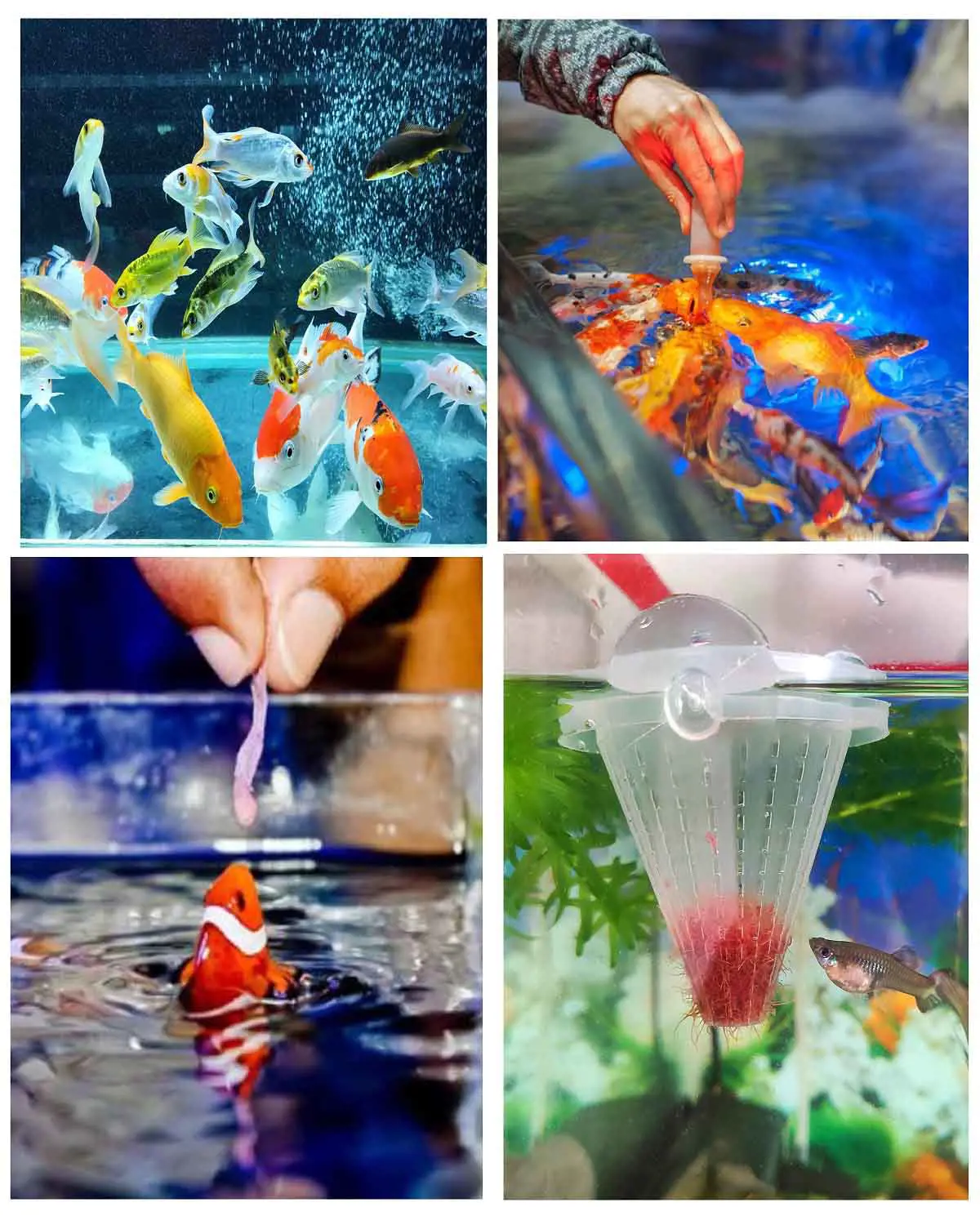
Freshwater stingrays require a diet as natural as possible in the home aquarium to be truly healthy and to display natural behaviors. While they really are not finicky feeders, much variety is necessary to provide for their nutritional requirements.
Such high quality frozen foods as shrimp, fish fillets, earthworms, and bloodworms are excellent choices for providing them with all the protein that they will need to grow and thrive. Live foods, too, like feeder fish and small crustaceans, can be given occasionally to allow for some exercise of natural hunting instincts, but make sure those live foods are totally free from any diseases and safe for your tank.
Feeding Schedule
Feeding can be performed once or twice a day according to the size and age of the stingrays; at each feeding period, the quantity of food should be such that it allows observation of their eating habits and the deletion of the remains as quickly as possible to avoid pollution in the water this is because stingrays are very sensitive to bad water.
Juveniles may need to be fed three times a day in order to support their growth and development. A stable feeding pattern will ensure that the stingray is in top condition and also gets enough food to maintain the energy level of the fish and their coloration.
Ideal Tankmates
Silver Arowana
Since the Silver Arowanas will stay primarily at the top of the aquarium, their habits coincide well with the freshwater stingrays. Territorial conflicts are then minimized and competition for space is also very minimal. Their large size makes them less vulnerable to harassment from the stingray. Their peaceful nature blends well with the stingray's nature.
Oscar Fish
Oscars are large, hardy fish that are usually quite gentle and can be kept with stingrays. They are large and powerful enough not to be intimidated by the stingray, but curious yet not aggressive enough to pester their bottom dwelling cohabitants. You just have to make sure that the tank is large enough to hold both species.
Pacu Fish
One of the best pacific companions would be pacu fish, even though they are related to the piranha, they are much less aggressive and make great companions for their size and calm nature. They also will not compete with the stingray for food because they are herbivores, and their size prevents them from being bullied. Furthermore, they are hardy fish able to withstand the same type of water conditions as required by stingrays, so they present no compatibility issues.
Discus Fish
Due to their brilliant coloring and docile nature, the discus makes an ideal companion for stingrays, in that they require the same water parameters. They swim very slowly in the middle of the water, hence they do not compete with the stingray, which is a bottom dweller. They will give a peaceful companionship and also add an aesthetic touch to your aquarium.
Tankmates To Avoid
Though these are peaceful by nature you have to know about their natural enemies so that you don't place them in the same tank. Some of the names to avoid considering their tankmates are:
Aggressive Fish
Stingrays should not be with aggressive fish like big Cichlids, Arowanas, and others like Red Tail Catfish. Aggressive fish in this category get very territorial and show a very high level of aggression by harassing and attacking stingrays to outdo them for food and space.
The large size and powerful jaws pose that big threat, with more chances of injury caused to stingrays, especially if they mistook the stingray's tail for food or a threat.
Stingray Prey Animals
Avoid fish such as species of predatory Gar, and large predatory Catfish, as they see stingrays as food. These fish could attack and try to devour small or juvenile stingrays, causing serious injury, and maybe even death. Even though the stingray is not directly attacked, the mere constant presence of a predator in the tank can cause chronic stress and eventually weaken the stingray's immune system.
Territorial Bottom Dwellers
Other bottom dwelling species such as some types of Pleco and select Cichlids become territorial and quite aggressive towards the stingrays. Such fish are likely to feel as though they have to defend their space from the stingray, and this may result in conflict and fighting that can potentially lead to injury or stress. To make matters worse, some Plecos are well documented to attach to a stingray's soft body and cause wounds and infections.
Small Fish
Do not put any small feeder fish, like neon tetras or small rasboras, in with them, as the stingray will make quick snacks of them. This is because the stingray is opportunistic, and it will view these tiny fish as a means of feeding and, thus, lead to accidental predation. The constant hunting behavior can be stressful for both the stingray and all the inhabitants in the tank.
Breeding Needs
It is considered difficult to breed a stingray but a number of hobbyists have had success breeding freshwater stingrays and have stated that it takes time, space, and dedication.
Breeding Conditions
Breeding freshwater stingrays in captivity is quite intricate and requires exact conditions. This would include a large breeding tank of at least 180 gallons or more, well maintained for the size of the adult stingrays, which would allow for spawning space.
While the water temperature can be changed within the range of 78°F to 82°F, the pH should go from slightly acidic to neutral, imitating the natural condition during which stingrays spawn. More frequent change of water with slight drop in water level can trigger spawning just like in their natural habitat.
Spawning Behavior
During courtship, which normally occurs during the spawning season, male stingrays will start following and nipping at the female, generally on the edges of her disc. This kind of behavior is naturally looked upon as if it were aggression, but in fact, it is not.
When the female is ready, mating will take place and the eggs will become fertilized inside, as stingrays are ovoviviparous the eggs hatch inside the female and then she will give birth to live young. This process takes about 90 to 120 days. The female should be checked regularly during this time for any signs of stress or problems.
Raising the Pups
The stingray pups are born fully formed and self-sufficient at birth, though very vulnerable in the early stages. It is best to move the newborns to a nursery tank to save them from other members of the aquarium who might cause some harm, even the adult stingrays. Water quality should be very good in the nursery tank, just like in the breeding tank, with fine sand substrate to prevent injuries.
Common Health Issues
Freshwater stingrays, much the same as any other aquatic pet, are prone to a long list of health issues, most of which can easily be prevented through proper care and attention. It is necessary to keep an eye on your ray for signs of illness, such as changes in behavior, loss of appetite, or visible wounds. Furthermore, good quality of water and proper food helps fight common health troubles like bacterial infections, parasites, and skin diseases.
Ethical Considerations
Before someone ventures into keeping freshwater stingrays, it is important to know the legal and ethical considerations that go into hosting such a unique, possibly endangered species. Since laws on owning and trading in stingrays vary by location, researching and adhering to the local laws is required to ensure you are acting within legal bounds.
It is, therefore, ethically imperative to source stingrays from responsible breeders using sustainable and humane methods to avoid wild caught specimens as much as possible and protect natural populations.
Advanced Tips for Experienced Stingray Keepers
For those seasoned freshwater stingray keepers out there, a number of advanced techniques and tips may be applied to your stingray keeping practices to provide the best possible quality of life for them. One such method involves target feeding, whereby you would condition your stingray to associate a specific object or signal with feeding time.
In this way, you can ensure they get the proper diet without competition from other tankmates. Another area of attention is a custom filtration system that gives improved water quality with less maintenance, so more time and attention can be focused on watching and appreciating these amazing creatures.