

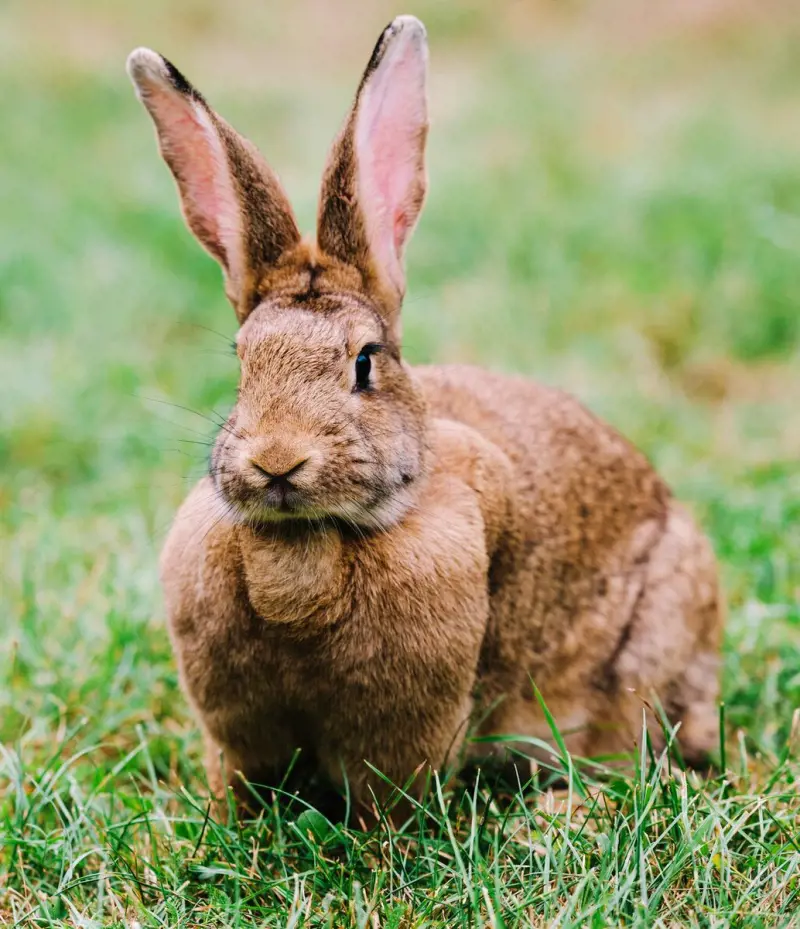
One of the largest domesticated bunnies in the world, the Flemish Giant rabbit captivates pet enthusiasts with its charming personality and endearing traits. Beyond their sheer size, these bunnies boast luxurious coats in a variety of colors, from striking steel gray to rich black.
Despite their imposing appearance, these gentle giants possess remarkably docile temperaments and are often described as affectionate pets. Their endearing nature and striking appearance make them not only a spectacle to behold but also cherished members of many households.
Largest Breed Of Domestic Rabbit
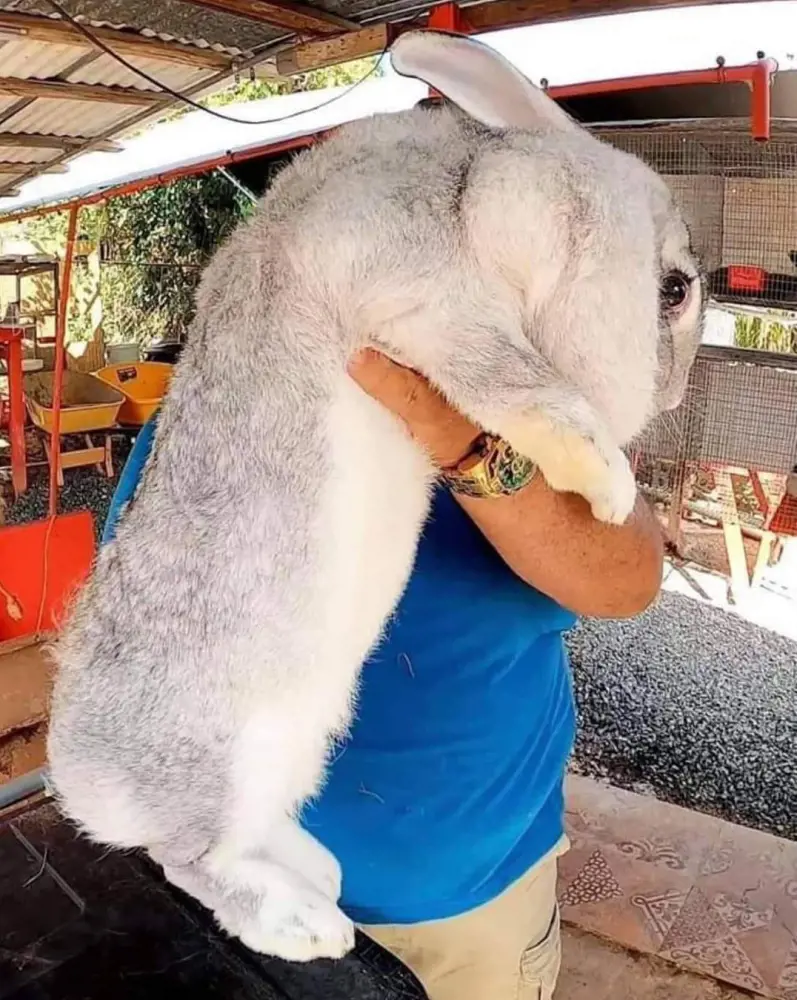
The Flemish Giant bunny, with its huge stature and hefty weight, is renowned as the largest breed of domestic rabbit. They can grow up to 2.5 feet in length and weigh around 15 pounds on average.
Not only the size, but even the growth rate of the Flemish giant rabbits is equally impressive, which sets them apart from other breeds. These gigantic bunnies can reach full size in about 7 to 12 months.
They Boast Large Ears
One of the most distinguished features of the Fleming Giant rabbit is its strikingly large ears that measure about 8 inches in length. Their large ears enhance their acute sense of hearing which allows them to detect potential threats or sources of food in their environment.
The size of their ears serves a practical purpose, aiding in thermoregulation by dissipating excess heat in warm weather and minimizing heat loss in colder temperatures. Their ears enhance their acute sense of hearing, allowing them to detect potential threats or sources of food in their environment.
Broad Heads and Muscular Bodies
Apart from the ears, these bunnies are characterized by their broad heads and muscular bodies, which contribute to their imposing yet graceful appearance. These rabbits have robust, well-developed bodies with strong, muscular hindquarters.
The combination of their muscular build and broad heads gives Flemish bunnies a powerful presence. Whether lounging in their hutch or exploring their surroundings, these magnificent lagomorphs command attention with their impressive physique.
History
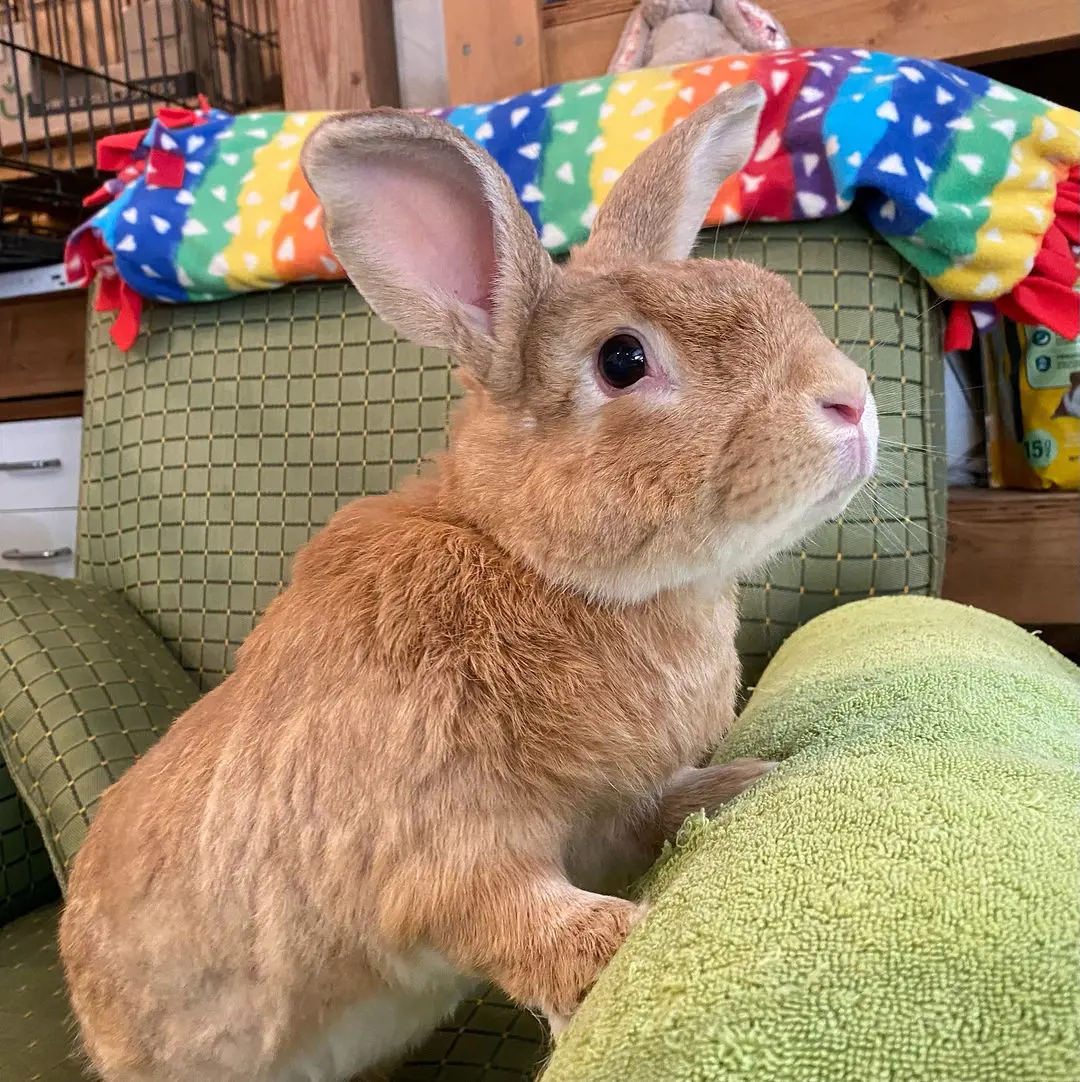
The history of Giant Flemish bunnies traces back to Flanders, Belgium in the 16th century where they were bred for their meat and fur. During the 19th century, breeders selectively crossed Flemish Giants with larger breeds like the Patagonian rabbit, resulting in even larger specimens.
These Giant bunnies were originally known as 'Ghent rabbits' due to their association with the city of Ghent and they were first introduced to the United States in the late 19th century. Here, they became prized as show rabbits and now they serve as cherished pets.
They Come In Various Colors
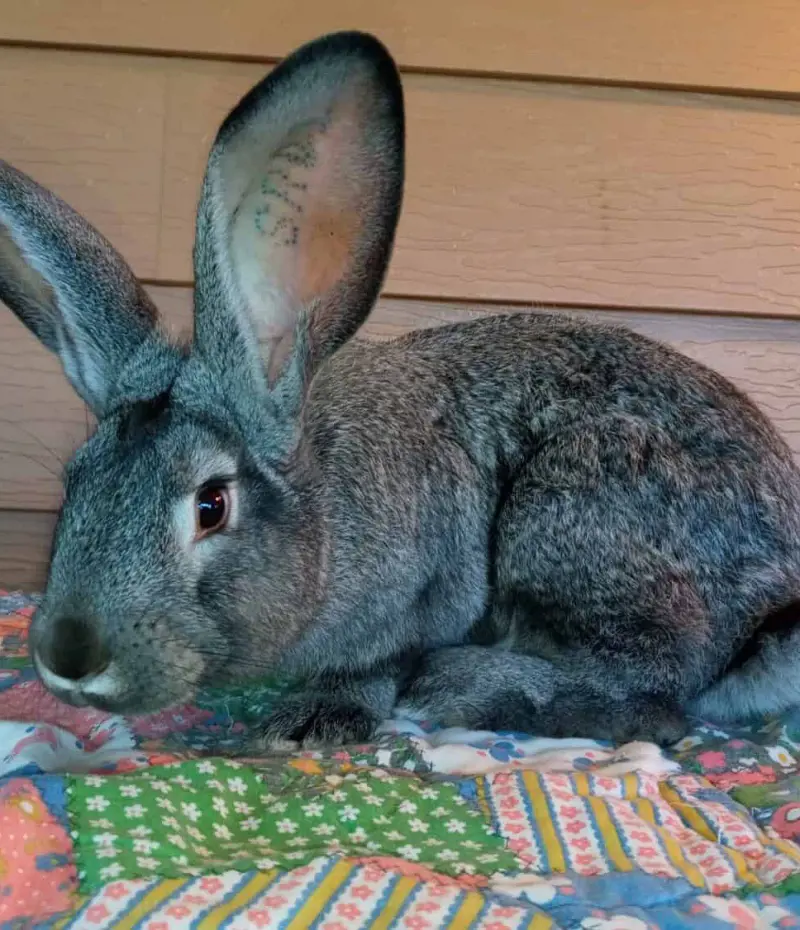
The Flemish Giant rabbit breed comes in a stunning array of color variations including white, black, blue, fawn and steel gray, just like the Holland Lop. Some breeders have even managed to produce rare color variations such as blue, tortoiseshell and chinchilla.
Each color variation adds its own unique charm to these majestic rabbits, making them impressive in terms of diverse and eye-catching hues. Whether you are drawn to the classic elegance of steel gray or the striking contrast of black, there is a Flemish Giant color variation to suit every preference and style.
Fur Type
Flemish Giants boast a luxurious fur type that adds to their allure and appeal. Their fur is dense, glossy and soft to the touch, providing both aesthetic beauty and practical warmth.
The plush fur of these bunnies is prized for its quality, often compared to velvet due to its smooth texture and lustrous sheen. This fur also helps to insulate them from cold temperatures, making them well-suited to various climates.
Adorable Pets
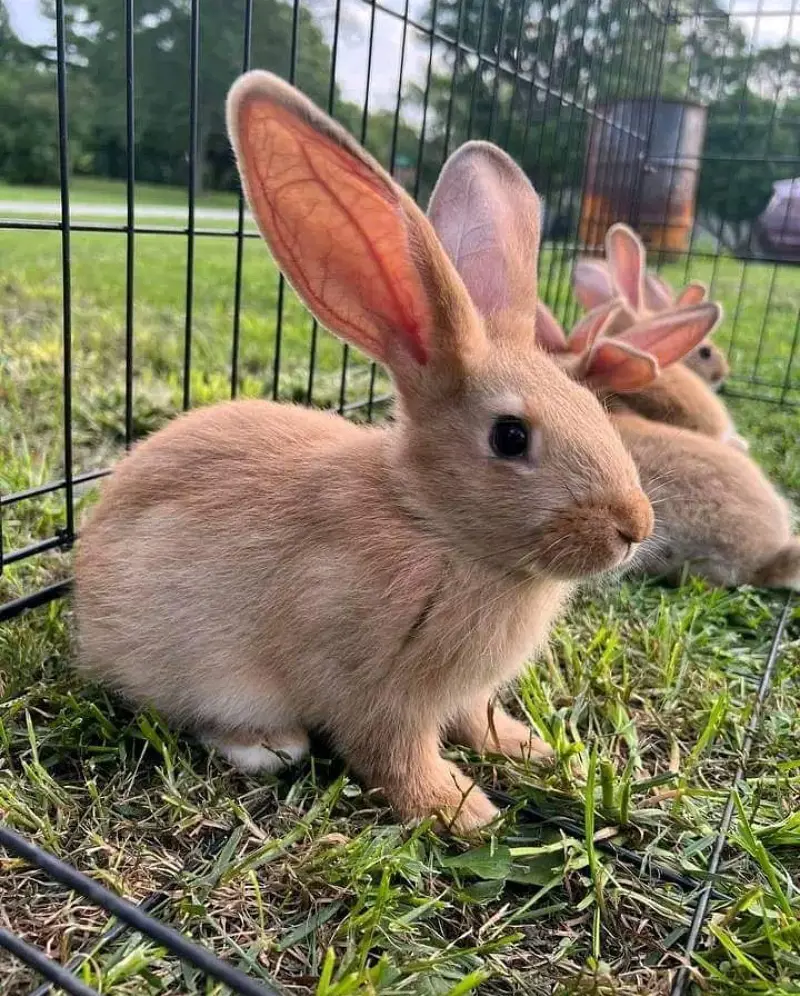
The Flemish Giants boast many endearing features that make it an adorable pet for pet enthusiasts worldwide. Some of them are listed below:
Gentle and Docile Temperament
These cute and fluffy animals possess gentle temperaments which makes them ideal companions for both children and adults alike. These bunnies often display a laid-back attitude towards handling and interaction.
Despite their impressive size, they are typically non-aggressive and are known for their friendly nature. With proper handling and care, these gentle giants can form strong bonds with their owners, enriching their lives.
Affectionate
One of the most endearing traits of the Flemish Giant is that they are remarkably affectionate creatures. These animals enjoy cuddling and being petted, showing their affection through gentle nuzzles and even purring sounds when content.
They are relatively calm and enjoy human interaction, often seeking attention and affection. Furthermore, their excited hops and binkies upon seeing their owners demonstrate their happiness and eagerness for interaction.
Popular Show Rabbits
Flemish Giant rabbits are not only beloved as pets but also highly sought after as show rabbits. Their impressive size, distinctive appearance, and gentle demeanor make them stand out in the competitive world of rabbit shows.
These rabbits showcase not only the breed's physical attributes but also their calm and cooperative temperament, which is essential for handling during competitions. With their graceful movement and regal poise, these bunnies captivate audiences and continue to be popular contenders in rabbit shows worldwide.
They Thrive In Small Pairs
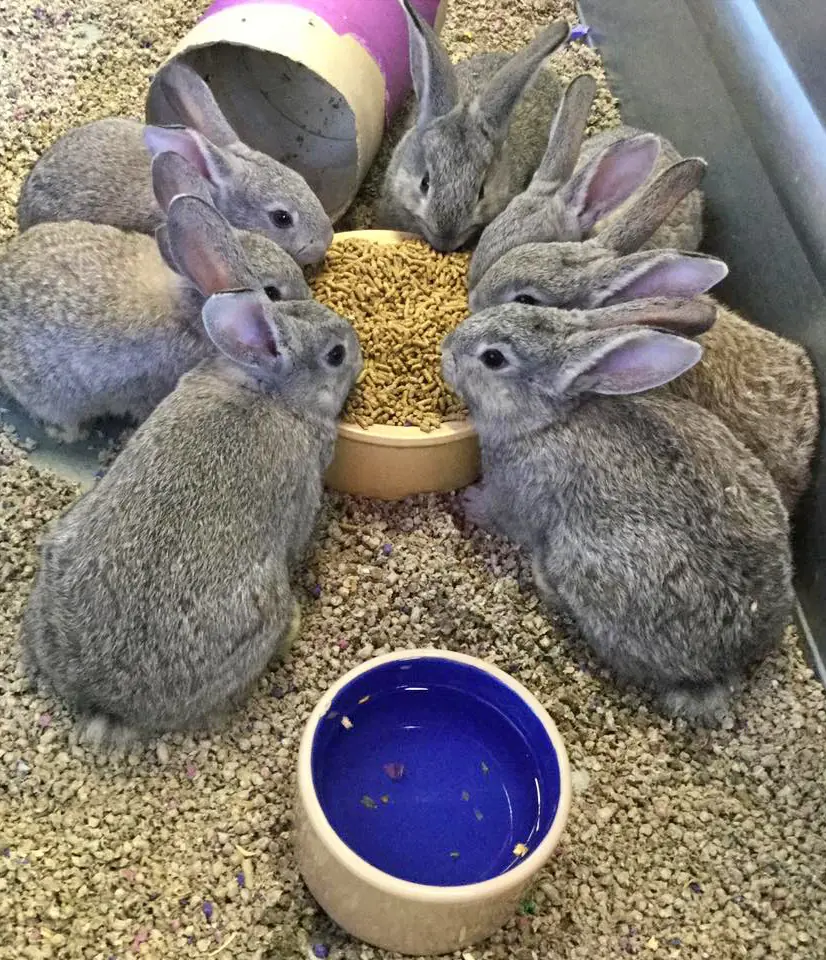
Flemish Giant rabbits are sociable creatures and they enjoy the companionship of their own kind, finding comfort and security in the presence of fellow rabbits. In such arrangements, they exhibit natural behaviors like grooming each other, playing and communicating through subtle body language.
Living in pairs or small groups allows them to establish hierarchies and develop strong bonds, enriching their lives and overall well-being. It is fascinating to observe their interactions within these social structures, as they display unique personalities and quirks.
Powerful Hind Legs
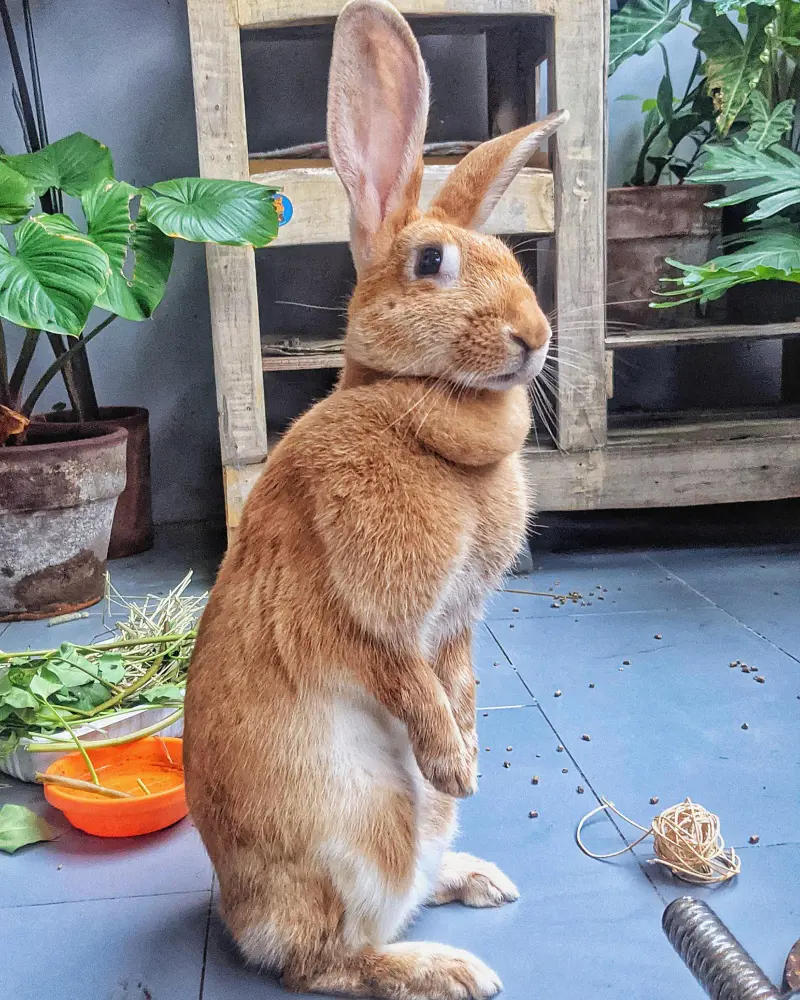
Flemish Giant rabbits possess remarkably powerful hind legs, which play a crucial role in their locomotion and behavior. These legs are well-muscled, providing the rabbits with agility, strength, and the ability to leap impressive distances.
By using their strong hind legs, these bunnies can navigate various terrains with ease, whether they're hopping through open fields or exploring their indoor habitats. Their legs also enable them to perform impressive feats such as high jumps and rapid sprints, showcasing their athleticism despite their large size.
Impressive Lifespan
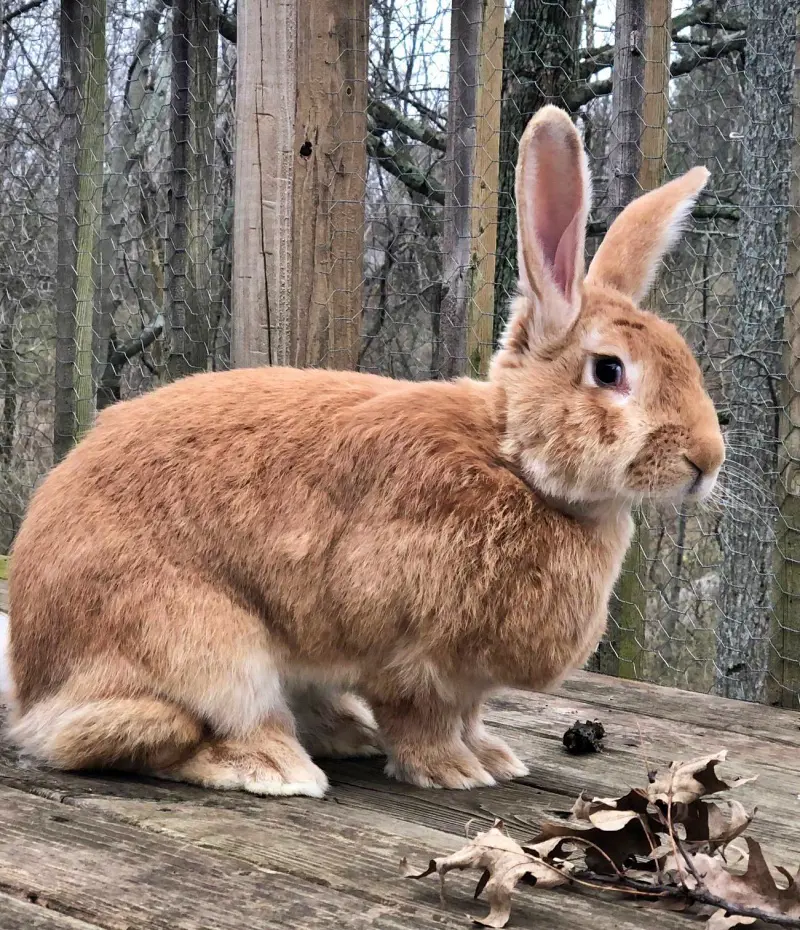
These giant bunny rabbits have a lifespan of around 5 to 10 years, provided with proper care and nutrition. They can live a healthy and fulfilling life if provided with a loving and nurturing environment including adequate space, a balanced diet and regular exercise.
Despite their impressive size, these bunnies are relatively easy to handle and are suitable for rabbit enthusiasts of all experience levels. Proper socialization from a young age can further enhance their ease of handling, as they become accustomed to human interaction and touch.
Dietary Needs
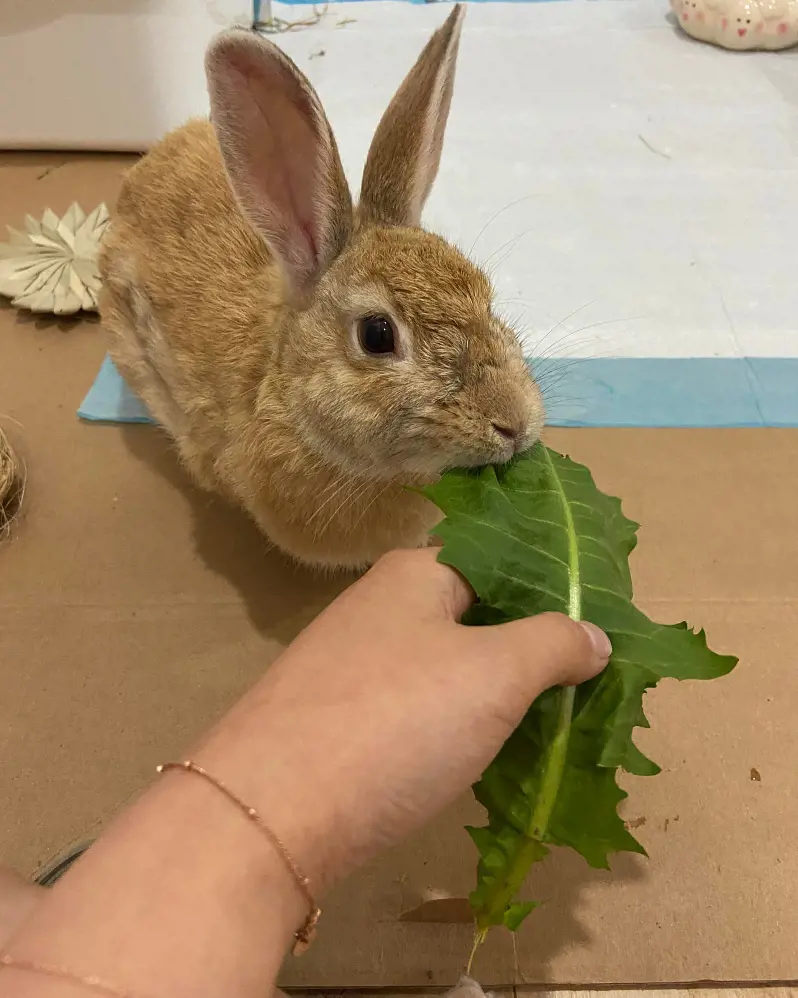
As herbivores, the diet of these Giant bunnies primarily consists of high-quality hay such as timothy, orchard grass or oat hay that is rich in fiber. Fresh vegetables like dark leafy greens including kale, spinach, and romaine lettuce should be included daily, offering vital nutrients and hydration.
Additionally, they benefit from small amounts of pellets formulated specifically for rabbits, which provide essential vitamins and minerals. Treats should be limited to small portions of fruits or vegetables such as carrots or apple slices, given sparingly to avoid digestive issues.
Possible Health Issues
The Flemish Giant rabbit is generally a healthy breed and they have a high feed conversion rate, meaning they efficiently convert food into body mass. Pound for pound, they require less feed compared to many other meat rabbit breeds to reach a desirable weight.
Proper nutrition is key to maximizing their potential and maintaining their well-being. However, like all animals, they can be prone to certain health issues as listed below:
Obesity - Due to their large size and potential for overeating, these Giants are prone to obesity
Dental Problems - Their teeth can overgrow, leading to issues with eating and potential dental pain
Gastrointestinal Stasis - This condition occurs when the digestive system slows down or stops moving due to stress, lack of fiber in the diet or dehydration
Flystrike - This is a condition where flies lay eggs on the rabbit's fur, leading to maggot infestation and potential skin infections
Care For Flemish Giant Rabbit
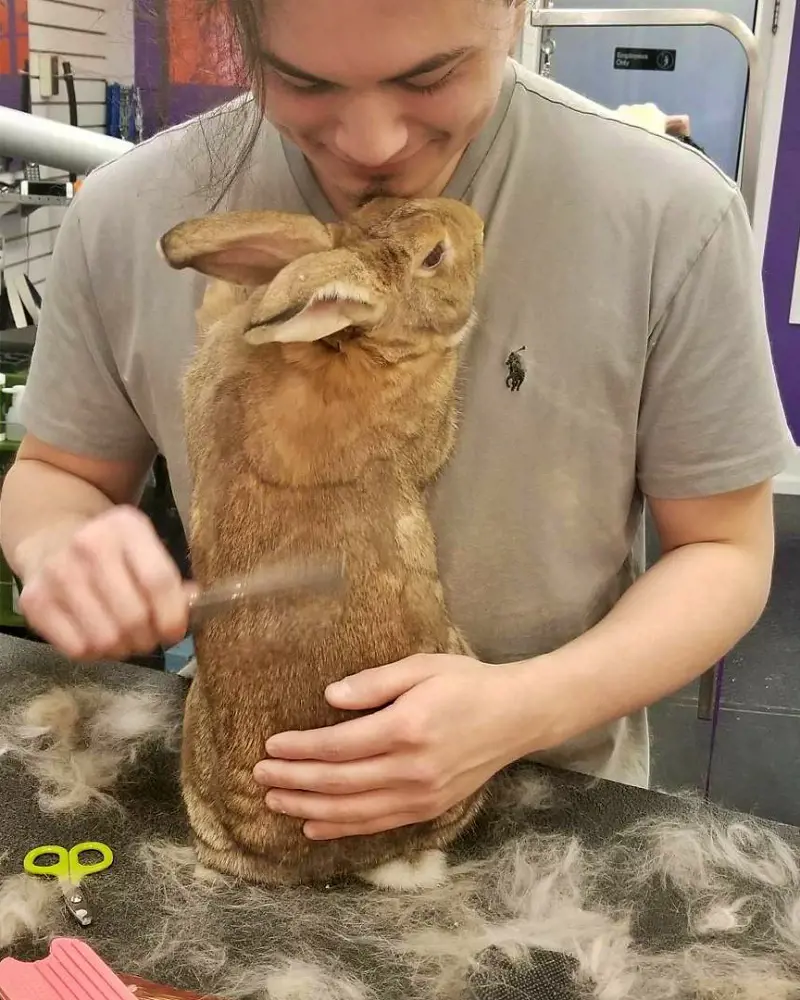
Despite their imposing size, the Flemish Giant rabbits have relatively simple grooming needs. Owners can follow these simple care routines to keep their bunnies in peak condition, mentally and physically.
Grooming
- Their dense, short coat requires regular brushing to remove loose fur and prevent matting, especially during shedding seasons.
- A slicker brush or a comb designed for small animals works well for this task.
Health Care
- Additionally, regular nail trimming is essential to prevent overgrowth, which can cause discomfort or even lead to health issues.
- While these bunnies are generally clean animals and groom themselves, occasional spot cleaning with a damp cloth may be necessary.
- This is necessary particularly around the ears and hindquarters, to remove any dirt or debris.
Enriching Environment
- Providing a spacious and enriching environment with toys, tunnels, and platforms promotes their natural behavior and prevents boredom.
- Additionally, bedding should be soft and absorbent such as hay or straw, to ensure their comfort and hygiene.
Housing Needed

Given their impressive size, the Flemish rabbits require a spacious enclosure to accommodate their large size and provide ample room for exercise. A minimum of 12 square feet of living space is recommended for one rabbit.
Furthermore, the area should incorporate structures such as tunnels, ramps, and platforms, as well as cozy hiding spots for relaxation. Providing a secure outdoor run can also offer enrichment and stimulation, allowing them to enjoy fresh air and natural sunlight.