

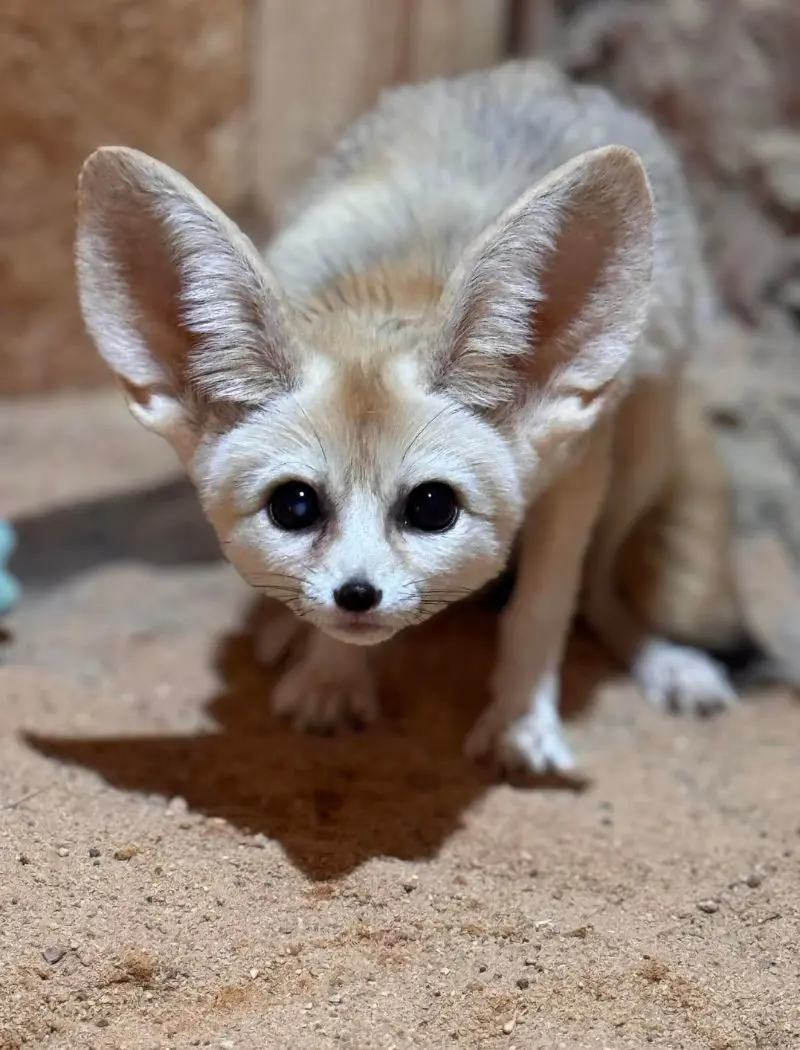
Fennec fox is a small animal that behaves somewhat like an active and playful little dog. They are not very cuddly with people as they prey on animals in the wild and can be easily nervous.
It is important to understand their nature and dietary necessities to take good care before you adopt them. This article discusses the behavior, diet, and care guide of Fennec foxes so you can decide if you want to adopt them or not.
Characteristics And Traits
Physical Characteristics
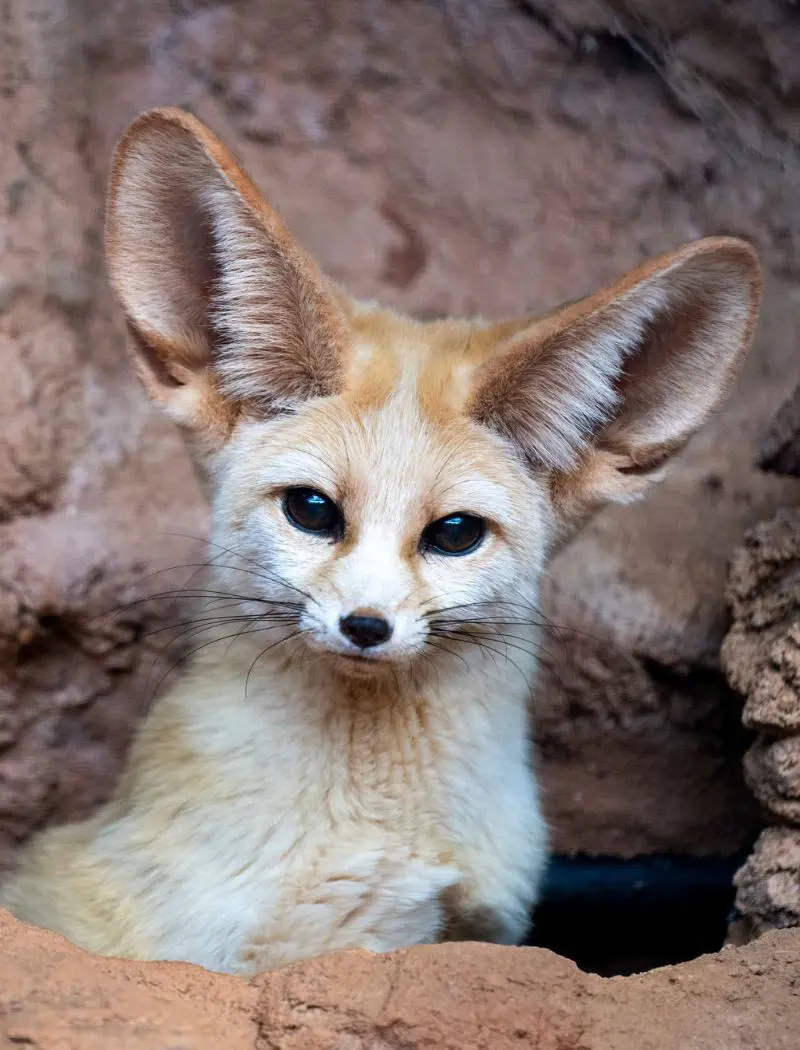
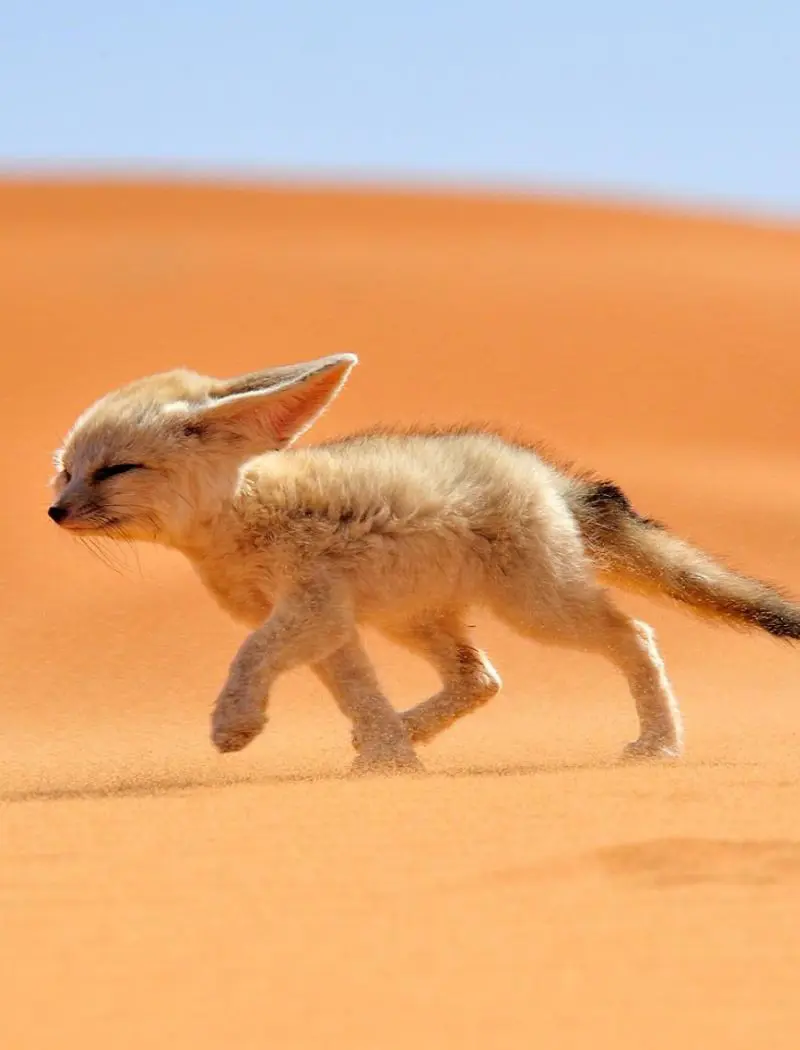
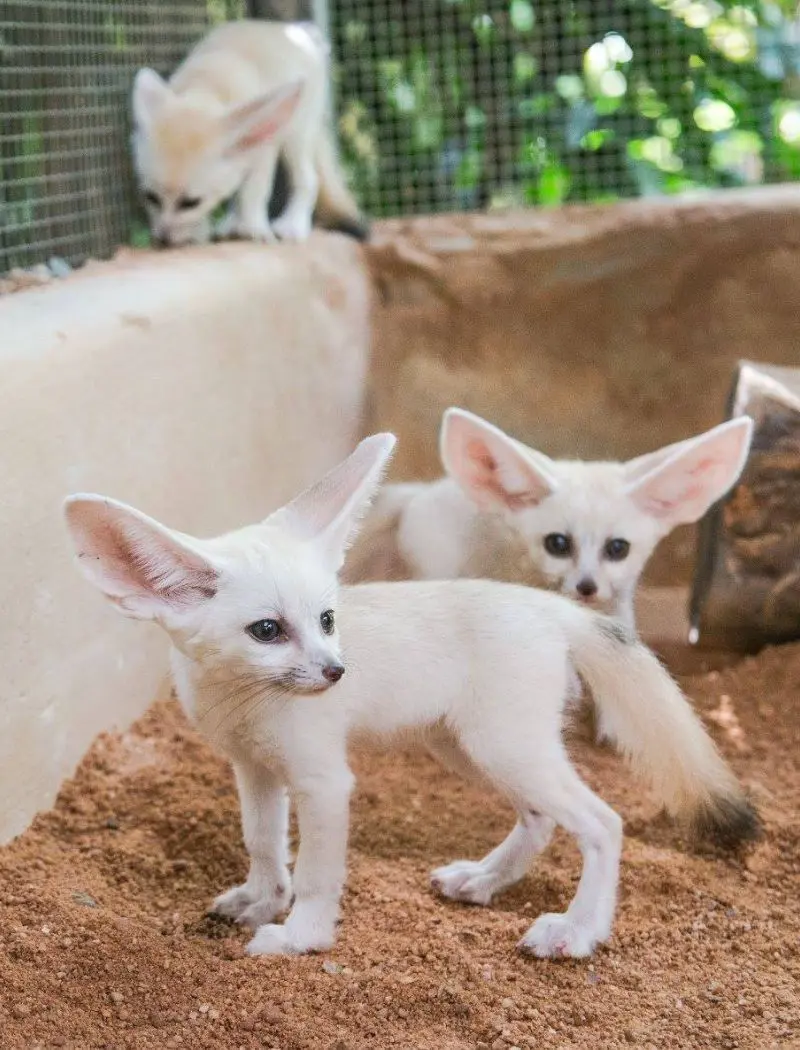
Fennec foxes have a small body that is supported by short legs that help them in running and digging. These small animals can weigh between 2 to 3.5 pounds and stand about 8 to 10 inches tall at the shoulder. Their body length ranges from 12 to 16 inches when excluding the tail.
They have large notable ears that increase their hearing ability to search for prey underground and escape the heat by keeping them cool in the hot desert climate. These animals have soft and thick coats that help them from both heat during the day and cold temperatures at night.
Their bushy tail can be as long as their body which helps to stabilize them while running and also serves as a blanket to cover their body during sleep. Fennec foxes have padded feet with fur on the soles that help in walking on hot sand without burning their paws and provide grip.
Behavioral Characteristics
Active At Night
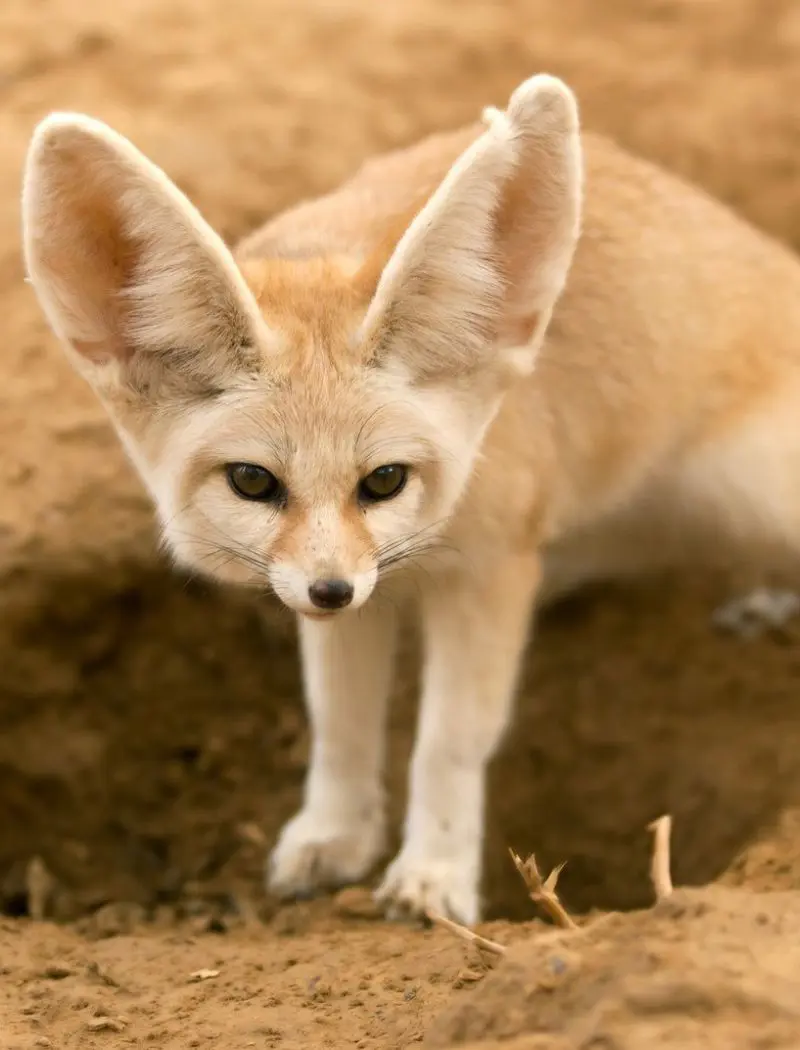
These foxes are mostly active during the night to engage in activities like hunting and social interaction as it helps them avoid extreme heat during the day. Their alert hearing capacity and sharp eyesight enable them to locate insects and birds in low-light conditions as they also use their ears to detect sounds made by animals hiding underground.
Social Structure
Fennec foxes live in a small family group that usually consists of a mated male, female, and their offspring. Family members share duties like grooming, playing, and maintaining their place.
The mother stays with the child to nurse them while the father provides food and protection for them by teaching survival skills like hunting. They use a range of vocalizations such as barks, growls, and purring sounds to communicate with family members and establish territory.
Territorial Behavior
They are territorial animals that aim to protect their home range by ensuring access to food, shelter, and resources. They use scent marking as a way to establish and defend their territory by rubbing it against objects like rocks and bushes.
These animals show aggressive behavior like growling and chasing away if other animals intrude on their area. They tend to warn the intruder rather than engage in physical fights as it can be risky and is usually avoided.
Diet And Nutrition
Fennec foxes have varied diets that help them to survive on whatever is available in their environment. Their diet consists of insects like beetles and grasshoppers in the wild that provide a rich source of moisture to them.
They also prey on small mammals like mice and rodents when other food is limited as it provides necessary proteins. It is important to copy their natural diet as closely as possible when adopting them as pets.
They are mostly fed high-quality commercial dog food to meet their needs along with live insects and small rodents to support their natural hunting behavior. You can also give them fruits and vegetables like apples, berries, and carrots to provide vitamins and hydration.
Exercise And Activities
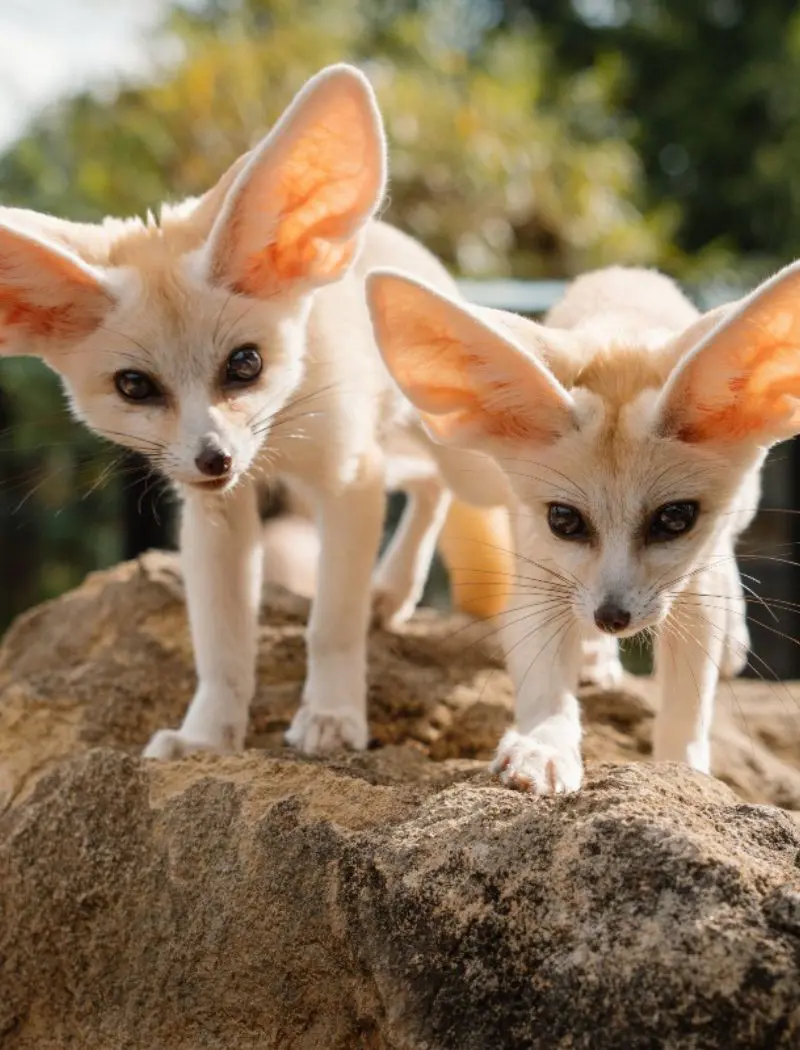
These foxes are high-energy animals that spend most of their time running across desert areas and hunting for prey. They require a significant amount of exercise and activities to stay physically and mentally healthy which mimics their natural instincts.
You can provide designated digging areas like a sandbox or digging box filled with sand or dirt as digging is their natural behavior and it may help to satisfy their need without damaging the floors. They are also very good jumpers that need spaces where they can climb and jump over with varying levels.
They also bond with their owners by engaging in interactive play sessions like chasing balls or simply running around with their owners. These foxes must be involved in daily exercise as they can become bored or stressed in the absence of it which can lead to destructive behaviors like excessive digging or chewing.
Grooming Tips
Fennec foxes are easy to groom in comparison to other exotic pets as they are known for being clean and low-maintenance. Brushing them once or twice a week is necessary to remove loose fur and waste from their coat. They are naturally clean animals who usually groom themselves and may only need to be bathed if they get into something dirty.
They use their nails for digging and may need trimming once a month to reduce the discomfort that may be caused due to long nails. Their ears should also be cleaned using a soft, damp cloth as they can contain dirt or wax over time.
Make sure to provide hard toys or treats that promote chewing as it can reduce plaque buildup and clean their teeth. You can also brush their teeth occasionally with pet-safe toothpaste and a small toothbrush.
Training And Socialization
It is necessary to understand that fennec foxes can be trained to some extent but may not respond to training the same way as traditional pets because of their wild instincts. They are naturally clean animals that can be litter-trained to some extent by placing the litter box in an area where they would normally relieve themselves.
You can also crate-train your fox by providing a small area as a den to prevent destructive behavior when you are not able to supervise them. Make sure to provide sandboxes for digging and chew toys to avoid destructive behaviors and reinforce good behavior with praise.
Early socialization to new people and animals at a young age is also important to make them behave calmly in different situations. It is important to have patience and a deep understanding of their natural behavior to train them successfully.
Common Health Problems
Dental Issues
They may develop dental problems like tooth decay or gum concerns when they are not provided with proper food and dental treatment. It can cause pain and make it difficult for them to eat and enjoy their food.
The pain may also cause changes in behavior, like reluctance to play or interact, which may eventually impact their overall health. It can also cause stress as a result of pain and unease which can affect their life quality.
Parasites
Parasites can have a significant impact on health as they can affect the digestive tract which may cause vomiting and loose stools. It may also cause hair loss, other infections, and discomfort to the foxes and may also transmit other diseases.
Obesity
Fennec foxes can become obese in captivity if they are given too much food or if they do not get enough exercise. There may be a decrease in their energy levels as they become less playful and interactive which affects their mental health.
It is important to maintain their diet with required food portions and engage them in regular exercise as obesity can also cause other health problems.
Ear Infection
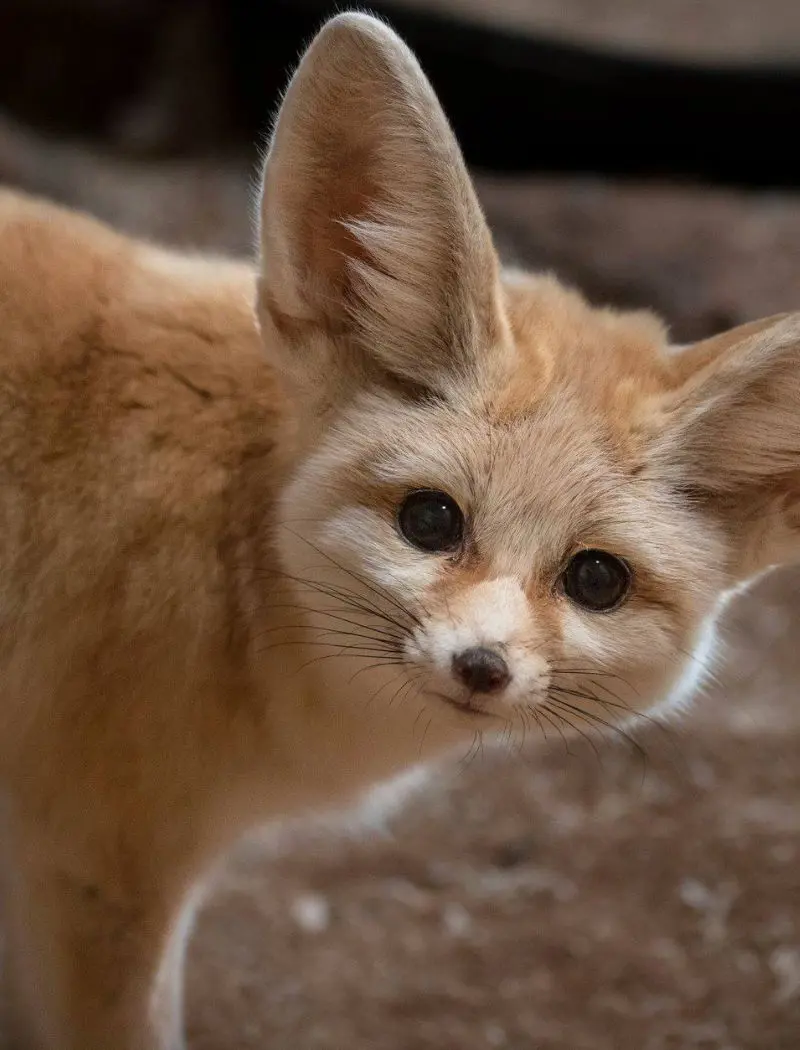
These foxes have large ears that are not only sensitive to sound but also prone to inflammation that may be caused by the collection of dust. It may also be a result of allergic reactions and excess moisture that can lead to ear problems.
They may show signs such as scratching or head shaking when suffering from ear infections. It is important to seek veterinary consultation as it can cause severe health problems if left untreated.
Trauma And Injuries
Fennec foxes may suffer from injuries if they are not kept in a safe environment as they are active animals that are very fast. They may suffer from injuries such as broken bones or cuts when jumping or playing with objects in their closed space.
These injuries may also be a result of an engagement in aggressive behavior with other pets in the house and lead to bites or scratches. It is important to socialize them properly at an early age to prevent them from feeling threatened and causing such injuries.
Pros Of Fennec Fox As A Pet
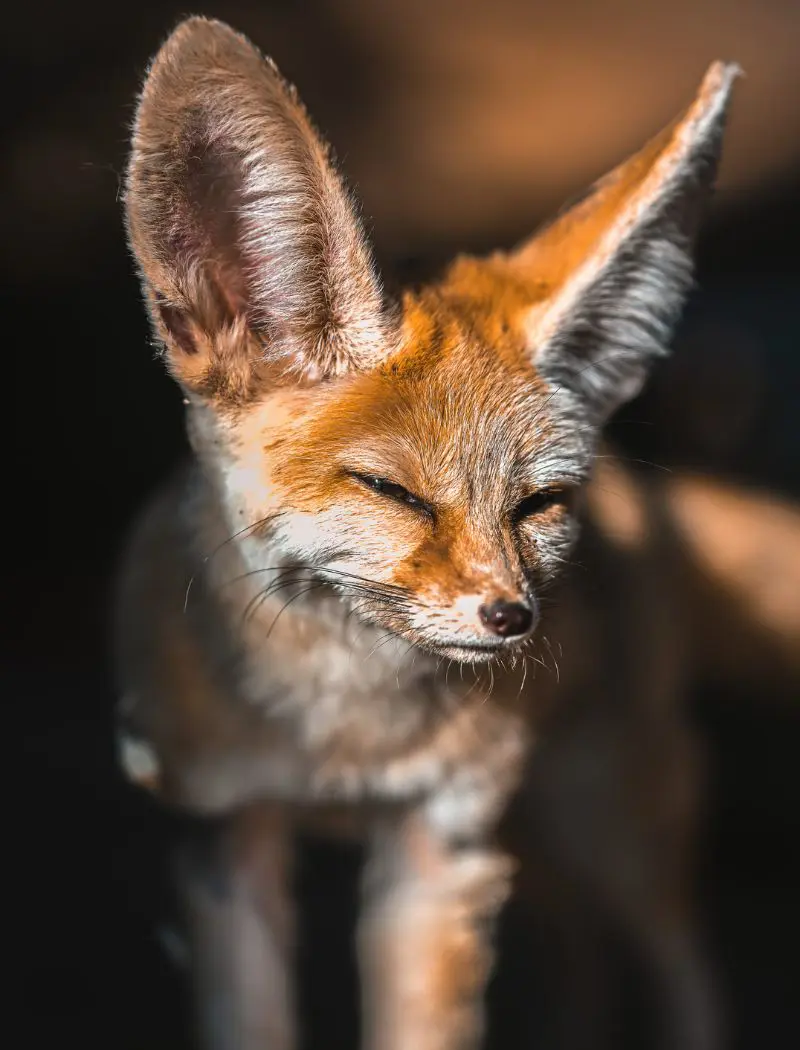
- Unique Appearance: Fennec foxes have striking physical features such as large ears with lean bodies that are covered with beautiful fur. They are beautiful to look at and can be an attractive factor among visitors.
- Social Behavior: They are playful animals that enjoy engaging in interactive play and thrive on creating a strong bond with their owners. The affectionate behavior and interactive nature of these pets help to create a strong bond between the fox and its owner.
- Intelligent and Curious: These animals can be trained to perform tricks or respond to commands as they are highly intelligent. They are also very curious animals that love to explore their environment and create bonds with new pets in it.
- Suitable for Smaller Spaces: They can adapt well to smaller living spaces like apartments due to their small size. This is especially beneficial for those people who do not have enough backyard room or large space and who live in urban areas.
- Low Odor and Cleanliness: They are usually clean pets that bury their waste and can also be litter-trained to manage their hygiene. These pets also produce less odor in comparison to other animals and contribute to a pleasant living environment.
Cons Of Fennec Fox As A Pet
- Care Requirements: They have unique dietary and environmental requirements that may be hard to mimic. Monitor their diet to prevent obesity and provide environmental spaces that may be hard for most people to fulfill.
- Legal Considerations: Adopting a fennec fox as a pet may not be smooth due to legal rules or regulations that may create challenges. It is important to understand and research the local laws regarding exotic pets before you decide to bring them to your house.
- Nocturnal Nature: Fennec foxes are most active during the night and may disrupt your household schedule as they may engage in loud vocalizations or play when people are asleep. This may be a problem as the owners may need to adjust their routines to meet their pet's active hours.
- Veterinary Care Limitations: It may also be difficult to find vets with experience in exotic creatures, as it is important to consult with them before bringing them. Finding a vet who knows these animals is necessary for proper attention.
- Emotional Commitment: Adopting a fennec fox is a long-term duty that requires investment as they thrive on social interaction and may become stressed if left alone for a long while. You should make sure that you understand all of these requirements and are ready to commit to them so that you can provide them with a happy living condition before you adopt them.