False Pregnancy In Dogs: Symptoms, Causes And Treatment
On Aug 15, 2025



Pet owners often find themselves captivated by the unique behaviors and physiological changes our canine companions undergo, one of which can be concerning is the occurrence of false pregnancy, also known as pseudopregnancy in dogs.
False pregnancy is a hormonal imbalance that can occur in female dogs, typically after the heat cycle. The dog's body undergoes a series of hormonal changes that mimic the physical and behavioral signs of a genuine pregnancy, even though no actual pregnancy has taken place. This can occur in both spayed and non-spayed dogs.
Symptoms Of False Pregnancy In Dogs
False pregnancy or pseudocyesis occurs within 6-12 weeks after the dog's heat cycle and might just prove traumatic if not properly understood and taken care of. Watching their dear ones go through a false pregnancy can be a very confusing and troubling experience for any dog owner.
In this regard, let's take a look at the false pregnancy symptoms and development in dogs to help you through the process with your furry friend.
Symptoms of False Pregnancy

False pregnancy is a hormonal imbalance that can occur in female dogs, typically after the heat cycle. During this time, the dog's body undergoes a series of hormonal changes that mimic the physical and behavioral signs of a genuine pregnancy, even though it hasn't taken place. Some Common symptoms seen are:
Nesting Behavior
Nesting behavior in dogs can be a major sign of false pregnancy as they start mimicking the preparation for motherhood without actual pregnancy. This instinctual behavior manifests as the dog gathers and arranges blankets, toys, or other soft materials to create a cozy nest.
The urge to nest arises from hormonal shifts that occur during mirror pregnancy, leading the dog to exhibit nurturing behaviors like nesting, mothering toys, and even showing signs of discomfort when separated from her nest. While not a medical concern, understanding and providing comfort during this phase can help ease the dog's emotional and physical transitions until the false pregnancy resolves naturally.
Enlarged Mammary Glands
The condition occurs when a non-pregnant female dog exhibits symptoms commonly associated with pregnancy, such as swollen mammary glands, milk production, and nesting behaviors. Hormonal fluctuations after an estrous cycle cause these changes, mimicking pregnancy despite no actual conception.
While false pregnancy typically resolves on its own within a few weeks, monitoring the dog's health and consulting a veterinarian should be done so that there are no complications. Understanding and recognizing these signs helps in providing appropriate care and comfort to the affected dog.
Behavioral Changes
Pseudopregnancy in dogs can be associated with dramatic behavioral changes as they become restless or anxious with other observable physical stress like pacing, whining, or aggressiveness. They may also display protective behavior regarding toys or other objects, which they consider surrogate puppies.
Such behavioral activities, accompanied by physical signs like hypertrophy of the mammary glands and lactation, usually cease spontaneously within a few weeks.
Loss Of Appetite Or Increased Appetite
Some dogs may experience a noticeable loss of appetite, becoming less interested in food and eating less than usual on the other hand some dogs might show an increased appetite, exhibiting an unusual desire for food.
These appetite changes are driven by hormonal fluctuations that mimic those of a real pregnancy. Monitoring your dog's eating habits can help determine if she might be experiencing a false pregnancy. Consulting a veterinarian can provide clarity and appropriate guidance for the proper care of your companion.
Abdominal Enlargement
This is a syndrome that occurs when a non-pregnant female dog starts to show some physical and behavioral signs similar to those seen during pregnancy after her estrous cycle. The fluctuation in hormone levels, especially progesterone, with its high levels followed by a sudden drop, may cause abdominal swelling.
Although not pregnant, the dog's body behaves as if she is, thus tiring and confusing her. Pet owners should monitor their animals closely and follow up with a veterinarian for guidance and comfort of their pets during this period.
Vomiting or Digestive Issues
Hormonal changes, stress, dietary changes, and gastric distension linked to false pregnancy can lead to vomiting in dogs giving rise to digestive issues. These alterations may cause an upset stomach accompanied by similar vomiting as in the case of actual discomfort during pregnancy.
Monitoring of food intake, maintenance of hydration, a quiet environment, and consulting a veterinarian if there is persistence or worsening of vomiting are part of the management of vomiting.
Protective Behavior
A dog could show maternal feelings during a wrong pregnancy that does not involve actual pregnancy, likely to affect serious changes in hormones, which eventually may affect the way she behaves. The maternal urge to take care of her pups can make her extra aggressive during this period.
Diagnosing this behavior as part of a false pregnancy is essential for treating her and, more importantly, understanding that her aggression is temporary.
What Causes False Pregnancies in Dogs?

It is not entirely understood exactly what causes dogs to become pregnant when they are not, as every stage of the estrus cycle in a female dog's reproductive cycle is designed to end with conception. Her hormones are all regulated and she is "hoping" to become pregnant. Sometimes, it seems these chemical signals don't read each other correctly and trigger as though puppies are growing inside of the uterus.
Hormonal Disorder
Even if a dog has not mated, her body creates hormones that prepare her for pregnancy after she enters estrus (heat). An imbalance in these hormones, especially progesterone and prolactin, can cause mistaken pregnancy symptoms.
Although harmless, the disorder in hormonal production can be very discomforting. So as a pet parent, you need to provide her with tools of comfort and a relaxing environment.
Ovarian Cyst
The cysts, which are fluid-filled sacs on the ovaries, can disrupt the normal hormonal balance in female dogs, leading to an overproduction of hormones like progesterone, which can sometimes lead to a condition known as false pregnancy.
This occurs when the dog's body exhibits signs of pregnancy despite there being no actual conception. The now increased hormone levels mimic those seen in actual pregnancy, causing the dog to display behaviors like that of a pregnant dog. Although false pregnancy due to ovarian cysts is generally not harmful, it can be distressing for the dog and confusing for the owner. It's important to consult a veterinarian for proper diagnosis and management to ensure the dog's well-being.
Prolonged Estrus
If the estrus phase, which is when the dog is in heat and receptive to mating, extends beyond its normal duration, it can result in prolonged exposure to these hormones. This extended hormonal activity can trick a dog's body into believing it is pregnant, even in the absence of actual mating or conception.
This condition can be particularly confusing for pet owners, as the dog may exhibit physical and behavioral changes similar to those seen in a true pregnancy. Proper veterinary evaluation is essential to address and manage prolonged estrus and its impact on a dog's health, ensuring that any underlying issues are identified and appropriately treated.
Psychological Factors
When a dog experiences changes in its routine environment, or social structure, such as moving to a new home, the introduction of new pets, or changes in the household dynamics, these activities can be stressful disrupting the normal hormonal regulation of the reproductive system. This disruption can cause the dog to exhibit signs of a false pregnancy, even in the absence of a fetus.
Although these are not harmful and dogs can get accommodated after a while in their new routine, stress-reducing activities can be performed for the sake of their immediate comfort.
Genetic Vulnerability
Genetic vulnerability can play a significant role in a dog’s likelihood of experiencing a false pregnancy, as certain breeds and individual dogs with particular hereditary traits are more prone to hormonal imbalances that mimic the signs of pregnancy.
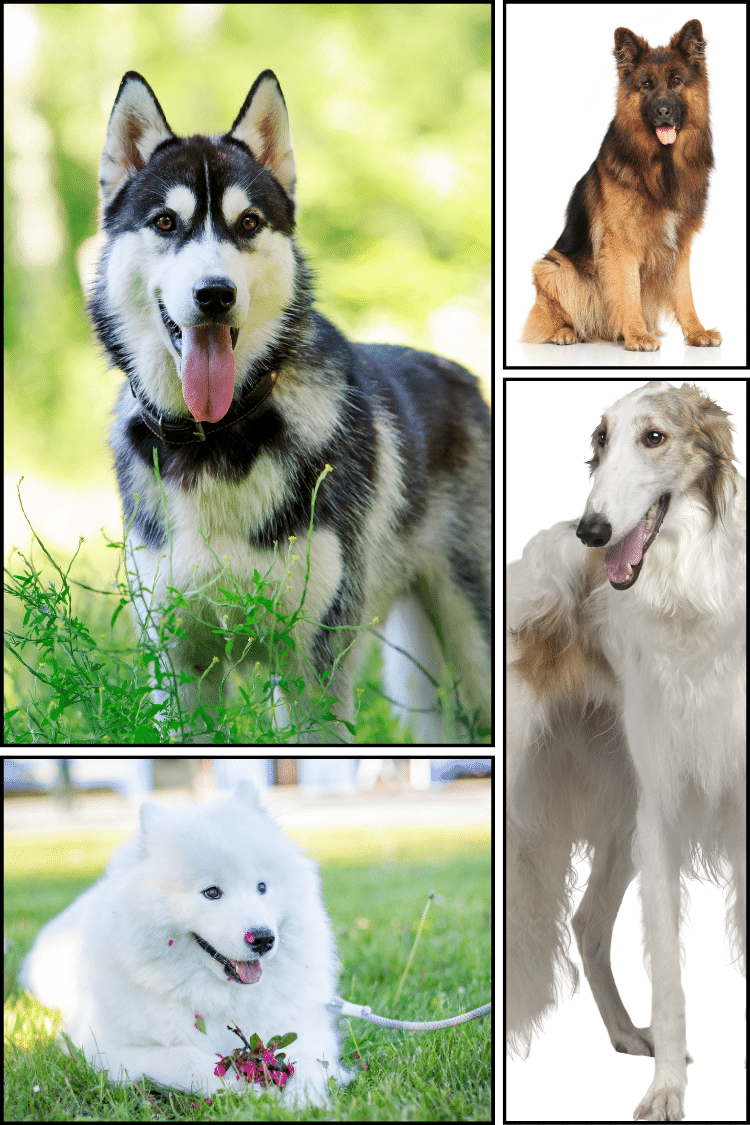
For example, breeds such as the Cocker Spaniel and German Shepherd are known to have a higher prevalence of false pregnancies, implying a genetic relationship to the illness. Breeders and dog owners should be aware of these genetic tendencies since they can assist inform management measures and detect the illness early.
Care And Treatment
It is essential to provide your dog with supportive care to give her all the comfort and well-being she needs during this difficult time. Here are key tips for managing and caring for your dog during this period:
Veterinary Consultation
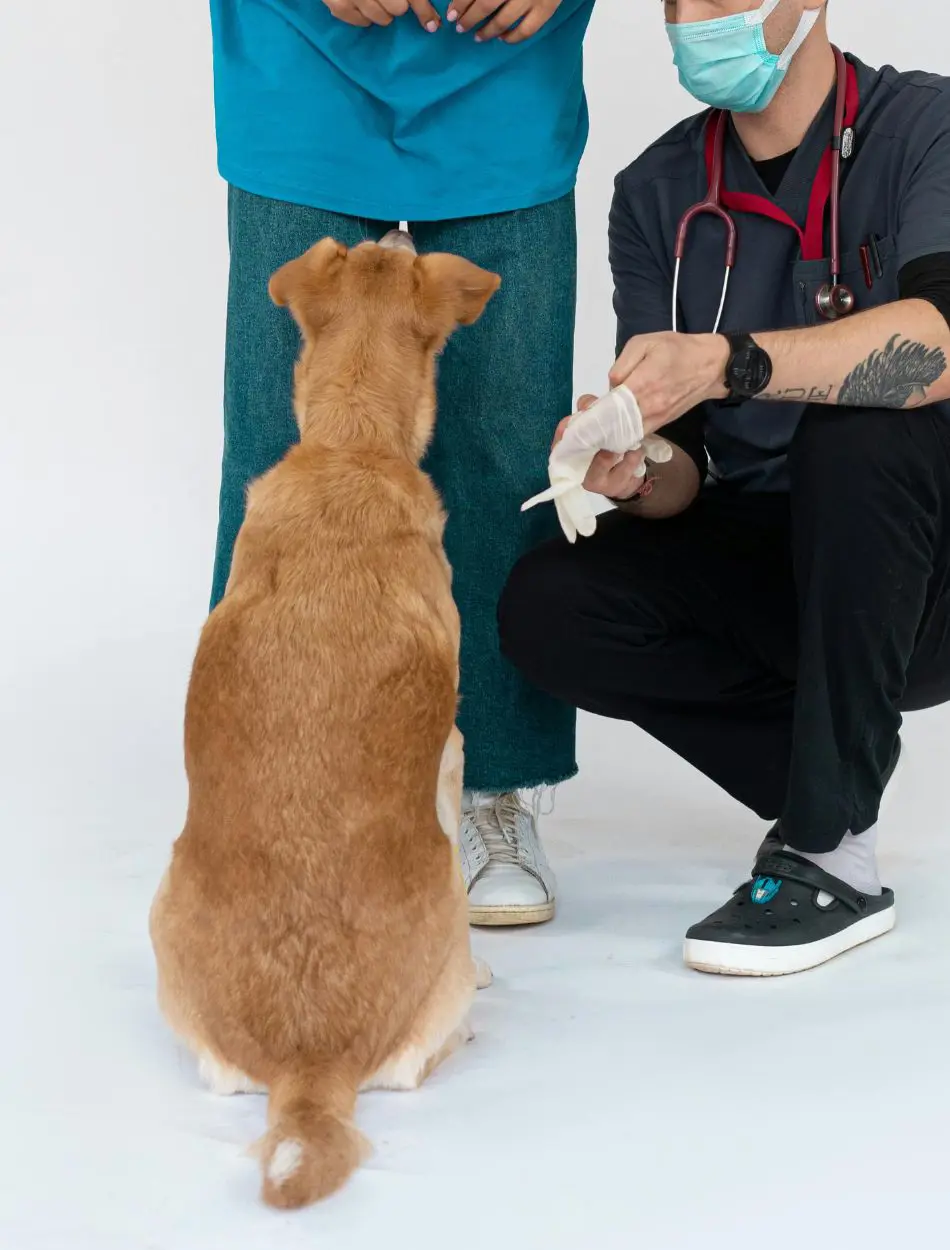
A veterinarian will be able to correctly diagnose this condition and give proper advice. Accordingly, they give guidelines on inappropriate behavioral changes and give strategies for the relief of discomfort by prescribing a change in diet and activity.
Regular follow-up allows one to correct any complications that could occur outside of the condition, such as mastitis or behavioral problems. Moreover, the veterinarian may provide medication, either for the symptoms or to avoid any complications. The expertise assists in making sure that the correct care is provided to the dog, which best suits their requirements, enabling her to relax and thus feel at ease throughout the false pregnancy.
Monitoring
Monitoring has to be a critical element in the care of females subjected to false pregnancy to ensure their well-being and comfort. Behavioral and physical monitoring, which involves laying nests, mammary gland increases, and mood swings, requires proper observation by the owner.
Lactation can be averted through dietary change, and the owner should seek advice from the veterinarian on management techniques regarding the balance of the hormones. Periodic observation enables early detection of complications, including infections or behavioral troubles, so that timely interventions can be managed. A quiet and gentle playing environment will further diminish stress and accelerate recovery from false pregnancy symptoms.
Comfort and Support
Comfort and support play crucial roles in caring for female dogs experiencing false pregnancy. Providing a calm and nurturing environment helps alleviate anxiety and stress associated with hormonal changes.
Gentle reassurance and maintaining familiar routines can offer stability during this confusing time. Ensuring access to a comfortable, quiet space where the dog can nest and feel secure encourages natural behaviors without undue distress. Monitoring her physical health and adjusting her diet as needed can also promote overall well-being. By offering understanding and gentle care, owners can help their dogs navigate through false pregnancies with comfort and emotional support.
How Vets Detect False Pregnancy In Dogs
Firstly the vet will observe the dog's physical signs, such as mammary gland enlargement, lactation, and abdominal distension, which can mimic those of a real pregnancy. Veterinarians can detect false pregnancies in dogs through physical examinations with medical history analysis and diagnostic tests.
They will then review the dog's medical history and reproductive cycle to identify any patterns or irregularities. Diagnostic tests, including ultrasound and radiographs, are crucial in this process. Ultrasounds can reveal the absence of fetuses in the uterus, while radiographs taken around the expected time of birth can confirm a lack of skeletal structures, conclusively indicating a false pregnancy.
Blood tests can also be used to evaluate hormone levels, providing more evidence for distinguishing between actual and fake pregnancies. Veterinarians can accurately detect and treat a dog's fake pregnancy using these comprehensive exams.
Preventive Measures
Preventing fake pregnancies in dogs mostly requires regulating their hormonal health and reproductive cycles which can be done by following preventive measures.
Spaying
As spaying removes the hormonal cycles associated with the heat cycle, it is a very effective preventive method for false pregnancy. By removing the ovaries and uterus, hormonal fluctuations responsible for the symptoms of a false pregnancy can be halted.
Spaying prevents undesirable pregnancies and reduces the risk of related breeding health issues. The operation corrects not only the specific problem of pseudopregnancy in dogs but also helps the general health and well-being of females.
Balanced Diet
Providing high-quality, nutritionally complete dog food tailored to their age, size, and activity level supports their hormonal system and overall health, reducing the likelihood of experiencing false pregnancy symptoms. A balanced diet can not only prevent false pregnancies but also promote overall hormonal health and ensure a healthy weight.
Proper nutrition ensures that dogs receive essential vitamins, minerals, and nutrients that contribute to hormonal balance and general well-being. Regular consultations with a vet can help adjust their diet as needed.
Stress Reduction

A stable, calm environment helps maintain a dog's overall well-being and hormonal health which helps to avoid false pregnancies. To minimize stress, make a proper routine as dogs are creatures of habit and avoid sudden changes in their environment.
Regular mental and physical stimulation, such as playtime and exercise, also helps keep stress levels in check. By managing stress effectively, you can help regulate your dog’s hormones and reduce the likelihood of false pregnancies.
Exercise
Engaging your dog in constant exercise patterns, daily walks or playtime is good for supporting physical health, but it will also help to decrease stress and thus further stabilize hormone levels. This will greatly decrease the chance of getting symptoms of false pregnancies.
Help your dog exercise regularly as it not only reduces the risk of false pregnancy but also helps them to be more active and stressfree while improving their well being.