

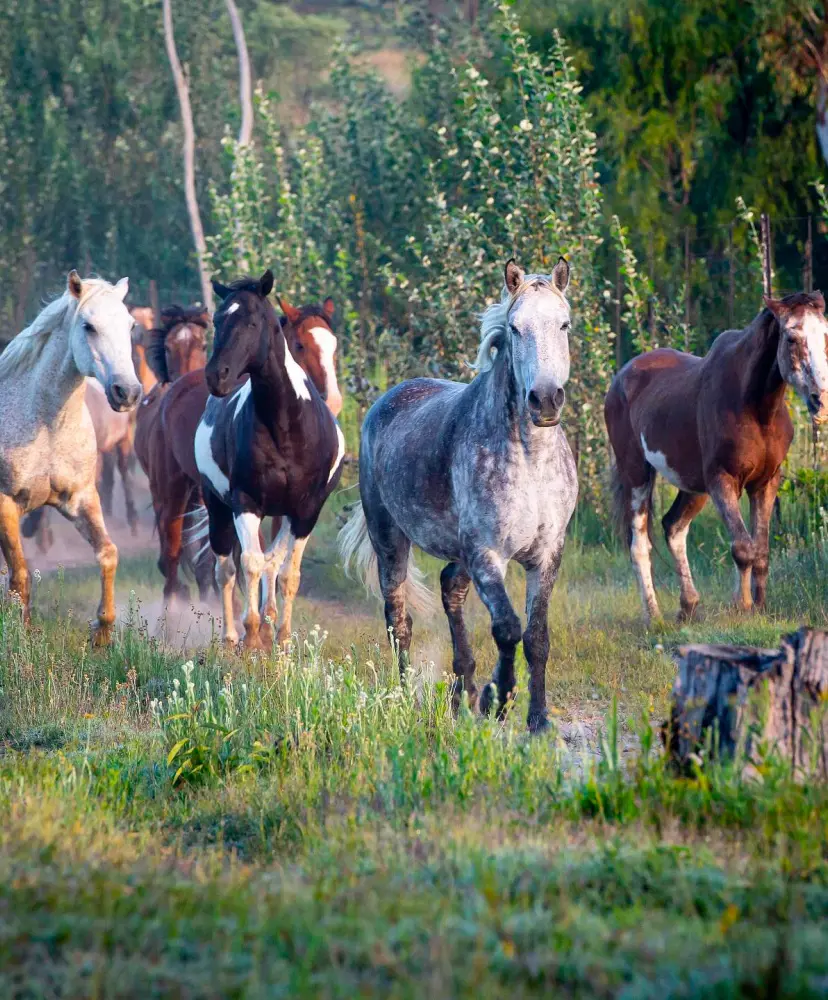
Horses are the epitome of elegance and strength defined by their sleek, muscular bodies and a symphony of flowing manes that dance with the breeze.
These magnificent creatures have been indispensable companions to humans for centuries, playing pivotal roles in agriculture, transportation, and even the thrill of equestrian sports.
Horses are admired for their physical beauty, with a rich tapestry of coat colors ranging from the velvety depths of jet black to the golden hues of palomino, along with their keen intelligence and social nature.
1. Horses Are Amazing Speedsters
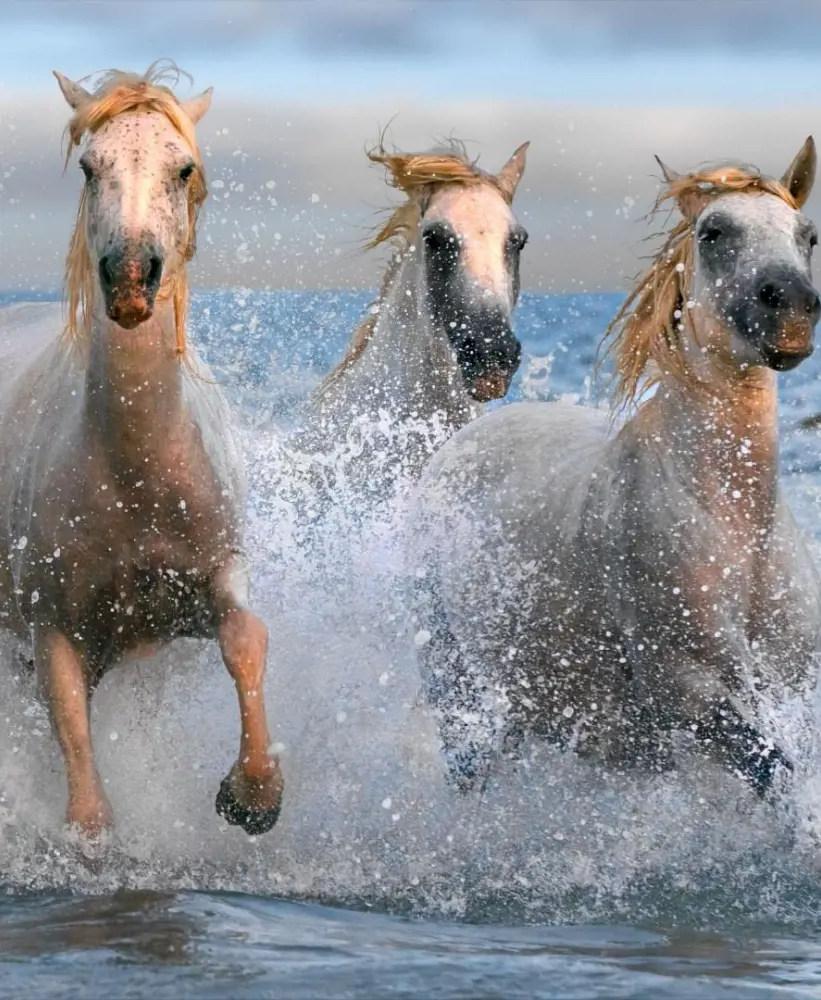
Horses are extraordinary speedsters, and they showcase remarkable agility and velocity. On average, a horse can reach speeds of 25 to 30 miles per hour during a gallop while some exceptional horse breeds can even attain speeds of up to 40 miles per hour or more.
The elegance and power with which horses accelerate and maintain such high speeds make them impressive athletes. The combination of their muscular build, long legs, and innate sense of rhythm allows horses to achieve incredible feats of speed.
2. They Have Excellent Memory

Horses possess an impressive and often underrated memory capacity and they can remember people, places, and experiences for extended periods. The long-term memory of these intelligent animals allows them to recall training routines, navigate familiar routes, and recognize individuals even after prolonged periods of separation.
One of the fun facts about horses is that they can remember past interactions with humans, adapting their behavior based on previous experiences. This cognitive ability not only enhances their training and performance but also contributes to the deep bond that can form between horses and their human counterparts.
3. Each Horse Carry A Unique Print
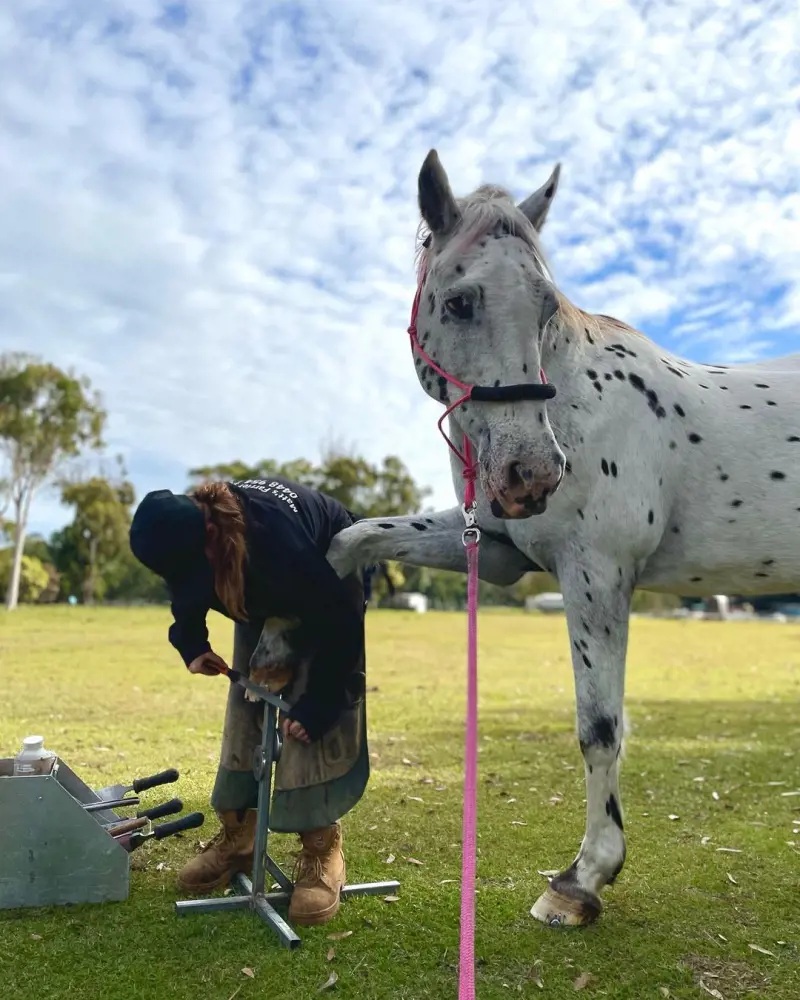
Just like the distinctive fingerprints found in the animal kingdom, horses also boast unique hoof prints. Each horse's hoof has a specific pattern that results from the combination of its characteristics, such as hoof shape, size, and weight distribution.
This uniqueness extends to the distinctive arrangement of the ridges and lines on the underside of the hoof which creates a one-of-a-kind imprint. The intricacies of these prints not only serve as a practical tool for identification but also highlight the fascinating individuality embedded in every aspect of a horse's anatomy.
4. Horses Have Large Eyes

Horses are endowed with large, expressive eyes which play a crucial role in their survival and communication. The oversized eyes positioned on the sides of their head provide horses with a broad field of vision, allowing them to detect potential threats from almost any direction.
Furthermore, the large eyes contribute to their keen low-light vision, aiding them in navigating various terrains even in dim conditions. The expressive nature of their eyes also serves as a means of non-verbal communication which allows them to convey a range of emotions.
5. They Communicate Through Ears
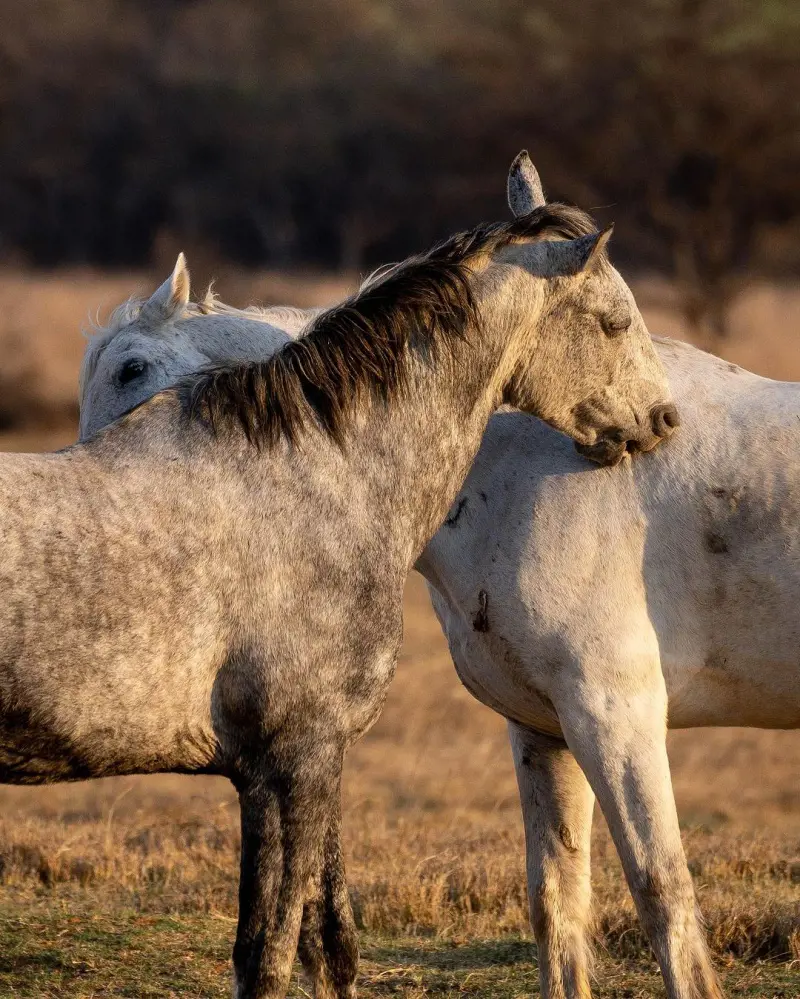
Horses are masterful communicators, and their ears serve as dynamic instruments in conveying a spectrum of emotions and intentions. One of the most interesting facts about horses is that they can rotate their ears 180 degrees, enabling them to focus on sounds from all directions.
A forward position of the ears often signals attentiveness and curiosity, while pinned-back ears may indicate discomfort or aggression. Notably, horses use their ears to communicate with each other, establishing social hierarchies and maintaining group cohesion.
6. They Have A Long Lifespan
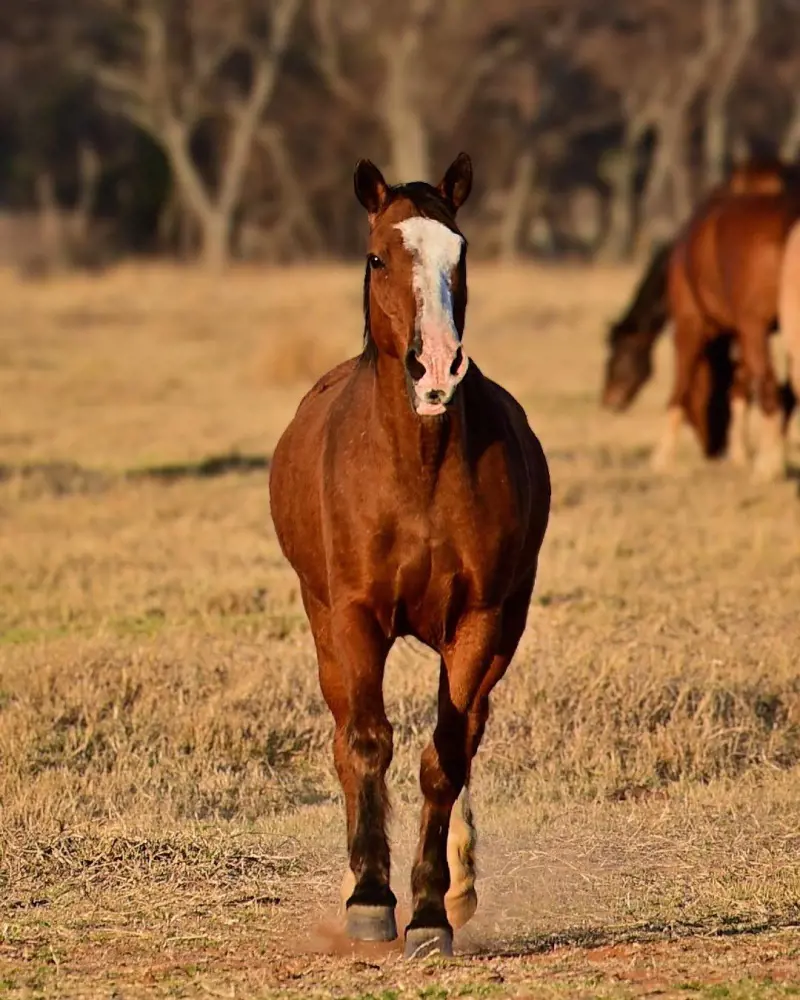
These majestic creatures live to be around 25 to 30 years old while some breeds, such as the sturdy and well-cared-for ponies, can surpass the three-decade mark. Their lifespan and their journey through the years is a fascinating testament to their resilience and companionship.
The extended lifespan of horses allows for enduring bonds with their human counterparts, fostering deep connections that span decades. The aging process can be marked by distinctive changes, from the graying of their coat to the development of wisdom lines around their eyes.
7. Horses Are Quick Learners

One of the standout features of horses is that they are quick learners and showcase an impressive ability to grasp new concepts and adapt to various situations. Their innate intelligence and sensitivity to human cues make draft horse breed and others adept at training and learning tasks.
These beautiful creatures have sharp memory which further enhances their learning capabilities, allowing them to retain and build upon previous experiences. The use of positive reinforcement, such as treats or praise, often accelerates their learning process.
8. They Are Sensetive To Touch
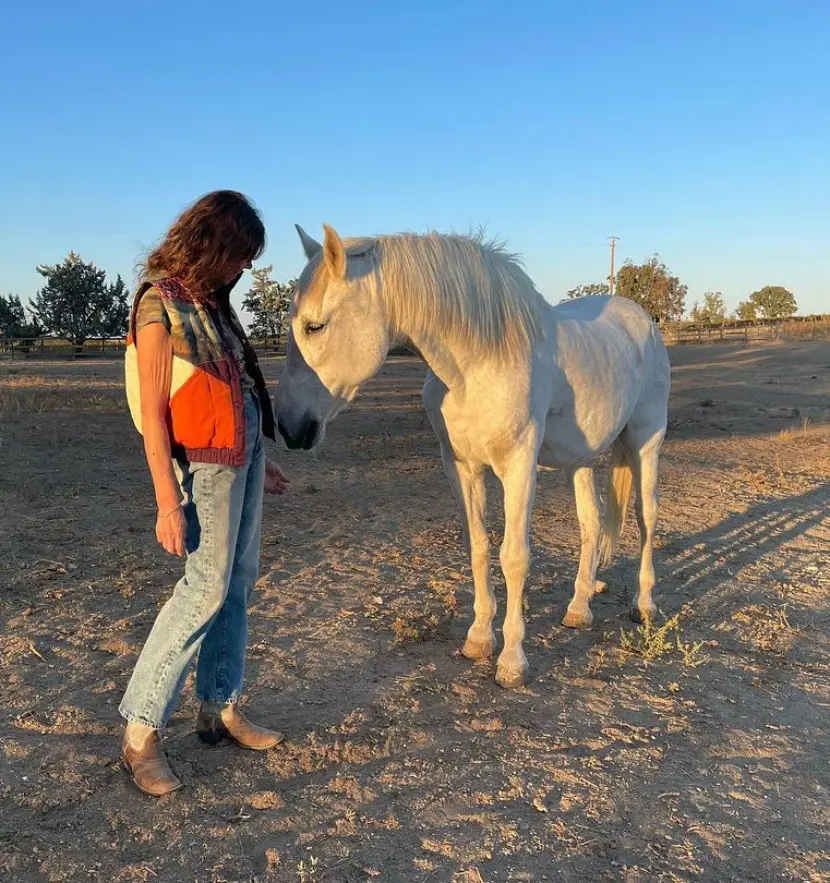
Horses are remarkably sensitive creatures when it comes to touch, and their responsiveness to tactile stimuli plays a vital role in communication and bonding. These speedsters are equipped with an intricate network of nerve endings beneath their skin which enables nuanced interactions with their human counterparts.
For instance, grooming goes beyond mere hygiene for horses and serves as a means of establishing trust and strengthening the emotional connection between a horse and its handler.
These animals also use touch to communicate within their herd, expressing affection or asserting dominance.
9. Their Teeth Grows Throughout Their Life

One fascinating dental characteristic about horses is that they continue to grow teeth throughout their lives. This continuous growth is essential for adapting to the wear and tear resulting from their natural diet of coarse grasses and grains.
The teeth of horses erupt from the gums throughout their lifetime as compensation for the grinding action that occurs during chewing. However, the rate of growth varies, with younger horses experiencing more rapid tooth development.
10. Horses Can Sleep Standing Up
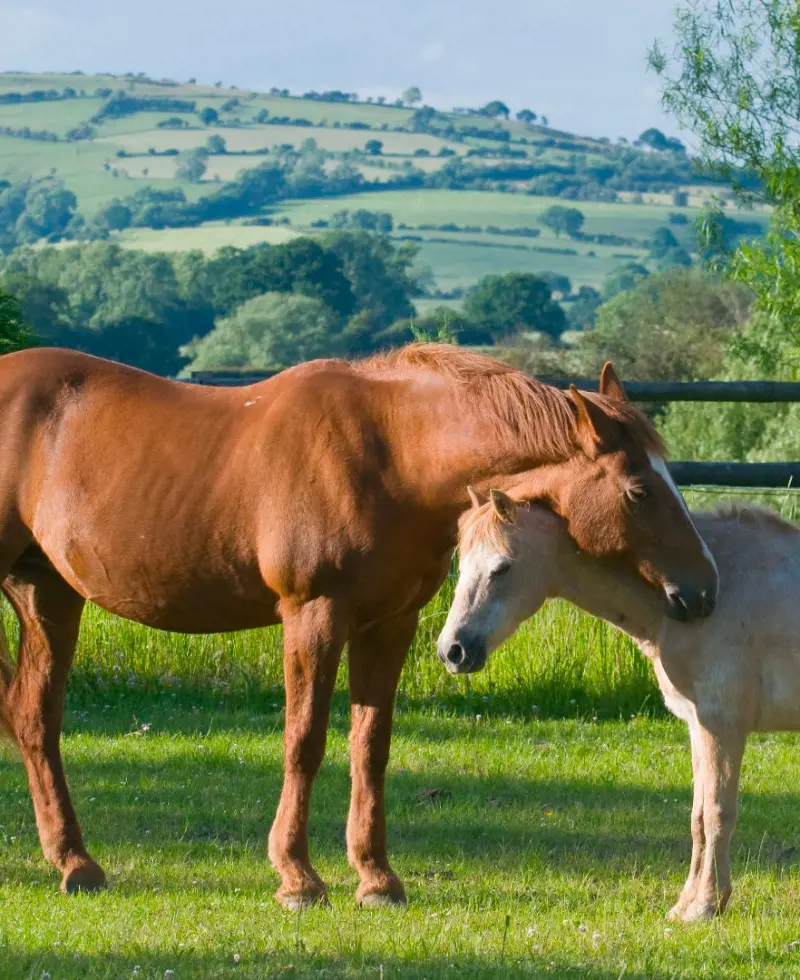
One of the remarkable adaptations of horses is their ability to sleep while standing which is a feature rooted in their evolutionary history as prey animals. They have a unique system of 'stay apparatus' in their legs and hooves, which allows them to lock their limbs in place.
This enables them to take short periods of rest while remaining vigilant to potential threats in their surroundings. Horses experience both light and deep sleep phases, and they can even enter a state of REM (rapid eye movement) sleep which is crucial for mental well-being.
11. They Are Strictly Herbivores
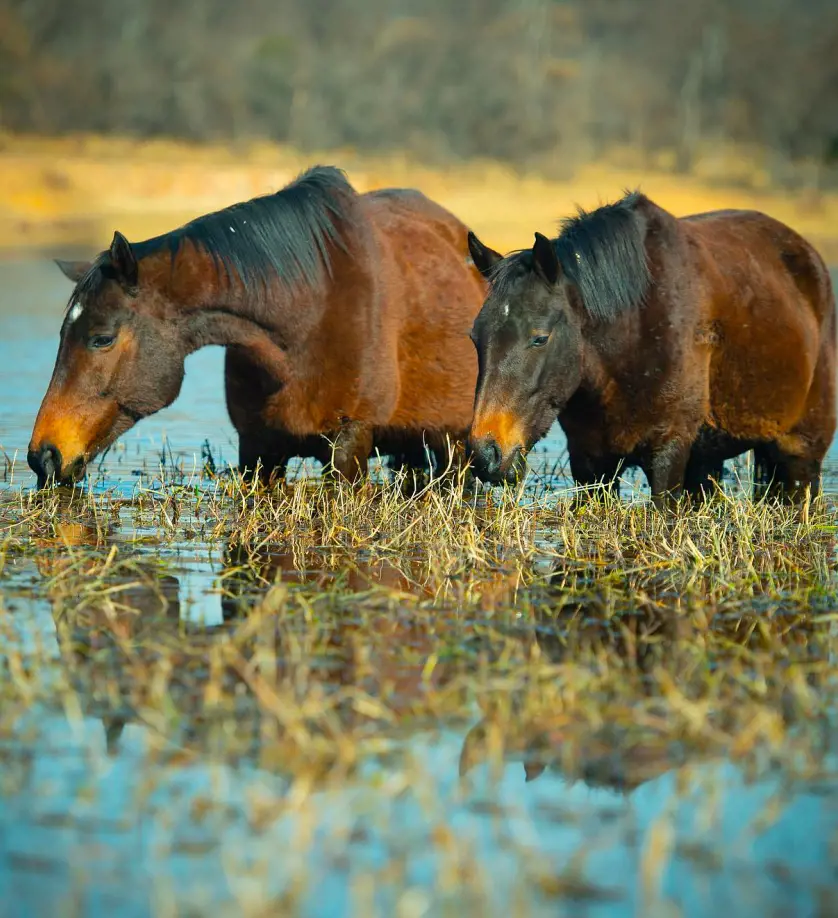
Horses are unequivocal herbivores, their diet is exclusively composed of plant-based fare, and this dietary specialization is deeply ingrained in their physiology. Their digestive system is a marvel of efficiency which is designed for processing fibrous plant material.
Horses also lack a gallbladder, emphasizing their reliance on a steady intake of small, frequent meals. Interestingly, their teeth are adapted for grinding rather than tearing, with the continuous growth of molars supporting their constant mastication of rough forage.
12. They Prefer To Live In Herd
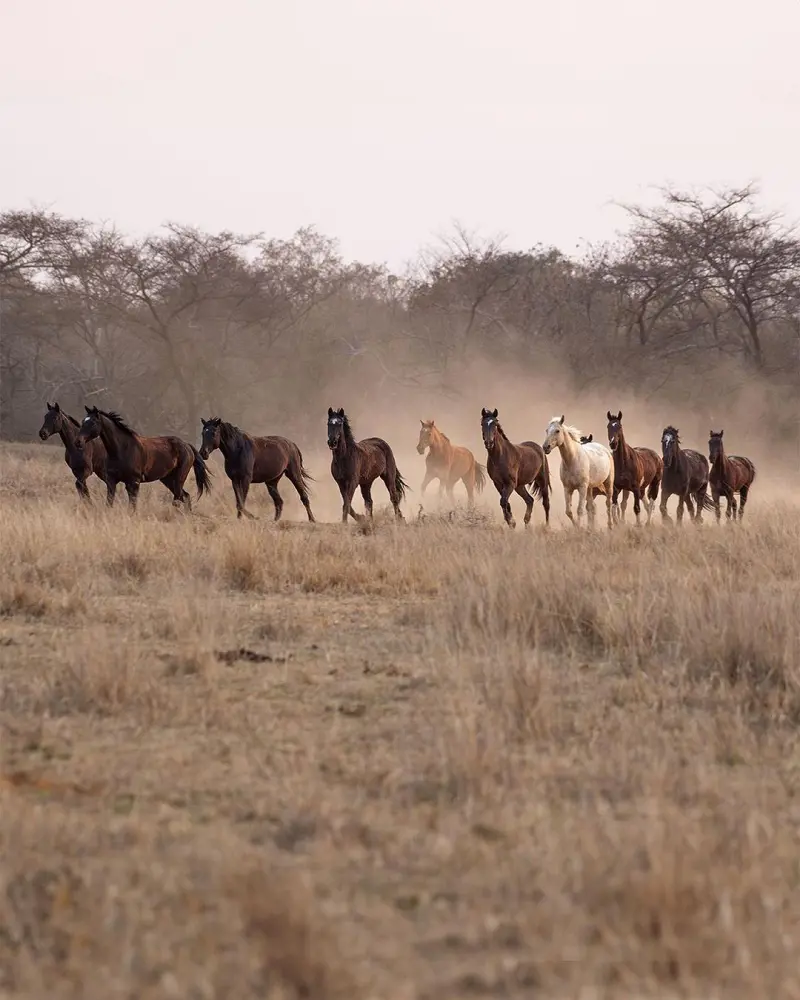
Horses are inherently social beings with a strong preference for living in herds. Within a herd, horses establish intricate social structures, often led by a dominant individual.
This social dynamic fosters companionship, mutual grooming and communication through body language, vocalizations and even subtle gestures. The herd offers emotional support, reducing stress and anxiety, and it plays a crucial role in the mental well-being of individual horses.
13. They Are Extremely Intelligent
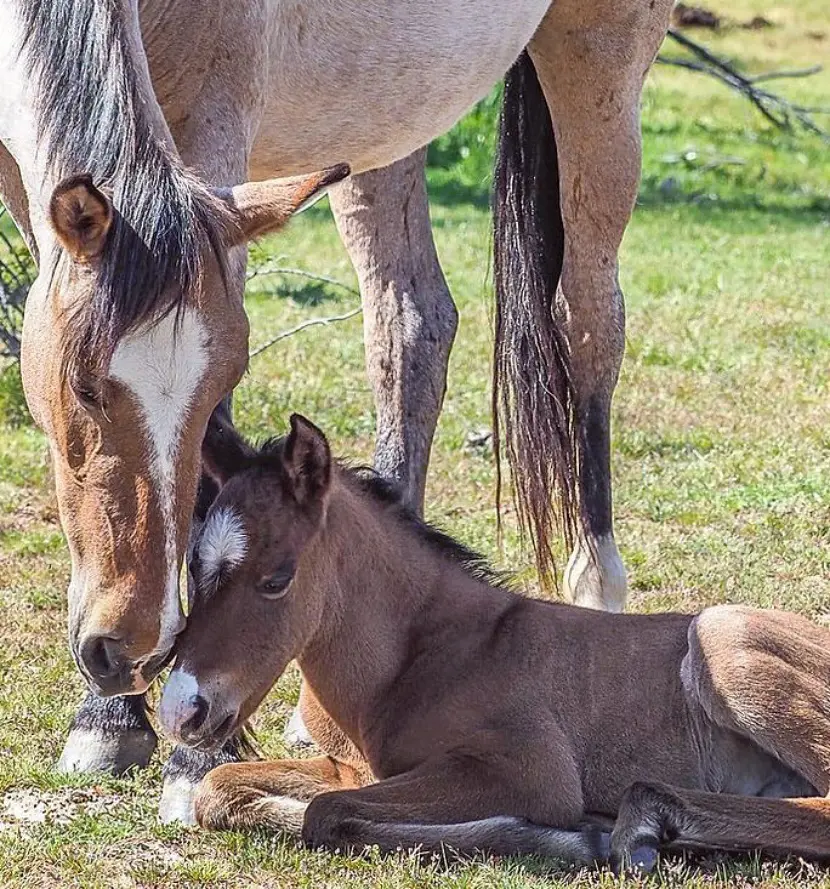
Horses stand out as remarkably intelligent beings, capable of intricate problem-solving and displaying a keen ability to learn and adapt. From quickly grasping training cues to navigating complex environments, their intelligence is evident in various aspects of their behaviors.
These beautiful creatures also showcase social intelligence, understanding and responding to the emotions of both humans and fellow equines. Their excellent spatial awareness and memory contribute to their proficiency in tasks like navigating trails or memorizing intricate dressage patterns.
14. They Have Unique Galloping Patterns
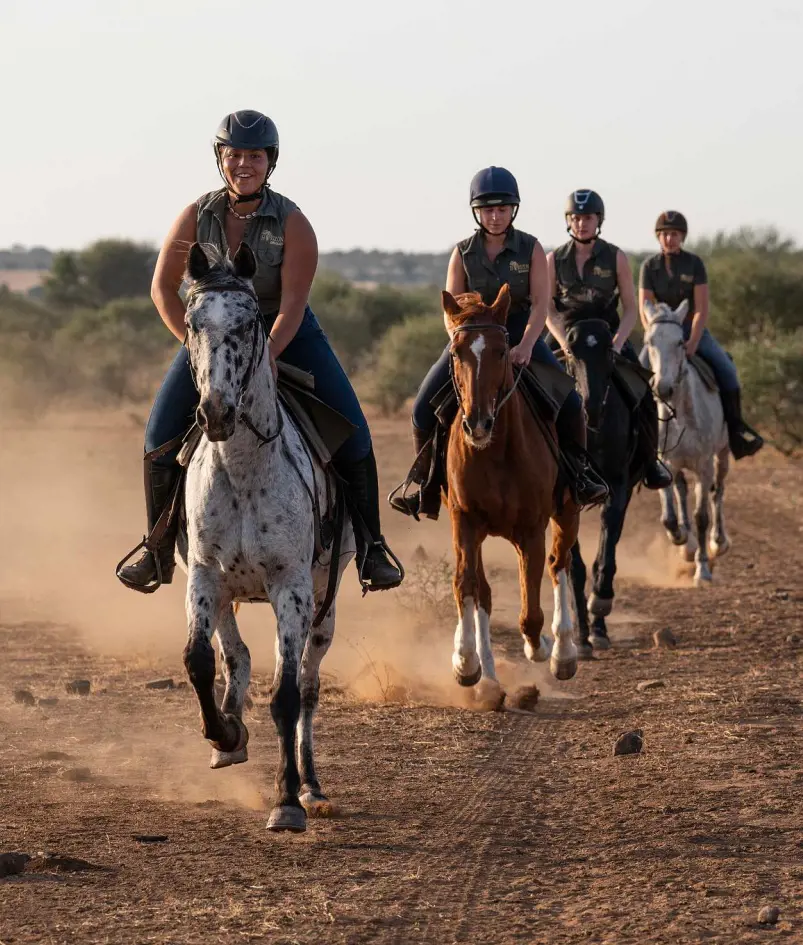
Horses exhibit unique and intricate galloping patterns that highlight their agility and biomechanical prowess. The gallop is a measure of their speed and it is also their fastest gait which involves a distinctive sequence of footfalls, creating a mesmerizing symphony of motion.
As horses surge forward, they go through a series of airborne phases, with moments when all four hooves are off the ground. The sequence typically begins with a powerful push-off from the hind legs, followed by a mid-air suspension where all four hooves are tucked beneath them.
15. Horses Are Emotional Creatures
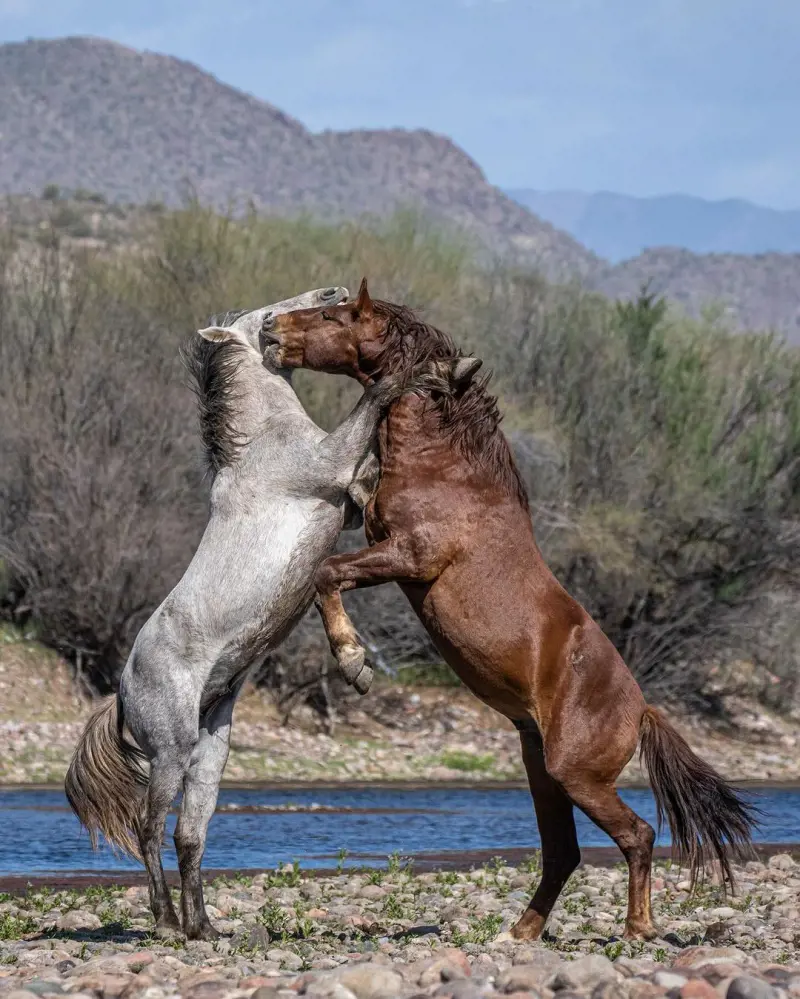
Horses are undeniably emotional creatures and their rich tapestry of feelings adds a layer of depth to their interactions with humans and fellow equines. These sensitive beings experience a broad range of emotions, from joy and curiosity to fear and anxiety.
The expressive eyes and subtle body language of horses convey nuanced feelings, and they are particularly adept at picking up on the emotions of those around them. The intricate social structures within horse herds further highlight their emotional intelligence, as they navigate complex relationships and hierarchies.
16. They Have Unique Sleep Patterns
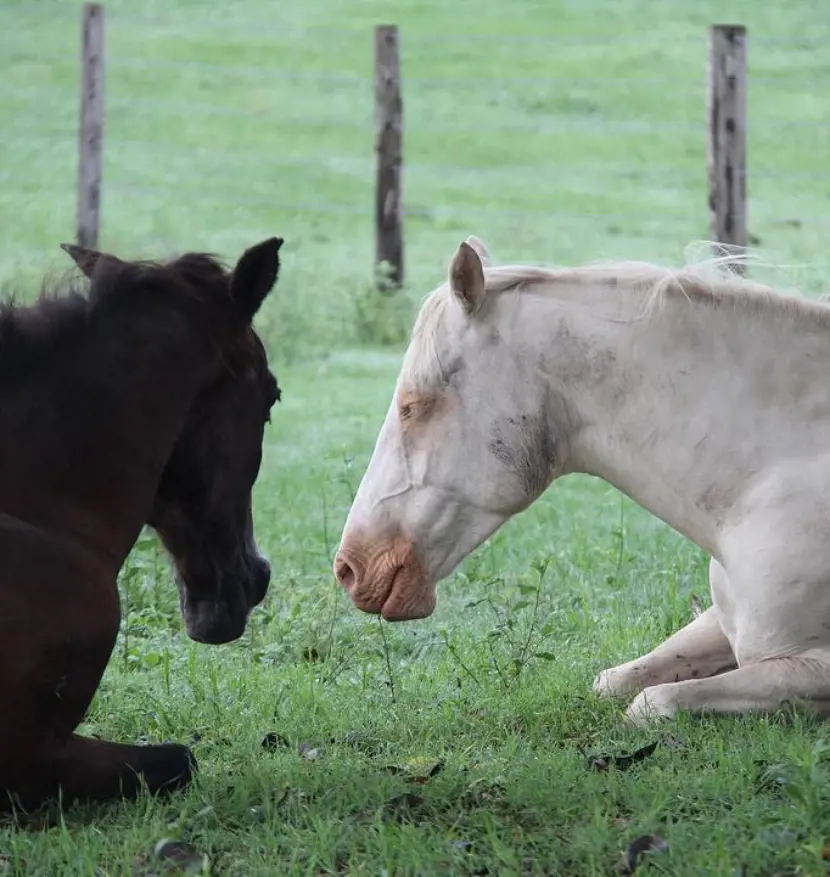
Horses exhibit unique sleeping patterns that reflect their dual nature as prey animals and the need for constant vigilance in the wild. Unlike humans, these speedsters experience both deep sleep, which is crucial for physical restoration, and lighter sleep phases that allow for swift response to potential threats.
During the deeper sleep stages, they may stretch out and lie down for short periods, a behavior that underscores their sense of security in their environment.
Horses also engage in catnaps while standing, with one hind leg locked in the stay apparatus, enabling them to quickly spring into action if needed.
17. They Cannot Burp
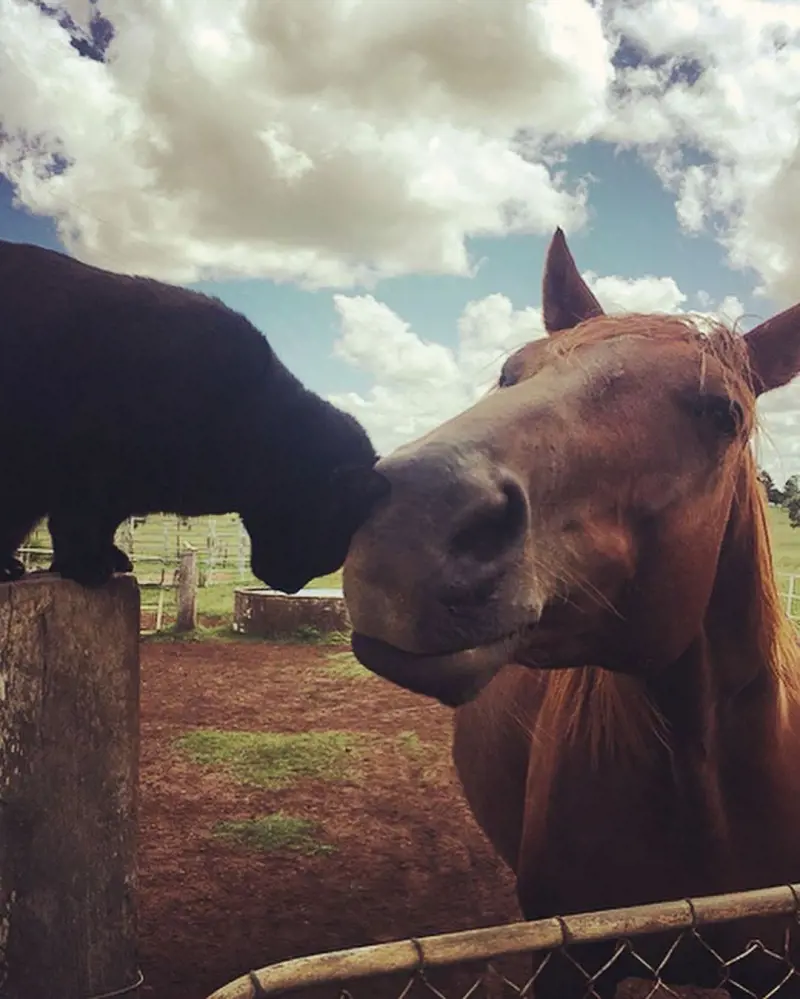
In a curious deviation from some other mammals, horses lack the ability to burp due to the anatomical structure of their digestive system. These magnificent creatures have a one-way digestive tract that prevents the upward flow of gas from the stomach.
This unique design is a protective measure against the risk of aspiration, where food or stomach contents could be regurgitated into the respiratory system.
While the inability to burp may seem like an oddity, it is actually a fascinating adaptation that contributes to the intricate workings of the equine digestive system.
18. They Can Only Breathe Through Their Nose
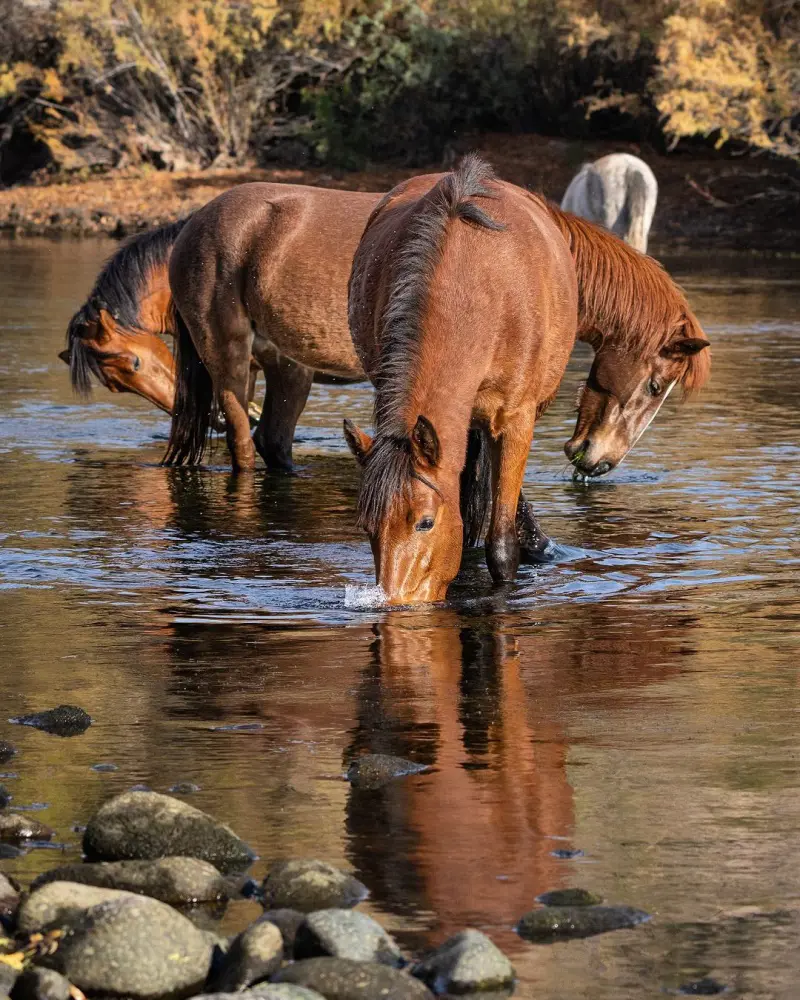
Horses possess a remarkable respiratory system and the distinctive aspect of their anatomy allows them to only breathe through their nose. Unlike humans who can breathe through both the nose and mouth, horses are obligate nasal breathers.
This phenomenon of adaptation serves crucial functions in their overall health and well-being as breathing through the nose allows for efficient filtration and humidification of the incoming air.
The nasal passages also play a role in regulating the temperature of the air before it reaches the lungs.
19. Horses Have Excellent Hearing And Vision
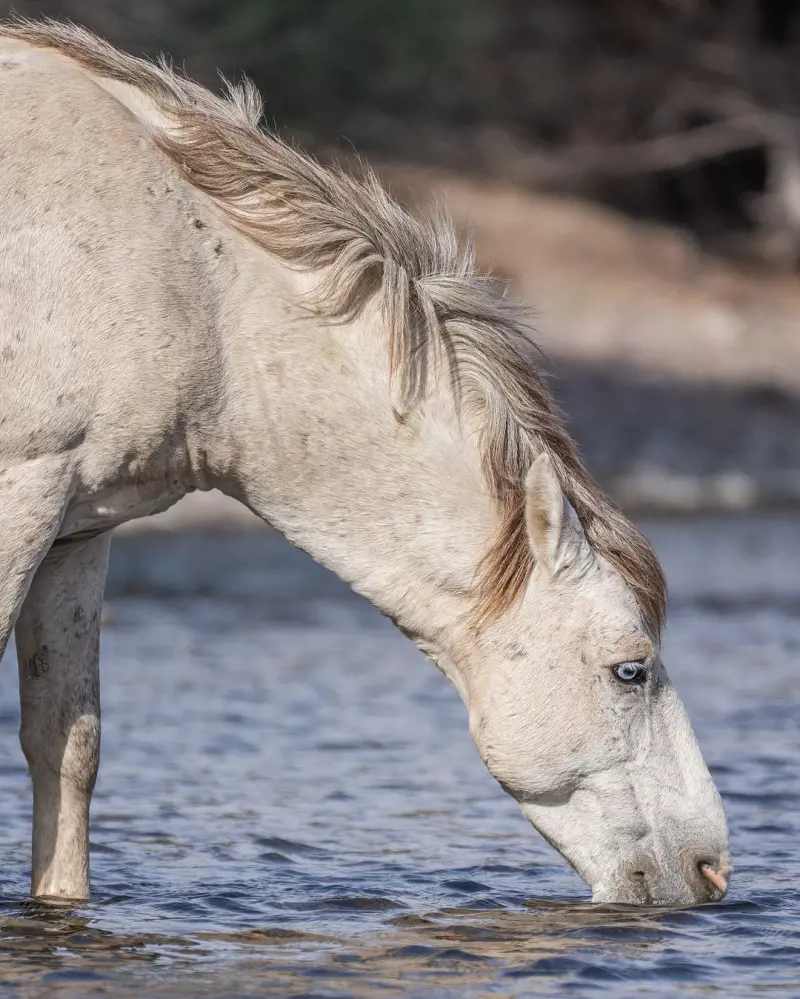
Horses are equipped with extraordinary hearing and vision, making them highly perceptive animals in their natural environment. Their large and expressive eyes provide them with a panoramic field of vision that spans nearly 360 degrees.
Furthermore, horses possess a remarkable ability to see well in low-light conditions due to the presence of the tapetum lucidum, a reflective layer in their eyes that enhances night vision. This combination of acute hearing and panoramic vision underscores the sensory prowess of horses.
20. Horse Have Fast Reflexes
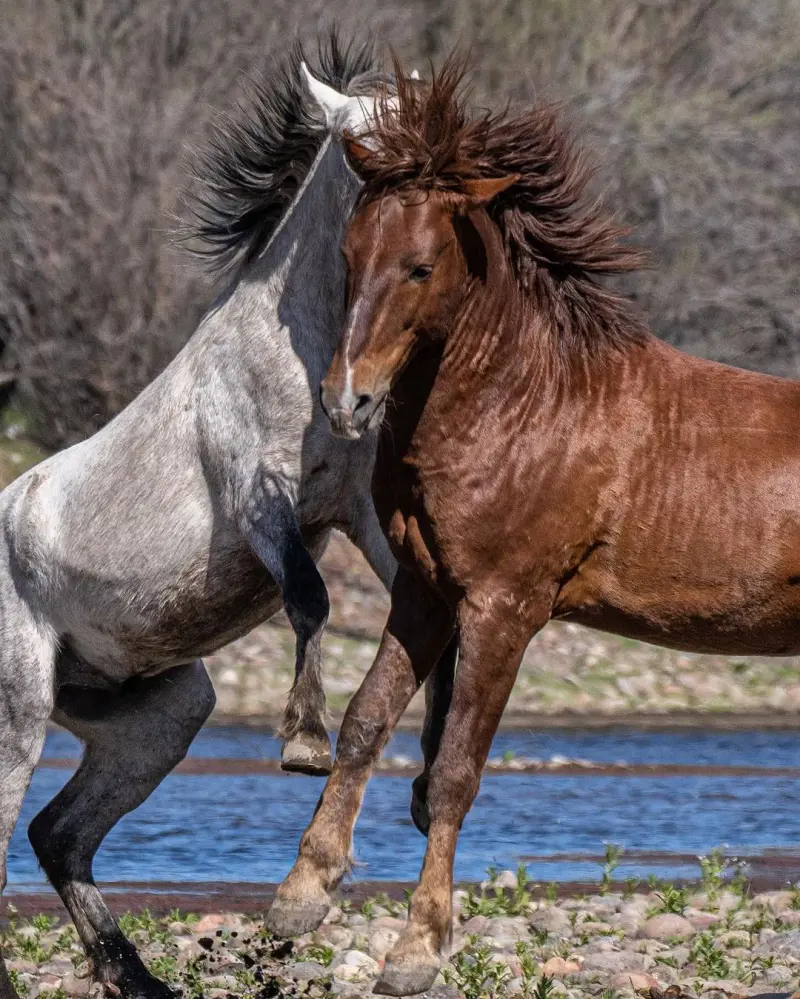
Horses are endowed with lightning-fast reflexes that contribute to their survival instincts and agility. Their nervous system is finely tuned, allowing for rapid responses to stimuli in their environment.
When it comes to evading potential threats, the speed at which horses can react is particularly impressive which underlines their ability to detect and respond to sudden movements.
Quick reflexes also play a crucial role in activities like jumping and navigating uneven terrain, showcasing the dynamic and adaptive nature of these majestic animals.