

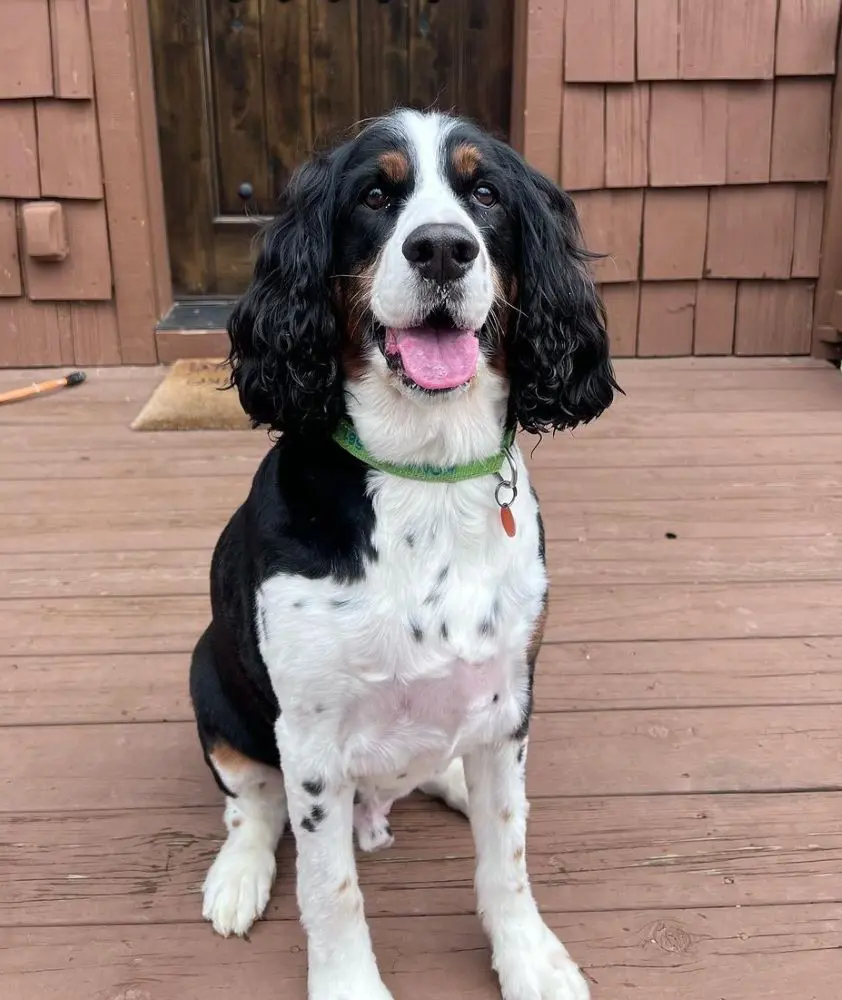
English Springer Spaniels are more than just pets. Besides their outgoing nature, these dogs are renowned for their affectionate demeanor and eagerness to be part of the family.
Considered one of the most intelligent dog breeds, these canines impress with their quick learning ability and problem-solving skills. They excel in learning commands and adapting to different environments, which further glorify their versatility as working dogs.
Overview
- Size: Medium
- Height: 18-22 inches
- Weight: 40-50 lbs
- Coat Colors: Black and White, Liver and White, Tricolor (Black, White, and Tan or Liver, White and Tan), Blue Roan, Liver Roan
- Lifespan: 12-14 years
- Temperament: Friendly, Intelligent, Active, and Affectionate
- Kid Friendly: Yes
Known for its balanced and athletic build, the English Springer Spaniel exhibits a harmonious blend of strength and agility. Its body length is proportional to its height, whereas the head is refined with expressive eyes and long ears.
Springer dogs boast a beautiful coat that comes in a variety of colors and patterns, including solid, bicolor, tricolor, roan, and ticking. The coat is typically of medium length, dense, and water-resistant, with feathering on the ears, chest, legs, and belly.
In addition to its pleasing appearance, Spaniels also serve as an excellent hunting companion. Their strong but gentle jaws can carry the game for long distances without damage.
English Springer Spaniel Origin And History
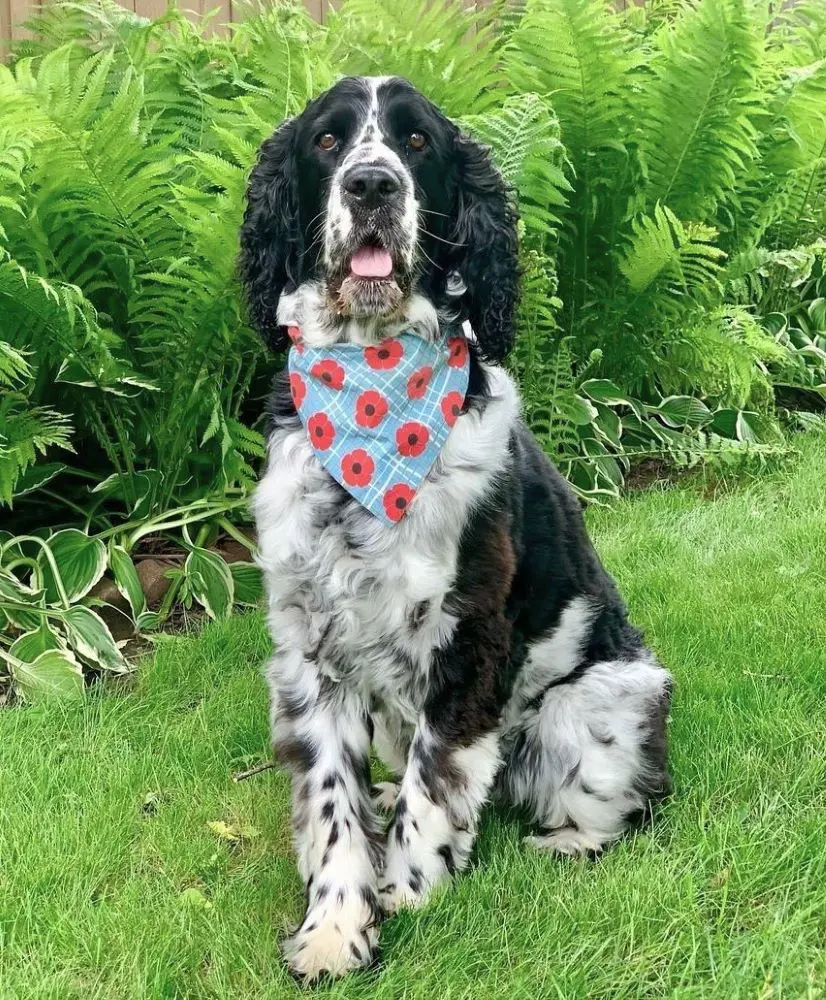
The English Springer Spaniel originated in England, where it was bred primarily for hunting and retrieving game. Its name derives from its role in the "springing" game from dense brush for hunters. The breed's history dates back to the Renaissance period, but it was officially recognized as distinct from other spaniels in the early 1900s.
As a hunting dog, the Springer Spaniel highly benefited from its keen sense of smell, agility, and stamina. They evolved as invaluable companions for hunters due to their unique ability to flush out and retrieve game. The breed's versatility and skill in the field have made them a significant cultural symbol in England, particularly among the gentry and hunting enthusiasts.
During the 20th century, the English Springer dog witnessed a massive rise in popularity and demand. As a result, the English Springer Spaniel Field Trial Association was established in 1924, marking the beginning of professional breeding and competitions of these pups.
Characteristics and Rating
The following table shows the different characteristics displayed by English Springer and their ratings (out of five).
| Characteristic | Rating |
| Intelligence | 5/5 |
| Trainability | 5/5 |
| Playfulness | 5/5 |
| Energy Level | 4.5/5 |
| Friendliness | 4.5/5 |
| Alertness | 4/5 |
| Compatibility with Other Pets | 4/5 |
| Health | 4/5 |
| Physical Strength | 4/5 |
| Grooming Needs | 3/5 |
1. Intelligence
These Spaniels are considered highly intelligent due to their abilities to solve problems and learn new commands swiftly. Their keen intellect makes them versatile in various roles, from hunting companions to agility competitors. This intelligence also means they need mental stimulation to prevent boredom and associated behavioral issues.
2. Trainability
English Springer Spaniels have a natural eagerness to please and responsiveness to positive reinforcement, which makes it a highly trainable breed.
Additionally, they excel in obedience training and can master complex commands and tricks. Their trainability makes them suitable for various canine sports and activities, enhancing their role as versatile working dogs
3. Playfulness
These dogs enjoy interactive games and activities with their owners. Their playful nature endears them to families, especially those with children who can match their enthusiasm. They love participating in fetch, tug-of-war, and other games that keep them physically and mentally stimulated.

4. Energy Level
Spaniels require regular physical activity and mental stimulation. They thrive on daily walks, play sessions, and engaging activities like fetch or agility training. Their energetic nature makes them excellent companions for active individuals or families who can provide ample exercise and engagement.
5. Friendliness
Exceptionally affectionate, English Springers are known for their sociable nature and longing for human companionship. They are affectionate and bond well with family members, including children. Their friendly demeanor makes them great therapy dogs and beloved family pets, though their enthusiasm might be overwhelming for very young children.
6. Alertness
Springers make effective watchdogs due to their attentive nature. They are quick to notice changes in their environment and will bark to alert their owners of strangers or unusual activities. However, their friendly nature means they are not aggressive; these pooches are better suited as alert dogs rather than guard dogs.
7. Compatibility with Other Pets
Despite being originally bred as hunting dogs, the English dogs have evolved to get along with other household pets. This works best if the pups are socialized with other animals from a young age. These pups are known to be friendly towards other household pets, including other dogs, cats, rabbits, and guinea pigs.
Springers are capable of forming strong bonds with other pets in the household. They enjoy companionship and can develop close relationships with other dogs, engaging in playful interactions and cooperative behaviors. When introduced properly and given time to adjust, they can also coexist peacefully with cats, often forming affectionate bonds.
8. Health
Generally healthy, these dogs can enjoy a lifespan of 12-14 years with proper care. Regular veterinary check-ups and a balanced diet also contribute to their overall well-being. While they can be prone to some genetic conditions such as hip dysplasia and ear infections, responsible breeding practices and attentive care can mitigate these risks.
9. Strength
Springer Spaniels breeds are strong and athletic, with well-developed muscles suited for hunting and vigorous activities. They possess the stamina needed for long hunting trips and energetic play. While not as powerful as larger breeds, their strength is sufficient for their size and to serve as capable working dogs.
10. Grooming Needs
Their medium-length coat requires regular grooming to prevent matting and keep it looking its best. Brushing several times a week and occasional professional grooming help maintain their coat. Additionally, regular ear cleaning is essential to prevent infections, a common issue due to their long ears.
Nutrition And Dietary Requirements
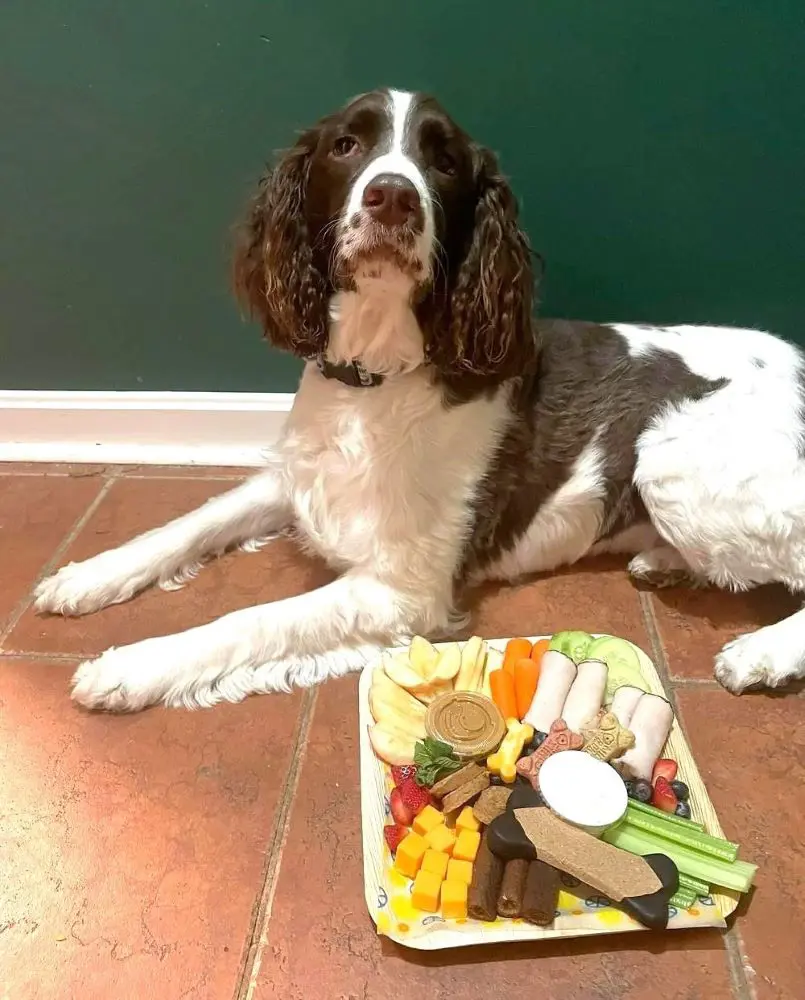
English Springer Spaniels require a balanced diet rich in high-quality protein, healthy fats, and essential vitamins and minerals to support their active lifestyle. Protein from sources like chicken, fish, or lamb is crucial for muscle development and energy.
Additionally, their diet should include a mix of dry kibble and wet food to provide sufficient hydration and nutrition. Regular feeding schedules and portion control help maintain a healthy weight and prevent obesity-related health issues.
| Nutrient | Avg. Daily Requirement |
| Protein | 225-315 grams |
| Fats | 45-90 grams |
| Carbohydrates | 360-540 grams |
| Fiber | 9-23 grams |
| Calcium | 1-1.5 grams |
| Phosphorus | 0.75-1.25 grams |
Protein
Protein is crucial for muscle development, repair, and overall growth. It also provides amino acids that contribute to improved immune function, skin health, and energy levels. Given their active and energetic nature, Springers need high-quality protein to sustain their physical activities and maintain lean muscle mass.
Protein sources for these dogs include lean meats like chicken, turkey, beef, and fish. Organ meats such as liver and heart are also excellent as they are nutrient-dense. Additionally, eggs and dairy products can be beneficial. High-quality commercial dog foods often combine these sources to ensure a balanced protein intake.
Fats
Fats serve as a concentrated source of energy aiding in nutrient absorption and supporting healthy skin and coat. Typically, 10-15% of their daily diet should be composed of fats.
The primary types of fats they require are omega-3 and omega-6 fatty acids, which help reduce inflammation and promote cardiovascular health. Their fat intake can be boosted by providing foods rich in these healthy fats, including fish oil, flaxseed, and chicken fat.
Additionally, incorporating fatty fish like salmon and sardines into their diet can be beneficial. High-quality commercial dog foods often include these fat sources to ensure a balanced and nutritious diet.
Carbohydrates
Carbohydrates are essential for these Spaniels to help maintain blood sugar levels. Normally, 30-50% of their daily diet should consist of carbohydrates.
Carbohydrate-dense foods include whole grains like brown rice, oats, and barley, as well as vegetables like sweet potatoes, peas, and carrots. These foods offer complex carbohydrates, which provide sustained energy and are rich in fiber.
Fiber
A vital nutrient, fiber helps maintain healthy bowel movements for English Springer Spaniels. It promotes gut health, regulates blood sugar levels, and can help manage weight by providing a sense of fullness. High-fiber foods also support the growth of beneficial gut bacteria.
Vegetables like pumpkin, sweet potatoes, carrots, and green beans, as well as fruits like apples and blueberries, are considered the best sources of fiber. Whole grains like brown rice and oats are also excellent for maximizing fiber intake.
Feeding Schedule
- Age 2-6 months: Feed 3-4 meals per day.
- Age 6-12 months: Transition to 2-3 meals per day.
- Age 1 year and older: Feed 2 meals per day.
English Springer Spaniel Care
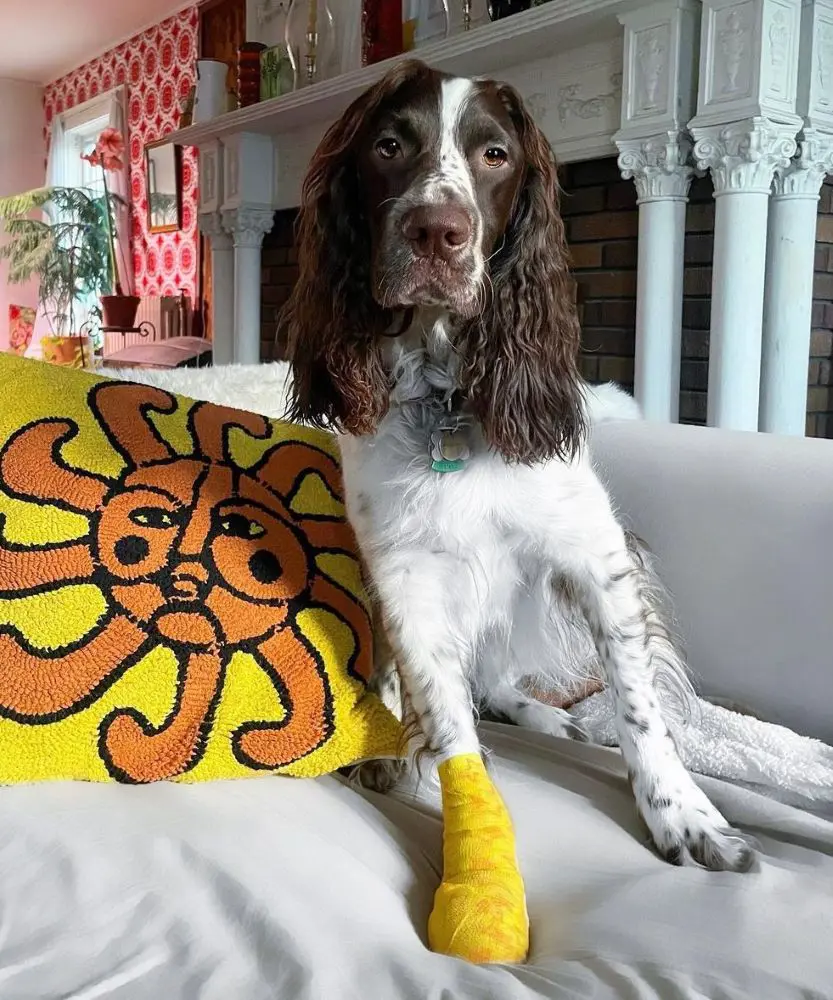
Spaniels are considered to be messy, especially due to shedding and occasional ear infections. They require regular brushing to manage their medium-length coat and prevent matting. While their care standards are moderate, they can be handled by beginners with commitment.
Grooming
Ideally, English Springer Spaniels should be brushed 3-4 times a week to prevent matting and remove loose hair. Regular grooming helps distribute natural oils, keeping their coats shiny and healthy.
The grooming process involves brushing with a slicker brush or a pin brush to detangle and remove dead hair. Pay special attention to areas with longer fur, such as the ears, chest, and legs, which are prone to tangles.
Exercise
These pups should be walking for at least 60-90 minutes daily; it's best to split this into two walks. Additionally, they need vigorous exercises such as running, fetching, agility training, or swimming to burn off their excessive energy.
Engaging in mentally stimulating activities like obedience training or puzzle toys also helps keep their mind sharp. If they do not receive regular exercise and mental stimulation, they can become bored and develop behavioral issues such as excessive barking, chewing, and hyperactivity.
Training

Begin training your Spaniel by establishing a consistent routine and using positive reinforcement techniques. Start with basic commands like sit, stay, come, and heel, rewarding your dog with treats, praise, or play for correct responses.
These dogs are intelligent and eager to please, making them highly trainable. But they respond best to gentle, consistent training rather than harsh corrections.
Socialization is another crucial aspect of training. Expose your Springer Spaniel to various people, environments, and other animals from a young age to ensure they grow into well-rounded, confident adults. Enroll them in puppy classes to enhance their social skills and obedience.
Health Issues And Risks
English Springer Spaniels are generally healthy dogs with a lifespan of 12-14 years. However, like all breeds, they are prone to certain genetic and health conditions.
Some common issues related to the breed include:
Hip Dysplasia
Hip dysplasia is a genetic condition where the hip joint is malformed, causing the ball and socket of the joint to grind against each other instead of fitting smoothly. This leads to pain, inflammation, and eventually arthritis. In English Springer Spaniels, the condition is caused by a combination of genetic factors that affect the development of the hip joint.
Treatment for hip dysplasia varies depending on the severity. Mild cases may be managed with weight control, anti-inflammatory medications, and physical therapy to maintain muscle strength and joint flexibility. More severe cases may require surgical intervention, such as a femoral head ostectomy (FHO), total hip replacement, or triple pelvic osteotomy (TPO).
Progressive Retinal Atrophy (PRA)
PRA is a hereditary eye disorder in which the retinal cells gradually degenerate, leading to vision loss and eventual blindness. Spaniels are prone to this condition due to a genetic mutation that affects the photoreceptor cells in the retina. Symptoms typically start with night blindness, progressing to complete loss of vision as the condition advances.
While there is no permanent cure, the treatment focuses on managing the dog's environment to accommodate their declining vision. Genetic testing can identify carriers of the PRA gene, allowing for informed breeding decisions to reduce the prevalence of the disorder in the breed.
Ear Infections
Recognize common symptoms of ear infections, including frequent scratching or rubbing of the ears, head shaking, redness or swelling in the ear canal, foul odor from the ears, and discharge. Dogs may also tilt their head or show signs of discomfort when their ears are touched.
Treatment for ear infections typically involves cleaning the ears with a veterinarian-recommended ear cleaner to remove debris and excess wax. Medications such as antibiotics or anti-inflammatory drugs may be prescribed to treat bacterial or yeast infections. In severe cases, the veterinarian may need to take a sample from the ear canal to identify the specific cause of the infection and tailor treatment accordingly.
Auto-Immune Diseases
Common autoimmune diseases in English Springer Spaniels include hypothyroidism and immune-mediated hemolytic anemia (IMHA). Hypothyroidism occurs when the immune system attacks the thyroid gland, leading to decreased hormone production and subsequent metabolic issues. Likewise, IMHA develops when the immune system mistakenly attacks red blood cells, leading to anemia and potentially life-threatening complications.
The exact causes of autoimmune diseases in dogs are multifactorial and can involve genetic predispositions, environmental triggers, and immune system dysregulation. Maintaining a balanced diet rich in essential nutrients and providing regular exercise and mental stimulation can support overall health and immune function. Prompt veterinary care at the first signs of illness is a must for your pet's survival.
How Much Does An English Springer Spaniel Puppy Cost

In the US, a healthy English Springer Spaniel puppy from a reputable breeder can cost anywhere between $800 and $2,500. The price is often determined by factors like coat color, lineage, and more.
Opting to adopt from a rescue organization can offer a more affordable alternative. This choice not only provides a loving home for a dog in need but also supports rescue efforts aimed at giving these wonderful companions a second chance at a happy life.
Besides the initial price of purchase or adoption, these Spaniels will also cost you in food and living expenses. Set aside about $100 every month to purchase high-quality foods for your pet and cover other hidden expenses.
Additionally, you can also purchase a pet insurance policy for any uncertainties in the future. By paying around $60-$70 per month, you can financially safeguard your beloved pet's future against pre-agreed illnesses and injuries.