

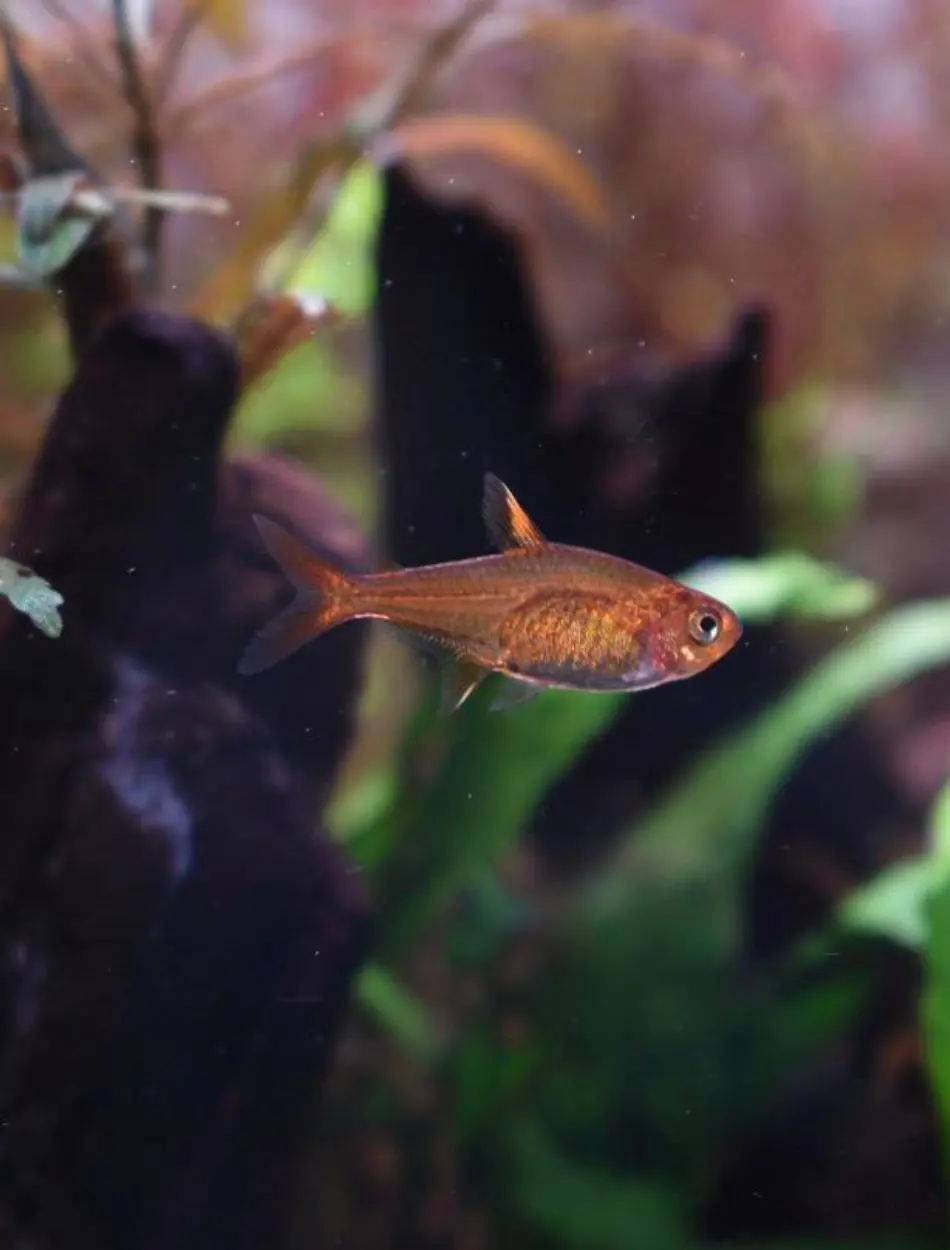
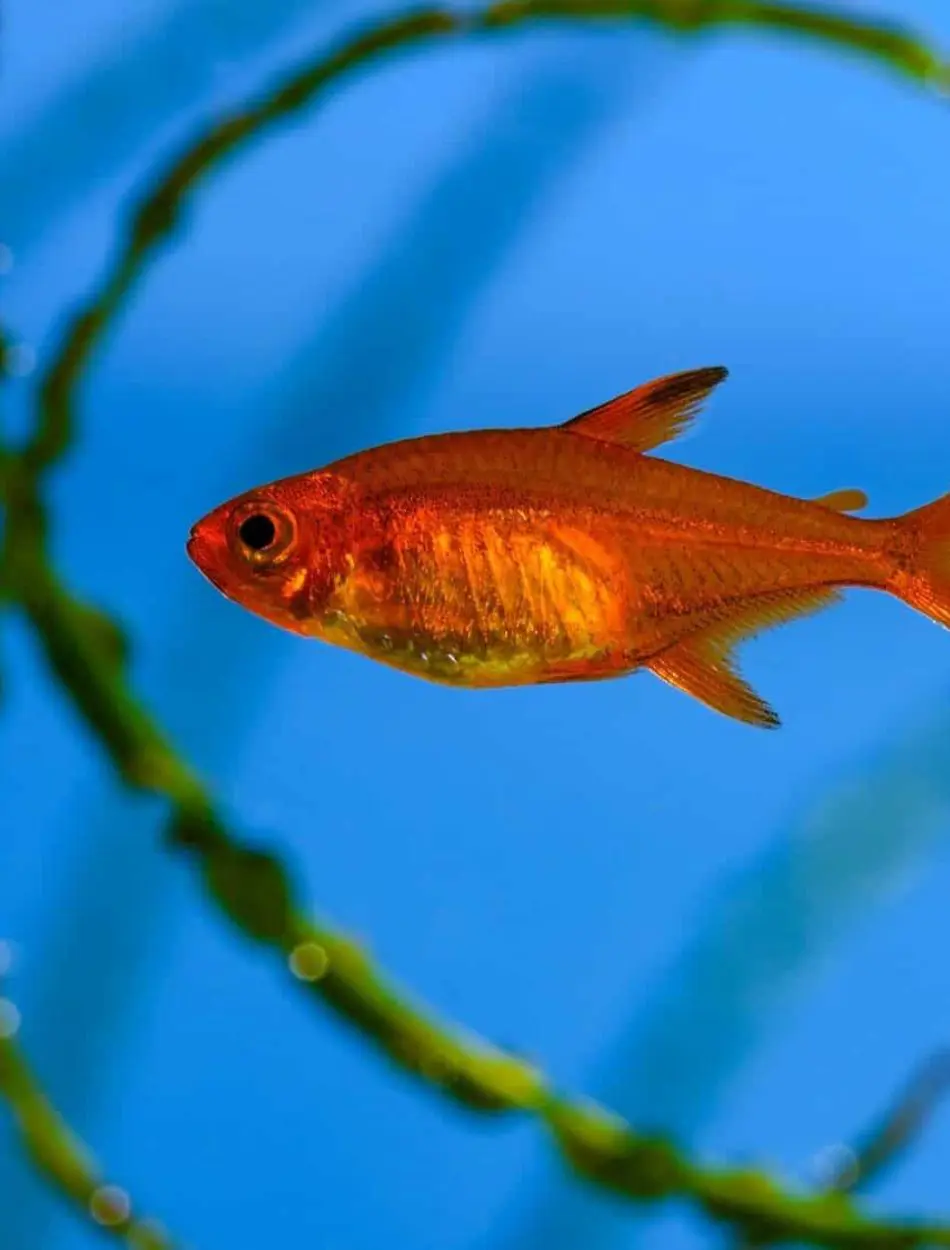
Ember Tetras are small, stunningly colored fish. They come from central Brazil within the sluggish waters of the Araguaia River basin. Their outstanding orangeish-red color, peaceful nature, and general ease of care make them a very popular fish to keep not only with beginners but veterans in the fish-keeping hobby.
This article will touch on everything that you could ever need to know about Ember Tetra, its natural habitat, care requirements, feeding behaviors, and the appropriate tank mates to consider. By the time you are done, you will have all the information you would need to give them their ideal conditions in a tank.
An Overview of Ember Tetras
Natural Habitat
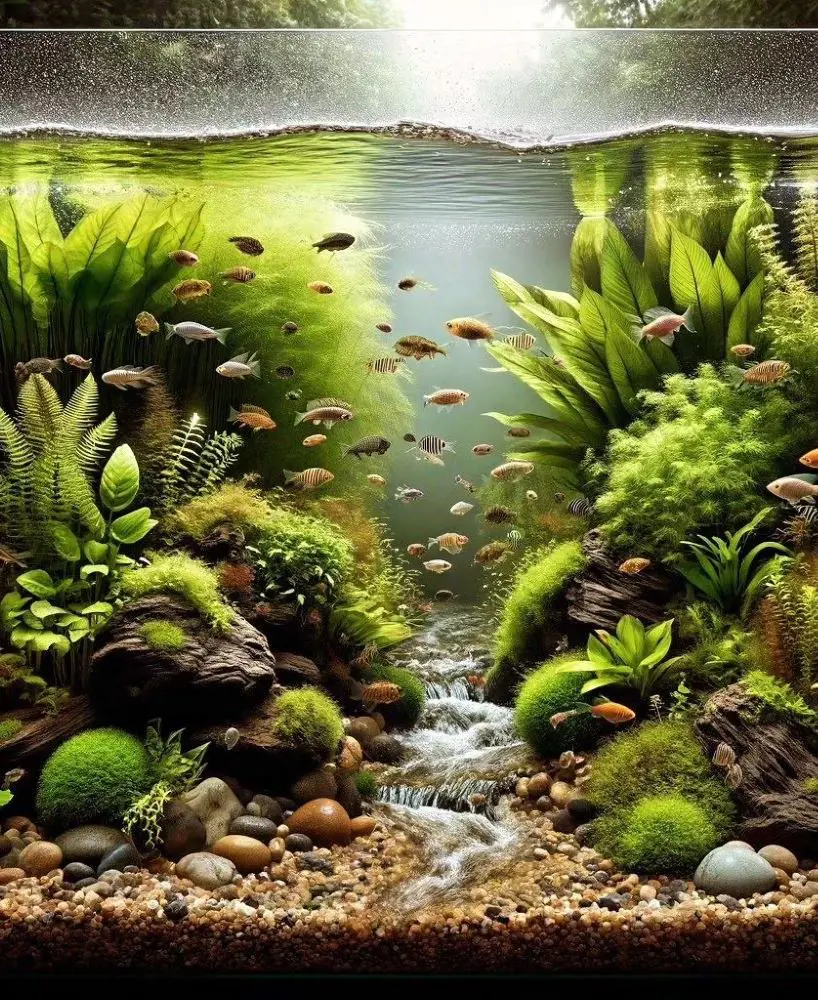
Ember Tetras come from the warm, acidic waters of the Araguaia River Basin, where they live in densely vegetated areas with plenty of hiding spots. Normally, in these areas, the water is usually not very swift, warm, and slightly acidic. Such conditions prove ideal for the small size of these fish. Understanding their natural habitat can assist you in replicating those conditions at home in your aquarium.
Physical Description
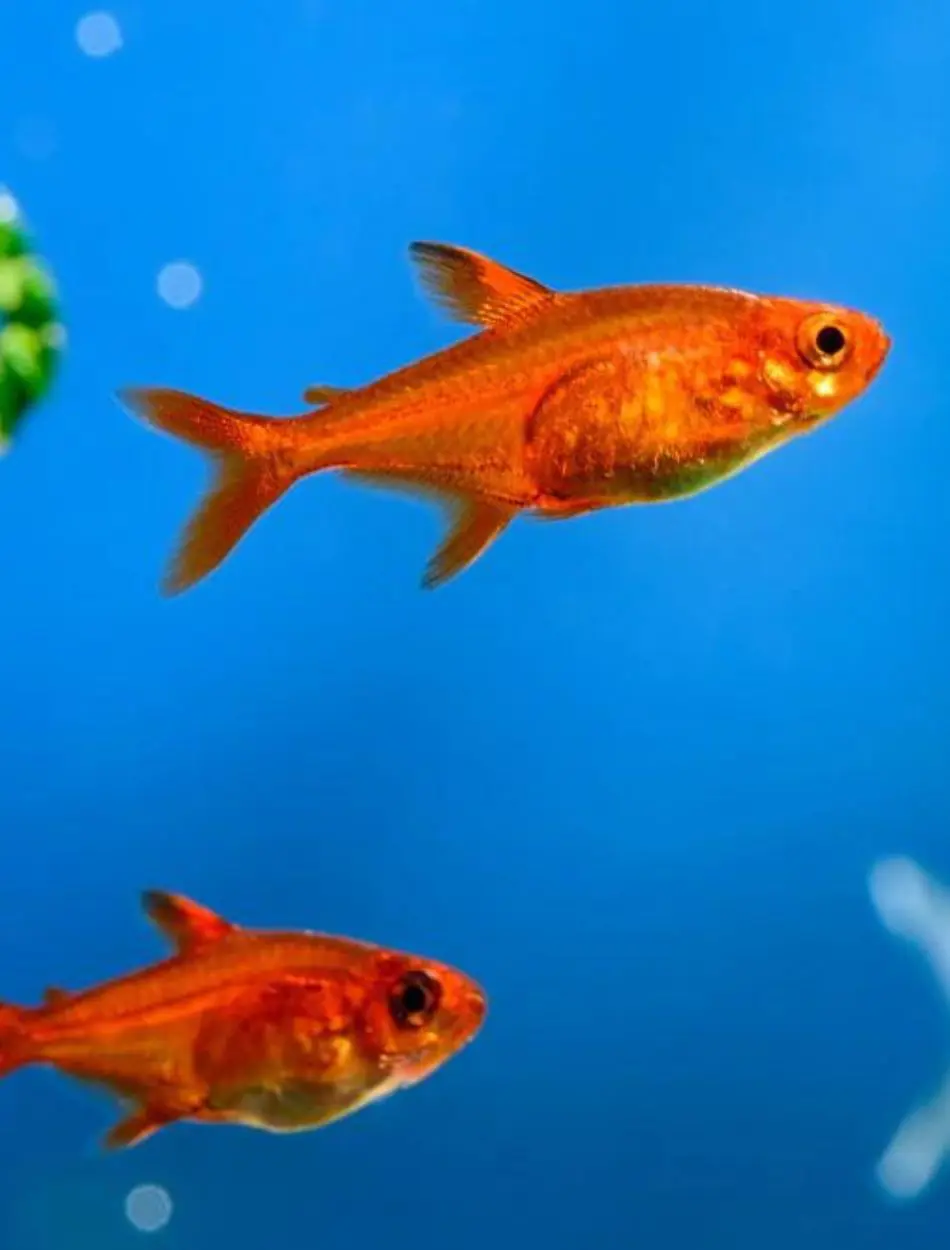
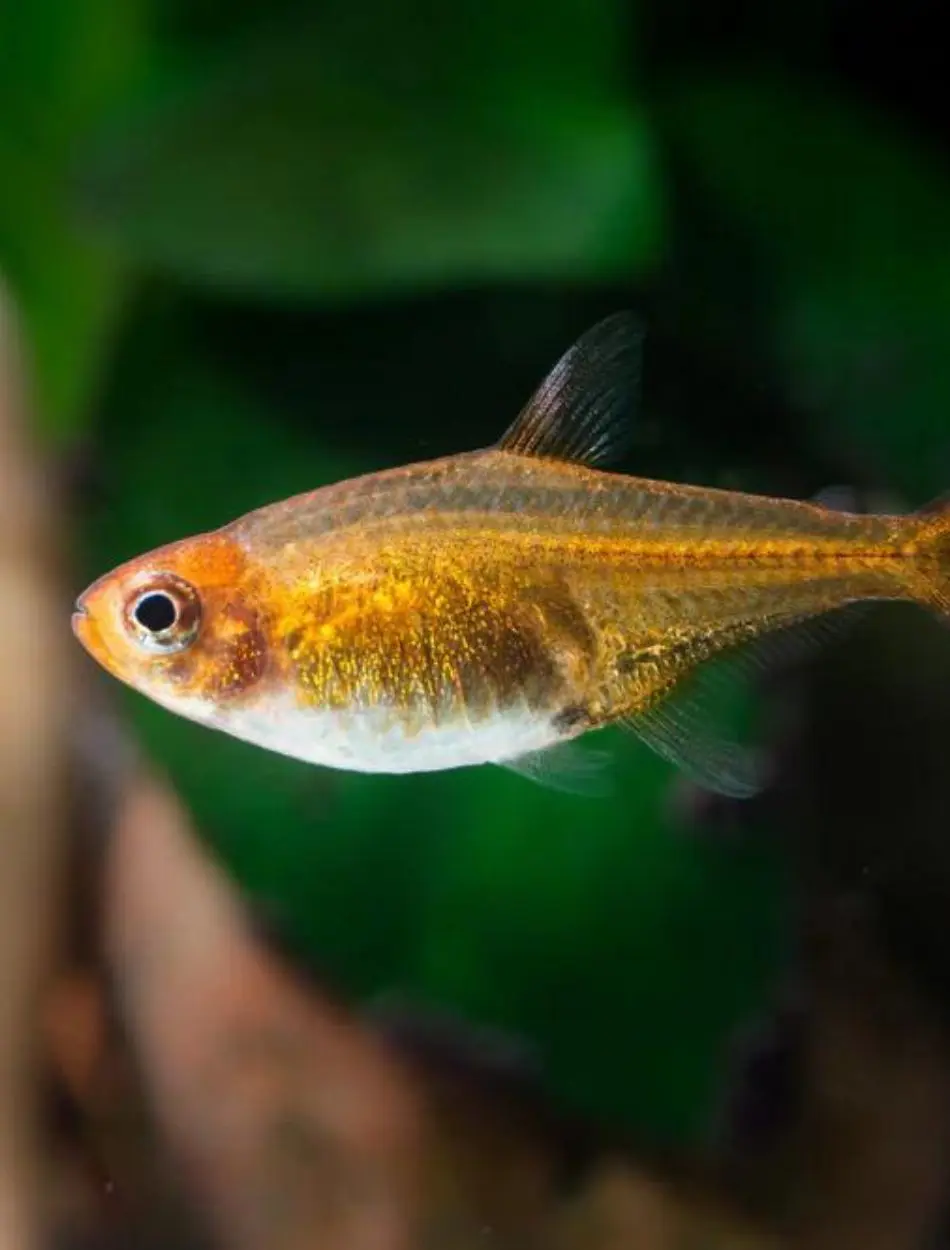
The Ember Tetras are very small fish and grow roughly up to 1 inch, 2 to 2.5 cm in length. The body is slim, a bit compressed, and colored beautifully orange red, from deep amber to red. Their fins are a little red and transparent, while their eyes are alert. Even though they are quite small, they are very active and make use of all the open areas in the tank, and will often dart about in a small school around the tank.
Setting Up the Perfect Ember Tetra Tank
Tank Size
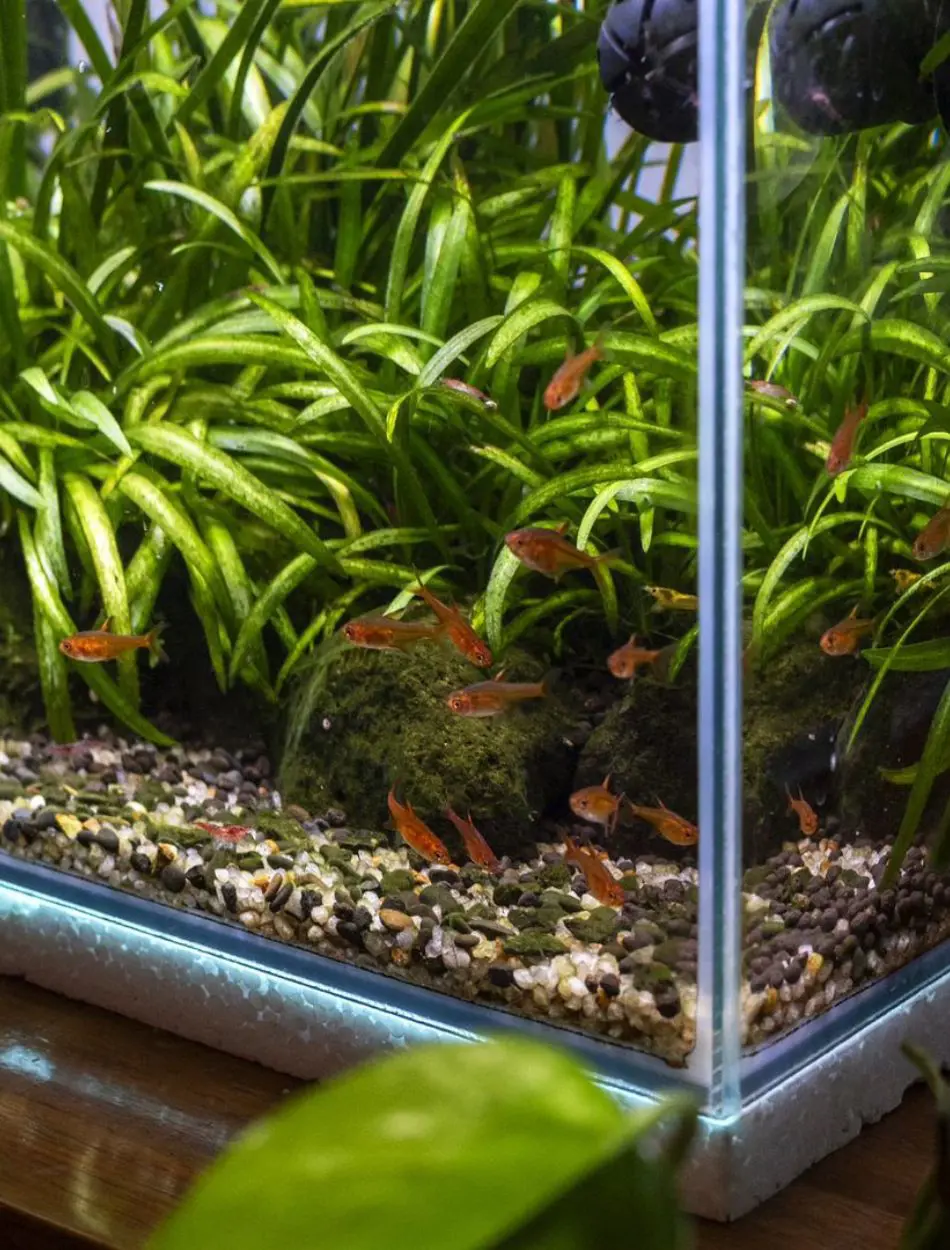
Due to their really small size, Ember Tetra can be kept in nano tanks, but a minimum of 10 gallons is advised for a small school to be safe. A 20 gallon or greater tank, however, will be best for it can not only hold more stable water parameters but also give room to these very active fish.
Water Parameters
Ember Tetras are sensitive to warm, slightly acidic water. Therefore, ideal water conditions must be provided that resemble the kind of conditions they experience in their natural habitat. The temperature of the water should range between 23 to 28°C, with a pH that's slightly on the acidic side with pH 5.5 to 7.0, and the general hardness is from 5 to 10 dGH. Regular changes of water will help to maintain the quality and cleanliness of the water. Good filtration will ensure the absence of impurities in water.
Substrate and Decorations
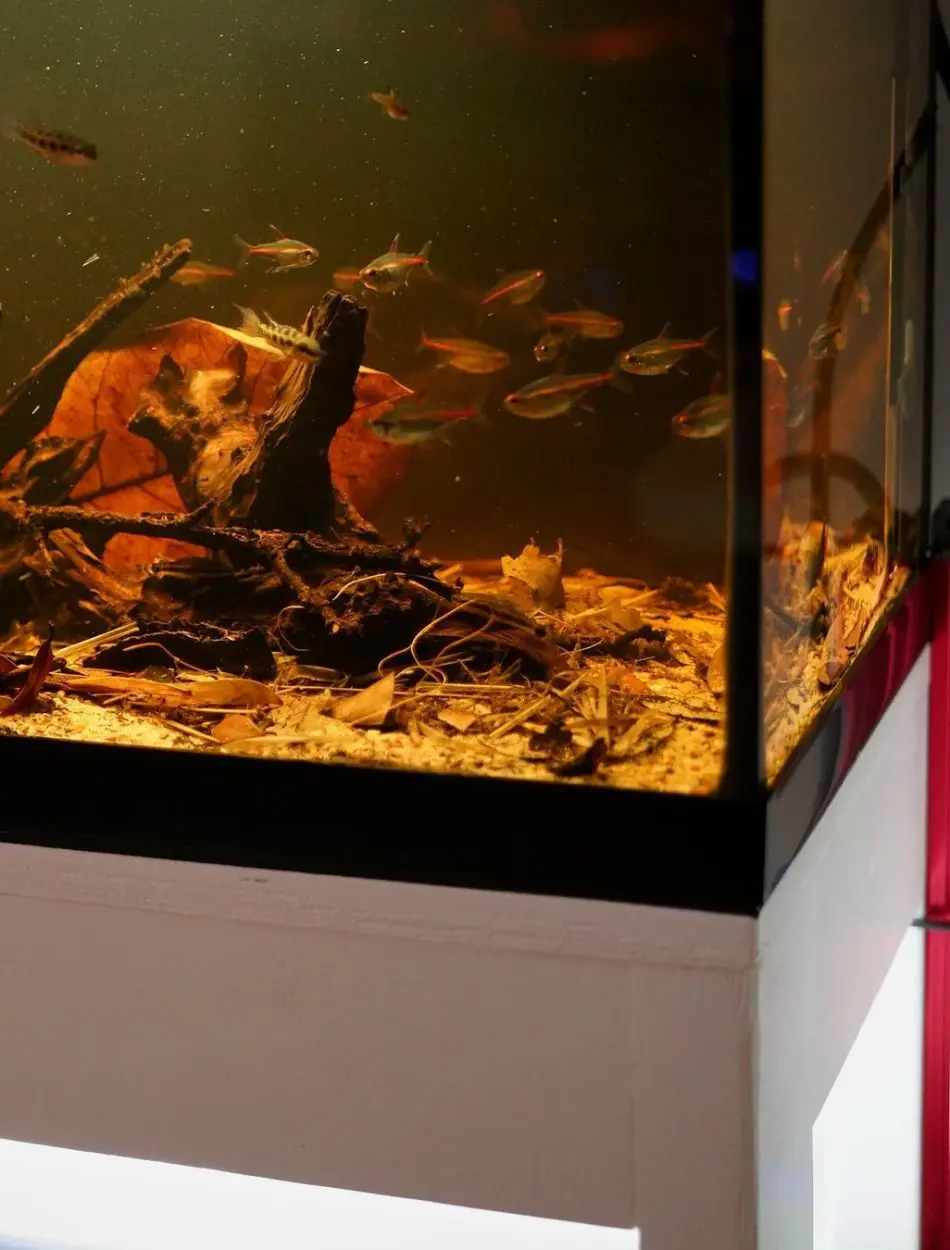
Ideally, Ember Tetras would be kept in a habitat in the wild with a soft, sandy substrate, plenty of plant cover, and low light. In the aquarium, a very dark fine gravel substrate will suffice to approximate this, while also serving to better accentuate the vibrant reddish coloration typical to this species.
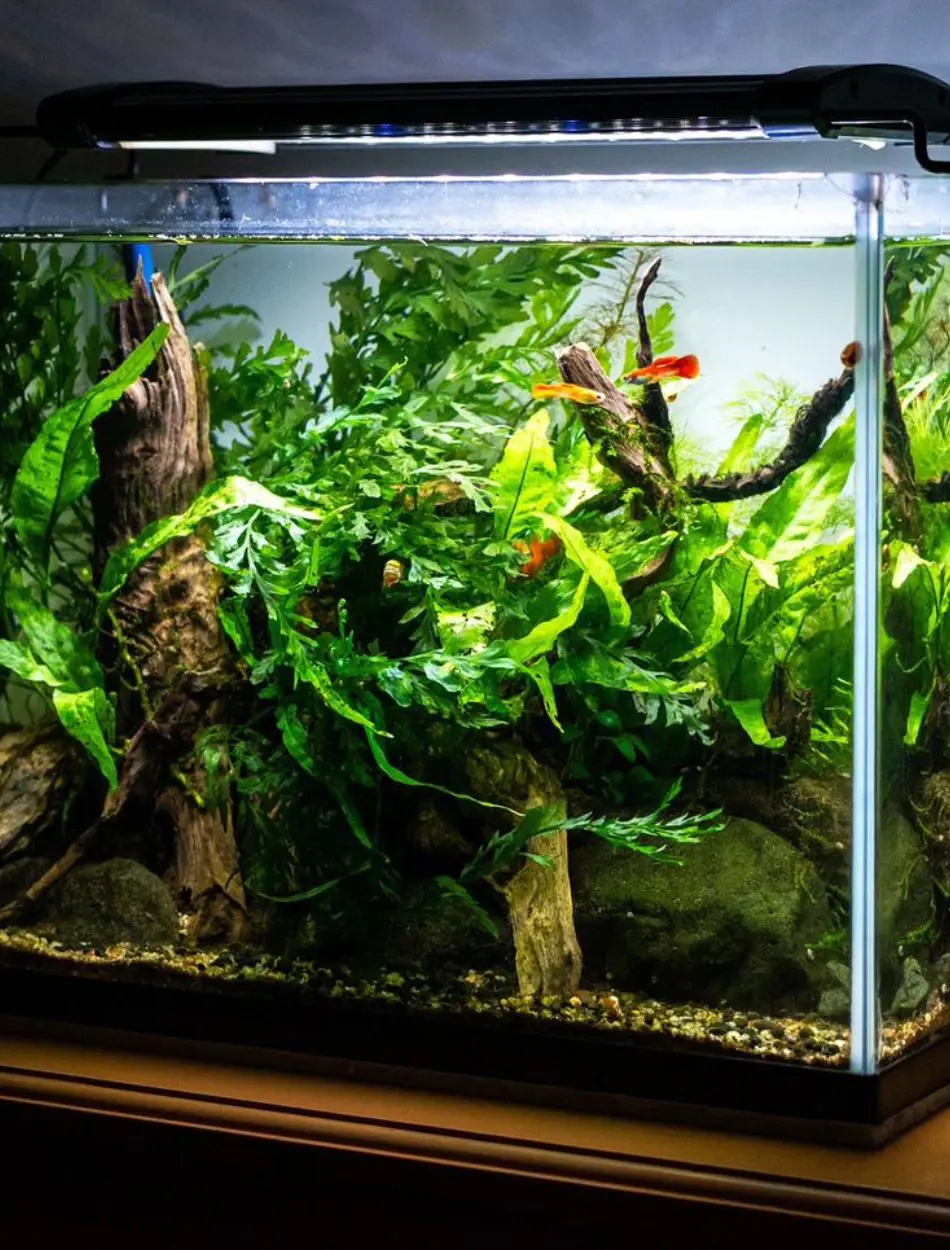
Redecorate the tank with live plants. Such plant species include Java Moss, Anubias, and Amazon Swords, all of which will help provide the fish with hiding spots as well as a sense of security. They will also help clean water from unnecessary nutrients. Other decorations will include driftwood and leaf litter that can be used to give the environment a natural look and lightly acidify the water.
Lighting
Their requirements should be good to low lighting at moderate to low intensity because this will decrease the stress on them and allow them to showcase better coloration. The tank may accommodate a lot of floating plant types, such as duckweeds or frogbit, in order to diffuse some of the lighting and create areas of shadow.
Feeding Ember Tetras
Diet In The Wild
In the natural environment, Ember Tetras are omnivores, with their diet basically consisting of small invertebrates, plant matter, and organic detritus. The small size means they feed on tiny organisms and often, they forage among plants and leaf litter for their food.
Feeding In The Aquarium
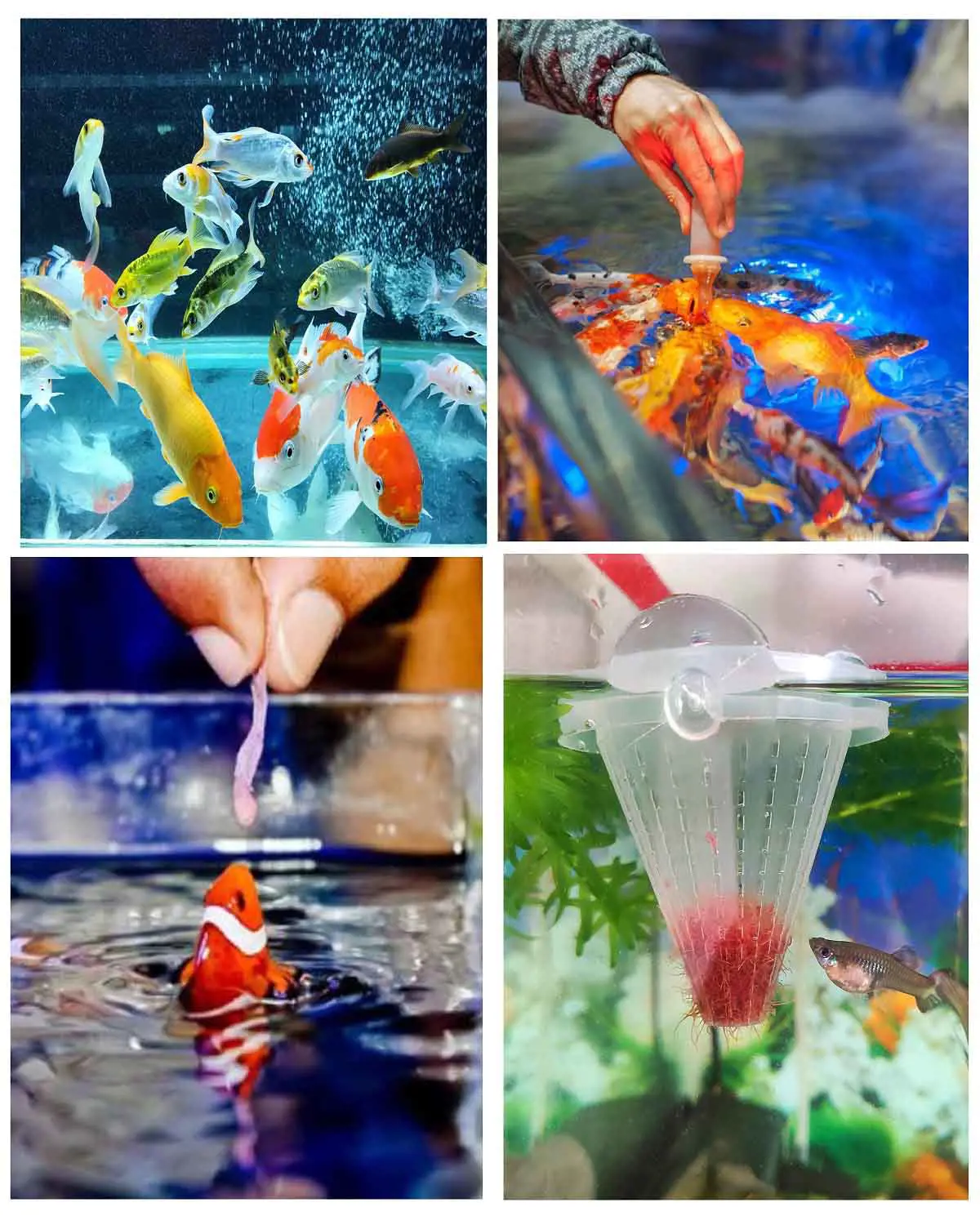
Being housed in a home aquarium, Ember Tetras are not fussy eaters at all and can easily digest various kinds of food with ease. They do very well on a balanced diet with plenty of live foods, but since not everyone is willing to culture their own live foods, quality flakes or micro pellet food provides a very good staple.
Flake foods of high quality brands that are specific to small tropical can be one of the better choices to feed them. Blenched vegetable matters like spinach can be the better option when you feed them at home. Or you can provide them with frozen foods such as brine shrimp, and daphnia that are rich in protein which can help to bring out their vibrant colours.
Feeding Schedule
You can feed them multiple times a day but be sure to observe that the food is finished in a few minutes which can prevent accidental overfeeding. This habit also helps in maintaining the quality of water in the tank. You can feed baby fries with brine shrimp which can greatly enhance their growth.
Schooling Behavior
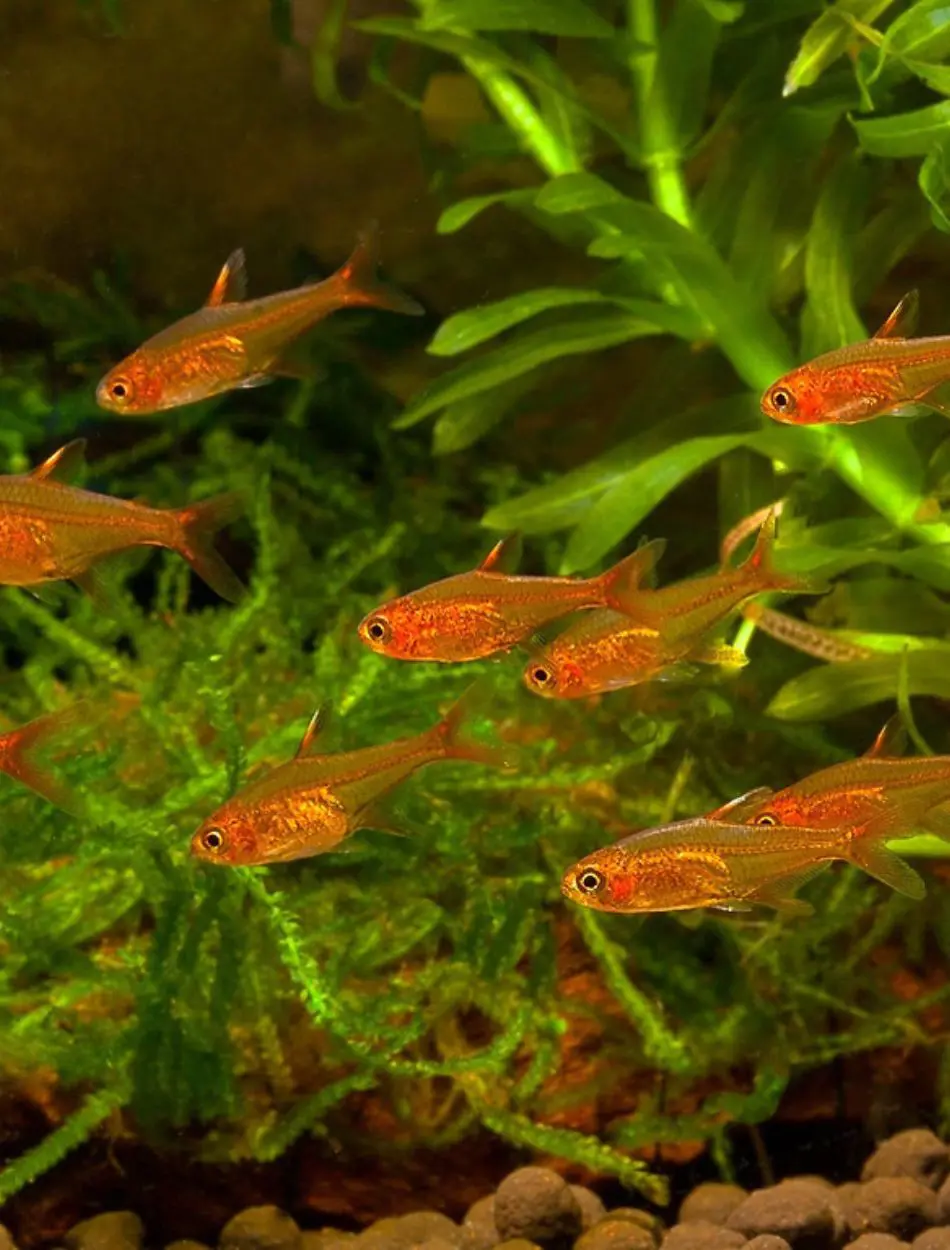
Ember Tetras are schooling fish so it is natural that they do well in groups. It is better to keep them in small groups of about 6 or 10 individuals. In larger schools, they have the security needed to be themselves, acting naturally, and with better colors. A school of swimming Ember Tetras is an attractive sight to view, flowing like one body while flashing their bright colors.
They feel more secure in larger groups leading them to display more natural behaviors, and watching a school of Ember Tetras swimming together is a mesmerizing sight as they move in unison and display their striking colors.
Temperament
These fish are known to be very peaceful which makes them the perfect addition to your community tank. They can be considered quite non-aggressive, getting along with other small and peaceful fish species. Because of their small size, they may fall prey to larger and more aggressive mates of the tank, so the choice of companions should be made with careful consideration.
Ideal Tank Mates for Ember Tetras
It is better to pair them with other fish of similar size or other non aggressive ones as they can be easy prey because of their small size and peaceful nature. So choosing the right tank companion becomes a vital task. Some of the ideal companions for them are.
Other Small Tetras
Other small, peaceful tetras, such as Neon Tetras, Cardinal Tetras, or Green Neon Tetras, are excellent companions to keep with the Ember Tetras in your aquarium. These species have similar requirements in water conditions and temperaments and can easily coexist within a community tank without affecting one another.
Corydoras Catfish
These corydoras catfish are not aggressive and love to dwell on the bottom so they can live with most types of fish. They also help clean the substrate by eating excess food that falls on it hence they do not pose a threat to Ember Tetras and can make an ideal tankmate due to their cleaning habit.
Otocinclus Catfish
Oto Catfish are tiny fish that love eating algae popularly known as Otocinclus catfish. They make great companions to keep with your Ember Tetras because they are not aggressive, quite peaceful and help in cleaning up leftovers from your fish by eating algae that grow in the tank. so you can not only get a good friend to your tetras but also a tank cleaner by adding these to your tanks.
Dwarf Gouramis
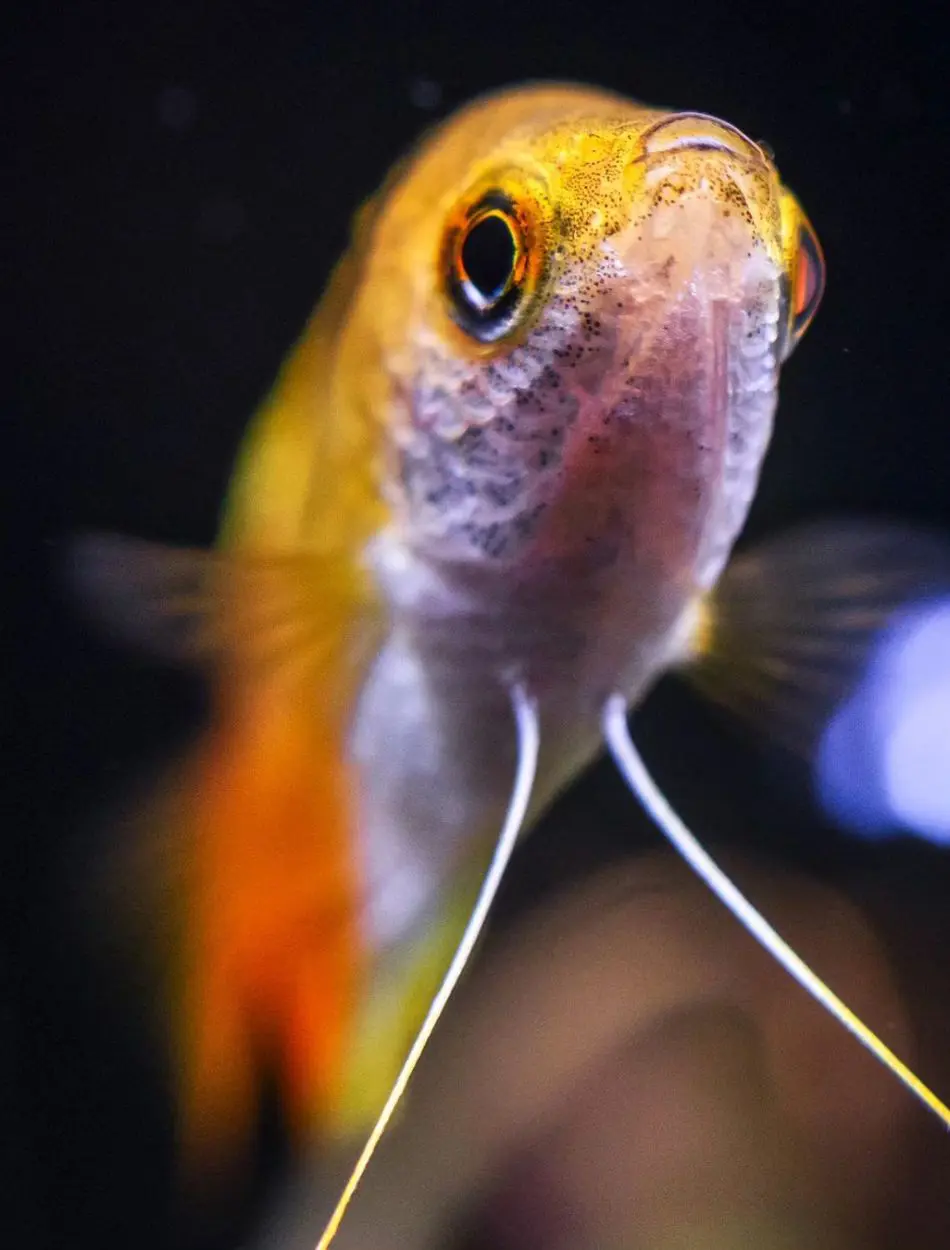
Dwarf Gouramis are also an excellent option since they are gentle and relatively small. Still, they can be competitive regarding food with the Ember Tetra, so some caution should be maintained if you want to add these to your community tank.
Small Rasboras
Another good option would be small rasboras, such as Harlequin Rasboras or Chili Rasboras. They are quite peaceful, and active, and do well in similar water conditions to Ember Tetras.
Shrimp And Snails
These invertebrates namely Cherry Shrimp, Amano Shrimp, or Nerite Snails also are compatible with Ember Tetras. Shrimp clean up food and algae leftovers moreover snails will also help in cleaning up algae and detritus.
Tankmates To Avoid
While Ember Tetras are easygoing, certain species of fish should be avoided as tankmates because of their size or level of aggression. They include the following:
Large or Aggressive Fish
Fish like Cichlids, Angelfish, and bigger Barbs may pose a danger to Ember Tetras due to their size or because they are aggressive and therefore tend to treat the small Tetras as prey, or outcompete them for food.
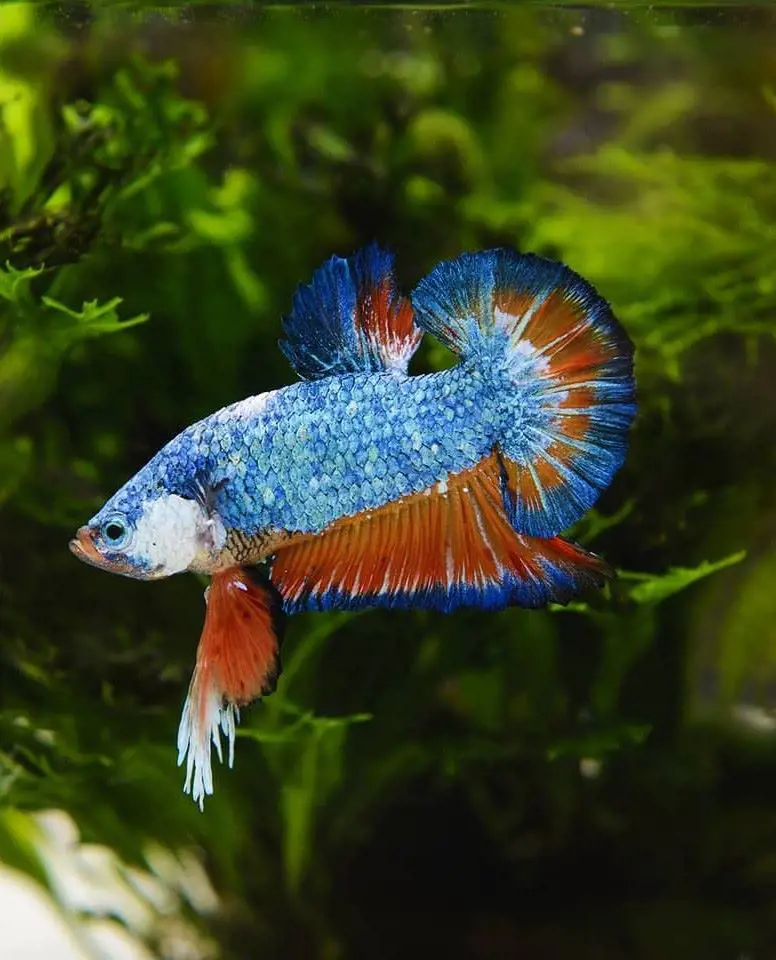
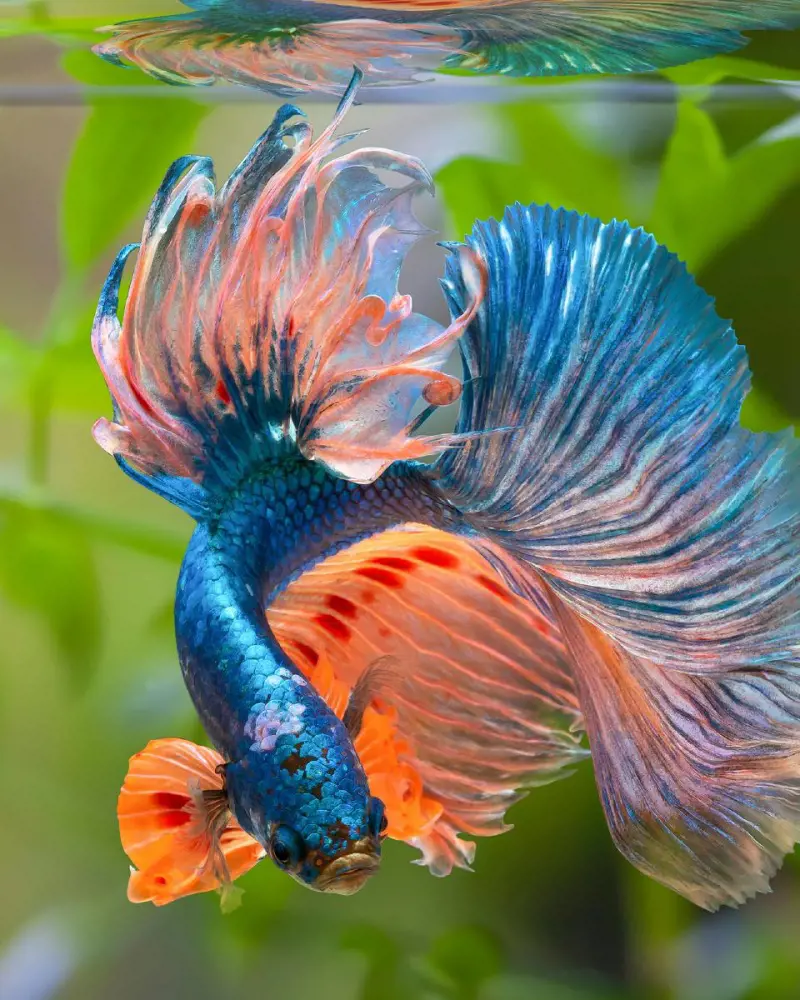
Betta Fish
Though beautiful and usually kept in the same environment, Betta fish can be territorial and pretty aggressive, especially when kept in small tanks. Their flowing fins also tend to attract Ember Tetras into nipping them, sometimes leading to stressful situations and even injury.
Fast Swimmers or Fin Nippers
Fish like Tiger Barbs and Serpae Tetras are fin nippers and might bully the Ember Tetras, leading to stressed fish and possible injury. Fast-swimming fish will outcompete Ember Tetras for their food and thus become a problem.
Breeding Ember Tetras
Breeding Conditions
Though rather challenging, breeding Ember Tetras is quite possible and even rewarding in the home aquarium. Special conditions should be provided to foster spawning. A separate breeding tank of about 5 to 10 gallons is essential to protect the eggs and fry from being devoured by other inhabitants of the main tank.
The temperature in this tank can be raised to around 80°F, accompanied by a slight drop in pH to about 5.5 to 6.5, which helps induce spawning. It's also important to keep the lighting low or as dim as possible, mimicking the fish's natural environment to encourage the spawning process.
Spawning Behavior
This means that males will prepare themselves for spawning by becoming more colorful, followed by courtship rituals like chasing females and possibly even showing off their fins. The female will then scatter eggs among fine leaved plants or in the substrate. Once the spawn is complete, it's time to remove the adult fish from the breeding tank to prevent them from eating the eggs.
Raising the Fry
The eggs will hatch in about 24 to 36 hours, and the fry will become free-swimming another 2 to 3 days later. At this period, they can be fed with infusoria or liquid fry food available in the market. When bigger, they can be weaned on baby brine shrimp or finely pulverized flake food.
Common Health Issues And Their Prevention
Ich
Also known as the white spot disease, ich is one of the most prevalent parasitic diseases that fishes develop, with its main identifying trait being white spots all over the fish's body and fins. It mainly arises from stressful conditions, poor water quality, or sudden fluctuations in water temperature. Ich could, therefore, be avoided by ensuring stable water parameters, performing regular water changes, and making sure there is no overcrowding within the tank.
Fin Rot
Fin rot is a condition wherein bacterial infection causes the fins to fray and start to rot. It is always linked to poor water quality or injury from aggressive tankmates. Regular changing of water and proper maintenance of the tank should solve this problem. Use no sharp decorations in a fish tank.
Stress Related Illnesses
Ember Tetras get stressed from poor conditions, like small tanks, poor water quality, or unsuitable tankmates, and are prone to a weakened immune system, making them vulnerable to further disease. For this reason, supplying a stable, well-maintained environment with suitable tankmates is important in eluding stress related sickness.
Aquascaping For Ember Tetra Tanks
The Essentials Of Aquascaping
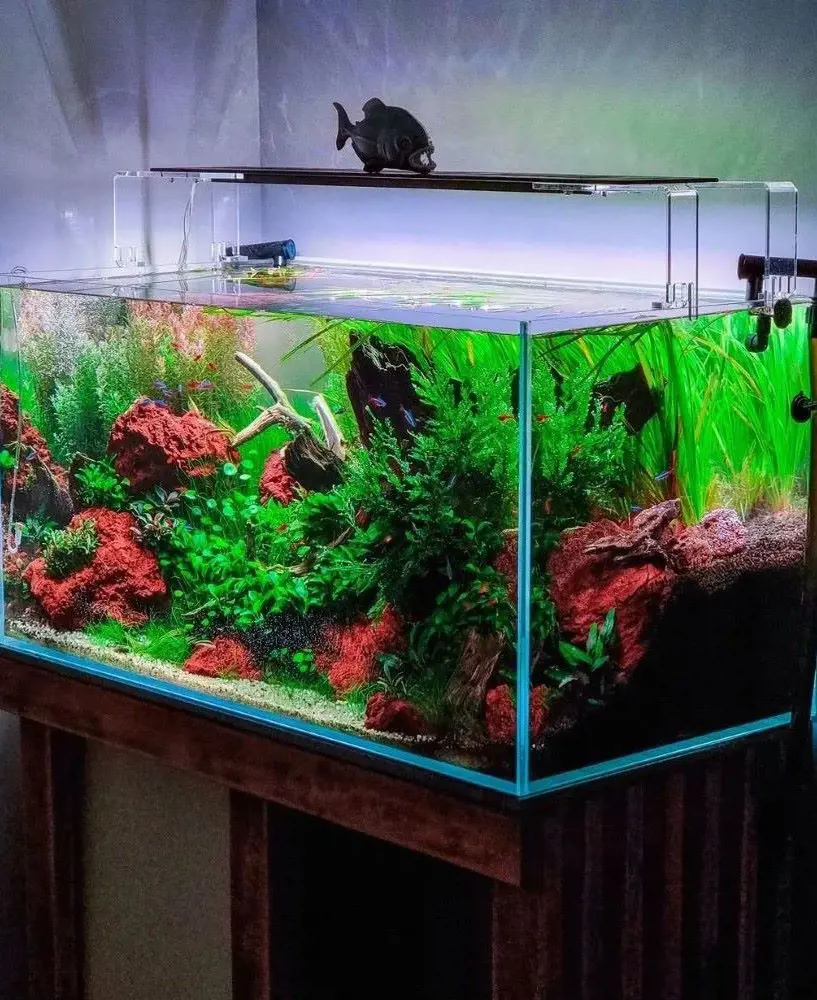
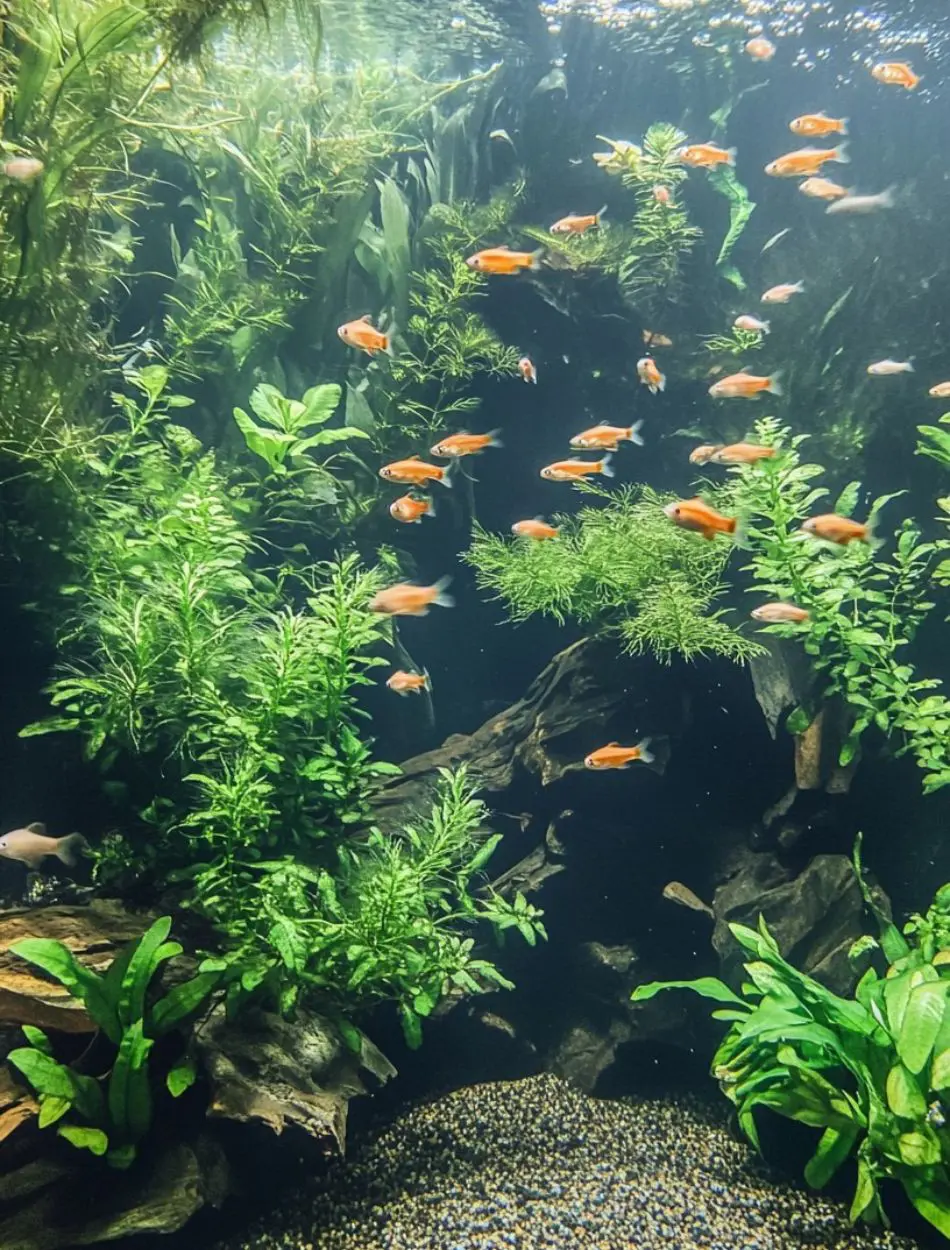
In case you want to create an aquascape for ember tetras, begin with a dark fine grain substrate that imitates the riverbeds of their natural habitat. This not only brings out the bright orange-red coloring on these fishes but also acts as a good support system for vegetation growth. Low light Java fern, Anubias, and Cryptocoryne make excellent choices for live plants in such biotopes. They can thrive perfectly well under low to moderate light intensity and help form a beautiful forest-like setting within your tank.
Driftwood and stones can be placed strategically to provide hiding spots as well as breaks in visibility so that the tetras can feel at ease as they are very safety conscious. In addition, floating plants such as frogbit or duckweed will block some light from entering through the surface, making shaded places that are necessary for the welfare of those fish.
Creating A Natural Feeding Environment
When trying to create a natural feeding environment, you might want to use some small, slow sinking foods such as micro pellets or crushed flakes that mimic the diet of tetras in the wild. Moreover, these fish are known to be omnivores and therefore their diet should contain live or frozen foods like daphnia or brine shrimp so as to improve their coloration and vitality.
To enable natural foraging behavior scatter food throughout the tank in different areas. Also, well planted tanks with balanced ecosystems will produce numerous microorganisms which can provide something for tetras to nibble on when feedings are not available thus keeping them active and healthy.