

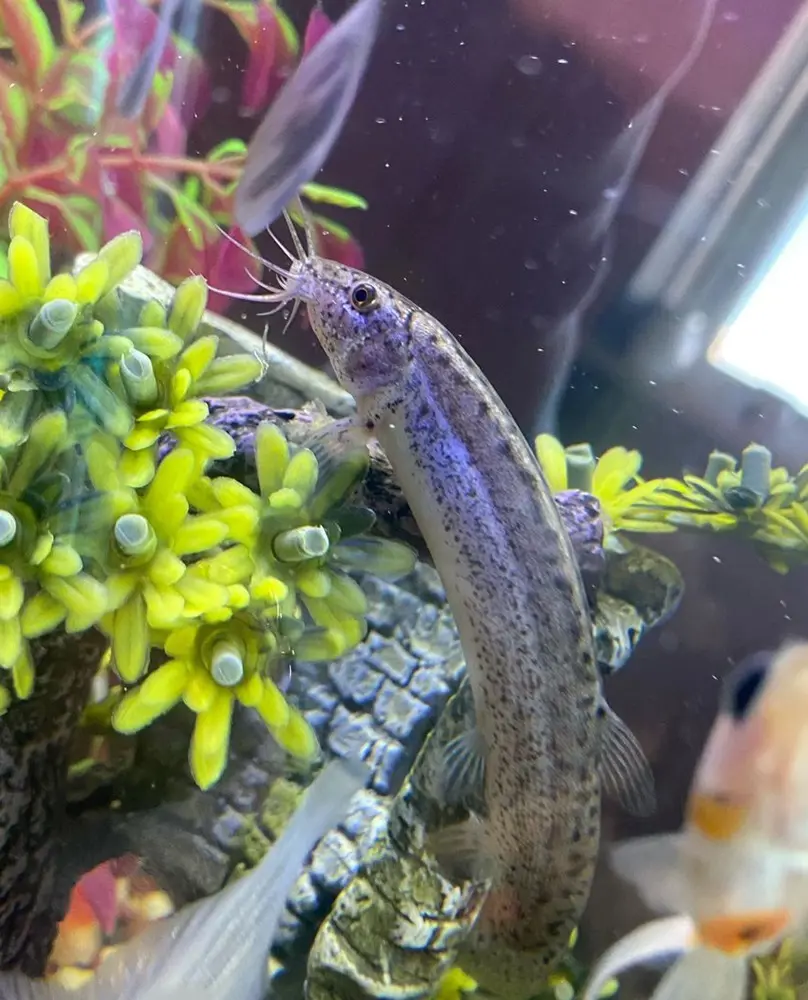
Dojo loach can become excellent housepets with the right care and handling. These delicate fish are native to East Asian water and prefer a similar environment to thrive. As a pet fish owner, you should be able to provide a tank that simulates their natural habitat.
Similarly, dojo loaches are social animals; they require a healthy community of diverse fishes for their existence. They are known to live in harmony with bottom dwellers and other peaceful species.
We've created an extensive guide, covering the diet and tank conditions for the proper raising of these beautiful fish. Continue as you find out the rewards and challenges that come with these weather loaches.
Tank Setup
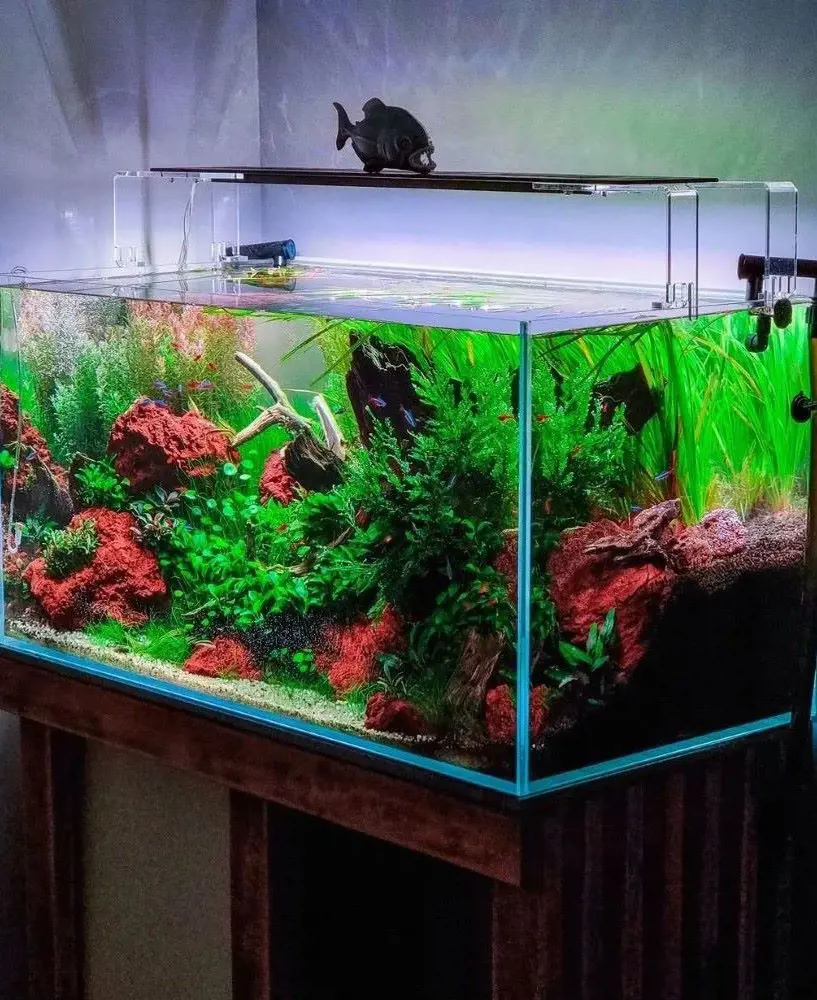
Your dojo loach will probably spend its entire life in the same tank, so make sure to provide a comfy spot for your pet. These cute freshwater fish can grow up to 10-12 inches in size; choosing a spacious tank is the first thing to consider.
There are several factors to follow while buying the perfect tank for your dojo loach.
Tank Size
A tank with a capacity of at least 55 gallons is required for a single dojo loach. If you plan to keep a group of dojo loaches, a larger tank of 75 gallons or more is ideal. This provides ample space for multiple loaches to swim, burrow, and interact without feeling cramped.
Maximize limited tank space by focusing on vertical layering; thus, allowing the loaches to explore different levels of the tank. Also, keep the tank well-organized with open swimming areas and strategically placed decor to provide enough space for them to roam freely.
Substrate
Choose a soft and sandy substrate for your pet fish. Dojo loaches are dwellers that love to burrow, and a sandy substrate mimics their natural environment while preventing injury to their delicate barbels.
Avoid sharp or coarse gravel, as it can damage their sensitive undersides and inhibit their natural digging behavior. Sand also helps replicate the loaches' habitat, allowing them to sift through the substrate in search of food.
Decorations and Hiding Spots
- Natural Decorations: Driftwood, smooth rocks, and live plants
- Hiding Spots: Caves, PVC pipes, or other hollow structures
These loaches are shy and need hiding spots to feel secure. Driftwood and rocks provide natural cover, while live plants offer both hiding spots and help maintain water quality.
Just make sure to keep all decorations smooth to avoid injuring the loach's sensitive body.
Lighting
Maintain moderate lighting to create a comfortable environment for the dojo loaches. These fish are more active in subdued lighting conditions as bright lights can cause stress and make them feel exposed.
Using adjustable LED lights allows you to control the intensity and keep loaches secure while also supporting the growth of any live plants in the tank. Additionally, periods of low light or using a dimmer during the day can also keep them relaxed.
Tank Maintenance
- Regular Water Changes: Perform 20-30% water changes weekly to maintain water quality and prevent the buildup of harmful substances. This keeps the water parameters stable.
- Substrate Cleaning: Vacuum the substrate during water changes to remove uneaten food, waste, and debris. This helps prevent harmful ammonia and nitrate levels from rising, keeping the tank clean and the loaches healthy.
- Filter Maintenance: Clean or replace filter media monthly to ensure efficient filtration. A well-maintained filter helps remove toxins and maintains water clarity.
- Plant and Decoration Care: Trim live plants and clean decorations to prevent algae buildup. Healthy plants contribute to water quality, and clean decorations provide a safe environment for your loaches to explore and hide.
Ideal Water Quality
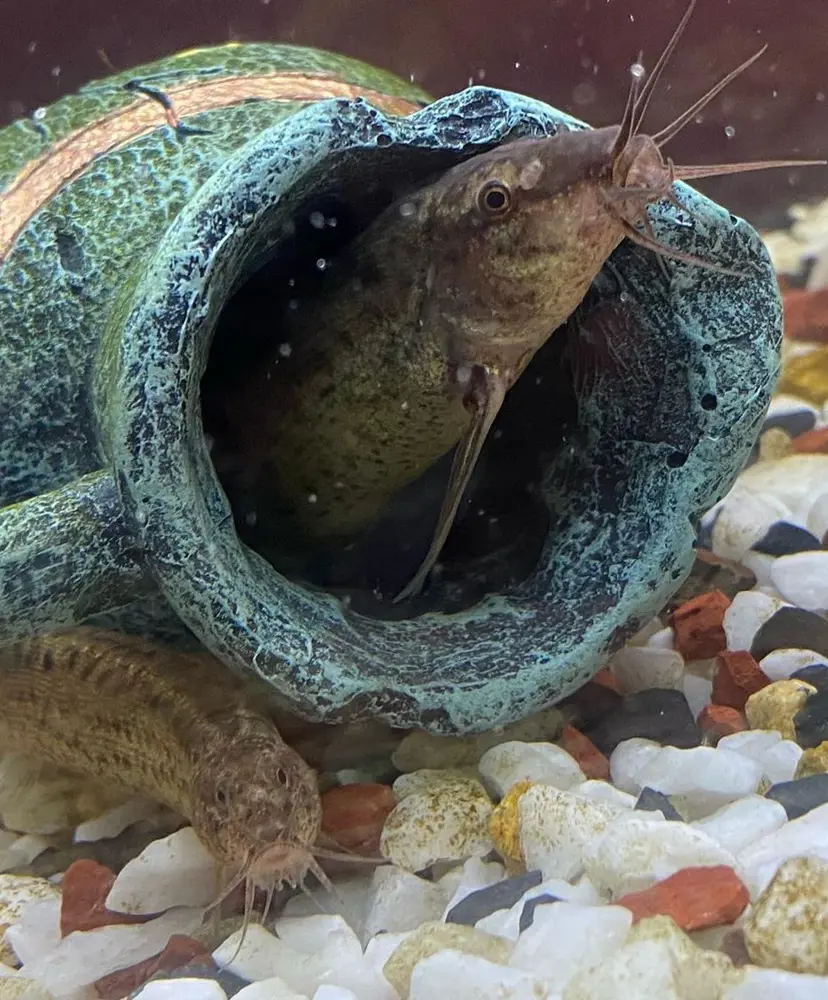
Dojo Loaches require cool and clean water to simulate their natural living conditions. Tap water treated with a de-chlorinator is suitable, but make sure it's free from heavy metals and other harmful contaminants.
Here are some vital factors to consider while providing a high-quality water supply to your loach.
- Temperature: Dojo Loaches thrive in cooler water, with an ideal range of 68°F to 75°F (20°C to 24°C). They are sensitive to higher temperatures, so it's important to avoid typical tropical tank setups that might overheat the water.
- pH Level: The pH should be kept between 6.5 and 8.0. This slightly acidic to slightly alkaline range mimics their natural habitat and helps maintain their health.
- Water Hardness: A moderate hardness of 5 to 12 dGH is ideal. This ensures the water is not too soft or too hard, providing a stable environment that supports the loach's natural physiological processes.
- Oxygenation: Adequate aeration is necessary, especially in warmer weather, to maintain sufficient oxygen levels in the tank. Dojo Loaches are sensitive to low oxygen conditions, so maintaining proper oxygenation is crucial.
Food And Standard Diet
Dojo Loaches are omnivores with a preference for a varied diet. A healthy diet routine includes feeding them small portions twice a day, with enough food that they can consume within 2-3 minutes.
Their diet should include a balance of protein and plant-based nutrients to support their growth and vitality. Protein-rich foods provide essential amino acids, while plant-based foods offer fiber and vitamins.
Best Meat-Based Foods
- Bloodworms (live or frozen)
- Brine shrimp (live or frozen)
- Daphnia
- Tubifex worms
- Insect larvae
Best Plant-Based Foods
- Blanched vegetables (zucchini, spinach, peas)
- Algae wafers
- Spirulina flakes
- Cucumber slices
- Lettuce
Dojo Loach Tankmates
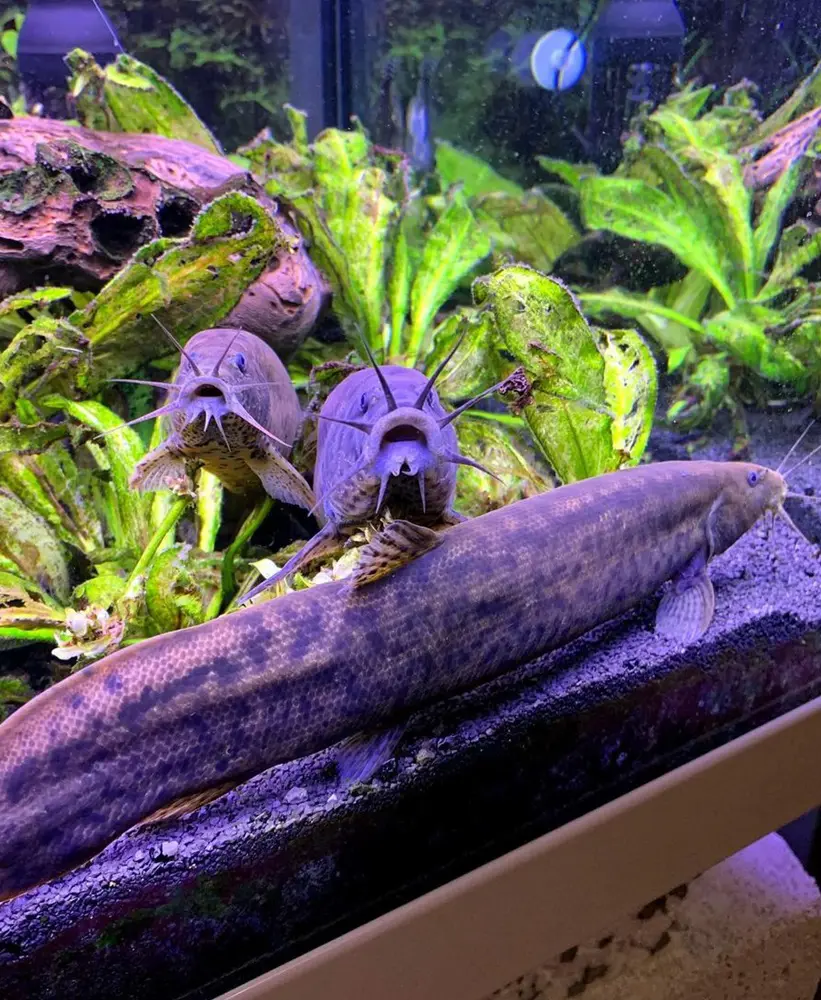
When choosing tank companions for Dojo Loaches, consider their peaceful and somewhat social nature. Ideal tank mates should be compatible in terms of temperament, size, and environmental needs.
Avoid aggressive or overly large fish, as well as species with significantly different temperature or water quality needs. Here are some suitable mates for Dojo Loaches:
Goldfish
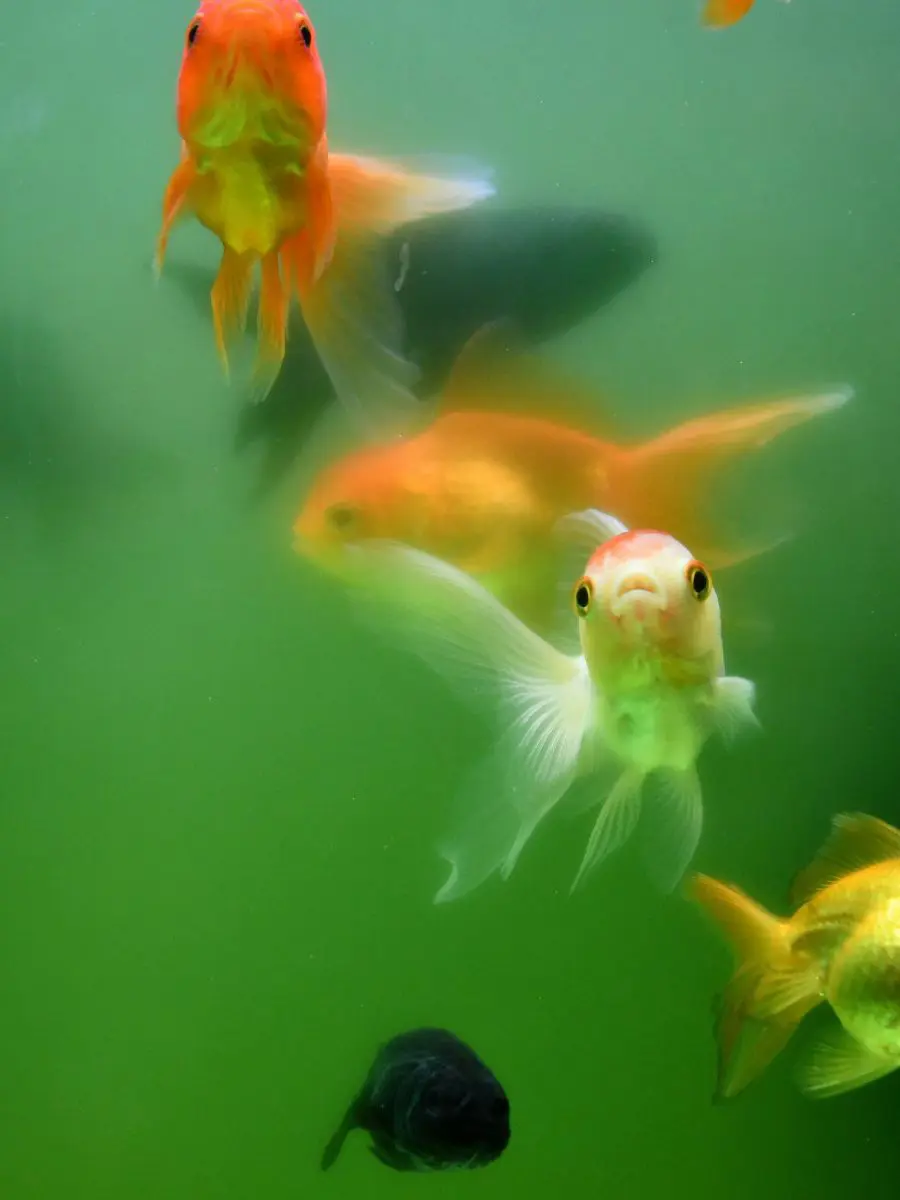
Goldfish shares similar temperature preferences with the loaches, making them well-suited companions. Both thrive in cooler water temperatures, typically between 68°F and 75°F (20°C to 24°C).
Additionally, goldfish are peaceful and do not pose a threat to Dojo Loaches. Their gentle nature makes a harmonious tank environment.
Barbs
Species like Cherry Barbs or Rosy Barbs are active yet non-aggressive. They can tolerate the cooler temperatures that Dojo Loaches prefer, and their peaceful nature ensures they do not disturb the loaches.
Barbs are also resilient and adaptable, fitting well into the same tank setup without causing stress to the loaches.
Loaches
Other loach species, such as Clown Loaches or Kuhli Loaches, make excellent tankmates due to their similar behavior and habitat preferences. Like Dojo Loaches, these loaches are bottom-dwellers and enjoy similar water conditions.
They are generally peaceful and social, living in a community tank setup with ample hiding spots and space to explore.
Platies and Swordtails
Platies and Swordtails are livebearers that are generally peaceful and adaptable to a range of water conditions. They can survive in the cooler temperatures required by Dojo Loaches.
Their non-aggressive behavior and active swimming patterns complement the bottom-dwelling habits of Dojo Loaches, creating a balanced and dynamic tank environment.
Dojo Loaches Natural Habitat
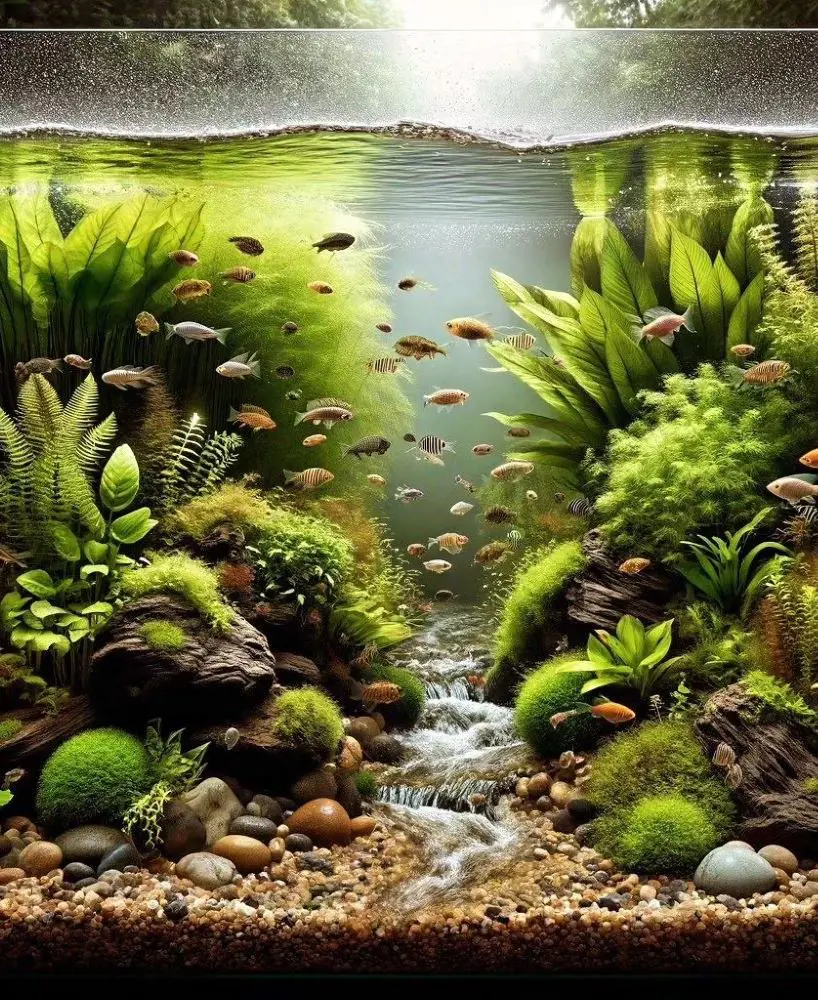
Dojo Loaches are native to East Asia, specifically Japan, Korea, and China. They inhabit cool, slow-moving rivers, streams, and ponds, favoring areas with soft, muddy, or sandy substrates. These loaches are often found in habitats with clear water and abundant hiding spots such as submerged vegetation, rocks, and driftwood. This environment allows them to burrow and seek refuge, which is crucial for their behavior and survival.
In the wild, Dojo Loaches play a role as bottom-dwellers, feeding on insects, small crustaceans, and plant matter. They contribute to the health of their local ecosystem by controlling insect populations and facilitating nutrient cycling through their foraging activities. They live around 10-15 years in the wild, depending on environmental conditions and predation pressures.
Dojo Loaches share their waters with other freshwater species like smaller fish and amphibians. Their natural predators include larger fish, birds, and occasionally amphibians. In contrast, freshwater Dojo Loaches raised in aquariums are typically in a more controlled environment with stable water conditions, which can impact their behavior and longevity.
Why Are Dojo Loaches Called Weather Loach?
Dojo Loaches are commonly called "Weather Loach" due to their unique reaction to changes in atmospheric pressure. They have an intriguing sensitivity to weather changes, which is thought to be linked to their instincts and physical responses.
When a storm is approaching or there are significant weather changes, Dojo Loaches often become more active and may swim erratically. This behavior is believed to be a reaction to shifts in barometric pressure, which some fish species can detect. In historical times, their unusual activity patterns were observed and used as an informal way to predict weather changes, hence the name "Weather Loach."
Additionally, Dojo Loaches are also sometimes referred to as "Pond Loach" as they are commonly found in ponds in East Asia. Their adaptability to pond environments is a key feature; they thrive in these still or gently flowing waters
Dojo Loach Varieties
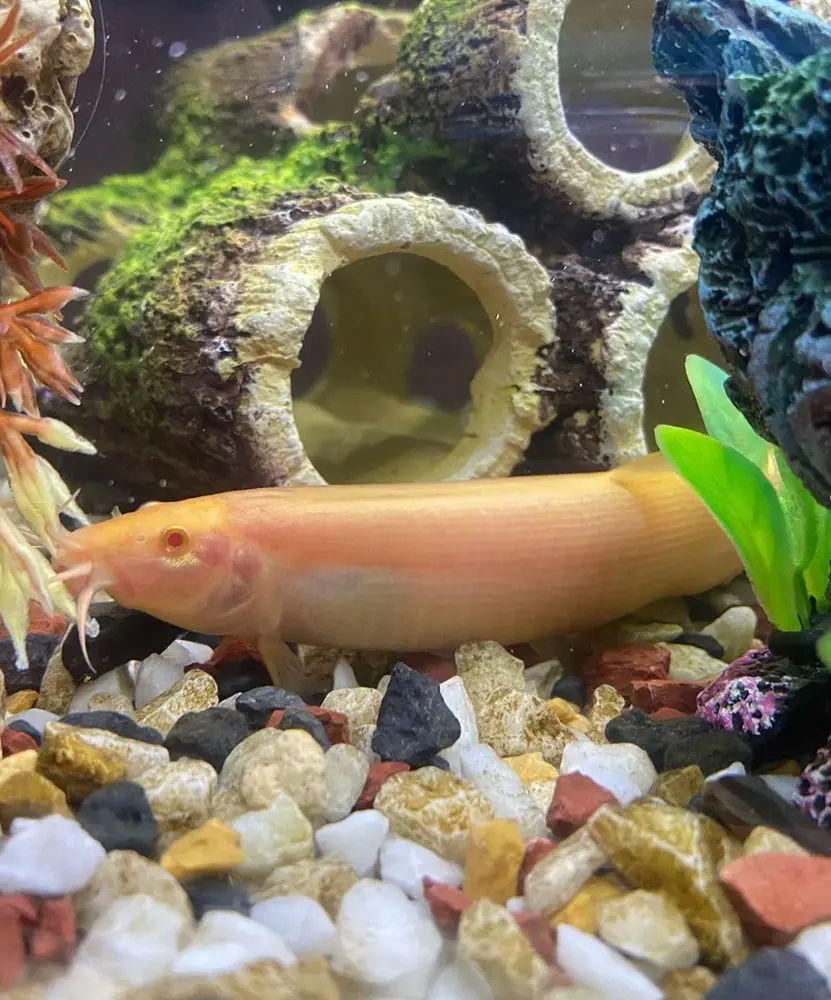
While there are several Dojo Loach subspecies in the wild, only a few have been successfully domesticated. The most common household varieties include the wild-type, albino, golden dojo, and more.
Wild-Type Dojo Loach
This subspecies features natural coloration with a brownish or tan body adorned with darker, mottled patterns. This variety closely resembles the loaches found in their native habitats in East Asia. The wild-type coloration provides a more subdued and natural appearance compared to the selectively bred varieties.
Albino Dojo Loach
This variety is easily recognizable by its striking pale white or yellowish body and red or pink eyes. The absence of pigment gives the loach a bright and eye-catching look.
Despite its distinctive color, the Albino Dojo Loach has the same care needs as its wild-type counterparts
Golden Dojo Loach
Gold dojo loaches are distinguished by their vibrant golden or yellowish hue, a result of targeted breeding. This variety stands out due to its shimmering, metallic coloration. The golden color is more uniform compared to the patterns found in wild-type loaches.
Similarly, they are also less commonly bred than other subspecies; thus, adding a rarity value to them.
Butterfly Dojo Loach
This loach type features a lighter body with darker spots or stripes that resemble butterfly wings. This pattern creates a decorative and visually interesting look.
Their unique design is not naturally occurring in wild populations but is a product of human intervention to create a visually appealing fish. The selective breeding process involves pairing loaches that exhibit the desired patterns to produce offspring with increasingly prominent and defined markings.
Challenges With Dojo Loaches
Dojo loaches are not perfect pets; they tend to show unpredictable behavior and are extremely hard to tame. Every pet owner should be prepared to overcome a few challenges with this species, some of which are explained below:
- Barbel Damage: Dojo loaches use their barbels to explore and search for food. If the substrate is too rough or if there are sharp decorations, their barbels can become damaged or infected. This can lead to difficulties in feeding and potential infections.
- Temperature Sensitivity: Unlike many tropical fish, these loaches prefer cooler temperatures. They can become stressed or ill if kept in water that's too warm, leading to problems such as reduced appetite or lethargy.
- Escapism: These fish are known for their tendency to jump or escape from their tanks, especially if the water conditions are not ideal. This behavior can lead to injuries or even death if they manage to leap out of the tank.
- Swim Bladder Disorder: Occasionally, Dojo Loaches may suffer from swim bladder issues, which can cause buoyancy problems. The condition is often related to diet or water quality issues and may require adjustments in their diet or treatment for underlying conditions.
- Skin Flukes: These are parasitic infections that can affect the skin and gills, causing irritation and abnormal behavior. Treatment usually involves medicated baths or treatments specific to external parasites.