

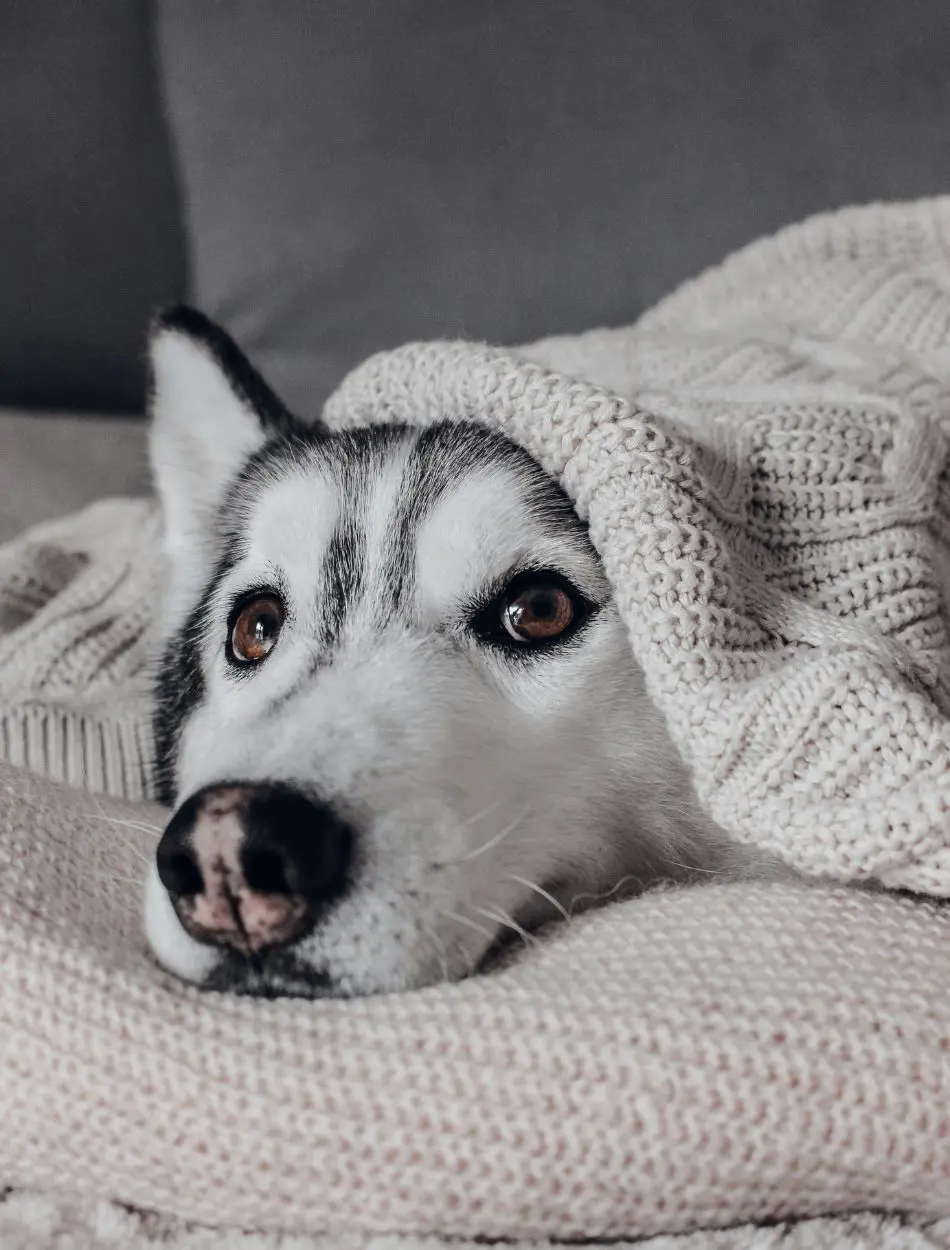
Dogs use their eyes to scan the world, but when those eyes start to get watery, it quite often means something's amiss. If you have noticed that your dog's eyes appear watery, there could be many reasons, from simple irritants to more profound diseases.
It can be caused by allergies, irritants, or even genetic traits, so finding out why is important so you can keep those precious eyes healthy and happy. Now, let's get into the top 19 reasons your dog's eyes might be watering.
1. Allergies
Just like humans, dogs can have allergies, and these may be from pollen, dust, some kinds of food, or even environmental factors. When dogs react to these allergens, there could be a watery discharge in the eyes as one reaction in their body's defense mechanism.
Other symptoms of this allergic reaction may also include sneezing, paw licking, or even scratching. Noticing when their eyes water can help you determine if it's an allergy.
If it happens mostly in some seasons or after a walk, then pollen can be the cause. Keeping their environment clean and minimizing exposure to allergens can help decrease symptoms of allergies.
2. Wind And Dust
Sometimes it is as simple as too much dust or a windy day that can cause your dog's eyes to water. Just like humans, dogs are sensitive to these little particles floating around. Dirt or debris may be blown into their eyes by the wind, which irritates them, causing tears.
You might find them blinking a lot or even rubbing their face after being outside on a windy day. This is normal and will most likely clear up on its own. You can clean around their eyes with a wet cloth to remove any dust and lower the chances of further irritation.
3. Foreign Objects
Dogs are curious creatures, and sometimes their explorations lead to something getting in their eyes. It may be a small piece of grass, dirt, or even their fur if they are shedding. When a foreign object gets into their eye, their tears help flush it out.
You might see them pawing at their eyes or blinking often, and you may see redness and swelling of their eyes. In most cases, the tears will naturally remove the irritant.
But if it looks stuck or their eye is still agitated, it's best to check and very carefully assist or consult your vet. They will help to remove the foreign objects and help with pain relief with anti-inflammatory medicine.
4. Sensitivity To Smoke
If you smoke, or even if there's smoke around, your dog's eyes can respond with watering. Dogs are more sensitive to smoke than people, so even small amounts of smoke can affect their eyes, including smoke from candles or fireplaces.
Smoke may cause irritation, allergies, and inflammation in their eyes leading to watery eyes. Small particles and chemicals can cause excessive tearing, discharge, and inflammation of the skin.
You may notice them blinking a lot or even turning away from the smoke source. For comfort, ensure good ventilation and stay away from the sources of smoke. Fresh air and eye rinses can help if their eyes stay tearing.
5. Dry Air
During the colder months, or in air-conditioned rooms, the air can be pretty dry, which may affect your dog's eyes. This can irritate them and make their eyes watery as their body tries to rehydrate them as the dry air increases tear evaporation.
You may notice this more in the winter when heaters are on. Keeping a humidifier in the room with them will help to keep the air comfortable for them. You can clean the eye gently with wet clothes or you can use vet advised cleaning solution to keep the dog's eye clean.
If you notice they tend to blink a lot in dry environments. Providing a humid environment with a balanced diet and sufficient water will help them in the long term.
6. Seasonal Changes
The time of year can also be a factor in your dog's eye health, such as during the spring and fall, when pollen levels can elevate, which may cause an increase in allergies and tearing eyes for sensitive pups.
Also, variations in temperature or atmospheric pressure can be a concern if they have sensitivity to those areas. Due to the dry winter season, they may face watery eyes. Some dogs are prone to allergies to specific seasons which may cause them watery eyes.
You can see if they're reacting to the environment by observing their behavior from one season to another. Keeping the face clean and wiping away extra tears can help to prevent further irritation.
7. House Dust And Dirt
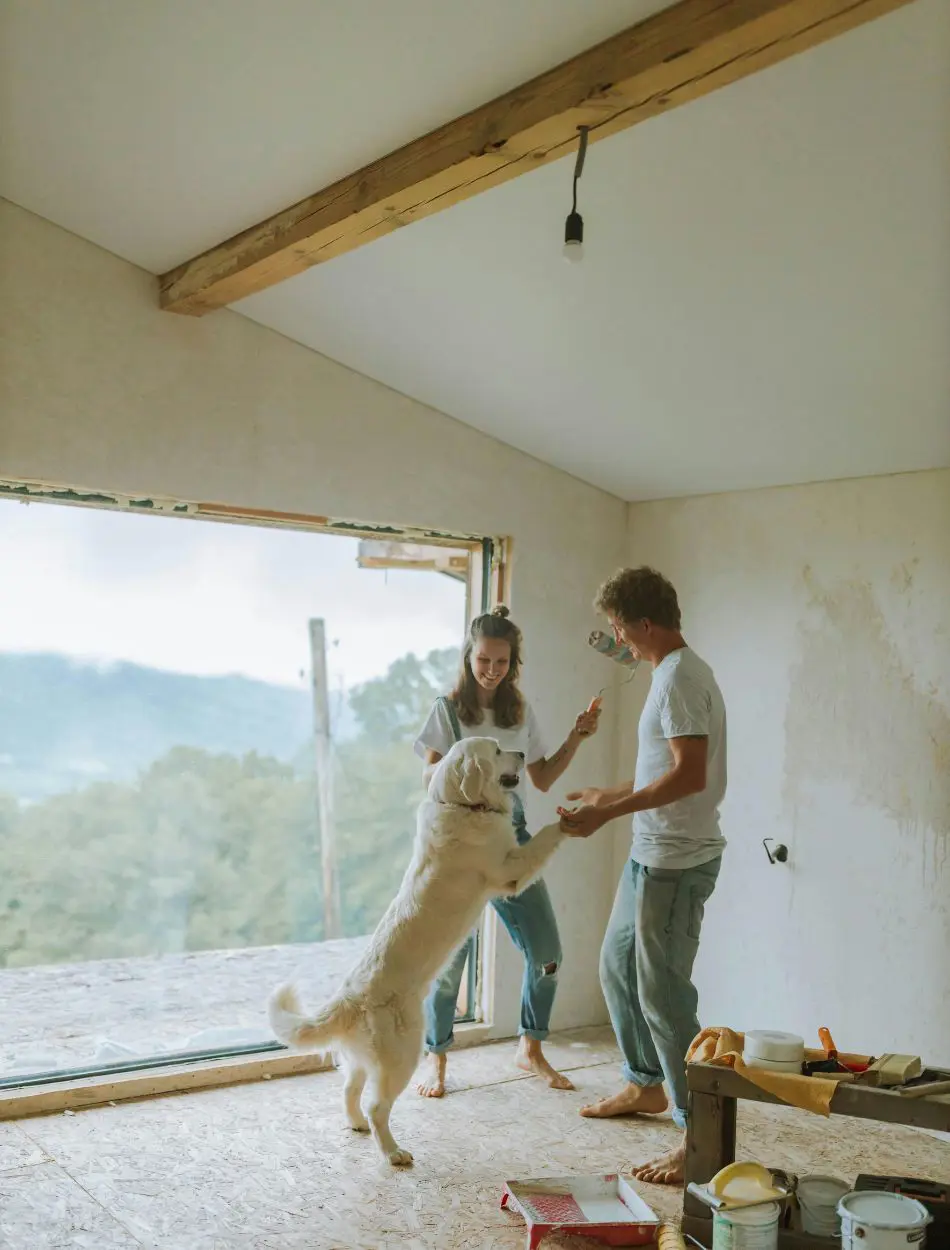
Household dust and dirt can also contribute to your dog's watery eyes, and such particles can easily float around in the air, which may irritate you if you are living in a dry or dusty place. Dogs that enjoy lying on the floor or rolling around will most likely expose themselves to these irritants.
Keeping their surroundings clean, especially in their favorite hangouts, can help control these small particles. Also, after the dog has been outside, many times just a quick wipe of the face can ensure they do not continue to irritate their eyes with leftover dirt.
8. Long Fur Around Eyes
Long fur around the eyes can also tickle the eyes and make them watery in some breeds. Keeping the longer fur trimmed away from the eyes is, therefore, important for breeds like Shih Tzus or Poodles.
The long hairs brush against the eyeball and, in doing so, cause constant irritation. This irritation produces tears. Long fur may also trap moisture around the eyes, and it may irritate the eyes, leading to watery eyes.
This can be avoided with regular grooming and keeping your dog comfortable. If you're not comfortable doing it yourself, a groomer can help keep this area clean and irritation-free.
9. Genetic Predisposition
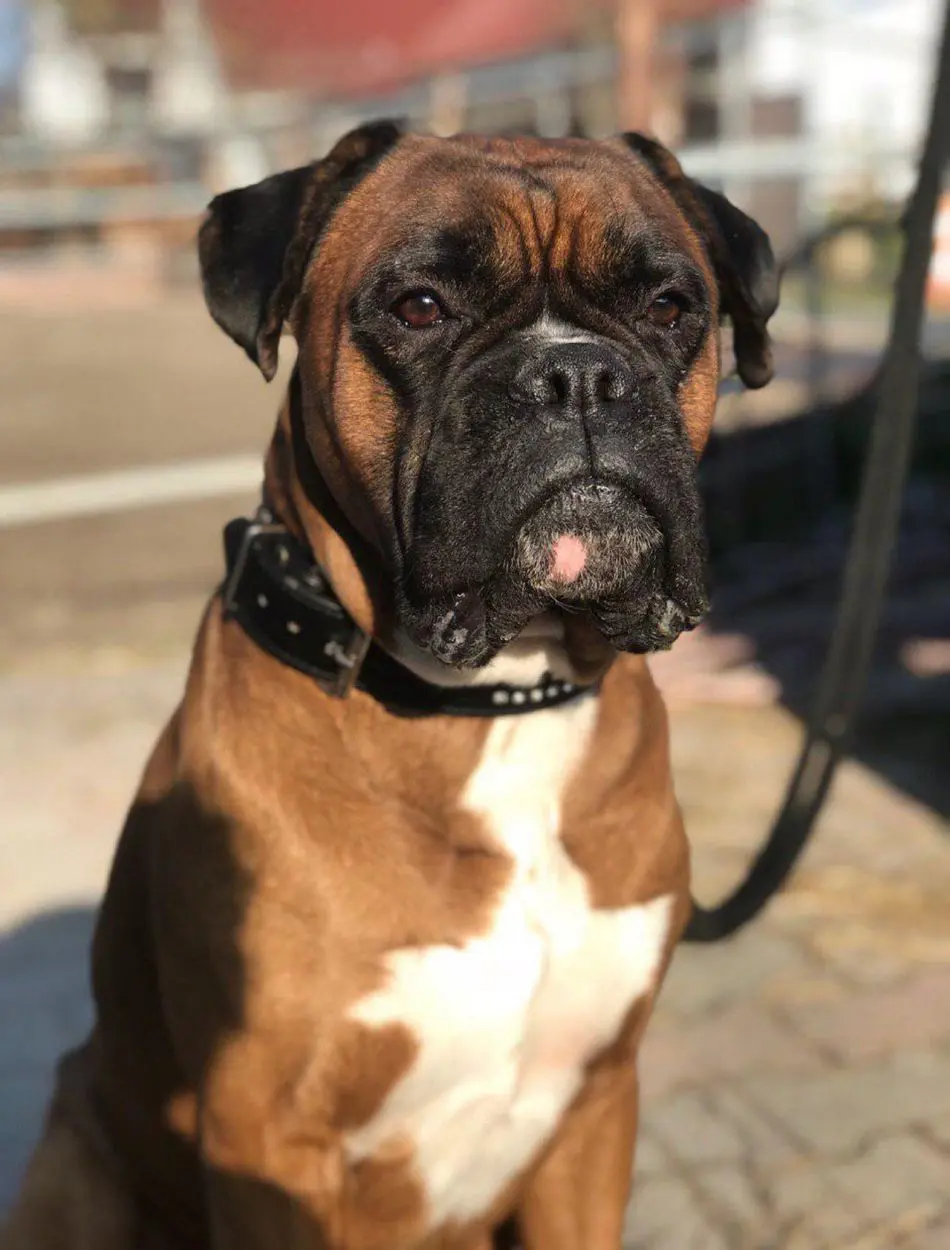
Some breeds are more susceptible to having watery eyes, particularly those with bulging or prominent eyes. Breeds like Bulldogs, Pugs, and Shih Tzus will typically be more likely for this to happen due to their facial bone structure.
Their larger eyes are not as protected and are more subject to tearing as a protective response. This natural tearing helps to keep their eyes moist but can be kept under control with regular care and cleaning. Knowing the needs of your breed will help you stay on top of their eye care routine.
10. Exposure To Chemicals
Sprays of perfume, sprays, or cleaning products around the dog can easily irritate his eyes. Even natural products with strong scents can cause a reaction. They have sensitive noses and eyes, so things that seem mild to us may be overwhelming for them.
You may notice their eyes watering not long after you bring something into the house, or they will blink or rub at their face. This can be prevented by using pet-safe or unscented products and keeping them out of areas while cleaning.
11. Eye Irritation From Grooming Products
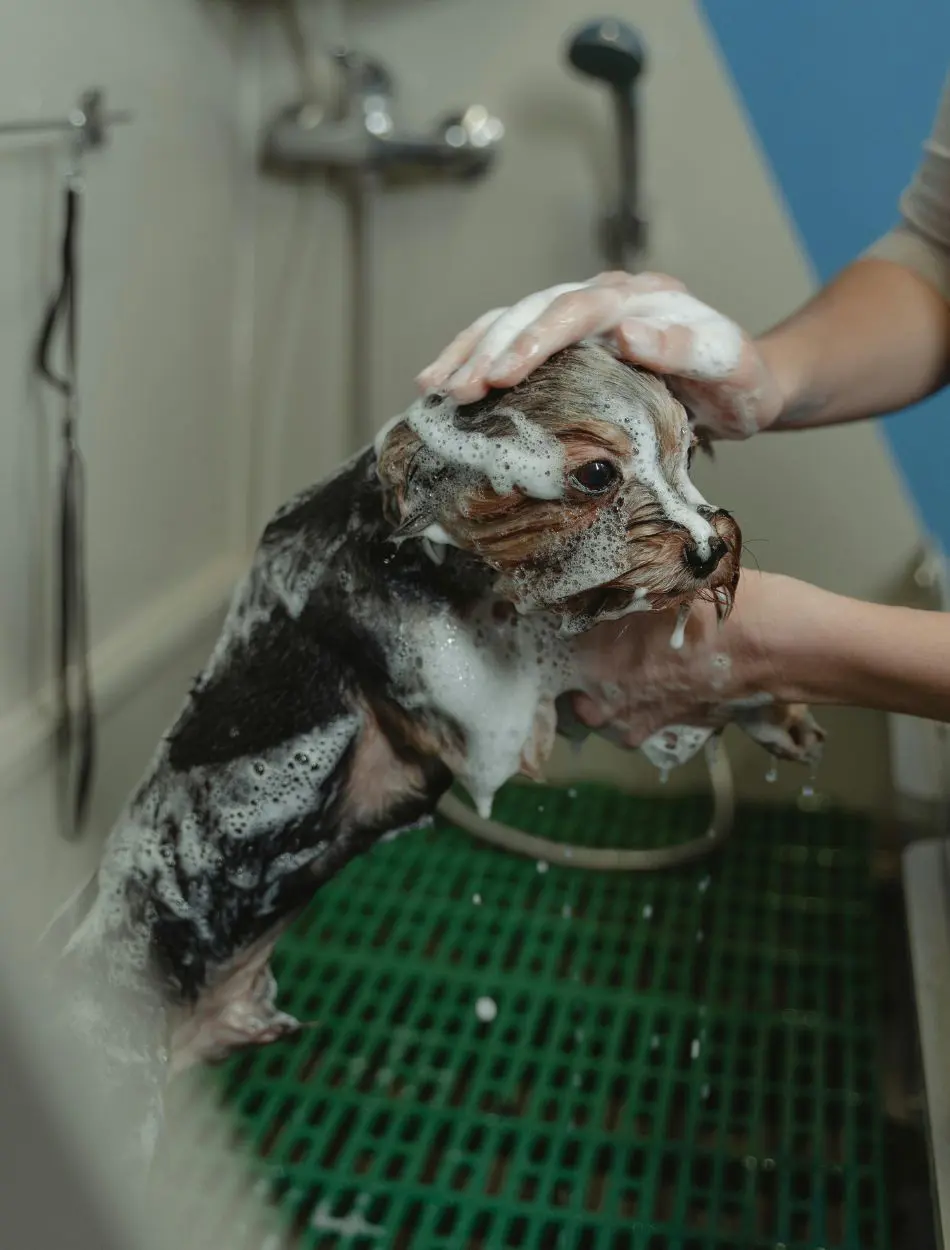
Sometimes dog shampoos or grooming sprays can, at times, accidentally irritate their eyes. Most products are safe, however, shampoo or conditioner in the eyes while bathing may cause tearing.
Avoid this by rinsing their head last and gently covering their eyes when washing their face. Use tearless dog shampoo and wipe the area around the eyes afterward to remove any residue. This little trick can make baths so much more enjoyable.
12. Insect Bites
Dogs enjoy investigating things, but occasionally, they get too close to biting or stinging insects. If one of these bugs bites near their eyes, that may cause temporary swelling and tearing. You may notice one eye waterier or more swollen than the other, as well as pawing or rubbing.
It's also advisable to monitor them when outside and attempt to guide them away from buzzing insects to reduce the risk of bites. A cold compress can be used to help with irrigation, but if the swelling stays, a trip to the vet is in order.
13. Bright Lights
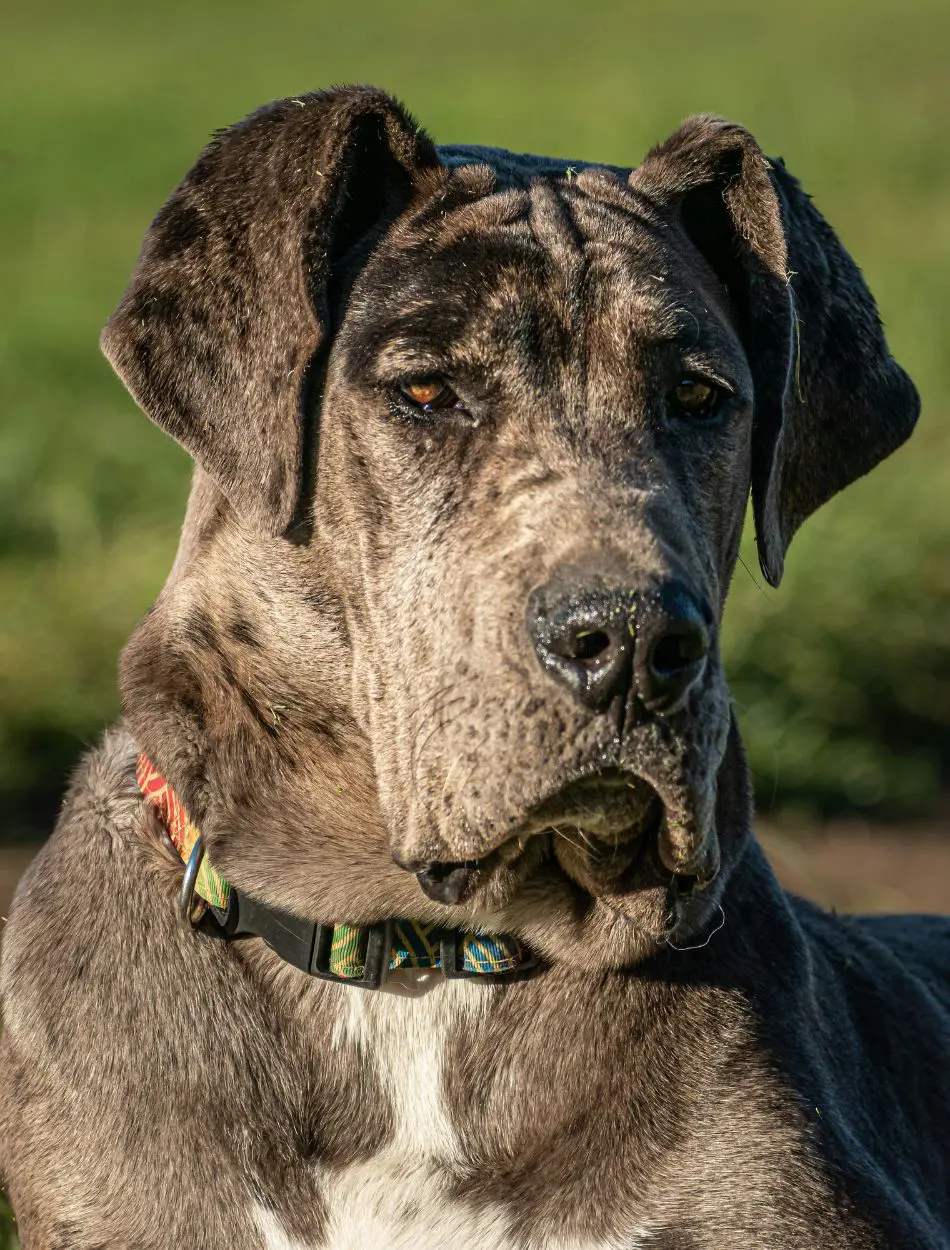
Just like us, dogs can be annoyed by bright lights, irritating their eyes. They'll automatically get watery eyes when they are outside on a sunny day due to the glare, inside, camera flashes or bright lights may make them react the same.
Sometimes bright lights may exacerbate the underlying problems of dogs' eyes which leads to the condition of watery eyes. In some cases, you see them squinting or even turning their eyes away from the light.
Provision of shaded areas and keeping strong lights at a comfortable level can avoid eye strain and reduce watery eyes. Keep an eye on their activities and take precautions if they are showing signs related to watery eyes.
14. Allergies To Grass And Plants
Some plants may affect dogs, particularly ones that also produce pollen, and even grass can irritate them if they like rolling around or sticking their nose in it. If your dog is showing watery eyes after being in the grass, it could be indicative of mild irritation.
You might also see sneezing or face rubbing. It is important to regularly rinse their faces and paws after outdoor adventures to get rid of any pollen or plant residue, thereby reducing the possibility of an allergic reaction.
15. Teething In Puppies
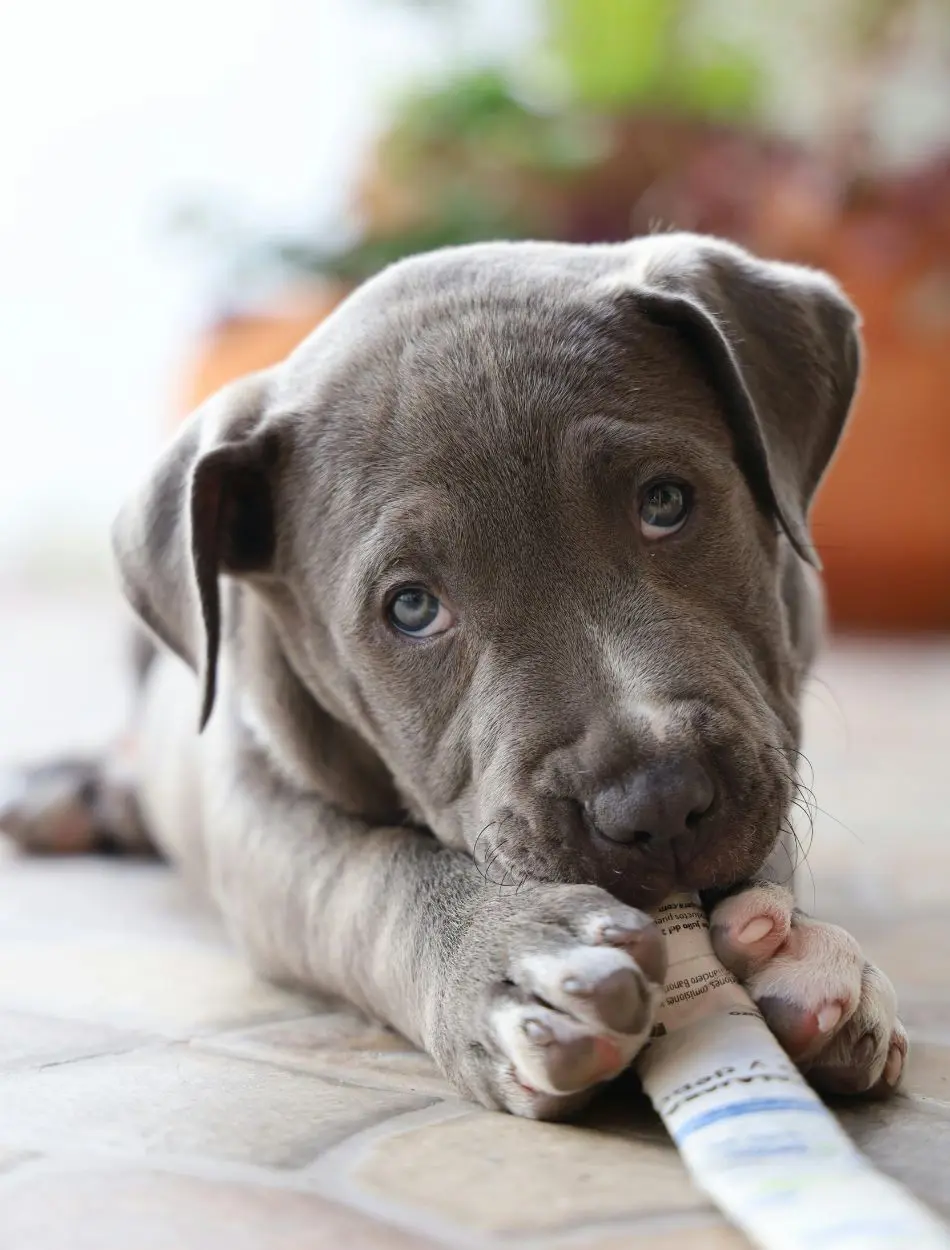
If you have a young pup, then puppy teething might be the reason for watery eyes. As puppies go through this development phase, they sometimes have to put up with the watering of their eyes as part of the process. This will usually be coupled with other symptoms like chewing on things or drooling.
This may sound unrelated, but it is quite common during the teething phase and should pass when the puppy grows out of it. Keeping them comfortable and offering teething toys can see them through this phase.
During this phase of dogs, it is advisable to groom them daily to keep them clean. It is important to monitor your puppy's eye health and act according to the advice of the veterinarian.
16. Germs From Dirty Faces
This is especially true for wrinkle-faced dogs, as dirt and bacteria tend to collect around the eyes. If there's a buildup of bacteria, that may cause irritation and possibly even mild infections, making their eyes watery.
This buildup can be avoided, and tear staining can be at least minimized by just wiping their face with a soft cloth daily. Keeping the face clean can go a long way in avoiding watery eyes due to irritation or bacteria, more so for breeds like Bulldogs or Pugs.
17. Poor Diet

If they are not getting the proper amount of vitamins, then their immune system may be hindered and no longer able to keep their eyes healthy, potentially resulting in tearing or dry eyes.
Poor diet can also contribute to internal inflammation, which may affect gut health, which may contribute to watery eyes. Sometimes dehydration can cause the body to overcompensate as well and produce more tears.
Providing them with a balanced diet and water can go a long way to help them keep their eyes in better health. You also need to be aware that you are not giving your canine friends allergenic foods to them. You can consult with a veterinarian or canine nutritionist about food that works best for your dogs.
18. Rubbing Eyes Excessively
This can also be encouraged by constant eye-rubbing or pawing at the eyes, further irritating them and possibly causing watery eyes. The process of eye-rubbing is somewhat cyclical, and the original cause of watery eyes may cause them to paw, which in turn makes the irritation worse.
If you see this happening, gently discourage it and look for any apparent irritants. Distractions, such as through toys, will help break this habit and allow the eyes to be healthy and comfortable.
19. Face Shape
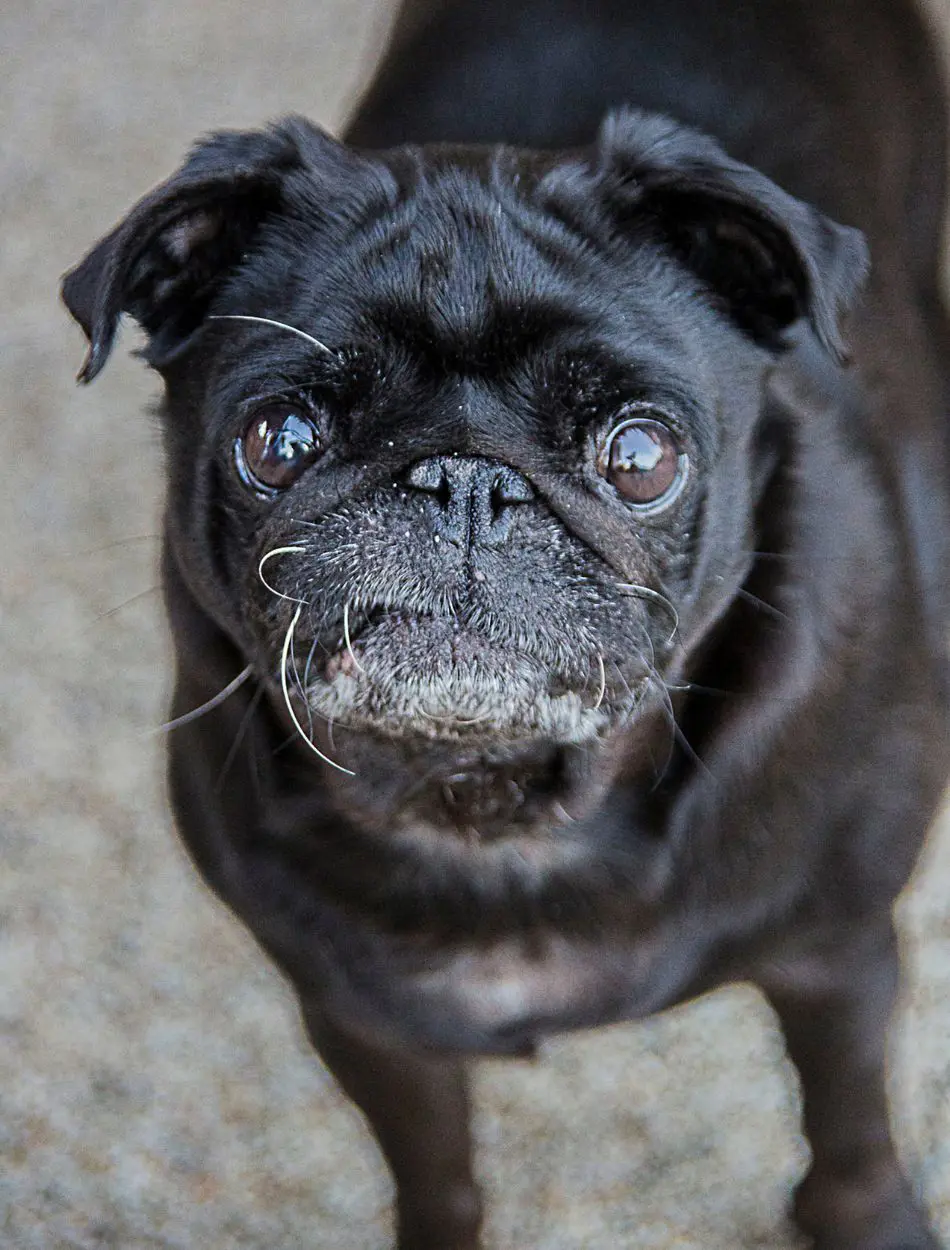
Facial structures that are prone to tearing more often, for example in breeds like Bulldogs, Boxers, and Pugs, the tear ducts aren't as efficient. This results in frequent tearing which leaves the area around the eyes wet.
For these breeds, it's normal for them, but it demands constant cleaning around the eyes to prevent staining and growth of bacteria. Understanding common issues in these breeds proves helpful in helping care for them.
If you note any other concerning symptoms Symptoms like allergies, eye infections or abnormalities of the eyelid can be present. Watery eyes can also be a symptom. Ensure to consult a veterinarian. The consultation will help furry friends get the necessary treatment.