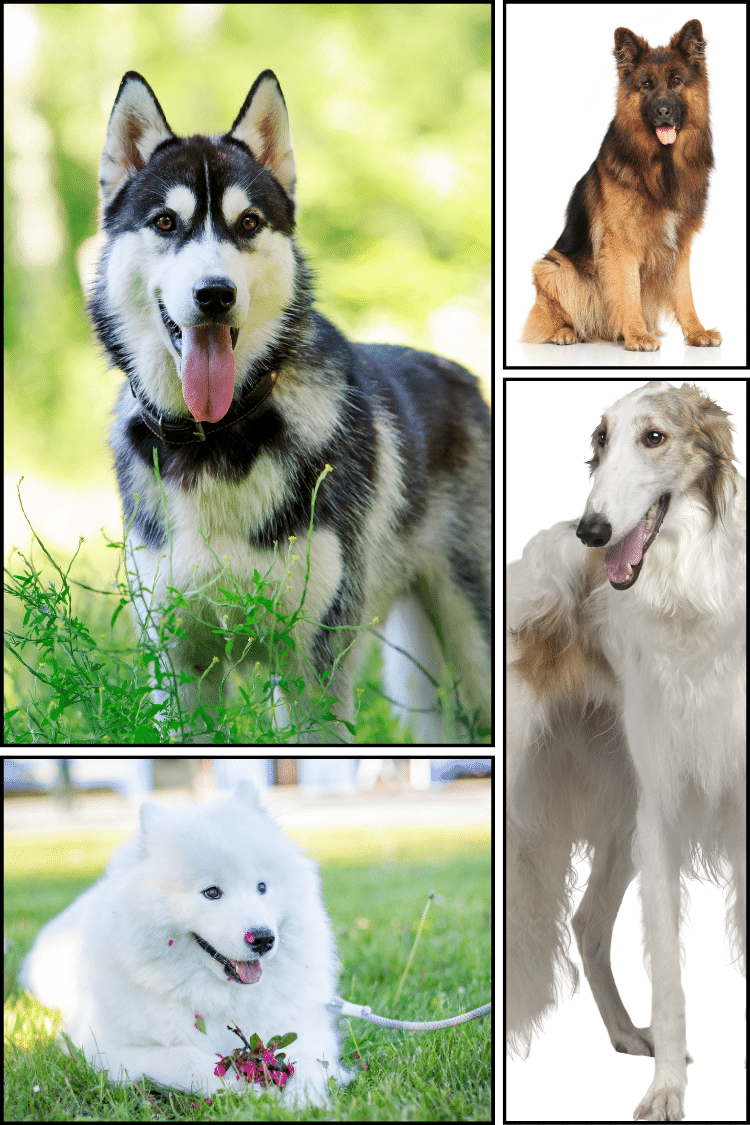


Snoring in dogs can be a sign of various factors affecting their breathing which causes them to sound like miniature sawmills at night.
The nightly symphony can be caused by harmless seasons like exhaustion or breed characteristics, stress or anxiety, or any health problems regarding the respiratory system. From airflow structures to dental problems, let's explore 15 possible explanations for your dog's snoring and how to address them.
1. Dogs Anatomy

Breeds such as Pugs, Bulldogs, Boston Terriers, Pekingese, and Boxers are often predisposed to snoring. Unlike humans, dogs have shorter snouts and more compressed nasal passages. This can restrict airflow, especially during sleep when muscles relax due to the shortened length of skull bones, giving the face and nose a pushed-in appearance.
With the shortened nasal passages of these dogs, they often develop breathing problems, including snoring. Also, dogs have a soft palate, a loose tissue at the back of the roof of the mouth that can vibrate while inhaling and contribute to snoring sounds.
2. Excess Weight Or Obesity
Overweight dogs can have difficulty breathing because the fat can collect in the throat and block the airways, causing snoring when they sleep. During sleep, these muscles can relax more than usual, allowing the soft palate and other tissues to collapse into the airway, causing obstruction, and more audible snoring.
They have a higher tendency to snore, due to excess fat deposited in the tissues covering the upper ways. You can restrict your dog's snoring due to obesity by working with a vet, who can create a personalized nutritional schedule and exercise plan to get your dog down to a healthy weight.
3. Sleeping Position
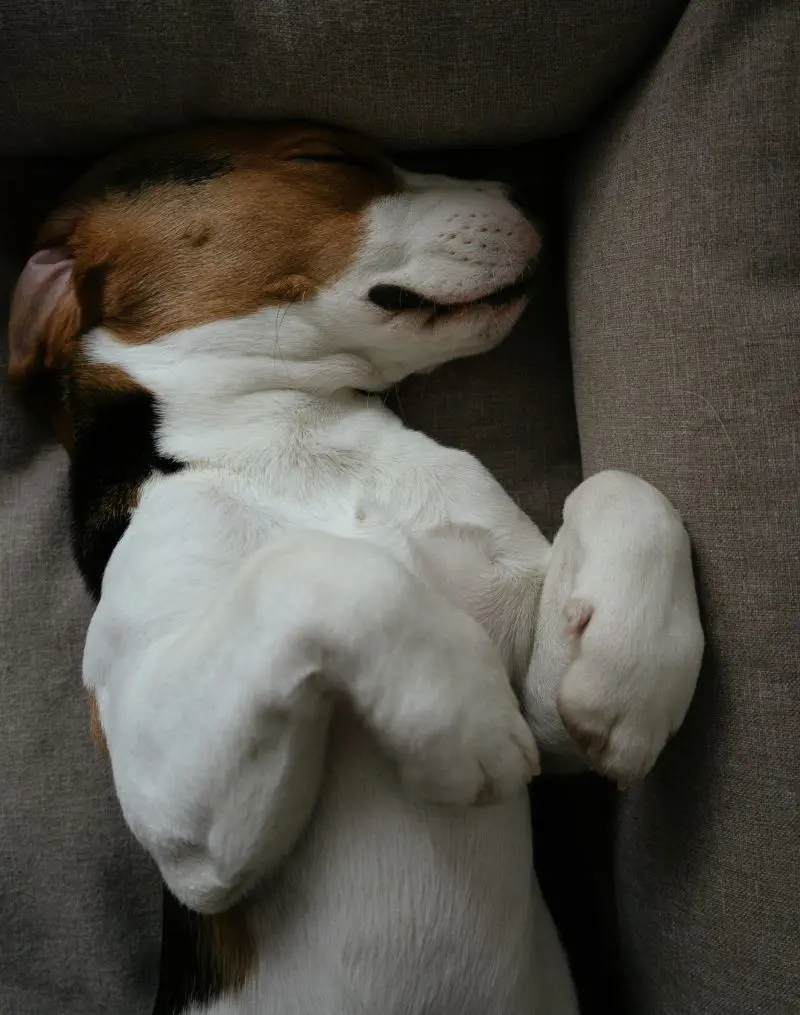
Dogs can sleep in the most unbelievable positions due to how flexible their body is and sometimes awkward positions, causing them to snore. The back sleeping position can cause the tongue to fall back against the throat, partially blocking the airway. This obstruction causes vibration in surrounding tissues leading to snoring.
Also, the absence of proper neck support can cause the airway to become narrowed, especially in breeds with short snouts, further worsening snoring. If a dog sleeps with their head under blankets or wedged against something, it also leads to deep snoring.
4. Presence Of Foreign Objects
The foreign objects in the back of the mouth or nose can trigger snoring, coughing, and agitation. Dogs usually investigate the world by sniffing and smelling. However, they accidentally grunt a foreign object into their airway, leading to snoring and nasal discharge while sleeping.
The blockage creates a physical obstruction, forcing air to flow through a narrowed space. This turbulence causes the surrounding tissues to vibrate, further producing a snoring sound. The common objects include blades of grass, seeds, or even small toys that pups might try to sniff and inhale.
5. Dental Problems
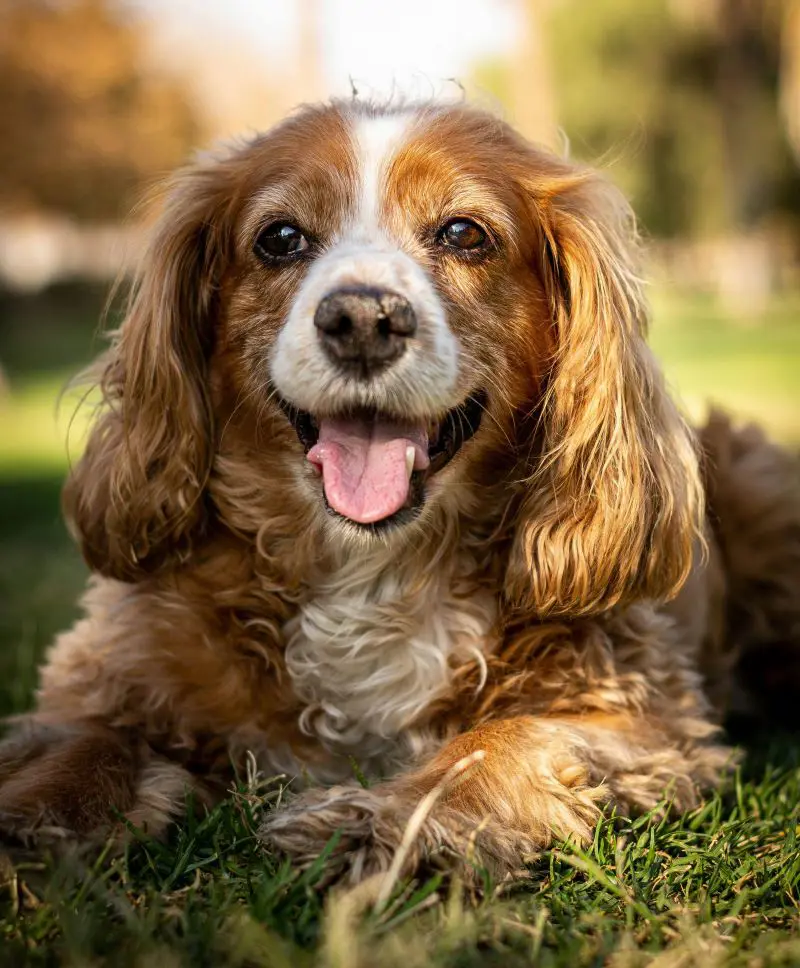
Dental issues, such as periodontal disease, an abscessed tooth, or any growth in the oral cavity or sinus are the root cause of snoring. A large abscess can press on surrounding tissues, including the airway, significantly restricting airflow and causing loud snoring.
The swelling can narrow the airway, making it harder for air to pass through and leading to vibrations. Also, broken or fractured teeth can irritate the surrounding tissue, triggering inflammation and airway obstruction. Regular dental checkups and cleaning are crucial for maintaining your dog's oral health and preventing these issues.
6. Allergies
Unlike humans, if the dogs ever suffer from allergies, they feel problems breathing, leading them to open their mouths while sleeping. The allergies in dogs can cause congestion, sneezing, and a runny nose obstructing the airways.
The runny nose and congestion can cause the nasal passages to narrow and prohibit airflow, so dogs may open their mouths more during sleep to breathe better. They may also sneeze or snort while they are awake during the day. Seasonal allergies can cause temporary snoring attacks, while year-round allergies might lead to more chronic snoring.
7. Secondhand Smoke
Secondhand smoke is harmful to people and pets. Anything that irritates the nasal passages including smoke can cause snoring. The smoke inhaled from burning cigarettes, cigars, or pipes irritates the dog's respiratory system with the harmful chemicals inflaming the tissues lining the nasal passages and throat, just like allergies.
Dogs who live with smokers are likely to have difficulty breathing. Also, it leads to irritation and inflammation of the airway, blocking your dog's ability to breathe normally. Keeping your pup in smoke-free zones helps improve their breathing comfort, reduce snoring, and safeguard their overall well-being.
8. Bacterial Pneumonia
Pneumonia is a common lower respiratory infection, which occurs when bacteria enter the lungs. Dogs with this illness may have a cough, difficulty breathing, wheezing, nasal discharge, fever, and lethargy.
This infection causes inflammation and fluid buildup in the air sacs of the lungs. The contracted airways and the presence of fluid make breathing harder, especially during sleep. As your dog struggles to breathe in, the airflow creates turbulence, causing the tissues in the throat and airways to shake and produce snoring sounds.
9. Upper Respiratory Infection
Unlike humans, it is noticeable in dogs that they are more likely to snore if they suffer from a cold or upper respiratory infection. Nasal congestion blocks your sinuses, making it more difficult for air to flow freely through your nose.
Your dog may also develop congestion and begin snoring due to cold or illness. Colds, kennel cough, and other respiratory infections can all lead to temporary snoring in dogs. While snoring usually resolves along with the infection, consult your veterinarian if your dog's snoring persists.
10. Environmental Factors
Environmental factors affecting dog snoring include dry air, poor ventilation, allergens like pollen and dust, and extreme temperatures. Dry air irritates nasal passages, while poor ventilation and allergens can cause congestion. Extreme temperatures can alter breathing patterns, and strong odors irritate the respiratory tract.
Adjustments such as using humidifiers, air purifiers, and maintaining cleanliness help reduce these factors. Monitoring your dog's environment and consulting a vet if snoring worsens ensures better health and comfort for your furry friend.
11. Breed Characteristics
Breed characteristics are a primary factor, influencing a dog's likeliness to snore due to their anatomical structure. Understanding your dog’s breed characteristics can help you appreciate the uniqueness of their snoring patterns.
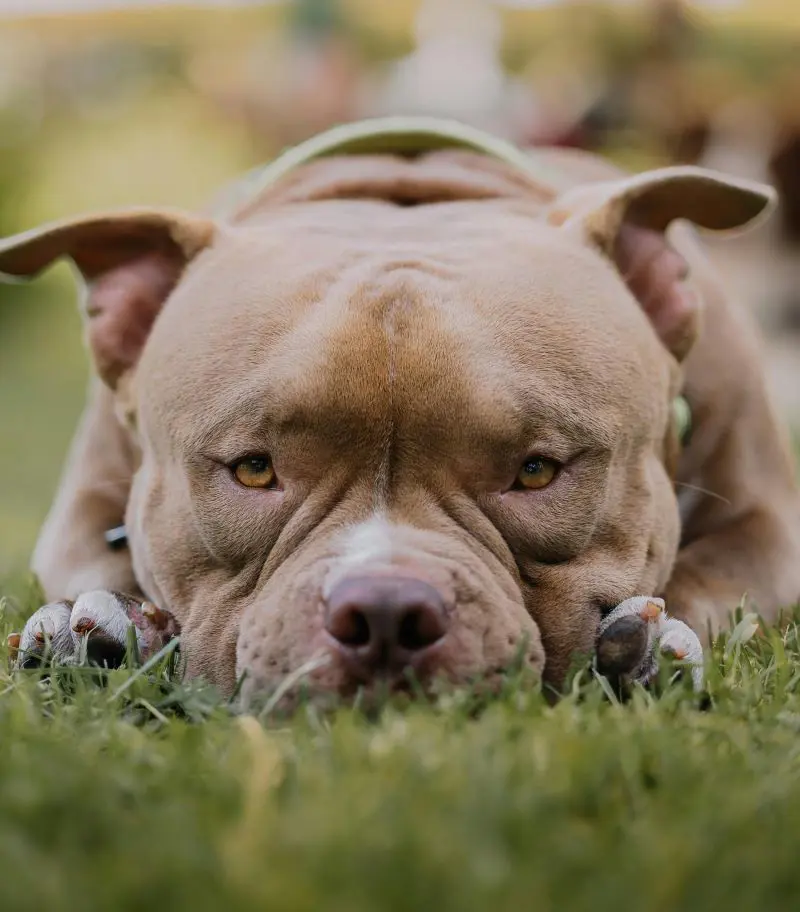
Brachycephalic breeds, like Bulldogs, Pugs, and French Bulldogs, have short skulls and compact nasal passages. This anatomy often leads to breathing difficulties and snoring because of restricted airflow. Similarly, breeds with elongated soft palates or narrowed airways, such as Boxers and Shih Tzus, are also prone to snoring. These dogs may snore more frequently or loudly, especially when relaxed or sleeping.
12. Fungal Infections
Fungal infections can be serious if left untreated. The fungus is usually found in the yard in grass clippings or dust and can spread easily when triggered by mold. These unwelcome guests can take root in the nasal passages or lungs, causing inflammation and irritation. When your dog breathes in during sleep, the contracted airways vibrate causing the inflamed tissues to produce the snoring sound.
For a pup who spends a lot of time outside sniffing objects, the fungus can spread higher by inhaling mold spores that can enter your dog's body through the lining of the nasal cavity. The noticeable side effects include nasal discharge, runny nose, and snoring.
13. Age-Related Changes
As our furry companion's age declines, they experience changes not just in their playful spirit but also in their physical anatomy. These changes can sometimes manifest in the form of increased snoring.
Over time, the muscles supporting the airway, including the tongue and those in the throat, can weaken. This weakness allows the soft palate and other tissues to collapse further into the airway during sleep, causing a narrowing and obstruction. Also, the loss of flexibility makes them prone to collapsing into the airway during sleep, further contributing to snoring.
14. Exhaustion
If you notice your dog snoring louder after a long day of chasing squirrels or fetching tirelessly, exhaustion can be key in their deep nighttime sleep. Going through a deep sleep makes their muscles relax more than usual, including those that support the airway.
As your dog breathes in deeply, those relaxed tissues vibrate against the narrowed airways and produce a snoring sound while sleeping. It's similar to how a tired person might snore more loudly due to deeper, less controlled breathing. Providing ample rest and keeping playtime moderate can help your furry friend enjoy better sleep without snoring.
15. Stress Or Anxiety
Feeling stress or anxiety can turn your quiet pup into a nightmare-snoring animal. A dog's body goes into flight mode when stressed, leading to triggering the release of hormones like adrenaline, which increase the heart and breathing rate.
Additionally stressed dogs might pant more excessively, contributing to the bigger snoring sounds. If you suspect that your dog's snoring is due to stress, identifying and addressing the source of their anxiety is crucial. Similar to humans who might snore when stressed, a dog's snoring might worsen during thunderstorms, fireworks, or other anxiety-inducing situations.
How To Stop A Dog From Snoring
Although snoring can be normal for your furry friend, it is crucial to know when it needs to be concerned to stop them from making such noises. If you notice your dog starts snoring and it becomes louder or if it is experiencing other symptoms along with snoring such as sneezing, coughing, and changes in appetite, you need to consult your vet.
Treatment For Snoring In Dogs
Occasional mild snoring doesn't require treatment, but it is best to notify your vet to make sure it's mild or severe. If your dog's snoring is concerning, your vet may recommend a sedated upper airway exam to get a look at the tissue in that area, enabling them to check teeth and oral cavity.
Treatment options will depend on the cause of your dog's snoring. If your dog has brachycephalic syndrome, it may need surgery. A foreign body may require tests or surgery to remove the culprit. Dental concerns may also require professional dental cleaning and surgery.
Ways To Prevent Snoring
Snoring can be normal and is more common in some breeds than others, but health issues are there to increase the likelihood of snoring. Fortunately, there are certain ways you can help prevent snoring in your dog:
1. Diet And Exercise
It is crucial to work with your veterinarian to create an appropriate weight management plan that includes weight checks, exercise, and calorie calculations based on your dog.
Excess weight puts strain on the airway and narrows the breathing passages. Maintaining a healthy weight for your dog is crucial to prevent snoring.
2. Food Puzzles
Food puzzles help to slow down eating and prevent boredom and obesity. Various food-dispensing toys can be found for dogs you can get and even make your own. Start with a beginner puzzle and work up based on your individual dog's preference.
Food puzzles encourage slower eating and mental stimulation, promoting a feeling of fullness and potentially reducing overall calorie intake.
3. Add Moisture To The Air
Dry air can irritate the nose and the throat and increase the amount of snoring. If you live in an arid climate, run a humidifier in the room where your dog sleeps.
Increasing the humidity by handing damp laundry to dry, or leaving open containers of water in the room with plenty of surface area can help your furry friend get a better sleep than snoring.
4. Minimize Allergens
Keep your dog and your dog's bedding away from the source of dust, pollen, and mold spores. If your dog sneezes or has a stuffy nose, try walking it on routes away from heavy traffic.
Avoid walking the dogs during the morning time when the pollution is high compared to days or evenings.
5. Watch for Infection Signs
If your dog recently started snoring, it may be suffering from a cold or allergies to spring pollen. If the dog is sneezing, or dribbling liquid from its nose. Take them for a vet and do examine for the infections signs if the symptoms doesn't vanish within a few days or if the nasal discharge is covered with full of mucus.