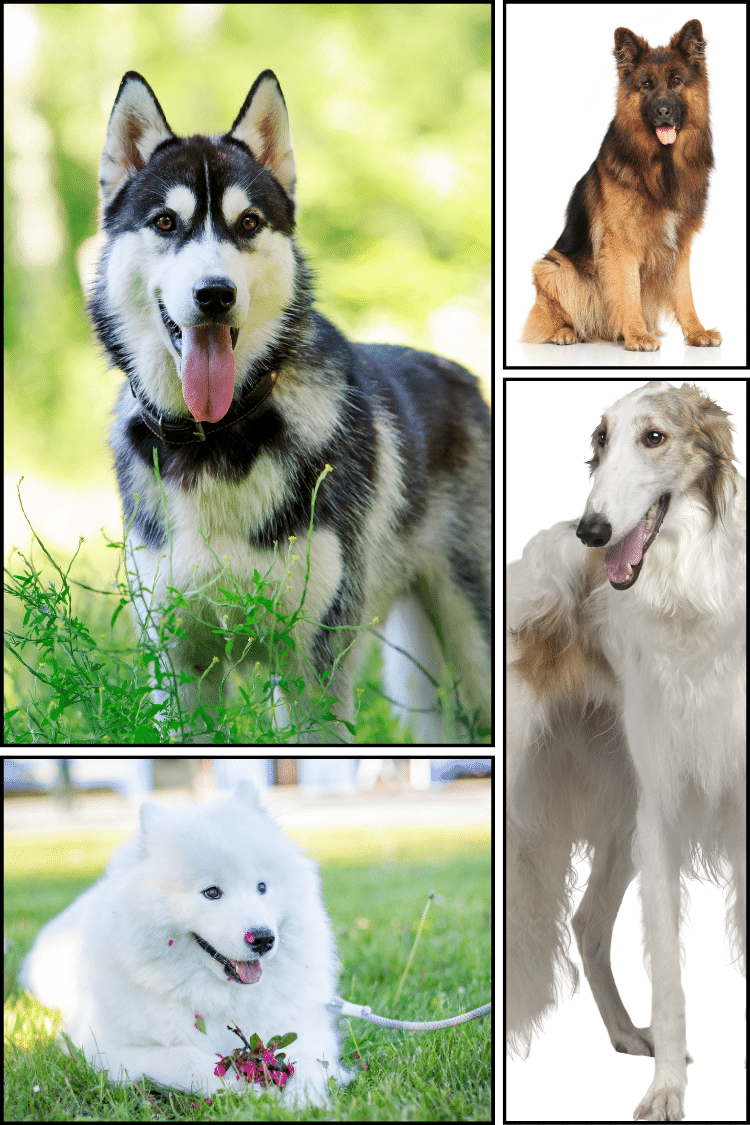



Many things may cause shivering and trembling in dogs, such as cold, emotional turbulence, excitement, weather change, toxicity, and some kind of serious illness. In some cases, certain breeds and certain dogs are mainly prone to trembling.
Dogs shake for harmless reasons but sometimes they may suffer from something as they shiver. If your dog is shaking differently than before and does not seem to be common, then it is best to seek the help of the vet for further consultation as it can be fatal to your fur friend.
1. Cold Weather

Just like humans, canines will shiver during cold weather; this is a result of the natural response by the body to heat up and produce heat. Small breed dogs, thin-coated dogs, and those dogs not accustomed to being outdoors in the cold will likely be in distress because of the cold temperatures.
That can also happen inside your home, and if your home is a cold draft or the floor is cold and your dog is still shaking, then it will be time to get a bed too, one which is raised off the floor, with more blankets that he can snuggle under.
2. Anxiety And Stress

If you are exposing your puppy to a new environment, away from their favorite human and some kind of noise including thunderstorms and fireworks, which may cause anxiety and stress to them. This may cause them to shiver.
In such a situation, you need to provide them with a quiet and safe place, and you need to remove the signs and means of anxiety and stress in dogs. Using pheromone diffusers helps to lessen anxiety.
3. Excitement

They also shake when they are over-excited, but this shaking will often be accompanied by wagging tails and shining, expectant eyes. Whether it is for a delectable treat, time for a car ride, or simply time for the arrival of a very dear family member, shaking lets one know they are excited.
Although this shaking on its own is not life-threatening to your dog, you do need to make sure he does not overstimulate his system. If overly excited, he will enter a hyperactive state of mind and become either less focused or unpredictable.
4. Pain Or Illness
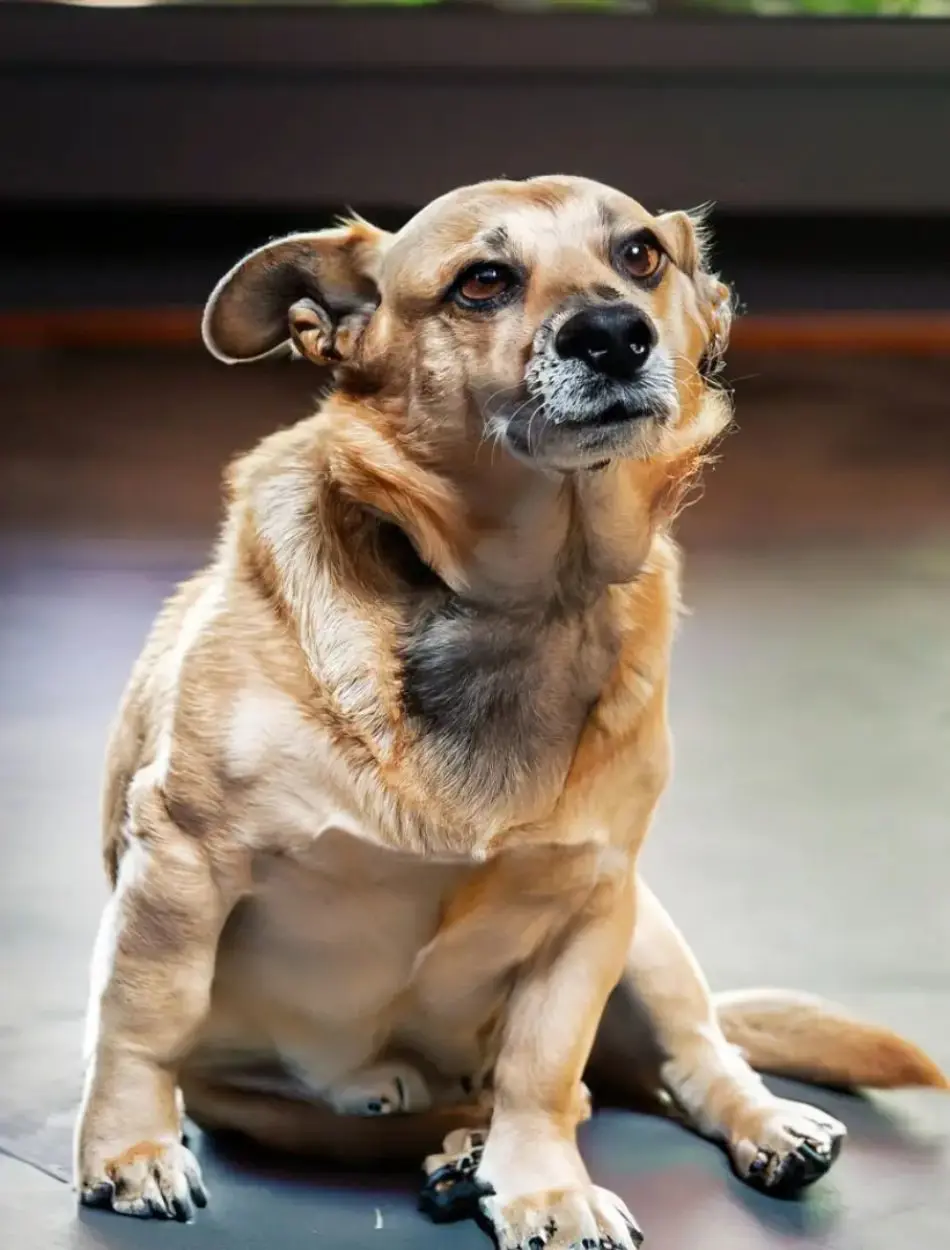
Pain or illness such as dog arthritis, some injury, or even some internal problems may cause shaking in dogs. When your dog shakes for no apparent reason, then look for other signs of, for example, lameness, loss of appetite, or other strange behavior.
Since pets cannot self-medicate, if one feels his pet is in pain then he must consult a veterinarian, and they can diagnose the problem and hence treat it appropriately. Early diagnosis and treatment will help improve the lives of dogs.
5. Old Age

Older dogs with less muscle mass experience a slower metabolism, which hinders the capacity of dogs to maintain their body temperature, leading to shivering. Besides, arthritis or even senile dementia is also one of the causes of shaking.
Pay more attention to senior dogs and provide a warm place to sleep comfortably with additives, or medication for joints and regular visits to the vet alleviate age-related problems and let your senior dog be comfortable and happy in old age.
6. Poisoning
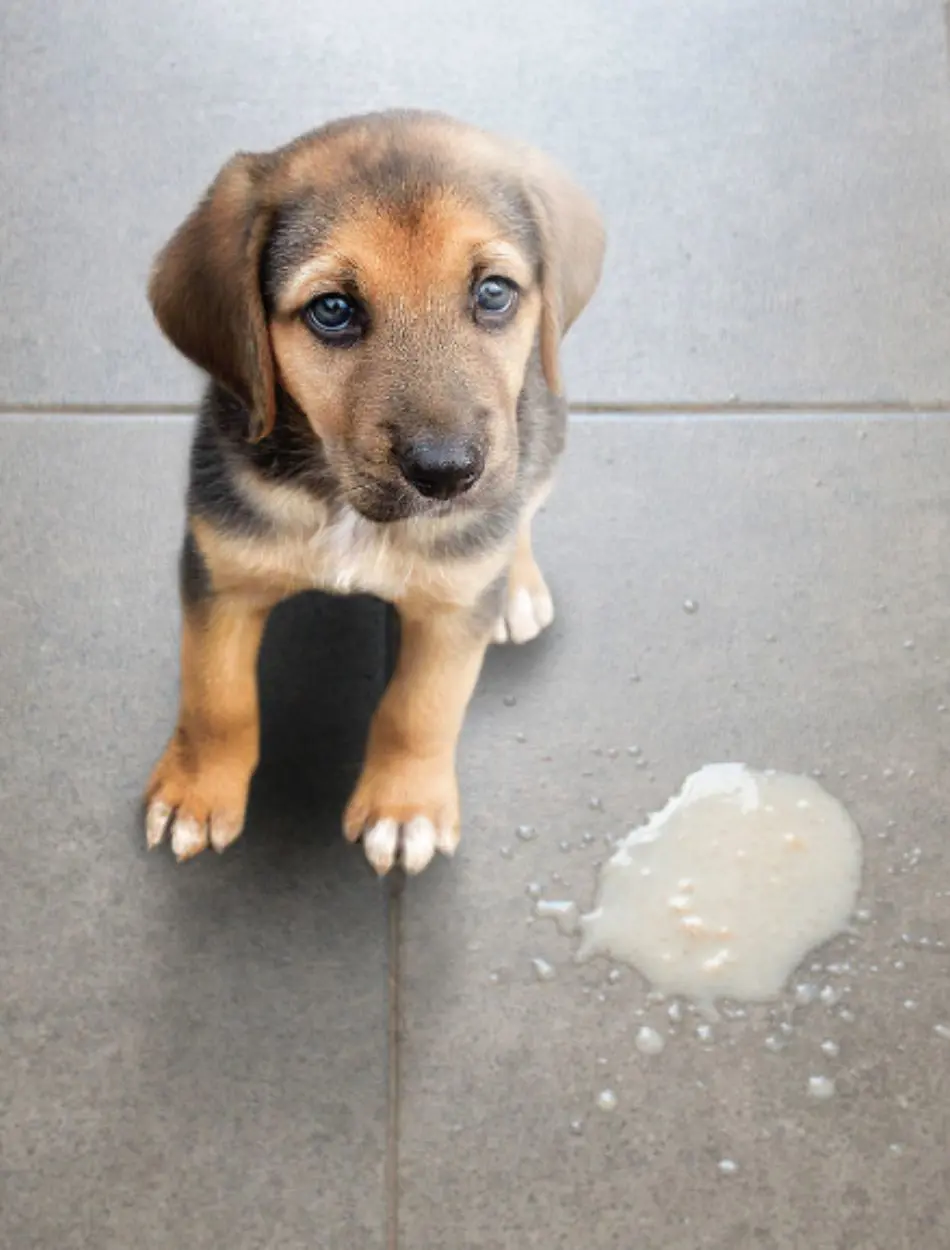
A shaky dog might well be showing either neurological or cardiac toxicity. In so many poisoning scenarios-plants, chocolate, and cleaning agents among them-shaking can be a symptom, though others like vomiting, and even seizures mean a rush to the vet is in order.
7. Distemper

If you find your puppies and unvaccinated young dogs are showing symptoms of a seizure, jaw snapping or clicking, fever, nasal discharge, etc., then it might be a serious viral disease distemper. It affects the respiratory, gastrointestinal, and nervous systems and requires prompt veterinary treatment.
Timely dog vaccination and separating your dog from non-vaccinated dogs will ensure your puppy’s protection from distemper. If you suspect your dog is suffering from distemper, please bring it to the vet as soon as possible to euthanize him without any pain or after-effects.
8. Generalized Tremor Syndrome (GTS)
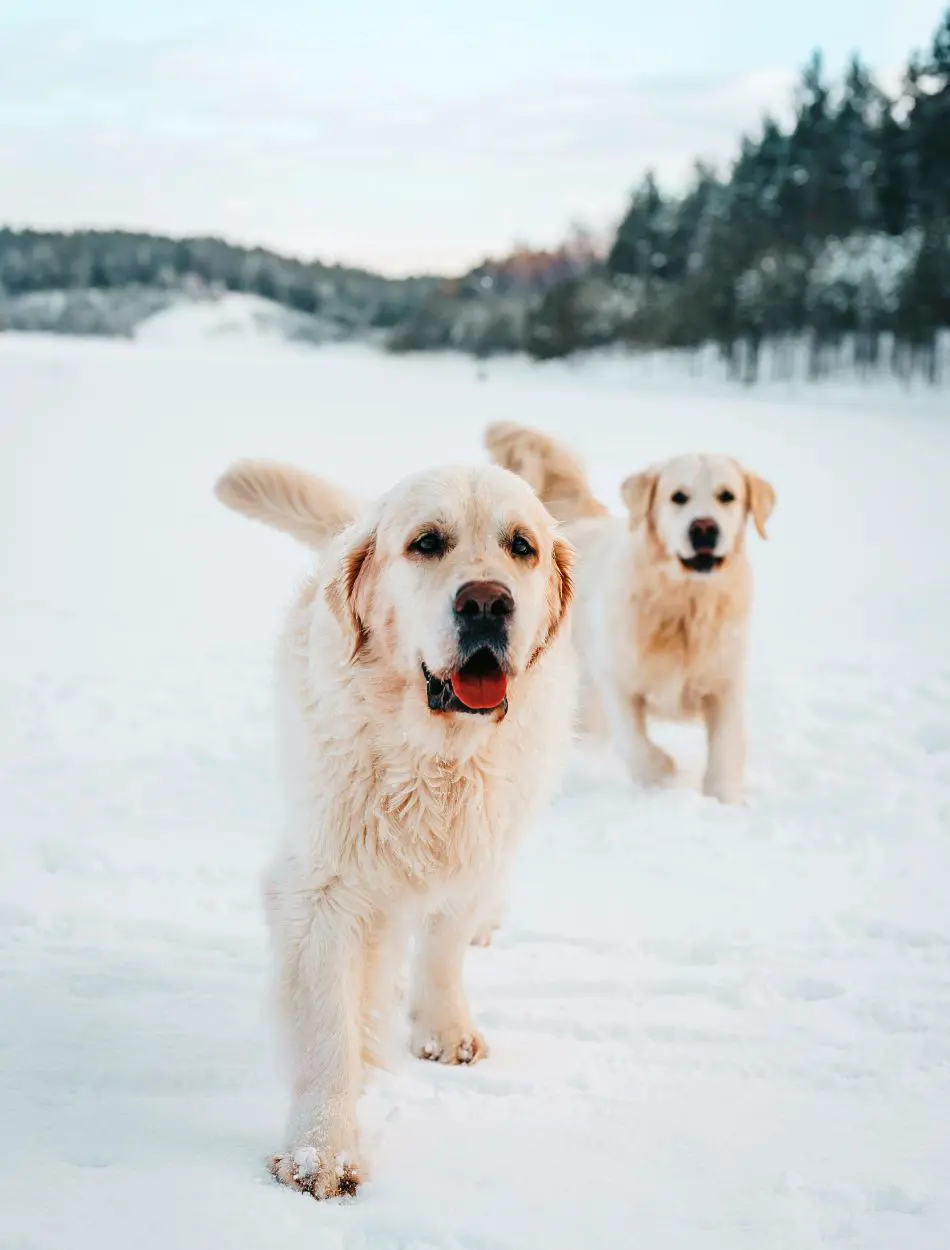
GTS, otherwise misnamed "White Dog Shaker Syndrome," involves any breed of dog of any color and its cause is idiopathic, although an association with the immune system has been postulated.
The clinical manifestations of GTS are generalized tremors, thereby affecting the entire body in dogs afflicted with this disease.
If your pet is diagnosed with GTS, follow-up care with the vet and changes in medication are necessary to combat the disease, and proper management can enable dogs to lead normal lives.
9. Hypoglycemia

Dogs shake or shiver due to hypoglycemia, better known as low blood sugar, most typically found within small breeds and puppies. Other signs may include general weakness, trembling, and lethargy.
This might be caused by not eating, over-exercising, or due to some form of an underlying medical condition. Also, to maintain the blood sugar level, the dog must eat at intervals within the day and in measured quantities.
10. Fever

Your dog may also be shivering, almost like a human being, when his temperature rises due to an infection or inflammation. Other symptoms through which your dog would indicate fever are lethargy, loss of appetite, and his ears or nose may feel warm.
You can take a rectal thermometer to measure your doggy's temperature, and if the temperature is above normal which goes from 101 to 102.5 degrees Fahrenheit-then you need to see the vet.
11. Neurological Disorders

It is also a side effect of neurological disorders in dogs, for example, epilepsy or vestibular disease. Most diseases connected with the brain and the nervous system show their symptoms by shaking or trembling, loss of coordination, behavior changes, and so on.
Shivering may be seen before or after seizures, or it can be a kind of after-effect of some sort of damage to nerves. Early intervention by the vet will surely make a big difference in managing the symptoms quite well, hence raising the quality of life for your dog.
12. Nausea
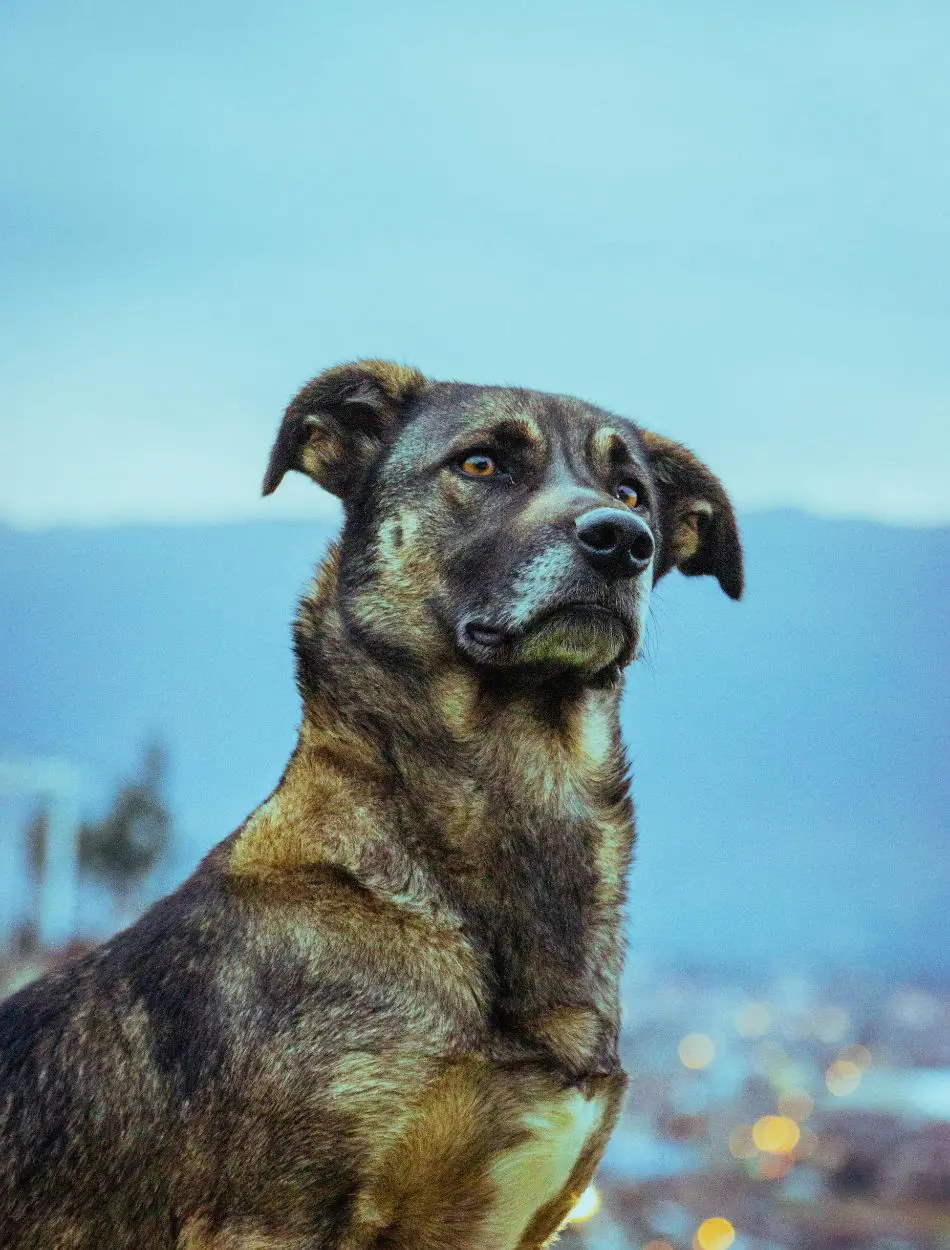
Nauseous may shiver a dog just like in humans when we have cold sweats because we are about to get nauseous. Dogs may feel nauseous due to some cause such as stomach discomfort, motion sickness, or even eating something disgusting. In such cases, consulting the vet is important for the well-being of your furry friends.
13. Fear
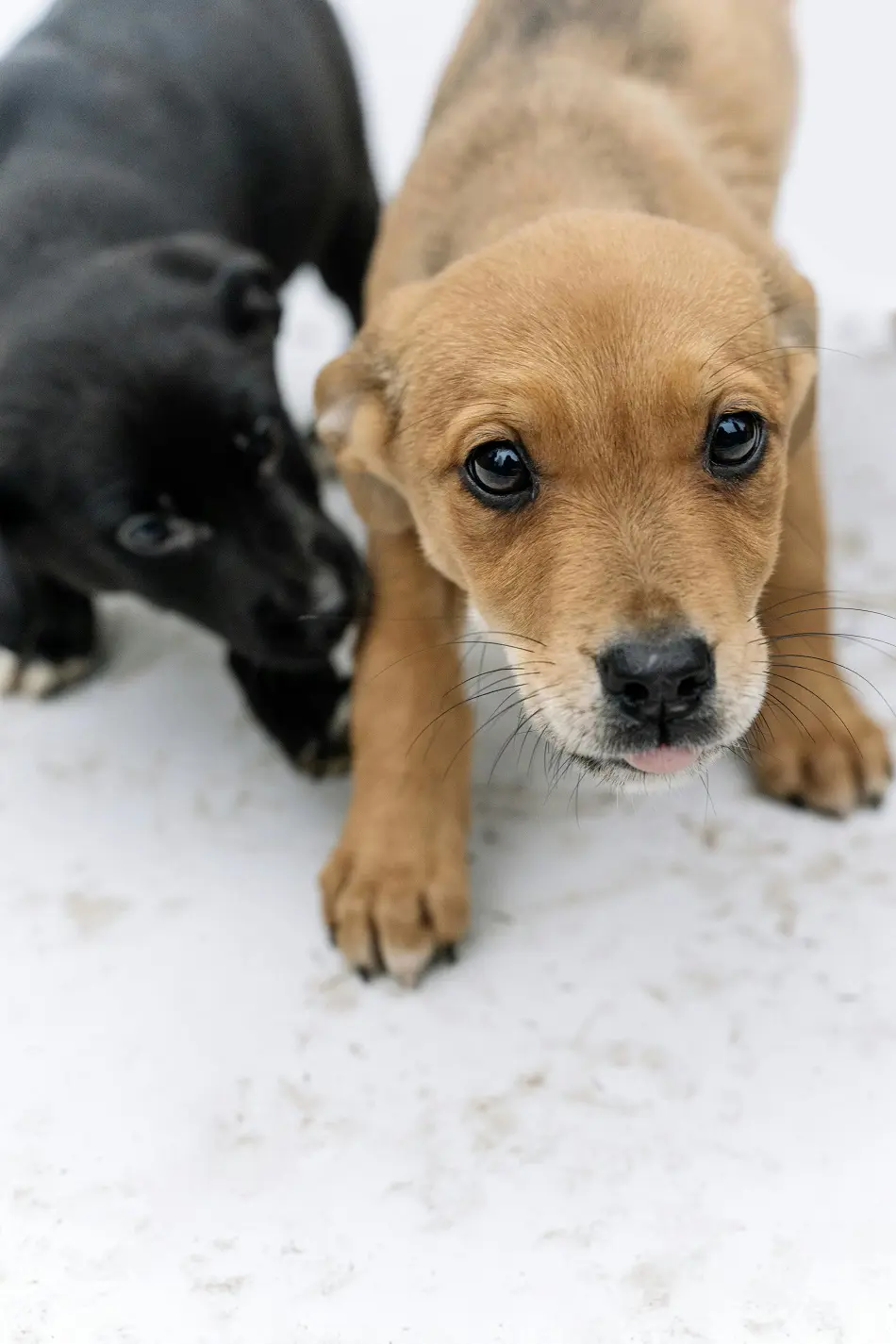
Whether it's due to loud noises, new surroundings, or old traumas, they will give shivers that signal fear. You will be comforted if you can pick up the signs coming from your dog that depict fear, such as cowering, hiding, or whining.
First, you take him out of that zone of fear and make him comfortable and safe, reducing the element of fear over time through training and desensitization. Patience and empathetic understanding go a long way in making your dog secure and confident.
14. Addison's Disease
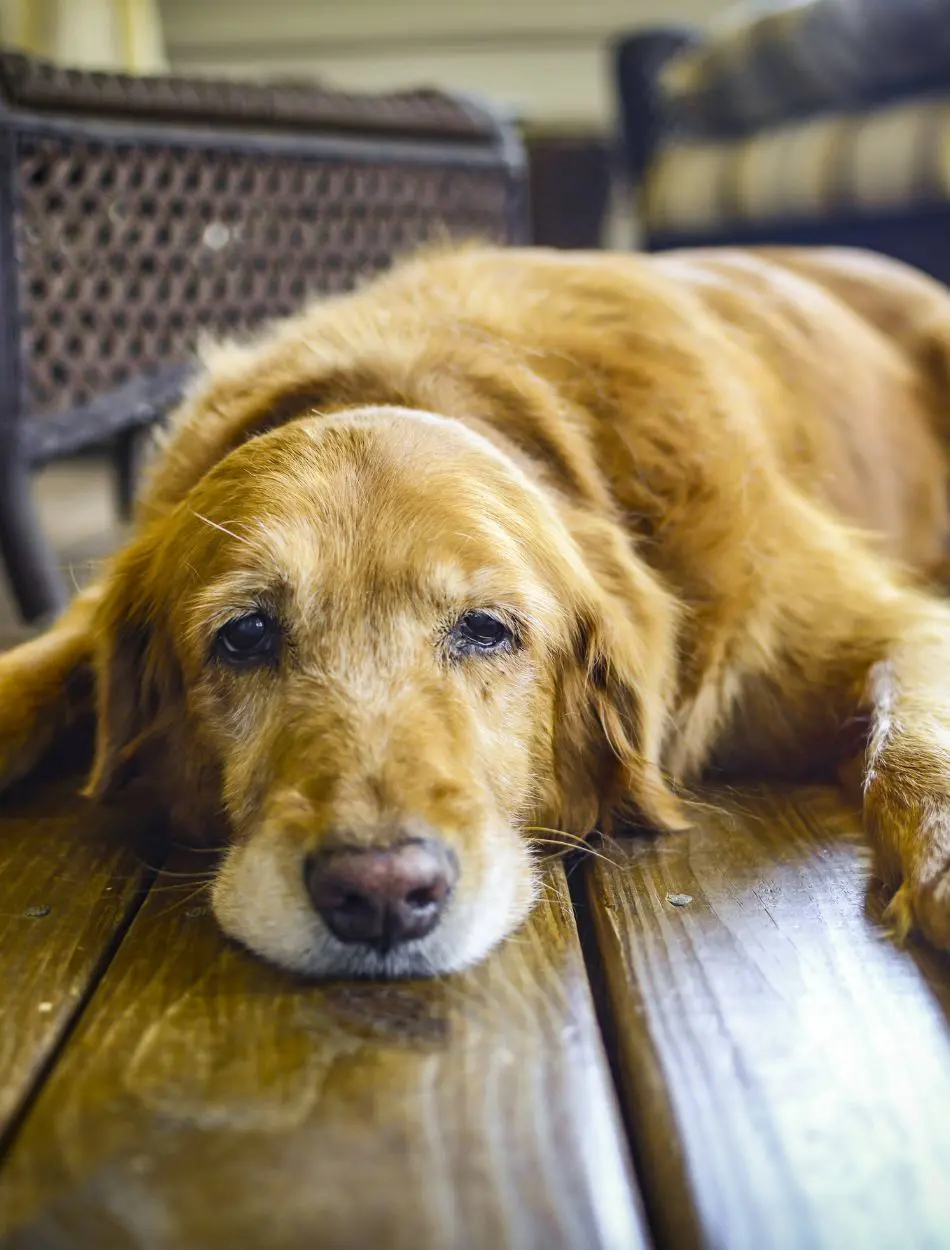
It is also referred to as hypoadrenocorticism, characterized by the insufficient secretion of hormones from the adrenal glands. It shows symptoms such as trembling, lethargy, vomiting, and a poor appetite.
Diagnoses are done through blood tests, which monitor the amount of hormones within a dog's system. The most basic form of treatment always includes hormone replacement medication, along with periodic follow-up check-ups with a veterinarian.
15. Weak Muscles
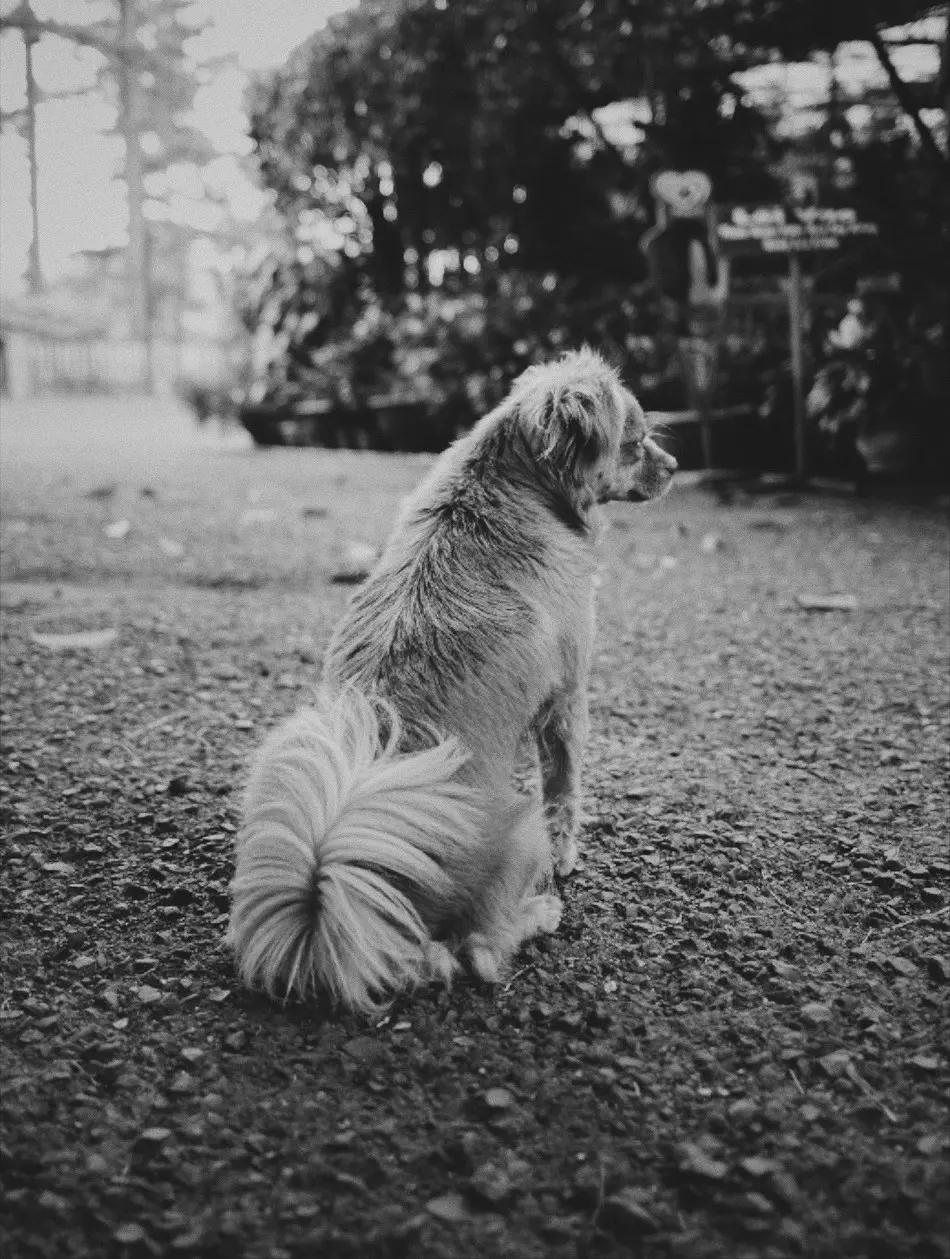
Myopathy is a general muscle weakness in which the dog shakes, and some serious conditions may be taken into consideration as a cause for shaking. If you monitor the activities of your dog and how it recovers, then you will get a clear idea of whether muscle weakness is the cause.
Keep them on a nutrient-rich, balanced diet; besides, ensure regular and moderate exercise for one and all. Follow up with your veterinarian regarding the persistence of muscle weakness to rule out any underlying conditions and treat them accordingly.
16. Allergic Reactions
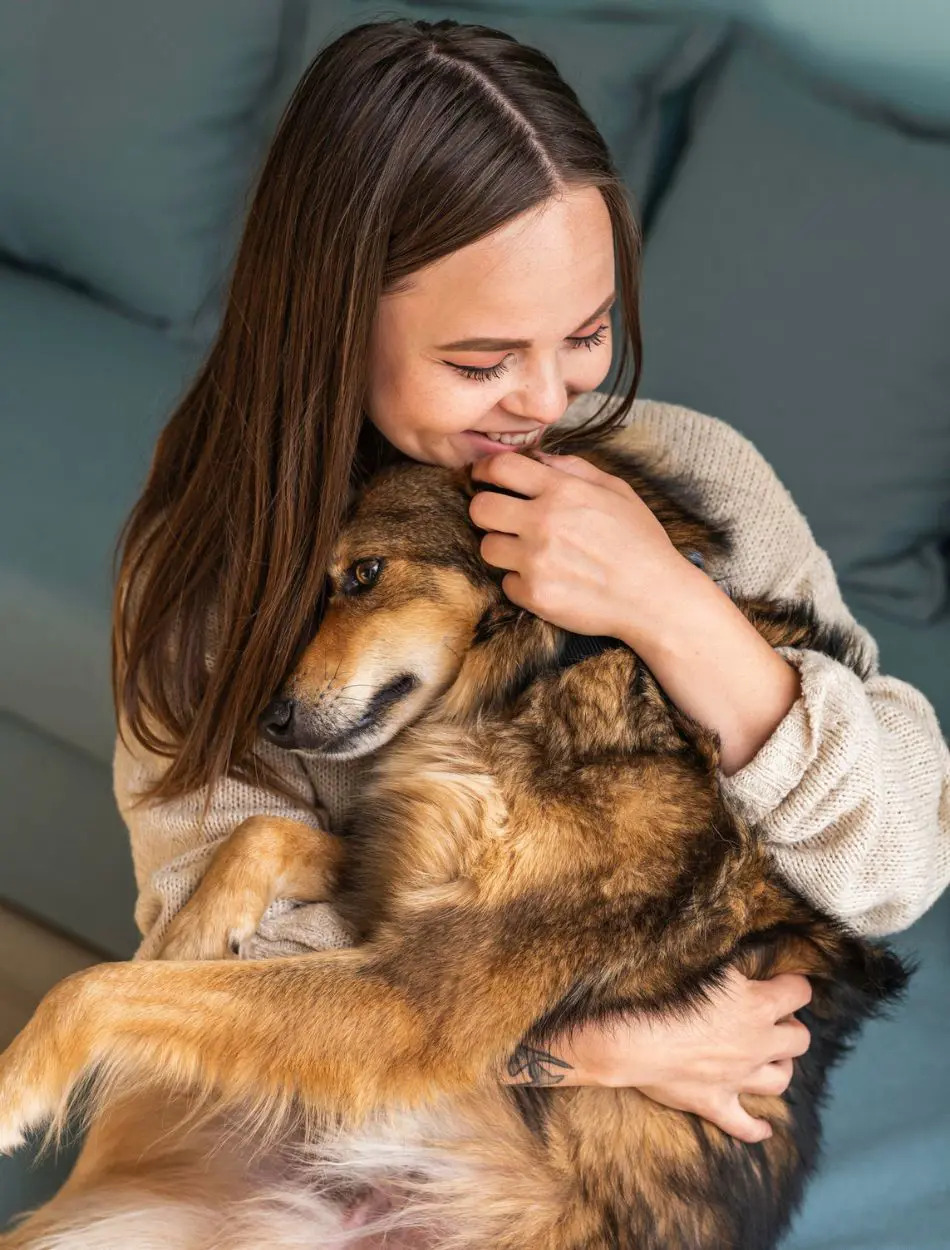
Shivering in dogs is caused by an allergic reaction and other symptoms of allergies in dogs include itching, swelling, and hives. Allergies are possible through food, the environment, and even due to simple insect bites. Allergic shock may lead to seizures in dogs, which may make the suffering acute in dogs.
This can be controlled through the awareness of the allergen presented to the dog and limits of the exposition of the dog to it. Your vet may then recommend allergy testing or medication if it's that bad.
17. Hormonal Imbalance
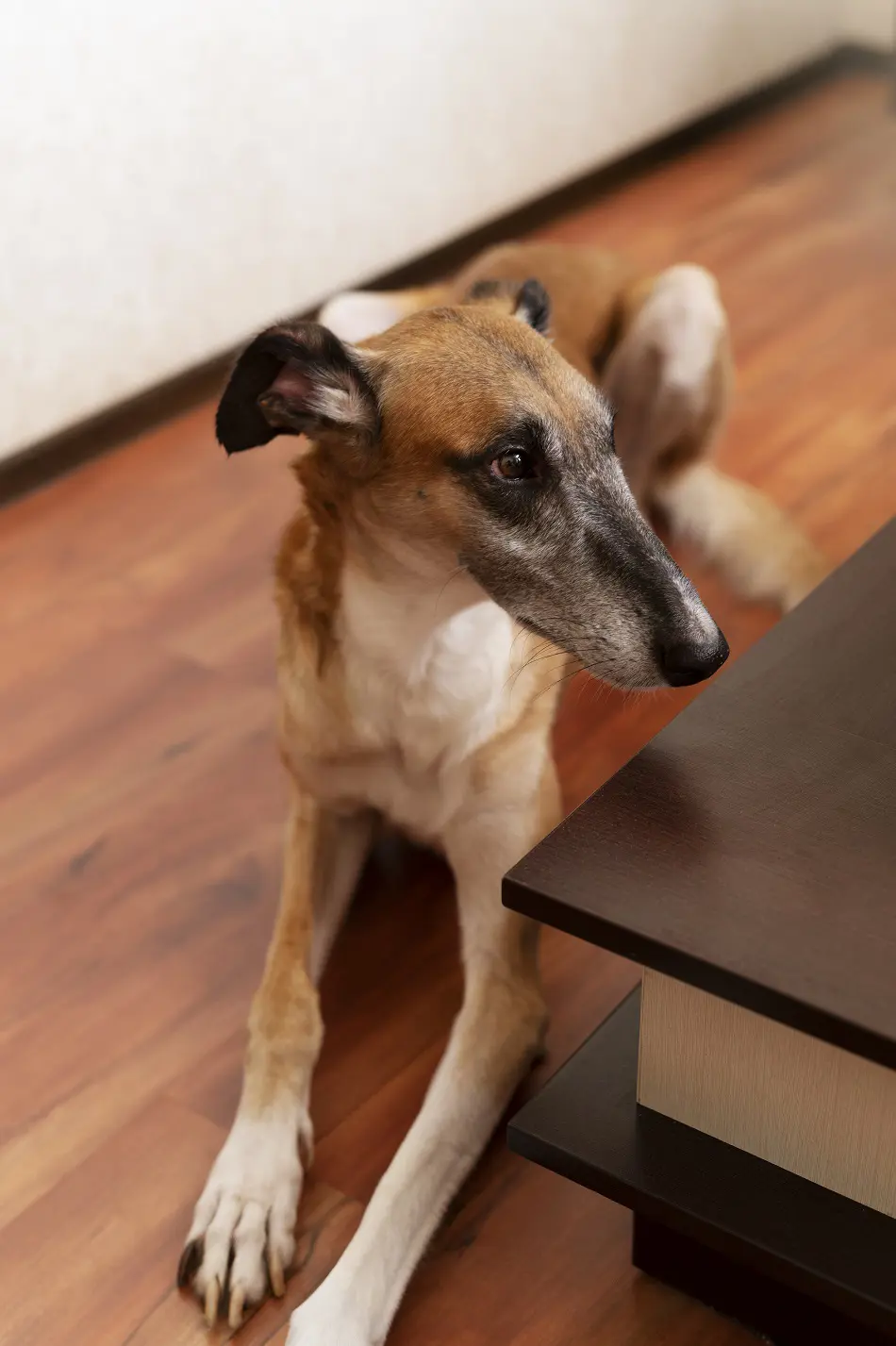
Other likely causes are hormonal imbalance, which may be accounted for through hypothyroidism and Cushing's disease. The two diseases somewhat present a similarity in the abnormal release and regulation of hormones that may eventually lead to different symptoms such as trembling, weight changes, and skin problems.
Diagnosis involves blood tests, monitoring the hormone level, medicine prescribed to regularize the production of the hormone, and follow-up visits with the veterinarian.
Such periodic visits satisfactorily attend to the condition. Though the hormonal imbalance persists, with due care, the dog can lead a healthy life perfectly.
18. Infection

If your pup is affected by an infection such as bacterial, viral, or fungal infection, then they may show signs of shivering as a symptom along with fever, lethargy, fever, and loss of appetite. In such a case, you need to show your puppy to the vet.
How to Calm a Shaking Dog

To calm down a shaking dog, you need to try and work out what is going on in that little body of his that got him so riled up, then treat it with whatever method seems applicable. Following are the things you can do to take care of your dog:
- Give Him a Safe Space
Give your dog a place to retreat to where it is quiet and safe when he's scared or anxious. Often, a corner with his favorite bed and toy would be enough to provide a sense of security. - Comfort and Reassure
Stroke and pet them softly while speaking to them in a soft tone of voice, reassuring your dog that it is ok. Over-fussing feeds into their fear, so calm and reassuring behavior lets them know there isn't anything to be afraid of. - Create Distractions
Engage him in activities or play with toys to divert his attention from whatever it is that makes him scared or shaky. You can try puzzle toys, chew toys, or any other interactive game you could think of that takes his mind off what's shaking him up. - Provide Routine
Dogs are dogs of routines; hence, they thrive on patterns they can follow. Make it a point that on certain days, eating, walking, and playing are at the same time every day. In this way, anxiety can be cut down as it gives them the feeling of stability and security.

- Calming Music
This can also be soothed with soft background music or even relaxation music designed for dogs. The idea that music therapy was a planned activity to reduce stress levels in dogs proved that music did ease off the level of stress in dogs. - Avoid Triggers
Knowing and avoiding triggers like fireworks and thunderstorm noise by staying indoors will ease them in the situation. In the case of separation anxiety, the gradual practice of separation will help the dog. - Reward Good Behavior
Reward them and praise them for remaining calm. This is where positive reinforcement becomes helpful in relating calm behavior with positive outcomes, hence gradually soothing anxiety and trembling.

- Professional Help
That would be the time, when the shaking is too apparent or continuous, to get your pet professional help. The veterinarian will rule out medical reasons and can make use of certain kinds of medications and supplements that might oppose anxiety.
By being sensitive to his needs and applying some of the following techniques, you will make the environment so much safer and more tranquil for him.