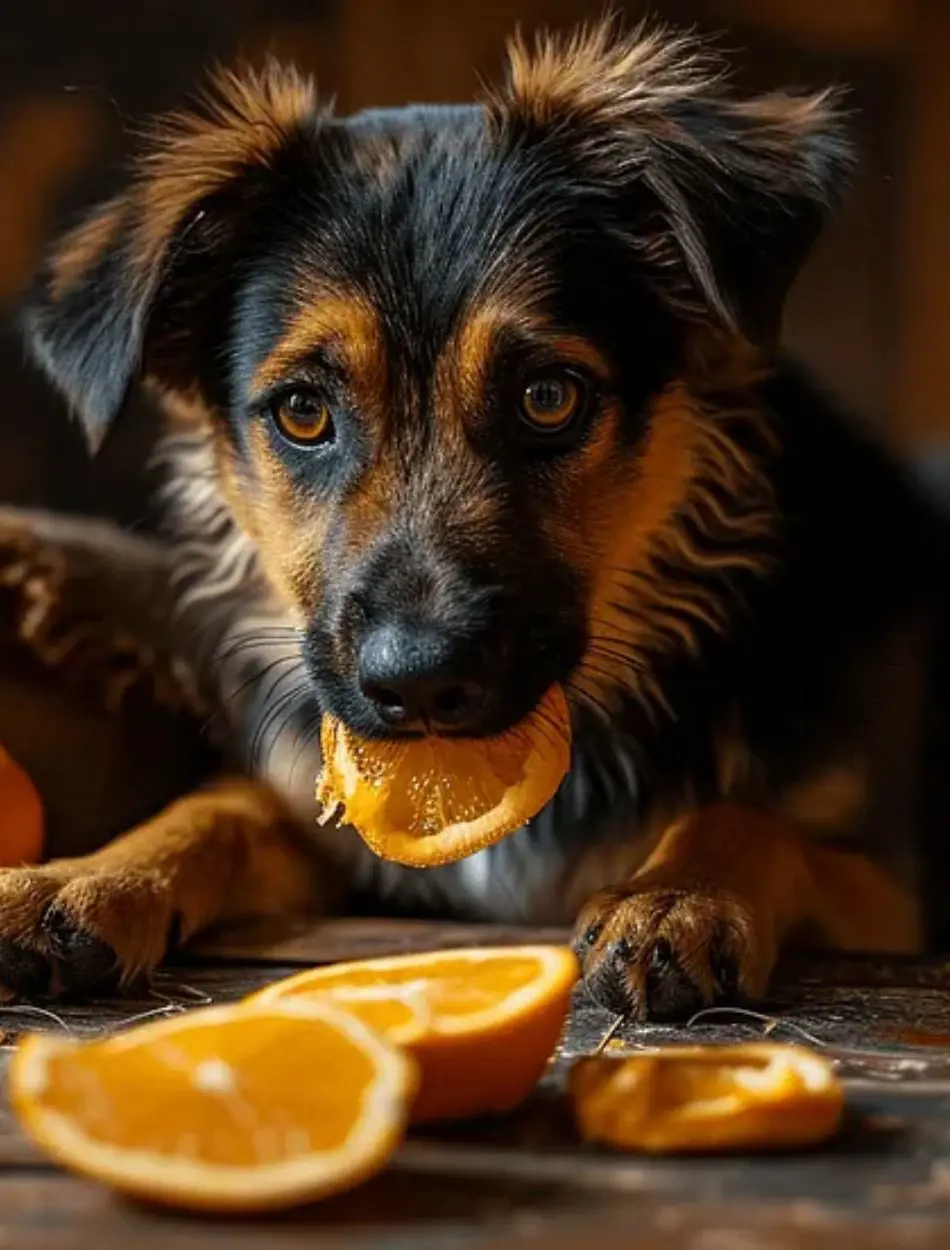


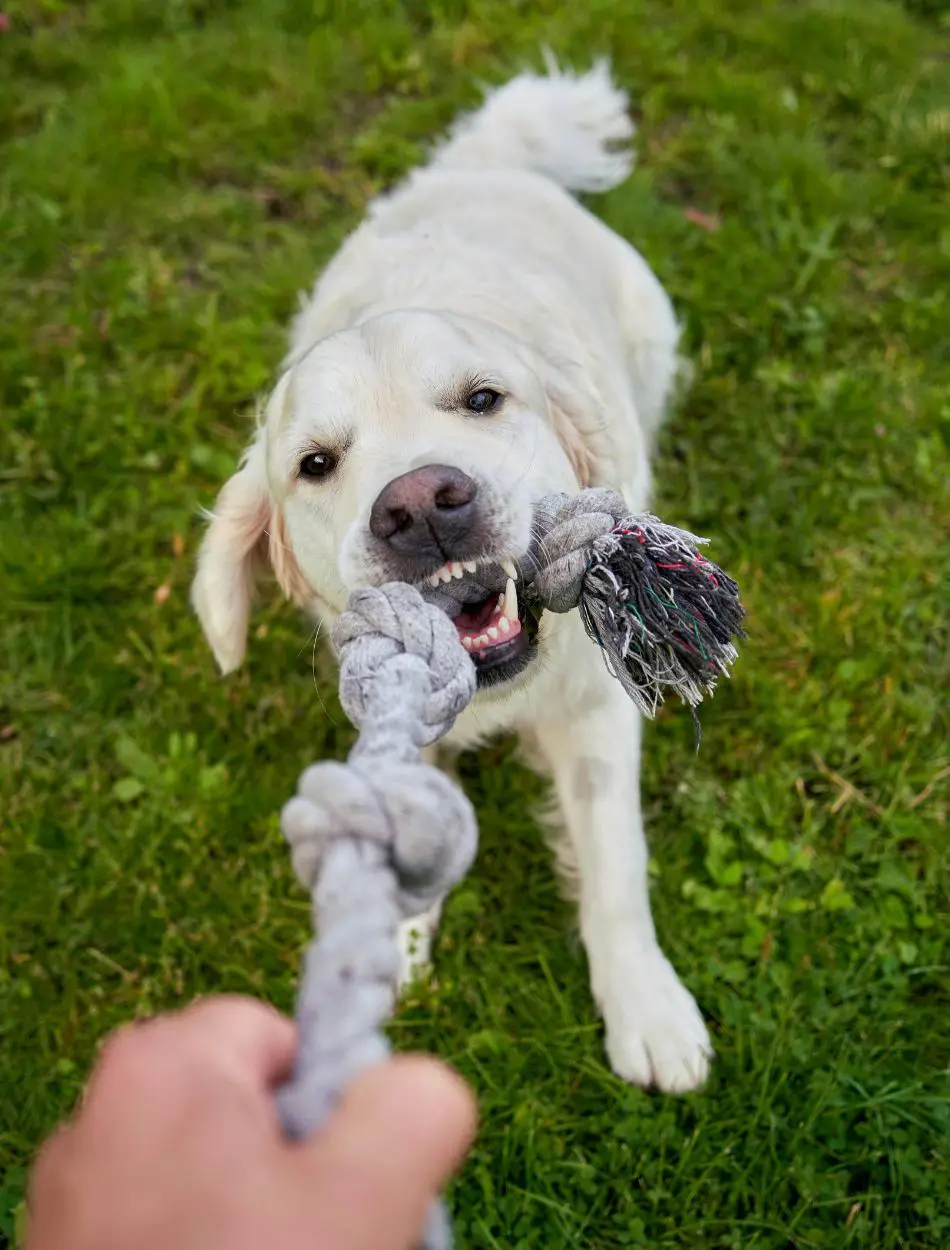
If you've ever found yourself in a tug-of-war with your dog over a stolen item, you're not alone. Many dogs develop a habit of stealing and guarding objects, often causing frustration and concern for their owners.
Such habits are forged because of rather different motivations, such as boredom, anxiety, or even an attempt to get attention. Knowing what triggers it is vital to form a strategy in curbing this habit. In this article, we will demonstrate to you some effective techniques that can help your dog stop stealing and food guarding to have a better trusting relationship with your canine companion.
What Is Resource Guarding In Dogs?
Resource guarding in dogs is a behavior where dogs become possessive or defensive with things they consider to be of value. Food, toys, bones, and shoes or pieces of clothes can fall into this category. In such cases, resource guarding dogs may growl, snap, or bite to protect an item from being taken away-even when nobody is trying to take it away from them. This behavior is deeply rooted in the dog's natural instinct, as resource guarding in the wild was one of the major factors to survival.
In a domestic setting, however, it becomes a problem, which develops tension between the dog and the owners or other pets. Understanding triggers and motivations is crucial to safely and effectively addressing resource guarding. Through proper training and management, dogs can be taught to feel secure and less anxious, reducing the need to guard their possessions.
Reasons Behind Dogs Possessive Behavior
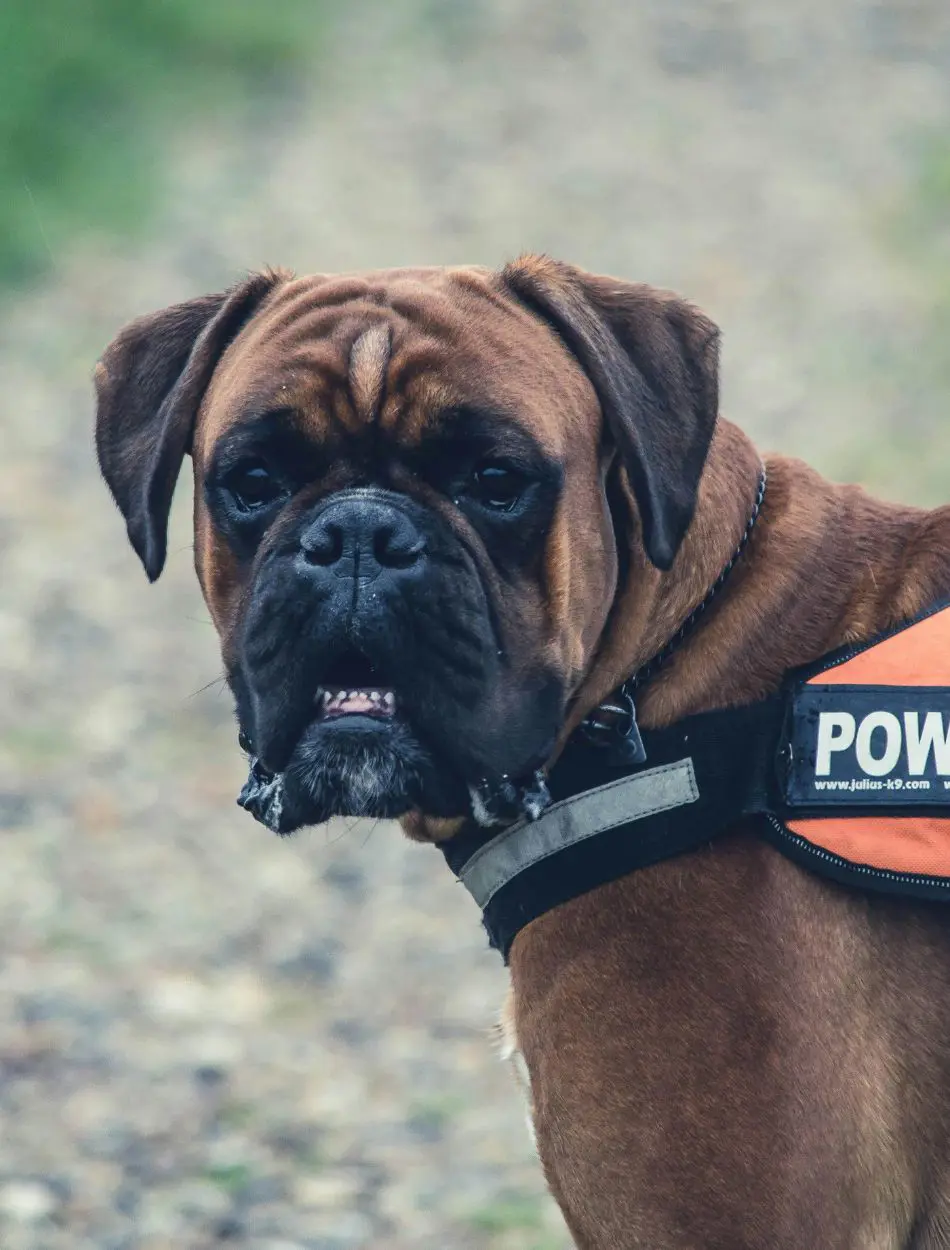
Dogs are descendants of wolves, and while they’ve come a long way from their wild ancestors, some of their primal instincts remain deeply ingrained. One such instinct is the need to guard resources. In the wild, food and valuable items are scarce, so wolves would fiercely protect what they have to ensure survival which has surely been genetically transferred to our dogs.
The Role of Anxiety and Insecurity in Possessive Behavior
While instincts are a big factor, they're not all about survival either. Anxiety and insecurity are other common causes that could also manifest as guarding behavior. Dogs that are feeling uncertain or stressed may become attached to an object as a way to self-soothe, much like a security blanket.
This is something that might happen when there has been some environmental change, such as a move, the addition of a new pet or family member, or even changes in the daily routine. In these instances, the item stolen serves as a comfort, and guarding behavior is a means for them to exert control over something that feels safe. If the possessiveness of your dog seems to come and go, depending on times of stress or change, the anxiety itself would become a critical issue.
The Role of Genetics and Breed Traits
Genetics and breeding traits figure significantly in a dog's predisposition to possessiveness. Some breeds are just naturally more capable of guarding instincts because of their original purpose in life. Such guarding breeds as Rottweilers, German Shepherds, and Doberman Pinschers were bred to guard property, livestock, or their human companions in the first instance.
Consequently, these breeds are more likely to have a resource-guarding instinct, which translates into possessiveness of toys, food items, and even owners. Likewise, in the case of herding breeds, such as Border Collies and Australian Shepherds, possessiveness is manifested because of the need or instinct to control and manage everything in their surroundings.
Impact of Early Life Experiences and Training
Early life experiences and training are believed to be critical in determining various dog behaviors, including possessiveness. Dogs that may have grown up in a very sparse environment with increased competition for available resources may develop possessiveness as a means of survival.
Such a puppy from a very big litter may have grown up competing for food and end up thinking that food is not easy to come by and should, therefore, be guarded. Conversely, a well-socialized puppy, exposed to sharing and positive reinforcement around resources, will be less likely to develop possessive tendencies.
Training also plays an important role in the development of possessiveness. Dogs that are never taught basic commands such as "leave it" or "drop it" may not learn to give up objects on command and are thus more likely to guard objects.
Health Issues That May Cause Possessiveness
Other more hidden origins of possessive behavior in dogs are health problems ailing dogs, in pain or discomfort, and will be more guarded with personal space and things. For instance, an achy dog, with arthritis, dental problems, or some sort of injury, might be much more disagreeable to be around and less willing to share.
They will protect their food or toys or place of rest from the perceived threat of further discomfort or a lowered sense of well-being. Conditions involving appetite or metabolic changes, such as hypothyroidism or diabetes, can also create increased food possessiveness due to heightened hunger or changed energy requirements.
It's also possible for a dog experiencing sensory loss, such as loss of vision or hearing, to become more protective of familiar objects and people because they begin to rely more heavily on these resources for comfort and security.
How to Safely Retrieve Stolen Items from Your Dog
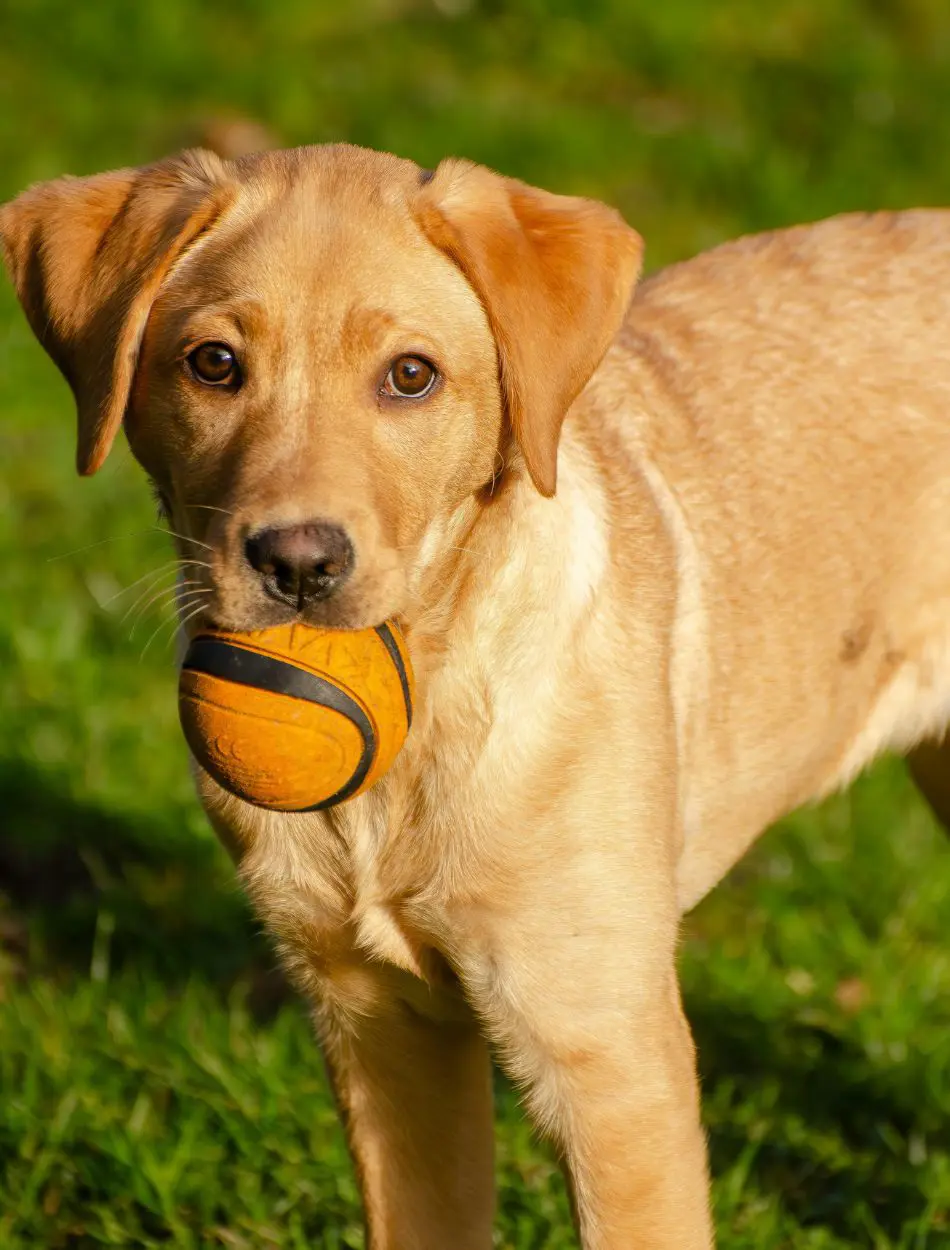
Trade With a High-Value Treat
The safest way to retrieve an item stolen from your dog is to make a trade for it. First, find a treat he desires, one that he wants more than whatever he has taken. Approach your dog calmly and offer the treat while giving the cue, such as "trade" or "drop it."
Many dogs will drop the item immediately to take the treat, where you can safely pick it up. This not only avoids confrontation but also reinforces positive behavior by rewarding your dog for releasing the item. With time, the dog will realize that giving up the stolen items gives a better reward.
Use A Favorite Toy As A Distraction
If your dog has a favorite toy, you can utilize this to distract them from the stolen item. The first thing is to display the toy in front of your dog and play with it for a while to gain attention. Once your dog then focuses on the toy, encouraging playing with it usually results in dropping whatever object was stolen.
The reason this works is that it plays to the instinct to play with your dog. He will stop thinking about protecting his object, as well as focus all of his attention on what is more exciting than him: the toy. You will be able to take back the object that was stolen without any sort of stress or conflict.
Practice the “Leave It” Command
You can prevent and control items thievery with your dog by training them to obey the "leave it" command. Practice leaving less valuable items first, where you will reward your dog if they do nothing to the object. Later on, raise the difficulty scale by using more tempting objects and rewarding compliance.
Whenever your dog steals something, calmly and give the "leave it" command. They will drop the item and return it to you unharmed if your dog is well-versed in the 'drop it's command. This thereby rewards not only immediate benefits but also lays good grounds for long-term good behavior.
How To Prevent Item Guarding?
Establishing Trust Through Positive Reinforcement
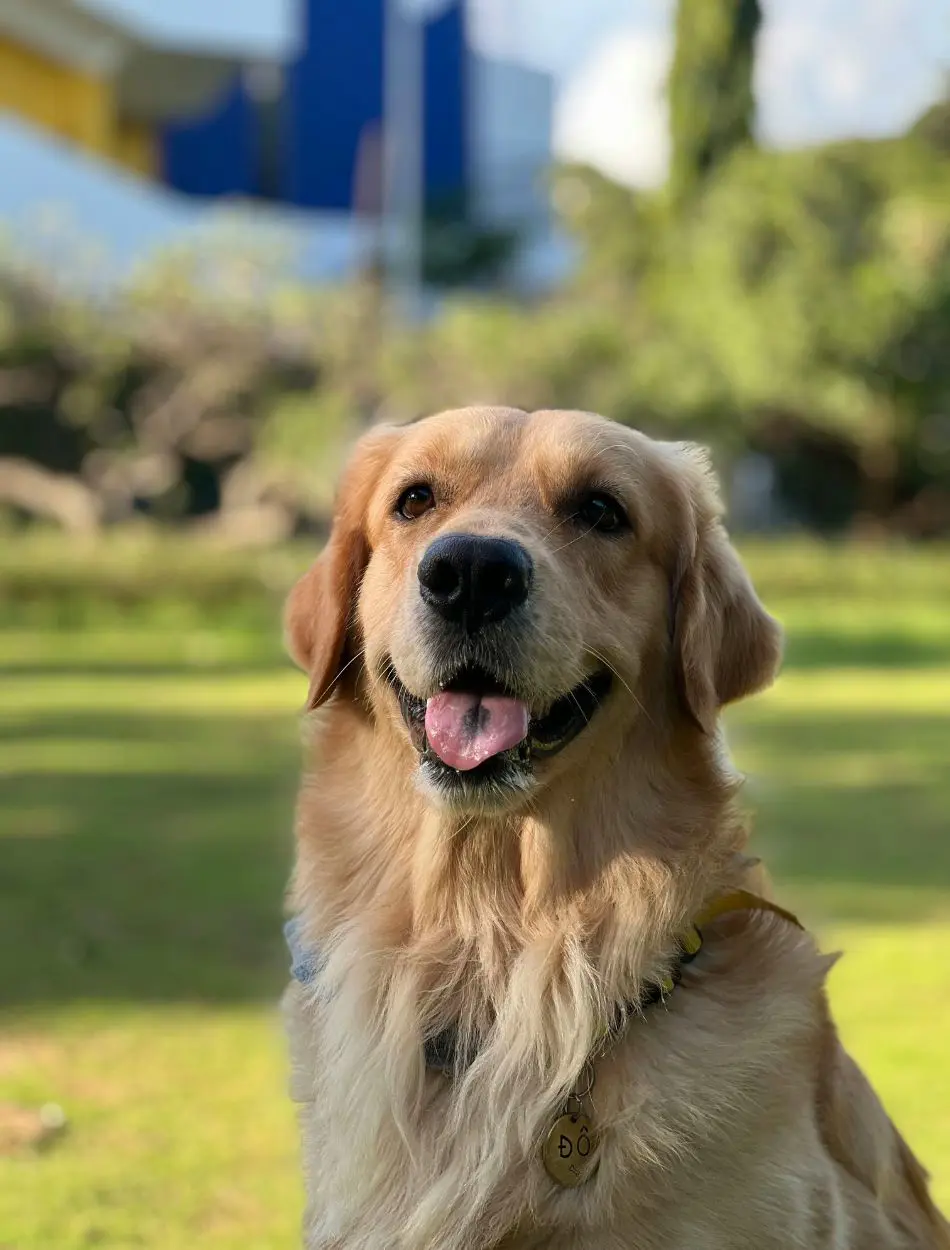
To avoid item guarding, you must first develop a bond of trust between you and your pet, and that could be done by the positive reinforcement training method. This is a training method wherein good behavior is encouraged through the rewarding of your pet once they act calmly around their possessions.
Treats, praise, and toys are really good rewards for your pet, wherein they can associate your presence with something good, and with time reduce their tendency or instinct to guard items simply because they would learn how to share or give up items in return for something good instead of protecting themselves from something terrifying.
Gradual Desensitization
This is a gradual process where you get your pet used to you being near or even touching the items they tend to guard from farther away over time as they grow more comfortable.
While doing this, you want to remain non-threatening and calmly rewarded to associate the presence of items near you with positive reinforcement because this method helps your pet become relaxed and less possessive, lowering the likelihood of them needing to guard their possessions.
Encouraging Calm Behavior Around Resources
Another crucial aspect of food guarding prevention is how one motivates calm behavior around food. This includes reassuring your pet to stay calm and relaxed when something is valuable to them, rather than getting aggressive or defensive.
You can begin by rewarding your dog when they behave calmly around favorite toys or food. Next, create a challenge to a higher level by adding distractions or approaching near them when their object increases. The goal is to reward ideas that can help one learn when calmness is used to reward avoiding the idea of guarding possessions.
Positive Reinforcement In Curbing Possessive Behavior
Positive reinforcement is one of the healthiest methods to build connections with your dog, as it not only strengthens your bond but also helps curb possessive behavior.
A key approach is to reward your dog for non-guarding actions, such as when they release an item or allow you to near their possessions without showing signs of guarding. By immediately offering treats, praise, or other rewards after these actions, your dog learns that releasing or sharing leads to a desirable outcome.
Consistent reinforcement of this behavior helps your pet associates give up or share positive experiences, reducing possessiveness over time and making them feel more at ease and less defensive about their food and belongings. By reinforcing successful responses, your dog will gain confidence and learn to handle complex situations without resorting to guarding, ultimately leading them to become less possessive.
Maintaining Harmonious Home with a Guarding Dog
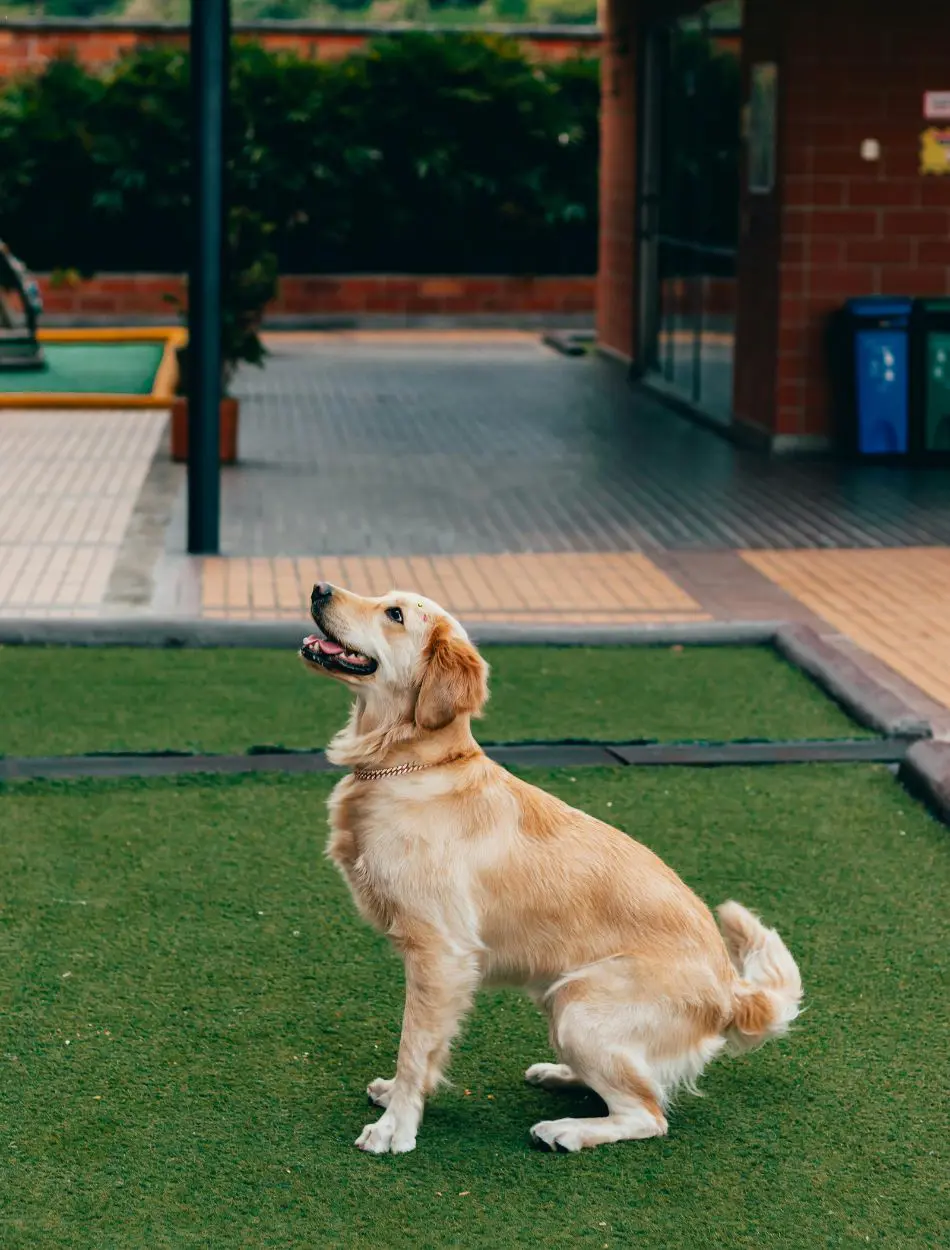
The management of a guarding dog is a balance between understanding, training, and management so that protective instincts do not become problematic behaviors. Clear boundaries with consistent rules give your dog an idea about the limits within which to operate and will reduce the chances of him overreacting in any given situation where he perceives some sort of threat.
Positive reinforcement training alone significantly helps your dog to answer calmly and behave appropriately in the event of an intruder or anything foreign. This will create trust and a sense of security because non-aggressive behavior has received an important reward.
Regular mental and physical stimulation will channel the protective guarding instincts of your dog in a healthy manner, which will keep him happy and, therefore less anxious and less defensive. In addition, this socialization helps your puppy to distinguish between what is a real threat and what is not, like normal, everyday incidents in the house thus, it creates a safe environment for everyone, which fosters peace in the home.
When to Ask for Help
The decision of when to seek professional help with resource guarding is absolutely crucial for the safety of your pet and household members, especially if the behavior escalates to severity or uncontrollable stages. It is at this point that your dog would show aggressive behaviors such as growling, snapping, or biting while guarding items when a professional trainer or behaviorist should be consulted since these signs denote a deeper issue that may escalate without proper intervention.
Also, in cases where you have tried to correct or train your dog yourself and the progress is either too slow or minimal, or if you are unsure of how to go about correcting the unwanted behavior, then professional help can provide individualized guidelines and approaches that will meet the particular needs of your dog.
A competent specialist will assess the situation, identify the causes, and work out a step-by-step plan to resolve the behavior safely and efficiently. Getting help early can prevent the escalation of the problem and offer a longterm solution to promote safety in the environment.