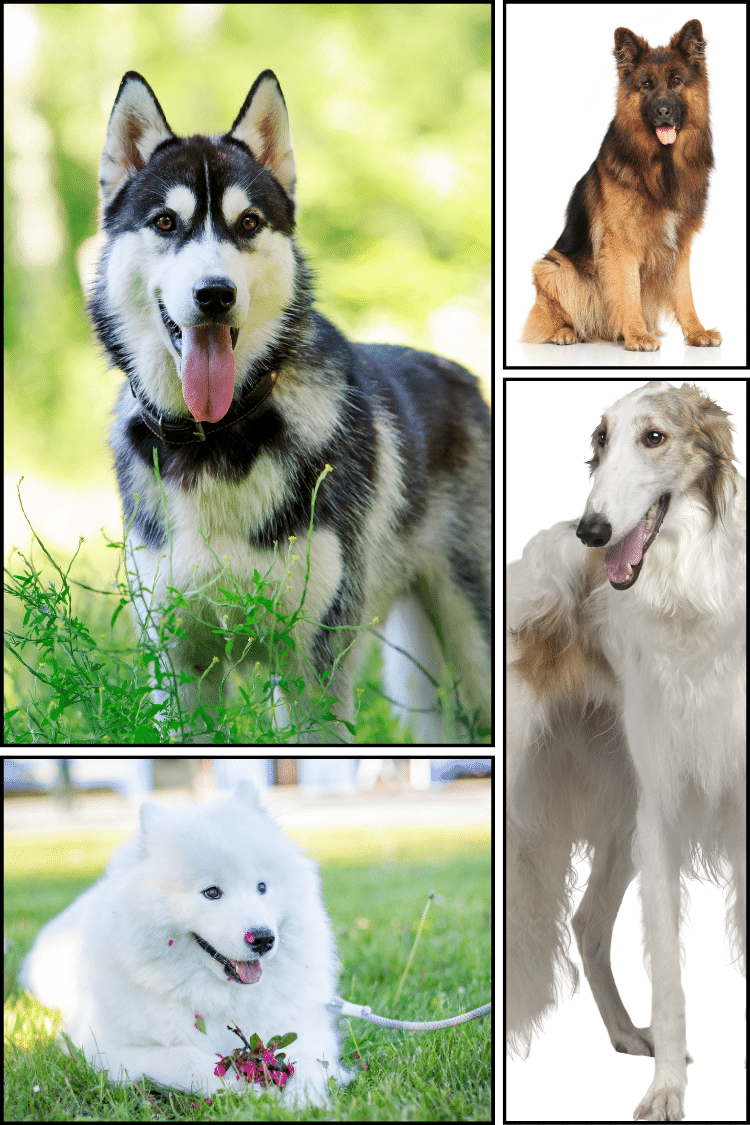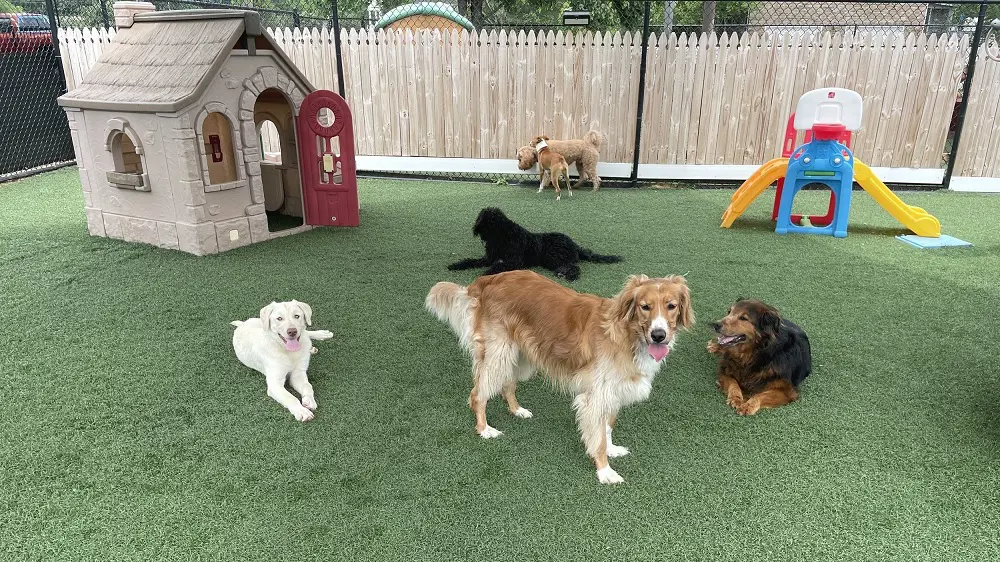


Archaeological evidence suggests that humans selectively breed wolves with more docile and cooperative behaviors.
Over generations, these traits became more pronounced, eventually leading to the emergence of distinct dog breeds.
The domestication of dogs brought about various advantages. Dogs provided companionship assistance in hunting, guarding, and herding livestock. As human societies evolved, dogs adapted to different roles and environments, leading to the diverse array of breeds seen today.
Dogs are considered the best pets due to their unwavering loyalty, boundless affection, and diverse abilities. They provide companionship that improves mental well-being, encourages physical activity, and reduces stress.
Their intuitive nature enables them to bond deeply with humans, offering emotional support and protection.
Evolution Of Dogs As A Most Loved Pet Animals
Dogs are domesticated mammals of the Canidae family (order Carnivora) related to wolves, foxes, and jackals. They are one of the most popular and diverse animals in the world, with more than 400 distinct breeds that vary in size, shape, coat, and behavior.
Dogs have been living with humans for more than 12,000 years and have been bred to fulfill different roles and needs. Some of the roles that dogs have played in human history are hunting, herding, guarding, companionship, and even food.
Origin Of Dogs As Pets
The history of dog domestication is still being determined, but it is generally agreed that dogs evolved from the gray wolf or a wolf-like ancestor. Some scientists believe that dogs were domesticated by humans who adopted wolf pups and raised them as pets.
Others suggest that wolves were attracted to human settlements by the smell of food and gradually became tamer and more cooperative with humans. The domestication process may have occurred multiple times in different regions and periods.
The earliest evidence of dog domestication comes from archaeological sites that date back to the Upper Paleolithic period (about 40,000 to 10,000 years ago). These sites contain bones and artifacts that indicate a close relationship between humans and dogs.
For example, some areas show that dogs were buried with humans or with ritual objects, suggesting they had a special status or role in human society. Other sites offer that dogs were used for hunting or transportation, as they were found with hunting tools or sleds.
Dogs are regarded differently in different parts of the world. In some cultures, dogs are revered and respected as symbols of loyalty, friendship, or spirituality. In other cultures, dogs are despised and avoided as sources of disease, filth, or evil.
In some areas of the world, dogs are used as food or medicine; in others, they are protected and pampered as pets. Throughout history, dogs have also influenced human art, literature, religion, and language.
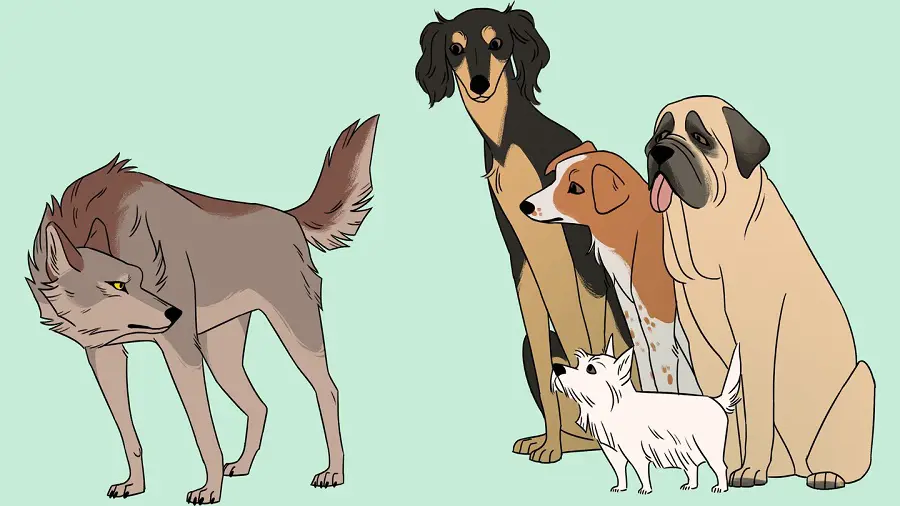
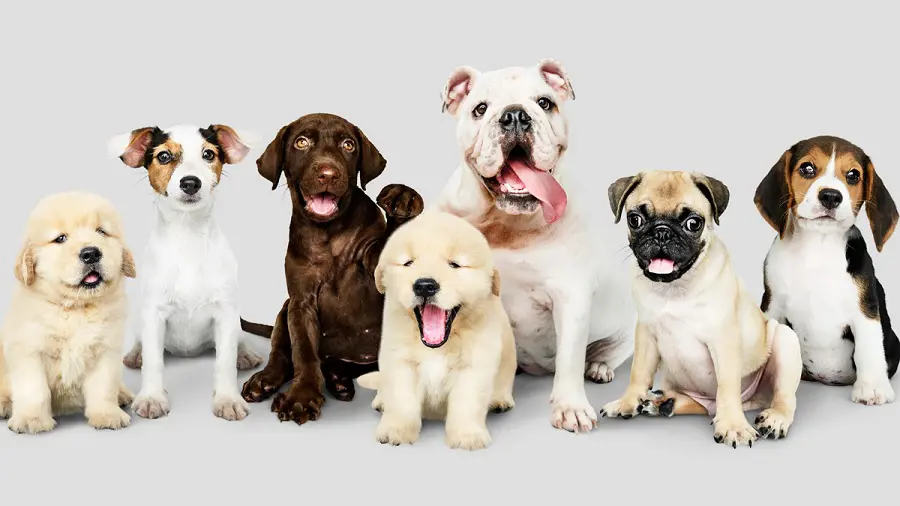
Dog Breeds
The diversity of dog breeds emerged through selective breeding by humans over thousands of years. Humans bred dogs to accentuate certain traits or instincts that suited their needs or preferences.
For example, some dogs were bred to be fast and agile for chasing prey, while others were bred to be strong and sturdy for pulling loads.
Some dogs were bred to be loyal and protective for guarding property or people, while others were bred to be friendly and playful for companionship.
Some dogs were bred to have distinctive physical features, such as long ears, curly tails, or flat faces.
How Dog Breeding Started?
Dog breeding is the practice of mating selected dogs to maintain or produce specific qualities and characteristics. When dogs reproduce without human intervention, their offspring's characteristics are determined by natural selection.
In contrast, "dog breeding" refers specifically to the artificial selection of dogs, in which dogs are intentionally bred by their owners.
Dog breeding has a long and complex history that needs to be fully clear, but it is generally agreed that dogs evolved from the gray wolf or a wolf-like ancestor.
Some scientists believe that dogs were domesticated by humans who adopted wolf pups and raised them as pets. Others suggest that wolves were attracted to human settlements by the smell of food and gradually became tamer and more cooperative with humans.
The domestication process may have occurred multiple times in different regions and periods.
Dog breeding has influenced the behavior, shape, and size of dogs. It has also created many health problems for some breeds, such as hip dysplasia, breathing difficulties, eye disorders, or skin infections.
Therefore, responsible dog breeders should know canine genetics, health, and the intended purpose of their dogs. They should also ensure that their dogs are well cared for and socialized.
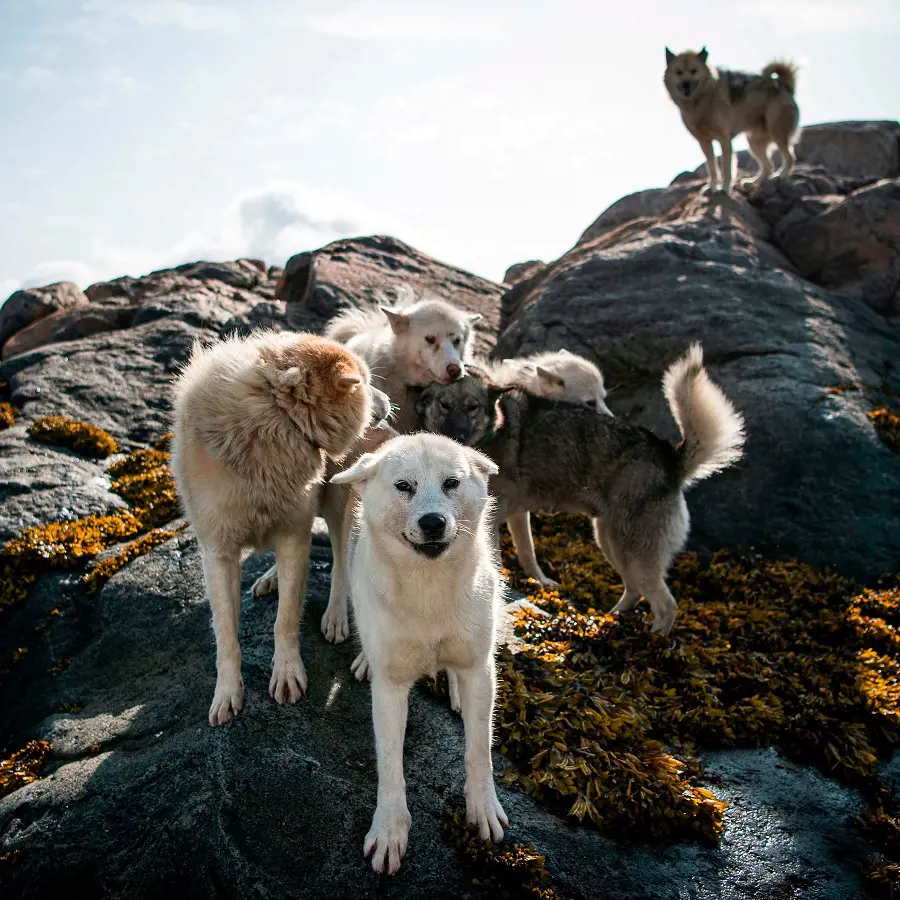
History Of Dog Breeding
The history of dog breeding dates back thousands of years, with humans selectively breeding dogs for specific traits and purposes.
Ancient civilizations like the Egyptians, Greeks, and Romans practiced selective breeding to create breeds suited for hunting, herding, guarding, and companionship. However, breed standards and formalized breeding programs emerged in the 19th century.
In the 1800s, breeding became more systematic with the establishment of kennel clubs. The Kennel Club in the UK, founded in 1873, and the American Kennel Club (AKC) in 1884, played pivotal roles in standardizing breeds and setting guidelines for pedigree registration.
The Victorian era saw a surge in dog shows, driving interest in refining breeds to adhere to set standards.
In the 20th century, we have witnessed increased specialization, with the creation of new breeds and a focus on aesthetic traits. This breeding led to concerns about health issues resulting from inbreeding and exaggerated features.
Over time, there has been a growing movement towards responsible breeding, emphasizing health, temperament, and functionality over appearance. This shift aims to address genetic problems prevalent in some breeds.
In recent decades, discussions about ethical breeding practices and the promotion of adopting shelter dogs have gained prominence.
Striking a balance between preserving breed diversity, promoting animal welfare, and ensuring responsible ownership remains a dynamic challenge in dog breeding history.
Dog's Physical Structures, Food Habit, And Common Problems
Dogs exhibit a wide range of physical structures and anatomical features shaped by centuries of selective breeding for various purposes. Their anatomical adaptations have been fine-tuned to suit their roles as hunters, herders, guardians, and companions.
Physical Structures and Anatomy:
Due to selective breeding, dogs come in an array of sizes, coat types, ear shapes, and tail lengths. This selective breeding has led to diverse body types, from the sleek and athletic Greyhound to the stocky and muscular Bulldog.
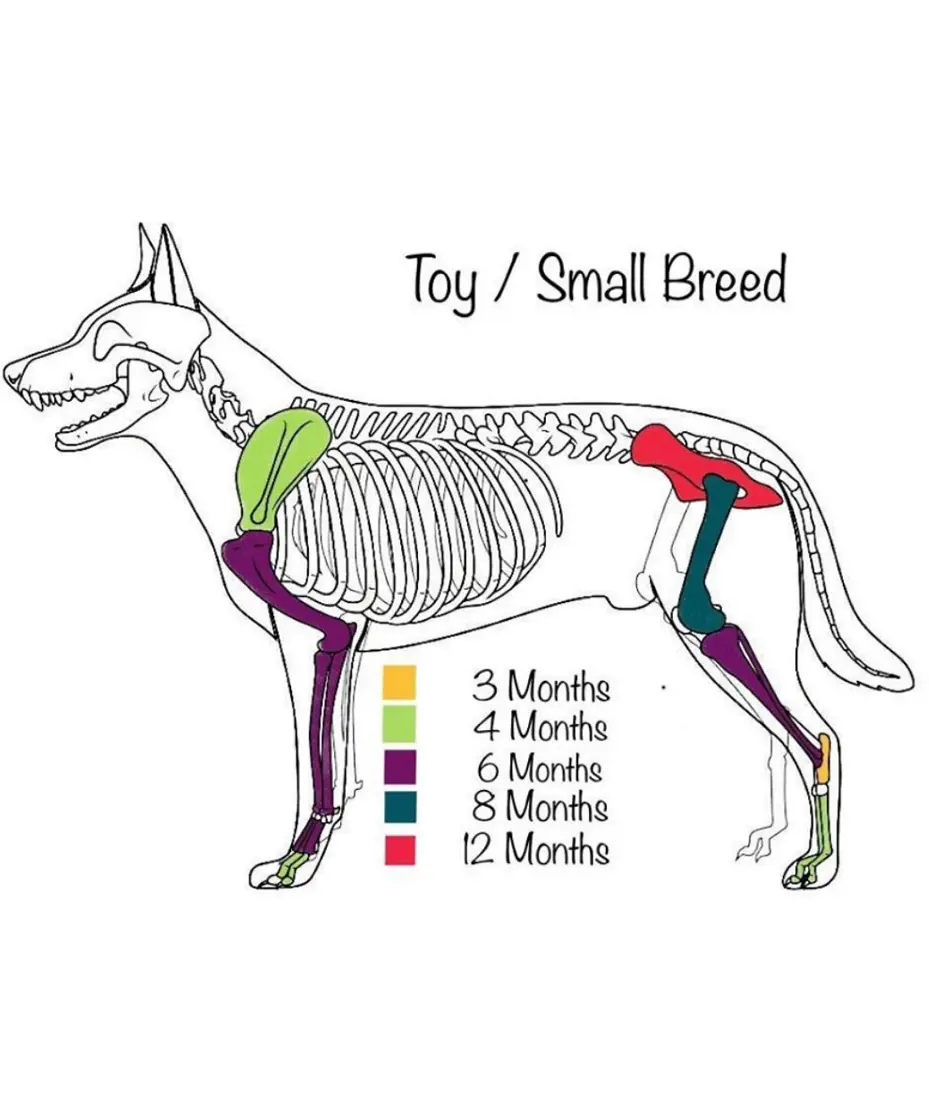
- Skeleton and Limbs: Most dogs possess four limbs with well-developed muscles suited for their intended tasks. Different breeds have variations in limb length, joint structure, and bone density. For instance, Greyhounds have long, slender legs designed for speed, while Dachshunds have short legs suited for burrowing.
- Coat and Skin: Dogs have a variety of coat types, including short, long, wiry, curly, and hairless. These coats offer protection against various weather conditions and environments. Breeds like the Siberian Husky have a double coat that insulates them against cold, while breeds like the Mexican Hairless have minimal hair due to their warm climate origin.
- Coat and Skin: Dogs have a variety of coat types, including short, long, wiry, curly, and hairless. These coats offer protection against various weather conditions and environments. Breeds like the Siberian Husky have a double coat that insulates them against cold, while breeds like the Mexican Hairless have minimal hair due to their warm climate origin.
Diet and Food Habits:
Dogs are omnivores, meaning they can consume animal- and plant-based foods. However, their dietary requirements can vary based on factors such as breed, size, age, and activity level.
- Protein: Protein is essential for muscle development and overall health. Animal-based proteins like meat, fish, and poultry are crucial for meeting a dog's dietary needs.
- Carbohydrates: Carbohydrates provide energy. While dogs don't require carbohydrates in large quantities, they can benefit from easily digestible sources like rice, potatoes, and certain vegetables.
- Fats: Fats are a concentrated energy source and aid in nutrient absorption. Sources like fish oil and flaxseed can contribute to healthy skin and coat.
- Vitamins and Minerals: Dogs require essential vitamins and minerals to maintain overall health. Commercial dog foods are often formulated to provide these nutrients in appropriate amounts.
- Puppy Nutrition: Puppies need a diet rich in high-quality protein for muscle development, fats for energy, and essential vitamins and minerals for overall growth. Look for puppy-specific formulas that provide these nutrients in the appropriate ratios.

Common Problems:
Selective breeding has contributed to desirable traits and potential health issues due to the concentration of genetic characteristics. Some common problems include:
- Hip Dysplasia: This genetic condition affects the hip joints and can cause pain and mobility issues, particularly in larger breeds.
- Brachycephalic Syndrome: Breeds with flat faces, like Bulldogs and Pugs, can suffer from breathing difficulties due to their shortened airways.
- Obesity: Overfeeding and lack of exercise can lead to obesity, which increases the risk of various health problems such as joint issues, diabetes, and heart disease.
- Allergies: Dogs can develop allergies to certain foods, environmental factors, or substances like pollen or dust mites, resulting in skin issues and discomfort.
- Dental Problems: Many dogs suffer from dental issues like tartar buildup, gum disease, and tooth decay. Regular dental care is crucial.
- Cancer: Certain breeds are more prone to specific types of cancer. Responsible breeding practices aim to reduce the prevalence of such genetic predispositions.

The diversity in dogs' physical structures, anatomy, and dietary needs is a testament to the rich history of selective breeding.
While breeding has contributed to various functional and aesthetic traits, it's crucial to prioritize the health and well-being of dogs. Responsible breeding, proper nutrition, regular exercise, and attentive medical care ensure that dogs lead happy and healthy lives.
Growth and Development
A dog's growth and development can be divided into several key stages: puppyhood, adolescence, adulthood, and senior years. Each stage brings unique changes in physical, behavioral, and nutritional needs.
- Puppyhood (0-12 Months): This is a crucial rapid growth and development period. Puppies need more calories, protein, and nutrients to support their growth. They also require frequent feeding to accommodate their small stomachs. Socialization and training play a vital role in shaping their behavior.
- Adolescence (6-18 Months): Larger breeds may continue to grow during this stage. Bones are still developing, so it's important to provide balanced nutrition to support proper bone and joint health. Controlled growth is essential to avoid issues like hip dysplasia.
- Adulthood (1-7 Years): Dogs reach their full size and maturity during this phase. Nutritional needs change; maintaining a healthy weight and providing appropriate nutrients are important. Regular exercise remains crucial to prevent obesity and promote overall health.
- Senior Years (7+ Years): Dogs become seniors around seven years of age, although this varies by breed. Senior dogs may experience reduced activity levels, slower metabolism, and potential health issues. Their diet should be adjusted to support aging, such as incorporating joint supplements and managing weight.

Reproduction
Dog reproduction involves both male and female dogs coming together for mating, leading to pregnancy and the birth of puppies.
- Mating: Female dogs, or bitches, typically go into heat or estrus twice a year. During this time, they become receptive to mating. Male dogs, or studs, are attracted to the scent of a female in heat. Mating involves the male mounting the female and copulating. This results in the transfer of sperm to the female's reproductive tract.
- Pregnancy: If fertilization occurs, the sperm meets the egg within the female's reproductive system. Pregnancy in dogs lasts approximately 63 days. The fertilized egg undergoes several divisions and becomes a blastocyst before implanting in the uterus.
- Embryonic Stage: The initial stage of development takes place within the uterus. The embryos attach to the uterine wall and develop rapidly, forming the basic structures of the body.
- Fetal Stage: During this period, the embryos develop into fetuses. Organs and body systems continue to mature, and the basic body plan is established by the end of this stage.
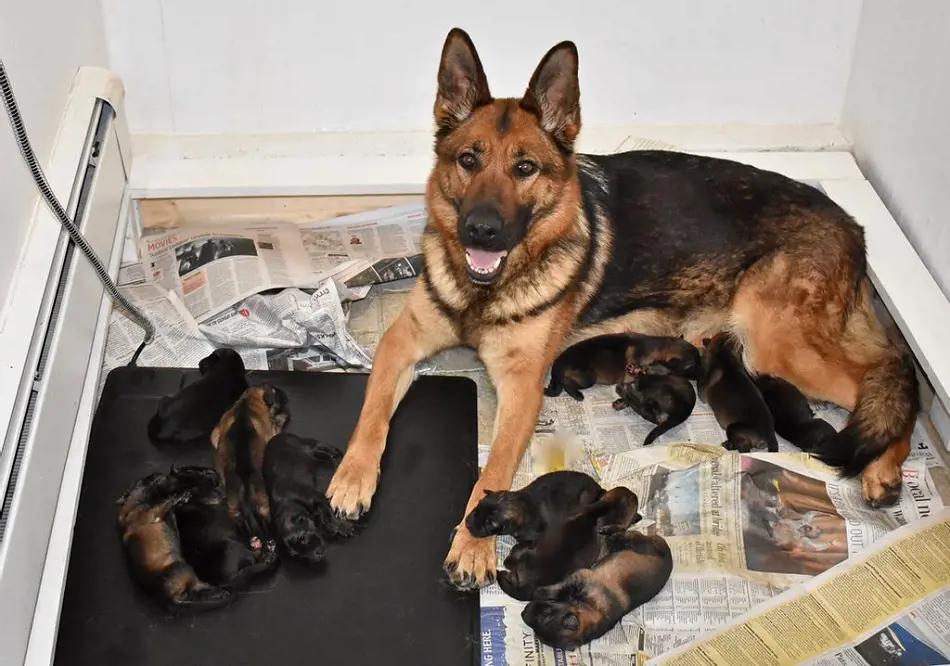
- Birth: Puppies are born after the gestation period blind, deaf, and completely dependent on their mother. They rely on her milk for nourishment and begin to nurse shortly after birth.
Training And Behavioral Developments
Training and behavioral development are crucial aspects of raising a well-behaved and balanced canine companion. Proper training enhances the bond between a dog and its owner and ensures the safety and happiness of the dog and the people around it.
Here we explore key principles and strategies for training and fostering positive behavioral developments in dogs.
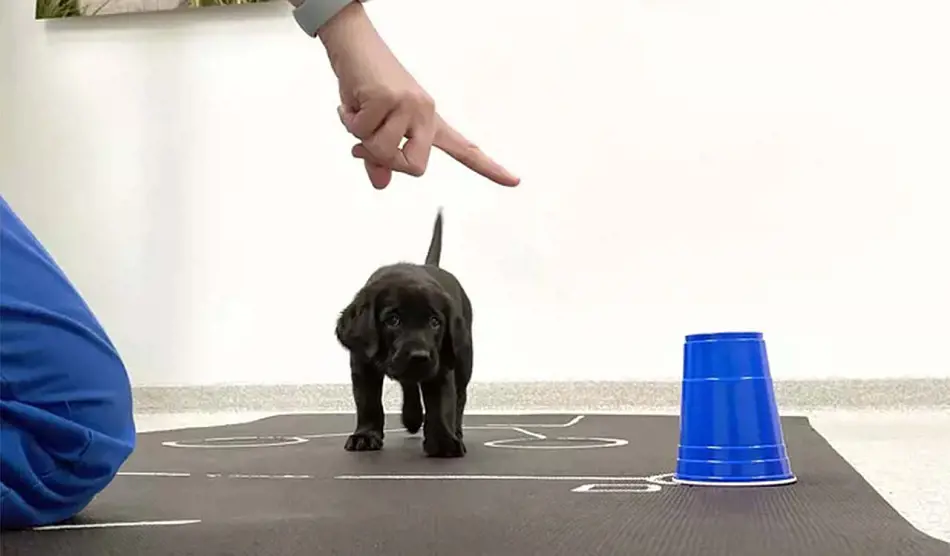
- Start Early: The best time to begin training a dog is during its puppyhood. Puppies are more receptive to learning and adapting to new behaviors. Socialization, basic commands, and leash training should commence as early as 8-10 weeks of age.
- Positive Reinforcement: Reward-based training is highly effective in promoting desired behaviors. Dogs respond well to positive reinforcement, such as treats, praise, and playtime, when they exhibit the desired behavior. This method encourages dogs to repeat actions that lead to positive outcomes.
- Consistency: Consistency is key in training. Commands, rules, and boundaries should be consistent across all family members to make sure the dog understands. Everyone involved in the dog's life should follow the same training techniques and cues.
- Basic Commands: Teaching basic commands like sit, stay, come, and heel establishes a foundation for effective communication between the dog and its owner. These commands are essential for safety and control at home and in public spaces.
- Socialization: Proper socialization is vital to prevent fear and aggression issues. Exposing the dog to various people, dogs, environments, and stimuli from a young age helps it become comfortable and well-adjusted in different situations.
- Leash Training: Leash training is essential for safe walks and outings. Introduce the dog to the leash gradually, associate it with positive experiences, and teach loose-leash walking to prevent pulling.
- Crate Training: Crate training provides a safe space for the dog and aids in housetraining. A crate should be associated with positive experiences and never used as a punishment.
- Housetraining: Establish a consistent routine for housetraining, rewarding the dog for eliminating outside. Be patient and avoid punishment for accidents, as this can hinder progress.
- Behavioral Challenges: Address behavioral challenges like barking, chewing, and jumping with positive reinforcement and redirection. Identifying the underlying causes of these behaviors is crucial for effective resolution.
- Avoid Punishment: Positive reinforcement is more effective than punishment in shaping behavior. Punishment can lead to fear and aggression and may not teach the desired behavior effectively.
- Clicker Training: Clicker training is a technique where a click sound is used to mark the exact moment a desired behavior is exhibited, followed by a reward. This technique enhances communication and accelerates learning.
- Advanced Training: Once basic commands are mastered, advanced training can include tricks, agility, and obedience competitions. These activities engage the dog's mind and energy positively.
- Patience and Persistence: Training takes time. Some dogs learn quickly, while others require more repetition. Patience and persistence are essential for successful training outcomes.
- Physical and Mental Stimulation: Engage the dog in regular physical exercise and mental stimulation through activities like puzzle toys, interactive games, and training sessions. A tired dog is less likely to engage in undesirable behaviors.
- Respect Individuality: Each dog has its personality and learning pace. Some breeds might excel in certain areas, while others might struggle. Tailor your training approach to the individual dog.
- Professional Help: If you encounter challenges or behavioral issues that you're unable to address on your own, consider seeking assistance from a professional dog trainer or behaviorist. They can provide personalized guidance and solutions.
- Positive Role Modeling: Dogs often learn by observing other dogs and humans. Positive interactions with well-behaved dogs can influence your dog's behavior positively.
- Regular Reinforcement: Even after a dog has learned commands and behaviors, it's important to reinforce them periodically to maintain consistency.
- Positive Interaction: Spend quality time with your dog, engaging in play, grooming, and bonding activities. This strengthens your connection and reinforces positive behavior.
- Adaptability: As your dog grows and matures, its training needs may change. Be prepared to adapt your training methods to cater to its changing behaviors and requirements.
Training and behavioral development are ongoing processes that require patience, consistency, and positive reinforcement. Early training, basic commands, socialization, and positive interaction set the foundation for a well-behaved and happy dog.
By understanding your dog's individuality and needs, seeking professional help when necessary, and focusing on positive methods, you can foster a strong bond and a harmonious relationship with your canine companion.
Dogs As Pets And How To Make A Selection
Dogs have been cherished companions to humans for centuries, providing loyalty, love, and a range of benefits that make them excellent pets.
Selecting the right dog for your lifestyle and needs is a crucial decision that can significantly impact your and your dog's quality of life.
Here, we delve into the considerations for keeping dogs as pets and offer guidance on making an informed selection.
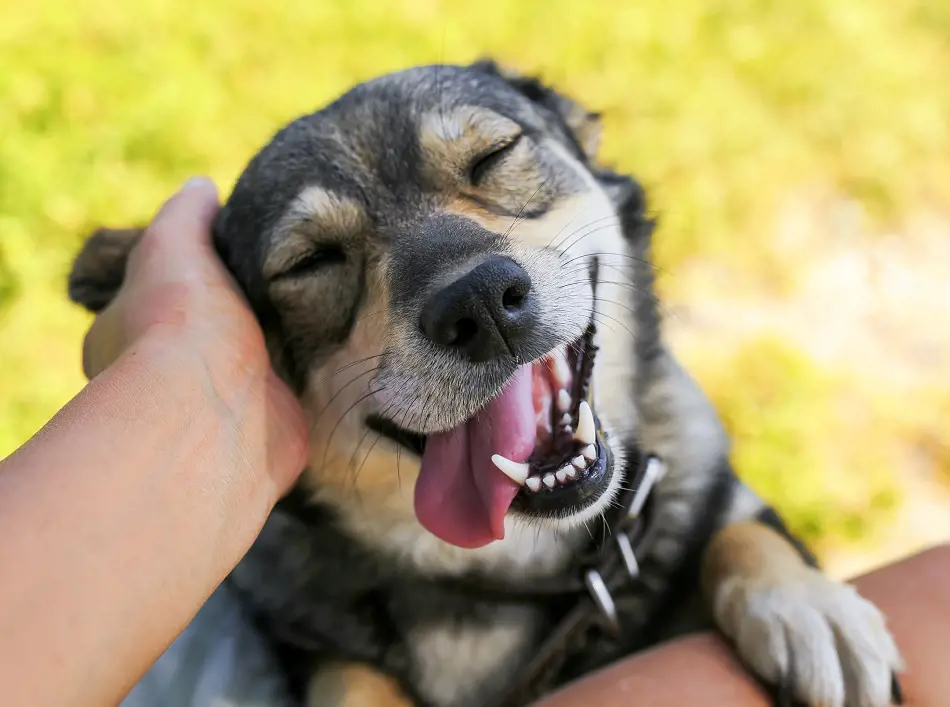
Benefits of Dogs as Pets:
- Companionship: Dogs are known for their unwavering loyalty and affection. They form deep bonds with their owners and provide companionship that can alleviate feelings of loneliness.
- Physical and Mental Health: Owning a dog encourages physical activity through walks, playtime, and exercise. The presence of a dog also promotes mental well-being, reducing stress and anxiety.
- Security: Many dog breeds are naturally protective, offering a sense of security to their owners and their property.
- Socialization: Dogs are excellent social facilitators. Taking your dog for walks or to the park can lead to interactions with other dog owners, fostering social connections.
- Teaching Responsibility: Owning a dog teaches responsibility, as dogs require consistent care, including feeding, grooming, and medical attention.
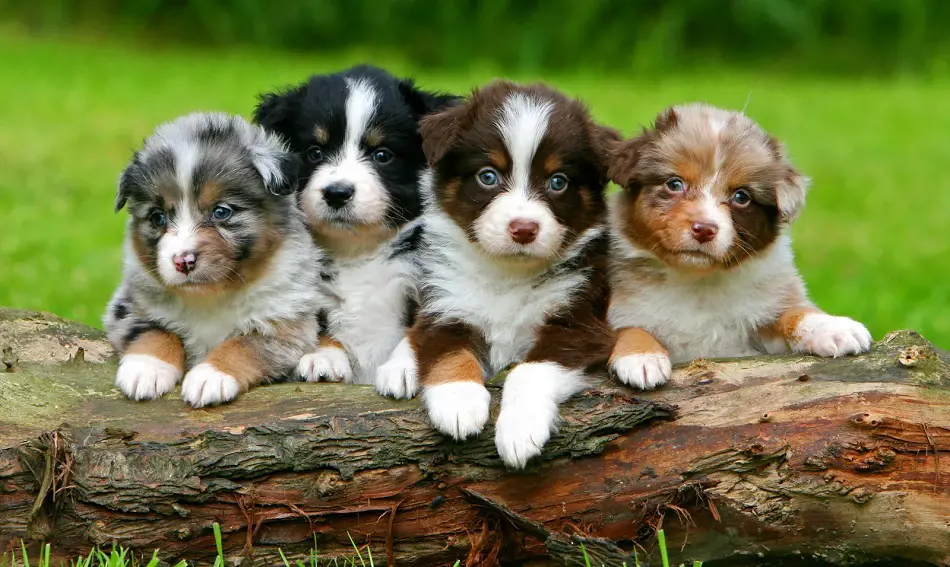
Selecting the Right Dog:
- Lifestyle Assessment: Before getting a dog, evaluate your lifestyle. Consider factors such as your daily routine, work schedule, activity level, and living situation. Different breeds have varying needs and energy levels, so choosing a dog that matches your lifestyle is essential.
- Size and Space: The size of your living space matters. Larger breeds may require more room to move around, while smaller breeds are more adaptable to smaller spaces like apartments.
- Energy Level: Dogs have varying energy levels. Some breeds are highly active and require ample exercise and mental stimulation, while others are more laid-back and content with less activity.
- Allergies: If you or any family members have allergies, consider hypoallergenic breeds with minimal shedding and dander.
- Age: Puppies require intensive training and care, while older dogs might already be trained and settled. Consider your ability to invest time and effort into training and acclimatizing a puppy.
- Breed Characteristics: Research different breeds to understand their characteristics, such as temperament, grooming needs, exercise requirements, and potential health issues. Some breeds are better suited for families with children, while others are more suitable for individuals or seniors.
- Rescue or Breeder: Decide whether you want to adopt a dog from a shelter or rescue organization or purchase from a reputable breeder. Adopting can save a life and offer a sense of fulfillment while buying from a breeder allows you to choose a specific breed and lineage.
- Temperament: Spend time with the dog before making a decision. Observe its behavior, how it reacts to people and other animals, and if its temperament aligns with your expectations.
- Training Needs: Consider your training capabilities and preferences. Some breeds are easier to train, while others may require more patience and expertise.
- Health Considerations: Ensure the dog is healthy before bringing it home. Ask for health records, vaccinations, and any potential genetic issues associated with the breed.
- Time Commitment: Dogs demand time and attention. Ensure you can commit to regular feeding, exercise, grooming, and playtime.
- Financial Considerations: Owning a dog comes with costs such as food, veterinary care, grooming, and supplies. Ensure you're financially prepared for these responsibilities.
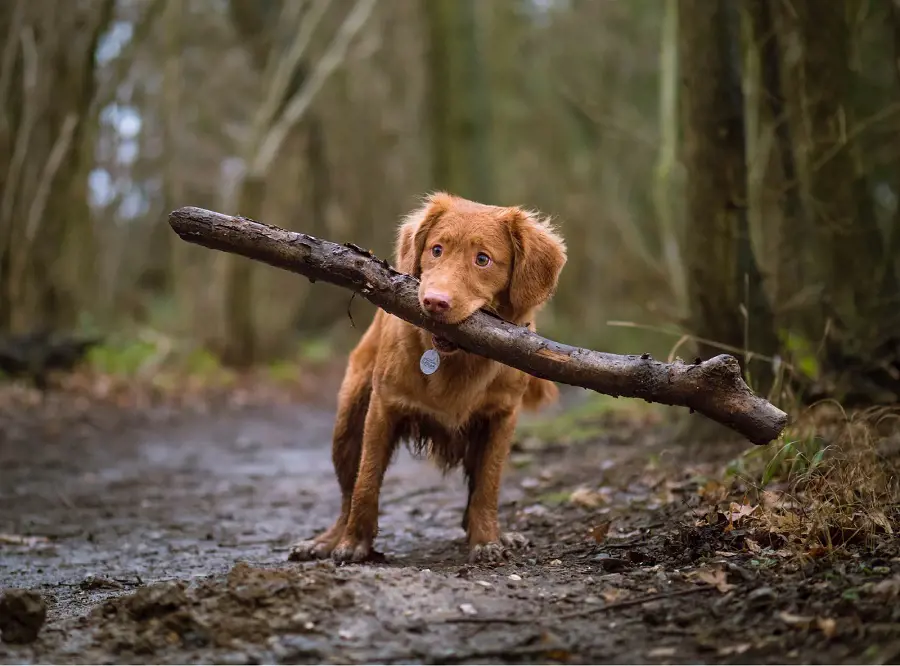
Bringing Your Dog Home:
- Prepare Your Home: Before bringing your new dog home, puppy-proof or dog-proof your living space. Remove hazards and provide necessary supplies like a bed, food and water bowls, toys, and a leash.
- Gradual Introduction: Gradually introduce your new dog to its new environment and family members. Create a calm and welcoming atmosphere.
- Establish Routine: Dogs thrive on routines. Establish a consistent schedule for feeding, walks, play, and rest.
- Training: Begin training immediately, focusing on basic commands, leash manners, and house training. Positive reinforcement methods work best.
- Socialization: Gradually expose your dog to different people, animals, and environments to ensure it becomes well-adjusted and confident.
- Veterinary Care: Schedule a veterinary check-up shortly after bringing your dog home. Discuss vaccination schedules, preventative care, and any health concerns.
Dogs bring joy, companionship, and numerous benefits to our lives as pets. Selecting a dog that aligns with your lifestyle, preferences, and capabilities is essential to ensure a harmonious relationship.
Consider factors such as size, energy level, breed characteristics, and the choice between adoption and buying from a breeder.
Taking the time to make an informed decision and providing proper care will result in a fulfilling and lasting bond between you and your canine companion.
Top 5 FAQs About Dogs
Every dog has unique needs, and understanding your dog's personality and behaviors will guide you in being a responsible and caring dog owner.
If you have specific concerns or questions about your dog, seeking advice from experienced dog owners, trainers, or veterinarians can provide valuable insights.
1. How do I choose the right dog breed for my lifestyle?
Choosing the right dog breed depends on factors like your living situation, activity level, family composition, and personal preferences. Research different breeds to understand their size, energy levels, grooming needs, and temperaments. For example, active individuals might consider breeds like Labrador Retrievers or Border Collies, while those seeking a smaller companion might look into breeds like Pugs or French Bulldogs.
2. How can I train my dog effectively?
Effective dog training involves positive reinforcement techniques such as treats, praise, and rewards. Consistency, patience, and clear communication are key. Basic commands like "sit," "stay," and "come" help establish good behavior. Socialization is also crucial; expose your dog to various people, animals, and environments to build confidence and prevent behavioral issues.
3. What's the best way to potty train my puppy?
Potty training involves setting a routine, taking your puppy outside after meals, naps, and playtime, and praising them when they eliminate outdoors. Supervise indoors to prevent accidents and recognize signs that your puppy needs to go. Clean the area with an enzymatic cleaner to remove the scent if accidents occur. Be patient; potty training takes time and consistency.
4. How should I care for my dog's health?
Regular veterinary care is essential for your dog's health. Keep up with vaccinations, flea and tick prevention, and routine check-ups. Spaying or neutering is often recommended to prevent certain health issues and manage overpopulation. Dental care, including brushing teeth and providing dental treats, helps maintain oral hygiene. Balanced nutrition and regular exercise are vital for their overall well-being.
5. How do I help my dog with separation anxiety?
Separation anxiety can cause distress when you're away. Gradually acclimate your dog to alone time by leaving for short periods and gradually extending the time. Provide engaging toys or puzzles to keep them occupied. Creating a comfortable and safe space, such as a crate or designated area, can help them feel secure. If severe, consult a veterinarian or professional dog trainer for guidance.