

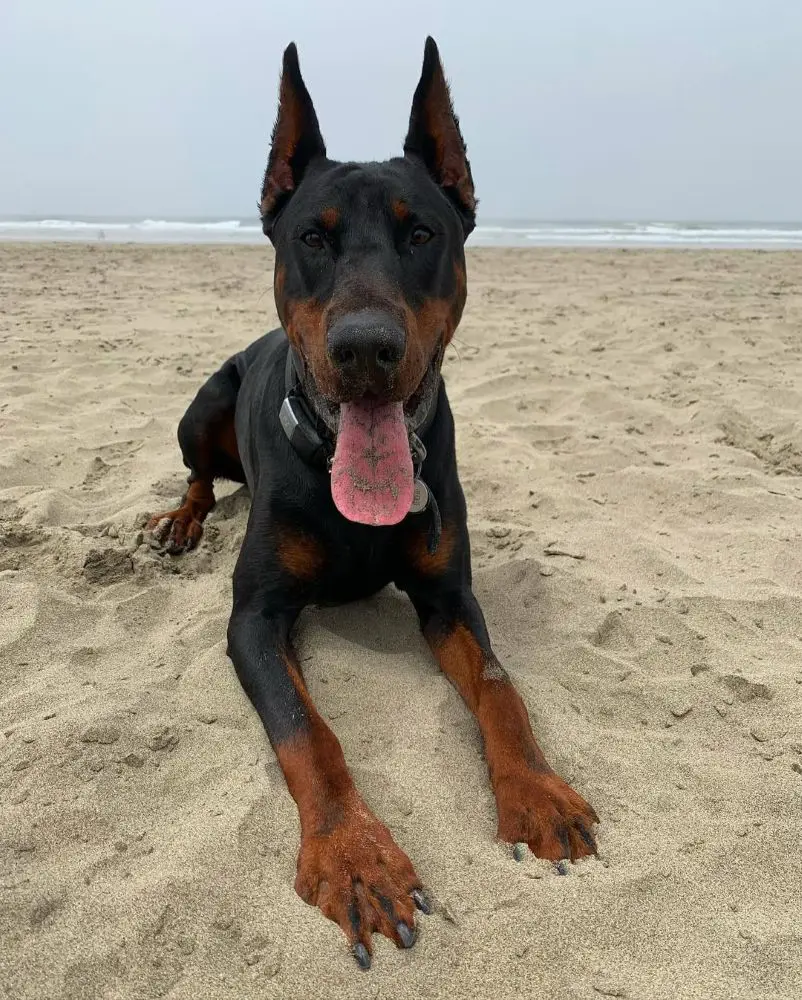
If you're considering your Doberman's ears, understand the benefits and risks associated with the process before giving your final approval.
Cropping has been a controversial subject in the dog community. While it gives the pup an elegant appearance and improved hearing ability, the procedure comes with certain risks that should be carefully examined for the safety of your companion. Also, getting the perfectly cropped look can take at least six months, as the ears need sufficient time to become stable in the erect shape.
So, is cropping your Doberman worth the risk? Here's a detailed analysis of the different aspects of a Doberman's ear crops.
Doberman Ear Cropping History
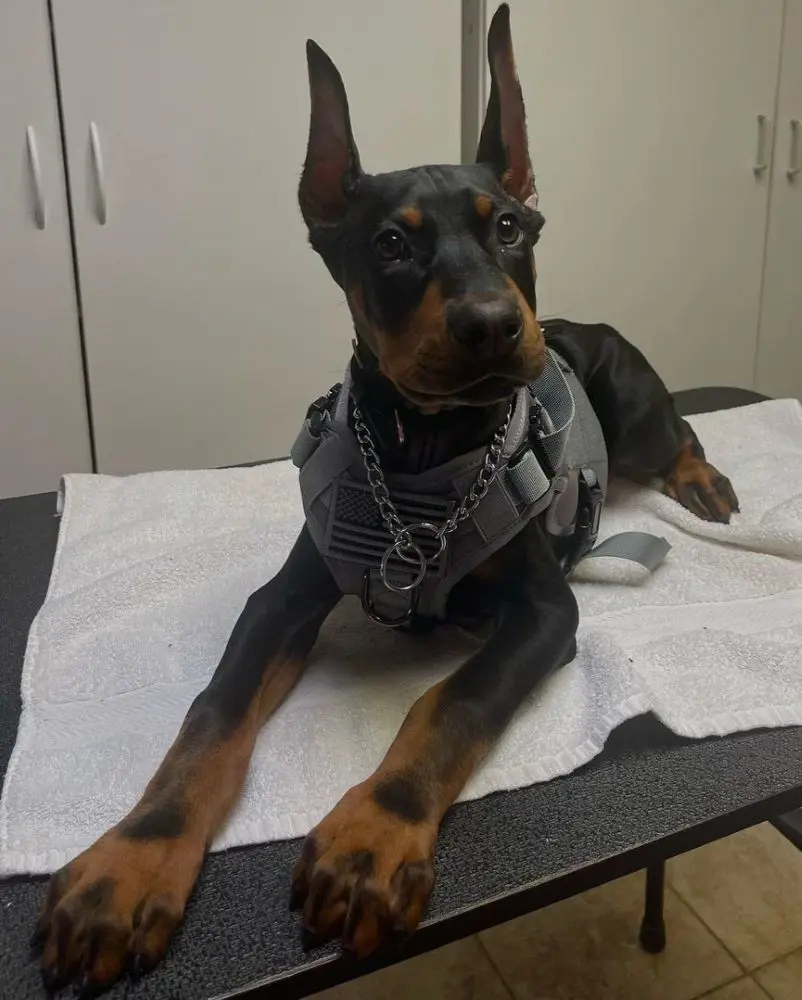
The practice of ear cropping in Dobermans is as old as the breed; the trend commenced when Karl Friedrich Louis Dobermann, the breed’s creator, sought to develop a protective working dog. Dobermans were used as guard dogs, police dogs, and messengers, and ear cropping was believed to increase their performance in these roles. Cropped ears were less susceptible to injury in fights or when navigating dense environments, which made the dogs more effective and resilient in their duties.
In addition to functionality, ear cropping gained aesthetic significance over time. The sharp, erect ears contributed to the Doberman’s intimidating appearance, which aligned with its reputation as a loyal protector. Over the decades, this look became a breed standard in many kennel clubs; the cropped ears also gave the breed a distinctive silhouette.
In recent years, ear cropping has faced growing criticism due to ethical concerns. Many animal welfare advocates argue that the procedure, typically performed for cosmetic reasons today, causes unnecessary pain and stress to the dog. As a result, ear cropping is banned or restricted in several countries, reflecting a shift toward prioritizing animal welfare over tradition.
Why Is Doberman Ear Cropping Necessary?
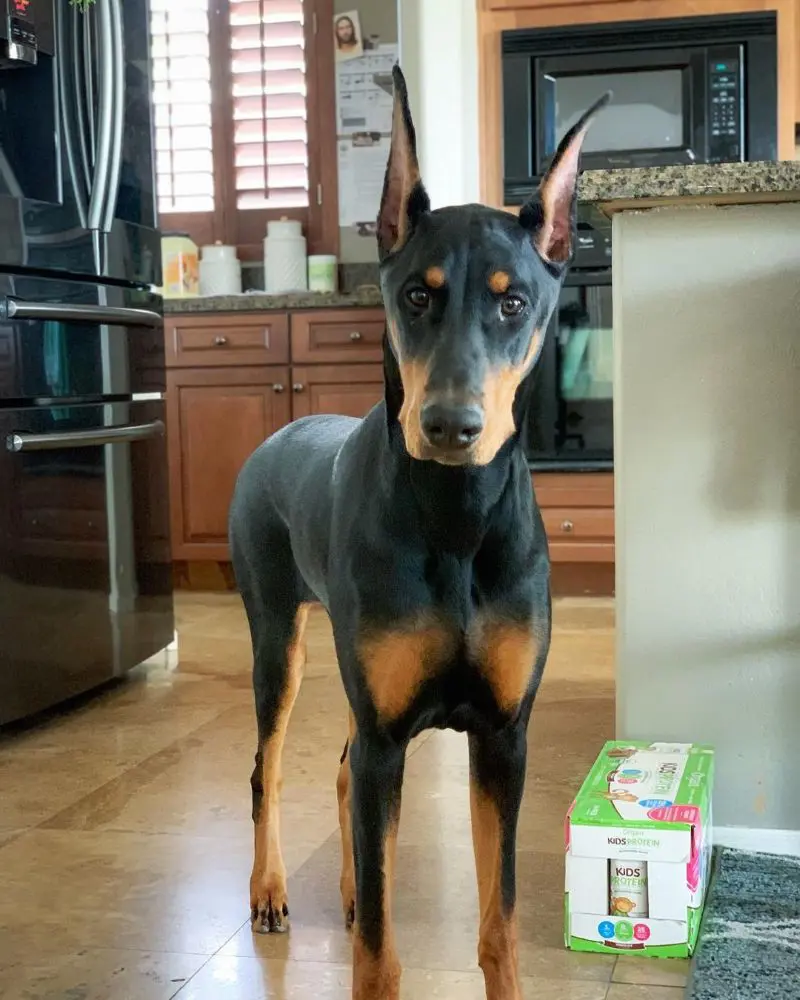
Although considered controversial by many, Doberman ear cropping has become a vital practice among pet owners. The cropping isn't about providing an attractive appearance to the breed; it is more in line with functionality and comfort.
These are some crucial reasons why you should crop your Doberman's ears.
1. Reduced Risk of Injury
Initially, the Doberman was a champion fighting dogs that was used in dog fighting arenas all over the world. To prevent the risk of injury to their long ears, the ears were often cut short.
While the sport of dog fighting has been banned in most countries, their role as fighters has not diminished. As working dogs, these canines are used to fight off several large predators to protect the livestock.
During a fight with another dog or animal, the large ears of the Doberman serve as one of their weakest points, often vulnerable to injuries and scarring. To avoid this, it is crucial to get their ears cropped.
2. Improved Hearing
As a working or guard dog, the Doberman is tasked with protecting the livestock from predators. To perform their tasks successfully, these dogs should be able to determine the noises emitted by predators, miles away from the herd.
Uncropped Doberman dogs often have larger resting ears that can block sounds from entering the ear canal; this can make it difficult to identify low-frequency noises generated by predators. And, that's where the cropping comes in handy.
3. Protection in Work Roles
Just like German Shepherds, the Doberman breed has also historically worked as police and military dogs, often involved in activities like rescue, narcotics detection, and more.
These service-oriented are often risky, with the possibility of causing serious harm to the dog. While cropping their ears doesn't dramatically eliminate the risks, it can make the dog safer and more alert during dangerous situations.
4. Breed Standards
As of 2024, many dog registries consider cropped ears as a vital part of the dog's appearance. While many of the kennel clubs still validate uncropped ears in this breed, uncropped Dobermans are automatically disqualified from dog shows that consider cropped ears as a part of the breed's appeal.
At the same time, you should also remember that only a limited of these registries demand cropped ears; others consider dogs with uncropped ears as a part of the breed.
5. Intimidating Looks
In the wild, animals use intimidation techniques to appear bigger and more fierce in the presence of other animals. While this was not always effective, the intimidation method often helped many animals survive in the wild.
As working or guard dogs, Dobermans employed the tactic is ward off potential predators or animals that try to enter their premises. This method has proven extremely effective in intimidating other animals away from the Doberman's home or territory.
Risks Associated with Doberman Ear Cropping
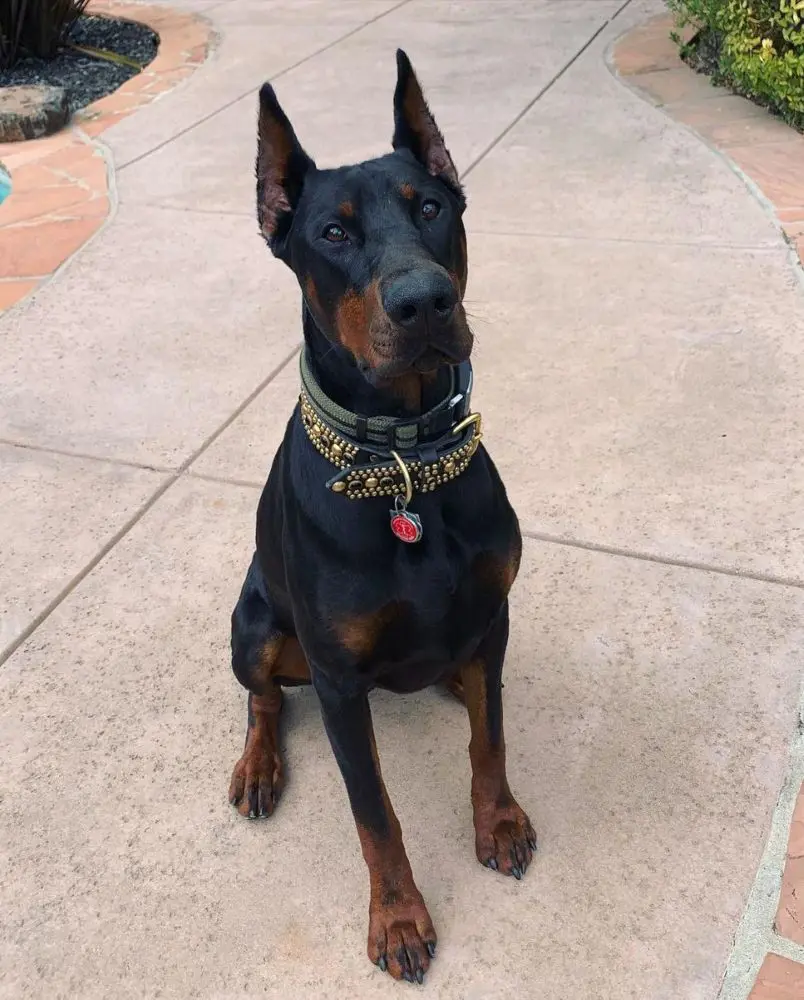
Cropping a Doberman's ears would not be controversial if it wasn't linked to some health risks to the dog. Performed by surgical altercation, the process of cropping itself comes with inherent risks and potential complications.
Here are some common risks associated with cropped ears in Doberman.
1. Pain And Discomfort
Despite the use of anesthesia, the process of ear cropping can be excruciatingly painful to a Doberman. Although the "cropping" word might sound fancy, but, in reality, the procedure is about mutilating a body part, which is why cropping is controversial in the first place.
Similarly, the postoperative pain can last for months to years. The recovery process is often physically discomforting to a Doberman. And, the fact that they can communicate their pains like humans do, only further complicates the situation.
2. Infection
Recovering from ear cropping is a long process that might take a significant amount of time. The procedure itself is about cutting a part of the dog's ears, resulting in wounds that can take months to heal.
Although the wounds are rarely left open, there is always a risk of infections, especially if your dog has unsupervised outdoor access.
3. Anesthesia Risks
While anesthesia can save a dog from lots of pain during surgery, it is also known to have some adverse effects, particularly in young or sensitive dogs. As the cropping is usually carried out when the Doberman is still young, the risk of anesthesia complications is significantly high in these dogs.
Additionally, the use of anesthesia in young dogs can be detrimental to their health, causing side effects as minor as vomiting or as serious as life-threatening conditions like increased risks of strokes or cardiac arrests.
4. Scarring
As we've already discussed, getting the cropping right depends on a healing process. If the wounds from the cropping surgery don't heal properly, it can leave visual scars on the dog's ears. While these are potentially harmless in the long run, the scars can impact the appearance of the dog.
Although not true for everyone, many dog owners will not be willing to adopt or raise a dog with scars on its ears. This will significantly decrease the chance of a Doberman being adopted or increase in cases of pet owners abandoning their dogs.
5. Compromised Immune Response
Cropping is a stressful procedure for dogs, even if it is carried out under anesthesia. Dobermans, particularly young pups, can experience a deteriorated immune system due to the physical and psychological response to the cropping procedure.
As these dogs grow older, the result of the reduced immune capacity becomes more visible; the Doberman will be potentially at risk of long-term immune-related health conditions, even turning fatal in some cases.
How Are Doberman Ears Cropped?
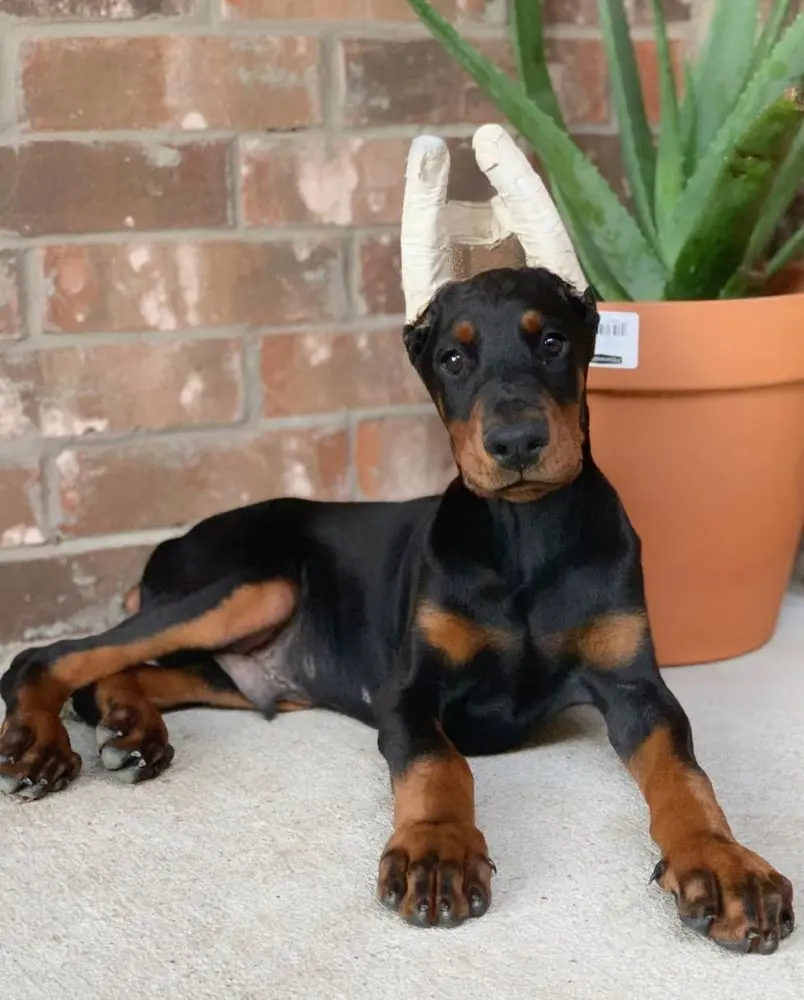
In Dobermans, ear cropping surgery is usually carried out when the puppy is only about 6 to 12 weeks; the dog should be young as the ears will grow after the surgery, to achieve the signature look of the breed.
At the start of the surgery, a professional vet or experienced breeder will use scissors or surgical blades to cut off the outer ear to change the shape of the ear. Then, the wounds caused by the procedure are dressed up before using surgical glue to close the tissues.
To make the ears stand erect, they are normally taped for about six months or up to a year. The recovery is often considered more gruesome than the surgery itself, prompting animal rights activists to demand a complete ban on this practice.
While the cropping process sounds simple enough, you should always hire a professional and not try this at home; trying to save a few dollars can permanently deform your pet or cause extreme reactions.
Uncropped Ears In Doberman
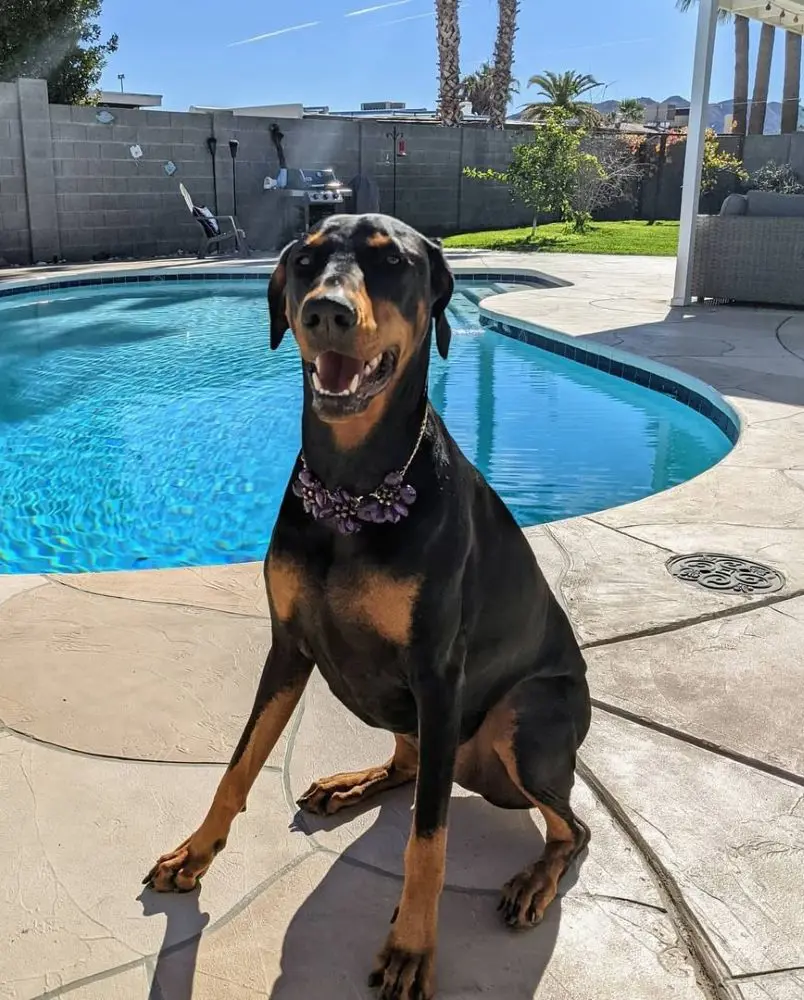
While cropping has become the trend among many Doberman owners, the breed looks equally majestic in uncropped ears too. In fact, the argument that cropping has health benefits often lacks scientific evidence, causing some nations to completely ban this practice.
The natural ears of a Doberman often resemble a Labrador's ears: triangular in shape and usually falling forward. Leaving the ears uncropped can save your pet a lot of pain and the possibility of catching infections.
On the other hand, some pet owners argue that leaving a Doberman uncropped can make it vulnerable to physical injuries, especially while playing roughly with other dogs. Similarly, cropped ears are easier to care than uncropped ears, causing many pet parents to choose the former. Some supporters of the controversial process even argue that cropping is an important as neutering or spaying a dog.
In the US, cropped ears are considered the breed's standard. However, cropping is only necessary for Dobermans who are set to appear in an AKC-hosted dog competition. In other cases, there's not much difference in the perception of dogs with cropped or uncropped ears.
Ear Cropping In Other Dog Breeds
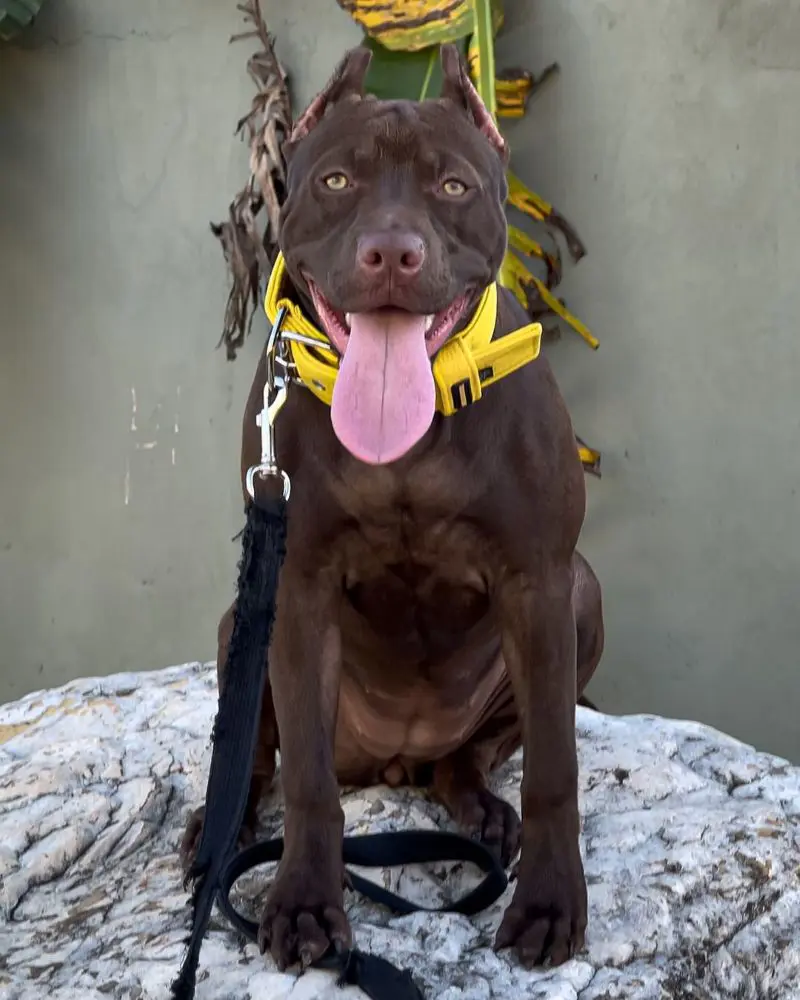
The Doberman isn't the only breed subjected to ear cropping. Did you know that it's not even the first breed to have its ears cropped?
Dogs that are particularly involved in police work or hunting were the first to undergo this process. These are a few breeds that have been historically cropped, either for appearance or health issues:
1. Cane Corso
A fierce working dog breed, Cane Corso commands the canine world with its large size and intimidating tactics; these dogs can weigh around 90 to 110 lbs and achieve a height of about 23 to 28 inches.
Cane Corsos got their ears historically cropped to prevent other animals and humans from using them as handles. Over time, it became a fashion to crop the ears of these dogs. However, due to raised awareness among pet parents, more and more dog owners are insisting on a natural look or uncropped ears.
2. American Pitbull
American Pitbull Terrier, or simply Pitbull, was initially bred to hunt game and to compete in dog fights. As hunting dogs needed to be able to faintest smells and little noise made by the prey, hunters started cropping their ears.
On the other hand, Pitbulls that fought in the ring were also required to protect their vulnerable spots. As a result, cropped ears became the norm among fighting dogs.
Although the American Pitbull is normally gentle, it is often misunderstood as a dangerous dog due to its unpredictable behavior and records of attacks on humans. Also, these dogs are observed to be more hostile than other breeds and often as provocateurs in a dog fight. However, many dog owners argue that the personality of a dog solely depends on its socialization and training; so, if your Pitbull is misbehaving in public, you didn't do your job right.
3. Boxer
The Boxer is a German breed, originally developed to hunt large prey. It was created by crossing the currently extinct dog breed Bullenbeisser with the English Bulldog.
While cropping Boxers is fairly rare these days, it wasn't always the case. During the early 20th century, these dogs were notorious for their ears-cropped and tail-docked looks. No fault to the dogs, but these Boxers were often considered more aggressive and dangerous than uncropped Boxers. In response to the public pressure, cropping a Boxer has become a thing of the past.