

Feline distemper is a highly contagious disease that affects kittens and unvaccinated cats through the nose or mouth. It captures the bone marrow and intestines within two to seven days of the virus entering the cat.
Cats suffering from this disease may show various symptoms as they may face discomfort and pain. The article discusses the signs of distempers in cats.
1. Lethargy
It is one of the most noticeable signs of distemper in cats which is caused due to an extremely affected immune system. This causes the cat to lack energy and may appear tired, weak, and uninterested in its surroundings.
They may avoid interactions or playtime by sleeping more than usual as the virus affects their normal body function. Cats may also experience other symptoms such as vomiting or diarrhea when this lethargy worsens.
2. Fever
Fever is a common early symptom of distemper in cats and occurs as the body's natural response to fight off the virus. The immune system of an infected cat tries to fight the virus by raising its body temperature which means that the body recognizes the virus as a threat and is working to fight it.
This may make the cat feel more inactive, and lazy, and lose their appetite. They may also look out for cool areas and avoid movement as a sign of discomfort or distress.
3. Vomiting
Vomiting is a sign of feline distemper that shows that the virus is affecting the gastrointestinal process of a cat. The virus rapidly attracts the cells of the intestines and disturbs the normal digestive process.
It may cause discomfort to the cat due to stomach pain and make them reluctant to eat or drink food. Vomiting can be continuous in severe cases which can lead to dehydration and make the cat open to other infections.
It is important to take them to the vet for treatments such as fluids to manage vomiting and protect the cat's health.
4. Loss Of Appetite
A cat infected with this virus goes through various changes that can lead to reduced or complete loss of appetite. This can be concerning as it can lead to rapid weight loss and make the cat more vulnerable to the effects of the virus.
A cat's sense of taste and smell may alter due to the illness, making food less tempting and impacting their willingness to eat. They may suffer from dehydration as they stop drinking enough liquids which worsens their overall condition. Cats
5. Diarrhea
Diarrhea is a serious factor that causes loose and liquid waste that can cause sickness. Damage to the gut process can cause the inability to consume fluids and lead to this disease.
It is very important to treat it as it can cause fluid loss and other severe health issues. You should ensure that your cat has access to clean water at all times and regularly clean their litter box to minimize the risk of spreading the virus.
6. Dehydration
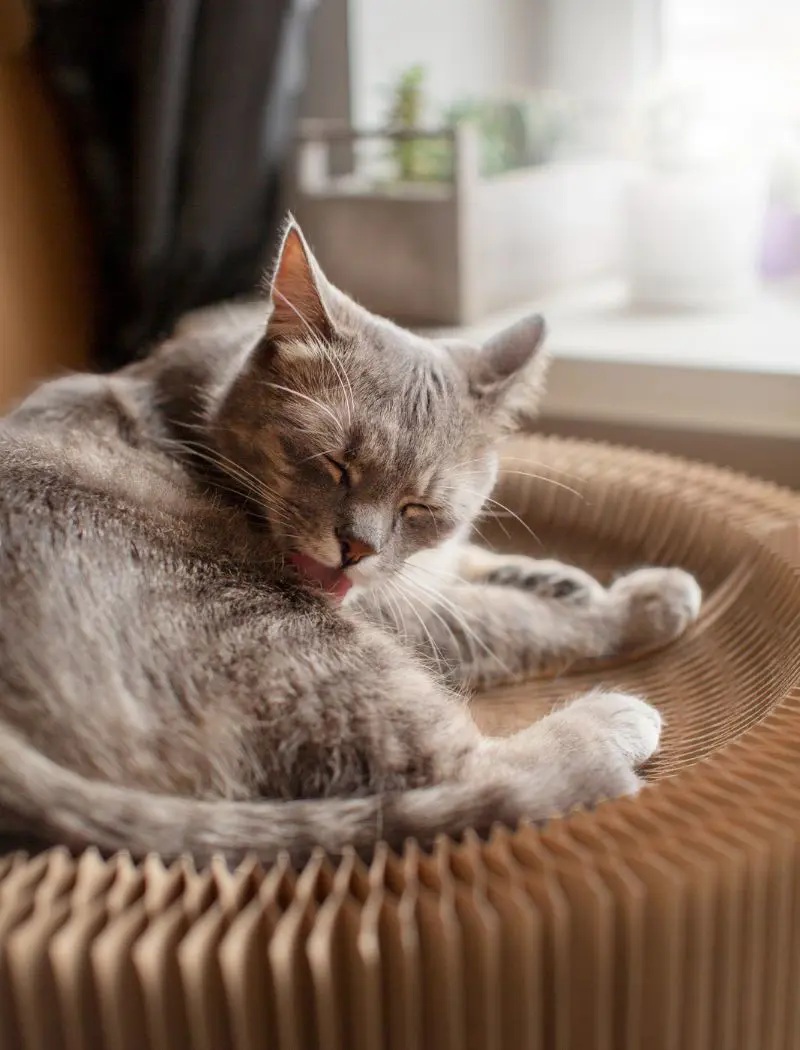
Dehydration is a serious concern as the combination of vomiting, diarrhea, and appetite reduction causes fluid loss that can degrade the cat's health. An infected cat may experience frequent discharge of fluids through vomiting and diarrhea which can lower the body's hydration level.
A dehydrated cat may show various indicators signs such as dry mouth, gums, sunken eyes, and a decrease in skin elasticity. It can also cause further complications like a weakened immune system that makes the cat more vulnerable to infections and health problems.
7. Nasal Discharge
Nasal discharge indicates that the cat is suffering from breathing trouble that can be caused due to the virus's effect on the defense function and airway. It can appear in various forms like clear or green, depending on the underlying reason.
It is important to monitor their nasal discharge closely as changes in color or consistency can suggest degrading situation. Prompt veterinary care is important to address these symptoms and help improve the cat's chances of recovery.
8. Eye Secretion
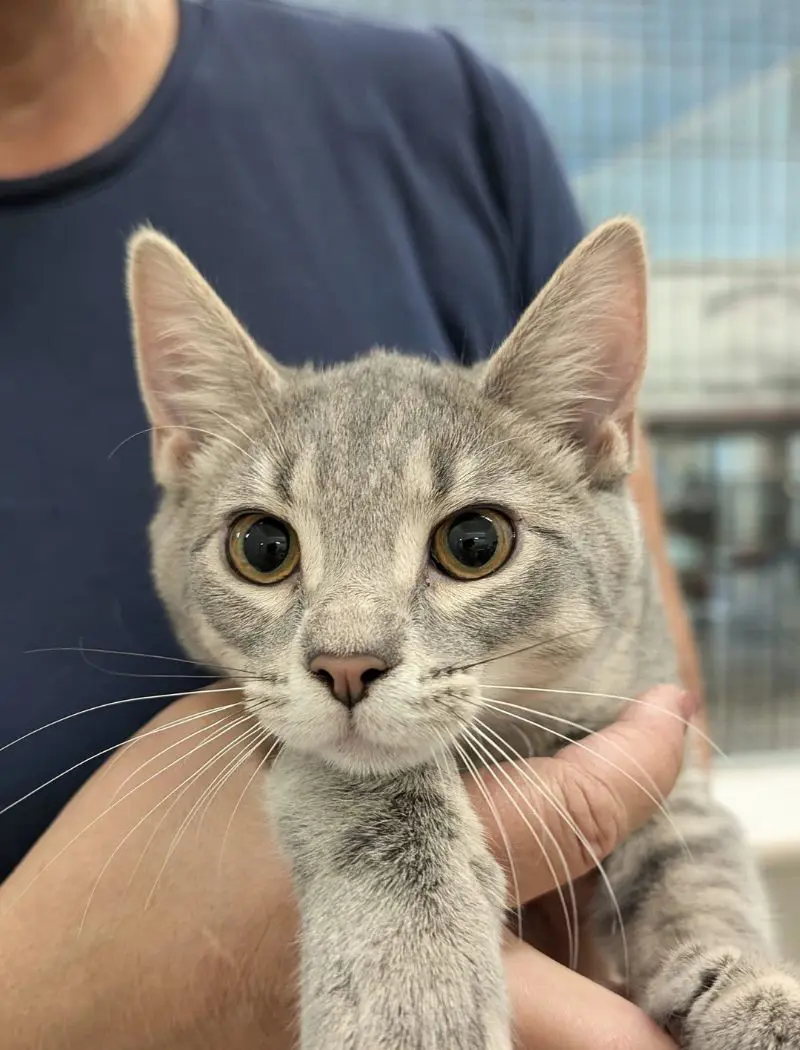
It is caused by a compromised immune system and makes them prone to other diseases like conjunctivitis and other eye-related problems. It can appear in various forms like watery tears or thicker mucus that can cause crusting around the eyes.
The presence of eye secretions can lead to discomfort and may contribute to the cat's overall lethargy and reluctance to engage in normal activities. It is necessary to seek vet consultation if it is followed by other signs like fever or loss of appetite.
9. Weight Loss
Cats with distemper suffer from weight loss as the virus impacts their bowel and causes various other issues. It is difficult for them to maintain proper hydration and weight as they suffer from symptoms like vomiting, diarrhea, and loss of appetite.
They may also suffer from malnutrition as the virus also damages the cat's ability to digest food and affects the necessary factors from the food. Cats lose their appetite as they refuse to eat due to discomfort from the illness which further leads to their weight loss.
Weight loss due to distemper can weaken the cat's health rapidly and affect the cat's overall ability to recover as they may be open to other infections. It is important to monitor their weight closely to ensure that they are receiving proper care to recover from it.
10. Grooming Neglect
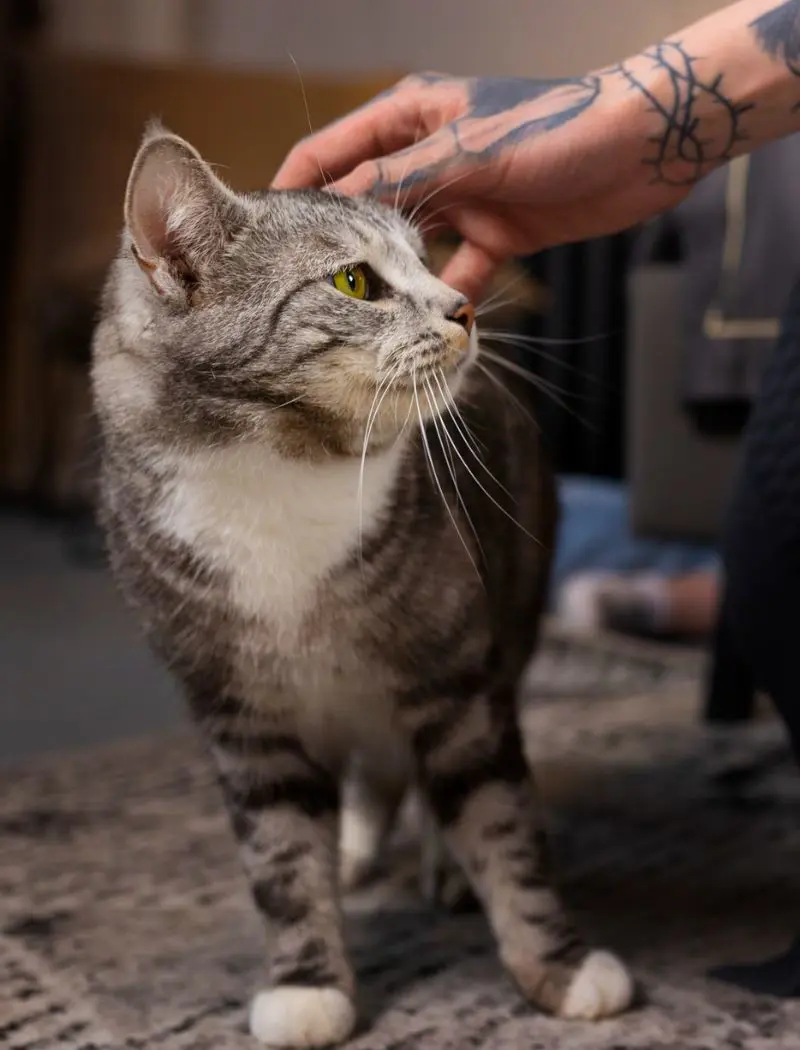
Cats are naturally particular about grooming themselves by keeping their fur clean. It may indicate that they are going through some discomfort or pain when they stop grooming themselves and become too lazy to do their usual activities.
They may be too weak or uncomfortable to continue their regular grooming as their body may prioritize energy for fighting the infection or dealing with other symptoms of the illness. Grooming neglect can lead to other issues like skin irritation and parasite infection which may further worsen their health.
11. Depression
This is a common symptom that occurs due to the impact on the cat's physical and mental health as it makes the cat weak and unwell. Cats may withdraw themselves from activities they once enjoyed and avoid interaction with humans or other pets.
They may also stop or show less interest in playing, exploring, or grooming themselves as they isolate themselves by spending more time sleeping or hiding. Depression caused by distemper requires quick attention as emotional stress weakens their overall health and makes recovery more difficult.
12. Stomach Pain
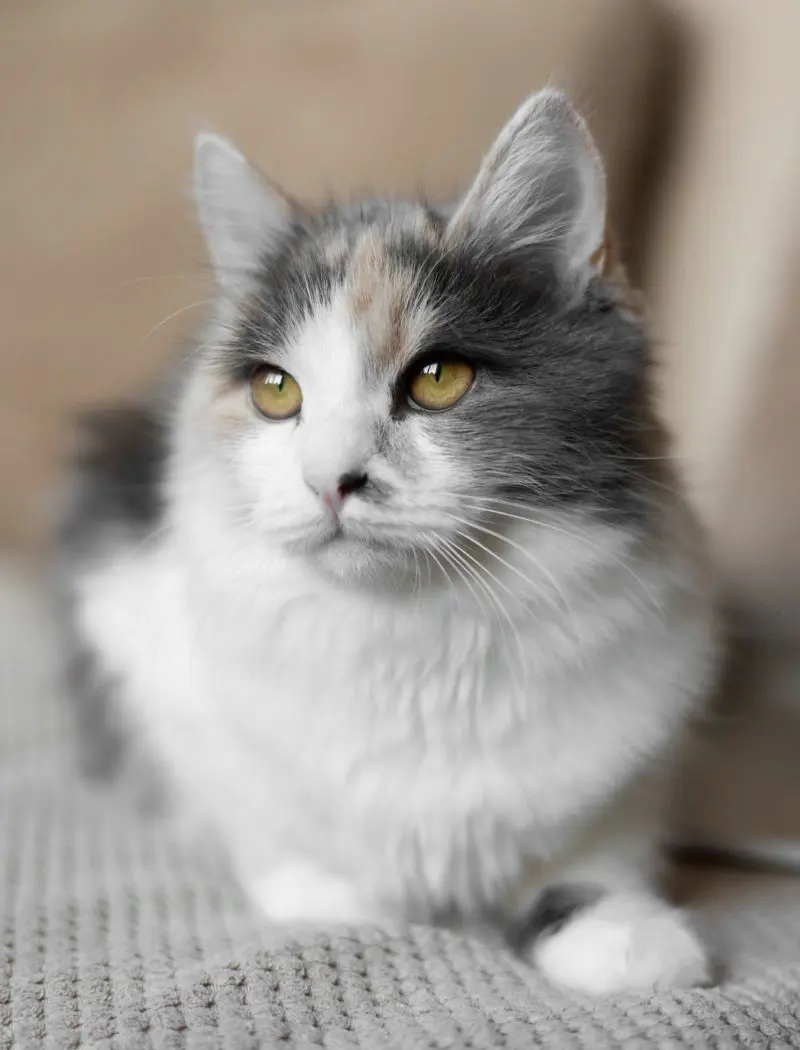
The virus attacks the digestive system of the cat which leads to damage in the stomach and causes the cat to experience discomfort. Cats may also suffer from vomiting, diarrhea, and loss of appetite as the virus affects their abdomen.
They may avoid being touched around the stomach or appear restless as they suffer from it, which can make it difficult for them to eat food. Some cats may also show signs of distress by crying or vocalizing when their abdomen is touched.
The inflammation caused by the virus can hamper their normal digestion and cause cramping or bloating. It may also further make them dehydrated and lethargic, making them less responsive to interaction with humans and other animals.
13. Weakness
Cats with this problem have weak energy levels and physical strength as the virus attacks their immune system. Weakness shows early in the disease and worsens as the infection progresses as it affects the cat's ability to move, eat, and interact with its surroundings.
Their body may be deprived of essential liquids and nutrients necessary to maintain their energy which further leads to dehydration and malnutrition. The cat's body begins to break down because of this and makes them feel tired and weak. They may spend more time lying down as they show little interest in normal activities and may also stop moving altogether due to exhaustion.
14. Aggression
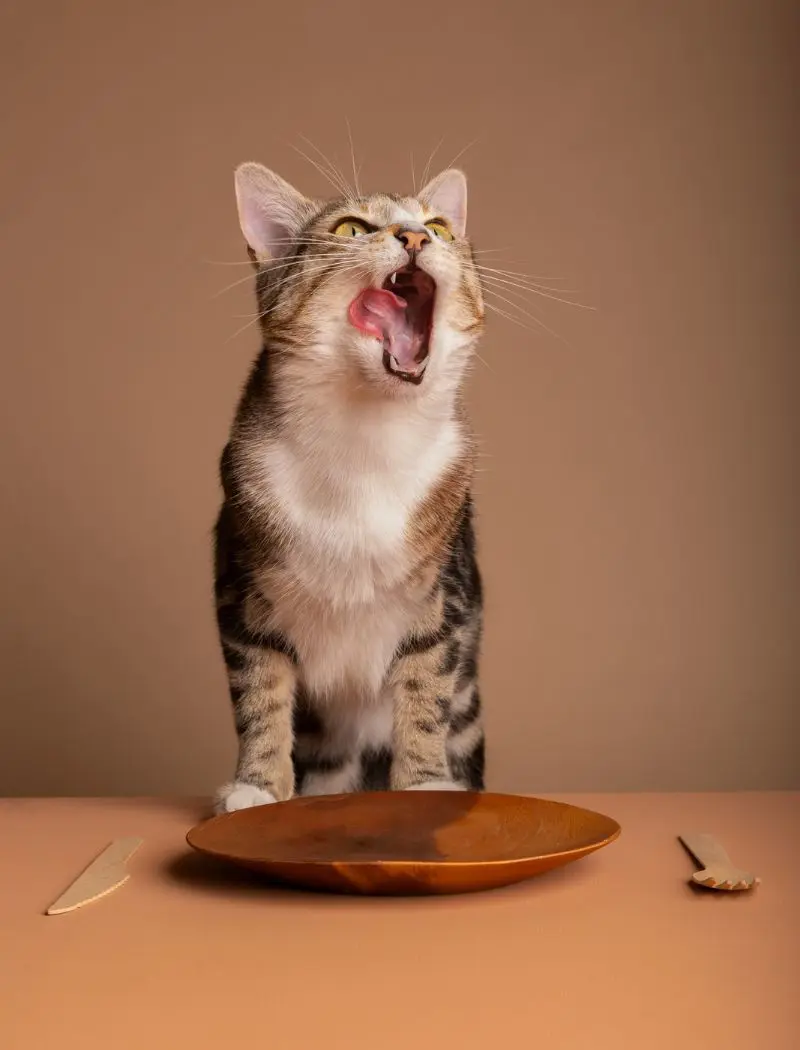
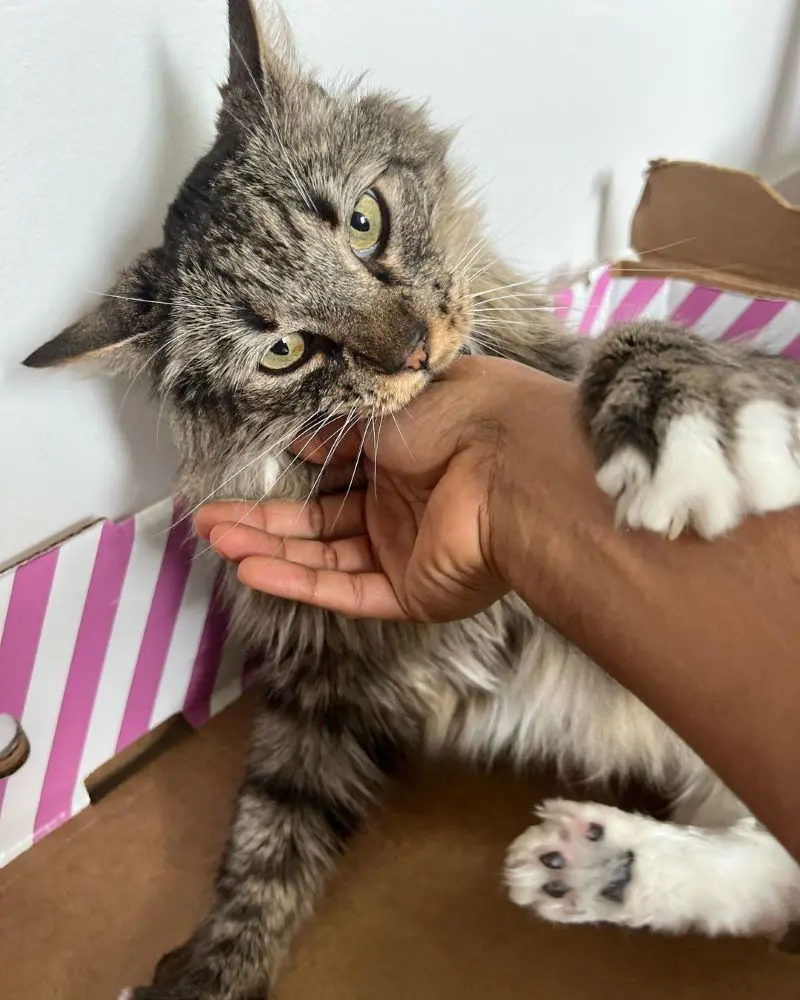
Cats with distemper show signs of aggression in various forms that range from growling and hissing to physical attacks like biting or scratching. They become aggressive due to the pain and fear caused by the virus and as a response to feeling threatened or uneasy.
They may also have changes in behavior such as irritation or aggression as the virus also has a neurological effect on the cats. It is a form of self-protection and defense mechanism to keep others at a distance if they are feeling weak or uncomfortable. This type of aggression happens mostly when the cat is touched or handled and causes physical stress.
15. Drooling
Cats with distemper suffer from drooling as it is a natural response as the body reacts to the discomfort in the stomach and the pain which causes changes in behavior like drooling. The virus can cause oral infections in cats and they may drool because of the injury in the mouth which can be painful.
While dehydration typically leads to a dry mouth, some cats may drool as their bodies try to make up for fluid loss. Drooling can cause cats other problems like skin irritation around the mouth which may create a breeding ground for bacterial infections.
16. Changes In Sleep Routine
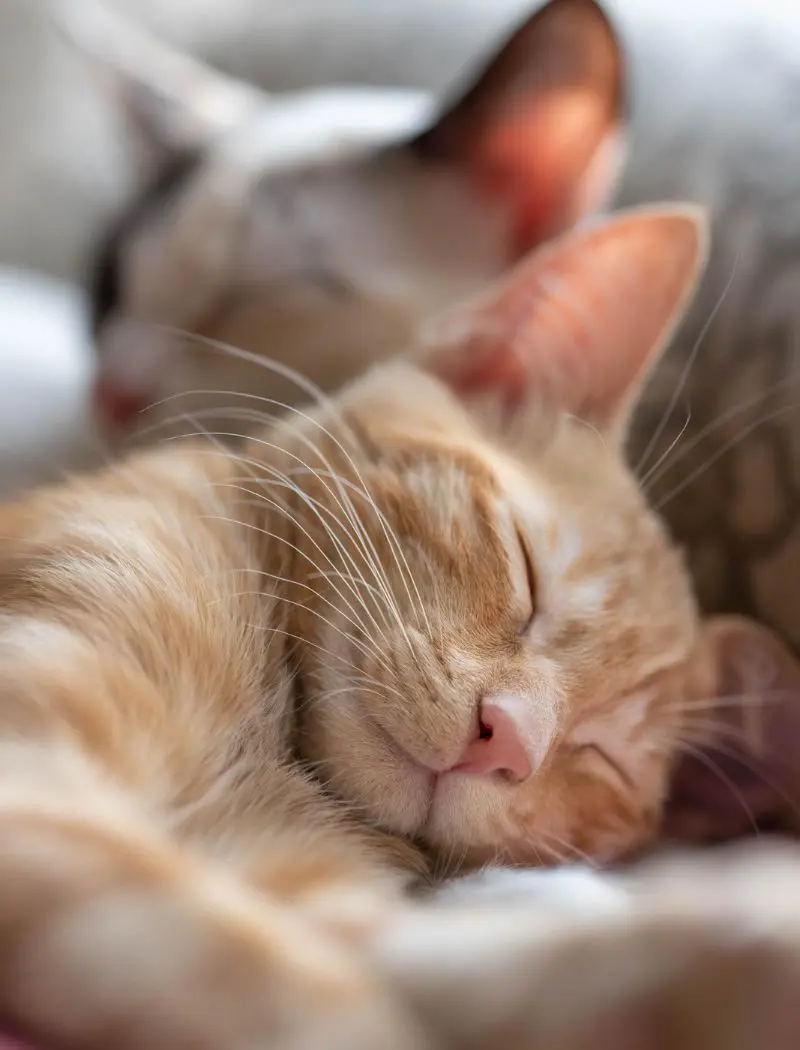
Cats are known for their regular sleeping habits and may spend most of their time resting. Their sleeping patterns can be disturbed if they are unwell or suffering from distemper which may cause either excessive sleeping or increased restlessness.
They may be uninterested in their surroundings and sleep more than usual due to weakness as their body needs to rest well to fight off the infection. They may not be responsive even when they are awake and show little to no interest in playing or interacting.
Some cats may also become restless and unable to sit in one place for a long time due to the discomfort or pain caused by the illness. They may shift positions frequently or appear anxious as they try to find a comfortable place to lie down.
17. Trembling Or Shaking
Cats with distemper may tremble or shake as they try to cope with the physical impact of the disease caused due to various reasons. Fever due to the virus can also make them tremble as an increase in body temperature can make them feel weak and shaky as the body struggles to regulate the temperature.
Dehydration and weakness make the cat exhausted and tremble due to the weakness or lack of energy to maintain the normal functions of the body. Cats may suffer from anxiety as they suffer from all the signs of distemper resulting in trembling or shaking.